
The Role of Crop Domestication in Shaping Indigenous Societies

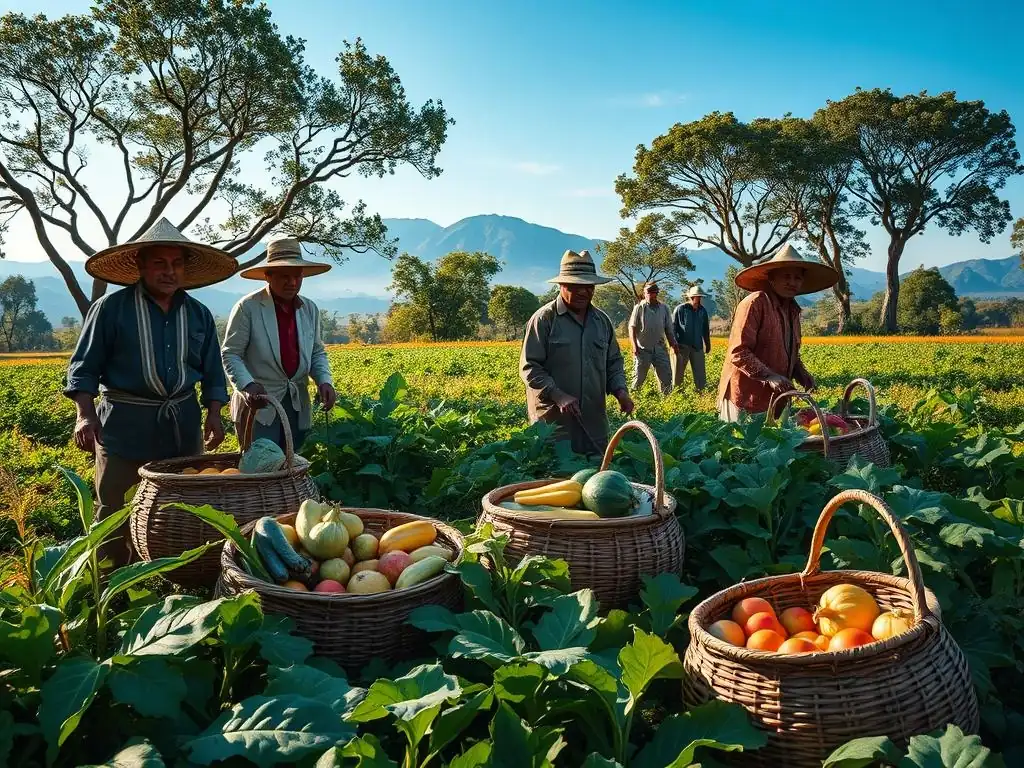
Welcome to "Indigenous Civilizations of the Americas"! Here, we invite you to embark on a fascinating journey through the vibrant tapestry of indigenous cultures that flourished long before European footprints touched the soil of the Americas. In this exploration, we delve into the profound impact of indigenous crop domestication, a cornerstone of societal advancement that shaped the very foundations of their communities. Discover how these agricultural innovations not only sustained their populations but also influenced their social structures and cultural identities. Prepare to uncover the remarkable achievements of these civilizations and the legacies they left behind—your adventure begins here!
Introduction to Indigenous Crop Domestication
The story of indigenous crop domestication is a pivotal chapter in the narrative of the Americas, showcasing the ingenuity and adaptability of the diverse civilizations that flourished long before European contact. This article delves into the intricate relationship between indigenous societies and their agricultural practices, examining how the domestication of crops not only secured food sources but also laid the foundation for complex social structures and economic systems. By exploring the impact of indigenous crop domestication, we uncover the profound ways in which these agricultural advancements shaped the very fabric of life for countless communities across the continent.
Definition of Crop Domestication
Crop domestication is the process through which humans cultivate and selectively breed wild plants to enhance desirable traits such as yield, taste, and resilience against pests and diseases. This transformation involves a series of practices, including:
- Selection: Choosing plants with specific traits for breeding.
- Cultivation: Growing these selected plants in controlled environments.
- Propagation: Ensuring the continuous production of these domesticated varieties.
Through this process, indigenous peoples of the Americas developed a rich array of crops that became staples in their diets, including maize, beans, squash, and potatoes. These crops played a crucial role in sustaining populations and fostering community development.
Historical Context of Indigenous Crop Domestication
The history of crop domestication among indigenous cultures is a testament to human innovation and resilience. Archaeological evidence indicates that domestication practices began as early as 10,000 years ago. Notable regions include:
- Mesoamerica: Home to the origins of maize, a crop that would become central to numerous indigenous diets.
- Andean Highlands: The birthplace of potatoes and quinoa, vital for sustaining high-altitude communities.
- North America: The cultivation of sunflowers and wild rice, which were integral to the diets of various tribes.
The evolution of these agricultural practices occurred alongside the development of complex societal structures, enabling the rise of urban centers and trade networks that connected diverse communities across the continent.
The Impact of Indigenous Crop Domestication on Societal Development
The ramifications of indigenous crop domestication extend far beyond mere sustenance; they encompass significant advancements in agricultural techniques, social organization, and economic vitality.
Agricultural Innovations and Techniques
Indigenous peoples exhibited remarkable ingenuity in their agricultural practices, leading to the development of innovative techniques such as:
- Terracing: Utilized in the Andes to maximize arable land and prevent soil erosion.
- Milpa System: A form of shifting cultivation in Mesoamerica that allowed for sustainable farming without depleting soil nutrients.
- Irrigation: Employed by civilizations like the Hohokam in the Southwest, enabling agriculture in arid environments.
These innovations not only increased crop yields but also contributed to the stability and resilience of indigenous societies.
Changes in Social Structure and Organization
The domestication of crops had profound implications for social structures within indigenous communities. As agricultural practices became more sophisticated, societies began to:
- Establish Settlements: Permanent agricultural practices led to the formation of villages and cities.
- Specialize Labor: The surplus of food allowed individuals to pursue specialized roles beyond farming, such as artisans, traders, and leaders.
- Develop Governance: With growing populations, complex governance systems emerged to manage resources and community needs.
These changes fostered a sense of identity and cohesion among groups, further solidifying their cultural practices and traditions.
Economic Implications of Crop Domestication
The economic landscape of indigenous societies was significantly influenced by crop domestication. Key aspects include:
- Trade Networks: Surplus crops facilitated trade between different communities, enabling the exchange of goods, ideas, and cultural practices.
- Resource Management: Effective cultivation strategies promoted sustainable resource use, ensuring long-term food security and environmental stewardship.
- Cultural Exchange: The movement of crops and agricultural techniques fostered interactions among diverse indigenous groups, enriching cultural experiences and knowledge.
The impact of indigenous crop domestication on societal development is a multifaceted phenomenon that highlights the interconnectedness of agriculture, culture, and economy in shaping the lives of indigenous peoples across the Americas. Through this exploration, we gain a deeper appreciation for the sophisticated systems that these civilizations developed in harmony with their environment.
Key Crops in Indigenous Cultures
Indigenous societies across the Americas cultivated a variety of crops that not only sustained their populations but also played a pivotal role in shaping their cultures, economies, and social structures. The domestication of specific crops provided a reliable food source that allowed these societies to thrive, develop complex communities, and engage in trade. Some of the most significant crops, which became staples in their diets and held cultural importance, included maize (corn), beans, and squash—often referred to as the "Three Sisters."
These crops were not only vital for sustenance but also integral to various rituals and traditions. For instance, maize was revered among many indigenous peoples and featured prominently in religious ceremonies, symbolizing life and fertility. The interdependence of these crops fostered agricultural practices that emphasized cooperation and mutual support within communities.
Major Crops Domesticated by Indigenous Peoples
- Maize (Corn): Originating in Mesoamerica, maize became the cornerstone of many indigenous diets and cultures throughout the Americas. Its versatility allowed for numerous culinary applications, from tortillas to tamales, and it facilitated trade networks.
- Beans: Often grown alongside maize, beans provided essential protein and nutrients, complementing the dietary offerings of maize. The practice of intercropping these plants led to enhanced soil fertility and improved yields.
- Squash: Another member of the "Three Sisters," squash was cultivated for its nutritious fruit and seeds. Its sprawling vines served as ground cover, suppressing weeds and conserving soil moisture.
- Potatoes: In the Andean regions, indigenous peoples domesticated potatoes, which became a staple food that sustained populations through harsh climates and high altitudes. The diversity of potato varieties cultivated by these societies is remarkable.
- Quinoa: Also hailing from the Andes, quinoa was valued not only for its nutritional content but also for its adaptability to various environmental conditions, making it essential for survival in diverse habitats.
- Chili Peppers: Essential for flavoring and preserving food, chili peppers were cultivated widely and became a key component of many indigenous cuisines, adding both culinary and medicinal value.
Regional Variations in Crop Domestication
The practice of crop domestication varied significantly across regions, influenced by local climate, geography, and cultural practices. In Mesoamerica, the integration of maize, beans, and squash formed the foundation of agricultural systems, while in the Andes, root crops like potatoes and quinoa thrived in the high-altitude environment.
In the eastern woodlands, indigenous peoples cultivated crops such as sunflowers and tobacco, which held both nutritional and ceremonial significance. The Great Plains indigenous communities relied on foraging and hunting, with agriculture playing a secondary role, primarily focusing on crops like wild rice in wetland areas.
These regional differences highlight the adaptability of indigenous societies to their environments, showcasing their innovative approaches to agriculture that were informed by centuries of observation, experimentation, and cultural knowledge.
The Role of Crop Domestication in Sustainability
The domestication of crops by indigenous peoples was not just a means of subsistence; it was a cornerstone of sustainable practices that promoted environmental stewardship and resource conservation. Indigenous agricultural systems were inherently sustainable, with a focus on maintaining ecological balance and adapting to local conditions.
Sustainable Practices Developed by Indigenous Societies
Indigenous societies developed numerous sustainable agricultural practices that minimized environmental impact. Techniques such as polyculture, where multiple crops were grown together, enhanced soil health and reduced pest infestations. Additionally, many communities employed agroforestry, integrating tree cultivation with crops to improve biodiversity and soil quality.
Controlled burns were another practice utilized to manage land, encouraging new growth and maintaining healthy ecosystems. These methods fostered resilience in agricultural systems, ensuring a steady food supply while preserving the integrity of the surrounding environment.
Crop Rotation and Biodiversity Preservation
Crop rotation was a common practice among indigenous farmers, allowing for the replenishment of soil nutrients and the control of pests and diseases. By alternating the planting of different crops in the same area, indigenous peoples enhanced soil fertility and reduced the risk of crop failure.
This method also contributed to biodiversity preservation, as varied crops supported a wider range of species, from beneficial insects to soil microorganisms. By maintaining diverse agricultural systems, indigenous societies ensured the long-term viability of their farming practices and the ecosystems in which they thrived.
The Connection Between Crop Domestication and Environmental Stewardship
The relationship between crop domestication and environmental stewardship is evident in the practices of indigenous peoples. Their deep understanding of local ecosystems informed their agricultural techniques, leading to sustainable food production that respected natural resources.
Indigenous agricultural practices were often guided by a philosophy of reciprocity with the land, recognizing the importance of maintaining ecological balance. This stewardship is increasingly relevant today, as modern society seeks to address environmental challenges and learn from the sustainable practices of indigenous cultures. The wisdom embedded in these traditional practices can inform contemporary approaches to agriculture, promoting sustainability and resilience in the face of climate change.
Challenges Faced by Indigenous Societies Due to Crop Domestication
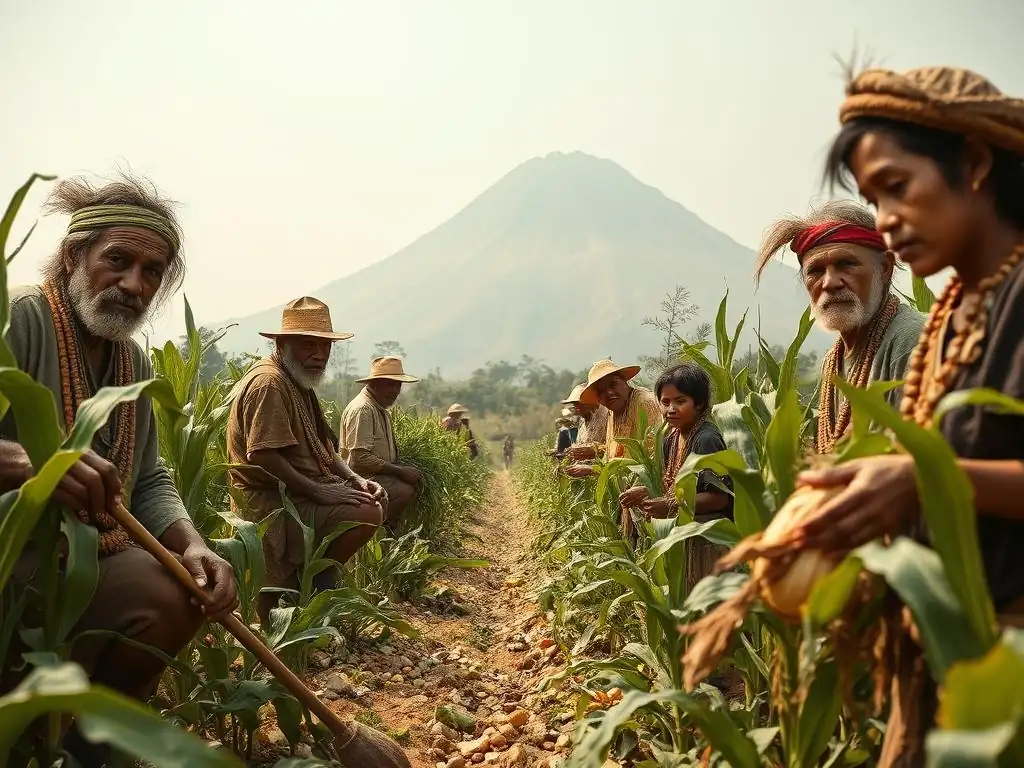
The process of crop domestication significantly transformed indigenous societies, providing both opportunities and challenges. As these societies adapted their agricultural practices to cultivate specific crops, they encountered several challenges that affected their social structures, environmental interactions, and overall sustainability.
Environmental Changes and Their Impact
With the introduction of crop domestication, indigenous societies faced various environmental changes. The transition from foraging to farming altered local ecosystems, often leading to soil depletion and changes in biodiversity. Intensive cultivation of certain crops, such as maize and potatoes, resulted in monocultures that diminished the variety of plant species and disrupted natural habitats.
Moreover, irrigation practices developed to support these crops could lead to water shortages in some regions. For instance, in the arid landscapes of the American Southwest, extensive irrigation systems were necessary to sustain agricultural productivity, but these systems also strained local water resources. As a result, environmental degradation sometimes occurred, affecting not only crop yields but also the overall health of the ecosystem and the sustainability of indigenous practices.
Social Conflicts and Land Use Issues
The shift towards agriculture also brought about social conflicts and land use issues within indigenous communities. As certain groups became more reliant on specific crops, competition for fertile land intensified. This competition often led to conflicts among neighboring tribes and within communities, particularly when resources became scarce.
Land tenure systems evolved, as individuals or families sought to secure ownership of productive areas for cultivation. This shift sometimes undermined communal land practices that had traditionally governed indigenous societies. As agricultural practices became more entrenched, the social fabric of these societies changed, leading to disparities in wealth and power dynamics that had not previously existed.
The Effects of Colonization on Indigenous Agricultural Practices
The arrival of European colonizers profoundly impacted indigenous agricultural practices. Colonization often disrupted traditional farming methods, as European settlers imposed their own agricultural systems and crops. This not only marginalized indigenous practices but also led to the introduction of foreign species that would compete with native crops.
Additionally, colonization resulted in significant land dispossession, forcing many indigenous communities to abandon their traditional farming sites. As their land was appropriated for colonial agriculture, indigenous peoples faced food insecurity and a loss of their cultural connection to the land. The colonial paradigm of agriculture, which prioritized profit over sustainability, often disregarded the indigenous knowledge systems that had developed over centuries.
Conclusion: The Lasting Legacy of Indigenous Crop Domestication
Indigenous crop domestication has left an indelible mark on the Americas, influencing not only the societies that practiced it but also the broader agricultural landscape. The challenges faced during this transformative process have shaped the resilience and adaptability of indigenous cultures.
Influence on Modern Agricultural Practices
Today, the legacy of indigenous crop domestication can be seen in modern agricultural practices. Many staple crops, such as maize, beans, and squash, owe their origins to the ingenuity of indigenous farmers. The sustainable farming techniques developed by these societies, including crop rotation and polyculture, are increasingly recognized in contemporary agricultural discourse as viable alternatives to industrial farming practices.
Moreover, the resilience of indigenous crops in various climatic conditions has led to a renewed interest in biodiversity and sustainable agriculture. Modern agriculturalists are beginning to implement traditional practices that emphasize soil health and ecological balance, drawing inspiration from the sophisticated agricultural systems of indigenous societies.
Recognition and Preservation of Indigenous Knowledge
The importance of preserving indigenous agricultural knowledge has become increasingly recognized in recent years. Efforts are underway to document traditional farming techniques and to respect the intellectual property rights of indigenous communities. Initiatives that promote the sharing of indigenous knowledge contribute to the sustainability of food systems and the revival of traditional crops.
By acknowledging the contributions of indigenous peoples to agriculture, we can foster a greater understanding of the interconnectedness of culture, environment, and agriculture. This recognition not only honors the legacy of indigenous societies but also empowers them to reclaim their agricultural practices.
The Future of Indigenous Crop Domestication and Sustainability
Looking ahead, the future of indigenous crop domestication and sustainability is promising yet requires careful stewardship. Collaborative efforts between indigenous communities, researchers, and policymakers are essential to ensure that traditional knowledge is respected and integrated into modern agricultural frameworks.
As climate change poses new challenges to food security, the resilience of indigenous crops and practices may offer solutions that benefit both indigenous and non-indigenous communities alike. By prioritizing biodiversity, cultural heritage, and sustainable practices, we can work towards a more equitable and sustainable future that honors the rich legacy of indigenous crop domestication.
References and Further Reading
To gain a deeper understanding of the impact of indigenous crop domestication on societies in the Americas, a variety of academic sources and recommended reading materials can provide valuable insights. This section compiles essential references that highlight both the historical context and the ongoing relevance of indigenous agricultural practices.
Academic Sources on Indigenous Crop Domestication
-
“The Domestication of Plants in the Americas” by Bruce D. Smith
This comprehensive study examines the various plants domesticated by indigenous peoples across the Americas, detailing the ecological, social, and economic impacts of these practices. Smith's work is foundational for understanding how agriculture shaped indigenous societies.
-
“Ancient Agriculture: Roots of Modern Farming” by Andrew W. Flanagan
Flanagan explores the early agricultural systems in pre-Columbian societies, focusing on crop domestication techniques and their cultural significance. This source provides a scholarly perspective on how ancient agricultural practices laid the groundwork for contemporary farming methods.
-
“Indigenous Knowledge and Sustainability: Crop Domestication in the Americas” – Journal of Ethnobiology
This journal article discusses the interplay between indigenous knowledge systems and sustainable agricultural practices, emphasizing the role of crop domestication in promoting biodiversity and ecological balance.
-
“The Archaeology of Crop Domestication” edited by Charles A. Reed
This edited volume brings together various research papers that investigate archaeological evidence of crop domestication in the Americas, shedding light on the technological innovations and cultural adaptations of indigenous societies.
Recommended Books and Articles on Indigenous Agricultural Practices
-
“Guns, Germs, and Steel: The Fates of Human Societies” by Jared Diamond
Although not exclusively focused on indigenous crop domestication, this Pulitzer Prize-winning book provides a broad analysis of how environmental factors, including agriculture, influenced the development of societies worldwide.
-
“Native American Agriculture: A History” by David A. Chappell
This book offers a detailed history of agricultural practices among Native American tribes, highlighting the significance of crop domestication in their social structures and cultural identities.
-
“Seeds of Change: Five Hundred Years Since Columbus” by Charles C. Mann
Mann discusses the global impact of the Columbian Exchange, including the transformative effects of indigenous crops on world agriculture and culinary practices. This work illustrates the far-reaching consequences of indigenous agricultural innovations.
-
“The Cultural Significance of Corn in Indigenous Societies” – Indigenous Peoples’ Journal of Law, Culture & Resistance
This article delves into the cultural and spiritual dimensions of corn cultivation among various indigenous groups, presenting an in-depth look at how crop domestication influences identity and community cohesion.
These resources provide a robust framework for understanding the significance of indigenous crop domestication and its lasting impact on societies throughout the Americas. By engaging with these texts, readers can appreciate the complex relationship between agriculture and indigenous cultures, which continues to shape contemporary discussions around sustainability and cultural heritage.
- Introduction to Indigenous Crop Domestication
- The Impact of Indigenous Crop Domestication on Societal Development
- Key Crops in Indigenous Cultures
- The Role of Crop Domestication in Sustainability
- Challenges Faced by Indigenous Societies Due to Crop Domestication
- Conclusion: The Lasting Legacy of Indigenous Crop Domestication
- References and Further Reading
Frequently Asked Questions
What is crop domestication?
Crop domestication refers to the process of cultivating wild plants, leading to genetic changes that make them more suitable for human consumption. This practice was pivotal in the development of agricultural societies.
How did indigenous crop domestication impact societies?
Indigenous crop domestication significantly shaped societies by providing a stable food supply, which allowed for the growth of complex communities and cultures. This stability facilitated advancements in social organization and technology.
What are some examples of indigenous crops?
Examples of indigenous crops include maize, beans, and squash, often referred to as the Three Sisters. These crops were integral to the diets and economies of many indigenous cultures across the Americas.
How did crop domestication affect trade among indigenous peoples?
Crop domestication encouraged trade networks among indigenous groups, as surplus production allowed for the exchange of goods. This economic interdependence enhanced relationships between different tribes and regions.
What is the lasting impact of indigenous crop domestication today?
The lasting impact of indigenous crop domestication can be seen in modern agriculture, where many domesticated crops remain staples worldwide. Their development has influenced global culinary traditions and agricultural practices to this day.
Final Reflection: The Enduring Impact of Indigenous Crop Domestication
The legacy of indigenous crop domestication is not just a chapter in history; it is a living testament to the resilience and ingenuity of societies that have shaped our world. Today, as we face unprecedented challenges in food security and climate change, the lessons learned from these ancient practices are more relevant than ever. The ability of indigenous peoples to cultivate and adapt crops to their environments offers invaluable insights into sustainable agriculture and biodiversity preservation.
The influence of indigenous crop domestication extends far beyond agricultural practices; it has woven itself into the very fabric of cultural identity and social structures. The crops cultivated by these societies are not merely food sources; they symbolize a deep connection to the land and a profound understanding of ecological balance. As noted by anthropologist Jack Weatherford, The domestication of plants and animals was the first step in the creation of civilization.
This observation underscores the pivotal role that agriculture has played in shaping human societies and highlights the ongoing relevance of these practices in contemporary discussions about sustainability and cultural heritage.
As we reflect on the significance of indigenous crop domestication, let us consider how we can honor and integrate these ancient practices into our modern lives. I invite you to explore your own relationship with food and agriculture, to seek out local and indigenous sources of produce, and to appreciate the rich histories behind what we consume. By doing so, we not only support sustainable practices but also foster a deeper connection to the cultures that have nurtured these crops for generations. Embrace the lessons of the past as we cultivate a more sustainable and equitable future.
Unleash Your Curiosity: Dive Deeper into Crop Domestication!
Thank you for exploring the fascinating world of crop domestication and its profound impact on indigenous societies. Your interest is vital in understanding how these agricultural advancements have shaped cultures and livelihoods over generations. Now, it's time to take action and enrich your journey further!
Here are a few steps you can take:
- Explore further: Delve into additional resources that highlight how various crops have transformed specific indigenous communities and their traditions.
- Share your knowledge: Discuss your findings with friends or on social media—every conversation can spark new insights!
- Engage with your community: Participate in local workshops or seminars on sustainable agriculture to connect with others who are passionate about traditional farming practices.
What aspect of crop domestication excites you the most regarding its influence on indigenous cultures?