
The Intersection of Nature and Spirituality: Mesoamerican Views on the Environment

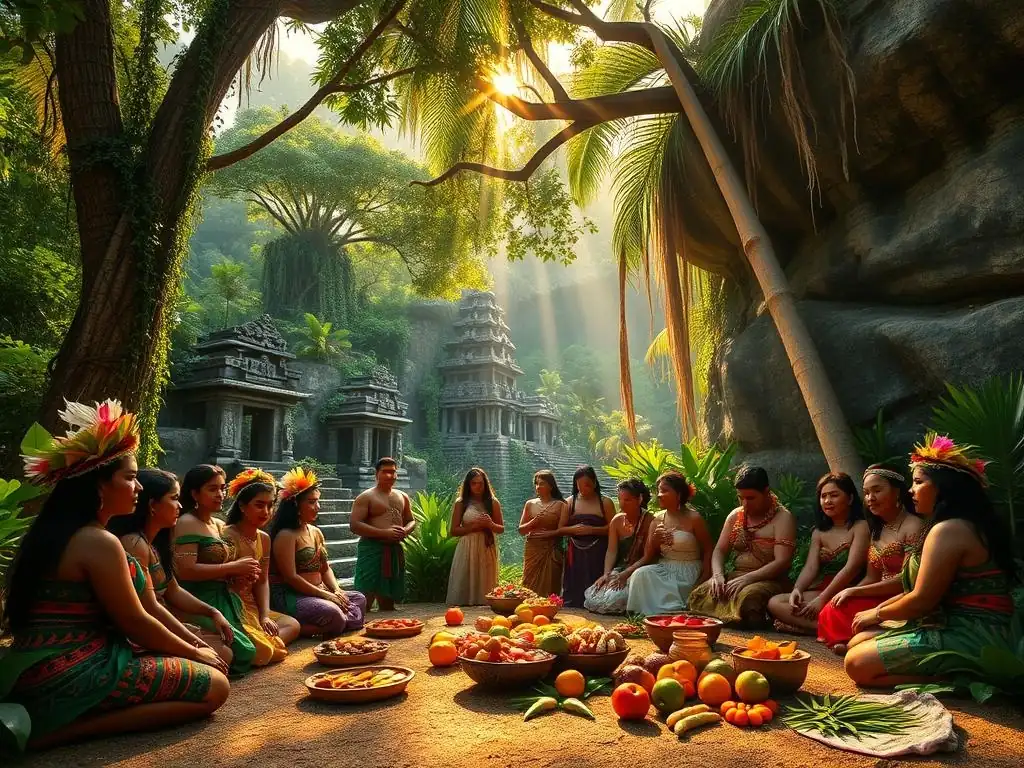
Welcome to Indigenous Civilizations of the Americas, where we invite you to embark on a captivating journey through the rich tapestry of indigenous cultures that flourished long before European colonization. Delve into the intricate relationship between Mesoamerican spirituality and nature, a fascinating topic that reveals how these ancient societies harmonized their belief systems with the environment around them.
As you explore our in-depth articles and insights, prepare to uncover the profound wisdom and enduring legacy of these civilizations, igniting your curiosity about their achievements and societal structures. Join us as we unravel the threads of history that connect spirituality with the natural world, encouraging you to discover more about the vibrant cultures that shaped the Americas.
The relationship between Mesoamerican spirituality and nature is a profound and intricate aspect of the rich tapestry of beliefs that characterized the diverse indigenous cultures of the Americas. Long before European colonization, Mesoamerican civilizations developed a worldview where the natural environment was not merely a backdrop for human activity but an integral part of their spiritual existence.
This article aims to explore the multifaceted connections between nature and spirituality in Mesoamerican societies, highlighting their reverence for the environment and the ways in which it influenced their cultural practices, rituals, and belief systems. By delving into these themes, we can better understand the legacy of these civilizations and their enduring connection to the natural world.
Understanding Mesoamerican Spirituality and Nature
Definition of Mesoamerican Spirituality
Mesoamerican spirituality encompasses the myriad beliefs, rituals, and practices of various cultures that flourished in regions such as present-day Mexico, Guatemala, Belize, and Honduras. At its core, Mesoamerican spirituality is characterized by:
- Polytheism: The worship of multiple deities, each associated with different elements of nature, such as the sun, rain, and earth.
- Ritual Practices: Ceremonies and offerings aimed at appeasing gods and ensuring harmony between humans and the natural world.
- Sacred Texts: Codices and oral traditions that convey the teachings and stories of their gods and the creation of the world.
This spirituality was deeply intertwined with the daily lives of the Mesoamerican peoples, governing agricultural practices, social structures, and artistic expressions.
The Role of Nature in Mesoamerican Cosmology
Nature held a central place in Mesoamerican cosmology, influencing not only their spiritual beliefs but also their understanding of existence. Key aspects include:
- Interconnectedness: Mesoamericans viewed humans, nature, and the divine as interconnected elements of a holistic system.
- Cycles of Life: The cycles of the seasons and celestial events were seen as reflections of divine order, with agricultural practices closely tied to these rhythms.
- Sacred Geography: Certain geographical features, such as mountains, rivers, and caves, were considered sacred, often associated with specific deities and revered in rituals.
This cosmological perspective fostered a deep respect for the environment, as it was seen as a living entity imbued with spiritual significance.
Historical Context of Mesoamerican Beliefs
Overview of Mesoamerican Civilizations
Mesoamerican civilizations, including the Maya, Aztec, Olmec, and Mixtec, exhibited rich spiritual traditions that varied across regions and time periods. These societies shared common themes while also developing unique practices:
- Maya Civilization: Known for their complex calendars and astronomical observations, the Maya integrated nature into their spirituality through rituals tied to agricultural cycles.
- Aztec Empire: The Aztecs worshiped a pantheon of gods, many of whom were associated with natural elements. Their practices included elaborate ceremonies to ensure agricultural fertility.
- Olmec Culture: Often regarded as the "mother culture" of Mesoamerica, the Olmecs established early spiritual concepts that influenced later civilizations.
Understanding the historical context of these civilizations helps illuminate the diverse expressions of spirituality and their profound connection to nature.
Key Spiritual Practices Related to Nature
Mesoamerican spiritual practices were deeply embedded in the natural world, with several key practices reflecting this connection:
- Ritual Offerings: Offerings of food, flowers, and even human sacrifices were made to appease deities and ensure bountiful harvests.
- Ceremonial Calendars: Rituals often took place on specific dates linked to agricultural cycles, ensuring harmony with nature.
- Shamanism: Shamans acted as intermediaries between the spiritual and natural realms, guiding communities in their relationship with the environment.
Through these practices, Mesoamericans not only honored their gods but also cultivated a sustainable relationship with the land that sustained them.
The Sacred Elements of Nature in Mesoamerican Spirituality
Mesoamerican spirituality is deeply intertwined with the natural world, where elements such as water, plants, animals, and landforms are not merely seen as resources but as sacred entities imbued with spiritual significance. This perspective fosters a profound respect for the environment, shaping the worldview of many indigenous cultures in the region. The interplay between nature and spirituality manifests in various ways, including rituals, mythology, and daily practices that honor the intrinsic connection between humans and the natural environment.
In this rich tapestry of beliefs, Mesoamerican societies recognized the dynamic and reciprocal relationship they held with nature. Their cosmologies often included gods and spirits representing various natural elements, reinforcing the idea that nature was alive and deserving of reverence. This reverence guided their interactions with the environment, promoting sustainability and stewardship that resonated through their agricultural practices, community organization, and spiritual expressions.
The Significance of Water in Mesoamerican Traditions
Water, revered as a life-giving force, holds a central place in Mesoamerican spirituality. The region's reliance on water for agriculture and sustenance amplified its sacred status. Many Mesoamerican cultures viewed water as a source of fertility, purification, and renewal. For instance, the ancient Maya considered cenotes—natural sinkholes filled with water—as sacred gateways to the underworld, where they conducted rituals to honor their gods and ancestors.
In addition, numerous deities were associated with water, such as Tlaloc, the Aztec god of rain, who was believed to control the life-giving rains essential for crops. Rituals invoking Tlaloc often involved offerings to ensure sufficient rainfall and successful harvests. This emphasis on water highlights the spiritual ties between Mesoamerican peoples and their environment, illustrating how they sought harmony with the natural elements that sustained them.
The Role of Plants and Animals in Spiritual Practices
Plants and animals also played a vital role in Mesoamerican spirituality, serving as both symbols and tools in various rituals. Many indigenous cultures revered certain plants for their medicinal properties and spiritual significance. For instance, the sacred maize (corn) was not only a staple food but also a symbol of life, growth, and sustenance, often featured in creation myths and agricultural ceremonies.
Animals, too, were integral to spiritual practices. They were seen as messengers between the physical and spiritual realms. Jaguars, snakes, and birds often represented deities or spiritual guides. Rituals involving animal sacrifices were conducted to honor these beings, ensuring balance and favor from the gods. The symbolism associated with plants and animals reflects the Mesoamerican understanding of the interconnectedness of life, emphasizing a respect for all living beings within their environment.
Mountains and Natural Landforms as Sacred Entities
In Mesoamerican belief systems, mountains and natural landforms were often regarded as sacred entities, embodying the presence of gods and ancestors. These geographical features were perceived as powerful symbols of stability, strength, and connection to the divine. For example, the mountains of the Sierra Madre were considered sacred by various indigenous cultures, including the Aztecs, who believed that their gods resided atop these peaks.
Rituals and ceremonies were frequently conducted at these sacred sites, reinforcing their spiritual significance. Pilgrimages to mountains and other natural landforms were common, as individuals sought communion with the divine and a deeper understanding of their place within the cosmos. This reverence for the landscape underscored the Mesoamerican worldview, wherein the natural world was imbued with spiritual meaning and offered a pathway to the divine.
Rituals and Ceremonies Connecting Nature and Spirituality
Rituals and ceremonies served as vital expressions of Mesoamerican spirituality, acting as conduits for connecting the human experience with the natural world. These practices often took place in alignment with agricultural cycles, seasonal changes, and celestial events, reflecting the deep respect and understanding that Mesoamerican cultures had for their environment.
Through these ceremonies, communities sought to honor their gods, request favorable conditions for crops, and maintain harmony between humanity and nature. The rich diversity of rituals illustrates the myriad ways in which Mesoamerican spirituality was deeply rooted in the cycles and relationships of the natural world.
Agricultural Ceremonies and Their Spiritual Implications
Agricultural ceremonies were central to Mesoamerican spirituality, reflecting the crucial role of agriculture in sustaining communities. These rituals often coincided with planting and harvesting seasons, serving to honor deities associated with fertility and agriculture. For instance, the Maya held ceremonies to celebrate the planting of maize, invoking the spirit of the crop to bless their fields with abundance.
The act of planting was imbued with spiritual significance, viewed as a sacred duty tied to the cycles of life and death. These agricultural rituals not only sought to ensure bountiful harvests but also reinforced communal bonds, as families and communities gathered to participate in the festivities. The interconnectedness of spirituality and sustenance is a hallmark of Mesoamerican cultural practices, illustrating their deep respect for the land that provided for them.
Seasonal Festivals Celebrating Nature
Seasonal festivals in Mesoamerican cultures were vibrant expressions of spirituality, celebrating the rhythms of nature and its changing cycles. These festivals often marked significant agricultural milestones, such as the solstices and equinoxes, highlighting the importance of celestial events in guiding agricultural practices. During these occasions, communities would engage in elaborate ceremonies filled with music, dance, and offerings to honor the deities governing the seasons.
For example, the Aztec festival of Tlacaxipehualiztli, which celebrated the harvest of maize, involved rituals that acknowledged the cyclical nature of life, death, and rebirth. Such seasonal celebrations reinforced the belief that human life was inextricably linked to the natural world, fostering a sense of unity among participants and with the environment.
Ritual Offerings to Deities of Nature
Ritual offerings to deities of nature were a fundamental aspect of Mesoamerican spirituality, symbolizing gratitude and respect for the elements that sustained life. Offerings often included food, flowers, incense, and even the sacrifice of animals, reflecting the belief that such acts could appease the gods and maintain harmony within the cosmos.
These offerings were typically made in sacred spaces, such as temples or altars, where the presence of the divine was believed to be strongest. The act of giving was seen not only as a means to seek favor from the gods but also as a way to acknowledge the interconnectedness of all life. Through these rituals, Mesoamerican peoples expressed their deep reverence for the forces of nature that shaped their world, reinforcing the spiritual relationship between humanity and the environment.
The Philosophical Perspective: Nature as a Living Entity

Mesoamerican cultures, including the Maya, Aztec, and others, held a profound belief in the concept of nature as a living entity. This philosophical perspective framed their interactions with the environment, underscoring a sense of reciprocity and mutual respect. Nature was not merely a backdrop for human activity; it was imbued with spirit and significance, regarded as a vital force that required reverence and care.
The idea that nature is alive extends to every element within the ecosystem. Mountains, rivers, plants, and animals were all seen as possessing their own spirits or deities, contributing to a complex web of relationships. The Mesoamericans believed that harmony with nature was essential for survival, leading to practices that emphasized sustainability and stewardship of natural resources. Rituals and offerings were often performed to honor these natural entities, ensuring balance and prosperity.
By viewing nature as a living being, Mesoamericans cultivated a worldview that intertwined spirituality and environmental consciousness. This holistic approach influenced their agricultural practices, architectural designs, and community structures, reflecting a deep understanding of the environment's role in their lives.
Views on the Interconnectedness of All Living Beings
The Mesoamerican worldview emphasized the interconnectedness of all living beings, rooted in the belief that humans are part of a larger cosmic order. This perspective fostered a sense of responsibility towards the environment, as harming one element could disrupt the balance of the entire system. Such beliefs were often articulated through myths and stories that illustrated the relationships between deities, humans, and nature.
For instance, the Maya created narratives that highlighted the symbiosis between humans and the Earth, portraying agricultural cycles as sacred rituals that honored the gods. Similarly, the Aztecs viewed their agricultural practices, particularly the cultivation of maize, as a divine obligation, illustrating their dependence on and respect for the natural world. This interconnectedness fostered communal practices and rituals centered on the cycles of nature, reinforcing the idea that human well-being was intrinsically linked to the health of the environment.
Moreover, this worldview encouraged sustainable practices, such as crop rotation and the use of companion planting, which not only maintained soil fertility but also honored the spirits of the land. The Mesoamericans’ understanding of interconnectedness serves as a powerful reminder of the importance of ecological balance and respect for all forms of life.
Nature’s Influence on Mesoamerican Worldviews
Nature played a pivotal role in shaping Mesoamerican worldviews, influencing their mythology, social structures, and daily practices. The environment was not only a source of sustenance but also a prominent theme in their cosmologies. Natural phenomena, such as the sun, rain, and seasonal changes, were personified through deities, reflecting the importance of these elements in agricultural societies.
The cyclical nature of life, evident in agricultural seasons, reinforced beliefs in rebirth and regeneration. The Maya, for example, linked their calendar systems to celestial movements, allowing them to predict agricultural cycles critical for survival. This connection between celestial events and earthly activities underscored the significance of nature in their daily lives and governance.
Additionally, Mesoamerican architecture often mirrored the surrounding environment, with structures oriented toward celestial bodies, demonstrating a profound respect for nature's influence. Temples and ceremonial centers were built in alignment with astronomical events, creating a tangible representation of their beliefs in the interrelationship between the cosmos and the Earth.
The Impact of Colonization on Mesoamerican Spirituality and Nature
The arrival of European colonizers in the 16th century marked a significant turning point for Mesoamerican spirituality and their relationship with the environment. The imposition of foreign beliefs and practices disrupted traditional ways of life, leading to profound changes in how Mesoamericans viewed and interacted with nature.
Colonization introduced new agricultural practices and land ownership concepts that often disregarded the spiritual significance of the land. Indigenous practices were marginalized, and the sacred relationship between Mesoamericans and their environment was threatened. The effects of colonization were far-reaching, transforming both spiritual beliefs and ecological knowledge.
Changes in Spiritual Practices Post-Colonization
Following colonization, Mesoamerican spiritual practices underwent significant changes. The introduction of Christianity led to the suppression of indigenous beliefs, with many traditional rituals deemed pagan or heretical. This resulted in a gradual decline of indigenous spirituality as communities were coerced into adopting European religious practices.
Despite this, elements of Mesoamerican spirituality persisted, often blending with Christian beliefs to form unique syncretic practices. For example, the veneration of certain saints became intertwined with traditional rituals, allowing indigenous communities to retain aspects of their cultural identity. However, these syncretized practices often lacked the original context and meaning, leading to a dilution of the core spiritual beliefs that had once guided their relationship with nature.
The shift in spiritual practices also led to changes in environmental stewardship. As traditional ecological practices were abandoned or altered, the holistic approach to nature that characterized pre-colonial societies diminished, often resulting in ecological degradation and loss of biodiversity.
The Loss of Traditional Ecological Knowledge
The colonization of Mesoamerica caused a significant loss of traditional ecological knowledge (TEK), which had been developed over centuries through intimate relationships with the environment. This knowledge encompassed sustainable agricultural methods, medicinal uses of native plants, and an understanding of local ecosystems that was crucial for survival.
As indigenous peoples faced displacement and cultural assimilation, much of this invaluable knowledge was either forgotten or invalidated. The interruption of intergenerational knowledge transfer severed the connection between communities and their natural surroundings, diminishing their ability to manage resources sustainably.
The decline of TEK has had lasting implications for biodiversity and environmental health in Mesoamerica. Many indigenous practices, which once ensured the responsible use of natural resources, were lost or replaced with exploitative methods introduced during colonization. Today, efforts to revive indigenous knowledge and practices are underway, recognizing the critical role that traditional ecological wisdom plays in contemporary environmental conservation and sustainability.
Contemporary Relevance of Mesoamerican Spirituality and Nature
Mesoamerican spirituality, deeply intertwined with nature, continues to hold significant contemporary relevance. The respect and reverence for natural elements within these ancient belief systems resonate strongly in today’s environmental discourse. As global awareness of ecological crises grows, many seek insights from indigenous perspectives that emphasize harmony with the Earth. Mesoamerican cultures traditionally viewed nature not just as a resource but as a sacred entity deserving of respect and protection. This worldview can inform modern sustainability efforts, encouraging a shift from exploitation to stewardship.
Moreover, the integration of Mesoamerican spiritual practices into contemporary life reflects a broader movement towards recognizing the value of indigenous knowledge systems. By understanding the spiritual connection to the environment fostered by these cultures, modern societies can adopt more holistic approaches to environmental conservation that honor both nature and cultural heritage.
Revitalization of Indigenous Practices
In recent years, there has been a notable revitalization of indigenous practices among Mesoamerican communities. This resurgence is driven by a desire to reclaim cultural identity and bolster community cohesion. Many groups are actively working to revive traditional ceremonies, agricultural techniques, and spiritual rituals that reflect their ancestral respect for the environment.
Initiatives focusing on permaculture and agroecology often draw upon the ancient agricultural wisdom of the Mayans and Aztecs, promoting sustainable farming practices that align with Mesoamerican spirituality. These practices not only honor the ancestors but also contribute to the resilience of communities facing modern environmental challenges. The revitalization of these practices serves as a powerful statement against colonization and environmental degradation, fostering a sense of pride and continuity among indigenous peoples.
Nature-Based Spirituality in Modern Mesoamerican Communities
Modern Mesoamerican communities are increasingly embracing nature-based spirituality, blending traditional beliefs with contemporary life. This synthesis often manifests in various forms, such as community gatherings and rituals that honor the land, water, and celestial bodies. These events foster a collective consciousness about environmental stewardship and sustainability.
Many communities are also engaging in educational outreach, teaching younger generations about the importance of their spiritual connection to nature. By instilling these values, they aim to empower youth to take an active role in environmental advocacy and preservation. This resurgence of nature-based spirituality not only reinforces cultural identity but also serves as a vital mechanism for addressing the pressing ecological issues facing these communities today.
Conclusion: The Enduring Legacy of Mesoamerican Views on Nature and Spirituality
The enduring legacy of Mesoamerican views on nature and spirituality is a testament to the profound relationship these cultures cultivated with their environment. This legacy continues to inspire contemporary movements aimed at achieving ecological balance and social justice. By understanding and integrating these ancient insights into modern practices, societies can work towards a more sustainable future that honors both indigenous wisdom and ecological health.
Summary of Key Themes
The exploration of Mesoamerican spirituality reveals key themes such as the sacredness of nature, the interconnectedness of all life forms, and the importance of traditional ecological knowledge. These themes highlight the need for a holistic approach to environmental challenges, emphasizing a deep respect for the land and its resources. Furthermore, the revitalization of indigenous practices and the embrace of nature-based spirituality in modern communities exemplify a powerful movement towards reclaiming cultural heritage and fostering environmental stewardship.
The Importance of Preserving Indigenous Spiritual Perspectives on Nature
Preserving indigenous spiritual perspectives on nature is crucial for several reasons. Firstly, these perspectives offer invaluable insights into sustainable living and ecological balance, which are essential in addressing current environmental crises. Secondly, they help maintain cultural diversity, preserving the unique identities and histories of indigenous peoples.
Lastly, recognizing and respecting these spiritual beliefs fosters greater understanding and collaboration between indigenous and non-indigenous communities, paving the way for collective action toward a more sustainable planet. The survival of these perspectives is not just about cultural preservation; it is about embracing a worldview that prioritizes harmony with the Earth for future generations.
- Understanding Mesoamerican Spirituality and Nature
- Historical Context of Mesoamerican Beliefs
- The Sacred Elements of Nature in Mesoamerican Spirituality
- Rituals and Ceremonies Connecting Nature and Spirituality
- The Philosophical Perspective: Nature as a Living Entity
- The Impact of Colonization on Mesoamerican Spirituality and Nature
- Contemporary Relevance of Mesoamerican Spirituality and Nature
- Conclusion: The Enduring Legacy of Mesoamerican Views on Nature and Spirituality
Frequently Asked Questions
What are the main aspects of Mesoamerican spirituality?
Mesoamerican spirituality is deeply connected to nature, emphasizing the interrelationship between the environment and the divine. Rituals and beliefs often reflect a reverence for natural elements, celebrating their significance in daily life.
How did Mesoamericans view the environment?
Mesoamericans saw the environment as a living entity with which they had a reciprocal relationship. Their spirituality was intertwined with nature, leading to practices that honored and protected the land.
What role did rituals play in Mesoamerican cultures?
Rituals were essential in Mesoamerican societies, serving to connect the community with their spiritual beliefs and the natural world. These ceremonies often involved offerings to deities associated with agriculture, rain, and fertility.
How did indigenous beliefs influence their environmental practices?
Indigenous beliefs fostered a sense of responsibility towards the environment. Mesoamericans implemented sustainable practices that respected the balance of ecosystems, ensuring that resources were used wisely and ethically.
What lasting impacts did Mesoamerican spirituality have on modern cultures?
The spirituality of Mesoamerican civilizations continues to influence contemporary cultures, especially in areas like agriculture and environmental conservation. Their teachings about the sacredness of nature inspire modern movements focused on sustainability and ecological awareness.
Final Reflection: Embracing Mesoamerican Spirituality and Nature
The profound connection between Mesoamerican spirituality and nature remains incredibly relevant today, as we face an escalating environmental crisis that calls for a deeper understanding of our relationship with the Earth. The teachings of ancient civilizations remind us that nature is not merely a resource to be exploited, but a sacred entity deserving of reverence and care. In a world increasingly dominated by technology and urbanization, the wisdom of Mesoamerican cultures offers a powerful antidote to the disconnection we often feel from the natural world.
Mesoamerican views on the environment have shaped cultural practices and beliefs that continue to resonate in contemporary society. The reverence for nature found in these traditions encourages us to reflect on our own relationship with the environment and the impact of our actions. As we navigate modern challenges, we can draw inspiration from the words of the ancient Mayans: In the heart of the Earth, we find our roots.
This reminder of our interconnectedness with nature serves as a guiding principle, urging us to honor and protect the ecosystems that sustain us.
As we conclude this exploration of Mesoamerican spirituality and nature, I invite you to reflect on how these ancient teachings can inform your own life. Consider how you can cultivate a deeper connection with the natural world around you, whether through mindful practices, sustainable choices, or simply taking time to appreciate the beauty of the environment. Let the wisdom of Mesoamerican cultures inspire you to become a steward of the Earth, fostering a harmonious relationship that honors both our spiritual heritage and the planet we call home.
Embrace Nature’s Wisdom and Find Your Spiritual Path!
Thank you for exploring the profound connection between nature and spirituality in Mesoamerican cultures. Your engagement with these insights is a meaningful step towards enriching your understanding of our planet and its sacredness. Now, let’s take action to deepen this experience:
- Connect with nature: Spend some time outdoors, whether it’s enjoying a walk in the park or embarking on a hike in the woods. Reflect on the elements of nature that resonate with your spirit.
- Share your journey: Participate in online communities or share your thoughts on social media about your experiences with spirituality and nature. Engaging with others can enhance your understanding and appreciation.
- Explore indigenous teachings: Consider reading books or watching documentaries that delve into Mesoamerican spirituality and their profound respect for the environment.
How do you see the relationship between nature and spirituality influencing your life today? 🌿✨