
Recent Discoveries in Copán: What They Tell Us About Mayan Sociopolitical Structures

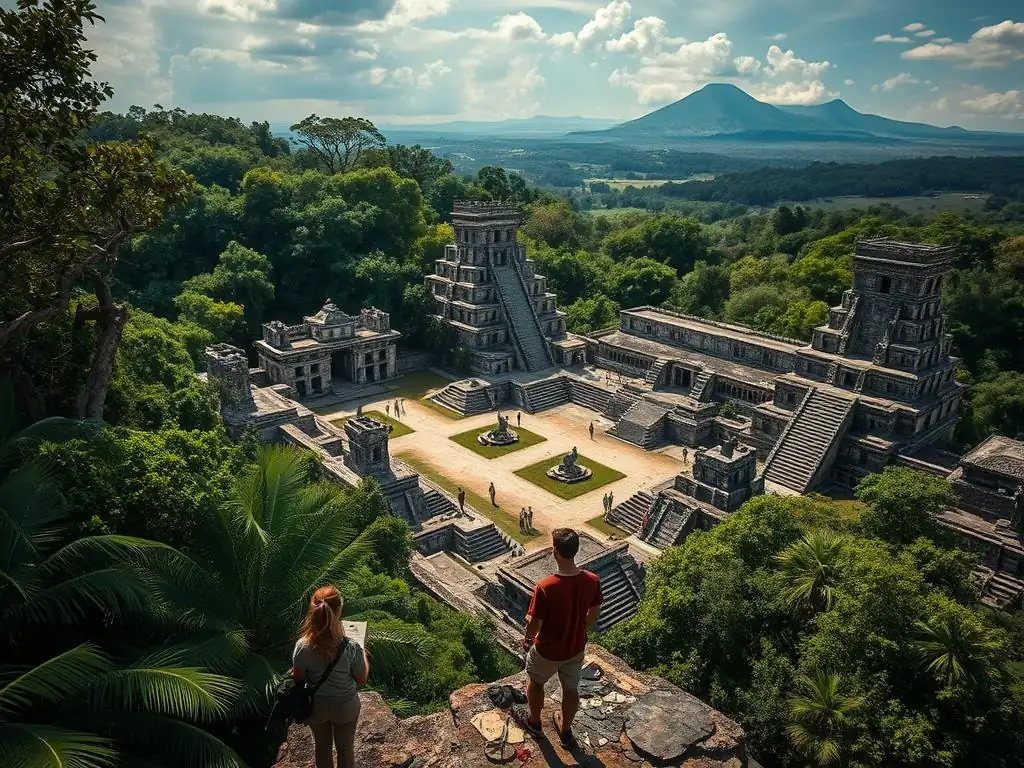
Welcome to Indigenous Civilizations of the Americas, where we journey through the rich tapestry of indigenous cultures that flourished long before European colonization. Dive into our latest article on Mayan sociopolitical structures discoveries, as we unveil recent findings from Copán that shed light on the intricate societal frameworks of the Maya. What secrets do these archaeological treasures hold about their governance and social dynamics? Join us as we explore these captivating revelations and their profound impact on our understanding of ancient civilizations. Your adventure into the past begins here!
Introduction to Mayan Sociopolitical Structures
The ancient Mayan civilization, renowned for its remarkable achievements in art, architecture, mathematics, and astronomy, also had complex sociopolitical structures that governed their city-states. Recent excavations at sites like Copán have shed new light on these structures, revealing insights that deepen our understanding of Mayan governance, social hierarchies, and community interactions. This article explores the significance of these discoveries, emphasizing how they contribute to our knowledge of Mayan sociopolitical systems prior to European colonization.
Overview of Mayan Civilization
The Mayan civilization, which flourished in present-day Mexico, Guatemala, Belize, and Honduras, is characterized by its advanced city-states, each ruled by a king and a network of nobility. These city-states, such as Tikal, Palenque, and Copán, were not only centers of political power but also hubs of cultural and religious activity. The Mayans developed a unique writing system, a sophisticated calendar, and impressive architectural feats, including temples and pyramids.
- Key Characteristics of Mayan Civilization:
- Highly organized city-states
- Advanced agricultural practices
- Rich cultural and religious traditions
- Notable achievements in science and mathematics
Importance of Sociopolitical Structures in Understanding Mayan Society
Understanding the sociopolitical structures of the Mayans is essential for several reasons. Firstly, these structures influenced daily life, from economic activities to social interactions and religious practices. Secondly, they reveal how power was distributed and exercised, providing insight into the roles of elites and the common populace. Lastly, analyzing these structures helps archaeologists and historians piece together the factors that led to the civilization's eventual decline.
- Significance of Sociopolitical Structures:
- Governance: Insights into how decisions were made and enforced.
- Social Hierarchies: Understanding class distinctions and their implications.
- Cultural Identity: How sociopolitical systems shaped cultural practices and beliefs.
Recent Discoveries in Copán
Recent excavations at Copán have unveiled a wealth of information regarding the Mayan sociopolitical landscape, revealing new facets of governance, social organization, and cultural practices.
Excavation Background and Historical Context
Copán, known for its grand architecture and intricate sculptures, served as a vital political center in the Mayan world. The site has been extensively studied since the 19th century, but ongoing excavations continue to provide fresh insights. Researchers have utilized advanced techniques such as LiDAR (Light Detection and Ranging) to uncover previously hidden structures, allowing for a more comprehensive understanding of the site's layout and function.
- Historical Highlights:
- Founded around 1000 BC, Copán reached its peak during the Classic period (AD 250-900).
- The site is famous for its impressive stelae and altars, which commemorate rulers and historical events.
- Recent excavations have focused on residential areas, revealing more about the lives of common citizens.
Key Findings from Recent Excavations
The latest discoveries at Copán have provided invaluable data regarding its sociopolitical structures. Archaeologists have unearthed evidence of administrative buildings, ceremonial sites, and residential complexes, which collectively illustrate the complexity of governance and social organization.
- Notable Findings:
- Administrative Structures: Evidence of centralized decision-making spaces that indicate a sophisticated political system.
- Residential Areas: Discoveries of housing layouts suggest a clear distinction between the elite and commoners, reflecting social hierarchies.
- Ceremonial Spaces: Insights into religious practices that were intertwined with governance, highlighting the role of spirituality in sociopolitical life.
As we delve deeper into the recent excavations at Copán, we find that these discoveries not only enhance our understanding of Mayan sociopolitical structures but also contribute to the broader narrative of indigenous civilizations in the Americas. Through these findings, we can appreciate the complexities and achievements of the Mayan people, who continue to inspire awe and fascination.
Implications of Discoveries on Mayan Sociopolitical Structures
Recent discoveries at the archaeological site of Copán have provided significant insights into the sociopolitical structures of the Maya civilization. Excavations and analyses of artifacts, inscriptions, and urban layouts reveal that Copán operated under a complex hierarchy that influenced not only local governance but also regional interactions. The findings suggest that the sociopolitical frameworks in Copán were intricately linked to both religious practices and economic exchanges. This multifaceted understanding of governance at Copán challenges previous notions of a monolithic Mayan society, illustrating instead a richly layered tapestry of power dynamics.
The implications of these discoveries extend beyond mere historical curiosity; they offer a lens through which modern scholars can examine how ancient societies interacted with their environment and each other. The innovations in agricultural practices, architectural feats, and artistic expressions serve as reflections of the sociopolitical organization in Copán. This indicates that the achievements of the Maya were not isolated but part of a broader narrative that integrates cultural, environmental, and political factors.
Understanding Leadership and Power Dynamics
The leadership structure in Copán was characterized by a series of dynastic rulers, often referred to as "Ajaw" or kings, who wielded both political and spiritual authority. Recent findings suggest that these leaders were not only pivotal in governance but also acted as intermediaries between the gods and the people. Inscriptions discovered in the main plaza detail the lineage and accomplishments of these rulers, emphasizing their role in maintaining societal order and religious observance.
Power dynamics in Copán were complex, as evidenced by the existence of competing factions and the necessity for alliances, both within and outside the city-state. The rulers had to balance their authority with the needs and aspirations of elite families and commoners. This interaction often manifested in public rituals and ceremonies, which reinforced the rulers' divine right to govern while also addressing the community's social cohesion.
Roles of Elite vs. Commoners in Copán
The recent excavations at Copán have illuminated the distinct roles of elites and commoners within the sociopolitical framework. The elite class, composed of nobility and high-ranking officials, enjoyed privileges that allowed them to control resources and wield significant influence over political decisions. They were often involved in trade, diplomacy, and religious ceremonies, which solidified their status as leaders in society.
In contrast, commoners formed the backbone of Copán's economy. They engaged in agriculture, artisanal production, and labor, which were essential for the city's prosperity. The discoveries of residential areas and artifacts associated with daily life indicate that while commoners had limited political power, they played a crucial role in sustaining the sociopolitical structure. The interactions between elites and commoners were marked by a system of tribute and labor obligations, highlighting a reciprocal relationship that was vital for Copán's functioning.
The Influence of Religion on Sociopolitical Hierarchies
Religion played a pivotal role in shaping the sociopolitical hierarchies of Copán. Recent discoveries reveal that temples, altars, and ceremonial platforms were central to the city's layout, indicating that religious practices were deeply intertwined with governance. Rulers often derived their legitimacy from their roles as high priests, performing rituals that reinforced their authority and the city's divine favor.
The archaeological evidence suggests that major religious events were not only spiritual gatherings but also political spectacles that reinforced social hierarchies. The participation of various social classes in these ceremonies served to unify the community while simultaneously delineating the power of the elite. The construction of grandiose structures for religious purposes further illustrates how the Maya used religion as a tool to legitimize their political power and maintain social order.
Comparative Analysis of Copán with Other Mayan Sites
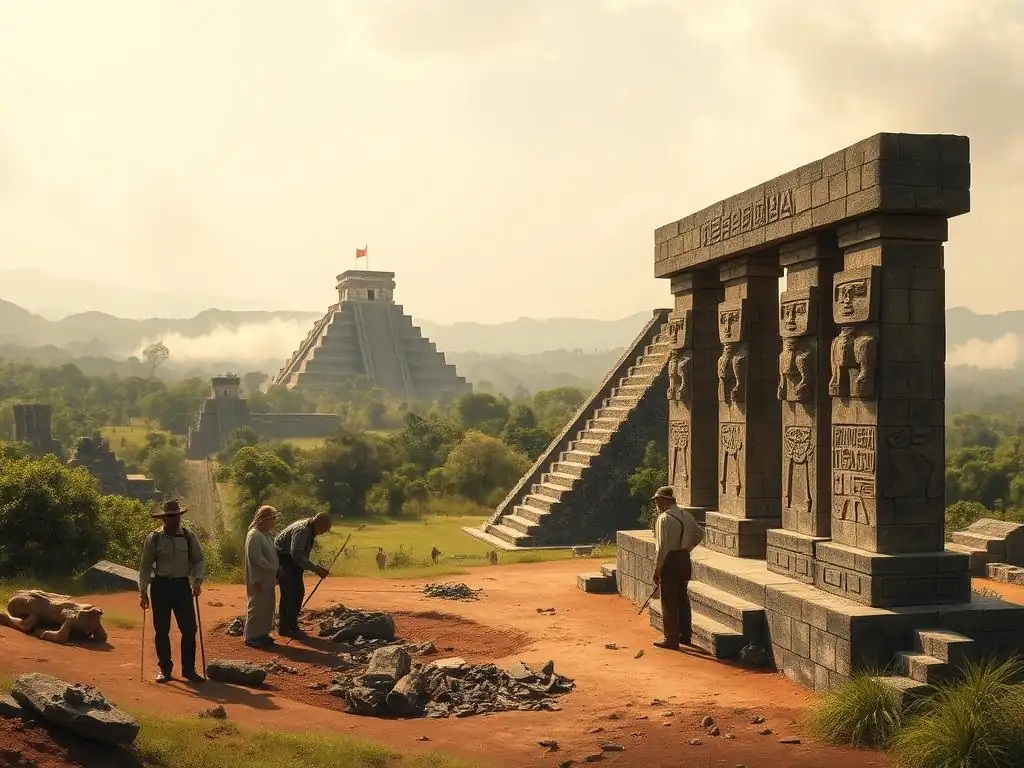
The discoveries in Copán also invite a comparative analysis with other significant Mayan sites, such as Tikal and Palenque. By examining the similarities and differences in their sociopolitical structures, scholars can gain a more nuanced understanding of Mayan civilization as a whole.
Copán vs. Tikal: Leadership Structures
The leadership structures in Copán and Tikal exhibit notable differences, particularly in their approach to political power. Tikal, known for its monumental architecture and military prowess, had a more centralized authority under powerful rulers who expanded their influence through conquest. In contrast, Copán appears to have emphasized a more collaborative leadership style, where alliances and negotiation played a crucial role in governance.
Recent findings in Tikal highlight a series of military-focused rulers, while Copán's inscriptions reveal a focus on lineage and ceremonial achievements. This difference suggests that while both city-states were influential, their leadership strategies were adapted to their unique cultural and environmental contexts.
Copán vs. Palenque: Religious Influence on Politics
When comparing Copán with Palenque, another prominent Mayan city, the influence of religion on politics becomes apparent. Palenque's rulers are often depicted as divine figures, with significant emphasis placed on their roles in religious ceremonies. The recent excavations at Palenque have revealed a strong connection between political authority and religious legitimacy, with rulers actively portraying themselves as intermediaries between the gods and the populace.
In contrast, while Copán also integrated religious elements into its leadership, the discoveries suggest a more pronounced role for civic participation in political processes. The interplay between religious observance and community involvement was critical in Copán, indicating a more decentralized approach to governance compared to the more hierarchically structured leadership seen in Palenque.
Through these comparative analyses, the recent discoveries at Copán offer invaluable insights into the diverse sociopolitical structures of the Maya civilization, enriching our understanding of their complex world.
Conclusions on Mayan Sociopolitical Structures Discoveries
The recent discoveries at Copán have provided profound insights into the sociopolitical structures of the Maya civilization. These findings challenge previous assumptions and highlight the complexity and dynamism of Mayan governance, social stratification, and community organization. Key aspects of these discoveries include the role of elite families in political affairs, the significance of ritual and religious practices in legitimizing authority, and the intricate trade networks that facilitated economic stability and power dynamics.
Moreover, the architectural and artistic evidence unearthed, such as stelae and altars, indicates a sophisticated understanding of political propaganda and public representation. The interplay between local traditions and external influences is also evident, suggesting that Copán was not an isolated entity but rather part of a broader network of interactions among Mayan city-states and neighboring cultures.
These discoveries underscore the necessity of ongoing research, as they not only enhance our understanding of Copán but also contribute to a more nuanced comprehension of the Maya civilization as a whole.
Summary of Key Insights from Copán
- Political Organization: The findings indicate a highly stratified society led by elite classes who wielded significant power over communal resources and decision-making processes.
- Ritual Practices: Rituals played a critical role in reinforcing political authority, with evidence suggesting that rulers participated in elaborate ceremonies to maintain their status.
- Trade Networks: The discovery of trade artifacts highlights the importance of commerce in sustaining sociopolitical structures, indicating that economic prosperity was closely linked to political stability.
- Artistic Expression: The intricate carvings and inscriptions found at Copán reveal the use of art as a means of political communication, serving both to commemorate rulers and to convey messages of power and legitimacy.
The synthesis of these insights illustrates the multi-layered nature of Mayan sociopolitical structures, reflecting a society that was both complex and adaptive.
Future Research Directions in Mayan Archaeology
Future research in Mayan archaeology should focus on several critical areas to build upon the discoveries at Copán:
- Interdisciplinary Approaches: Combining archaeological methods with insights from anthropology, history, and environmental science can lead to a deeper understanding of the sociopolitical systems.
- Comparative Studies: Examining other Mayan sites alongside Copán may provide valuable context for understanding regional variations in governance and social organization.
- Technological Advancements: Utilizing modern technologies such as LiDAR and GIS can enhance site mapping and data analysis, revealing previously obscured features of Mayan urban planning.
- Community Involvement: Engaging local communities in archaeological practices can foster a richer dialogue about cultural heritage and its significance, as well as promoting the preservation of indigenous knowledge systems.
These directions will not only deepen our comprehension of Mayan sociopolitical structures but also ensure that archaeological practices remain relevant and inclusive.
References and Further Reading on Mayan Sociopolitical Structures
Suggested Academic Publications
- "The Political Economy of the Ancient Maya" by Matthew G. Looper – This book explores the economic foundations of Mayan governance and social hierarchy.
- "Maya Political Science: Time, Astronomy, and the Cosmos": by David Stuart – This publication examines the relationship between cosmology and political authority in Mayan society.
- "Ritual and Power in the Ancient Maya World" by John E. Clark and Mary E. Pohl – A comprehensive analysis of the role of rituals in the exercise of power among the Maya.
Online Resources for Further Exploration
- Maya Exploration Center: An organization dedicated to the research and preservation of Maya archaeology, offering articles and educational resources.
- The Maya Hieroglyphic Database: An extensive online repository of Mayan inscriptions and glyphs, invaluable for understanding their writing systems and political narratives.
- Ancient Maya Cities: A curated website featuring maps, photos, and scholarly articles about various archaeological sites, including Copán, highlighting their significance in the study of Mayan sociopolitical structures.
These resources can provide readers with a deeper understanding of the complexities of Mayan civilization and the ongoing research that continues to uncover its rich history.
- Introduction to Mayan Sociopolitical Structures
- Recent Discoveries in Copán
- Implications of Discoveries on Mayan Sociopolitical Structures
- Comparative Analysis of Copán with Other Mayan Sites
- Conclusions on Mayan Sociopolitical Structures Discoveries
- References and Further Reading on Mayan Sociopolitical Structures
- What are the key findings from the recent discoveries in Copán?
- How do these discoveries impact our understanding of Mayan civilization?
- What specific aspects of Mayan sociopolitical structures were uncovered?
- Why is Copán significant in the study of Mayan civilizations?
- How do these discoveries relate to the broader narrative of Indigenous cultures in the Americas?
Frequently Asked Questions
What are the key findings from the recent discoveries in Copán?
The recent discoveries in Copán have revealed significant insights into Mayan sociopolitical structures, including the complexity of their governance systems and the roles of elite classes.
How do these discoveries impact our understanding of Mayan civilization?
These findings enhance our understanding of the sociopolitical dynamics of the Mayan civilization, highlighting their organizational sophistication and the interplay between political power and religious practices.
What specific aspects of Mayan sociopolitical structures were uncovered?
Archaeologists uncovered evidence of hierarchical governance, ritualistic practices, and the economic systems that supported the Mayan elite, illustrating how these elements were interconnected.
Why is Copán significant in the study of Mayan civilizations?
Copán is crucial due to its rich archaeological heritage and its role as a major urban center that showcases the advancements in Mayan architecture, art, and politics.
How do these discoveries relate to the broader narrative of Indigenous cultures in the Americas?
These discoveries contribute to a deeper appreciation of the diverse indigenous cultures that existed prior to European colonization, emphasizing their achievements and enduring influence on contemporary societies.
Final Reflection: Unveiling the Depths of Mayan Sociopolitical Structures
The recent discoveries in Copán illuminate the intricate web of Mayan sociopolitical structures, revealing not only the sophistication of their governance but also the profound connections between their society and the environment. These findings challenge our previous understandings and emphasize the need for a deeper exploration of ancient civilizations, reminding us that history is not merely a record of the past but a lens through which we can understand our present and future.
The revelations from Copán have significantly influenced our cultural narrative, reshaping how we perceive the Mayan civilization and its enduring legacy. As we uncover the complexities of their sociopolitical systems, we also recognize the importance of these structures in shaping community identity and resilience. History is not a burden on the memory but an illumination of the soul.
This quote resonates deeply as we reflect on how the lessons from the past can guide our contemporary societal frameworks and governance.
As we stand at the crossroads of history and modernity, I invite you to reflect on the lessons embedded in these discoveries. Consider how the principles of cooperation, sustainability, and governance from the Mayan civilization can inspire your own community engagement and leadership. Let the stories of Copán motivate you to delve deeper into the past, fostering a greater appreciation for the interconnectedness of humanity and the importance of learning from those who came before us.
Uncover the Secrets of the Mayans Today!
Thank you for journeying through the fascinating world of Copán and discovering its remarkable insights into Mayan sociopolitical structures. Your curiosity is key to understanding and preserving our shared history. Now, let's take this knowledge further!
Here are some actionable steps you can take right now:
- Explore local museums or cultural centers that feature artifacts and exhibitions related to ancient Mayan civilizations.
- Share your insights about Copán and the Mayans on social media to inspire others and spark conversations about our indigenous heritage!
- Join an online community focused on Mesoamerican studies where you can exchange ideas and findings with fellow enthusiasts.
What aspect of Mayan society intrigues you the most, and how do you believe our understanding of it can influence our perspective on contemporary sociopolitical structures?