
The Discovery of the Aztec Treasure: Myths, Legends, and Historical Facts

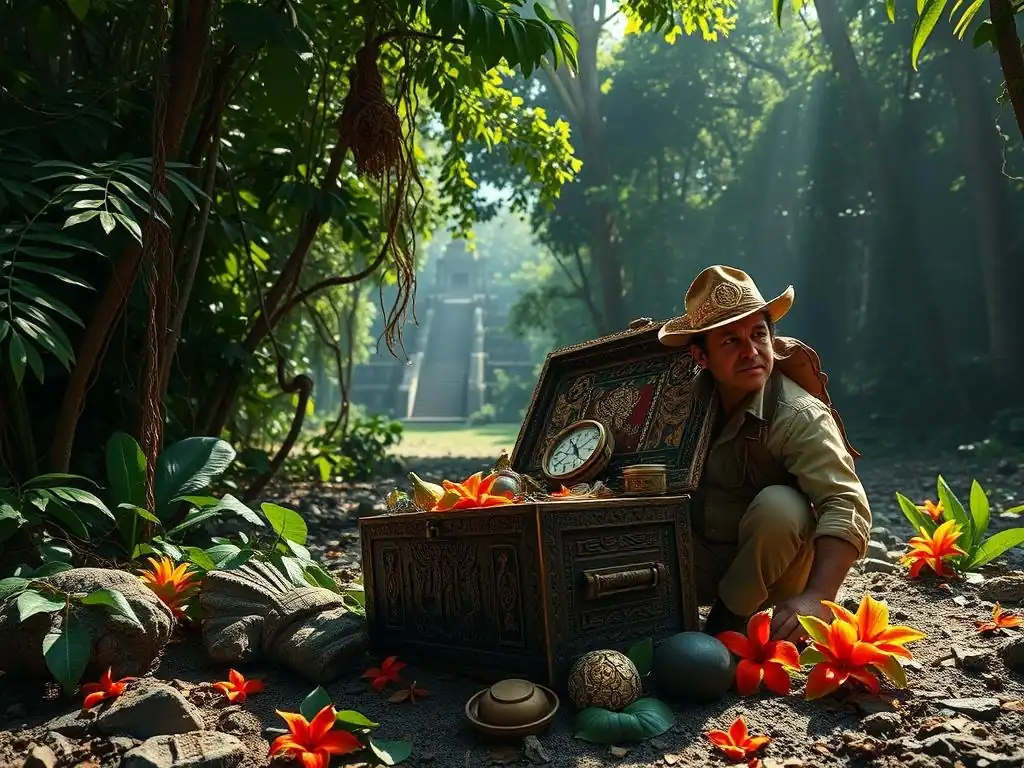
Welcome to Indigenous Civilizations of the Americas, where we invite you to embark on a fascinating journey through time, exploring the rich tapestry of indigenous cultures that flourished long before European contact. In our featured article, "The Discovery of the Aztec Treasure: Myths, Legends, and Historical Facts," we delve into the captivating world of Aztec treasure myths and legends—tales that blend history with mystique and intrigue. Are these treasures mere figments of imagination, or do they hold a deeper truth waiting to be unearthed?
Join us as we uncover the secrets of the past and reveal the enduring legacy of these remarkable civilizations. Your adventure awaits!
Introduction to Aztec Treasure Myths and Legends
The allure of Aztec treasure myths and legends has captivated historians, treasure hunters, and enthusiasts alike for centuries. These tales, steeped in the rich history of the Aztec civilization, intertwine facts with folklore, creating a complex narrative that continues to intrigue and inspire exploration.
By delving into the stories of lost treasures, hidden riches, and the cultural significance of wealth in Aztec society, we can better understand not only the historical context of these myths but also their enduring impact on contemporary perceptions of the Aztec civilization. In this article, we will explore the origins of these fascinating legends and the historical realities that shaped them, revealing the interplay between myth and fact in the pursuit of Aztec treasures.
Overview of Aztec Civilization and Its Wealth
The Aztec civilization, flourishing in central Mexico from the 14th to the 16th century, was marked by remarkable achievements in various fields, including architecture, agriculture, and trade. The capital city of Tenochtitlan, with its grand temples, bustling markets, and intricate canals, was a testament to the Aztecs' engineering prowess and cultural sophistication.
Key Aspects of Aztec Wealth:
- Agricultural Innovations: The Aztecs developed advanced farming techniques, such as chinampas (floating gardens), which allowed them to cultivate crops efficiently in the lake environment.
- Trade Networks: The civilization engaged in extensive trade, exchanging goods like textiles, ceramics, and precious metals with neighboring cultures, which contributed to their wealth.
- Tribute System: The Aztecs imposed tribute on conquered territories, receiving valuable resources such as gold, jade, and cacao, which further enriched their empire.
This wealth not only fueled the Aztecs' expansion but also became a central theme in their mythology, as treasures were often believed to be imbued with spiritual significance and power.
Importance of Treasure in Aztec Culture
For the Aztecs, treasure was not merely material wealth but also held profound cultural and religious significance.
- Religious Offerings: Precious items, including gold and jewels, were often used in rituals and offerings to deities, symbolizing gratitude and reverence.
- Social Status: Wealth was a marker of social status, influencing political power and prestige within the society.
- Cultural Identity: The pursuit and possession of treasure were tied to the Aztecs' identity, illustrating their connection to the land and their gods.
These factors contributed to the creation of a rich tapestry of myths surrounding Aztec treasures, many of which emerged after the arrival of European explorers.
The Origins of Aztec Treasure Myths
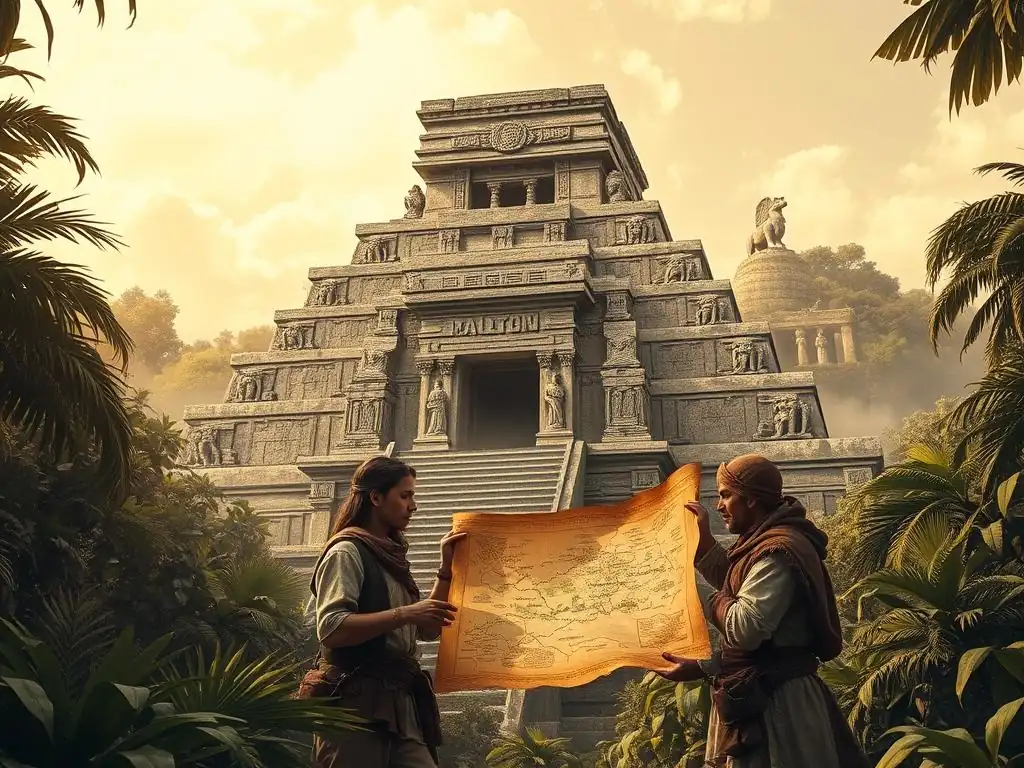
The myths surrounding Aztec treasures can be traced back to the encounters between the indigenous peoples and European conquistadors.
Historical Context of Aztec Treasures
The Spanish conquest of the Aztec Empire in the early 16th century dramatically altered the landscape of Mesoamerica. As the conquistadors invaded and pillaged, the stories of immense wealth hidden within the empire began to proliferate.
- Cortés and the Aztec Gold: Hernán Cortés, the leader of the Spanish forces, was said to have been lured by tales of vast riches, particularly the legend of Moctezuma's gold. These accounts fueled European curiosity and greed, leading to relentless searches for hidden treasures.
- Lost Cities and Hidden Riches: The legends of lost cities, such as El Dorado, became intertwined with the stories of the Aztecs, as explorers sought to uncover treasures that were rumored to be buried or hidden away by the indigenous peoples.
The Role of Conquistadors in Treasure Legends
The conquistadors played a significant role in shaping the myths of Aztec treasure. Their narratives often exaggerated the wealth of the Aztecs and the extent of their treasures, leading to a blend of fact and fiction that continues to resonate today.
- Exaggerated Accounts: Accounts from figures like Cortés and his contemporaries often depicted the Aztecs as hoarding vast amounts of gold, which led to the belief that immense treasures were waiting to be discovered.
- Cultural Misunderstandings: The Europeans' misunderstanding of Aztec culture and their practices related to wealth contributed to the creation of myths that portrayed the indigenous civilization as overly focused on material riches.
The myths surrounding Aztec treasures are deeply rooted in the historical context of the Aztec civilization and its interactions with European explorers. By examining these legends alongside the facts, we can gain a deeper appreciation for the complexity of Aztec culture and the enduring fascination with their treasures.
Famous Legends Surrounding Aztec Treasure
The Aztec treasure is shrouded in legends that have captivated imaginations for centuries. These myths often intertwine with historical events, creating a rich tapestry of storytelling that reflects both the grandeur and the tragedy of Aztec civilization. The pursuit of this treasure has inspired countless expeditions, fueled by tales of unimaginable wealth hidden in the ruins of Tenochtitlán and beyond. Here, we explore some of the most famous legends surrounding Aztec treasure.
The Legend of Montezuma's Gold
One of the most enduring myths is that of Montezuma's Gold, attributed to the last ruler of the Aztec Empire, Moctezuma II. According to legend, when Spanish conquistador Hernán Cortés arrived in Tenochtitlán, Moctezuma welcomed him with lavish gifts, including gold and jewels. However, as the Spanish began to conquer the city, Moctezuma allegedly hid vast amounts of gold in secret locations throughout the empire to prevent it from falling into foreign hands.
Many believe that when the Spaniards sacked Tenochtitlán in 1521, they failed to uncover all of Moctezuma's treasures. This myth has led treasure hunters to search high and low for the lost riches, particularly in areas thought to be connected to the Aztec capital. The allure of Montezuma's Gold continues to inspire adventurers and historians alike, blending fact with fiction in a quest for the ultimate prize.
The Tale of the Seven Cities of Gold
The story of the Seven Cities of Gold, or "Las Siete Ciudades de Cibola," emerged during the early 16th century and has often been linked to the Aztec treasure legends. According to this tale, there were seven prosperous cities filled with gold and riches, said to be located somewhere in the North American territories. Spanish explorers, driven by rumors and hopes of finding these mythical cities, embarked on perilous journeys into the unknown.
While the Seven Cities of Gold were never found, the legend fueled expeditions led by figures like Francisco Vázquez de Coronado. These quests ultimately contributed to the broader European exploration of the Americas. Despite the lack of physical evidence supporting the existence of such cities, the tale remains a significant part of the narrative surrounding Aztec wealth and the European obsession with gold.
The Lost Treasure of Cuauhtémoc
Cuauhtémoc, the last emperor of the Aztec Empire, is another pivotal figure in the legends of Aztec treasure. As the Spaniards besieged Tenochtitlán, Cuauhtémoc reportedly hid large quantities of gold and precious items to protect them from the invaders. According to legend, he and his followers concealed these treasures in Lake Texcoco before their capture.
The story goes that Cuauhtémoc was tortured by the Spanish in an attempt to reveal the treasure's location, but he remained steadfast, refusing to disclose its whereabouts. After his execution, the treasure was never recovered, leading to speculation that it remains hidden in the depths of the lake or in secret locations throughout modern-day Mexico. The legend of Cuauhtémoc's lost treasure continues to intrigue treasure seekers and historians, symbolizing the resilience of the Aztec spirit in the face of colonization.
Historical Facts About the Aztec Treasure
While legends abound, historical facts provide a more grounded understanding of the Aztec treasure and its significance. The treasures of the Aztecs were not merely objects of wealth; they were deeply intertwined with the culture, religion, and daily life of the Aztec people. Here, we delve into archaeological discoveries, significant artifacts, and the impact of European colonization on Aztec wealth.
Archaeological Discoveries Related to Aztec Treasures
Archaeological excavations in Mexico have unearthed numerous artifacts that provide insight into the wealth of the Aztec civilization. Items such as intricately designed jewelry, ceremonial masks, and religious offerings made from gold, silver, and precious stones have been discovered in various sites. One notable find is the Templo Mayor in Tenochtitlán, where excavators uncovered a trove of ceremonial objects, including the famous "Sun Stone" and various offerings to the gods.
These discoveries have helped historians piece together the economic and religious practices of the Aztecs, highlighting their sophisticated craftsmanship and the importance of treasure in their society. The artifacts not only serve as evidence of the Aztecs' wealth but also reflect their cultural values, religious beliefs, and the roles these treasures played in rituals and ceremonies.
Significant Artifacts and Their Cultural Importance
Significant artifacts discovered from the Aztec civilization reveal much about their society. For instance, the intricate gold and silver jewelry not only demonstrates their advanced metalworking skills but also signifies status and power within the community. Items like the golden necklace worn by high-ranking nobility illustrate the ceremonial significance of treasure in Aztec culture.
Additionally, the ceremonial masks made of jade and other precious materials were used in rituals to honor the gods, showcasing the intersection of wealth, spirituality, and artistry in Aztec society. These artifacts serve as a testament to the rich cultural heritage of the Aztecs and their sophisticated understanding of aesthetics and symbolism.
The Impact of European Colonization on Aztec Wealth
The arrival of European colonizers profoundly impacted the wealth and resources of the Aztec civilization. With the conquest led by Hernán Cortés, much of the Aztec treasure was looted and sent back to Spain, significantly altering the dynamics of wealth in the region. The Spanish not only seized gold and silver but also disrupted the economic systems that had sustained the Aztec Empire.
The influx of treasure into Europe from the Americas led to significant economic changes, including inflation and the rise of a new merchant class. However, this wealth came at a devastating cost to the indigenous populations, who faced exploitation, violence, and disease. The legacy of this colonial encounter has had lasting effects on the cultural and economic landscape of the Americas, and the myths surrounding Aztec treasure continue to resonate as symbols of both loss and resilience.
Comparing Myths and Historical Evidence
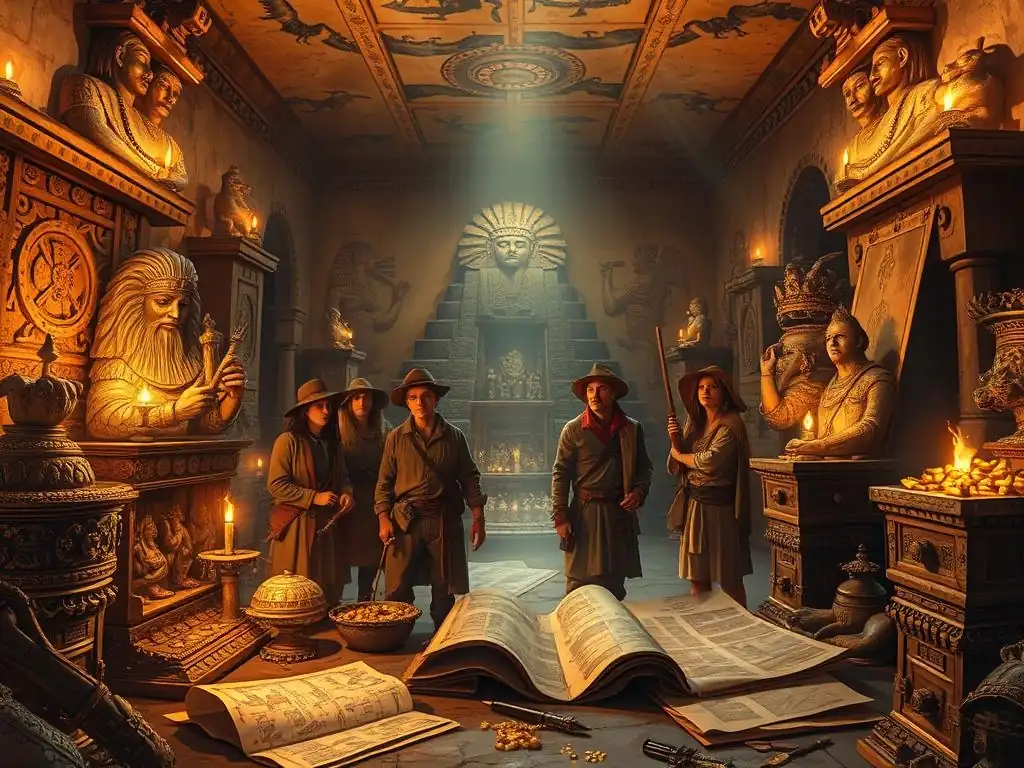
The exploration of Aztec treasure myths and legends reveals a fascinating interplay between folklore and historical reality. While numerous stories have emerged over centuries, many of these tales are steeped in exaggeration and embellishment, often diverging significantly from documented facts. The distinction between myth and reality is crucial for understanding the cultural and historical context of Aztec treasures.
Historical evidence suggests that the Aztecs were indeed wealthy, largely due to their extensive trade networks and agricultural innovations. However, the treasures attributed to them, such as vast quantities of gold and precious jewels, have often been sensationalized. The most famous treasure myth revolves around the legendary "Treasure of Montezuma," which suggests that significant wealth was hidden away by the last Aztec emperor, Moctezuma II, to protect it from Spanish conquerors. Despite extensive searches, much of this treasure remains elusive, leading to speculation and myth-making that have persisted over time.
The historical accounts of the Spanish conquest, particularly those of Hernán Cortés and his men, provide some factual basis for these myths. They documented the wealth of the Aztecs and the rituals surrounding gold, which were often misinterpreted by European colonizers. As a result, many treasure myths emerged from these accounts, blending fact with fiction, making it challenging to separate what is historically accurate from what has been mythologized.
Analyzing Popular Myths vs. Documented Facts
Several popular myths about Aztec treasures have captivated imaginations, each with varying degrees of correlation to historical facts. One of the most enduring myths is that of the "Lost Gold of the Aztecs," which suggests that immense amounts of gold were hidden by the Aztecs in secret locations throughout Mexico. This myth gained traction due to stories of treasure hunters who claimed to have discovered hidden caches, but these claims often lack substantial evidence.
Another significant myth is that the Aztecs used gold as currency, leading to the belief that vast quantities of gold were readily available. In reality, while gold was highly valued and used for ceremonial purposes and adornments, the Aztec economy functioned primarily on barter and trade. This misunderstanding has fueled myths surrounding the treasures that supposedly existed.
In contrast, documented facts highlight the Aztec's reverence for gold, not merely as a material wealth but as a representation of the divine. The famous Templo Mayor in Tenochtitlan, for example, was adorned with gold offerings to deities, indicating that the Aztecs viewed their treasures as sacred rather than simply material possessions.
The Role of Oral Tradition in Shaping Legends
Oral tradition has played a pivotal role in shaping the legends surrounding Aztec treasures. Passed down through generations, these stories often reflect the values, beliefs, and experiences of the Indigenous communities. Oral histories serve not only as a means of preserving cultural identity but also as a way to convey moral lessons, historical events, and societal norms.
In many cases, these tales have evolved over time, adapting to the cultural context and the audience's understanding. For instance, the story of the lost treasure may incorporate elements of caution against greed or the consequences of colonialism, reflecting the struggles faced by Indigenous peoples in the aftermath of European contact. As such, the legends surrounding Aztec treasures are not merely stories of wealth but are deeply intertwined with the historical experiences of the Aztec civilization and its descendants.
Moreover, the preservation of these oral traditions has allowed contemporary communities to reconnect with their heritage, instilling a sense of pride and identity. The ongoing fascination with Aztec treasures serves as a reminder of the civilization's rich history and cultural significance.
The Cultural Significance of Aztec Treasure Legends
The legends of Aztec treasures hold substantial cultural significance, reflecting the historical legacy of the civilization and its impact on modern society. These myths serve as a lens through which we can examine the values and beliefs of the Aztec people while also considering their ongoing relevance in today's world.
How Myths Reflect Indigenous Beliefs and Values
Aztec treasure myths often encapsulate the core beliefs and values of Indigenous cultures, emphasizing themes such as the sacredness of material wealth, the connection to the divine, and the importance of community. Gold and other precious materials were not merely seen as wealth but were also believed to embody spiritual significance and a connection to the gods. This belief system is evident in the rituals and ceremonies that surrounded the use of these treasures.
Additionally, the legends often highlight the consequences of greed and the moral lessons associated with the pursuit of wealth. The stories serve as cautionary tales, reminding both Indigenous and non-Indigenous peoples of the potential pitfalls of avarice and the importance of stewardship over material resources. In this way, the myths surrounding Aztec treasures continue to resonate today, providing insight into the cultural ethos that shaped the Aztec civilization.
The Influence of Aztec Treasure Legends on Modern Culture
The enduring allure of Aztec treasure legends has had a profound influence on modern culture, permeating literature, film, and popular media. From adventure novels to Hollywood films, the quest for Aztec gold has become a popular trope, often romanticizing the idea of lost treasures waiting to be discovered. These narratives, while fictionalized, reflect a broader fascination with Indigenous cultures and their histories.
Furthermore, the myths surrounding Aztec treasures have sparked interest in archaeological pursuits and heritage conservation efforts. As treasure hunters and researchers continue to explore the narratives surrounding Aztec wealth, these legends prompt conversations about the importance of protecting cultural heritage and acknowledging the historical injustices faced by Indigenous communities.
While the myths and legends surrounding Aztec treasures may be steeped in exaggeration, their cultural significance and the values they represent remain relevant. They serve as a bridge between the past and present, allowing contemporary audiences to engage with the rich heritage of the Aztec civilization and reflect on its lasting impact.
Conclusion: The Lasting Legacy of Aztec Treasure Myths and Legends
The myths and legends surrounding Aztec treasure have endured through generations, capturing the imagination of historians, archaeologists, and treasure hunters alike. These tales not only illustrate the cultural significance of wealth in Aztec society but also reflect the broader themes of conquest, loss, and the enduring human desire for discovery.
The narrative of the Aztec treasure has transformed from a historical account to a rich tapestry of folklore, embodying the complexities of indigenous identity and the impact of European colonization. As we delve into these stories, we uncover the layers of history that shape our understanding of both the Aztec civilization and its ongoing relevance in contemporary discussions about indigenous heritage.
Summary of Key Points
- Cultural Significance: The Aztec treasure symbolizes the wealth and intricacies of Aztec society, emphasizing their advanced craftsmanship and artistry.
- Myth vs. Reality: While many myths exaggerate the treasures' value and the dangers of seeking them, they also reveal historical truths about the Aztecs' interactions with their environment and their eventual downfall.
- Impact of Colonization: The search for Aztec treasure highlights the destructive consequences of colonization, leading to the loss of indigenous cultures and artifacts.
- Enduring Fascination: The legends surrounding Aztec treasure continue to inspire literature, film, and popular culture, keeping the stories of the Aztecs alive for future generations.
The Relevance of Aztec Treasures in Understanding Indigenous Civilizations
Understanding the myths and legends of Aztec treasure is crucial for appreciating the complexities of indigenous civilizations in the Americas. These treasures are not merely material objects; they represent the values, beliefs, and social structures of the Aztec people. The tales of treasure hunts and hidden riches encourage a deeper examination of their cultural practices, religious beliefs, and societal organization.
Furthermore, the ongoing pursuit of Aztec artifacts underscores the importance of preserving indigenous history and acknowledging the injustices faced by these communities. By studying the narratives surrounding Aztec treasure, scholars and enthusiasts alike can foster a greater appreciation of indigenous contributions to history, promoting cultural respect and understanding. The fascination with Aztec treasures serves as a bridge to explore broader themes of heritage, resilience, and the importance of safeguarding indigenous identities in a rapidly changing world.
- Introduction to Aztec Treasure Myths and Legends
- Overview of Aztec Civilization and Its Wealth
- Importance of Treasure in Aztec Culture
- The Origins of Aztec Treasure Myths
- Famous Legends Surrounding Aztec Treasure
- Historical Facts About the Aztec Treasure
- Comparing Myths and Historical Evidence
- The Cultural Significance of Aztec Treasure Legends
- Conclusion: The Lasting Legacy of Aztec Treasure Myths and Legends
- What are the main myths and legends surrounding Aztec treasure?
- How did the discovery of Aztec treasures influence European explorers?
- Are there any historical facts that support the existence of Aztec treasure?
- What role did indigenous cultures play in the creation of treasure myths?
- How do Aztec treasure myths impact modern culture?
Frequently Asked Questions
What are the main myths and legends surrounding Aztec treasure?
The myths and legends often speak of vast riches hidden by the Aztecs, including gold and precious gems, which were supposedly buried to protect them from Spanish conquest.
How did the discovery of Aztec treasures influence European explorers?
The tales of Aztec treasures fueled the ambitions of European explorers who sought fame and wealth, leading to numerous expeditions into Mexico in search of these legendary riches.
Are there any historical facts that support the existence of Aztec treasure?
While there are historical accounts of treasure, much of the allure comes from exaggerated tales and speculation, with actual treasures being lost or destroyed during the conquest.
What role did indigenous cultures play in the creation of treasure myths?
Indigenous cultures, including the Aztecs, contributed to the myths and legends through oral traditions that emphasized their wealth and the spiritual significance of their treasures.
How do Aztec treasure myths impact modern culture?
The myths surrounding Aztec treasure continue to inspire literature, films, and popular culture, reflecting a fascination with lost civilizations and the allure of hidden wealth.
Final Reflection: Unveiling the Mystique of Aztec Treasure Myths and Legends
The allure of Aztec treasure myths and legends continues to captivate our imagination today, reminding us of the rich tapestry of history intertwined with myth. As we explore the depths of these stories, we uncover not only the treasures that were sought after but also the cultural significance they hold in our understanding of the past. The quest for the Aztec treasure is more than just a search for gold; it is a journey into the heart of a civilization that once thrived, leaving behind a legacy that still resonates in our modern world.
Cultural narratives surrounding the Aztec treasure have shaped our perceptions of history, blending fact with fiction in a way that reflects our collective curiosity. These myths serve as a bridge between the ancient and contemporary, influencing literature, cinema, and even our understanding of identity. As noted by historian Charles C. Mann, “The stories we tell about the past shape the way we see the present.” > This encapsulates the ongoing influence of these legends, as they continue to inspire exploration and debate about what truly lies beneath the surface of history.
As we conclude this exploration of Aztec treasure myths and legends, I invite you to reflect on the stories that shape your own understanding of history and culture. Consider how these narratives influence your perspective on the world today. Let the intrigue of the Aztec treasure inspire you to seek out your own stories, to question the myths that surround you, and to appreciate the rich history that informs our present. Embrace the adventure of discovery, for in every legend lies a kernel of truth waiting to be unearthed.
Unleash the Mysteries of the Aztec Treasure!
Thank you for diving into the enchanting world of the Aztec treasure! We hope you’ve uncovered intriguing myths, legends, and historical facts that spark your curiosity. Now, it’s time to take that inspiration and embark on your own adventure!
Here are some captivating actions you can take right now:
- Explore local museums or online exhibits that showcase Aztec artifacts and history for a deeper understanding of their incredible culture.
- Start a discussion with friends or family about the impact of treasure legends on modern society. What do these stories reveal about our values today?
- Share your favorite myth or fact from this article on social media and join a community of history enthusiasts who cherish the mystical tales of indigenous civilizations.
What aspect of the Aztec treasure story intrigues you the most, and how do you think it shapes our understanding of cultural heritage today?