
Resistance and Renewal: The Role of Syncretism in Indigenous Spiritual Movements

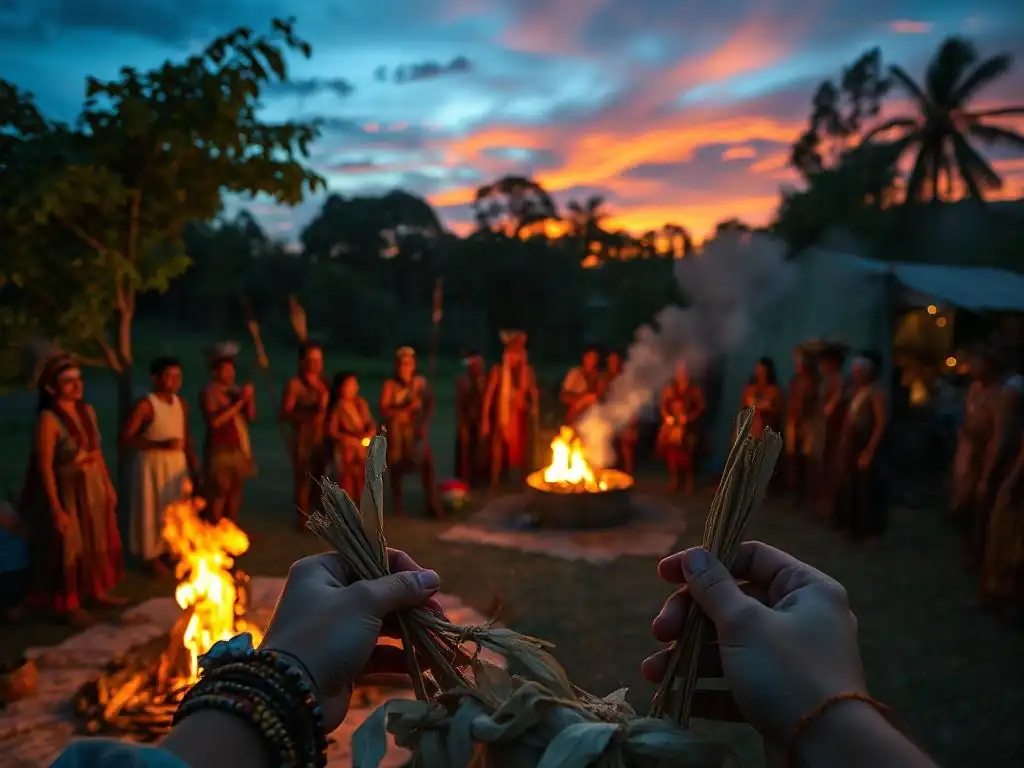
Welcome to Indigenous Civilizations of the Americas, where we invite you to embark on a captivating journey through the rich tapestry of indigenous cultures that flourished across the Americas long before European colonization. Here, you will uncover the profound achievements and vibrant societies that shaped the continent’s history.
In our featured article, “Resistance and Renewal: The Role of Syncretism in Indigenous Spiritual Movements,” we delve into the intricate history of indigenous spiritual movements, revealing how these traditions not only survived but thrived in the face of adversity. Prepare to explore the resilience and creativity of these cultures, and let your curiosity guide you deeper into their remarkable legacies.
- Introduction to Indigenous Spiritual Movements History
- The Historical Context of Indigenous Spiritual Movements
- Understanding Syncretism in Indigenous Spiritual Movements
- Case Studies of Syncretism in Indigenous Spiritual Movements
- The Role of Syncretism in Contemporary Indigenous Spiritual Movements
- Conclusion
-
Frequently Asked Questions
- What is syncretism in the context of indigenous spiritual movements?
- How did European colonization affect indigenous spiritual practices?
- What are some examples of indigenous spiritual movements in the Americas?
- How do indigenous spiritual movements contribute to cultural renewal today?
- What is the significance of understanding the history of indigenous spiritual movements?
- Final Reflection: Embracing the Power of Syncretism in Indigenous Spiritual Movements
- Embrace the Power of Syncretism Today!
Introduction to Indigenous Spiritual Movements History
Indigenous spiritual movements represent a rich tapestry of beliefs, practices, and traditions that have evolved over centuries across the Americas. Before European colonization, diverse indigenous cultures cultivated their own unique spiritual frameworks, deeply rooted in their relationship with the land, nature, and community.
This article delves into the intricate history of these movements, focusing on how syncretism—the blending of different religious beliefs—has played a pivotal role in the resilience and renewal of indigenous spirituality in the face of colonial pressures. By examining the dynamics of syncretism, we can better understand how indigenous peoples have maintained their spiritual identities while simultaneously adapting to new influences throughout history.
Overview of Indigenous Spirituality
Indigenous spirituality is characterized by a profound connection to the natural world, where every element—be it the mountains, rivers, or animals—carries its own spirit and significance. This worldview fosters a sense of community and responsibility, wherein individuals are seen as stewards of the earth rather than mere consumers. Key aspects of indigenous spirituality include:
- Ancestral Worship: Reverence for ancestors who guide and protect the living.
- Ritual Practices: Ceremonies that celebrate seasonal changes, life events, and communal bonds.
- Sacred Narratives: Oral traditions that convey the history, morals, and teachings of the culture.
These spiritual beliefs are not static; they evolve through interactions with other cultures, particularly during periods of colonization and cultural exchange.
Importance of Syncretism in Indigenous Cultures
Syncretism has emerged as a crucial mechanism through which indigenous cultures have navigated the complex landscape of colonialism and modernization. This blending of spiritual elements allows for:
- Cultural Resilience: The ability to incorporate new beliefs while preserving core values and traditions.
- Community Strengthening: Fostering unity among diverse groups as they find common ground in shared spiritual practices.
- Adaptive Practices: Developing new rituals and ceremonies that reflect contemporary realities while honoring ancestral roots.
The history of indigenous spiritual movements is, therefore, not merely one of resistance but also of renewal, showcasing how these communities have thrived by embracing change while honoring their heritage. This dynamic interplay of tradition and adaptation underscores the ongoing relevance and vitality of indigenous spiritual practices in today's world.
The Historical Context of Indigenous Spiritual Movements
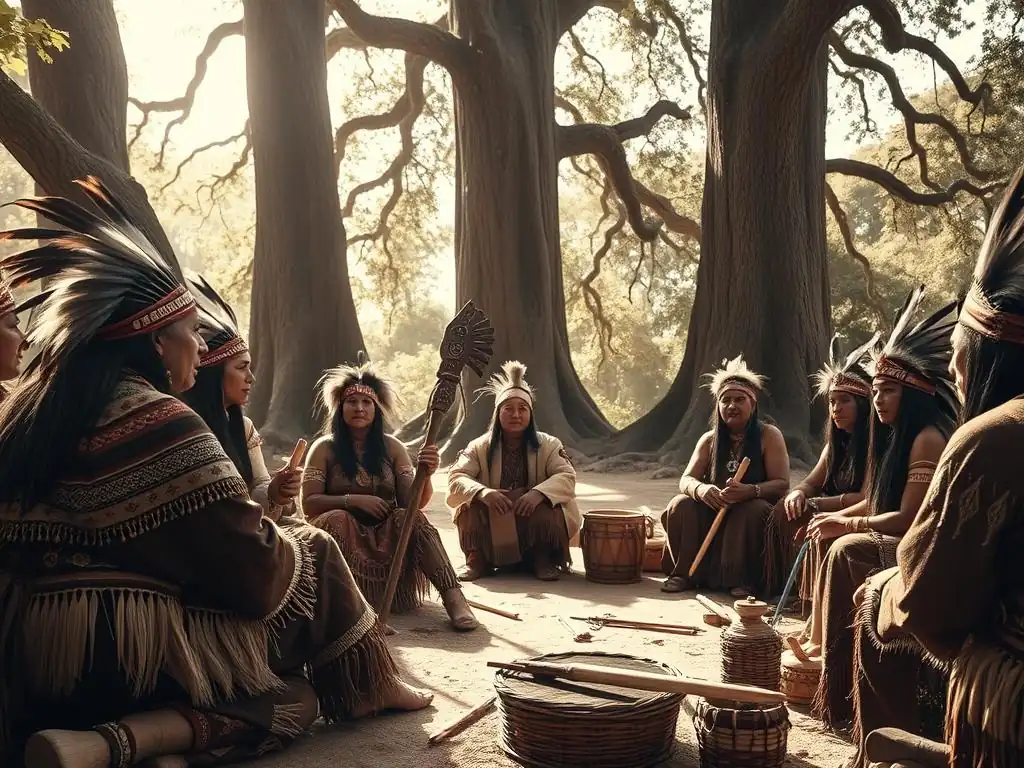
Understanding the historical context of Indigenous spiritual movements requires a deep dive into the intricate tapestry of beliefs, practices, and socio-political conditions that shaped these cultures. Indigenous spiritual movements are not merely reactions to external pressures; they are complex systems that have evolved over centuries, reflecting both resilience and adaptation in the face of adversity.
Pre-Colonial Indigenous Beliefs and Practices
Before European colonization, Indigenous cultures across the Americas held rich and diverse spiritual beliefs that were deeply intertwined with their daily lives, social structures, and the natural world. These beliefs varied widely among different tribes and regions, but common threads included:
- Animism: Many Indigenous peoples believed that all elements of nature, including animals, plants, and even rocks, possessed spiritual significance and agency. This belief fostered a deep respect for the environment.
- Rituals and Ceremonies: Spiritual practices were often conducted through elaborate rituals and ceremonies, which were integral to community life and cultural identity. For example, the Sun Dance among the Plains tribes served as a rite of passage and communal healing.
- Shamanism: Shamans or spiritual leaders played a crucial role in Indigenous societies, acting as mediators between the physical and spiritual worlds. They were responsible for healing, guidance, and maintaining the balance within the community.
These pre-colonial spiritual practices not only fostered community cohesion but also provided frameworks for understanding the cosmos and humanity's place within it.
Impact of European Colonization on Indigenous Religions
The arrival of European colonizers in the Americas marked a significant upheaval for Indigenous spiritual movements. The impact of colonization can be categorized into several key areas:
- Forced Conversion and Religious Suppression: European powers, particularly the Spanish and the French, sought to convert Indigenous peoples to Christianity. This often involved violent suppression of Indigenous practices. The imposition of foreign religions led to the erosion of traditional beliefs, as seen in the widespread destruction of sacred sites and the vilification of Indigenous spiritual leaders.
- Cultural Displacement: Colonization brought about significant social and cultural disruption. The displacement of communities due to land seizures and forced relocations led to the breakdown of traditional practices and loss of cultural heritage. This cultural genocide had lasting effects on Indigenous identities and spiritual expressions.
- Syncretism: In response to colonial pressures, many Indigenous groups began to blend traditional beliefs with elements of Christianity. This process of syncretism allowed communities to retain aspects of their spirituality while adapting to the new religious landscape. For instance, the Day of the Dead in Mexico combines Indigenous ancestor worship with Catholic elements, illustrating how Indigenous peoples navigated their spiritual identities under colonial rule.
The impact of European colonization on Indigenous religions was profound, leading to both the decline of traditional practices and the emergence of new hybrid forms of spirituality.
Resistance Strategies: Survival of Indigenous Spirituality
Despite the challenges posed by colonization, Indigenous spiritual movements demonstrated remarkable resilience. Various strategies were employed to preserve and revitalize traditional beliefs:
- Cultural Revitalization Movements: In the late 20th century, a resurgence of Indigenous identity prompted cultural revitalization efforts. These movements aimed to reclaim traditional practices, languages, and teachings. Events such as powwows and traditional festivals became platforms for the expression and renewal of Indigenous cultures.
- Adaptation and Hybridization: Indigenous spiritual movements often adapted to new realities while maintaining core beliefs. The incorporation of elements from Christianity into traditional practices allowed for a unique form of expression that honored both Indigenous and European influences. This hybridization is evident in movements such as the Native American Church, which combines traditional ceremonies with Christian elements in the context of peyote use.
- Activism and Advocacy: Many contemporary Indigenous leaders advocate for the recognition and respect of Indigenous spiritual rights. Legal battles for the protection of sacred sites and the right to practice traditional religions demonstrate the ongoing struggle for recognition and autonomy.
The survival and renewal of Indigenous spirituality is a testament to the strength and resilience of Indigenous communities, showcasing their ability to navigate the complexities of a postcolonial world while honoring their ancestral traditions.
Understanding Syncretism in Indigenous Spiritual Movements
Definition of Syncretism in Spiritual Contexts
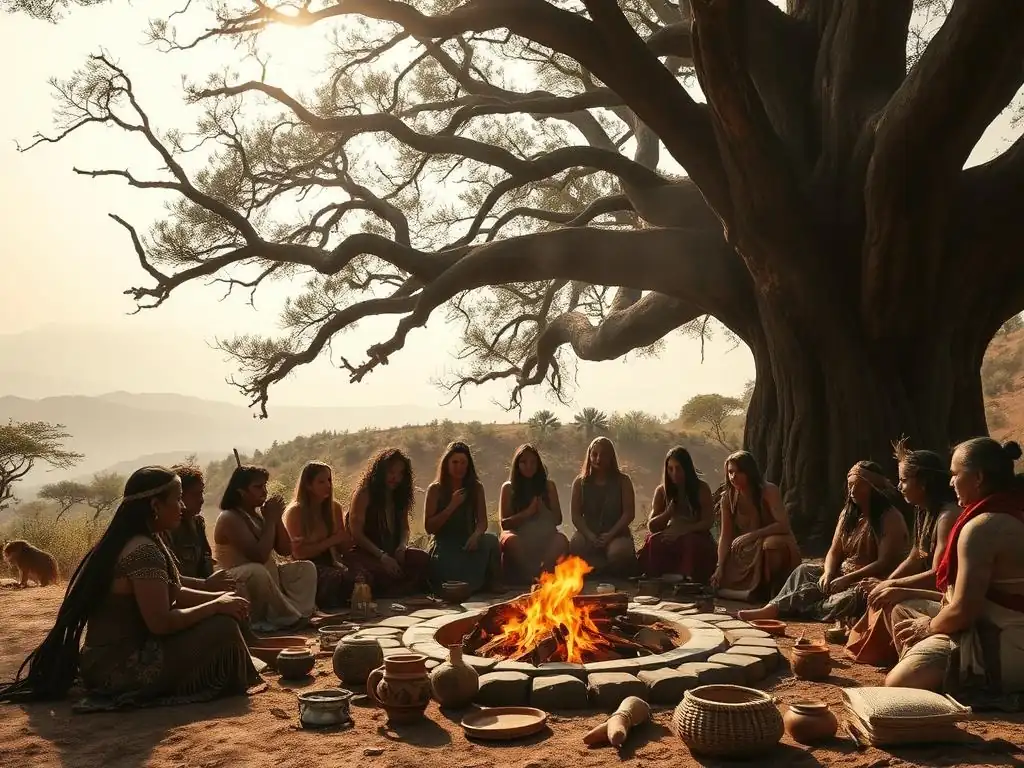
Syncretism refers to the blending or merging of distinct religious beliefs and practices into a cohesive system. In the context of indigenous spiritual movements, syncretism often arises as a response to external influences, particularly during periods of colonization and cultural upheaval. This phenomenon enables indigenous populations to adapt their spiritual practices while incorporating elements from other traditions, often resulting in unique expressions of faith that reflect both resilience and innovation.
In spiritual contexts, syncretism can manifest through various means, including:
- Rituals and Ceremonies: Indigenous groups may integrate new ritualistic elements from colonizers’ religions into their traditional practices. For example, the use of Christian symbols within indigenous ceremonies can signify both adaptation and resistance.
- Mythology and Beliefs: The incorporation of foreign deities or mythological stories into indigenous belief systems allows for a richer narrative tapestry that resonates with both historical and contemporary realities.
- Art and Expression: Artistic expressions, such as painting, music, and dance, often reflect syncretic themes, showcasing a blend of cultural motifs that speak to the dual influences on indigenous identities.
By embracing syncretism, indigenous spiritual movements not only preserve their cultural heritage but also demonstrate a dynamic interplay between tradition and change.
Historical Examples of Syncretism in Indigenous Cultures
The history of indigenous cultures is replete with examples of syncretism that highlight their adaptive strategies in the face of colonial pressures. Some notable instances include:
- The Virgin of Guadalupe: A quintessential example within Mexican culture, the Virgin of Guadalupe symbolizes the fusion of Indigenous and Catholic beliefs. Considered a powerful figure, she embodies both the pre-Columbian goddess Tonantzin and the Christian narrative, representing a form of spiritual unity among diverse populations.
- Candomblé in Brazil: A religion that emerged from the African diaspora, Candomblé incorporates elements of indigenous beliefs along with African and European traditions. The worship of orixás (deities) often parallels indigenous concepts of nature and spirituality, exemplifying how syncretism has fostered a unique religious landscape.
- Andean Folk Catholicism: In the Andes, Catholicism has intertwined with indigenous practices, resulting in vibrant festivals such as Inti Raymi, where the sun god Inti is celebrated alongside Catholic saints. This amalgamation reflects a deep respect for both ancestral traditions and the imposed religious framework.
Through these examples, we can observe that syncretism is not merely a survival tactic but also a creative force that enables communities to redefine their spiritual landscapes.
The Role of Syncretism in Cultural Identity
Syncretism plays a crucial role in shaping cultural identity among indigenous peoples. By blending traditional beliefs with new elements, communities foster a sense of belonging that honors their heritage while embracing contemporary realities. Here are some significant impacts of syncretism on cultural identity:
- Cultural Resilience: Syncretic practices often serve as a means of resistance against cultural erasure. By integrating new influences into their spiritual frameworks, indigenous groups assert their identity and agency in a rapidly changing world.
- Community Cohesion: Shared syncretic practices can strengthen social bonds within communities. These rituals and beliefs create a collective identity that transcends individual experiences, fostering unity and solidarity.
- Intergenerational Transmission: Syncretism facilitates the transmission of knowledge and practices across generations. As new elements are incorporated, elders and youth engage in dialogue about their cultural heritage, ensuring its continuity.
- Global Recognition: In an era of globalization, syncretic movements often gain international attention, allowing indigenous groups to share their unique identities and spiritual philosophies with a broader audience. This visibility can lead to greater understanding and appreciation of indigenous cultures.
The role of syncretism in indigenous spiritual movements is multifaceted, serving as a testament to the resilience, creativity, and adaptability of these cultures throughout history.
Case Studies of Syncretism in Indigenous Spiritual Movements
Case Study 1: The Lakota Sioux and Syncretism
Historical Background
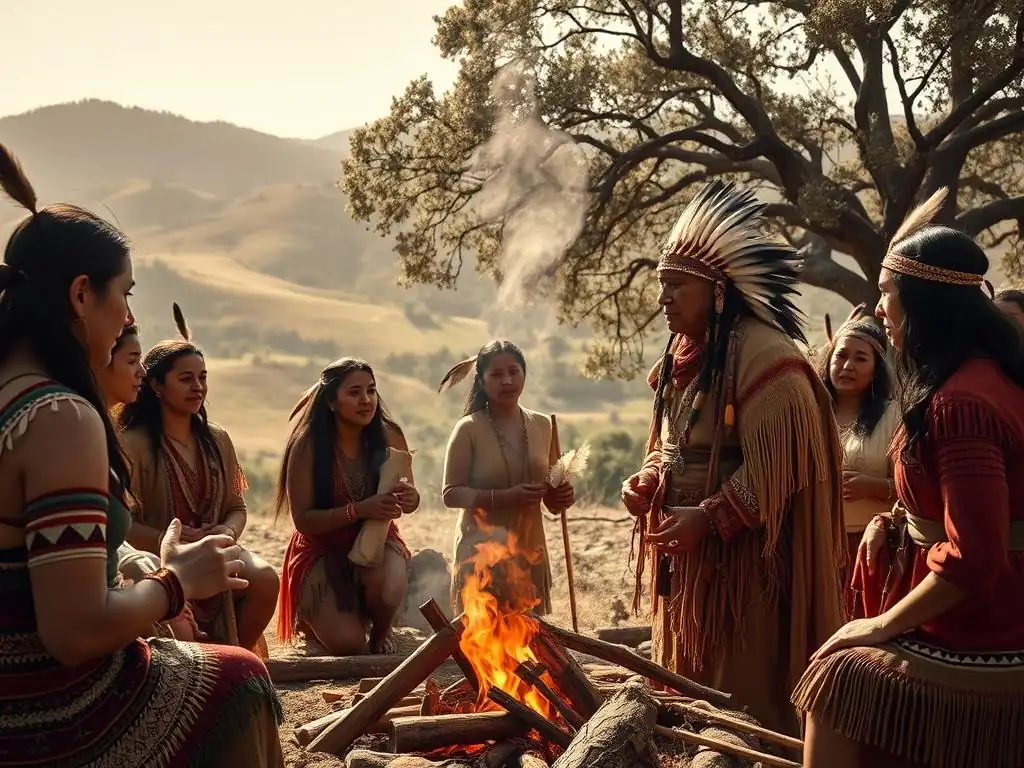
The Lakota Sioux are a prominent Indigenous group in North America, primarily located in the northern Great Plains. Their historical narrative is marked by resilience against colonization, which significantly influenced their spiritual practices. Following the arrival of European settlers, the Lakota faced displacement and cultural disruption. In this context, syncretism emerged as a critical tool for survival, as they blended traditional spiritual beliefs with elements of Christianity. This adaptation was not merely a concession but a strategic response to the loss of their land and autonomy.
Key Syncretic Practices
One of the most notable syncretic practices among the Lakota is the incorporation of Christian elements into traditional ceremonies. This includes the use of Christian prayers during the Sun Dance, a vital spiritual and communal event. Additionally, the Lakota have reinterpreted symbols like the cross, integrating it into their spiritual worldview while maintaining their traditional cosmology. Such practices illustrate a dynamic fusion, allowing the Lakota to honor their ancestors while engaging with new religious contexts.
Impact on Community Identity
The process of syncretism has significantly influenced Lakota community identity. By incorporating elements of Christianity, the Lakota have fostered a sense of unity and resilience in the face of adversity. This blending of traditions has allowed for the preservation of their cultural heritage while simultaneously adapting to contemporary societal changes. The Lakota spiritual movements today are characterized by a unique identity that reflects both their ancestral roots and their adaptive strategies, reinforcing a collective sense of belonging and purpose among community members.
Case Study 2: The Afro-Brazilian Candomblé
Historical Background
Candomblé originated in Brazil during the colonial period, emerging from the cultural practices of enslaved Africans who were brought to the region. The religion is a vivid example of syncretism, as it combines elements of African traditional religions with aspects of Roman Catholicism and indigenous beliefs. Enslaved peoples utilized syncretism as a means to preserve their spiritual practices while navigating the oppressive colonial environment. The blending of these diverse influences resulted in a rich and complex religious system that remains vital in contemporary Afro-Brazilian culture.
Key Syncretic Practices
Central to Candomblé are the rituals honoring the Orishas—deities that embody various aspects of life and nature. Each Orisha is often linked to a Catholic saint, facilitating the practice of worship in a context where overt African religious expressions were prohibited. For example, the Orisha Oxum, associated with love and fertility, is often syncretized with Our Lady of Conception. Rituals in Candomblé involve music, dance, and offerings, creating a vibrant spiritual experience that connects practitioners to their African heritage while navigating the realities of Brazilian society.
Impact on Community Identity
The syncretism evident in Candomblé has played a crucial role in shaping Afro-Brazilian identity. By merging African, indigenous, and Christian elements, Candomblé has fostered a sense of pride and continuity among its practitioners. It acts as a cultural touchstone, allowing members of the community to assert their identity in a diverse society. Moreover, Candomblé serves as a platform for social justice and resistance against racism, reinforcing the importance of cultural heritage while promoting a collective identity rooted in resilience and empowerment.
These case studies illustrate the dynamic nature of Indigenous spiritual movements history and the role of syncretism in fostering community resilience and identity amidst the challenges of colonization and cultural erasure.
The Role of Syncretism in Contemporary Indigenous Spiritual Movements
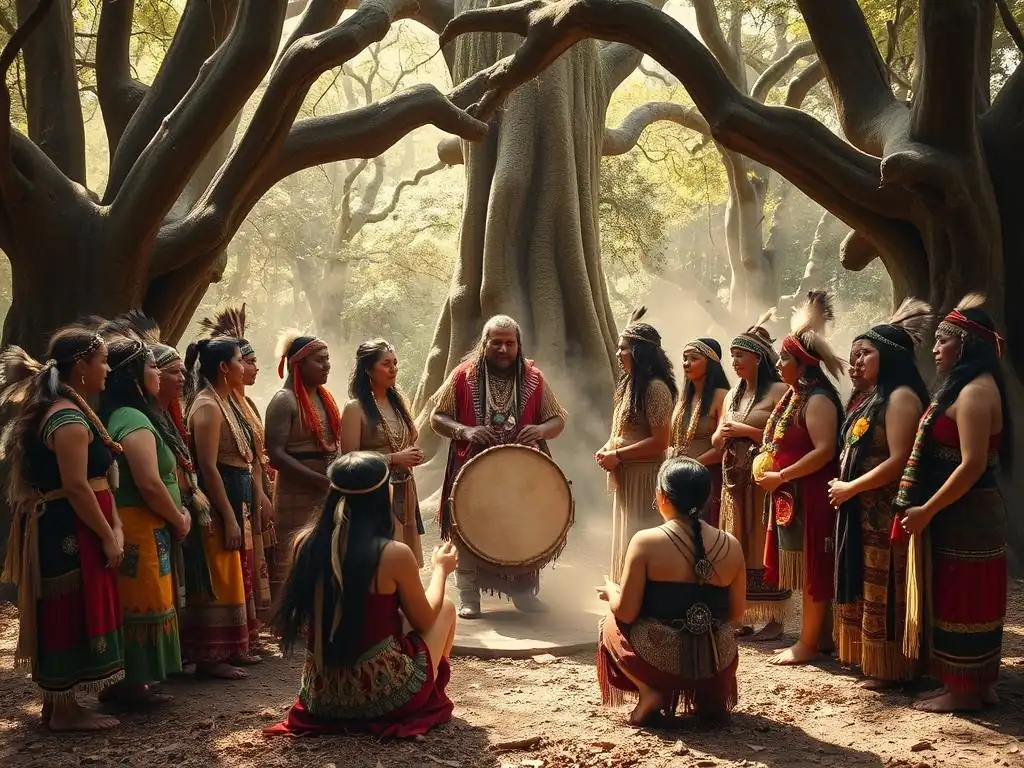
Syncretism plays a crucial role in contemporary Indigenous spiritual movements, as it serves as a bridge between traditional beliefs and modern influences. This blending of cultural elements has allowed various Indigenous groups to adapt their spiritual practices in response to the challenges posed by colonization, globalization, and changing societal norms. By integrating aspects of other faiths and belief systems, Indigenous communities have been able to rejuvenate their spiritual expressions and maintain a sense of identity and continuity.
Revival of Indigenous Traditions Amidst Modern Challenges
In recent decades, there has been a significant revival of Indigenous traditions, driven by a desire to reclaim cultural identity and heritage. Various factors contribute to this revival, including:
- Cultural Pride: Many Indigenous individuals are embracing their roots and taking pride in their heritage, leading to a resurgence of traditional practices and ceremonies.
- Political Movements: The rise of Indigenous rights movements has encouraged communities to assert their identities and cultural practices, fostering an environment where Indigenous spiritual movements can flourish.
- Environmental Concerns: A growing awareness of environmental issues has led to a renewed interest in traditional ecological knowledge and the spiritual practices that accompany it.
This revival is often characterized by the re-emergence of ceremonies, rituals, and oral traditions that had been suppressed or altered during colonization. By revitalizing these practices, communities can strengthen their social fabric and promote intergenerational knowledge transmission.
Syncretism as a Tool for Cultural Resilience
Syncretism acts as a powerful tool for cultural resilience among Indigenous peoples. By merging traditional beliefs with elements from other religions or spiritual practices, Indigenous groups can create a more inclusive and adaptable framework for their spiritual expressions. Some notable aspects of syncretism in Indigenous spiritual movements include:
- Adaptation of Rituals: Traditional ceremonies may incorporate symbols, prayers, or practices from other faiths, allowing for a fusion that resonates with both Indigenous and non-Indigenous participants.
- Negotiation of Identity: Syncretism enables individuals to navigate their cultural identities in a modern context, where multiple influences coexist. This negotiation can foster a sense of belonging and community.
- Strengthening Community Bonds: By embracing a syncretic approach, Indigenous groups can engage with broader audiences, fostering intercommunity dialogue and solidarity.
This adaptive strategy not only preserves Indigenous spirituality but also enhances its relevance in contemporary society, allowing these movements to thrive despite ongoing challenges.
Examples of Modern Indigenous Spiritual Practices
Numerous modern Indigenous spiritual practices exemplify the role of syncretism in their evolution. Some notable examples include:
- Ceremonial Blending: In many Indigenous communities, traditional ceremonies are now complemented by Christian elements, such as prayers or hymns, reflecting a synthesis of Indigenous and Christian spiritualities.
- Healing Practices: Many Indigenous healers incorporate contemporary therapeutic techniques alongside traditional healing methods, creating a holistic approach that honors both ancestral wisdom and modern healthcare.
- Artistic Expressions: Indigenous artists often draw from various cultural influences, blending traditional motifs with contemporary styles, which reflects the dynamic nature of their spiritual beliefs.
- Community Gatherings: Events such as powwows or festivals may feature a mix of traditional songs, dances, and spiritual teachings from various influences, showcasing the vibrant tapestry of modern Indigenous spirituality.
Through these examples, it is evident that the history of Indigenous spiritual movements is marked by resilience and adaptability, as syncretism continues to play a vital role in shaping their ongoing evolution. This dynamic interplay not only preserves Indigenous heritage but also enriches the cultural landscape of the Americas, illustrating the profound impact of Indigenous spiritual movements on contemporary society.
Conclusion
Summary of the Role of Syncretism in Indigenous Spiritual Movements History
Syncretism has played a pivotal role in shaping the history of Indigenous spiritual movements across the Americas. It refers to the blending of different religious and cultural practices, which has allowed Indigenous communities to adapt and thrive despite the challenges posed by colonization. Throughout history, Indigenous peoples have creatively integrated elements from European religions, particularly Christianity, with their own traditional beliefs, creating rich spiritual practices that reflect both resilience and transformation.
For instance, the syncretic practice of Mestizo Christianity in Mexico combines Catholic rituals with pre-Hispanic beliefs, leading to the veneration of saints alongside ancient deities. This fusion is not merely an adoption of foreign elements but a profound reworking of spiritual identity that preserves Indigenous worldviews while engaging with new religious narratives. Similarly, in the Andean region, the integration of Catholicism with the worship of Pachamama (Mother Earth) illustrates how Indigenous spiritual movements have negotiated their identity through syncretism, affirming their cultural heritage in a postcolonial context.
The history of Indigenous spiritual movements is thus marked by this dynamic interplay of continuity and change, where syncretism serves as a vital mechanism for cultural survival. It highlights the adaptability of Indigenous peoples and their ongoing commitment to maintaining spiritual practices that resonate with their historical experiences and contemporary realities.
The Future of Indigenous Spirituality and Syncretism
As we look towards the future, Indigenous spirituality continues to evolve, influenced by both internal dynamics and external pressures. The resurgence of Indigenous cultural pride and activism is fostering a renewed interest in traditional practices, encouraging younger generations to reconnect with their heritage. This movement is often characterized by a revitalization of ceremonies, languages, and teachings that have been historically suppressed or altered due to colonization.
Moreover, the intersection of technology and spirituality presents new opportunities for Indigenous communities. Digital platforms allow for broader dissemination of Indigenous knowledge and practices, enabling a global audience to engage with these rich traditions. However, this also raises concerns about cultural appropriation and the commodification of Indigenous spirituality. Thus, the challenge lies in navigating these complexities while maintaining authenticity and respect for sacred traditions.
Syncretism will likely remain a defining feature of Indigenous spiritual movements, helping communities to adapt to changing social landscapes while retaining their unique identities. By embracing both traditional and contemporary elements, Indigenous spirituality can forge pathways that honor the past while responding to the present and future.
Call to Action: Understanding and Respecting Indigenous Beliefs
To foster a deeper appreciation for Indigenous spiritual movements and their history, it is essential for individuals and communities to engage in respectful dialogue and learning. Here are a few actions to consider:
- Educate Yourself: Take the time to learn about the diverse Indigenous cultures and their spiritual practices. Books, documentaries, and reputable online resources can provide valuable insights.
- Support Indigenous Voices: Amplify the perspectives of Indigenous peoples by following their leaders, creators, and activists. Engage with their work and respect their narratives without appropriating their experiences.
- Participate Thoughtfully: If invited to participate in Indigenous ceremonies or practices, approach these experiences with humility and respect. Always seek permission and be aware of the cultural significance behind the rituals.
- Advocate for Indigenous Rights: Support policies and initiatives that protect Indigenous cultures, lands, and rights. Understanding the historical context of Indigenous spiritual movements is crucial in advocating for justice and recognition.
By committing to these actions, we can contribute to a more inclusive understanding of Indigenous spiritual movements, celebrating their resilience while honoring the rich tapestry of their histories. In doing so, we not only recognize their past but also support their ongoing journey towards renewal and empowerment.
Frequently Asked Questions
What is syncretism in the context of indigenous spiritual movements?
Syncretism refers to the blending of diverse beliefs and practices from different cultures. In indigenous spiritual movements, it often involves the integration of traditional practices with elements introduced during colonization.
How did European colonization affect indigenous spiritual practices?
European colonization significantly disrupted indigenous spiritual practices, leading to suppression and the loss of cultural identity. However, many communities adapted by incorporating elements of Christianity into their traditional beliefs.
What are some examples of indigenous spiritual movements in the Americas?
Examples include the Ghost Dance among Native Americans and the Mestizo spiritual practices in Latin America. These movements often emphasize resistance against oppression and the renewal of cultural identity.
How do indigenous spiritual movements contribute to cultural renewal today?
Indigenous spiritual movements foster a sense of community and identity, helping to reclaim and revitalize traditional practices. They play a crucial role in cultural preservation and in addressing contemporary issues faced by indigenous communities.
What is the significance of understanding the history of indigenous spiritual movements?
Understanding the history of indigenous spiritual movements is vital for recognizing their impact on cultural resilience and their ongoing influence in contemporary society. It highlights their role in social justice and the fight against cultural erasure.
Final Reflection: Embracing the Power of Syncretism in Indigenous Spiritual Movements
The exploration of Indigenous spiritual movements reveals a profound truth: the resilience of these traditions is not merely a response to colonial pressures but a vibrant testament to their enduring relevance in today's world. As we navigate an increasingly globalized society, the blending of diverse spiritual practices through syncretism serves as a powerful reminder of the strength found in cultural exchange and adaptation. This dynamic interplay not only preserves Indigenous identities but also enriches the broader tapestry of spiritual expression, illustrating that the past is not a burden but a wellspring of renewal.
The history of Indigenous spiritual movements is a living narrative that continues to shape cultural and social landscapes across the globe. From the revitalization of traditional practices to the incorporation of contemporary elements, these movements challenge us to rethink our understanding of spirituality and identity. As we witness the resurgence of Indigenous voices and practices, we are reminded of the words of Vine Deloria Jr.: We are not just a people of the past; we are a people of the future.
This ongoing evolution underscores the importance of honoring and supporting Indigenous perspectives in a world that often seeks to homogenize cultural expressions.
As we conclude this exploration, I invite you to reflect on your own spiritual journey and consider how the lessons of resistance and renewal can inform your path. Embrace the diversity of spiritual practices around you and recognize the strength that comes from honoring both tradition and innovation. Let us commit to fostering a deeper understanding of Indigenous spiritual movements and their histories, ensuring that these vital narratives continue to inspire and guide future generations.
Embrace the Power of Syncretism Today!
Thank you for exploring the rich tapestry of syncretism within Indigenous spiritual movements. Your engagement with these vital themes not only deepens your understanding but also strengthens the voice of Indigenous cultures in our shared narrative. Now, let’s transform that knowledge into meaningful action!
Here are some actionable steps you can take right now:
- Engage with Your Community: Initiate or participate in discussions about Indigenous syncretism. Share your insights with others to foster dialogue and raise awareness.
- Support Indigenous Voices: Follow and amplify the work of Indigenous creators and activists on social media. Your support can significantly enhance their advocacy efforts.
- Explore Local Practices: Investigate the spiritual traditions of nearby Indigenous communities. Attend events, workshops, or lectures to actively engage in cultural exchange.
What unique experiences can you contribute to your community that honor and respect the rich diversity of Indigenous spiritual practices?