
Lessons from the Past: What Modern Agriculture Can Learn from Indigenous Practices

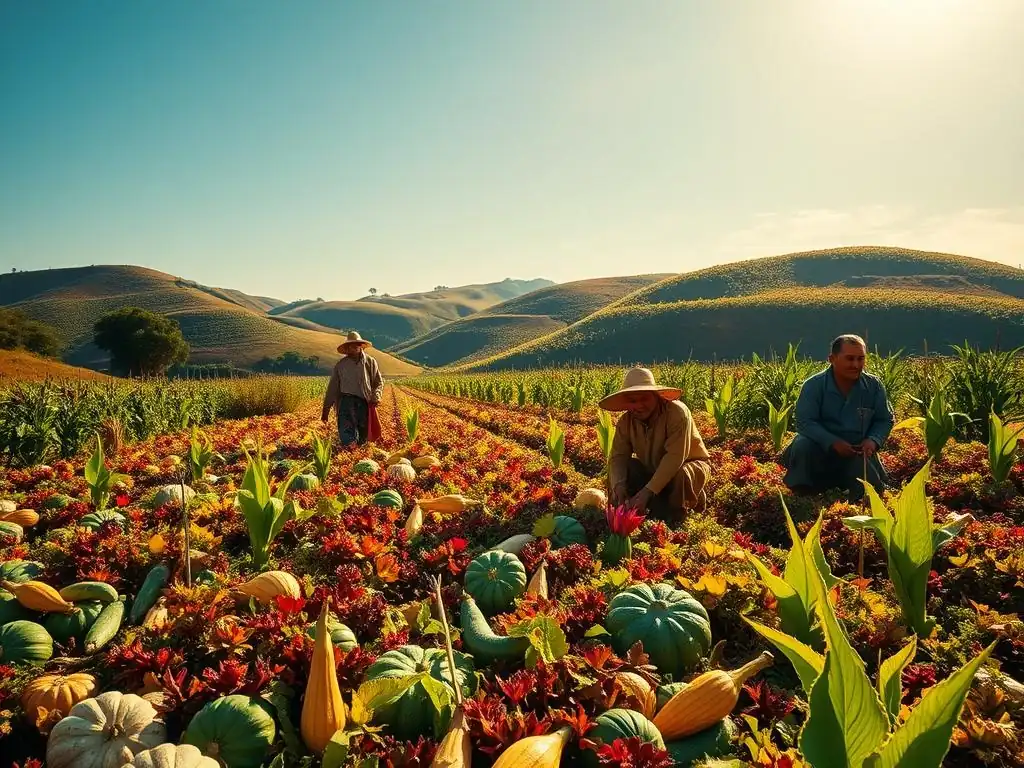
Welcome to Indigenous Civilizations of the Americas, where we invite you to journey through the rich tapestry of indigenous cultures that flourished long before European contact. Here, we delve into the indigenous agricultural practices history, uncovering the innovative techniques and sustainable methods that not only shaped their societies but also laid the groundwork for modern agriculture.
As you explore our main article, "Lessons from the Past: What Modern Agriculture Can Learn from Indigenous Practices," prepare to be inspired by the wisdom of the past and discover how these time-honored traditions can inform our future. Your adventure into the remarkable achievements and lasting impacts of these civilizations begins now!
- Introduction to Indigenous Agricultural Practices History
- Historical Context of Indigenous Agricultural Practices
- Core Principles of Indigenous Agricultural Practices
- Lessons Modern Agriculture Can Learn from Indigenous Practices
- Case Studies of Successful Indigenous Agricultural Practices
- Challenges and Misconceptions about Indigenous Agricultural Practices
- The Future of Agriculture: Blending Indigenous Practices with Modern Techniques
- Conclusion: The Lasting Impact of Indigenous Agricultural Practices on Modern Farming
-
Frequently Asked Questions
- What are the main themes covered in the article?
- How did indigenous agricultural practices differ from modern techniques?
- What lessons can modern agriculture learn from indigenous practices?
- Why is the study of indigenous agricultural practices important?
- How can I access more information about indigenous civilizations?
- Final Reflection: Embracing Indigenous Wisdom for a Sustainable Future
- Embrace the Wisdom of Indigenous Practices Today!
Introduction to Indigenous Agricultural Practices History
Indigenous agricultural practices in North America represent a rich tapestry of knowledge, innovation, and sustainability that has evolved over thousands of years. Before European colonization transformed the landscape, indigenous peoples cultivated a variety of crops, employed advanced agricultural techniques, and developed systems that were deeply intertwined with their cultural identities and the environment.
This article delves into the historical context of these practices, exploring how they not only sustained diverse communities but also laid the groundwork for modern agricultural methods. By understanding the indigenous agricultural practices history, we can glean valuable lessons that are relevant today, particularly as we face contemporary challenges in food production and environmental sustainability.
Overview of Indigenous Agriculture in North America
Indigenous peoples across North America developed agricultural systems that were diverse, adaptive, and deeply rooted in their ecological contexts. They cultivated staple crops such as maize (corn), beans, and squash—collectively known as the "Three Sisters"—which were often planted together in a symbiotic relationship that maximized yields and soil health.
- Crop Diversity: Indigenous farmers grew a variety of crops suited to their specific environments, including:
- Maize: Central to many tribes, maize was bred into various strains adapted to different climates.
- Beans: Rich in protein and nutrients, beans complemented the carbohydrate-rich maize.
- Squash: This crop provided vitamins and minerals while acting as a ground cover to suppress weeds.
Additionally, indigenous agricultural practices included sophisticated techniques such as crop rotation, companion planting, and permaculture principles that promoted biodiversity and soil health. These methods not only increased food security but also respected the natural ecosystems, showcasing a holistic approach to agriculture that modern practices are beginning to rediscover.
Importance of Learning from Indigenous Practices
The lessons embedded in indigenous agricultural practices offer profound insights for today’s agricultural systems. With the increasing pressures of climate change, soil degradation, and food insecurity, the wisdom of indigenous peoples is more relevant than ever.
- Sustainability: Indigenous methods emphasize sustainability, focusing on maintaining ecological balance and reducing reliance on synthetic inputs. For instance:
- Natural Fertilizers: Many indigenous communities utilized composting and natural fertilizers, which contributed to soil health without the harmful effects of chemical fertilizers.
- Water Conservation: Traditional irrigation techniques, such as the use of swales and terraces, demonstrate effective water management that can be adapted to modern needs.
- Resilience: Understanding how indigenous communities adapted their agricultural practices to their environments can inform contemporary strategies for resilience in the face of climate variability.
By integrating these time-honored practices into modern agriculture, we can create systems that not only produce food but also restore ecosystems and support local communities. The journey into the indigenous agricultural practices history is not just a retrospective glance; it's a forward-looking exploration of sustainable solutions for our shared future.
Historical Context of Indigenous Agricultural Practices
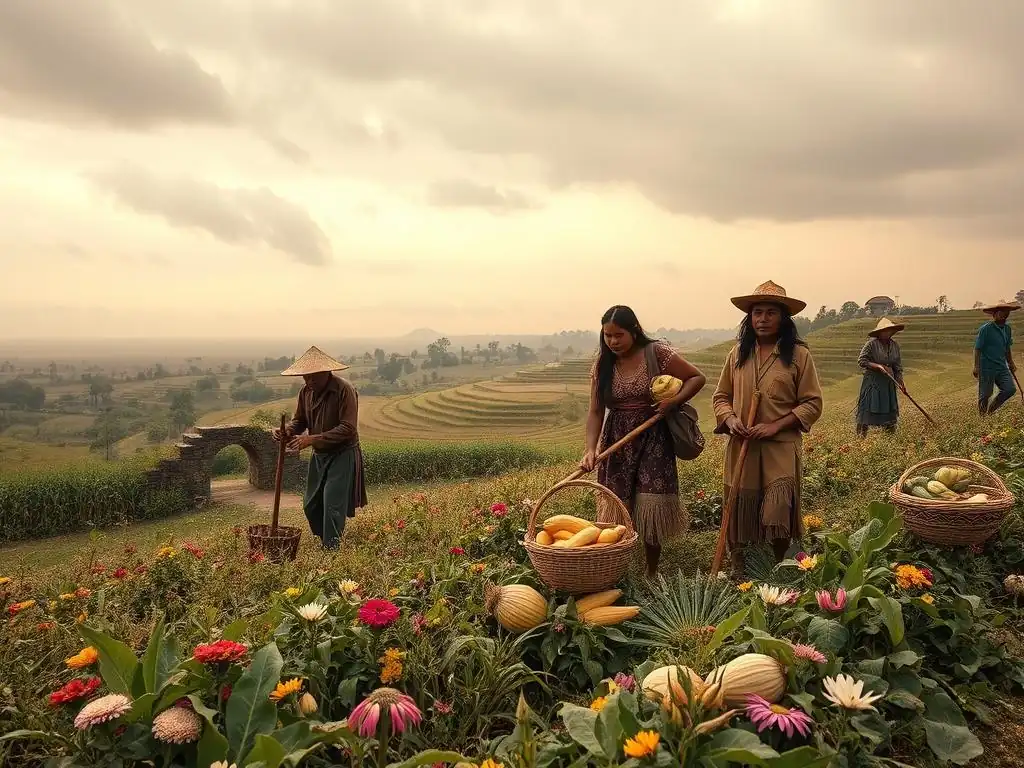
Before European colonization, indigenous peoples across the Americas developed sophisticated agricultural practices that were intricately linked to their cultural, social, and spiritual lives. These practices were not merely methods of food production; they were a reflection of their deep understanding of the land, ecosystems, and seasonal cycles. The agricultural techniques and crops cultivated by these societies laid the foundation for modern agricultural practices and continue to influence sustainable farming methods today.
Indigenous agricultural practices were characterized by a diverse array of crops and cultivation methods tailored to the local environment. From the arid deserts of the Southwest to the fertile river valleys of the Midwest, indigenous groups adapted their agricultural strategies to maximize productivity and minimize environmental impact. This adaptability is a key lesson for contemporary agriculture, particularly in the face of climate change and sustainability challenges.
Timeline of Indigenous Agricultural Development
The history of indigenous agricultural practices can be traced through several key periods, highlighting the evolution and significance of these practices over time:
- Pre-Contact Era (before 1492):
- Circa 3000 BCE: The domestication of crops such as maize (corn), beans, and squash in Mesoamerica marks the beginning of significant agricultural development.
- 1000 CE: The introduction of irrigation techniques in the Southwest by cultures like the Hohokam enhances crop yields in arid regions.
- The Emergence of Agricultural Societies (1000-1500 CE):
- 1000-1200 CE: The Mississippian culture develops in the Southeast, creating large agricultural communities that build earthen mounds and complex societies.
- 1200-1500 CE: The Iroquois Confederacy emerges in the Northeast, utilizing "Three Sisters" farming (maize, beans, and squash) to sustain their communities.
- Post-Contact Adaptations (1500 CE onward):
- 1500-1700 CE: Following European contact, many indigenous groups adapt their agricultural practices by integrating European crops and livestock while maintaining traditional methods.
- 1700s-1800s: The impact of colonization leads to significant changes in land use, with indigenous agricultural practices often marginalized or destroyed.
Key Indigenous Cultures and Their Agricultural Innovations
Various indigenous cultures across North America contributed unique innovations to agricultural practices. Here are some notable examples:
- The Iroquois:
- Known for the "Three Sisters" farming technique, which involves planting corn, beans, and squash together. This method enhances soil fertility and provides a balanced diet. The corn provides a structure for the beans to climb, while the squash leaves shade the soil, reducing weed growth.
- The Pueblo Peoples:
- In the arid Southwest, the Pueblo peoples developed sophisticated irrigation systems to cultivate crops like maize, beans, and cotton. They utilized techniques such as terracing and check dams to manage water resources effectively.
- The Mississippians:
- This culture practiced large-scale agriculture, focusing on crops like maize and sunflowers. They built extensive earthen mounds for ceremonial and agricultural purposes, demonstrating their advanced understanding of environmental management.
- The Plains Tribes:
- Tribes such as the Lakota and Cheyenne practiced seasonal agriculture, planting crops like corn and squash in river valleys. They also utilized controlled burns to enhance soil fertility and encourage the growth of wild plants.
- The Ancestral Puebloans (Anasazi):
- They developed unique dry farming techniques to cultivate crops in the arid Four Corners region. Their use of water conservation strategies and stone terraces is an important example of adapting to challenging climates.
These agricultural innovations not only provided sustenance for indigenous communities but also demonstrated a profound understanding of ecological balance and sustainability, lessons that modern agriculture can adopt for future resilience.
Core Principles of Indigenous Agricultural Practices
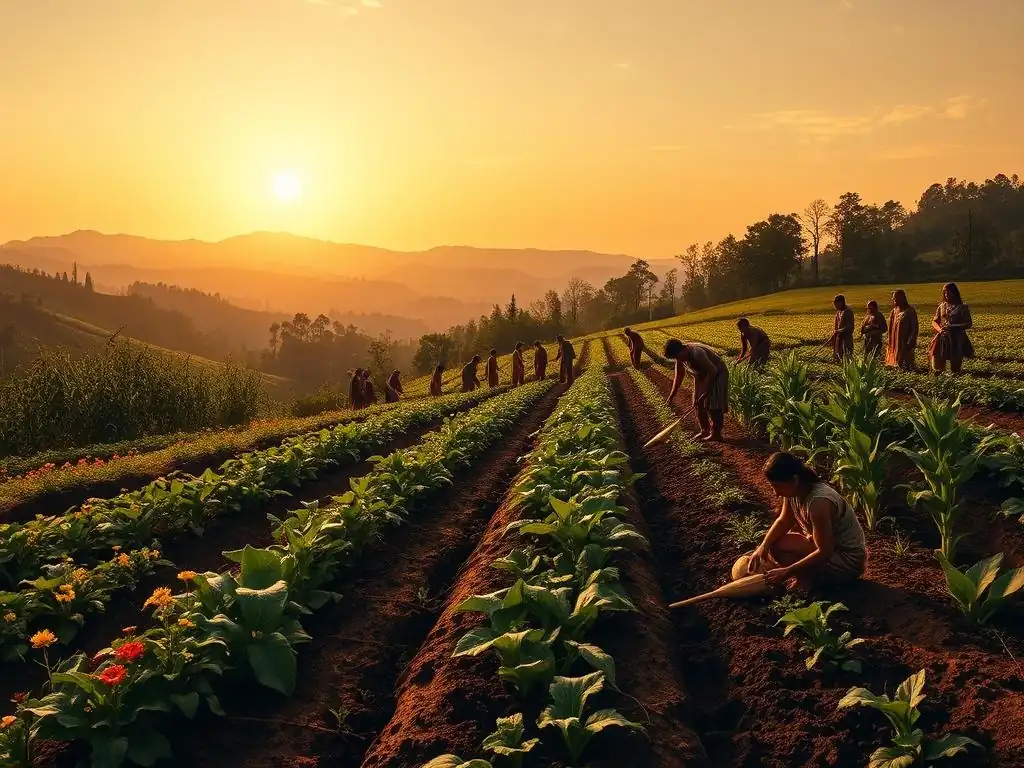
Indigenous agricultural practices in North America are rooted in a profound understanding of the land, ecosystems, and the intricate relationships between various species. These practices were not merely methods of farming but represented a holistic approach to living in harmony with the natural world. The core principles of these practices reveal a wealth of knowledge that modern agriculture can learn from, particularly in terms of sustainability, biodiversity, and community engagement.
Sustainability in Indigenous Farming Methods
Sustainability is a foundational principle of indigenous agricultural practices. Indigenous peoples have long recognized the need to maintain the health of the land for future generations. This approach is characterized by several key elements:
- Soil Health: Indigenous farmers often employed techniques such as crop rotation and companion planting, which enhanced soil fertility and reduced the need for synthetic fertilizers. For example, the "Three Sisters" method—planting corn, beans, and squash together—utilizes the strengths of each plant to improve soil health and yield.
- Water Conservation: Many indigenous cultures developed sophisticated irrigation systems that minimized water waste. The Hohokam people in the Southwestern United States, for instance, constructed extensive canal systems that allowed them to efficiently manage water resources in arid environments.
- Use of Native Seeds: Indigenous farmers traditionally relied on heirloom seeds that were well adapted to local climates and ecosystems. These seeds often exhibit greater resilience to pests, diseases, and climate variability, making them a sustainable choice for modern agriculture.
The emphasis on sustainability within indigenous agricultural practices offers valuable lessons for contemporary farming, particularly in the face of climate change and environmental degradation.
Diversity in Crop Cultivation and Biodiversity
Diversity in agriculture is another hallmark of indigenous practices, which not only ensures food security but also promotes ecosystem resilience. The principles of diversity can be explored through the following aspects:
- Crop Variety: Indigenous farmers cultivated a wide range of crops, including grains, fruits, and vegetables, tailored to their specific environmental contexts. This diversity reduced the risk of total crop failure and provided a varied diet. For example, the indigenous peoples of the Pacific Northwest relied on salmon, berries, and root vegetables, creating a rich culinary tradition based on biodiversity.
- Polyculture Systems: Many indigenous cultures practiced polyculture, where multiple crops were grown together. This method enhances biodiversity by creating habitats for beneficial insects and reducing the prevalence of pests. The integration of different plant species can lead to increased yields and greater ecological stability.
- Preservation of Wild Plants: Indigenous agricultural practices often included the careful management of wild plants. By recognizing the value of native flora, indigenous peoples maintained a diverse ecosystem that supported both cultivated and wild species.
The lessons derived from these practices underscore the importance of biodiversity in agriculture and its role in establishing resilient food systems.
Community-Centric Approaches to Agriculture
Community is at the heart of indigenous agricultural practices, reflecting a deep-seated belief in collective responsibility and shared resources. This community-centric approach can be broken down into several components:
- Shared Knowledge: Indigenous agricultural practices emphasize the transmission of knowledge across generations. Elders play a critical role in teaching younger members about traditional farming techniques, seasonal cycles, and the spiritual significance of various plants.
- Collective Land Stewardship: Land was often viewed as a communal resource, with various families or clans working together to cultivate it. This collective stewardship fostered a sense of responsibility and care for the land, ensuring sustainable practices that benefited the entire community.
- Cultural Significance: Agriculture in indigenous cultures is often intertwined with cultural rituals and practices. The cultivation of specific crops may have spiritual significance, reinforcing the relationship between the people and the land. Celebrations of harvest not only mark the bounty of the earth but also strengthen community bonds.
By prioritizing community in agricultural practices, modern agricultural systems can foster collaboration, enhance food security, and promote sustainable land use practices.
Through understanding and integrating these core principles of indigenous agricultural practices, modern agriculture can move towards more sustainable, diverse, and community-centered methods that honor the wisdom of those who have tended the land for millennia.
Lessons Modern Agriculture Can Learn from Indigenous Practices
Integration of Traditional Ecological Knowledge
Traditional Ecological Knowledge (TEK) represents a vast reservoir of wisdom accumulated over generations by indigenous peoples, reflecting their deep understanding of the environment and sustainable practices. Indigenous agricultural practices history reveals that these communities have long integrated their cultural beliefs with ecological principles, allowing them to thrive in diverse ecosystems.
For instance, the Three Sisters planting method, which involves the cultivation of corn, beans, and squash together, exemplifies TEK. Each plant supports the others: corn provides a structure for beans to climb, beans enrich the soil with nitrogen, and squash covers the ground, reducing weeds and retaining moisture. This synergistic approach not only maximizes yield but also promotes biodiversity.
Key Aspects of TEK:
- Observation of Natural Patterns: Indigenous farmers carefully observed seasonal changes, plant behaviors, and animal movements, allowing them to fine-tune their agricultural practices.
- Cultural Significance: Many agricultural practices are rooted in spiritual beliefs, influencing planting and harvesting times.
- Biodiversity: Indigenous agricultural systems prioritize genetic diversity, which enhances resilience against pests and climate variability.
Incorporating TEK into modern practices can lead to more sustainable farming strategies that respect ecological balance and cultural heritage.
Importance of Soil Health and Regeneration
Soil health is a cornerstone of indigenous agricultural practices, where the focus is not merely on productivity but on the long-term vitality of the ecosystem. Indigenous communities understood the importance of nurturing the soil, employing techniques that promote regeneration and sustainability.
Indigenous Soil Management Techniques:
- Crop Rotation: Rotating crops helps prevent soil depletion and maintains nutrient levels.
- Composting: Utilizing organic waste to create compost enriches the soil with essential nutrients and promotes microbial diversity.
- Natural Mulching: Covering the soil with organic materials protects it from erosion and maintains moisture.
Research has shown that such practices enhance soil structure, improve water retention, and increase biodiversity. For example, the use of biochar—a charcoal-like substance produced from biomass—has been employed by indigenous peoples to improve soil fertility and sequester carbon.
By adopting these practices, modern agriculture can enhance soil health, leading to more resilient food systems that can withstand the challenges posed by climate change.
Water Management Techniques Used by Indigenous Farmers
Efficient water management is vital in agriculture, and indigenous farmers have developed sophisticated techniques tailored to their environments. Understanding indigenous agricultural practices history illustrates how these communities maximized water usage through innovative strategies.
Notable Water Management Practices:
- Terracing: Many indigenous cultures, such as the Inca, constructed terraces to slow water runoff and reduce soil erosion, allowing for better water absorption.
- Rainwater Harvesting: Techniques for capturing and storing rainwater have been used effectively, ensuring a reliable water supply during dry periods.
- Wetland Agriculture: Indigenous groups often cultivated crops in wetlands, utilizing the natural water retention of these ecosystems to support agricultural activities.
Modern agriculture can learn from these practices to develop water management systems that are more resilient and sustainable. By emphasizing conservation and efficiency, contemporary farmers can mitigate the impacts of droughts and water scarcity, ensuring a stable food supply for future generations.
The lessons from indigenous agricultural practices offer invaluable insights into sustainable methods that prioritize ecological integrity and cultural heritage. By embracing these techniques, modern agriculture can cultivate a more resilient and sustainable future.
Case Studies of Successful Indigenous Agricultural Practices
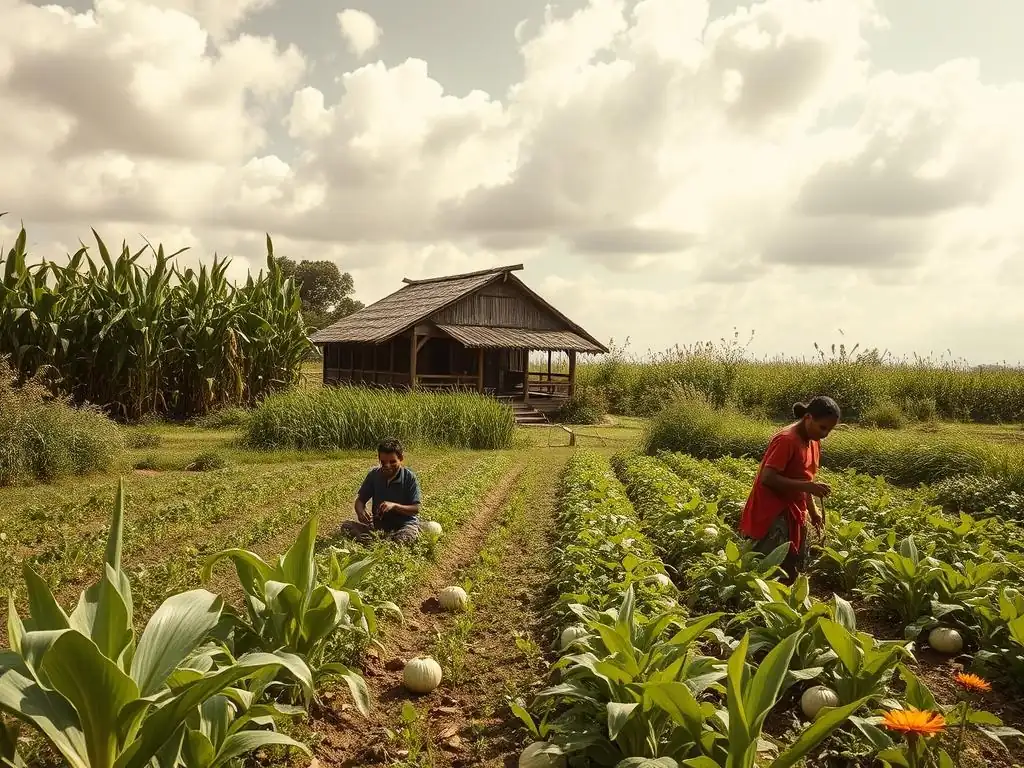
The Three Sisters: Corn, Beans, and Squash
The Three Sisters—corn, beans, and squash—form a fundamental trio in the agricultural history of many North American Indigenous cultures, particularly among the Iroquois and other tribes of the Great Lakes region. This companion planting technique not only maximizes crop yields but also enriches the soil, demonstrating a sophisticated understanding of ecological balance.
- Corn (Zea mays): Serving as the tallest plant, corn provides a natural trellis for beans to climb, thus reducing the need for additional support structures.
- Beans (Phaseolus spp.): These legumes play a crucial role in nitrogen fixation, enriching the soil as they grow. The beans wrap around the corn stalks, utilizing the vertical space effectively.
- Squash (Cucurbita spp.): Squash plants spread across the ground, providing ground cover that suppresses weeds and retains moisture in the soil. Their large leaves also help shade the soil, reducing evaporation.
The synergy among these crops exemplifies the Indigenous agricultural practice known as polyculture, which enhances biodiversity and resilience against pests and diseases. This method not only contributed to food security but also established a sustainable agricultural system that has influenced modern farming techniques.
Indigenous Agroforestry Practices and Their Benefits
Agroforestry, the integration of trees and shrubs into agricultural landscapes, has been practiced by various Indigenous groups across North America for centuries. This approach not only boosts productivity but also promotes biodiversity and ecological health.
- Shade Provision: Trees provide essential shade, which can protect delicate crops from intense sunlight and reduce moisture loss.
- Soil Health: The roots of trees help to stabilize soil and prevent erosion, while fallen leaves contribute organic matter, enhancing soil fertility.
- Wildlife Habitat: Agroforestry systems create diverse habitats, supporting various species that can assist in pollination and pest control.
Notable examples include the prairie dog towns managed by Indigenous Plains tribes, where trees and shrubs were strategically planted to create a microhabitat that supported a variety of plants and animals, thus ensuring a balanced ecosystem.
| Benefit | Description |
|---|---|
| Increased Biodiversity | Promotes a variety of crops and wildlife. |
| Erosion Control | Protects soil integrity and enhances water retention. |
| Enhanced Nutrition | Provides a variety of food sources for communities. |
Indigenous agroforestry practices illustrate a profound understanding of ecological interdependence and sustainability, offering valuable lessons for modern agricultural systems aiming for resilience in changing climates.
Resilience through Seed Saving and Heirloom Varieties
Seed saving is a cornerstone of Indigenous agricultural practices, ensuring the preservation of genetic diversity and adaptation to local environments. Heirloom varieties, which are often passed down through generations, showcase the rich agricultural heritage of Indigenous communities.
- Cultural Significance: Each seed variety often carries historical and cultural significance, representing the identity and traditions of the community. For instance, the Anishinaabe people cultivate distinct varieties of wild rice that are integral to their cultural practices.
- Adaptation and Resilience: Heirloom seeds are typically more resilient to local pests and diseases. By cultivating these varieties, Indigenous farmers have maintained food security through climatic changes and environmental stresses.
Benefits of Seed Saving:
- Genetic Diversity: Preserving a wide range of seed varieties increases resilience against climate change and disease outbreaks.
- Food Sovereignty: Control over seeds empowers Indigenous communities to reclaim their agricultural systems and reduce dependency on commercial seed corporations.
- Sustainability: Seed saving fosters sustainable agricultural practices by encouraging local production and minimizing environmental impact.
Through these practices, Indigenous peoples have showcased an enduring commitment to cultivating a resilient and sustainable agricultural future, providing a blueprint for modern agricultural approaches aimed at sustainability and ecological balance.
Challenges and Misconceptions about Indigenous Agricultural Practices
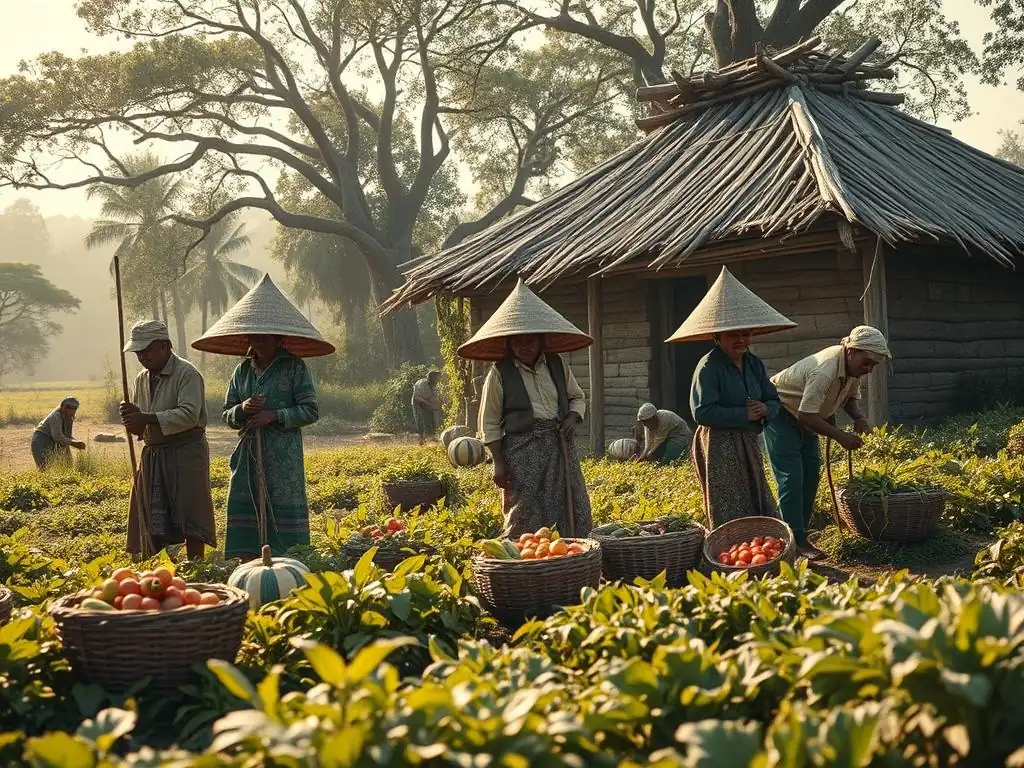
Indigenous agricultural practices in North America have often been misunderstood, leading to a range of stereotypes and misconceptions that obscure their richness and complexity. These practices weren't merely rudimentary farming techniques; they encompassed sophisticated systems of knowledge, sustainability, and community-oriented approaches that have evolved over thousands of years.
Overcoming Stereotypes in Indigenous Farming
The stereotypes surrounding indigenous farming often portray it as primitive, static, and unsophisticated. However, this view overlooks the intricate techniques and innovations developed by indigenous peoples. For instance, many indigenous communities practiced agroecology, a method that emphasizes biodiversity and the interdependence of plants and animals. This approach not only minimized the need for synthetic fertilizers and pesticides but also promoted soil health and ecosystem resilience.
Key Innovations in Indigenous Agriculture
- Three Sisters: This traditional planting technique involves growing corn, beans, and squash together. Each plant supports the others:
- Corn provides a structure for beans to climb.
- Beans enrich the soil with nitrogen.
- Squash spreads across the ground, helping to retain moisture and suppress weeds.
- Controlled Burn Practices: Indigenous peoples utilized fire as a land management tool, which helped enhance soil fertility, control pests, and promote new growth. This practice challenges the misconception that indigenous groups were passive land users.
- Terracing and Irrigation: Many indigenous societies developed sophisticated methods for managing water and soil, such as terracing in mountainous areas and complex irrigation systems in arid regions.
By highlighting these practices, we can move beyond stereotypes and recognize the depth of indigenous agricultural knowledge. This understanding not only honors their contributions but also provides valuable lessons for modern sustainable agriculture.
The Impact of Colonization on Indigenous Agricultural Knowledge
The arrival of European colonizers dramatically disrupted indigenous agricultural practices and knowledge systems. Colonization introduced new agricultural methods that often disregarded the ecological wisdom that indigenous peoples had cultivated over generations.
Loss of Traditional Knowledge
As colonizers imposed their agricultural systems, many indigenous communities lost access to their traditional lands and the accompanying knowledge. The introduction of monoculture farming significantly diminished biodiversity, which had been a hallmark of indigenous practices. This shift resulted in:
- Erosion of Soil Health: Indigenous methods prioritized soil conservation, while colonial practices led to soil degradation.
- Biodiversity Loss: The focus on a limited number of crops reduced the variety of plants and animals that were integral to indigenous diets and cultures.
- Cultural Disconnection: The severing of ties to land and traditional practices diminished the cultural identity and community cohesion that were rooted in agriculture.
Resilience and Revitalization
Despite these challenges, many indigenous communities are actively working to revive and adapt their agricultural practices in contemporary contexts. This revitalization is essential not only for preserving cultural heritage but also for enhancing food sovereignty and sustainability.
- Community-Based Initiatives: Programs aimed at teaching traditional farming methods are being implemented across various tribes, fostering a new generation of indigenous farmers.
- Collaborative Research: Partnerships between indigenous communities and academic institutions are helping to document and revitalize indigenous agricultural knowledge.
While colonization has had a detrimental impact on indigenous agricultural practices, the resilience of these communities and their commitment to revitalization underscore the importance of their knowledge in today's agricultural landscape. Understanding the indigenous agricultural practices history is crucial for both honoring their legacy and informing sustainable practices for future generations.
The Future of Agriculture: Blending Indigenous Practices with Modern Techniques
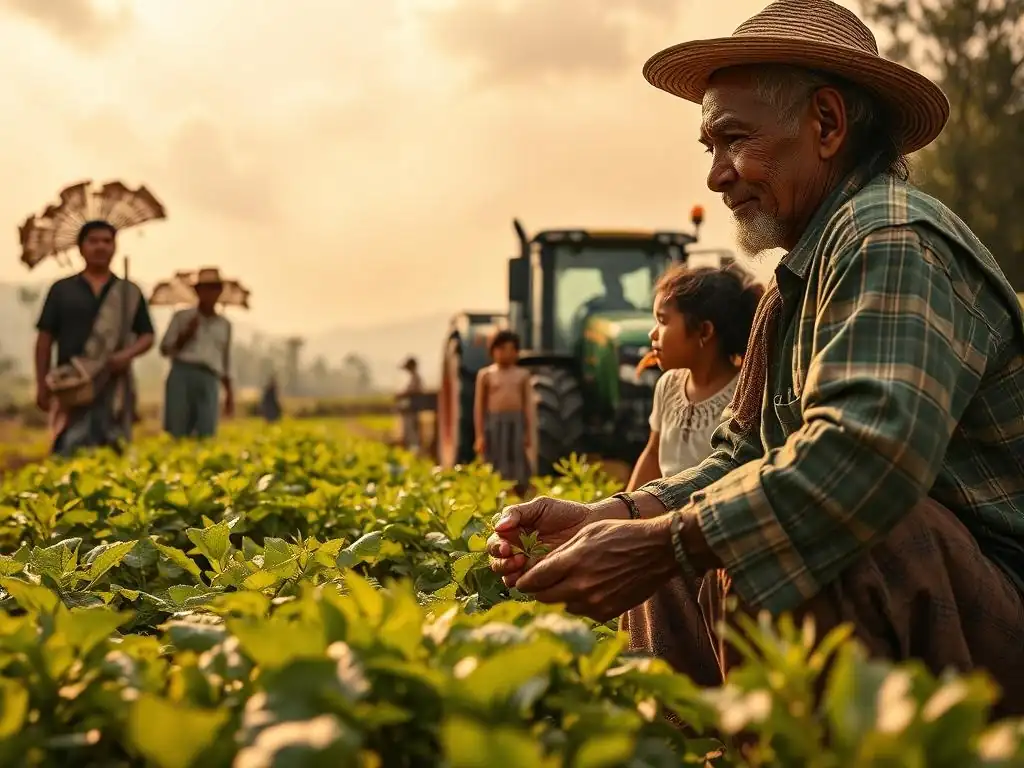
The future of agriculture lies in the harmonious integration of indigenous agricultural practices with contemporary farming techniques. By leveraging the wisdom accumulated over centuries by indigenous cultures, modern agriculture can not only enhance productivity but also promote sustainability, resilience, and ecological balance.
Indigenous agricultural practices are deeply rooted in an understanding of local ecosystems. These practices often emphasize biodiversity, soil health, and the importance of traditional knowledge. For instance, many indigenous communities employ techniques such as polyculture, which involves cultivating multiple crops in the same space. This approach not only improves soil fertility but also minimizes pest outbreaks and reduces the need for chemical fertilizers.
Moreover, indigenous methods often incorporate the use of traditional seeds that are well-adapted to local climates. These heirloom varieties can offer increased resilience to climate change, disease, and pests compared to monoculture crops commonly used in industrial agriculture.
Collaborations Between Indigenous Farmers and Agricultural Scientists
Collaboration between indigenous farmers and agricultural scientists has the potential to revolutionize modern farming practices. By combining traditional knowledge with scientific research, both parties can benefit from a wealth of understanding that enhances agricultural productivity and sustainability.
- Shared Knowledge and Techniques:
- Indigenous farmers bring valuable insights into local ecosystems and sustainable practices that have been honed over generations. For example, the use of companion planting, where certain crops are grown together to enhance growth and deter pests, is a traditional practice that can be validated and optimized through scientific experimentation.
- Agricultural scientists can provide technical knowledge on soil health, pest management, and crop rotation, which can be adapted to align with indigenous practices.
- Research and Development:
- Joint research initiatives can focus on developing new crop varieties that combine indigenous resilience with modern agricultural science. This can lead to the creation of crops that are better suited to withstand the challenges posed by climate change.
- Field trials can be conducted on indigenous lands, allowing for a practical understanding of how modern techniques can be integrated without disrupting traditional practices.
- Cultural Preservation:
- Collaborations can also serve to preserve indigenous knowledge, ensuring that these practices are not lost as modernization continues. This is essential for maintaining cultural identity and promoting biodiversity.
Incorporating Indigenous Wisdom into Sustainable Farming Policies
Incorporating indigenous wisdom into sustainable farming policies is crucial for creating a future where agriculture can thrive in harmony with nature. Policymakers must recognize the value of indigenous practices and create frameworks that support their implementation.
- Inclusive Policy Development:
- Engaging indigenous communities in the policymaking process ensures that agricultural policies are culturally relevant and effective. By valuing indigenous knowledge, policies can be designed to enhance food sovereignty and security within these communities.
- Funding and Resources:
- Providing financial support and resources for indigenous farming initiatives can help promote sustainable practices. This could include grants for research, training programs, and access to technology that aligns with indigenous agricultural methods.
- Education and Awareness:
- Raising awareness about the benefits of indigenous agricultural practices can lead to a more widespread acceptance of these techniques in modern agriculture. Educational programs that highlight the successes of indigenous farmers can inspire a new generation of farmers to embrace sustainable practices.
The integration of indigenous agricultural practices into modern farming is not just beneficial but essential for creating a sustainable agricultural future. By fostering collaborations between indigenous farmers and agricultural scientists and incorporating indigenous wisdom into policies, we can address contemporary agricultural challenges while respecting the past. This approach not only honors the rich history of indigenous agricultural practices but also safeguards the future of agriculture.
Conclusion: The Lasting Impact of Indigenous Agricultural Practices on Modern Farming
Summary of Key Takeaways from Indigenous Agricultural Practices History
Indigenous agricultural practices represent a significant aspect of the history of farming in North America. These methods, developed over thousands of years, showcase deep ecological knowledge and sustainable techniques that modern agriculture can learn from. Here are some key takeaways:
- Soil Management: Indigenous peoples utilized techniques such as crop rotation and companion planting to maintain soil health. For example, the Three Sisters method—planting corn, beans, and squash together—enhanced soil fertility and reduced the need for chemical fertilizers.
- Biodiversity: Indigenous farmers cultivated a wide variety of plants, which contributed to resilient ecosystems. This biodiversity not only provided a stable food supply but also supported local wildlife and pollinators. Modern agriculture can benefit from incorporating diverse crops to combat pests and improve resilience to climate change.
- Water Conservation: Many indigenous cultures developed sophisticated irrigation systems, such as the Hohokam canals in present-day Arizona. These systems utilized natural landscapes and minimal technology to effectively manage water resources. Today, modern farmers can adopt similar practices to conserve water and manage drought conditions.
- Seed Sovereignty: Indigenous communities historically prioritized the preservation of native seeds, recognizing their unique adaptations to local environments. This practice has important implications for modern agriculture, particularly in terms of promoting seed diversity and protecting against corporate monopolies on seed production.
- Cultural Significance: Agricultural practices were intertwined with cultural beliefs and traditions, emphasizing the relationship between people and the land. Recognizing this connection can help modern farmers appreciate sustainable practices not just as techniques, but as part of a broader cultural framework.
Call to Action for Modern Farmers and Policymakers
As we reflect on the indigenous agricultural practices history, it is essential for modern farmers and policymakers to recognize the value of these time-tested techniques. Here are some ways to take action:
- Integrate Indigenous Knowledge: Collaborate with indigenous communities to learn from their agricultural expertise. Workshops and training sessions can facilitate knowledge exchange, fostering a mutual understanding of sustainable practices.
- Support Local and Native Seed Banks: Invest in local seed banks that focus on preserving indigenous seeds. This not only helps maintain biodiversity but also supports local economies and traditional farming methods.
- Promote Sustainable Practices: Implement policies that encourage sustainable farming techniques inspired by indigenous practices. This could include incentives for farmers who adopt crop diversity, soil health management, and water conservation strategies.
- Educate and Advocate: Raise awareness about the importance of indigenous agricultural practices in educational institutions and community programs. Advocacy for policy changes that recognize and support these practices can lead to a more sustainable agricultural future.
By embracing the wisdom of indigenous agricultural practices, modern farmers and policymakers can contribute to a more sustainable and resilient food system that honors the past while looking forward to the future. 🌱
Frequently Asked Questions
What are the main themes covered in the article?
The article explores the diverse indigenous cultures in the Americas, focusing on their achievements, societal structures, and the lasting impact of their agricultural practices.
How did indigenous agricultural practices differ from modern techniques?
Indigenous agricultural practices were often more sustainable and adapted to local ecosystems, emphasizing biodiversity and crop rotation compared to the more industrialized methods seen today.
What lessons can modern agriculture learn from indigenous practices?
Modern agriculture can adopt sustainable practices, such as intercropping and permaculture, which enhance soil health and reduce reliance on chemical fertilizers.
Why is the study of indigenous agricultural practices important?
Studying these practices helps us understand historical resilience and offers valuable insights into creating a more sustainable food system in the face of climate change.
How can I access more information about indigenous civilizations?
The website provides a comprehensive exploration of indigenous cultures, including their agricultural practices, achievements, and societal contributions, making it a valuable resource for further learning.
Final Reflection: Embracing Indigenous Wisdom for a Sustainable Future
The lessons we glean from indigenous agricultural practices are not just echoes of the past; they are vital blueprints for addressing today's pressing environmental challenges. As modern agriculture grapples with issues like climate change, soil degradation, and biodiversity loss, the time has come to recognize that indigenous practices offer profound insights that can lead us toward a more sustainable future. The wisdom embedded in these age-old methods is not merely historical; it is a guiding light for contemporary agricultural innovation.
Indigenous agricultural practices have shaped landscapes and communities for centuries, fostering a deep connection between people and the land. This relationship emphasizes sustainability, resilience, and respect for nature, which are increasingly crucial in our fast-paced world. As we witness the ongoing impact of industrial agriculture on our ecosystems, it becomes clear that integrating indigenous knowledge can help restore balance and promote ecological harmony. In every walk with nature, one receives far more than he seeks.
— John Muir. This quote encapsulates the essence of learning from indigenous practices; it is about gaining wisdom that transcends mere productivity and embraces the holistic health of our planet.
As we move forward, I invite you to reflect on how these lessons can be woven into your own life and community. Consider the ways you can incorporate sustainable practices inspired by indigenous wisdom, whether through supporting local farmers, advocating for biodiversity, or simply being more mindful of your consumption habits. The future of agriculture—and indeed, our planet—depends on our ability to learn from the past and apply those lessons today. Let us honor the rich history of indigenous agricultural practices by actively engaging with and promoting their principles in our modern world.
Embrace the Wisdom of Indigenous Practices Today!
Thank you for exploring the enriching insights of how indigenous agricultural practices can guide modern farming. You’ve uncovered valuable lessons that not only honor the past but can also revolutionize the future of agriculture! Now, it’s time to take action.
Here are a few steps you can take to harness this wisdom effectively:
- Implement a companion planting strategy: Experiment with intercropping using local plant species to enhance biodiversity in your garden or farm.
- Join a local community garden that emphasizes indigenous methods—connect with like-minded individuals and share your experiences.
- Share your newfound knowledge with friends and family on social media to ignite a conversation about sustainable practices.
What innovative ideas can you implement in your gardening or farming that honor indigenous methods?