
Exploring the Subterranean Cities of the Ancestral Puebloans: A Journey Below Ground

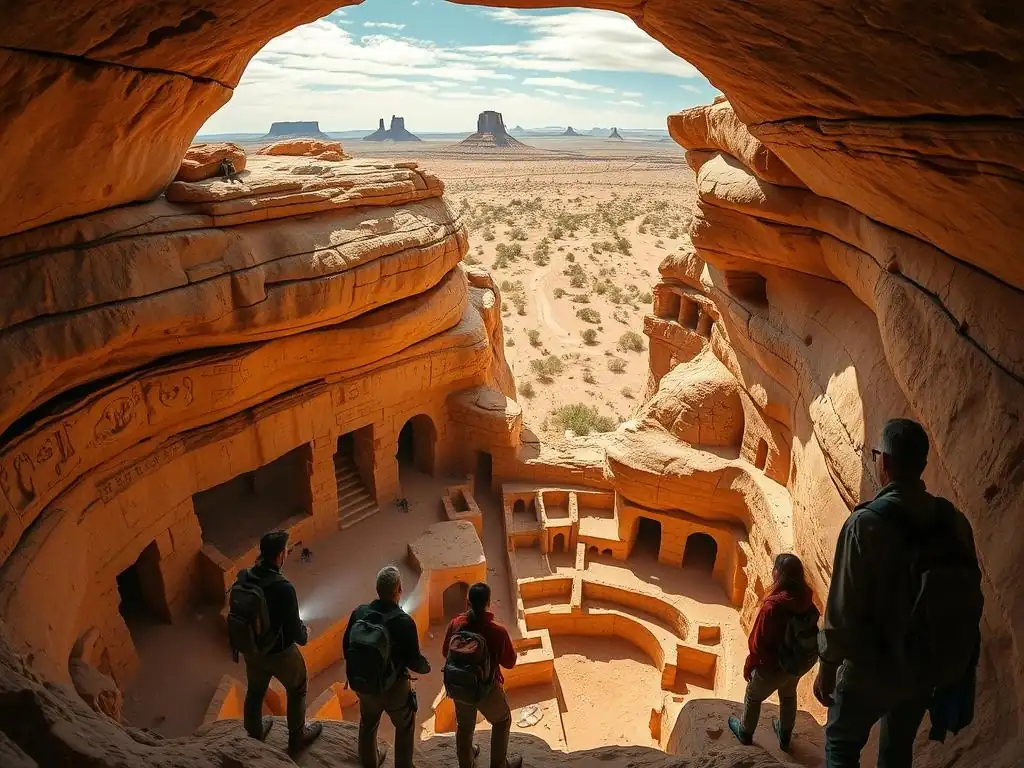
Welcome to Indigenous Civilizations of the Americas, where we invite you to embark on an enlightening journey through the rich tapestry of indigenous cultures that flourished long before European eyes arrived on these shores. In our featured article, “Exploring the Subterranean Cities of the Ancestral Puebloans: A Journey Below Ground,” we delve into the fascinating world of Ancestral Puebloan subterranean cities, uncovering the remarkable achievements and resilient societies that shaped their environment. What secrets lie beneath the earth, waiting to be discovered?
Join us as we uncover the legacies that continue to influence our understanding of history and humanity. Your exploration starts here!
Introduction to the Ancestral Puebloans and Their Subterranean Cities
The Ancestral Puebloans, also known as the Anasazi, were a remarkable group of indigenous peoples who inhabited the southwestern United States, particularly in areas that are now known as Utah, Colorado, Arizona, and New Mexico. Their civilization is renowned for its intricate architecture, complex social structures, and innovative agricultural practices.
Among their most intriguing contributions to the architectural landscape are the subterranean cities that provide a unique glimpse into their way of life and cultural values. These cities, often hidden beneath the surface, served not only as living quarters but also as ceremonial spaces, reflecting the deep connection between the Ancestral Puebloans and their environment.
The exploration of these subterranean cities is essential for understanding the broader narrative of indigenous cultures in the Americas. By examining the achievements and societal structures of the Ancestral Puebloans, we can appreciate their ingenuity and adaptability in a challenging landscape. This journey below ground reveals a world that thrived long before European colonization, shedding light on the enduring legacy of these remarkable peoples.
Overview of Ancestral Puebloan Civilization
The Ancestral Puebloan civilization flourished from approximately 100 AD to 1300 AD, characterized by its sophisticated agricultural techniques, including dry farming and irrigation systems. They constructed impressive multi-story dwellings made of stone and adobe, often perched on cliffs or built into canyon walls. This architectural style not only provided protection from the elements and potential invaders but also indicated a well-organized society with a deep understanding of their environment.
- Key Features of Ancestral Puebloan Civilization:
- Agriculture: Mastery of farming in arid conditions.
- Architecture: Construction of dwellings and communal structures.
- Social Structure: Complex social hierarchies and trade networks.
- Cultural Practices: Rich traditions in art, pottery, and spirituality.
Significance of Subterranean Architecture in Ancestral Puebloan Society
Subterranean architecture, most commonly referred to as kivas, played a crucial role in the Ancestral Puebloan society. These underground chambers served as ceremonial spaces and community gathering areas, reflecting the spiritual and social values of the people. The kivas were often circular and featured a fire pit at the center, symbolizing the connection to the earth and the cosmos.
- Importance of Kivas:
- Ceremonial Functions: Central to religious and spiritual practices.
- Community Gathering: Spaces for communal decision-making and social activities.
- Cultural Identity: Representations of Ancestral Puebloan beliefs and values.
Historical Context of Subterranean Cities
Understanding the historical context of the Ancestral Puebloan subterranean cities requires a look at their evolving settlement patterns and the cultural and environmental factors that influenced their architectural choices.
The Evolution of Ancestral Puebloan Settlement Patterns
As the Ancestral Puebloans adapted to the changing climate and environment, their settlement patterns evolved significantly. Initially, they lived in small, dispersed communities, but over time, they began to form larger, more complex settlements. This shift was influenced by factors such as population growth, resource availability, and social organization.
- Phases of Settlement:
- Early Period: Small, nomadic groups focused on hunting and gathering.
- Transition Period: Development of agriculture and semi-permanent settlements.
- Culmination Period: Establishment of large, multi-storied dwellings and subterranean structures.
Cultural and Environmental Factors Influencing Subterranean Construction
The choice to build subterranean cities was not arbitrary; it was deeply rooted in both cultural beliefs and environmental considerations. The harsh climate of the southwestern United States, characterized by extreme temperatures and limited water resources, necessitated innovative solutions for shelter.
- Influential Factors:
- Climate Adaptation: The subterranean design provided insulation from heat and cold.
- Spiritual Beliefs: Underground spaces were thought to connect the physical world with the spiritual realm, enhancing their ceremonial significance.
- Resource Utilization: Proximity to essential resources, such as water and arable land, influenced site selection.
The subterranean cities of the Ancestral Puebloans represent a remarkable achievement in architectural ingenuity and cultural expression, offering valuable insights into their sophisticated society that thrived in harmony with the challenging landscapes of the Americas.
Architectural Features of Ancestral Puebloan Subterranean Cities
The architectural ingenuity of the Ancestral Puebloans is vividly showcased in their subterranean cities, characterized by a blend of functionality and artistry. These underground structures served not only as living spaces but also as communal areas, reflecting the societal values and environmental adaptations of their creators. The architectural features of these subterranean cities are remarkable for their sophisticated design, which incorporated elements that enhanced both structural stability and climate control.
Design and Structure of Subterranean Dwellings
The design of Ancestral Puebloan subterranean dwellings often included kivas, which were circular, semi-subterranean ceremonial rooms. These spaces were typically accessed via a ladder through a small opening at the surface. The kivas served as important social and spiritual gathering spots, emphasizing the community's connection to their cultural practices and beliefs. The walls of these dwellings were constructed using local stone and adobe, ingeniously designed to maintain a consistent internal temperature, which was crucial in the fluctuating climate of the region.
Additionally, many of these structures displayed an intricate layout that maximized the use of available space. The dwellings featured multiple rooms, interconnected by narrow passageways. This not only facilitated movement but also created a sense of communal living, reinforcing social ties among inhabitants. The careful planning of these subterranean cities highlights the Ancestral Puebloans' understanding of their environment, showcasing their ability to harmonize architecture with natural elements.
Materials Used in the Construction of Underground Cities
The construction of subterranean cities by the Ancestral Puebloans relied on locally sourced materials, demonstrating their deep connection with the surrounding landscape. Key materials included:
- Adobe: A mixture of clay, sand, and straw, which provided thermal mass and insulation, making it ideal for underground construction.
- Stone: Locally quarried sandstone was often used for the walls and foundations, chosen for its durability and availability.
- Wood: Timber, sourced from nearby forests, was utilized for structural elements, including roofs and ladders, allowing for stability and access to the kivas.
The use of these materials not only optimized the structural integrity of the constructions but also minimized environmental impact, showcasing the Ancestral Puebloans' sustainable building practices. The blending of these elements created a unique aesthetic that defined the subterranean cities.
Unique Features of Subterranean Architecture
Ancestral Puebloan subterranean architecture features several unique elements that reflect their cultural significance and functional needs. One notable aspect is the use of ventilation shafts, which were ingeniously incorporated into the design to ensure air circulation within the enclosed spaces. This feature was essential for maintaining a comfortable living environment, especially during the extreme temperatures of summer and winter.
Another unique characteristic is the ceremonial significance attributed to certain subterranean spaces. Many kivas contained ritual artifacts and were designed with symbolic motifs that represented the community's beliefs and cosmology. The integration of these spiritual elements into the architecture underscores the importance of ritual and community identity in Ancestral Puebloan society.
Major Subterranean Sites of the Ancestral Puebloans
The major subterranean sites of the Ancestral Puebloans serve as testaments to their architectural prowess and cultural richness. Each site reflects distinct characteristics and historical significance, offering insights into their way of life and societal organization.
Cliff Palace: A Marvel of Subterranean Planning
Cliff Palace, located in Mesa Verde National Park, is one of the most iconic examples of Ancestral Puebloan architecture. This remarkable site features a series of dwellings built into the cliff face, with many of its structures extending into subterranean spaces. The design of Cliff Palace showcases the Ancestral Puebloans' ability to maximize their environment, utilizing natural rock formations to create protected living areas.
The subterranean aspects of Cliff Palace include kivas that served both as residential and ceremonial spaces. The intricate layout reveals a sophisticated understanding of architecture, with rooms arranged around central plazas, facilitating community gatherings and social interactions. This site is not only a marvel of engineering but also a reflection of the rich cultural practices of the Ancestral Puebloans.
Mesa Verde: The Intersection of Above and Below Ground
Mesa Verde is a UNESCO World Heritage Site that exemplifies the interplay between above-ground and subterranean architecture. The Ancestral Puebloans constructed multi-story dwellings with kivas incorporated into the design, creating a seamless connection between the surface and underground spaces.
The unique geology of the area allowed for the creation of both extensive cliff dwellings and subterranean kivas. These structures were strategically positioned to take advantage of natural light, with openings that provided ventilation and access to the outside world. The integration of subterranean elements within the broader architectural landscape of Mesa Verde highlights the adaptability and ingenuity of the Ancestral Puebloans, making it a key site for understanding their civilization.
Chaco Canyon: An Architectural Hub of Subterranean Innovation
Chaco Canyon stands out as a central hub of Ancestral Puebloan culture, renowned for its monumental architecture and complex societal structure. The site features an extensive network of roads connecting various large ceremonial and residential structures, many of which contain subterranean kivas that played a crucial role in community life.
The architecture of Chaco Canyon is notable for its grand scale and sophisticated design, with many buildings featuring multiple stories and expansive plazas. The incorporation of subterranean spaces into this architectural landscape allowed for a rich tapestry of social, political, and ceremonial activities. The unique features of Chaco Canyon serve as a testament to the Ancestral Puebloans' innovative spirit, marking it as a pivotal site in the study of indigenous civilizations in the Americas.
The Role of Subterranean Cities in Ancestral Puebloan Life
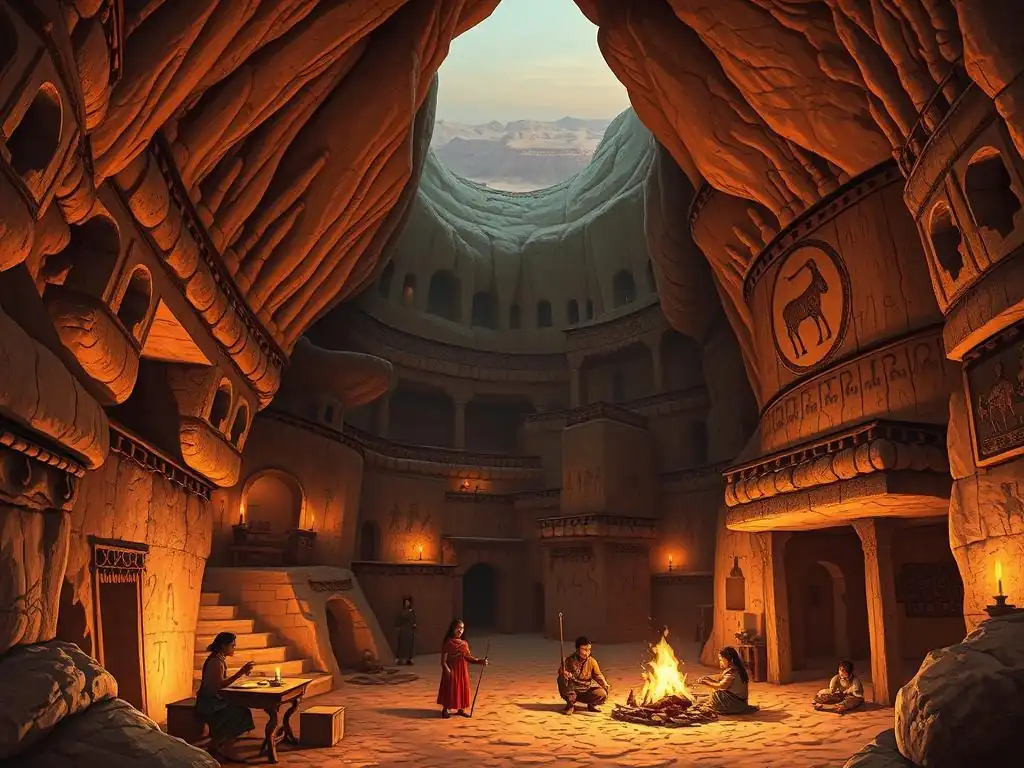
The subterranean cities of the Ancestral Puebloans, often referred to as kivas, played a crucial role in the everyday lives of these indigenous people. These underground structures served multiple functions, including as ceremonial spaces, storage areas, and communal gathering spots. The design of kivas reflects the Ancestral Puebloans’ deep connection to their environment, utilizing the natural insulation of the earth to maintain a stable temperature throughout the changing seasons.
In addition to their practical uses, these subterranean cities facilitated a unique form of social interaction and community cohesion. The underground spaces allowed for gatherings that fostered a sense of belonging and collective identity, reinforcing cultural practices and traditions. The communal aspect of kivas was pivotal for decision-making processes and the transmission of oral histories, which are central to the Ancestral Puebloan way of life.
The social structure of the Ancestral Puebloans was intricately linked to their subterranean cities. These underground dwellings were often organized around a central plaza, with kivas serving as the heart of community life. The presence of multiple kivas within a single community indicates that these spaces were not just for private rituals but rather served as public venues for social engagement and cultural expression.
In these underground settings, social roles were defined, and communal activities flourished. Elders often led ceremonies, while younger members participated in learning traditional practices and stories. The kivas also acted as venues for resolving conflicts and making collective decisions, highlighting the democratic aspects of Ancestral Puebloan society. This communal living and shared governance system contributed significantly to the resilience and adaptability of their culture, particularly in challenging environments.
Spiritual Significance of Subterranean Spaces
The spiritual significance of subterranean spaces in Ancestral Puebloan culture cannot be overstated. Kivas were not merely physical structures; they were symbolic representations of the earth and the cosmos. The act of descending into a kiva was viewed as a journey into the womb of Mother Earth, a place for renewal and spiritual reflection.
Ceremonies held within these sacred spaces often revolved around agricultural cycles, invoking the spirits of ancestors and the natural world. The architecture of kivas, typically circular and with a central fire pit, was designed to facilitate these spiritual practices. The presence of symbolic elements, such as the sipapu (a small hole in the floor representing the portal to the spirit world), further emphasizes the deep spiritual connection the Ancestral Puebloans had with their subterranean environments.
Preservation and Archaeological Discoveries
The preservation of Ancestral Puebloan subterranean cities has garnered significant attention from archaeologists and conservationists alike. As these ancient structures face threats from environmental factors and human activity, various initiatives have been implemented to protect and study these sites. Preservation efforts often involve collaboration with indigenous communities, ensuring that the cultural significance of the sites is respected and integrated into modern conservation practices.
Innovative techniques such as remote sensing and non-invasive archaeological methods are increasingly employed to map and document these subterranean cities without disturbing their delicate ecosystems. These advancements allow researchers to gain insights into the architectural sophistication and cultural practices of the Ancestral Puebloans while minimizing the impact on the sites themselves.
Current Efforts to Preserve Ancestral Puebloan Subterranean Cities
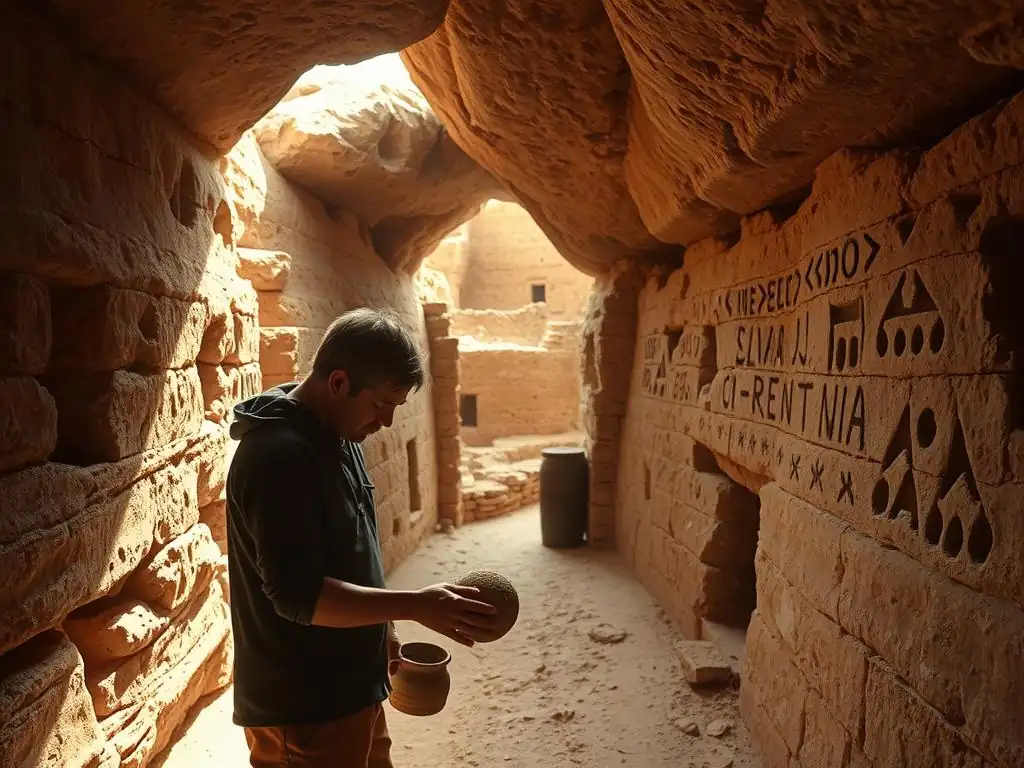
Current efforts to preserve Ancestral Puebloan subterranean cities focus on a multifaceted approach that combines research, community involvement, and legal protections. Organizations dedicated to the preservation of indigenous heritage collaborate with local tribes to ensure that the cultural significance of these sites is maintained.
Legislation aimed at protecting archaeological sites has also been introduced, with policies that restrict development in sensitive areas and promote conservation initiatives. Additionally, educational programs aim to raise awareness about the importance of these subterranean cities, fostering a sense of stewardship among both indigenous and non-indigenous communities.
Numerous archaeological discoveries have shed light on the complexities of Ancestral Puebloan subterranean architecture. Excavations have revealed intricate systems of ventilation, water management, and structural engineering that demonstrate the advanced knowledge and skills of these ancient builders.
Notable discoveries include the excavation of large kivas that indicate communal gatherings of significant size, suggesting a robust social structure. Artifacts found within these subterranean cities, such as pottery, tools, and ceremonial objects, provide valuable insights into the daily lives and spiritual practices of the Ancestral Puebloans. These finds not only contribute to our understanding of their architectural achievements but also highlight the cultural richness and diversity of indigenous civilizations in the Americas.
Conclusion: The Legacy of Ancestral Puebloan Subterranean Cities
The Ancestral Puebloan subterranean cities represent a remarkable achievement in architectural ingenuity and social organization. These underground structures, often referred to as kivas, were not simply functional spaces but also held significant cultural and ceremonial importance. Their design reflects a deep understanding of the environment and a sophisticated relationship with the landscape, showcasing the adaptability and resilience of the Ancestral Puebloans.
The legacy of these subterranean cities extends beyond their physical remains; they serve as a testament to the complex societies that once thrived in the arid regions of the American Southwest. The interplay of community, spirituality, and innovation that characterized these cities continues to inspire and inform contemporary Indigenous cultures. Today, they invite us to reconsider our understanding of urbanism, architecture, and community life in ancient societies.
Lasting Impact on Indigenous Cultures in the Americas
The impact of Ancestral Puebloan subterranean cities resonates through generations of Indigenous cultures. The architectural principles and community-oriented designs established by the Ancestral Puebloans have influenced modern Indigenous practices. Many present-day communities draw upon these historical insights to foster communal living and sustainable practices that honor their ancestors' legacies.
Moreover, the spiritual significance of these subterranean spaces continues to be relevant. They are often seen as sacred sites in contemporary Indigenous belief systems, linking the past to the present. By preserving and respecting these sites, modern Indigenous peoples maintain a connection to their heritage, ensuring that the lessons learned from their ancestors endure.
The Importance of Understanding Subterranean Cities Today
Understanding the Ancestral Puebloan subterranean cities is crucial not only for historical accuracy but also for fostering appreciation of Indigenous cultures. These structures challenge common narratives of civilization that often overlook the sophistication of pre-Columbian societies. By studying these subterranean cities, we can gain insights into how ancient peoples adapted to their environments, developed complex social structures, and maintained their cultural identities.
In an era where climate change and environmental challenges are prevalent, the sustainable practices of the Ancestral Puebloans offer valuable lessons. Their ability to create resilient communities in harsh landscapes can inspire contemporary approaches to urban planning and environmental stewardship.
Further Reading and Resources
Recommended Books on Ancestral Puebloan Civilization
- "The Ancestral Puebloans" by David Grant Noble: This book provides an in-depth look at the history, culture, and achievements of the Ancestral Puebloans, including their architectural innovations.
- "Kivas, Elites, and the Ancient Puebloan World" by Michael A. Adler: This work explores the significance of kivas within the context of Ancestral Puebloan society and their roles in community life.
- "The Archaeology of Chaco Canyon: An Eleventh-Century Pueblo Regional Center": by Stephen H. Lekson: Although focused on Chaco Canyon, this book offers insights into the broader cultural context of Ancestral Puebloan urbanism.
Online Resources for Continued Exploration of Subterranean Cities
- National Park Service - Ancestral Puebloans: A comprehensive resource that covers the history and significance of Ancestral Puebloan sites, including their subterranean cities.
- American Antiquity Journal: A scholarly publication that frequently features research articles on Ancestral Puebloan archaeology, providing access to the latest findings and interpretations.
- The Crow Canyon Archaeological Center: This organization offers educational programs and resources aimed at understanding the cultures of the Southwest, including in-depth studies on subterranean structures.
By engaging with these resources, readers can deepen their knowledge of Ancestral Puebloan civilization and the remarkable subterranean cities that once thrived in the Americas.
- Introduction to the Ancestral Puebloans and Their Subterranean Cities
- Historical Context of Subterranean Cities
- Architectural Features of Ancestral Puebloan Subterranean Cities
- Major Subterranean Sites of the Ancestral Puebloans
- The Role of Subterranean Cities in Ancestral Puebloan Life
- Social Structure and Community Life in Underground Dwellings
- Spiritual Significance of Subterranean Spaces
- Preservation and Archaeological Discoveries
- Current Efforts to Preserve Ancestral Puebloan Subterranean Cities
- Key Archaeological Discoveries Related to Subterranean Architecture
- Conclusion: The Legacy of Ancestral Puebloan Subterranean Cities
- Further Reading and Resources
- What are the Ancestral Puebloan subterranean cities?
- How did the subterranean cities benefit the Ancestral Puebloans?
- What is the significance of exploring the Ancestral Puebloan culture?
- Are there any notable archaeological sites related to the subterranean cities?
- How can I learn more about the Ancestral Puebloans and their achievements?
Frequently Asked Questions
What are the Ancestral Puebloan subterranean cities?
The Ancestral Puebloan subterranean cities refer to complex underground structures built by the Ancestral Puebloans, showcasing their advanced architectural skills and adaptation to their environment.
How did the subterranean cities benefit the Ancestral Puebloans?
These cities provided shelter from extreme weather conditions, served as communal spaces, and were strategically designed for defense against potential threats.
What is the significance of exploring the Ancestral Puebloan culture?
Exploring the Ancestral Puebloan culture reveals insights into their social structures, spiritual beliefs, and the innovative practices that allowed them to thrive in the challenging landscapes of the Americas.
Yes, sites like Mesa Verde and Chaco Canyon are prominent examples, showcasing the unique architectural styles and cultural practices of the Ancestral Puebloans.
How can I learn more about the Ancestral Puebloans and their achievements?
You can explore various resources, including books, documentaries, and websites such as "Indigenous Civilizations of the Americas," which provide a comprehensive overview of their rich history and contributions.
Final Reflection: Unearthing the Legacy of Ancestral Puebloan Subterranean Cities
The exploration of Ancestral Puebloan subterranean cities reveals not only the ingenuity of these ancient cultures but also their profound connection to the environment and community. Today, as we face pressing issues such as climate change and urbanization, the lessons from these subterranean marvels resonate more than ever. They remind us of the importance of sustainable living and the need to honor the wisdom of those who came before us.
The influence of Ancestral Puebloan subterranean cities extends far beyond their physical structures; they represent a rich cultural heritage that continues to inspire contemporary society. The intricate designs and communal aspects of these underground dwellings serve as a testament to the resilience and adaptability of the Ancestral Puebloans. As we navigate our modern challenges, we can draw strength from their legacy. We are not inheritors of this land; we are its stewards.
This quote encapsulates the enduring responsibility we hold to preserve our environment and learn from the past.
As you reflect on the journey through the subterranean cities of the Ancestral Puebloans, consider how their stories can inform your own life. Embrace the call to action by seeking ways to integrate sustainable practices into your daily routine, fostering community connections, and honoring the wisdom of those who have shaped our world. Let the legacy of these remarkable civilizations inspire you to dig deeper—both literally and metaphorically—into your own understanding of heritage, sustainability, and the interconnectedness of all life.
Unveil the Secrets Beneath: Your Journey Starts Now!
Thank you for exploring the incredible subterranean cities of the Ancestral Puebloans with us! We hope you’ve gained a deeper understanding of this fascinating aspect of Indigenous culture. Now, it's time to take the next step in your journey of discovery.
Here are a few actions you can take today:
- Dive Deeper: Research local Indigenous heritage sites and plan a visit to immerse yourself in the culture.
- Engage and Share: Discuss your insights with friends or on social media to raise awareness about the remarkable history of the Ancestral Puebloans.
- Join a Community: Connect with local Indigenous groups or online forums to deepen your understanding of their traditions and the significance of their subterranean cities.
What will you uncover next about the rich history of Indigenous civilizations?