
Tikal's Legacy: How This Monumental City Influences Indigenous Identity Today

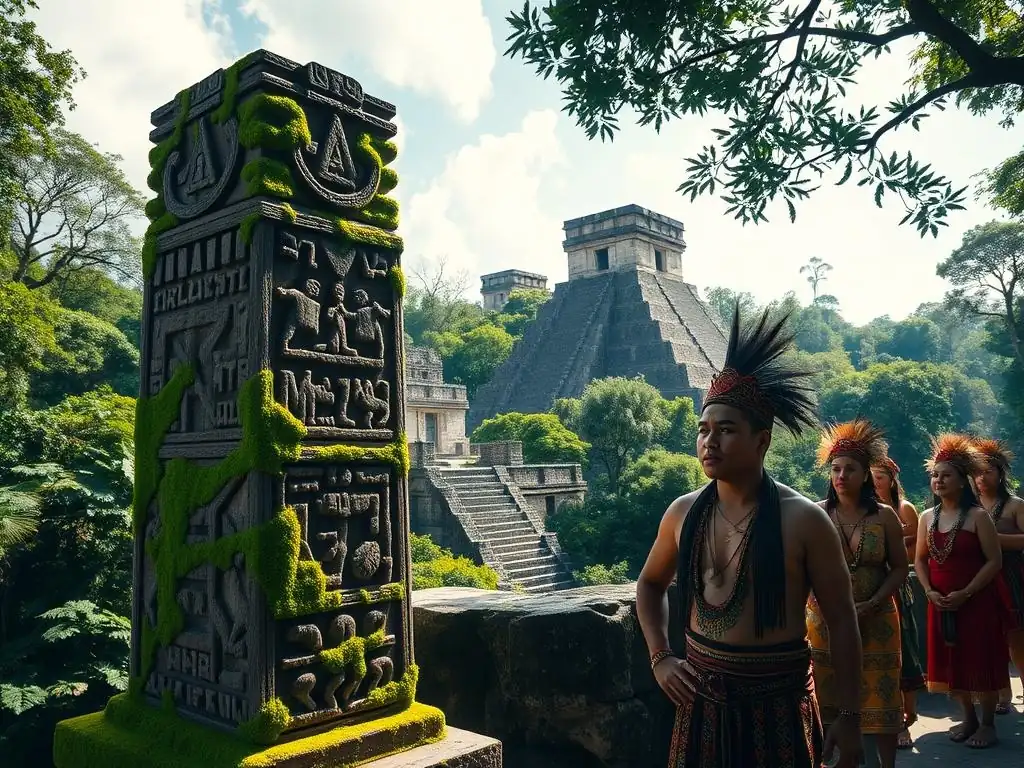
Welcome to Indigenous Civilizations of the Americas, where we invite you to embark on an enlightening journey through the rich tapestry of indigenous cultures that flourished long before European contact. Our featured article, "Tikal's Legacy: How This Monumental City Influences Indigenous Identity Today," delves into the profound impact of the Tikal Mayan civilization—a city that stands as a testament to the ingenuity and resilience of its people.
Discover how the echoes of Tikal's achievements continue to shape cultural identities and inspire modern communities. Join us as we uncover the remarkable stories and legacies that define the indigenous civilizations of the Americas, sparking your curiosity and expanding your understanding of their enduring influence.
Tikal, one of the most significant archaeological sites of the ancient Maya civilization, stands as a monumental testament to the achievements and complexities of indigenous cultures in the Americas. Located in present-day Guatemala, Tikal was not only a political and economic center but also a hub of cultural and spiritual life for the Maya people. Its towering pyramids and intricate carvings speak to a civilization that thrived for centuries, leaving an indelible mark on the landscape of Mesoamerica.
This article explores the profound legacy of Tikal, examining how its historical significance continues to shape indigenous identity and pride today. We will delve into Tikal's historical context, its key achievements during the Pre-Columbian era, and its vital role in shaping the norms and values of Mayan society and culture, ultimately addressing the impact of Tikal on contemporary indigenous identities.
Introduction to Tikal and Its Importance in Mayan Civilization
Tikal, known as one of the largest and most powerful city-states of the ancient Maya, flourished from approximately 200 to 900 CE. Its strategic location amidst the lush jungles of Guatemala allowed it to become a thriving center for trade, politics, and culture. The city is characterized by its impressive architecture, including towering pyramids, palaces, and temples, which reflect the advanced engineering and artistic skills of the Maya civilization.
Tikal's significance extends beyond its architectural marvels; it played a crucial role in the development of Mayan culture and identity. The city served as a political powerhouse, often engaging in alliances and conflicts with neighboring city-states. This dynamic interplay of power influenced not only Tikal's own growth but also the broader cultural landscape of the Maya civilization.
Historical Overview of the Tikal Mayan Civilization
The history of Tikal is marked by periods of prosperity and decline, reflecting the broader trends of the Maya civilization. Initially established as a small settlement, Tikal grew into a major urban center by the Classic Period. This era saw the construction of monumental architecture and the establishment of a complex societal structure, including a ruling elite and a priestly class.
Tikal's history is intricately linked to its interactions with other Maya city-states. Through trade and warfare, Tikal expanded its influence, becoming a central player in the region. The city was known for its elaborate ceremonies and rituals, which were integral to the Mayan worldview and societal organization.
Key Achievements of Tikal in the Pre-Columbian Era
Tikal's impact on the Mayan civilization can be seen through various achievements, including:
- Architectural Innovation: Tikal is renowned for its monumental structures, such as Temple I (Temple of the Great Jaguar) and Temple II. These pyramids not only served as religious sites but also as symbols of political power.
- Astrological and Mathematical Advancements: The Maya were skilled astronomers and mathematicians. Tikal's inhabitants developed a calendar system that was crucial for agricultural and ceremonial purposes, demonstrating their deep understanding of celestial cycles.
- Cultural and Artistic Influences: The city was a center for artistic expression, as evidenced by its intricate stelae and altars that depicted rulers and gods, showcasing the rich mythology and religious practices of the Maya.
The Role of Tikal in Mayan Society and Culture
Tikal's societal structure was complex, with a well-defined hierarchy that included rulers, priests, artisans, and farmers. The city's political and religious leaders held significant power, influencing not only local affairs but also regional politics.
The role of Tikal in Mayan culture can be summarized as follows:
- Religious Center: Tikal was a hub for religious activities, where elaborate ceremonies were conducted to honor deities and ancestors, reinforcing the spiritual beliefs of the Maya.
- Economic Powerhouse: The city controlled trade routes and resources, facilitating economic prosperity for its inhabitants and surrounding regions.
- Cultural Exchange: Tikal's interactions with other city-states fostered cultural exchanges that enriched Mayan society, contributing to the development of a shared identity among the diverse groups within the civilization.
Tikal's legacy continues to resonate today, serving as a source of inspiration and identity for contemporary indigenous peoples in the Americas. The monumental city's achievements and cultural significance are vital in understanding the enduring impact of the Tikal Mayan civilization on modern indigenous identity.
The Impact of Tikal on Indigenous Identity
Tikal, one of the most significant archaeological sites of the ancient Maya civilization, serves as a powerful symbol of indigenous identity in contemporary times. The remnants of this monumental city, with its towering temples and intricate artwork, resonate deeply within the hearts of modern Maya descendants. The impact of Tikal on indigenous identity is multifaceted, intertwining history, culture, and a sense of belonging that transcends generations. Through its rich legacy, Tikal not only represents the heights of Mayan civilization but also embodies the resilience and enduring spirit of indigenous peoples today.
Tikal as a Symbol of Resilience and Cultural Heritage
Tikal stands as a testament to the ingenuity and strength of the Maya civilization, demonstrating their ability to thrive in a challenging environment. This resilience is reflected in the way modern indigenous communities view Tikal—not merely as ruins, but as a vital part of their cultural heritage. The site encapsulates stories of survival, adaptation, and the deep connection to the land that continues to influence indigenous identity.
In ceremonies and cultural practices, Tikal is often referenced, reaffirming its status as a symbol of pride and perseverance. The Maya people see Tikal as a reminder of their ancestors' achievements and a source of inspiration as they navigate the complexities of modern society. This connection to their heritage helps to foster a collective identity, encouraging the revival of traditional practices and languages that may have been suppressed or lost over time.
The Influence of Tikal's Architecture on Indigenous Communities
The architectural grandeur of Tikal, characterized by its towering pyramids and expansive plazas, has left a lasting impression on indigenous communities. Many contemporary Maya artisans and architects draw inspiration from Tikal's design principles, incorporating elements of this monumental city into their own constructions and artistic expressions.
Moreover, the layout and orientation of Tikal's structures often reflect cosmological beliefs, emphasizing the relationship between the earth and the heavens. This architectural philosophy resonates with modern indigenous practices, reinforcing their spiritual and cultural connections to the cosmos. The preservation of traditional building techniques and the incorporation of Tikal's architectural elements into contemporary structures serve as a bridge linking the past with the present, ensuring that the cultural heritage of the Maya civilization continues to thrive.
How Tikal Shapes the Modern Indigenous Identity
Tikal's legacy profoundly shapes modern indigenous identity by fostering a sense of unity among Maya communities. The site is often a focal point for cultural gatherings, festivals, and educational initiatives aimed at promoting awareness of Maya history and traditions. By engaging with Tikal, indigenous peoples reinforce their cultural narratives and challenge the misconceptions that have historically marginalized their identities.
Additionally, Tikal serves as an educational platform for younger generations, instilling pride in their ancestry and encouraging them to explore their roots. The ongoing research and archaeological efforts at Tikal also contribute to a deeper understanding of Maya history, further empowering indigenous communities to reclaim their narratives. This engagement not only enhances cultural pride but also fosters a sense of responsibility among modern Maya to preserve and promote their heritage for future generations.
Tikal's Legacy in Contemporary Indigenous Movements
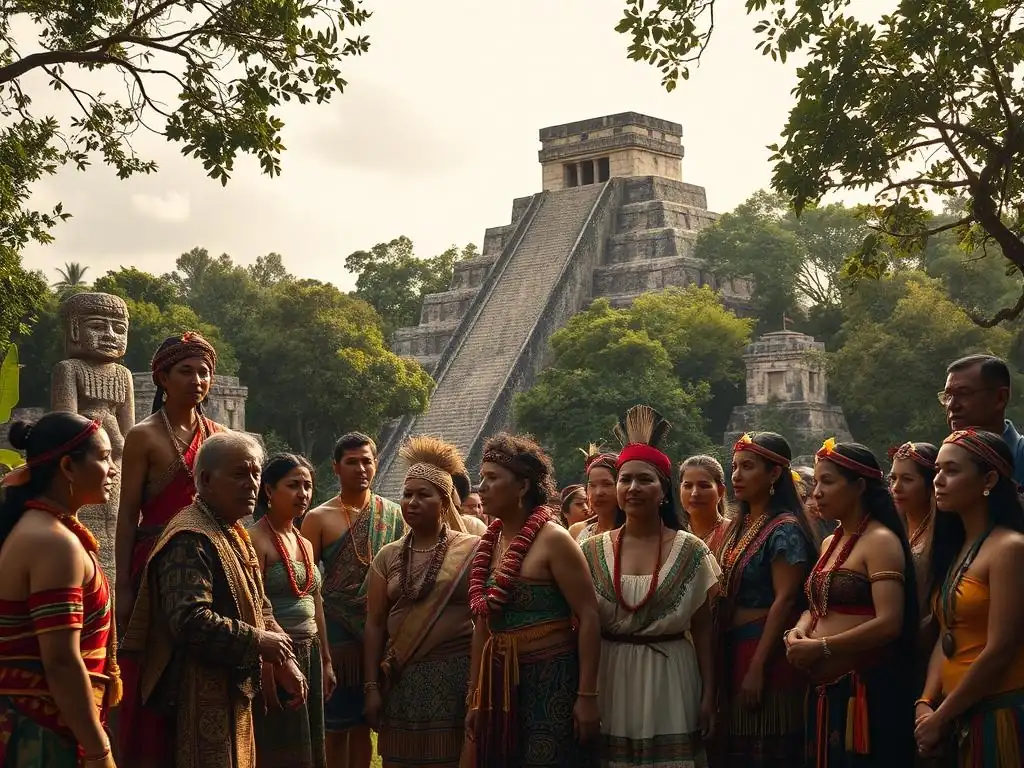
Tikal’s significance extends beyond cultural identity into the realm of contemporary indigenous movements. As indigenous peoples advocate for their rights, Tikal often emerges as a central figure in discussions about land, culture, and sovereignty. The legacy of this monumental city inspires activism that seeks to protect indigenous lands and promote the recognition of indigenous rights.
Revitalization of Mayan Languages and Traditions
The cultural revival sparked by Tikal's legacy has led to a renewed interest in the preservation and revitalization of Mayan languages and traditions. Many indigenous organizations and community leaders actively work to teach younger generations their ancestral languages, recognizing the importance of linguistic heritage in maintaining cultural identity.
Programs that utilize Tikal as a case study highlight the significance of language in expressing cultural values and worldviews. By integrating knowledge of Tikal’s history into language revitalization efforts, communities are able to create a more profound connection to their heritage, ensuring that the stories and traditions of the Maya civilization continue to be passed down.
Tikal's Role in Indigenous Activism and Cultural Heritage Preservation
Tikal's enduring presence in indigenous activism underscores its role as a symbol of cultural heritage preservation. Many indigenous groups advocate for the protection of Tikal and similar sites, recognizing their importance not only as archaeological treasures but also as living representations of indigenous culture.
Through organized movements, communities seek to raise awareness about the threats posed by tourism, development, and environmental degradation. Tikal has become a rallying point for these efforts, with activists highlighting the need for sustainable practices that honor both the site’s history and the rights of indigenous peoples. By championing Tikal's legacy, modern activists work to ensure that the cultural heritage of the Maya civilization is respected and preserved for generations to come.
The Educational Importance of Tikal in Indigenous Civilizations
Tikal stands as a critical site for understanding the complexities of the Mayan civilization, offering invaluable insights into the social, political, and cultural practices of indigenous peoples. As one of the largest and most significant archaeological sites in Central America, Tikal serves not only as a relic of the past but also as a vibrant educational resource for both scholars and the public.
Visitors to Tikal can explore the remnants of grand temples, palaces, and public squares, which provide tangible connections to the lives of the ancient Maya. This exposure fosters greater appreciation and awareness of indigenous histories, cultures, and contributions, ultimately enhancing the collective identity of modern indigenous communities.
Tikal as a Site for Archaeological Research and Education
Tikal is a hub for archaeological research, attracting scholars and students from around the world. Ongoing excavations and studies at the site yield new findings that continuously reshape our understanding of Mayan society. Educational programs and workshops are often held in collaboration with universities and research institutions, allowing participants to engage directly with archaeological methodologies.
These initiatives promote the significance of indigenous knowledge systems, emphasizing the importance of preserving and respecting cultural heritage. Furthermore, the dissemination of research findings through publications and conferences helps to bridge the gap between academia and the public, ensuring that the stories of the Maya resonate with contemporary audiences.
The Role of Tikal in Indigenous Tourism and Economic Development
Tourism at Tikal plays a crucial role in the local economy, providing jobs and supporting community development. As visitors flock to the site to witness its grandeur, local businesses thrive, offering services such as guided tours, accommodations, and crafts. This influx of tourism fosters a sense of pride among indigenous communities, encouraging them to share their cultural heritage and history.
Moreover, the revenue generated from tourism can be reinvested into educational programs, conservation efforts, and community development projects, creating a sustainable model that benefits both the local population and the preservation of their ancestral land. Thus, Tikal not only preserves history but actively contributes to the economic well-being of the indigenous people today.
Conclusion: The Lasting Influence of Tikal on Indigenous Identity
The legacy of Tikal extends far beyond its physical remnants; it continues to shape indigenous identity in profound ways. The site serves as a powerful symbol of resilience and cultural continuity, reminding contemporary indigenous peoples of their rich heritage. By engaging with Tikal, indigenous communities can reclaim their narratives, revitalizing traditional practices and languages that were suppressed during colonization. This reconnection with ancestral roots fosters a sense of belonging and pride, reinforcing the importance of indigenous identities in the modern world.
Future Perspectives on Tikal's Role in Indigenous Communities
Looking ahead, Tikal's role in indigenous communities will likely evolve as new generations seek to engage with their heritage. The integration of technology in education and tourism could provide innovative ways to experience Tikal, making it more accessible to a global audience. Additionally, collaboration between indigenous leaders and archaeologists can ensure that the narratives and interpretations of Tikal are inclusive and accurate, reflecting the diverse perspectives of those who identify with its history. As awareness of indigenous rights and cultural heritage increases, Tikal can become a focal point for advocacy, promoting the recognition and respect for indigenous cultures worldwide.
Final Thoughts on the Tikal Mayan Civilization Impact on Modern Society
The impact of the Tikal Mayan civilization on modern society is multifaceted, influencing various aspects of culture, education, and identity. Tikal stands as a testament to the ingenuity and resilience of the Maya, offering lessons that resonate with contemporary challenges. By fostering dialogue around indigenous histories and contributions, Tikal helps to dismantle stereotypes and promote a more nuanced understanding of the Americas' indigenous peoples.
As we continue to explore Tikal's legacy, it is imperative to honor and amplify the voices of indigenous communities, ensuring that their stories remain integral to the broader narrative of human history. In doing so, Tikal not only preserves the past but also inspires future generations to embrace and celebrate their cultural identities.
- Introduction to Tikal and Its Importance in Mayan Civilization
- Historical Overview of the Tikal Mayan Civilization
- The Impact of Tikal on Indigenous Identity
- Tikal's Legacy in Contemporary Indigenous Movements
- The Educational Importance of Tikal in Indigenous Civilizations
- Conclusion: The Lasting Influence of Tikal on Indigenous Identity
- What is the significance of Tikal in Mayan civilization?
- How did Tikal influence indigenous identity today?
- What are some achievements of the Tikal Mayan civilization?
- How does the Tikal site contribute to modern understanding of indigenous cultures?
- What challenges does Tikal face today in terms of preservation?
Frequently Asked Questions
What is the significance of Tikal in Mayan civilization?
Tikal was one of the largest and most influential cities in the Mayan civilization, showcasing advanced architecture, trade, and political organization that shaped the region.
How did Tikal influence indigenous identity today?
Tikal's legacy continues to impact indigenous identity by serving as a symbol of cultural heritage and historical pride, inspiring contemporary communities to reconnect with their roots.
What are some achievements of the Tikal Mayan civilization?
The Tikal Mayan civilization is known for its astounding architectural feats, including temples and palaces, as well as advancements in astronomy, writing, and art.
How does the Tikal site contribute to modern understanding of indigenous cultures?
Tikal provides invaluable insights into social structures, religious practices, and daily life of the ancient Maya, helping scholars and indigenous people alike understand their heritage.
What challenges does Tikal face today in terms of preservation?
Tikal faces challenges such as tourism, environmental degradation, and funding for conservation efforts, which threaten its ability to maintain its cultural significance and historical integrity.
Final Reflection: The Enduring Impact of Tikal on Indigenous Identity
Tikal's legacy is not just a remnant of the past; it is a vibrant thread woven into the fabric of contemporary Indigenous identity. The monumental city, once a thriving center of the Mayan civilization, continues to resonate deeply within the hearts and minds of Indigenous communities today. As we explore the impact of Tikal, we uncover a powerful narrative that shapes cultural pride, historical consciousness, and a renewed connection to ancestral roots.
The influence of Tikal extends beyond its ancient stones; it serves as a symbol of resilience and continuity for Indigenous peoples. The stories and traditions that emerge from Tikal remind us that history is not merely a collection of dates and events but a living testament to the strength and perseverance of a culture.
As the renowned anthropologist David Freidel once said, "> The past is not dead; it is alive in the present." This perspective invites us to recognize how the echoes of Tikal's grandeur still inspire Indigenous identity and foster a sense of belonging among those who trace their heritage back to this remarkable civilization.
As we reflect on the lessons from Tikal, let us embrace the call to honor and celebrate our own identities and histories. Consider how the legacy of Tikal can inspire you to explore your roots, engage with your community, and advocate for the preservation of cultural heritage.
In doing so, we not only pay homage to the past but also pave the way for a future where Indigenous identities thrive, enriched by the wisdom of ancestors and the strength of shared experiences. Together, let us carry forward the legacy of Tikal, ensuring that its influence continues to illuminate the paths of generations to come.
Embrace Your Indigenous Identity and Explore Tikal’s Legacy!
Thank you for taking the time to delve into the remarkable legacy of Tikal and its ongoing influence on Indigenous identities today. Your interest helps keep the rich history and culture of these ancient civilizations alive. Now, it’s time for you to actively engage with this inspiring heritage.
Here are some simple yet impactful actions you can take:
- Explore local exhibitions or cultural events that celebrate Indigenous heritage, whether in-person or online.
- Connect with local Indigenous organizations to share insights and learn more about the significance of Tikal in contemporary identity.
- Share this article on social media to spread awareness of Tikal's influence and inspire discussions within your networks.
What steps will you take to deepen your connection with Indigenous history in your own life? Let's continue the conversation in the comments!