
A Comparative Analysis: Spanish vs. English vs. French Conquests in Native Lands

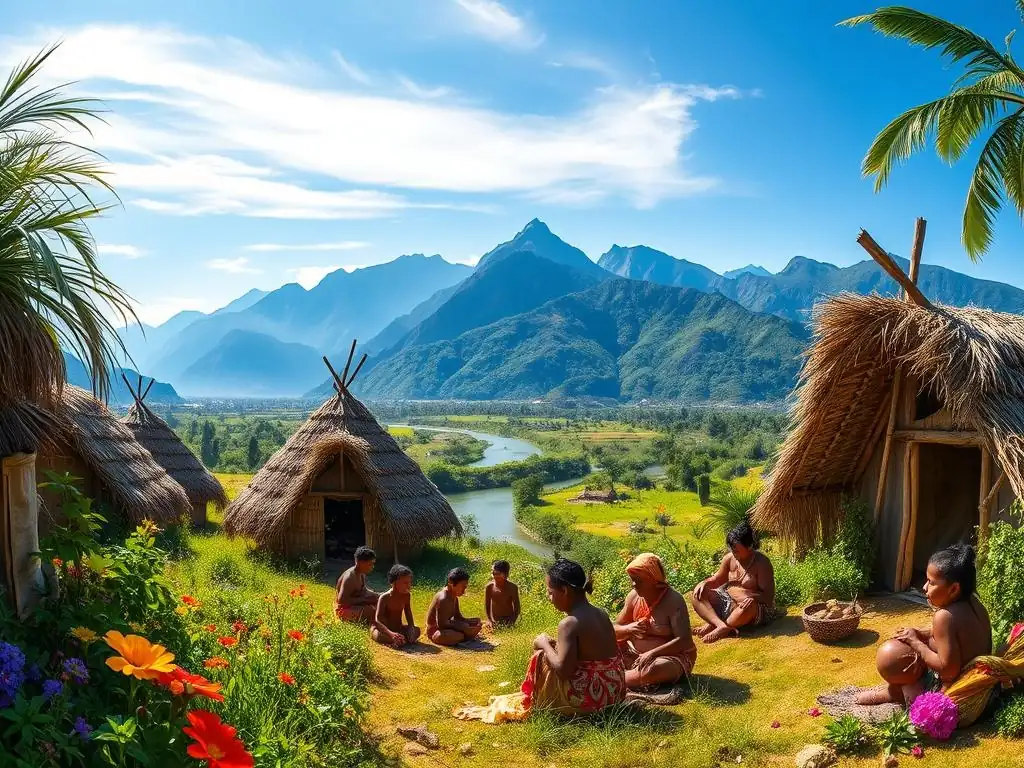
Welcome to Indigenous Civilizations of the Americas, where we delve into the rich tapestry of indigenous cultures pre-colonization Americas. Here, you will embark on a journey through the remarkable societies that flourished long before European contact, uncovering their achievements, traditions, and enduring legacies.
Our featured article, “A Comparative Analysis: Spanish vs. English vs. French Conquests in Native Lands,” sheds light on the intricate dynamics of European conquests and their profound impacts on these vibrant cultures. Prepare to ignite your curiosity and deepen your understanding as we explore these pivotal moments in history—stay with us to discover the stories that shaped the Americas!
Introduction to Indigenous Cultures Pre-Colonization Americas
The indigenous cultures of the Americas, flourishing long before European contact, represent a rich tapestry of societies with distinct languages, traditions, and innovations. This article delves into a comparative analysis of the Spanish, English, and French conquests in native lands, highlighting their interactions with diverse indigenous civilizations. Understanding these dynamics is crucial to appreciating the complexity of pre-colonization societies and the profound implications of European incursions. By examining the achievements and resilience of indigenous cultures, we can better understand the lasting impact of these historical events on contemporary society.
Overview of Indigenous Civilizations in the Americas
Before the arrival of Europeans, the Americas were home to a myriad of indigenous civilizations that thrived across diverse environments, from the arid deserts of the Southwest to the lush rainforests of the Amazon. Notable cultures included:
- The Maya: Renowned for their advanced knowledge of astronomy and mathematics, the Maya built impressive city-states and developed intricate writing systems.
- The Aztec Empire: Located in present-day Mexico, the Aztecs were known for their monumental architecture, agricultural innovations, and complex social hierarchies.
- The Inca Empire: Stretching across the Andes, the Incas excelled in engineering and agriculture, creating vast road networks and advanced terracing systems.
These civilizations not only exhibited remarkable achievements but also maintained sophisticated political organizations and trade networks that facilitated interaction among diverse groups.
Importance of Understanding Pre-Colonization Societies
Grasping the nuances of indigenous cultures pre-colonization is essential for several reasons:
- Cultural Heritage: Recognizing the contributions and legacies of these societies enriches our understanding of human history.
- Historical Context: Acknowledging the complexity of these civilizations provides a framework for analyzing the subsequent impacts of European conquests.
- Contemporary Relevance: Understanding indigenous histories informs present-day discussions surrounding cultural preservation, rights, and social justice.
By studying these aspects, we can challenge stereotypes and misconceptions about indigenous peoples, fostering a deeper respect for their enduring legacies.
Historical Context of European Conquests
The Rise of European Powers in the 15th Century
The late 15th century marked a pivotal moment in world history, characterized by the emergence of powerful European nations such as Spain, England, and France. Driven by the desire for wealth, territory, and influence, these nations embarked on ambitious exploration and colonization ventures. Key events that fueled this rise included:
- Technological Advancements: Innovations in navigation and shipbuilding allowed for longer voyages.
- Economic Motivations: The quest for new trade routes and resources, particularly spices and precious metals, spurred exploration.
- Religious Factors: The spread of Christianity became intertwined with colonization efforts, influencing the justification for conquests.
This backdrop set the stage for significant encounters between European powers and indigenous civilizations.
Motivations Behind the Conquests of the Americas
The motivations driving Spanish, English, and French conquests in the Americas were multifaceted:
- Economic Gain: The pursuit of gold, silver, and valuable commodities was paramount for all three powers. The Spanish, for instance, exploited rich mines in Mexico and Peru, while the English sought agricultural land and trade opportunities.
- Political Power: Establishing colonies was a means to enhance national prestige and territorial claims.
- Cultural Expansion: Each power sought to spread its culture and religion, often viewing indigenous peoples as subjects to be converted and "civilized."
Understanding these motivations is crucial for analyzing the varied impacts these conquests had on indigenous cultures and the historical narrative of the Americas.
Spanish Conquests: Impact on Indigenous Cultures
The Spanish conquests of the Americas had profound effects on indigenous cultures, altering their social structures, economies, and spiritual beliefs. Beginning with Christopher Columbus's arrival in 1492, the Spanish empire expanded rapidly through military conquest, colonization, and the establishment of missions. This period marked a significant transformation in the demographics and cultural landscapes of the Americas, as indigenous populations faced violence, disease, and displacement.
One of the most notable impacts was the imposition of Christianity, which led to the syncretism of indigenous beliefs with Catholic practices. Many indigenous peoples were forced to abandon their traditional religions, and their spiritual practices were often criminalized. This led to a loss of cultural identity and heritage among numerous tribes and communities. Furthermore, the introduction of European languages, customs, and governance systems deeply influenced the social fabric of indigenous societies.
The Spanish also initiated the encomienda system, a forced labor system that exploited indigenous peoples for agricultural and mining production. This not only resulted in the significant decline of indigenous populations due to harsh working conditions and diseases but also disrupted traditional ways of life and economies. Overall, the Spanish conquests reshaped indigenous cultures in ways that would have lasting repercussions for generations.
Key Figures in Spanish Conquests
Several key figures played pivotal roles in the Spanish conquests, each contributing to the profound changes experienced by indigenous cultures.
- Hernán Cortés: Perhaps the most infamous, Cortés led the expedition that resulted in the fall of the Aztec Empire. His strategic alliances with rival indigenous groups, such as the Tlaxcalans, highlighted the complexities of indigenous politics and the consequences of European intervention.
- Francisco Pizarro: Pizarro's conquest of the Inca Empire was marked by cunning and brutality. By exploiting internal divisions within the Inca society and capturing their leader, Atahualpa, Pizarro facilitated the rapid collapse of one of the largest empires in South America.
- Bartolomé de las Casas: Initially a conquistador, de las Casas became a significant advocate for indigenous rights. His writings criticized the brutal treatment of indigenous peoples and called for reforms, highlighting the moral conflicts within Spanish colonialism.
These figures, among others, exemplify the varied motives and methods employed during the conquests, each leaving a distinct mark on indigenous cultures and their histories.
Strategies Employed by the Spanish
The strategies employed by the Spanish during their conquests were multifaceted, blending military tactics with psychological warfare and alliances.
- Military Conquest: The Spanish utilized advanced weaponry, including firearms and steel swords, which gave them a significant advantage over indigenous warriors armed with traditional weapons. The use of cavalry also played a crucial role in their military success.
- Divide and Conquer: By forming alliances with discontented indigenous groups, the Spanish exploited existing rivalries. This strategy was particularly effective in the Aztec and Inca empires, where internal conflicts were manipulated to the Spanish's advantage.
- Religious Conversion: Missions were established as part of the conquest strategy, aiming to convert indigenous peoples to Christianity. The Spanish viewed this as a moral obligation but also as a means to exert control over indigenous societies.
These strategies not only facilitated territorial expansion but also reshaped the cultural landscapes of the Americas, leading to a complex interplay of resistance and adaptation among indigenous peoples.
Consequences for Indigenous Societies
The consequences of Spanish conquests for indigenous societies were devastating and far-reaching.
- Population Decline: The introduction of European diseases, such as smallpox, ravaged indigenous populations, leading to catastrophic declines. Estimates suggest that in some regions, indigenous populations decreased by as much as 90% within a century of contact.
- Cultural Disruption: The forced assimilation into European customs and religions led to the erosion of traditional practices. Languages, rituals, and social structures were often lost or transformed beyond recognition.
- Economic Changes: The encomienda system and the extraction of resources significantly altered local economies. Indigenous peoples were often relegated to low-status labor positions, disrupting their traditional agricultural practices and trade networks.
Overall, the Spanish conquests initiated a period of profound transformation and upheaval for indigenous cultures, the effects of which are still felt today.
English Conquests: Influence on Native Cultures
The English conquests in North America had distinct influences on indigenous cultures, characterized by land dispossession, cultural assimilation, and complex interactions between settlers and native societies. The English colonization began in the early 17th century, with the establishment of settlements along the Atlantic coast, fundamentally altering the dynamics of indigenous life.
Unlike the Spanish approach, which often involved direct military conquest, the English often sought to negotiate treaties or establish settlements that encroached upon indigenous lands. This led to a pattern of displacement and cultural change, as indigenous peoples were pressured to adapt to new economic systems and social structures imposed by the English settlers.
The exchange of goods also played a crucial role in shaping these interactions. While trade initially fostered some cooperation, it eventually contributed to exploitation and dependency, as indigenous communities found themselves increasingly integrated into the colonial economy. This complex relationship between the English and indigenous cultures set the stage for ongoing conflicts and cultural transformations.
Prominent English Explorers and Colonizers
Several notable English explorers and colonizers significantly impacted indigenous cultures during the period of colonization:
- John Smith: As one of the leaders of the Jamestown settlement, Smith's interactions with local tribes, particularly the Powhatan Confederacy, highlighted both cooperation and conflict. His experiences underscored the challenges faced by early English settlers in navigating indigenous societies.
- William Penn: Known for his fair dealings with the Lenape people, Penn's approach to colonization emphasized negotiation and respect for indigenous rights. His legacy illustrates the potential for more equitable interactions, despite the overall patterns of dispossession.
- George Washington: Before becoming a national icon, Washington's military campaigns against indigenous tribes in the Ohio Valley reflected the aggressive expansionist policies of English settlers, contributing to the displacement of numerous native communities.
These figures exemplify the varied strategies employed by the English and their complex relationships with indigenous peoples.
Methods of Land Acquisition and Settlement
The methods used by the English to acquire land and settle were often marked by a combination of negotiation, conflict, and legal manipulation:
- Land Treaties: The English frequently entered into treaties with indigenous tribes, often under duress or with misleading terms. These agreements were often disregarded once the settlers sought further land.
- Settlement Expansion: The establishment of colonies led to the rapid expansion of settlements into indigenous territories. As more settlers arrived, land was increasingly claimed for agriculture, leading to further encroachment on native lands.
- Military Conflict: Armed conflicts, such as King Philip's War and the Pequot War, arose from tensions over land and resources. These conflicts often resulted in severe consequences for indigenous populations, including loss of life and territory.
These methods of land acquisition not only displaced indigenous peoples but also fostered a legacy of mistrust and conflict between settlers and native cultures.
Effects on Indigenous Communities
The effects of English conquests on indigenous communities were profound, leading to significant cultural and social changes:
- Displacement and Resettlement: Indigenous peoples faced forced removal from their ancestral lands, leading to the disbandment of communities and the loss of traditional territories.
- Cultural Assimilation: The pressure to adopt English customs and lifestyles resulted in the erosion of indigenous languages, traditions, and social structures. Some tribes attempted to adapt by incorporating European practices into their cultures.
- Economic Dependency: As indigenous communities became integrated into the colonial economy, many became dependent on European goods and trade systems, disrupting traditional economic practices and contributing to social upheaval.
The English conquests fostered a complex interplay of cooperation, conflict, and cultural change, significantly impacting the lives and cultures of indigenous peoples in North America.
French Conquests: Interaction with Native Peoples
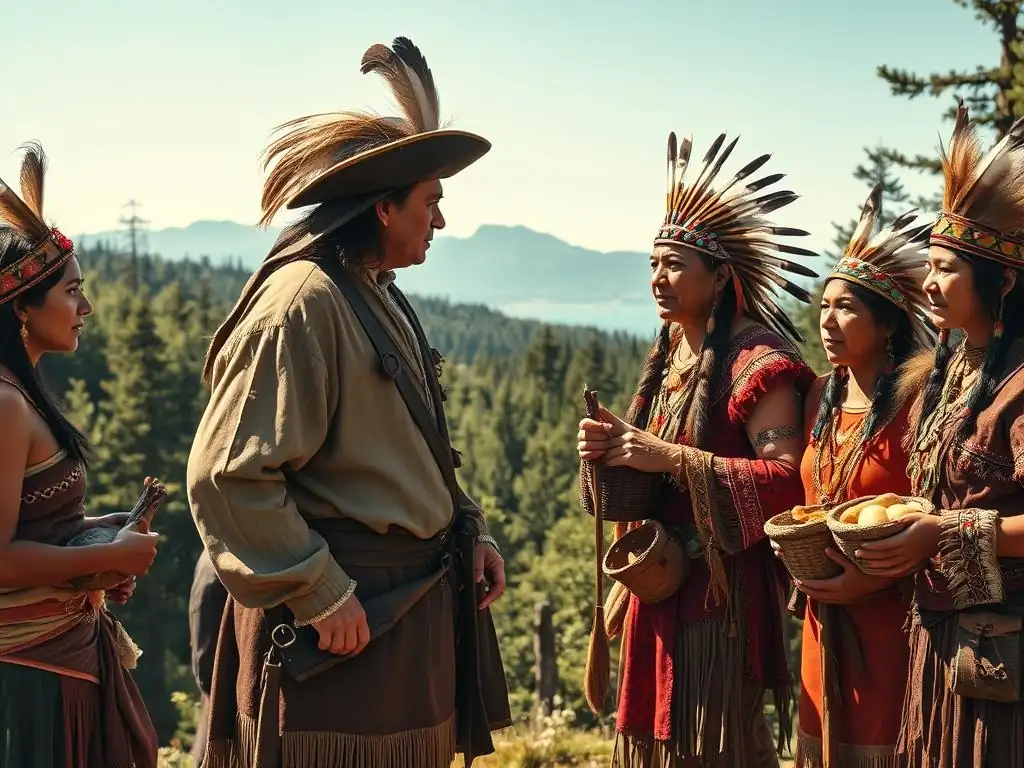
The French conquests in the Americas were characterized by a unique interaction with indigenous peoples that distinguished them from their Spanish and English counterparts. French explorers and settlers, particularly in Canada and parts of the Mississippi River Valley, often engaged in trade and diplomatic relations with Native American tribes. This approach was rooted in mutual benefit, as the French sought alliances to bolster their fur trade and expand their territorial claims. The French tended to view indigenous peoples as partners rather than subjects, leading to a more integrated presence in native lands.
Notable French Expeditions and Leaders
Several key figures and expeditions shaped the French approach to indigenous cultures in the Americas:
- Jacques Cartier (1534): Cartier's exploration of the St. Lawrence River laid the groundwork for future French claims in Canada, establishing initial contacts with the St. Lawrence Iroquoian peoples.
- Samuel de Champlain (1608): Often regarded as the "Father of New France," Champlain formed alliances with the Huron-Wendat and other tribes, significantly impacting fur trade dynamics.
- René-Robert Cavelier, Sieur de La Salle (1682): La Salle's expeditions along the Mississippi River culminated in claiming the region for France, further intertwining French interests with the local tribes.
These expeditions were marked by detailed records of interactions, trade practices, and cultural exchanges, which highlighted the French penchant for building relationships with indigenous communities.
Approaches to Indigenous Relations
The French approach to indigenous relations was primarily characterized by cooperation and diplomacy. Unlike the Spanish, who frequently sought to impose their culture through conversion and assimilation, or the English, who often pursued land acquisition through settlement, the French engaged in:
- Trade Relationships: The fur trade was a driving force behind French interactions, with mutual economic interests fostering cooperative ties.
- Cultural Exchange: The French often adopted aspects of indigenous culture, including language and customs, reflecting a level of respect and integration.
- Military Alliances: The French formed strategic alliances with various tribes, which were crucial during conflicts such as the French and Indian War.
This multifaceted approach resulted in a relatively higher degree of respect for indigenous sovereignty compared to other colonial powers.
Outcomes for Indigenous Cultures
The outcomes of French conquests for indigenous cultures were complex and varied. While some tribes benefitted from alliances and trade, others faced challenges:
- Economic Impact: Many tribes engaged in profitable trade with the French, which enhanced their economic standing and access to European goods.
- Cultural Preservation: The French were less inclined to impose cultural changes, allowing many indigenous practices to endure.
- Conflict and Displacement: Despite the generally cooperative relations, the expansion of French settlements and conflicts with other colonial powers ultimately led to displacement and loss of land for some indigenous tribes.
In essence, while the French conquests provided opportunities for some indigenous cultures, they also introduced challenges that would complicate their futures.
Comparative Analysis of Conquests
Similarities Among Spanish, English, and French Approaches
Despite their distinct methods, the Spanish, English, and French conquests shared several similarities in their interactions with indigenous cultures:
- Economic Motivation: All three colonial powers pursued economic gain through resource extraction, trade, and land acquisition.
- Religious Justification: The expansion of Christianity was a common justification for conquest, with varying degrees of emphasis placed on conversion efforts.
- Use of Alliances: Each power sought to form alliances with certain indigenous groups to strengthen their military and economic positions, although the nature and outcomes of these alliances differed.
These shared motivations and strategies highlight a broader pattern of colonial behavior that transcended individual national policies.
Differences in Treatment of Indigenous Cultures
The treatment of indigenous cultures varied significantly among the Spanish, English, and French:
- Spanish Conquest: Focused on subjugation, conversion, and assimilation, often resulting in the destruction of indigenous societies.
- English Colonization: Emphasized land acquisition and settlement, frequently leading to displacement and conflict with native populations.
- French Interaction: Characterized by trade and diplomacy, promoting a partnership model that allowed for greater cultural exchange and respect.
These differences shaped not only the immediate interactions but also the long-term relationships between these colonial powers and indigenous peoples.
Long-term Effects on Pre-Colonization Societies
The long-term effects of the conquests on pre-colonization societies were profound and varied across the different colonial powers:
- Cultural Disruption: Spanish and English conquests often led to significant cultural disruptions, including the loss of languages, traditions, and social structures among indigenous populations.
- Economic Changes: The introduction of European goods and trade dynamics altered indigenous economies, for better or worse, depending on the nature of the interactions.
- Population Decline: The introduction of diseases and violent conflicts contributed to significant population declines among many indigenous groups, particularly under the Spanish and English dominions.
The interactions between these European powers and indigenous cultures not only shaped the immediate outcomes of colonization but also set the stage for the complex legacies that continue to influence indigenous societies today.
Conclusion: The Legacy of European Conquests on Indigenous Cultures
The European conquests of the Americas fundamentally transformed indigenous cultures, societies, and landscapes. Each colonial power—Spanish, English, and French—brought distinct approaches and policies that led to varied outcomes for the native populations. The legacies of these encounters are complex and multifaceted, affecting everything from governance structures to cultural practices. Today, the memory of these indigenous cultures pre-colonization serves as a poignant reminder of resilience amid devastation. As we reflect on this history, it becomes clear that understanding these legacies is crucial for acknowledging their cultural significance in the present.
Reflection on the Historical Significance
The conquests by European powers marked a turning point in the history of the Americas, as they initiated profound shifts in demographics, economics, and social structures. Indigenous cultures that had thrived for millennia found themselves grappling with new realities imposed by foreign entities. The historical significance of these events cannot be overstated; they set the stage for centuries of conflict, adaptation, and survival. Through a critical examination of this history, we can better appreciate the complexities of indigenous identities that continue to evolve today.
The Lasting Impact of Colonialism on Indigenous Civilizations
Colonialism left an indelible mark on indigenous civilizations, leading to the loss of lands, languages, and traditions. While some cultures faced near-total annihilation, others adapted and transformed, incorporating elements of European influence while striving to maintain their unique identities. The lasting impact is visible in the ongoing struggles for rights, land reclamation, and cultural revitalization. Furthermore, the scars of colonialism are still felt in socioeconomic disparities and cultural misunderstandings that persist in contemporary society. Recognizing these impacts is essential for fostering dialogue and promoting healing within indigenous communities.
Further Reading on Indigenous Cultures and European Conquests
To deepen your understanding of indigenous cultures pre-colonization and the nuances of European conquests, several resources provide valuable insights into this complex history. These works explore various aspects of indigenous life, the dynamics of colonization, and the legacies that continue to shape contemporary discussions about culture and identity.
Recommended Resources for Deeper Understanding
- Books:
- 1491: New Revelations of the Americas Before Columbus by Charles C. Mann
- The Other Slavery: The Uncovered Story of Indian Enslavement in America by Andrés Reséndez
- An Indigenous Peoples' History of the United States by Roxanne Dunbar-Ortiz
- Articles:
- Scholarly articles on indigenous governance systems and pre-colonial trade networks.
- Case studies focusing on specific tribes and their responses to European encroachment.
- Documentaries:
- Films that highlight the stories of indigenous peoples before and after colonization, showcasing their resilience and cultural heritage.
Importance of Preserving Indigenous Histories
Preserving indigenous histories is crucial for several reasons. It allows for the recognition of the rich tapestry of cultures that existed long before European contact and highlights the contributions of these societies to the world. Moreover, safeguarding these histories helps combat stereotypes and fosters a deeper understanding of the ongoing struggles faced by indigenous communities.
This preservation is not just about remembering the past; it also plays a vital role in empowering future generations, ensuring that their cultural heritage is not only acknowledged but celebrated. Through education and engagement, we can foster a greater appreciation for the diverse indigenous cultures that continue to thrive despite historical challenges.
- Introduction to Indigenous Cultures Pre-Colonization Americas
- Historical Context of European Conquests
- Spanish Conquests: Impact on Indigenous Cultures
- English Conquests: Influence on Native Cultures
- French Conquests: Interaction with Native Peoples
- Comparative Analysis of Conquests
- Conclusion: The Legacy of European Conquests on Indigenous Cultures
- Further Reading on Indigenous Cultures and European Conquests
- What were the main indigenous cultures in the Americas before colonization?
- How did European conquests affect indigenous societies?
- What were the differences between Spanish, English, and French conquests?
- How did indigenous cultures adapt to European colonization?
- What is the lasting impact of indigenous cultures today?
Frequently Asked Questions
What were the main indigenous cultures in the Americas before colonization?
Indigenous cultures pre-colonization Americas included the Inca, Maya, and Aztec civilizations, each known for their unique achievements in agriculture, architecture, and governance.
How did European conquests affect indigenous societies?
European conquests resulted in significant disruptions to indigenous societies, leading to the loss of land, resources, and lives, as well as the imposition of foreign systems of governance.
What were the differences between Spanish, English, and French conquests?
The Spanish often pursued gold and silver and established large colonies; the English focused on settlement and trade, while the French aimed for fur trading alliances, impacting indigenous cultures differently.
How did indigenous cultures adapt to European colonization?
Many indigenous cultures adapted through alliances with Europeans, adopting new technologies, and sometimes engaging in resistance, all while striving to maintain their cultural identities.
What is the lasting impact of indigenous cultures today?
The lasting impact of indigenous cultures is evident in modern languages, arts, and cultural practices, as well as ongoing efforts to revitalize and preserve these rich traditions.
Final Reflection: Understanding the Legacy of Conquests on Indigenous Cultures
The conquests of the Spanish, English, and French in the Americas have left indelible marks on indigenous cultures, shaping their histories and identities in profound ways. Today, as we grapple with the legacies of colonialism, it is essential to recognize how these historical events continue to influence the social, cultural, and political landscapes of indigenous communities. The past is not merely a series of events; it is a living narrative that informs present realities and future possibilities.
Critical examination of these conquests reveals a complex interplay of power, resistance, and adaptation among indigenous peoples. The resilience of these cultures in the face of overwhelming odds serves as a testament to their enduring spirit.
As we reflect on this history, we are reminded of the words of author and activist Vine Deloria Jr.: > “The greatest tragedy in the history of the American Indian is that they have been made to feel that they are the only ones who have lost their way.” This quote encapsulates the ongoing struggle for recognition and respect that indigenous cultures face, urging us to acknowledge their contributions and rights in contemporary society.
As we move forward, let us take a moment to reflect on our own roles in this narrative. How can we honor and support the voices of indigenous cultures today? By educating ourselves and advocating for their rights, we can contribute to a more equitable future. I invite you to engage with these histories, listen to indigenous perspectives, and consider how you can be an ally in the ongoing journey toward justice and reconciliation. Together, we can help ensure that the stories of these vibrant cultures are not only remembered but celebrated.
Unveil the Untold Stories of Conquest and Resilience
Thank you for taking the time to explore the complex narratives surrounding the conquests by Spanish, English, and French forces in indigenous lands. Through this comparative analysis, you have gained valuable insights into the historical interplay between these cultures and the indomitable spirit of native civilizations.
Now, let's turn that knowledge into action! Here are a few steps you can take to deepen your understanding and engage further with this crucial topic:
- Dive deeper into the histories of specific indigenous tribes affected by these conquests by reading books or academic articles that focus on their unique experiences and stories.
- Engage with your community—host a discussion group or join online forums to share ideas on how these historical events continue to shape indigenous rights and identities today.
- Spread awareness by sharing this article on your social media platforms or with friends, encouraging others to learn about the rich histories of indigenous peoples.
What insights have you discovered about the impact of conquest on indigenous identities, and how might those insights shape our conversations around cultural preservation in today's world?