
From Abundance to Scarcity: The Impact of Disease on Indigenous Demographics

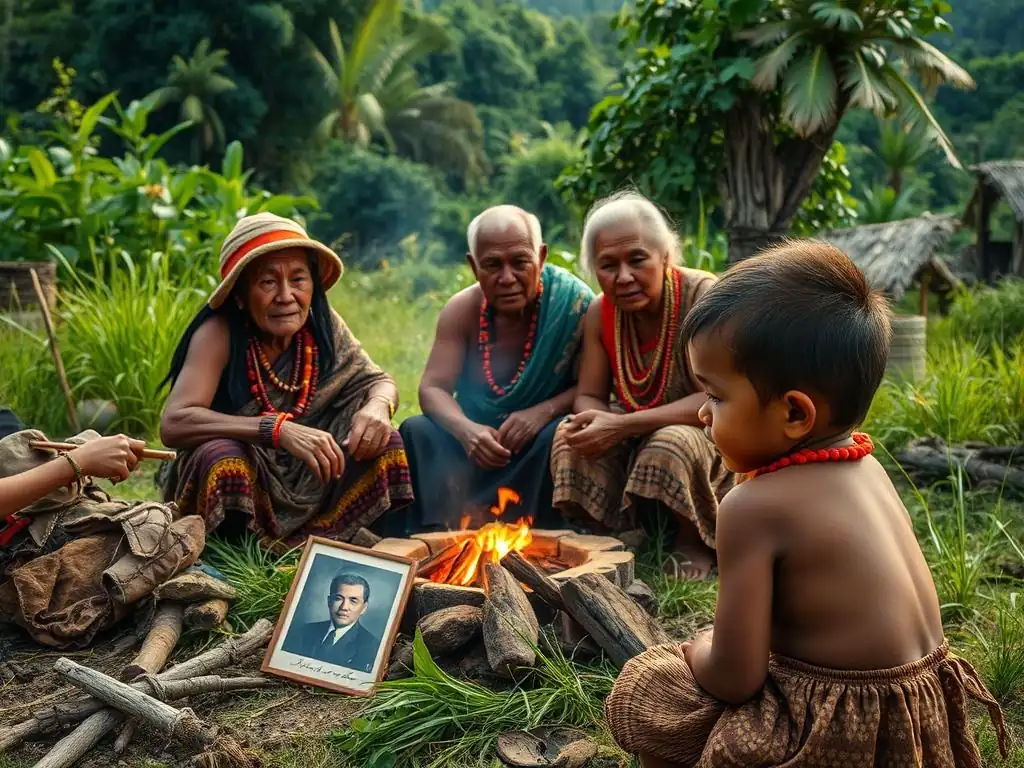
Welcome to Indigenous Civilizations of the Americas, where we delve into the rich tapestry of cultures that flourished long before European contact. Here, you will uncover the profound impact of disease on indigenous populations, a pivotal chapter in history that reshaped societies across the continent. As you navigate through our site, prepare to engage with compelling narratives and insightful analyses that reveal how these vibrant civilizations adapted and endured amidst unprecedented challenges. Join us on this enlightening journey and discover the resilience of indigenous peoples as we explore their stories of abundance turned to scarcity.
- Introduction to the Impact of Disease on Indigenous Populations
- Historical Context of Disease in Indigenous Populations
- Major Diseases Affecting Indigenous Populations
- The Demographic Shift: From Abundance to Scarcity
- Case Studies of Disease Impact on Indigenous Groups
- Long-term Consequences of Disease on Indigenous Societies
- Resilience and Adaptation of Indigenous Peoples
- Conclusion: Reflecting on the Impact of Disease on Indigenous Populations
-
Frequently Asked Questions
- What were the primary diseases affecting indigenous populations?
- How did disease impact indigenous demographics?
- What were some cultural consequences of these diseases?
- How did indigenous populations respond to disease outbreaks?
- What is the lasting impact of these diseases on indigenous communities today?
- Final Reflection: The Enduring Legacy of Disease on Indigenous Populations
- Rediscover Resilience: Take Action for Indigenous Communities
Introduction to the Impact of Disease on Indigenous Populations
The impact of disease on indigenous populations is a critical and often overlooked aspect of the history surrounding European colonization in the Americas. Before the arrival of Europeans, indigenous civilizations flourished across the continent, exhibiting rich cultural heritages, complex social structures, and sophisticated economies. However, the introduction of new diseases—many of which were foreign to the indigenous peoples—had devastating effects on these communities.
This article delves into the demographic changes induced by disease, examining how epidemics altered the fabric of indigenous societies, led to significant population declines, and reshaped the trajectory of future generations. Understanding this impact not only sheds light on the resilience and adaptability of these cultures but also highlights the lasting consequences that continue to resonate in contemporary indigenous communities.
Overview of Indigenous Demographics Before European Contact
Before the arrival of Europeans in the late 15th century, the Americas were home to a vast array of indigenous populations, each with unique cultures, languages, and social structures. Estimates suggest that the indigenous population of the Americas may have been as high as 50 million at the time of contact, spread across diverse regions including North America, Central America, and South America.
- Population Distribution:
- North America: Home to various tribes, including the Iroquois, Sioux, and Navajo, each with distinct territories and governance systems.
- Mesoamerica: Civilizations such as the Aztecs and Maya boasted advanced agricultural practices and urban centers.
- South America: The Inca Empire represented one of the most significant indigenous civilizations, with extensive road networks and agricultural innovations.
These societies thrived on rich resources, from fertile lands to abundant wildlife, which supported their populations and cultural practices. However, the arrival of Europeans brought profound disruptions, as diseases like smallpox, influenza, and measles spread rapidly among populations with no prior exposure or immunity.
Importance of Studying Disease Impact on Indigenous Civilizations
Understanding the impact of disease on indigenous populations is crucial for several reasons:
- Historical Context: It provides insight into the demographic shifts experienced by indigenous communities following European contact. The catastrophic decline in population—often estimated to be between 70% to 90% in some areas—transformed societies and led to the loss of traditional knowledge and practices.
- Cultural Resilience: Studying these impacts reveals how indigenous groups adapted to these challenges, showcasing their resilience and capacity for recovery in the face of adversity.
- Contemporary Relevance: The historical context of disease impacts can inform current discussions about public health and the ongoing effects of colonization on indigenous communities, including socio-economic challenges and health disparities.
- Preservation of History: Acknowledging the profound influence of disease on indigenous demographics is essential for recognizing the full history of the Americas, ensuring that the stories of these civilizations are preserved and respected.
By exploring these aspects, we gain a deeper understanding of not only the demographic changes brought about by disease but also the enduring legacy of indigenous cultures in the Americas.
Historical Context of Disease in Indigenous Populations
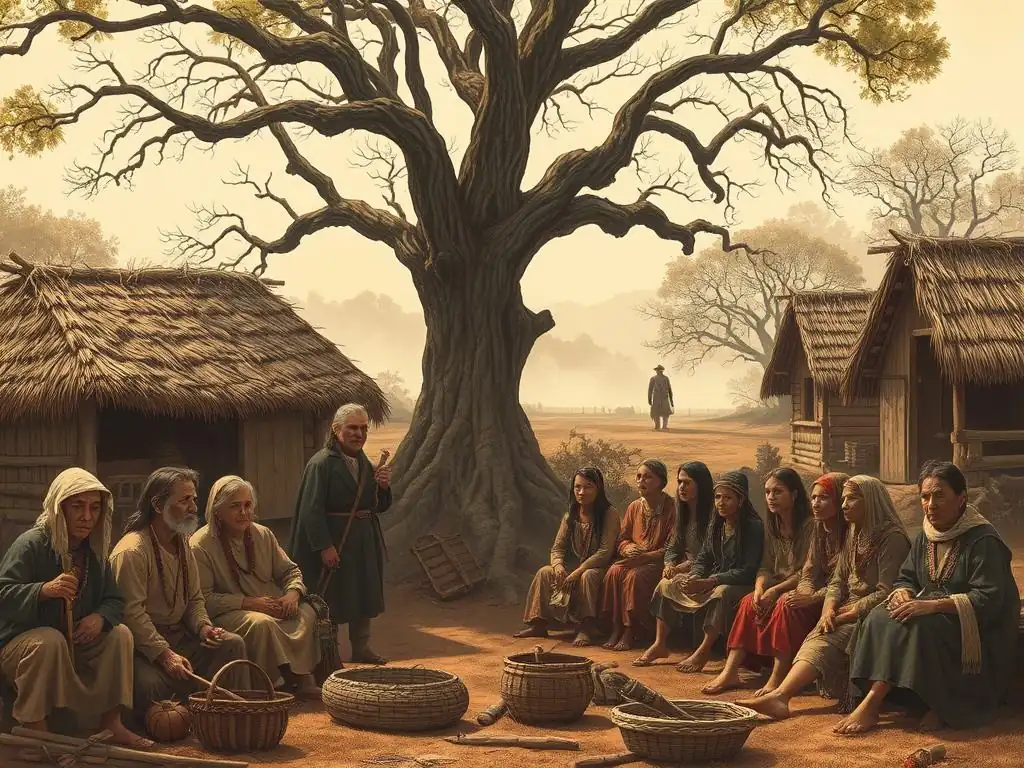
Pre-Columbian Health and Disease Landscape
Before the arrival of Europeans, the health and disease landscape of indigenous populations in the Americas was characterized by a complex interplay of environmental factors, lifestyle, and social organization. Contrary to the misconception that these societies were universally plagued by disease, many indigenous communities maintained robust health systems and practices that contributed to their resilience.
- Diverse Ecosystems: Indigenous peoples inhabited a wide range of ecosystems, from the arid deserts of the Southwest to the lush rainforests of the Amazon. This ecological diversity influenced their diets, which were rich in nutrients from local flora and fauna. For instance, the agricultural practices of the Maya and Inca civilizations included a variety of crops such as maize, potatoes, and beans, which supported healthy populations.
- Traditional Medicine: Many indigenous cultures developed sophisticated medical practices using herbal remedies and spiritual healing. The use of plants like echinacea and willow bark for pain relief and infection treatment showcases a deep understanding of local biodiversity. Moreover, the communal nature of indigenous societies often resulted in high levels of social cohesion, which is known to positively impact overall health.
- Population Dynamics: Estimates suggest that prior to European contact, the indigenous populations of the Americas may have numbered around 60 million. These populations were not static; they experienced fluctuations due to factors such as food supply, climatic changes, and internal conflicts. Overall, the demographic stability of these societies indicates a well-adapted population that had successfully navigated various health challenges.
Introduction of European Diseases: A Catalyst for Change
The arrival of Europeans in the late 15th century marked a dramatic shift in the demographic landscape of indigenous populations. European explorers and settlers brought with them a host of infectious diseases unknown to the Americas, leading to catastrophic consequences for indigenous communities.
- Types of Diseases: Key diseases introduced included smallpox, influenza, measles, and typhus. These pathogens spread rapidly among indigenous populations, who lacked prior exposure and, consequently, immunity. For example, the smallpox epidemic of the 16th century devastated populations, with mortality rates in some communities reaching up to 90%.
- Social Disruption: The impact of disease was not merely quantitative; it also led to profound qualitative changes within indigenous societies. As entire communities succumbed to illness, social structures fragmented. Leadership roles became vacant, and cultural practices faced disruption. The loss of knowledge bearers, such as healers and elders, further exacerbated these changes, leading to a decline in traditional healing practices.
- Long-term Consequences: The demographic decline instigated by European diseases set the stage for a broader transformation of indigenous societies. With diminished populations, many communities struggled to maintain their agricultural and social systems. This demographic shift ultimately facilitated European colonization efforts, as weakened populations were more vulnerable to conquest and exploitation.
The impact of disease on indigenous populations has thus been a critical factor in understanding the long-term demographic changes that occurred following European contact. The intertwining of disease, social upheaval, and colonization created a legacy that continues to affect indigenous communities in the Americas today.
Major Diseases Affecting Indigenous Populations
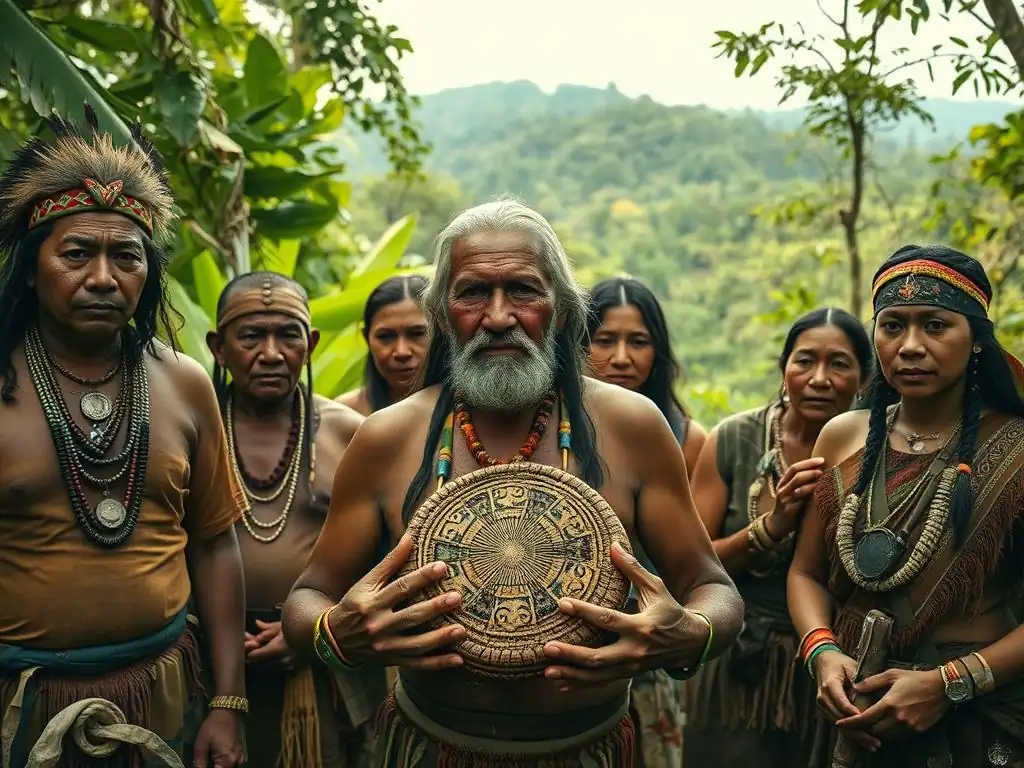
Smallpox and Its Devastating Effects
Smallpox was one of the most catastrophic diseases impacting indigenous populations in the Americas following European contact. This highly contagious viral infection, caused by the variola virus, was unknown to Native Americans prior to the arrival of European explorers and settlers. The absence of prior exposure meant that indigenous communities had no immunity to the disease, leading to widespread outbreaks and devastating mortality rates.
- Mortality Rates: Estimates suggest that smallpox could reduce indigenous populations by as much as 80% in some areas. For instance, in the Inca Empire, it is believed that smallpox contributed to the decline of their population from approximately 12 million to just 1.5 million in a matter of years.
- Societal Disruption: The effects of smallpox extended beyond immediate health impacts. Entire social structures were dismantled as leaders and key figures succumbed to the disease, resulting in chaos and a power vacuum that would be exploited by European colonizers.
- Long-term Consequences: The aftermath of smallpox outbreaks led to significant demographic changes, permanently altering the population landscape and cultural practices of various indigenous groups. Survivors faced challenges in maintaining their traditional ways of life, often leading to forced assimilation into colonial societies.
Influenza: The Silent Killer
Influenza emerged as another significant disease that exacerbated the demographic crisis among indigenous populations during the European conquest. Unlike smallpox, which had a more visible and acute impact, influenza often spread silently, making it more insidious.
- Transmission and Impact: Influenza viruses can spread rapidly through respiratory droplets, and indigenous communities, lacking prior exposure, were particularly vulnerable. Historical records indicate that influenza epidemics often coincided with smallpox outbreaks, compounding the mortality rates.
- Cultural Effects: The cyclical nature of influenza outbreaks left communities in a constant state of vulnerability. The fear of illness disrupted traditional practices, as gatherings and ceremonies were often avoided to prevent the spread of disease. This led to a decline in cultural transmission and community cohesion.
- Statistical Evidence: Studies have shown that during the 1918 influenza pandemic, mortality rates among Native American populations were disproportionately high compared to the general U.S. population, highlighting the ongoing susceptibility of these communities to respiratory diseases.
Other Diseases: Measles, Typhus, and their Impact
In addition to smallpox and influenza, several other diseases played a critical role in the decline of indigenous populations. Measles and typhus, for instance, contributed significantly to mortality rates and demographic changes.
- Measles: This highly contagious viral disease caused severe complications, including pneumonia and encephalitis, particularly in malnourished individuals. Indigenous populations faced high mortality rates from measles outbreaks, especially in the decades following European contact.
- Typhus: Transmitted by lice and fleas, typhus outbreaks were common in crowded and unsanitary conditions, which often characterized indigenous settlements following colonization. These outbreaks further weakened already devastated populations, leading to increased vulnerability to other diseases.
- Compounded Effects: The interplay of these diseases created a perfect storm for indigenous populations. With the introduction of multiple pathogens, communities were not only facing immediate health crises but also long-term demographic shifts as they struggled to cope with the cumulative losses and societal disruptions.
The impact of disease on indigenous populations was profound and far-reaching. The intricate relationship between these diseases and the resulting demographic changes highlights a critical aspect of the history of indigenous civilizations before and during European colonization. Understanding these impacts is essential for comprehending the broader narrative of resilience and adaptation that defines indigenous cultures today.
The Demographic Shift: From Abundance to Scarcity
The arrival of Europeans in the Americas marked a profound transformation in the demographic landscape of indigenous populations. The impact of disease on indigenous populations was catastrophic, leading to a drastic shift from thriving communities to significant declines. Before European contact, estimates suggest that the indigenous populations of the Americas ranged from 50 million to over 100 million. However, within a century of colonization, these numbers plummeted due to the introduction of new diseases to which indigenous peoples had no immunity, leading to widespread mortality.
Population Decline: Statistics and Evidence
The impact of disease on indigenous populations can be illustrated through several key statistics and historical evidence. For instance:
- Smallpox: This disease alone is estimated to have killed approximately 90% of the indigenous populations in some areas. In the Incan Empire, for example, smallpox was devastating, leading to the death of the emperor and subsequent power struggles.
- Measles and Influenza: Similarly, measles and influenza wreaked havoc, with mortality rates soaring in communities that had never encountered these diseases. Historical accounts document entire villages being decimated within months of outbreak.
- Regional Variations: The effects varied significantly across different regions. In the Caribbean, the population of the Taíno people was reduced from an estimated 300,000 to just a few thousand in a matter of decades. Conversely, regions like Mesoamerica and the Andes experienced slightly slower declines due to denser populations and more complex social structures, yet they still faced catastrophic losses.
| Region | Estimated Population Pre-Contact | Estimated Population Post-Contact | Percentage Decline |
|---|---|---|---|
| Caribbean | 300,000 | 2,000 | ~99% |
| Mesoamerica | 25 million | 10 million | ~60% |
| North America | 10 million | 1 million | ~90% |
These stark statistics reveal not only the scale of population decline but also the urgent need for deeper investigation into the long-term effects of such demographic shifts on indigenous cultures. The loss of life was not merely a number; it represented communities, traditions, and knowledge that were irrevocably lost.
Societal Disruption: Effects on Indigenous Communities
The impact of disease on indigenous populations extended far beyond mere numbers; it fundamentally altered the fabric of indigenous societies. As communities faced staggering mortality rates, several profound societal disruptions ensued:
- Loss of Leadership: Many indigenous communities relied on strong leadership to maintain social cohesion and cultural practices. The death of influential leaders due to disease led to power vacuums, resulting in internal conflicts and weakened governance structures.
- Disruption of Social Networks: The interconnected nature of indigenous societies meant that the loss of individuals also affected familial and societal ties. With entire families and clans decimated, the social structures that had supported these communities began to unravel.
- Cultural Erosion: The impact of disease contributed to the erosion of cultural practices, languages, and traditions as surviving members struggled to cope with loss. Oral histories, vital to cultural identity, were often lost forever as the elders who carried them passed away.
- Economic Consequences: The sudden decline in population led to labor shortages, which disrupted agriculture, trade, and other economic activities. In regions where indigenous populations had cultivated vast agricultural systems, the decline in workforce led to food shortages, further exacerbating the crisis.
- Resistance and Adaptation: In the face of such adversity, many indigenous groups sought to resist European encroachment or adapt to the changing circumstances. Some communities fortified their social and political alliances, while others innovated in their agricultural practices to cope with reduced populations.
The enduring impact of disease on indigenous populations is not merely a historical footnote; it shaped the trajectory of indigenous cultures and their interactions with European settlers. Understanding these disruptions provides crucial insight into the resilience and adaptability of indigenous societies in the face of overwhelming challenges.
Case Studies of Disease Impact on Indigenous Groups
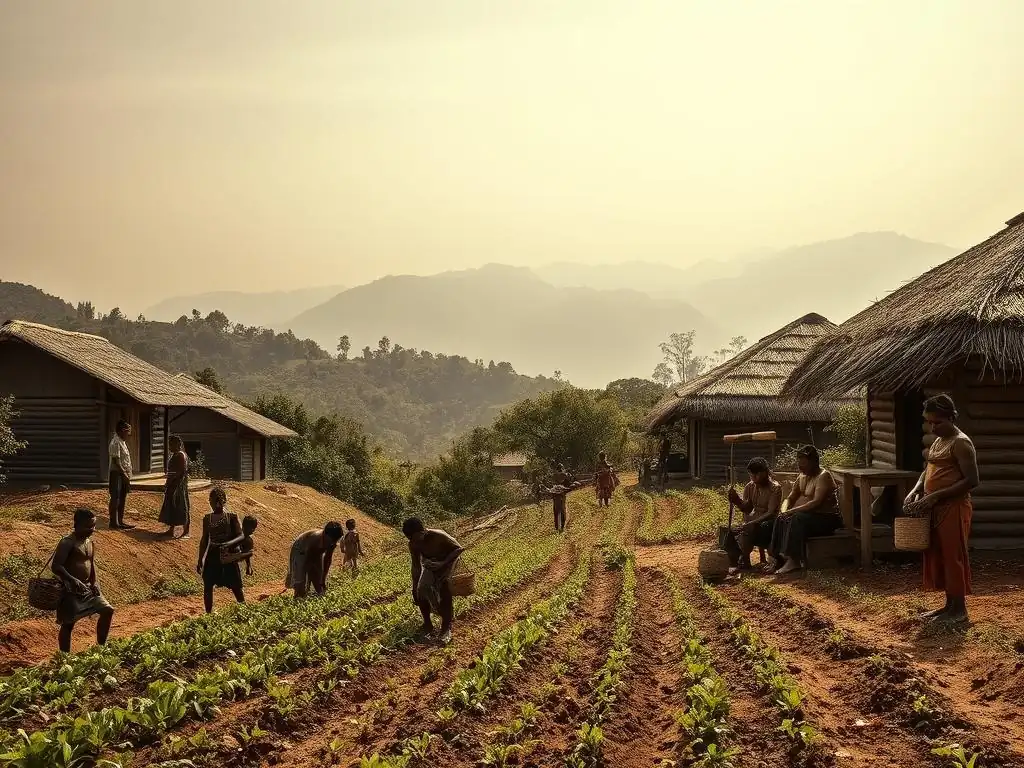
Case Study 1: The Aztecs and Smallpox
The arrival of smallpox in the early 16th century had a devastating impact on the Aztec Empire, one of the most advanced civilizations in Mesoamerica. The disease, brought by Spanish conquistadors, spread rapidly through the population, leading to significant demographic shifts. It is estimated that smallpox accounted for a mortality rate of up to 90% in some areas, decimating entire communities within a few months.
Key Factors Contributing to Disease Spread:
- Population Density: The Aztecs lived in densely populated urban centers, which facilitated the rapid transmission of the virus.
- Lack of Immunity: Having had no previous exposure to smallpox, the indigenous population lacked the necessary antibodies to combat the disease.
- Cultural Practices: Traditional practices, such as communal living and rituals, further exacerbated the disease's spread.
Consequences:
The catastrophic decline in population weakened the social and political structures of the Aztec Empire. With a significant portion of the population dead, labor shortages emerged, hindering agricultural production and leading to food scarcity. The societal collapse also made the Aztecs more vulnerable to conquest by the Spaniards, ultimately leading to the fall of Tenochtitlan in 1521.
Case Study 2: The Incas and European Diseases
Similar to the Aztecs, the Inca Empire faced catastrophic consequences due to European diseases, particularly smallpox and measles, introduced by Spanish explorers in the 16th century. The first recorded outbreak in the Inca Empire occurred in the 1520s and resulted in the death of Emperor Huayna Capac, leading to a succession crisis that further destabilized the empire.
Disease Outbreak Dynamics:
- Transmission Routes: Diseases spread along the Inca road system, which connected vast regions of the empire, facilitating rapid movement of infected individuals.
- Political Instability: The death of leaders during epidemics led to power struggles, weakening centralized governance.
Demographic Impact:
The population of the Inca Empire is estimated to have decreased by over 50% due to these epidemics. The loss of skilled laborers and warriors adversely affected agricultural practices, military defenses, and the ability to maintain complex infrastructure. Consequently, this demographic decline made the empire susceptible to further Spanish conquest and exploitation.
Case Study 3: North American Tribes and Epidemics
Throughout the 17th and 18th centuries, various North American tribes encountered numerous epidemics, including smallpox, influenza, and typhus. These diseases were introduced by European settlers and explorers, leading to widespread mortality among indigenous populations.
Notable Epidemics:
- The Smallpox Epidemic of 1775-1782: This outbreak significantly affected tribes such as the Delaware, Iroquois, and Cherokee, leading to mortality rates as high as 90% in some communities.
- Influenza Epidemics: These recurrent outbreaks further weakened the already devastated populations, exacerbating the effects of previous diseases.
Long-term Effects:
The impact of disease on indigenous populations in North America was profound, resulting in:
- Displacement: As tribes lost members to disease, they became more vulnerable to encroachment by European settlers, leading to forced migrations and loss of traditional lands.
- Cultural Disruption: The loss of elders and community leaders disrupted the transmission of cultural knowledge and practices, leading to a decline in traditional ways of life.
The impact of disease on indigenous populations across the Americas was not merely a health crisis; it precipitated profound demographic shifts, social upheaval, and cultural disintegration, the effects of which are still felt in many indigenous communities today.
Long-term Consequences of Disease on Indigenous Societies
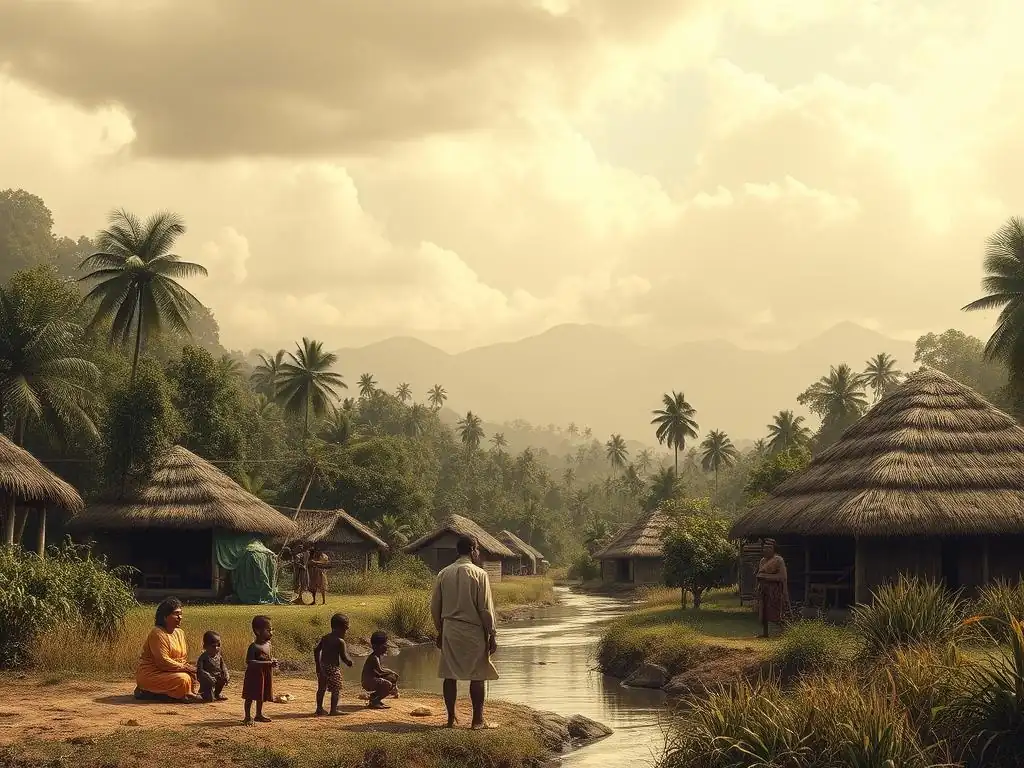
The impact of disease on indigenous populations in the Americas extended far beyond immediate mortality rates. The long-term consequences of epidemics reshaped cultural, social, and economic frameworks, leaving profound effects on indigenous societies that continue to resonate today. Understanding these outcomes is crucial to fully appreciate the resilience and adaptations of these communities in the face of unprecedented challenges.
The introduction of European diseases like smallpox, measles, and influenza decimated indigenous populations, leading to significant cultural and social upheaval. As communities faced dramatic losses—sometimes up to 90% of their members—traditional social structures began to collapse.
- Family Structures: Many families were torn apart, as parents, elders, and children succumbed to illness. The devastated kinship ties affected community cohesion and the transmission of cultural practices.
- Religious Practices: With the loss of spiritual leaders and practitioners, many indigenous belief systems faced disintegration. Rituals that relied on communal participation dwindled, leading to a decline in shared spiritual identity.
- Language and Identity: The death of fluent speakers and cultural bearers contributed to the erosion of indigenous languages, often resulting in a diminished sense of identity among surviving members.
The demographic shifts fostered a sense of vulnerability and uncertainty, prompting some communities to adapt their cultural expressions, merging traditional practices with influences from European settlers and other groups.
Economic Impact and Resource Redistribution
The impact of disease on indigenous populations also brought about significant economic changes. With a considerable reduction in workforce numbers, traditional economies faced unprecedented challenges:
- Agricultural Decline: As many agricultural laborers died, crops were left untended, leading to food shortages. In some regions, this resulted in the abandonment of agricultural practices and a shift towards a more nomadic lifestyle.
- Resource Redistribution: The death of large segments of the population led to a redistribution of resources, often favoring European settlers who took advantage of the vacated lands. This transition not only altered land ownership patterns but also affected trade networks that had previously been established among indigenous groups.
- Economic Dependency: The scarcity of labor forced surviving indigenous peoples into increasingly dependent relationships with European settlers. This dependency often manifested in exploitative labor arrangements, where indigenous populations were compelled to work under harsh conditions for minimal compensation.
The economic restructuring fundamentally altered the fabric of indigenous societies, creating vulnerabilities that would persist for generations.
Loss of Knowledge and Traditional Practices
The decline in indigenous populations due to disease also precipitated a significant loss of knowledge and traditional practices. The intersection of mortality and knowledge transfer had several notable effects:
- Elder Knowledge: Elders often served as the primary custodians of traditional ecological knowledge, but their deaths meant the loss of invaluable insights regarding sustainable practices, medicinal plants, and environmental stewardship.
- Craftsmanship and Skills: The artisanal skills and crafts that had been developed over centuries were also at risk. With fewer practitioners able to teach and pass down these skills, many traditional crafts began to fade into obscurity.
- Cultural Narratives: Oral histories and stories that conveyed cultural values and collective memory suffered as populations dwindled. The diminishing number of storytellers meant that future generations lost connection to their past, resulting in a fragmented cultural narrative.
The cumulative loss of knowledge and traditional practices diminished the resilience of indigenous societies, impacting their ability to adapt and thrive in the changing socio-economic landscape brought about by European contact and disease.
The long-term consequences of disease on indigenous populations were profound and multifaceted, affecting cultural, social, and economic dimensions of life. These changes continue to be relevant in understanding the ongoing challenges faced by indigenous communities today, highlighting the need for recognition, respect, and revitalization of their cultural heritage.
Resilience and Adaptation of Indigenous Peoples
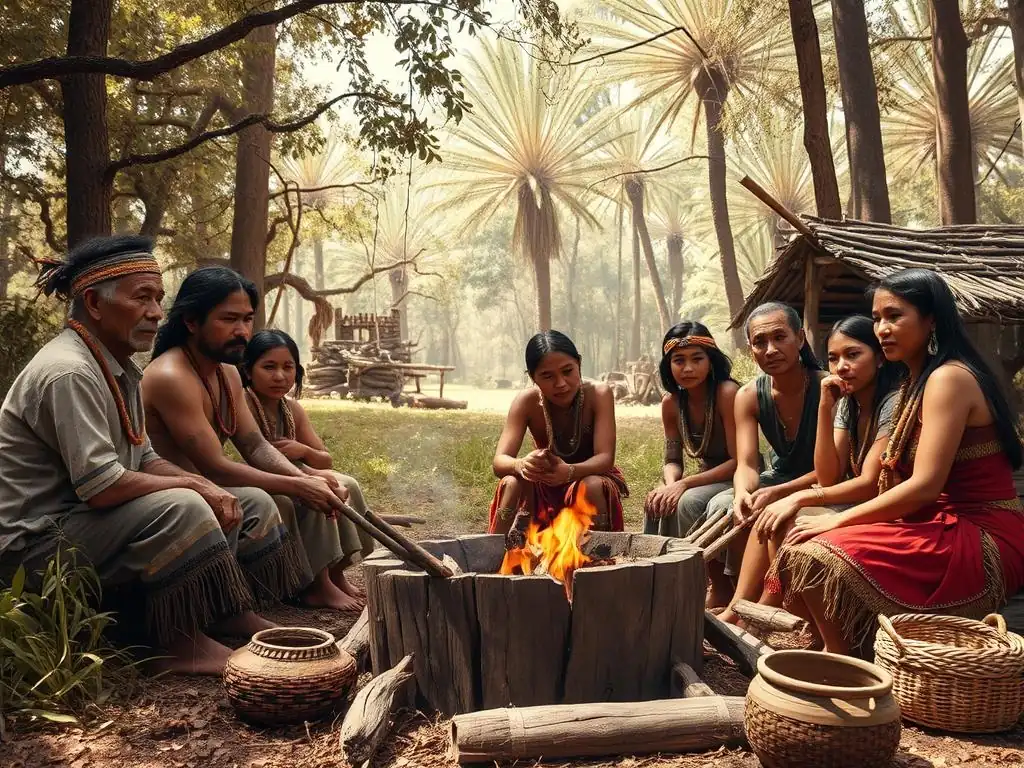
The impact of disease on indigenous populations was profound, yet the resilience and adaptability of these communities played a crucial role in their survival. Despite facing catastrophic declines in population due to epidemics introduced by European colonizers, indigenous peoples demonstrated remarkable strategies for survival and cultural revival. This section explores how these communities navigated the challenges posed by disease and managed to sustain their identities and practices.
Strategies for Survival Amidst Disease
Indigenous populations employed various strategies to cope with the devastating effects of disease. These strategies not only aimed at immediate survival but also focused on long-term resilience. Below are some key approaches:
- Community Solidarity: Many indigenous groups reinforced communal bonds, pooling resources to care for the sick and support the bereaved. This solidarity helped maintain social structures despite significant population loss.
- Traditional Healing Practices: Indigenous healers utilized extensive knowledge of local flora and fauna to treat illnesses. Traditional medicine, rooted in spiritual beliefs and holistic approaches, played a pivotal role in mitigating the effects of disease.
- Cultural Preservation: The crises prompted a renewed emphasis on cultural practices, including language, rituals, and storytelling. These practices served as tools for community cohesion and identity reinforcement during times of upheaval.
- Mobility and Adaptation: Some communities adapted to changing circumstances by adjusting their migratory patterns or modifying their subsistence strategies. This flexibility allowed them to escape areas heavily impacted by disease and seek more favorable conditions.
The combination of these strategies facilitated the survival of many indigenous groups, enabling them to navigate the demographic challenges brought on by epidemics.
Revival of Cultures and Communities Post-Epidemic
Following the initial shock of epidemic diseases, many indigenous communities began to experience a cultural revival. This resurgence was marked by several pivotal developments:
- Cultural Renaissance: As populations stabilized, a resurgence of traditional arts, crafts, and ceremonies occurred. This revival was often characterized by a renewed interest in ancestral practices and a focus on intergenerational knowledge transfer.
- Strengthening of Identity: The experience of surviving disease fostered a sense of shared identity among indigenous peoples. Many communities emphasized their unique cultural heritage as a form of resistance against colonial narratives and assimilation pressures.
- Political Mobilization: The aftermath of epidemics also spurred political awareness and activism. Indigenous leaders began to advocate for rights and sovereignty, utilizing their cultural identities as a foundation for political action.
- Intercommunity Networks: Post-epidemic periods often saw the establishment of networks among different indigenous groups, facilitating the sharing of resources, knowledge, and strategies for resilience. These intercommunity connections helped to rebuild and strengthen entire regions.
The impact of disease on indigenous populations was significant, leading to both loss and transformation. However, the resilience and adaptive strategies employed by these communities allowed them to endure and eventually thrive, ensuring that their cultures and identities would persist long into the future.
Conclusion: Reflecting on the Impact of Disease on Indigenous Populations
Summary of Key Findings
The impact of disease on indigenous populations following European contact was profound and multifaceted. The introduction of pathogens to which indigenous peoples had no immunity led to catastrophic mortality rates, with estimates suggesting that some communities experienced declines of up to 90% in their populations. This demographic collapse was not merely a consequence of immediate deaths but also resulted in long-term sociocultural disruptions.
Key findings from the examination of various regions include:
- Diverse Responses to Disease: Different indigenous cultures experienced epidemics in unique ways, influenced by their social structures and geographic locations. For instance, the Aztec Empire faced significant challenges due to their centralized political system, which exacerbated the spread of diseases.
- Cascading Effects on Society: The loss of population had cascading effects on social organization, labor systems, and traditional practices. Many communities lost not only individuals but also knowledge bearers, which hindered cultural transmission and the continuation of traditions.
- Economic Impact: The decimation of populations significantly disrupted trade networks and agricultural practices. Many agricultural systems relied on a larger workforce, and with a dramatic decrease in laborers, food production became unsustainable in some areas.
- Psychosocial Trauma: The psychological impact of disease, including grief and loss, led to long-lasting trauma that affected subsequent generations. Communities struggled to cope with the loss of identity and continuity.
The Lasting Legacy of Disease in Indigenous Histories
The legacy of disease within indigenous histories is a critical aspect of understanding the broader context of European colonization. Diseases such as smallpox, measles, and influenza did not just impact health but also reshaped the very fabric of indigenous societies.
Cultural Resilience and Adaptation
Despite the devastation, many indigenous populations demonstrated remarkable resilience. They adapted their cultural practices and social structures in response to the demographic changes. For example:
- Revitalization Movements: In response to the trauma of disease and colonization, various revitalization movements emerged, aiming to restore cultural practices and social cohesion.
- Innovative Adaptation: Indigenous communities often adapted their agricultural practices, incorporating new crops and techniques introduced by Europeans. This adaptability enabled some groups to survive and even thrive in changing conditions.
Recognition and Reconciliation
Today, the impact of disease on indigenous populations is recognized as a crucial element in discussions of historical injustices. Acknowledging this legacy serves several purposes:
- Educational Initiatives: Increasing awareness about the historical impact of disease on indigenous populations is essential for education and reconciliation efforts.
- Cultural Preservation: Efforts to preserve indigenous languages, traditions, and histories are ongoing, emphasizing the need for cultural continuity despite past traumas.
The impact of disease on indigenous populations has left an indelible mark on their histories. Understanding these effects is vital for appreciating the complex narratives of resilience and adaptation that continue to shape indigenous identities today.
Frequently Asked Questions
What were the primary diseases affecting indigenous populations?
The primary diseases that impacted indigenous populations included smallpox, measles, and influenza, which were introduced by European colonizers and had devastating effects on their communities.
How did disease impact indigenous demographics?
The impact of disease on indigenous demographics was catastrophic, leading to significant population declines and altering social structures, as entire communities were decimated by epidemics.
What were some cultural consequences of these diseases?
The spread of disease resulted in cultural disruptions, including loss of traditional knowledge, weakened social cohesion, and challenges in maintaining spiritual practices and languages.
How did indigenous populations respond to disease outbreaks?
Indigenous populations often employed traditional healing practices and sought to adapt their social structures in response to the high mortality rates and disruptions caused by disease.
What is the lasting impact of these diseases on indigenous communities today?
The lasting impact of these diseases includes ongoing demographic challenges, economic disadvantages, and a continued struggle to preserve cultural identities amidst historical trauma.
Final Reflection: The Enduring Legacy of Disease on Indigenous Populations
The impact of disease on indigenous populations is not merely a historical footnote; it is a profound narrative that continues to shape the lives and cultures of indigenous communities today. The devastating effects of disease introduced by colonization have led to significant demographic shifts, eroding the rich tapestry of indigenous life. As we reflect on this theme, it becomes clear that understanding this legacy is crucial for fostering empathy and promoting healing in a world still grappling with the consequences of these historical injustices.
The ongoing influence of these demographic changes can be seen in the cultural and social landscapes of indigenous communities. The resilience of these populations in the face of adversity speaks volumes about their strength and adaptability. As we witness a resurgence of indigenous voices and movements advocating for rights and recognition, it is essential to acknowledge the historical context that has shaped their struggles. The past is never dead. It's not even past.
— William Faulkner. This quote encapsulates the idea that the echoes of history continue to resonate in the present, urging us to confront and learn from the past.
As we close this exploration, I invite you to reflect on the lessons embedded in the story of indigenous populations and the impact of disease. Consider how these narratives can inspire action and advocacy in your own life. Whether through supporting indigenous rights, amplifying their voices, or educating others about their history, each of us has a role to play in fostering understanding and healing. Let us carry this awareness forward, honoring the resilience of indigenous communities and working towards a future where their stories are not only remembered but celebrated.
Rediscover Resilience: Take Action for Indigenous Communities
Thank you for taking the time to explore the profound impact of disease on Indigenous populations. Your engagement not only enhances your understanding but also contributes to the vital conversation about resilience and survival in Indigenous cultures. Now, let’s transform that knowledge into meaningful action!
Here are some impactful ways you can make a difference:
- Support Indigenous-led initiatives: Contribute to organizations dedicated to promoting health, education, and cultural preservation within Indigenous communities.
- Educate yourself and others: Share your insights with friends and family, encouraging discussions about the history and ongoing challenges that Indigenous peoples face.
- Advocate for policy change: Contact your local representatives to support legislation that respects Indigenous rights and addresses health disparities.
What steps will you take today to help amplify Indigenous voices and preserve their rich heritage?