
Syncretism as Resistance: Indigenous Strategies Against Cultural Erasure

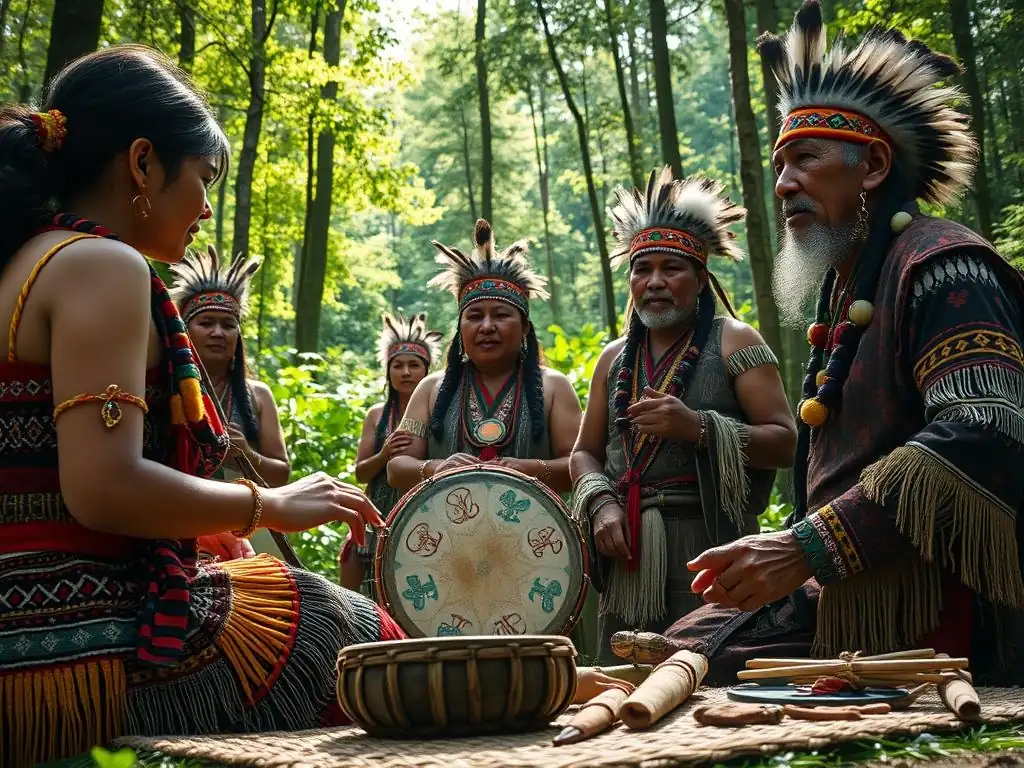
Welcome to Indigenous Civilizations of the Americas, where we invite you to embark on a captivating journey through the rich tapestry of indigenous cultures that flourished long before the arrival of European colonizers. In our featured article, Syncretism as Resistance: Indigenous Strategies Against Cultural Erasure, we delve into the fascinating world of indigenous cultural syncretism strategies—a powerful testament to resilience and adaptability in the face of adversity.
Discover how these communities wove together their traditions and beliefs, creating a vibrant legacy that continues to influence the modern world. Join us as we explore the profound achievements and enduring impact of these remarkable societies, and uncover the stories that history often overlooks!
- Introduction to Indigenous Cultural Syncretism Strategies
- Historical Context of European Conquest and Impact
- Indigenous Cultural Syncretism Strategies
- The Role of Religion in Indigenous Syncretism
- Contemporary Indigenous Cultural Syncretism Strategies
- Challenges to Indigenous Syncretism
- Conclusion: The Legacy of Indigenous Cultural Syncretism Strategies
-
Frequently Asked Questions
- What is cultural syncretism in the context of Indigenous peoples?
- How did Indigenous cultural syncretism strategies develop as a form of resistance?
- What are some examples of achievements of Indigenous cultures before colonization?
- How did syncretism affect Indigenous societies' social structures?
- Why is understanding Indigenous cultural syncretism important today?
- Final Reflection: Embracing Indigenous Cultural Syncretism as a Form of Resistance
- Embrace and Celebrate Cultural Resilience!
Introduction to Indigenous Cultural Syncretism Strategies
The rich tapestry of Indigenous cultures across the Americas reveals a profound narrative of resilience and adaptation, particularly in the face of European colonization. One significant aspect of this narrative is Indigenous cultural syncretism strategies, which encompass the innovative ways in which Indigenous peoples merged their traditional practices with those imposed by colonial powers.
This article delves into the multifaceted dimensions of syncretism as a form of resistance, highlighting how Indigenous communities have maintained their identities while navigating the challenges of cultural erasure. Through examining specific strategies and their historical contexts, we can gain a deeper understanding of the enduring legacy of these cultures and their ongoing impact in contemporary society.
Definition of Cultural Syncretism
Cultural syncretism refers to the blending of different cultural beliefs and practices, leading to the creation of new, hybrid forms. In the context of Indigenous cultures in the Americas, this phenomenon often arose as a response to the imposition of European customs, religions, and social structures.
- Key Characteristics of Cultural Syncretism:
- Adaptation: Indigenous peoples selectively incorporated elements from European cultures while preserving core aspects of their own traditions.
- Hybrid Practices: The emergence of new rituals, artistic expressions, and social norms that reflect both Indigenous and European influences.
- Resilience: Syncretism serves as a testament to the ability of Indigenous cultures to adapt and thrive despite external pressures.
Importance of Indigenous Resistance
Understanding Indigenous cultural syncretism strategies is critical for recognizing the broader implications of resistance against colonial domination.
- Cultural Preservation: Syncretism allows Indigenous communities to retain their identities and values, even in the face of cultural assimilation.
- Political Assertion: The act of blending cultures can be a form of political resistance, asserting the sovereignty and dignity of Indigenous nations.
- Social Cohesion: By creating shared practices that honor both their heritage and the new realities imposed by colonizers, Indigenous groups foster unity and solidarity within their communities.
Overview of Indigenous Strategies Against Cultural Erasure
Indigenous strategies against cultural erasure are diverse and have evolved over centuries. These strategies reflect the creativity and determination of Indigenous peoples to preserve their heritage and assert their identities.
- Examples of Syncretic Practices:
- Religious Syncretism: The integration of Catholic saints with Indigenous deities in ceremonial practices.
- Language Preservation: The use of Indigenous languages alongside colonial languages, often embedding traditional knowledge within modern contexts.
- Artistic Expression: The combination of Indigenous art forms with European styles, resulting in unique cultural artifacts that convey dual narratives.
The exploration of Indigenous cultural syncretism strategies provides essential insights into how Indigenous peoples have navigated the complexities of colonization, showcasing their resilience and ongoing cultural vitality. Through these strategies, they continue to resist cultural erasure and assert their identities in a rapidly changing world.
Historical Context of European Conquest and Impact
The Arrival of European Colonizers
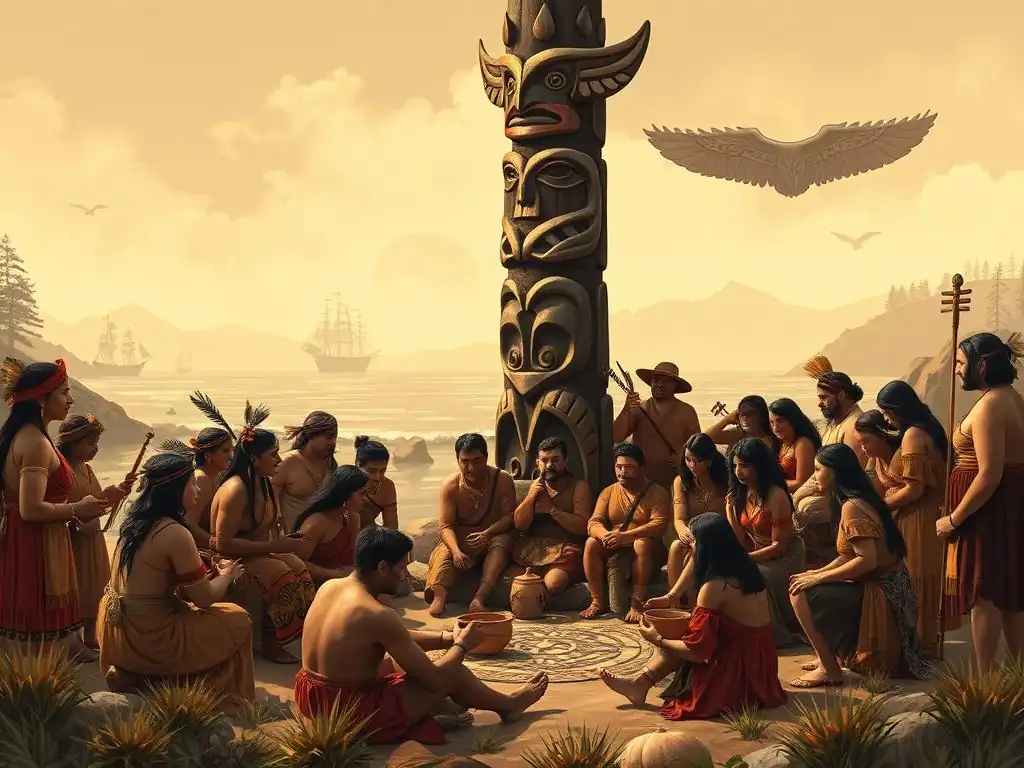
The arrival of European colonizers in the Americas marked a profound turning point in the history of indigenous cultures. Beginning in the late 15th century, expeditions led by figures such as Christopher Columbus initiated a wave of exploration that would lead to widespread contact, conflict, and ultimately colonization. These European powers—primarily Spain, Portugal, France, and England—sought new territories for conquest, resources, and trade, often disregarding the complex societies that already existed.
Key Impacts of European Arrival:
- Disease: One of the most devastating impacts of colonization was the introduction of diseases such as smallpox, influenza, and measles. Indigenous populations, lacking immunity, suffered catastrophic declines—estimates suggest that in some areas, up to 90% of the native population perished.
- Displacement: European settlers often claimed land for agricultural use or resource extraction, leading to the forced displacement of indigenous peoples from their ancestral territories. This not only disrupted traditional ways of life but also eroded social structures.
- Cultural Imposition: The colonizers imposed their languages, religions, and customs, leading to significant changes in indigenous practices and beliefs. This cultural imposition was often justified through a narrative of superiority, framing indigenous cultures as 'primitive' or 'savage'.
Initial Responses from Indigenous Cultures
In the face of European encroachment, indigenous cultures exhibited a range of responses that reflected their resilience and adaptability. Rather than passively accepting domination, many groups actively resisted through various strategies, including:
- Military Resistance: Armed conflict became a common form of resistance. Notable examples include the Tawantinsuyu (Inca Empire), which initially resisted Spanish conquest through organized military campaigns, and the Powhatan Confederacy in Virginia, which fought against English settlers.
- Diplomatic Engagement: Some indigenous groups sought alliances with European powers or other tribes to strengthen their position against encroachment. This included negotiating treaties, which were often broken by the colonizers.
- Cultural Syncretism: Many indigenous cultures employed cultural syncretism as a strategy for resistance. This involved blending traditional practices with European influences, allowing them to preserve their identity while adapting to new circumstances. This adaptability can be seen in various art forms, religious practices, and community rituals.
The Concept of Cultural Erasure in Colonization
Cultural erasure refers to the systematic dismantling of indigenous identities, practices, and histories in favor of colonial narratives. This concept is crucial for understanding the dynamics of European conquest and its enduring impacts.
Factors Contributing to Cultural Erasure:
- Missionary Activity: European missionaries aimed to convert indigenous people to Christianity, often disparaging and actively suppressing indigenous spiritual practices. This was seen as a moral imperative, yet it led to significant losses in indigenous cultural heritage.
- Education Systems: The introduction of Western education systems sought to “civilize” indigenous peoples by teaching European languages and values while discouraging traditional knowledge. This created a generational gap where younger individuals were often disconnected from their cultural roots.
- Legal Frameworks: Colonizers implemented legal systems that marginalized indigenous rights and land claims, further undermining traditional governance and social structures. Laws often favored European settlers, leading to the dispossession of indigenous lands.
The arrival of European colonizers initiated complex processes of resistance among indigenous cultures, resulting in both violent confrontations and innovative strategies of cultural syncretism. Understanding these dynamics is essential to appreciating the resilience of indigenous societies in the face of cultural erasure, as they navigated the challenges posed by colonization while striving to preserve their identities.
Indigenous Cultural Syncretism Strategies
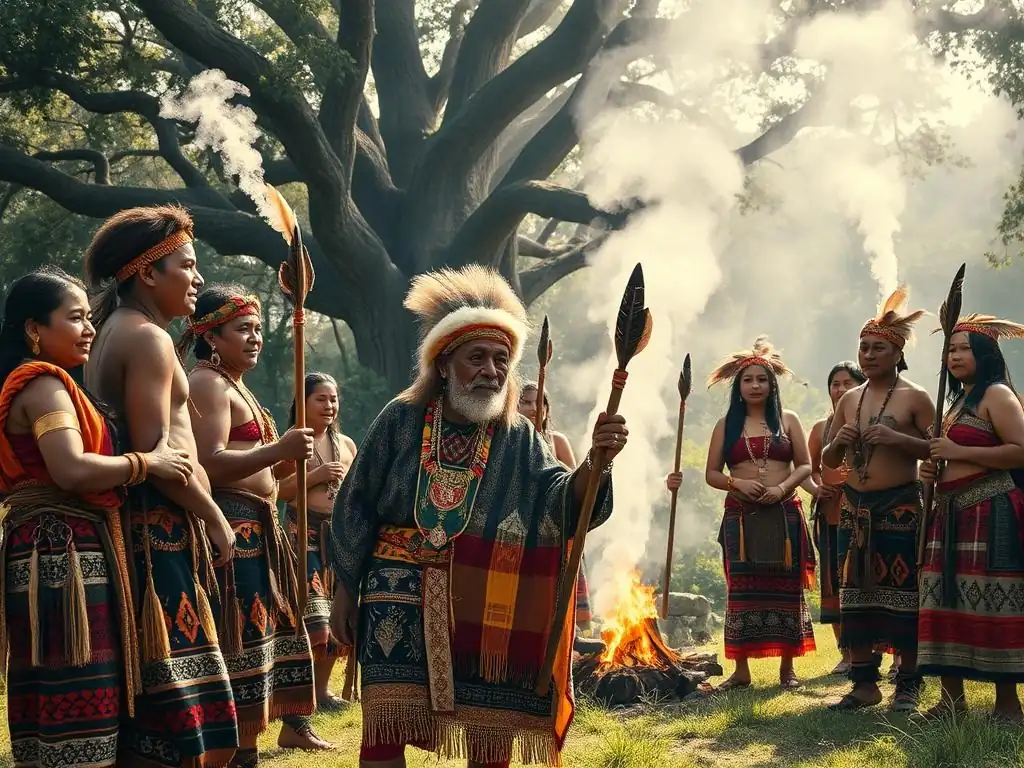
Indigenous cultural syncretism strategies represent the adaptive responses of various indigenous groups in the Americas to the profound cultural disruptions caused by European colonization. These strategies often involved the blending of traditional indigenous beliefs and practices with those introduced by European settlers, creating unique cultural expressions that served both as a means of resistance and as a way to preserve essential elements of indigenous identity.
Blending Traditional Beliefs with European Influences
The process of blending traditional beliefs with European influences is a testament to the resilience of indigenous cultures. This syncretic approach was not merely a passive acceptance of foreign beliefs; rather, it was an active negotiation where indigenous peoples retained elements of their spiritual practices while integrating new concepts.
For instance, many indigenous communities adapted their spiritual practices by incorporating Catholic symbols and rituals into their own belief systems. This adaptation allowed them to continue their spiritual lives while navigating the realities of colonial rule. One prominent example is the celebration of Día de los Muertos (Day of the Dead) in Mexico, which fuses pre-Hispanic traditions regarding death and the afterlife with Catholic practices surrounding saints and the commemoration of the deceased.
Case Studies of Syncretic Spiritual Practices
- Candomblé - In Brazil, the African diaspora created a vibrant syncretic religion known as Candomblé, which merges African Yoruba beliefs with Catholicism. Practitioners honor African deities (orixás) while also incorporating Catholic saints, demonstrating a dynamic fusion of spiritual traditions.
- Santería - Similarly, in Cuba, Santería emerged as a syncretic religion where African Yoruba spirituality blended with Spanish Catholicism. The use of saints as representations of orishas allows practitioners to maintain their ancestral beliefs while concealing them under a Catholic veneer.
- Andean Syncretism - In the Andean region, indigenous groups like the Quechua and Aymara integrated Catholic rituals into their traditional agricultural festivals. For example, the celebration of Inti Raymi, originally a festival honoring the sun god Inti, has transformed to include Catholic elements, showcasing the blending of indigenous and European spiritual practices.
These case studies illustrate how indigenous cultural syncretism strategies not only helped preserve indigenous identities but also fostered new, resilient cultural forms that continue to thrive today.
Adaptation of Language and Storytelling
Language plays a critical role in the preservation of culture, and indigenous communities have employed various strategies to adapt language and storytelling as a means of cultural resistance. By incorporating elements of European languages into their own languages, indigenous peoples have created unique linguistic blends that reflect their historical experiences and cultural identities.
This linguistic adaptation is not merely a borrowing of words; it often involves the creation of entirely new expressions that capture indigenous worldviews while acknowledging colonial influences. Such adaptations facilitate communication among diverse communities and serve as a means of cultural resilience.
The Role of Oral Traditions in Cultural Preservation
Oral traditions are pivotal in the transmission of indigenous knowledge, history, and values. In many communities, storytelling serves as a powerful tool for cultural preservation, allowing elders to pass down ancestral wisdom to younger generations.
- Mythology and Legends: Many indigenous nations weave their myths and legends into contemporary storytelling, embedding traditional knowledge and values in narratives that resonate with current realities.
- Language Revitalization: Efforts to revitalize indigenous languages often focus on oral traditions, emphasizing storytelling as a way to engage younger people in cultural practices and ensure the continuity of their linguistic heritage.
- Community Engagement: Storytelling events often serve as communal gatherings where cultural identity is reinforced, and the importance of syncretism in their historical narratives is acknowledged, fostering a sense of belonging and resilience.
The adaptation of language and storytelling within indigenous cultural syncretism strategies highlights the innovative ways in which these communities respond to cultural erasure while simultaneously enriching their cultural practices. By blending traditional and contemporary elements, they ensure the survival and evolution of their identities in a rapidly changing world.
Integration of European Agricultural Techniques
The integration of European agricultural techniques by Indigenous communities occurred as a response to the significant changes brought about by European colonization. This integration was not merely a passive acceptance of foreign methods, but rather a strategic adaptation that allowed Indigenous peoples to maintain their cultural identity while enhancing their agricultural practices.
Indigenous cultures had long established sophisticated farming methods, but the introduction of European crops and tools offered opportunities to diversify and improve yield. For instance, the introduction of European grains, such as wheat and barley, complemented traditional crops like maize, beans, and squash in many regions. This blending of techniques and crops exemplifies how Indigenous communities were able to harness European innovations while safeguarding their agricultural heritage.
Moreover, Indigenous farmers adapted European plowing techniques and tools to fit their own farming practices. The use of ox-drawn plows became common in certain areas, enhancing soil preparation and productivity. These adaptations reflected a conscious effort to incorporate useful elements from European agriculture without surrendering their own agricultural traditions and practices.
Examples of Crop Diversification and Sustainability
Crop diversification is a critical strategy employed by Indigenous communities to promote sustainability and resilience in the face of environmental and cultural challenges. This approach not only enhances food security but also embodies a form of resistance against cultural erasure.
- Three Sisters Planting:
- A traditional Indigenous agricultural practice, the Three Sisters method involves planting corn, beans, and squash together. This symbiotic relationship allows each plant to support the others: corn provides a structure for beans to climb, beans fix nitrogen in the soil, and squash spreads out, blocking sunlight to suppress weeds. This method exemplifies sustainable farming by maximizing land use and improving soil health.
- Adoption of European Crops:
- Indigenous communities selectively adopted European crops that suited their climate and soil conditions. For instance, in the Great Plains, tribes incorporated wheat and barley into their diets and agricultural systems, while still prioritizing traditional crops. This adaptation not only diversified their food sources but also contributed to agricultural resilience.
- Seasonal Crop Rotation:
- Many Indigenous groups practiced seasonal crop rotation, which helps maintain soil fertility and reduces pest infestations. By rotating crops, Indigenous farmers could optimize land use and ensure that different nutrients were replenished in the soil throughout the year, promoting long-term agricultural sustainability.
- Intercropping Techniques:
- Intercropping, or growing two or more crops in proximity, is another strategy that Indigenous farmers employed. This technique can reduce the risk of total crop failure, as different plants may respond variably to pests, weather conditions, and soil nutrients. For instance, planting herbs alongside staple crops can deter pests while enhancing biodiversity.
Through these examples, it is clear that Indigenous cultural syncretism strategies regarding agriculture not only reflect an adaptation to European influences but also a profound understanding of environmental stewardship and sustainable practices. This blend of traditional knowledge with new techniques underscores the resilience of Indigenous communities in preserving their cultural identity while navigating the complexities of colonization.
The Role of Religion in Indigenous Syncretism
Syncretic Religious Practices as Resistance
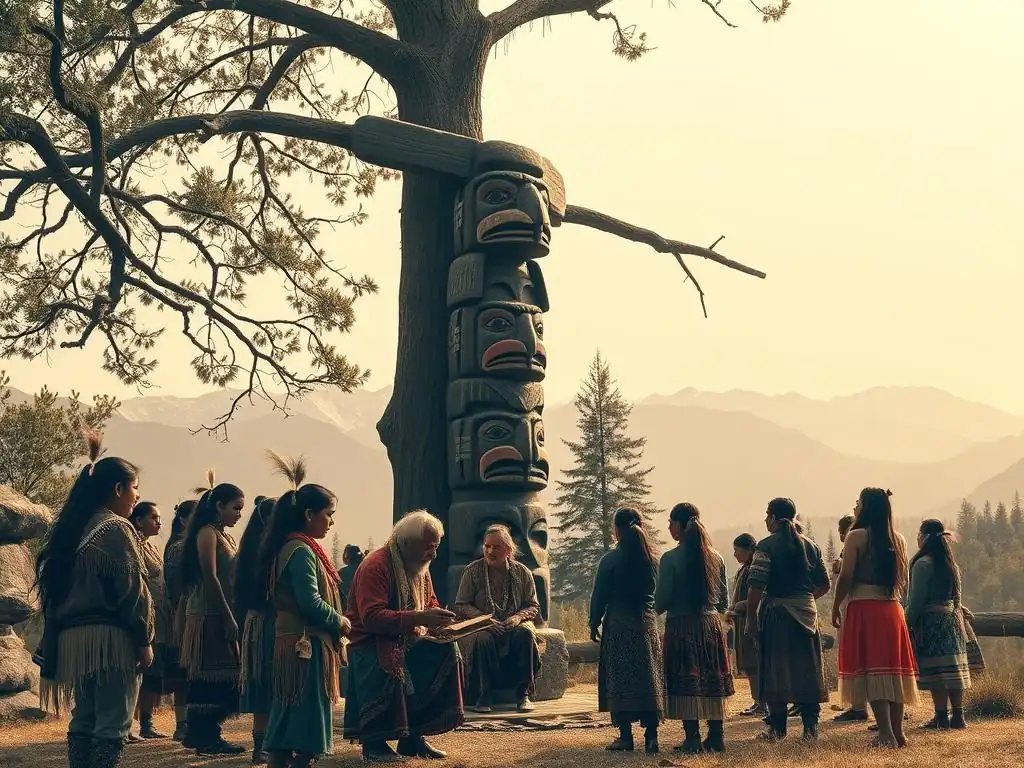
Indigenous cultural syncretism strategies often manifest profoundly in religious practices. As European colonizers imposed Christianity on Indigenous peoples, many communities responded by incorporating elements of their traditional beliefs into their new religious frameworks. This blending of faiths served not only as a spiritual adaptation but also as a form of resistance against cultural erasure.
One of the key aspects of this syncretism is the adaptation of rituals and symbols. For example, the Catholic feast days were often synchronized with Indigenous ceremonies, allowing communities to maintain their cultural practices under the guise of Christian observance. This strategy not only preserved Indigenous traditions but also created a unique religious identity that reflected both Indigenous and European influences.
Merging Indigenous and Christian Rituals
In many regions, the merging of Indigenous and Christian rituals has led to the development of distinct syncretic practices. For instance:
- The Day of the Dead in Mexico combines pre-Columbian customs honoring ancestors with Catholic traditions of All Saints' Day. This celebration exemplifies how Indigenous communities have intertwined their ancestral reverence with Christian observances to create a rich tapestry of cultural identity.
- Andean Pachamama worship, where Indigenous communities honor the Earth Mother, often incorporates elements of Catholicism, such as the veneration of saints. Rituals may include offerings made to Pachamama alongside prayers to Catholic figures, symbolizing the coexistence of both belief systems.
These syncretic religious practices serve as a powerful means of cultural survival, allowing Indigenous peoples to express their spirituality while navigating the pressures of colonization.
The Impact of Syncretism on Community Identity
The effects of syncretism extend beyond religious practices; they fundamentally reshape community identity. By integrating Indigenous beliefs with colonial influences, communities actively resist cultural homogenization and assert their unique identities.
Strengthening Indigenous Identity through Hybrid Practices
Hybrid practices foster a sense of belonging and continuity among Indigenous peoples. The blending of traditions creates a dynamic cultural landscape where community members can connect with their heritage while adapting to modern realities. This aspect of syncretism is particularly significant in fostering resilience against cultural erasure.
- Cultural Events and Festivals: Many Indigenous communities celebrate hybrid festivals that honor both their ancestral and Christian traditions. These gatherings not only reinforce community bonds but also educate younger generations about their rich cultural history.
- Artistic Expressions: Syncretism also influences artistic practices, with artists drawing inspiration from both Indigenous and European styles. This can be seen in textiles, pottery, and visual arts, where traditional motifs are interwoven with Christian iconography, creating artworks that resonate with both cultural narratives.
- Community Narratives: Storytelling plays a crucial role in reinforcing a hybrid identity. Narratives that incorporate both Indigenous and colonial elements foster a sense of shared history and resilience, emphasizing the community's ability to adapt while maintaining core values.
By embracing Indigenous cultural syncretism strategies, communities not only resist cultural erasure but also cultivate a vibrant identity that honors both past and present. This ongoing process highlights the dynamic nature of culture and the enduring strength of Indigenous peoples in the face of adversity.
Contemporary Indigenous Cultural Syncretism Strategies
Revitalization of Traditional Practices
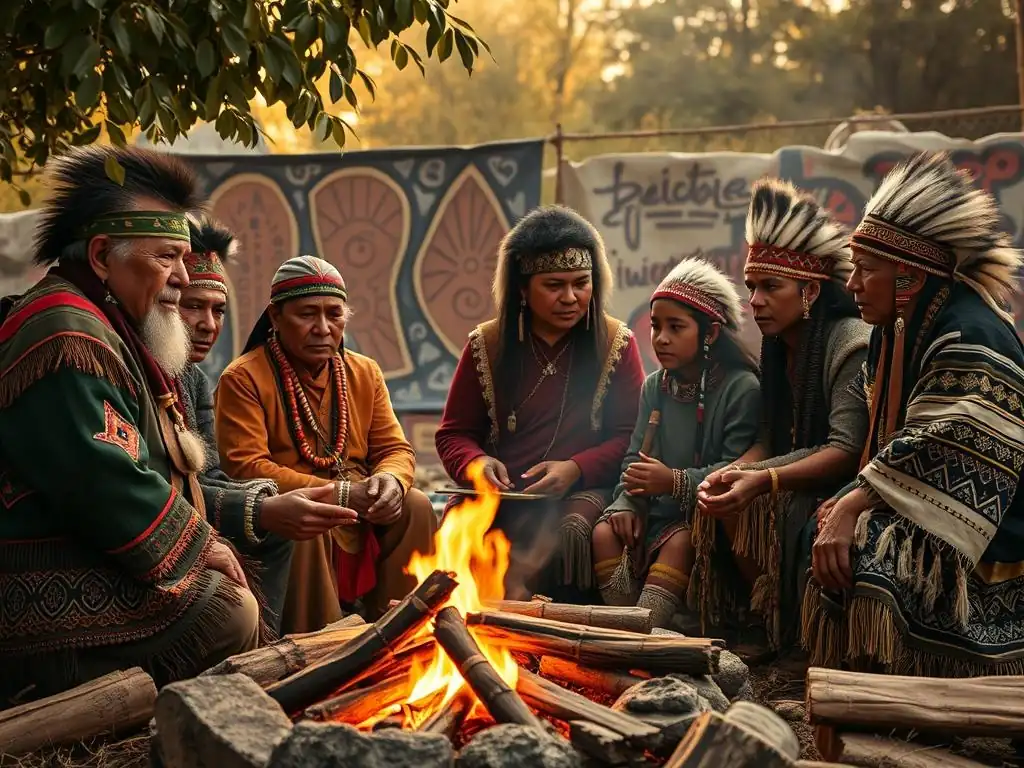
Contemporary Indigenous cultural syncretism strategies often involve a revitalization of traditional practices that blend pre-colonial customs with elements from external influences. This process serves as a powerful form of resistance against cultural erasure, allowing Indigenous communities to reclaim and adapt their cultural identities in a modern context.
One significant aspect of this revitalization is the emphasis on language preservation. Many Indigenous groups are actively working to revive their ancestral languages, which serve as a cornerstone of cultural identity. For example, the Navajo Nation has implemented language immersion schools that integrate traditional teachings with contemporary subjects, promoting fluency among younger generations. In parallel, the Maya communities in Guatemala have developed programs that incorporate traditional storytelling and folklore into educational curricula, thereby fostering a sense of cultural pride and continuity.
Moreover, traditional ceremonies and festivals are being adapted to include new elements while retaining their core significance. The Powwow, for instance, has evolved to incorporate modern music and dance styles while still celebrating Indigenous heritage. This blending not only attracts younger participants but also engages broader audiences, fostering cultural exchange and awareness.
Examples of Modern-Day Syncretic Movements
Several modern-day syncretic movements exemplify how Indigenous groups are creatively merging traditional practices with contemporary influences:
- Indigenous Hip-Hop: Artists like A Tribe Called Red and Nina Katchadourian blend traditional Indigenous music and themes with hip-hop, creating a unique cultural expression that resonates with youth.
- Fashion and Art: Indigenous designers are incorporating traditional motifs and techniques into contemporary fashion, as seen with brands like Lydia Jennings and Kris Grey, who challenge stereotypes while promoting cultural pride.
- Culinary Practices: The resurgence of traditional food practices, such as the use of native ingredients in modern cuisine, is another example. Chefs like Sean Sherman advocate for the “ Indigenous Food Movement,” which seeks to educate about and restore traditional foodways.
These movements not only preserve cultural heritage but also assert Indigenous identities in the face of ongoing colonial pressures, showcasing the dynamic nature of cultural syncretism.
The Influence of Technology on Cultural Syncretism
In the digital age, technology plays a crucial role in shaping Indigenous cultural syncretism strategies. The internet and social media platforms have become vital tools for Indigenous communities to share their cultural narratives, challenge stereotypes, and connect across vast distances.
One notable impact of technology is the ability to document and disseminate traditional practices digitally. Virtual reality (VR) experiences, for example, allow users to engage with Indigenous cultures in immersive ways, fostering empathy and understanding. This innovative approach not only preserves traditions but also introduces them to new audiences, expanding their reach and relevance.
Social Media and Globalization as Tools for Resistance
Social media has emerged as a powerful platform for Indigenous voices, enabling grassroots movements to gain visibility and support. Hashtags like #NoDAPL and #MMIW (Missing and Murdered Indigenous Women) have mobilized activists and raised awareness about critical issues facing Indigenous communities.
Globalization, while often seen as a threat to cultural integrity, can also facilitate shared strategies of resistance. Indigenous groups worldwide can learn from one another's experiences through online networks. For instance, the Zapatista movement in Mexico has inspired many Indigenous communities in North America to adopt similar tactics of resistance, blending local traditions with global discourses on social justice.
The interplay of technology and globalization offers Indigenous communities innovative avenues for cultural syncretism strategies. By embracing these tools, they not only resist cultural erasure but also cultivate vibrant, evolving identities that honor their ancestral legacies while addressing contemporary challenges.
Challenges to Indigenous Syncretism
Ongoing Cultural Erasure and Assimilation Pressures
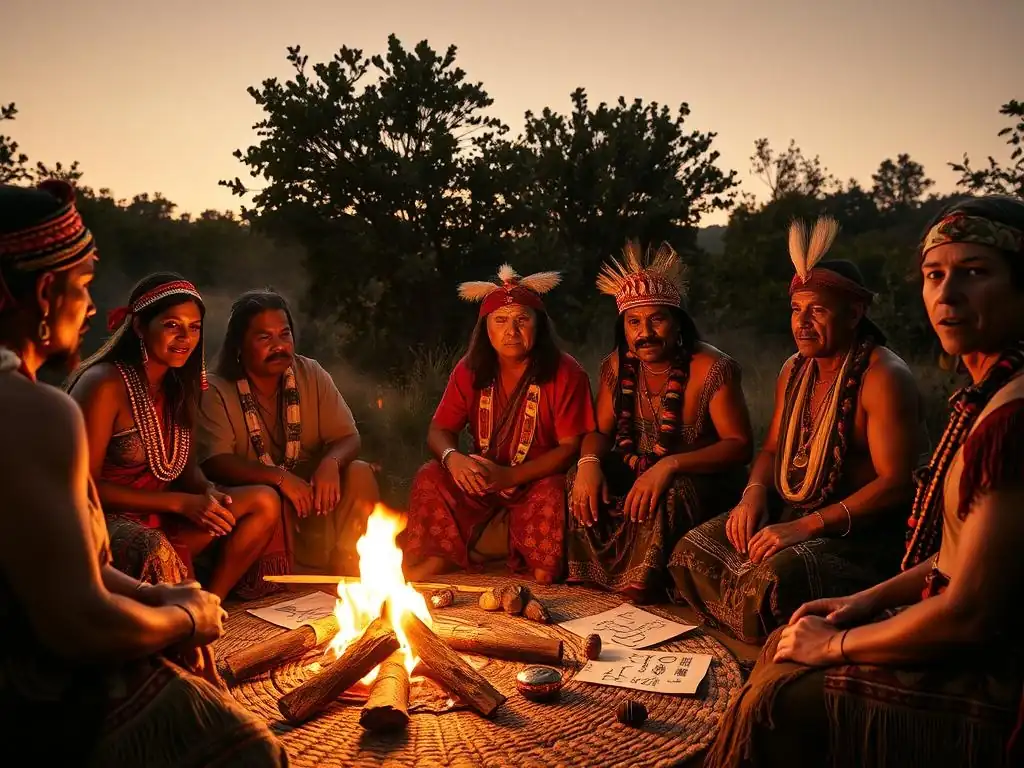
Indigenous cultural syncretism strategies have been significantly shaped by ongoing cultural erasure and assimilation pressures. Throughout history, various colonizing forces have sought to suppress Indigenous identities, languages, and traditions, leading to the gradual loss of cultural elements. This cultural erasure manifests in multiple ways:
- Language Suppression: Many Indigenous languages have been endangered or lost due to policies that favored colonial languages. As languages are tied to cultural identity and heritage, their decline represents a critical loss in cultural syncretism.
- Religious Assimilation: The imposition of foreign religions often led to the demonization of Indigenous spiritual practices. Despite this, many Indigenous groups have integrated elements of Christianity into their traditional beliefs, exemplifying a form of cultural resilience.
- Education Systems: Historical and contemporary education policies have systematically excluded Indigenous perspectives, further alienating younger generations from their cultural roots.
This ongoing cultural erasure compels Indigenous communities to develop syncretic practices as a means of preserving their identities while adapting to external pressures. By blending traditional and introduced elements, these communities create a dynamic cultural landscape that reflects both resistance and adaptation.
The Role of Government Policies in Cultural Preservation
Government policies play a crucial role in either facilitating or hindering Indigenous cultural syncretism strategies. While some policies have aimed at cultural preservation, others have perpetuated assimilation. Key aspects include:
- Recognition of Indigenous Rights: In recent decades, some governments have begun to recognize the rights of Indigenous peoples to maintain their cultural practices. This recognition can lead to the establishment of legal frameworks that support cultural syncretism.
- Funding for Cultural Programs: Financial support for cultural initiatives, such as language revitalization programs or traditional arts workshops, can empower Indigenous communities to reclaim and innovate their cultural practices.
- Cultural Heritage Policies: Legislation aimed at protecting cultural heritage sites and practices can provide a foundation for Indigenous syncretism by allowing communities to engage with their history and traditions actively.
However, challenges remain as government policies can also be inconsistent or poorly implemented, leading to a patchwork of support that varies widely between regions. The effectiveness of these policies ultimately depends on meaningful collaboration with Indigenous communities to ensure that their voices guide cultural preservation efforts.
Internal Conflicts within Indigenous Communities
Despite the collective efforts towards cultural preservation, internal conflicts can arise within Indigenous communities, impacting the effectiveness of cultural syncretism strategies. These conflicts may include:
- Generational Divides: Younger generations may be more influenced by contemporary culture and external societal norms, leading to a disconnect with traditional practices. This divide can create tension as elders strive to maintain cultural teachings while youth seek innovation.
- Differing Perspectives on Syncretism: Not all community members may agree on the extent to which traditional practices should blend with external influences. Some may view syncretism as a necessary adaptation, while others perceive it as a dilution of their culture.
- Resource Allocation: Disagreements over how to allocate resources for cultural programs can lead to factionalism within communities. This can hinder collective efforts to promote syncretic practices effectively.
These internal conflicts highlight the complexity of Indigenous cultural syncretism strategies, underscoring the need for inclusive dialogue and consensus-building to foster a resilient cultural identity that honors both tradition and innovation.
Conclusion: The Legacy of Indigenous Cultural Syncretism Strategies
Indigenous cultural syncretism strategies represent a significant facet of the resilience displayed by various indigenous groups in the Americas in response to European colonization. The blending of indigenous beliefs, practices, and traditions with those introduced by colonizers has not only shaped the cultural landscape of the Americas but has also provided a means of survival and resistance against cultural erasure. This syncretism highlights the adaptability and creativity of indigenous peoples in maintaining their identities while navigating the complexities imposed by colonial powers.
Reflection on the Importance of Syncretism in Cultural Survival
Cultural syncretism serves as a powerful mechanism for indigenous communities to preserve their heritage and heritage while adapting to changing circumstances. By integrating aspects of European culture into their own, indigenous groups have created unique cultural expressions that reflect their historical experiences, struggles, and resilience.
For instance, many indigenous communities incorporated European agricultural techniques while retaining traditional farming methods, leading to hybrid agricultural practices that improved food security without completely abandoning indigenous identity. Additionally, religious syncretism can be observed in the blending of Christian and indigenous spiritual practices, allowing for the continuation of traditional beliefs within a new framework.
This blending of cultures is not merely a passive acceptance of foreign influence; rather, it is an active, dynamic process that allows indigenous peoples to assert their agency. By embracing syncretism, these communities can celebrate their heritage while simultaneously negotiating their place within a colonial context. The result is a richer, more diverse cultural tapestry that honors both indigenous and colonial influences.
Future Directions for Indigenous Resistance and Cultural Identity
Looking ahead, the future of indigenous cultural syncretism strategies remains pivotal in the ongoing struggle for cultural identity and autonomy. As globalization continues to influence cultural practices, indigenous groups must navigate new challenges while leveraging their syncretic traditions to foster resilience and solidarity.
- Revitalization of Languages and Traditions: Many indigenous communities are focusing on revitalizing their languages and traditional practices, often blending them with contemporary forms of expression like digital media, music, and art. This approach not only preserves cultural heritage but also makes it relevant to younger generations.
- Inter-community Collaboration: Strengthening ties between different indigenous groups can enhance the sharing of syncretic practices and collective resistance strategies. Collaborative initiatives can lead to a greater understanding of shared histories and challenges, fostering unity in cultural preservation efforts.
- Advocacy and Awareness: Indigenous communities are increasingly engaging in advocacy to raise awareness about the importance of their cultural syncretism strategies. By educating broader audiences about the significance of these practices, they can challenge stereotypes and promote respect for indigenous cultures.
- Integration into Education: Incorporating indigenous perspectives and syncretic practices into educational curricula can help foster a deeper understanding of indigenous histories and cultures. This integration can also provide indigenous youth with a greater sense of identity and belonging.
The legacy of indigenous cultural syncretism strategies not only highlights the adaptability of indigenous peoples but also serves as a testament to their enduring spirit. As these communities continue to navigate the complexities of cultural identity in a modern context, their syncretic practices will remain a vital tool for resistance, survival, and cultural expression.
Frequently Asked Questions
What is cultural syncretism in the context of Indigenous peoples?
Cultural syncretism refers to the blending of diverse cultural elements, allowing Indigenous communities to adapt and incorporate aspects of other cultures while maintaining their own traditions.
How did Indigenous cultural syncretism strategies develop as a form of resistance?
These strategies emerged as a response to colonization, allowing Indigenous peoples to preserve their identities and traditions while navigating the challenges posed by European influence.
What are some examples of achievements of Indigenous cultures before colonization?
Indigenous cultures demonstrated remarkable achievements in areas such as agriculture, architecture, and governance, with sophisticated systems that laid the groundwork for future societies.
Syncretism led to the adaptation of social structures, enabling Indigenous groups to incorporate new ideas and practices, which helped them to survive and thrive in changing environments.
Why is understanding Indigenous cultural syncretism important today?
Recognizing these strategies is crucial for appreciating the resilience and creativity of Indigenous cultures and understanding their ongoing influence and contributions to modern society.
Final Reflection: Embracing Indigenous Cultural Syncretism as a Form of Resistance
Indigenous cultural syncretism strategies serve as a powerful testament to the resilience and adaptability of Indigenous communities in the face of cultural erasure. Today, as globalization threatens to homogenize diverse cultures, the importance of these strategies is more relevant than ever. They remind us that cultural identity is not static but rather a dynamic interplay of influences that can empower communities to reclaim their narratives and traditions. In a world increasingly marked by cultural dislocation, the ability to blend and adapt while maintaining core values is a striking statement of strength and survival.
Cultural syncretism is not merely a historical phenomenon; it is an ongoing process that shapes our social landscape today. The ways in which Indigenous peoples have woven their traditions with external influences create a rich tapestry of identity that challenges dominant narratives. This blending fosters a sense of belonging and continuity, allowing communities to thrive despite external pressures. As the renowned Indigenous scholar Vine Deloria Jr. once said, We are not just a people of the past; we are a people of the future.
This perspective underscores the significance of Indigenous cultural syncretism strategies as a means of not only preserving heritage but also innovating for future generations.
As we reflect on the lessons from this exploration, I invite you to consider how you can embrace and support the rich diversity of cultures around you. Think about the ways in which you can honor and uplift Indigenous voices and practices in your own life. Whether through education, advocacy, or personal engagement, every action counts in the fight against cultural erasure. Let us commit to recognizing and celebrating the power of syncretism as a vital force for resilience and resistance, ensuring that the stories and traditions of Indigenous peoples continue to thrive and inspire us all.
Embrace and Celebrate Cultural Resilience!
Thank you for exploring the powerful role of syncretism in indigenous resistance against cultural erasure. Your engagement with this vital topic helps keep these stories alive and sheds light on the resilience of many communities. Now, let’s take that inspiration and turn it into action!
Here are some ways you can contribute to the celebration and preservation of indigenous cultures:
- * Engage: Join or support local organizations dedicated to cultural preservation. Your involvement can help amplify indigenous voices and protect their traditions.
- * Share the Knowledge: Raise awareness by sharing this article and discussing the importance of syncretism within your social circles or on online platforms.
- * Connect and Collaborate: Attend workshops or cultural events organized by indigenous groups to learn, listen, and actively participate in their rich heritage.
What new perspectives on cultural resilience have you uncovered, and how will you communicate them to your community?