
Sacred Sites at Risk: The Destruction of Indigenous Spiritual Landscapes During Colonization

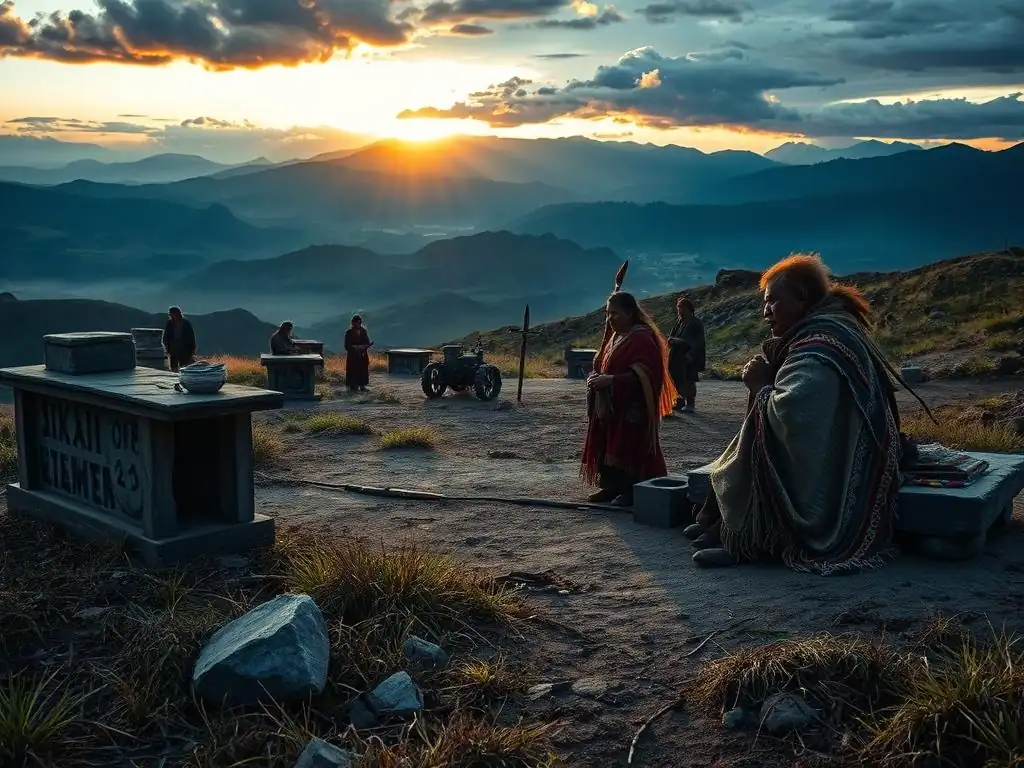
Welcome to Indigenous Civilizations of the Americas, where we delve deep into the rich tapestry of cultures that flourished long before European contact. In our featured article, "Sacred Sites at Risk: The Destruction of Indigenous Spiritual Landscapes During Colonization," we uncover the profound impact of colonization on Indigenous sacred sites—places that hold immense spiritual and cultural significance. As you navigate through the stories of resilience and achievement, you’ll discover how these ancient landscapes were not only homes but also the heartbeats of vibrant societies.
Join us in exploring the complexities of this history and the ongoing struggle to preserve these treasured landscapes. Your journey into the past begins here!
- Introduction to Indigenous Sacred Sites Destruction
- Historical Context of Indigenous Sacred Sites
- The Process of Destruction During Colonization
- Consequences of Sacred Sites Destruction
- Resistance and Resilience of Indigenous Peoples
- Conclusion: The Ongoing Fight Against Sacred Sites Destruction
- Resources for Further Learning
- Frequently Asked Questions
- Final Reflection: The Enduring Legacy of Indigenous Sacred Sites Destruction
- Unveil the Sacred: Take Action for Indigenous Landscapes
Introduction to Indigenous Sacred Sites Destruction
The destruction of Indigenous sacred sites during colonization represents not only a profound loss of cultural heritage but also an assault on the spiritual foundations of Indigenous peoples across the Americas. As European powers expanded their territories, they often disregarded the significance of these sites, viewing them merely as obstacles to settlement and resource extraction.
This article delves into the complexities surrounding the Indigenous sacred sites destruction, examining how these actions have not only altered the physical landscape but have also had lasting repercussions on the spiritual practices and identities of Indigenous communities. Through a comprehensive exploration of sacred landscapes, their meanings, and the devastating impacts of colonization, we aim to shed light on the urgent need for recognition and preservation of these vital cultural sites.
Definition of Indigenous Sacred Sites
Indigenous sacred sites are locations that hold profound spiritual significance to Indigenous communities. These sites can range from natural formations like mountains and rivers to constructed spaces such as temples and ceremonial grounds. They serve as places for rituals, ceremonies, and communal gatherings, fostering a deep connection between the people and their ancestors, land, and cosmic entities.
Some examples of Indigenous sacred sites include:
- Mount Shasta in California, revered by various Indigenous tribes for its spiritual energy.
- Chichen Itza in Mexico, a former Mayan city that played a crucial role in their religious practices.
- The Black Hills in South Dakota, considered sacred by the Lakota people.
Understanding these sites' definitions helps illuminate their role as cornerstones of cultural identity and spirituality among Indigenous peoples.
Significance of Sacred Landscapes in Indigenous Cultures
Sacred landscapes are integral to the cultural and spiritual frameworks of Indigenous societies. They embody the narratives, histories, and beliefs that shape communal identities and foster a sense of belonging. The significance of these landscapes can be broken down into several key aspects:
- Cultural Heritage: Sacred sites often house stories and teachings passed down through generations, preserving the unique history of each community.
- Spiritual Connection: These sites are not just physical locations; they are seen as living entities that connect the spiritual world with the human experience.
- Ecological Knowledge: Many sacred sites are tied to traditional ecological practices, offering insights into sustainable living that reflect a deep understanding of the environment.
The destruction of these landscapes not only erodes cultural heritage but also disrupts the transmission of knowledge and spiritual practices critical to the survival of Indigenous identities.
Overview of the Impact of Colonization on Indigenous Spiritual Practices
The impact of colonization on Indigenous spiritual practices has been profound and multifaceted. As European settlers imposed their values and beliefs, numerous Indigenous sacred sites were destroyed or desecrated, leading to several significant consequences:
- Loss of Sacred Spaces: Many sites were physically altered or destroyed to make way for settlements, agriculture, or resource extraction.
- Suppression of Practices: Colonizers often criminalized Indigenous spiritual practices, leading to a systemic erasure of traditions and beliefs.
- Displacement: The forced relocation of Indigenous peoples disrupted their ability to access sacred sites, breaking vital connections to their heritage.
These actions contributed to a broader narrative of cultural genocide, where the spiritual landscapes that once nurtured Indigenous cultures were systematically dismantled. Understanding this impact is crucial in recognizing the ongoing struggles faced by Indigenous communities in reclaiming and revitalizing their spiritual practices.
Historical Context of Indigenous Sacred Sites
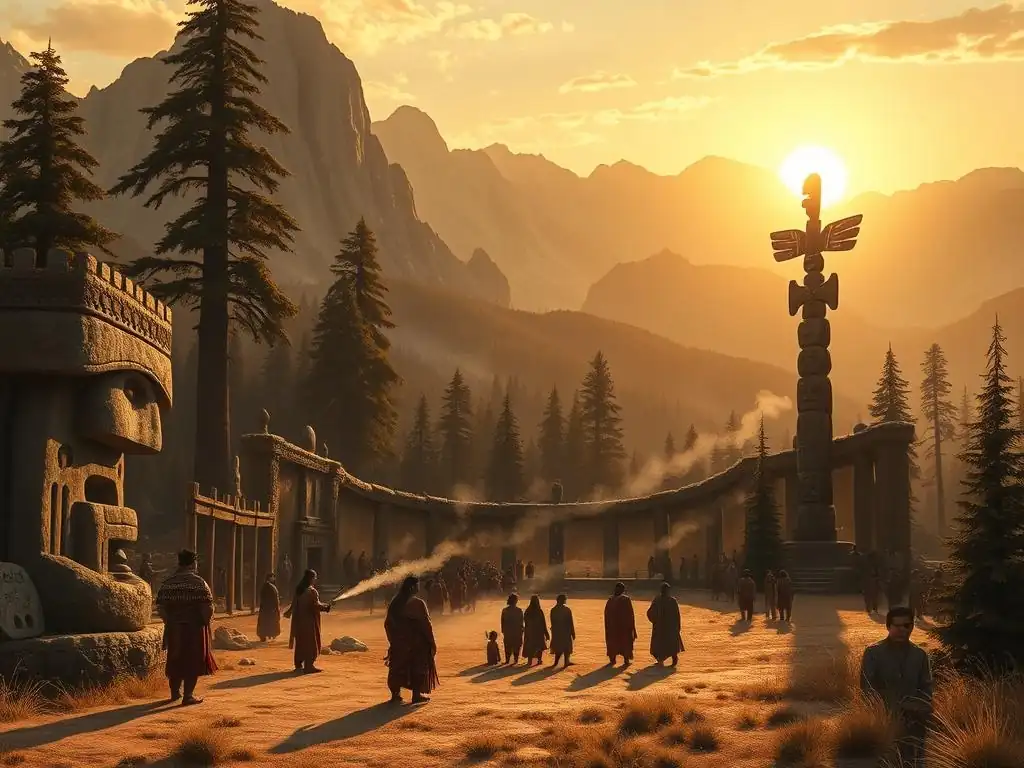
Indigenous sacred sites are not merely locations of historical significance; they are integral to the spiritual, cultural, and social fabric of Indigenous communities across the Americas. These sites, ranging from mountains and rivers to specific landscapes and structures, have been revered for generations, embodying the beliefs, traditions, and histories of Indigenous peoples. The destruction of these sacred sites during colonization marked a profound rupture in Indigenous spiritual practices and identity.
Pre-Colonization Importance of Sacred Sites
Before European colonization, sacred sites served as focal points for spiritual engagement and community gatherings among Indigenous peoples. For example, in the Andes, the Intihuatana stones were venerated as ceremonial altars for sun worship, while in North America, sites like Bear Butte were integral to the spiritual practices of the Lakota and Cheyenne nations. These places were not only physically significant but were also imbued with cosmological meanings, connecting the people to their ancestors and the natural world.
The significance of sacred sites can be understood through the following aspects:
- Cultural Heritage: Sacred sites were vital to the transmission of knowledge, traditions, and languages. They were often associated with creation stories and ancestral legacies.
- Community Cohesion: These sites were gathering places for rituals, ceremonies, and celebrations, fostering a sense of belonging and collective identity among community members.
- Spiritual Connection: They represented a direct connection to the spiritual realm, serving as conduits for communication with ancestors, spirits, and the cosmos.
The reverence for these sites underscores the sophisticated relationship Indigenous peoples maintained with their environment, where nature was not merely a backdrop but a living entity deserving of respect and care.
Spiritual Practices and Their Connection to the Land
Indigenous spiritual practices were deeply intertwined with the land and its sacred sites. Rituals and ceremonies often took place at specific locations believed to possess unique spiritual energy or significance. For instance, the Nazca Lines in Peru are thought to have served both astronomical and ceremonial purposes, reflecting the intricate knowledge Indigenous cultures had of their environment.
Key elements of this connection include:
- Rituals and Ceremonies: Many Indigenous cultures engaged in seasonal rituals tied to the cycles of nature, such as planting and harvesting, which were often performed at sacred sites. These practices reinforced their dependence on the land and its resources.
- Healing Practices: Many sacred sites were believed to possess healing properties, where individuals would go to seek solace or recovery through rituals performed by spiritual leaders or shamans.
- Vision Quests: In some cultures, individuals undertook vision quests at sacred sites to seek guidance, purpose, or personal transformation, further deepening their connection to the land.
This profound relationship with the land underscores the importance of preserving Indigenous sacred sites, as they are more than historical artifacts; they are living expressions of cultural identity and spiritual belief.
The Role of Sacred Sites in Indigenous Identity
Sacred sites are fundamental to Indigenous identity, serving as touchstones for cultural continuity and resilience. The destruction of these sites during colonization has had lasting impacts on Indigenous communities, leading to a disconnection from their ancestral heritage and spiritual practices.
The pivotal role of sacred sites in shaping Indigenous identity can be seen through:
- Cultural Resilience: Despite centuries of colonization and attempts to erase Indigenous identities, many communities continue to fight for the recognition and preservation of their sacred sites, demonstrating resilience and strength in the face of adversity.
- Intergenerational Knowledge: Sacred sites are integral to the education and transmission of cultural practices from one generation to the next. Elders often share stories and teachings associated with these places, fostering a sense of belonging and continuity.
- Political Activism: The struggle to protect sacred sites has become a rallying point for Indigenous rights movements, linking the preservation of cultural heritage to broader issues of sovereignty and environmental justice.
The destruction of Indigenous sacred sites not only represents a loss of spiritual landscapes but also threatens the very essence of Indigenous identity and community. Understanding the historical context of these sites enriches our appreciation of their significance and the ongoing struggles to protect and revitalize Indigenous spiritual practices.
The Process of Destruction During Colonization
Overview of Colonial Policies Affecting Indigenous Sacred Sites
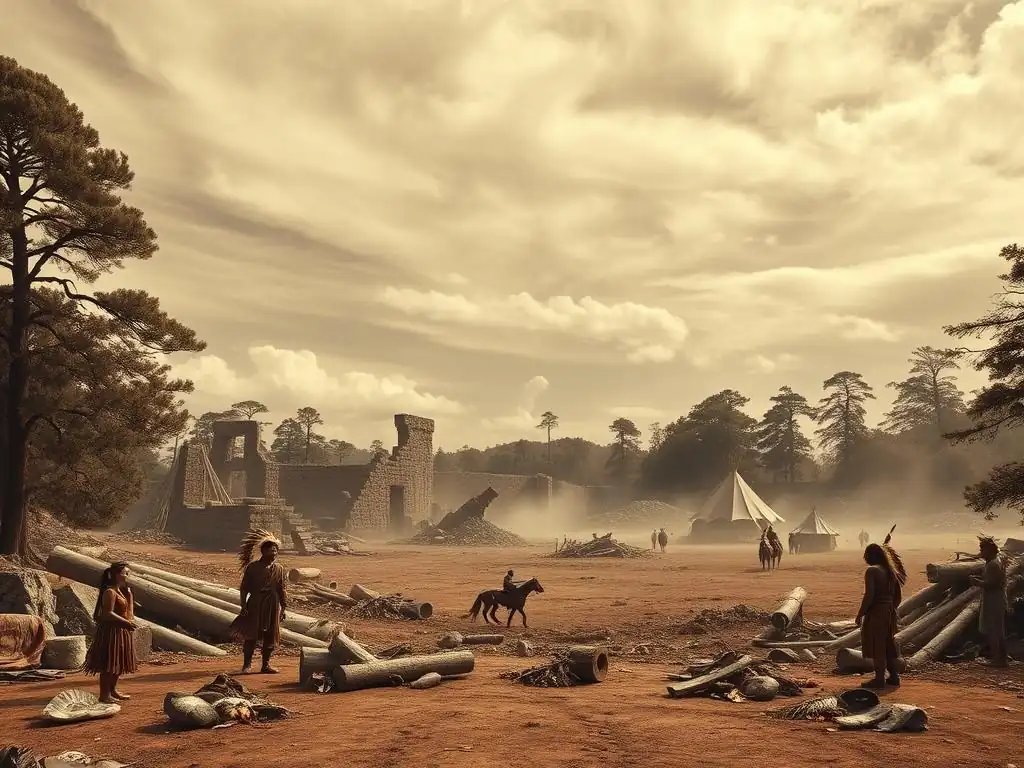
The colonization of the Americas brought about a series of systematic policies that directly targeted Indigenous sacred sites. These policies were rooted in a Eurocentric worldview that often dismissed Indigenous spiritual beliefs as primitive or unworthy of protection. The following elements illustrate how colonial powers implemented these destructive policies:
- Land Dispossession: Indigenous peoples were forcibly removed from their ancestral lands, which often included sacred sites. The establishment of treaties—frequently broken—allowed colonizers to appropriate these lands for agricultural, commercial, or urban development.
- Religious Suppression: Colonial authorities viewed Indigenous religions as pagan and sought to convert Indigenous peoples to Christianity. This often involved the outright destruction of sacred sites, as missionaries believed that eradicating local beliefs would facilitate conversion.
- Cultural Assimilation Policies: Governments enacted policies aimed at assimilating Indigenous peoples into European culture. These policies often included the prohibition of traditional practices and the dismantling of community structures that supported spiritual practices tied to sacred sites.
- Legal Frameworks: Laws were established that rendered Indigenous land claims and practices invisible. For instance, the imposition of private property laws disregarded communal land ownership, leading to the loss of control over sacred sites.
These policies collectively contributed to the widespread destruction of Indigenous sacred sites, erasing spiritual landscapes that held immense cultural significance.
Case Studies of Specific Sacred Sites Destroyed
Bear Butte, South Dakota
Bear Butte is a significant sacred site for numerous Indigenous tribes, including the Lakota and Cheyenne. Located in the Black Hills of South Dakota, this site has been a place of prayer and vision quests for centuries. However, colonization brought significant threats:
- Commercial Development: The late 19th and early 20th centuries saw a surge in commercial activities around Bear Butte, including the establishment of tourist facilities, which encroached on the site and disrupted spiritual practices.
- Environmental Degradation: The surrounding area has faced pollution and ecological disruption due to nearby industrial activities, which threaten the integrity of the landscape that Indigenous peoples hold sacred.
- Legal Battles: Despite efforts to protect Bear Butte, legal cases have often favored commercial interests over Indigenous claims, illustrating the ongoing struggle for recognition and preservation of sacred sites.
Mauna Kea, Hawaii
Mauna Kea, revered by Native Hawaiians as a sacred mountain, has been a focal point of conflict due to its ecological and spiritual significance. The site has faced considerable threats from colonization and contemporary development:
- Astronomical Observatories: The construction of several observatories on Mauna Kea has sparked protests. Native Hawaiians argue that the telescopes desecrate a sacred space, as the mountain is believed to be the dwelling place of deities.
- Cultural Revitalization Movements: In response to the ongoing destruction, Native Hawaiians have engaged in cultural revitalization efforts, emphasizing the importance of Mauna Kea in their spirituality and identity. These movements aim to raise awareness and protect the site from further desecration.
- Legal and Political Challenges: The struggle over Mauna Kea encapsulates broader issues of sovereignty and self-determination for Indigenous peoples. Legal actions and protests seek to halt further development and ensure that Native Hawaiian voices are prioritized in decision-making processes regarding the mountain.
The history of Bear Butte and Mauna Kea exemplifies the broader pattern of Indigenous sacred sites destruction throughout the Americas during and after colonization, highlighting the ongoing impacts of these historical injustices.
Methods of Destruction: Physical and Cultural
The colonization of the Americas led to the systematic destruction of Indigenous sacred sites through both physical and cultural methods. These approaches not only dismantled the tangible elements of Indigenous spirituality but also sought to erase the cultural significance and connections that these sites held for the communities.
Physical Destruction of Sacred Sites
Physical destruction occurred through various means, including:
- Land Appropriation: Colonizers often seized land that was sacred to Indigenous peoples, repurposing it for agriculture, mining, or urban development. This displacement not only disrupted communities but also obliterated sites integral to spiritual practices.
- Construction of Religious Structures: Many missionaries built churches on top of sacred Indigenous sites, effectively overshadowing and erasing the original spiritual significance. This act was not just a physical alteration of the landscape; it was a symbolic assertion of colonial dominance over Indigenous belief systems.
- Violent Suppression: Armed conflicts and violent confrontations frequently targeted sacred sites. The destruction of temples, burial grounds, and other significant locales was often justified as a means to "civilize" Indigenous populations, leading to irreversible losses.
Cultural Destruction of Spiritual Practices
Cultural methods of destruction were equally devastating, manifesting in the following ways:
- Forced Conversion: Indigenous peoples were often pressured or coerced into abandoning their spiritual beliefs in favor of Christianity. This forced conversion process frequently involved the denigration of Indigenous spiritual practices, labeling them as "pagan" or "savage," which contributed to a profound cultural dislocation.
- Criminalization of Spiritual Practices: Many Indigenous rituals and ceremonies were outlawed, effectively making the practice of Indigenous spirituality a criminal act. This criminalization weakened community ties and disrupted the transmission of spiritual knowledge across generations.
- Erasure of Oral Traditions: The colonizers' emphasis on written records often marginalized Indigenous oral histories, which were vital for maintaining cultural identity and spiritual connection. As these narratives faded, so did the understanding of sacred sites and their importance.
Lasting Impact
The combined physical and cultural destruction of Indigenous sacred sites during colonization has had a lasting impact on the spiritual landscapes of Indigenous communities. The loss of these sites is not merely an issue of historical significance; it has resulted in ongoing struggles for cultural preservation and identity. The reclamation and recognition of these sacred landscapes are now critical in the movement for Indigenous rights and the healing of affected communities.
By understanding the methods of destruction employed during colonization, we can better appreciate the resilience of Indigenous cultures and the importance of safeguarding their sacred sites today.
Consequences of Sacred Sites Destruction
Impact on Indigenous Spirituality and Cultural Identity
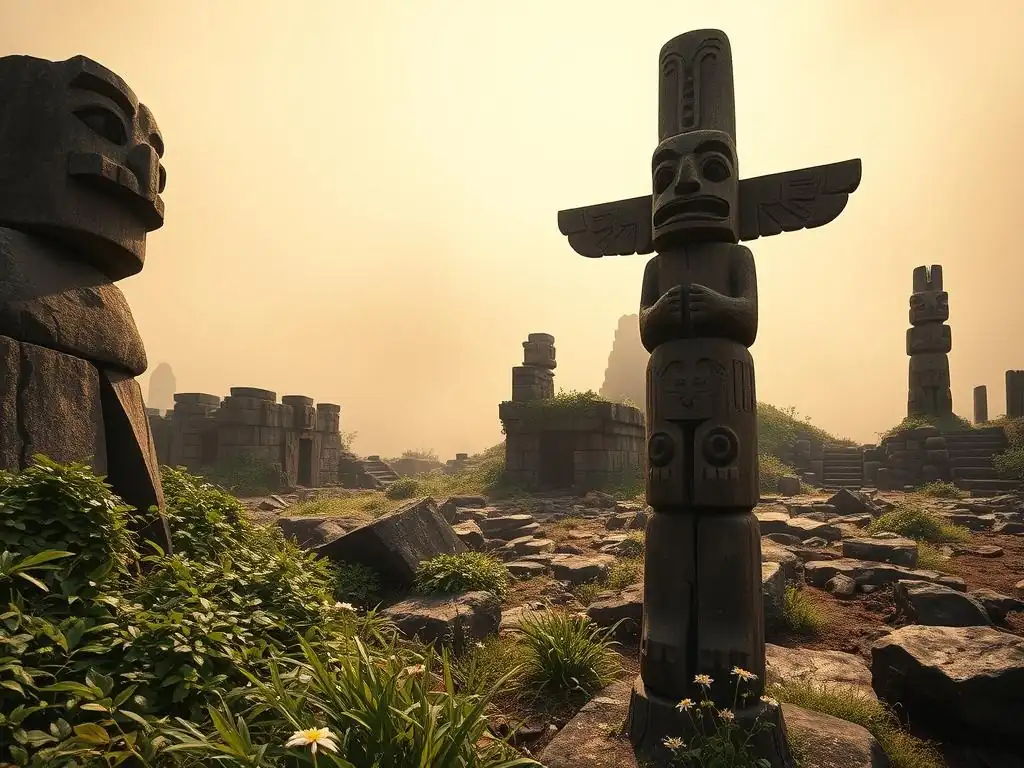
The destruction of indigenous sacred sites has profound implications for the spirituality and cultural identity of indigenous communities. These sites, often viewed as the embodiment of ancestral spirits and teachings, are integral to the spiritual practices and beliefs of various tribes. When these landscapes are compromised or obliterated, the connection to the past is severed, leading to a disintegration of cultural continuity.
- Diminishment of Ritual Practices: Many indigenous rituals are tied to specific landscapes. For instance, the sacred mountains for the Navajo or the burial mounds for the Mississippian cultures serve as essential locations for ceremonies. The loss of these sites results in a significant reduction in the ability to perform traditional rites, which can lead to a crisis of faith among community members.
- Alteration of Cultural Narratives: Sacred sites often hold stories that define the identity and history of a people. When these locations are destroyed, the narratives associated with them become fragmented. This loss can lead to a weakened sense of identity and belonging among indigenous populations, as they grapple with a disconnection from their heritage.
- Intergenerational Trauma: The impact of sacred site destruction is not limited to immediate loss; it reverberates through generations. Young people may grow up without a clear understanding of their spiritual heritage, leading to a dilution of cultural practices and beliefs. This trauma can manifest in various forms, including loss of language, traditions, and communal bonds.
Loss of Traditional Knowledge and Practices
The destruction of indigenous sacred sites not only affects spirituality but also leads to the erosion of traditional knowledge and practices. Many indigenous cultures possess a wealth of ecological knowledge that is closely tied to their sacred landscapes. The following points illustrate the consequences of this loss:
- Disruption of Oral Traditions: Much of indigenous knowledge is transmitted orally, often through storytelling that incorporates the significance of sacred sites. When these locations are destroyed, the stories that connect people to the land and its resources may fade, leading to a decline in traditional ecological practices.
- Loss of Medicinal Resources: Sacred landscapes often harbor plants and herbs that are vital for traditional medicine. The destruction of these sites can eliminate access to these resources, compromising the health and well-being of indigenous communities. The knowledge surrounding these plants, including their uses and meanings, may also be lost, creating a gap in cultural continuity.
- Disconnection from Ecological Stewardship: Indigenous peoples have long practiced sustainable land management, guided by their spiritual beliefs and connections to sacred sites. The desecration of these areas undermines traditional stewardship practices, resulting in ecological degradation and loss of biodiversity, further distancing communities from their cultural responsibilities.
Psychological Effects on Indigenous Communities
The psychological ramifications of the destruction of sacred sites are profound and multifaceted. They can contribute to a range of mental health issues within indigenous communities, stemming from the loss of spiritual and cultural anchors:
- Increased Anxiety and Depression: The loss of sacred sites can lead to feelings of helplessness and despair. As individuals witness the degradation of their spiritual landscapes, they may experience heightened anxiety and depression, exacerbated by a sense of cultural dislocation and loss of identity.
- Crisis of Belonging: The destruction of sacred sites can foster a profound sense of alienation. For many indigenous individuals, their connection to the land is a core component of their identity. When that connection is severed, it can lead to a crisis of belonging, as individuals may struggle to find their place in a world that increasingly marginalizes their cultural identity.
- Community Fragmentation: The psychological impacts of sacred site destruction can extend to community cohesion. As individuals grapple with their trauma, communal ties may weaken, leading to fragmentation. This disunity poses challenges for collective healing and resilience, making it essential for communities to seek support and foster solidarity in the face of adversity.
The destruction of indigenous sacred sites represents a multifaceted crisis that impacts spirituality, cultural identity, traditional knowledge, and psychological well-being. Recognizing and addressing these consequences is essential to support the resilience and revival of indigenous cultures in the aftermath of colonization.
Resistance and Resilience of Indigenous Peoples
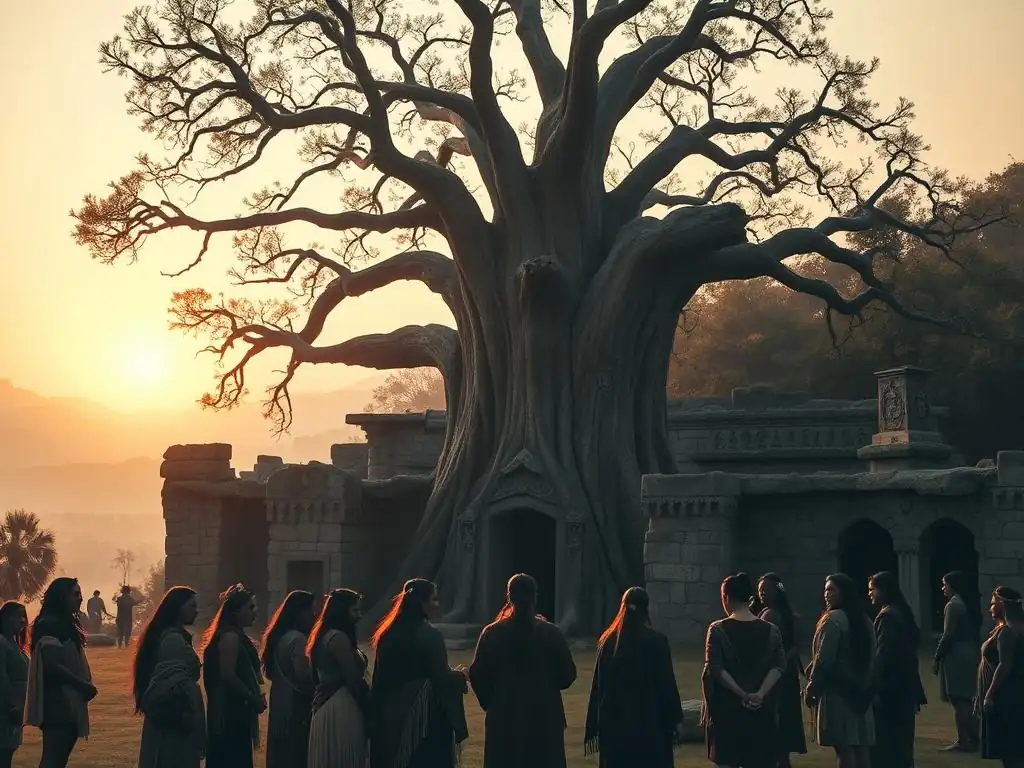
The destruction of Indigenous sacred sites during colonization has been a critical issue that continues to resonate deeply within Indigenous communities. However, this history is not solely one of loss; it is also a narrative of resistance and resilience. Indigenous peoples across the Americas have continually fought to protect their spiritual landscapes, demonstrating remarkable tenacity in the face of adversity.
Contemporary Movements to Protect Sacred Sites
In recent years, a surge of contemporary movements has emerged as Indigenous groups assert their rights to sacred sites. These movements often blend traditional knowledge with modern activism to raise awareness about the significance of these landscapes.
- Grassroots Organizations: Many Indigenous communities have formed grassroots organizations focused on the preservation of sacred sites. These entities often engage in:
- Advocacy Campaigns: Mobilizing local and national support to highlight the importance of sacred sites.
- Public Education: Informing both Indigenous and non-Indigenous populations about the cultural and spiritual significance of these landscapes.
- Cultural Revitalization: Alongside activism, there has been a resurgence in cultural practices, such as traditional ceremonies and teachings that emphasize the importance of these sites. This revitalization not only strengthens community ties but also reinforces the spiritual significance of the land.
- Collaborative Efforts: Many movements have sought partnerships with environmental organizations, leveraging shared interests in land protection to bolster their efforts. For instance, alliances have been formed to oppose development projects that threaten sacred sites, utilizing combined resources and networks to amplify their voices.
Legal Frameworks Supporting Indigenous Land Rights
Legal frameworks play a pivotal role in the fight against the destruction of Indigenous sacred sites. Several laws and treaties have been established to recognize and protect Indigenous land rights, though their implementation often varies.
- International Treaties: Agreements such as the United Nations Declaration on the Rights of Indigenous Peoples (UNDRIP) provide a global framework that affirms the rights of Indigenous peoples to protect their sacred sites. Article 25 specifically addresses their right to maintain and strengthen their spiritual relationship with their traditional lands.
- National Legislation: In various countries, national laws have been enacted to protect Indigenous heritage and land. For example, the American Indian Religious Freedom Act (AIRFA) in the United States aims to safeguard the religious rights of Indigenous peoples, including access to sacred sites.
- Court Cases: Legal battles have emerged as communities challenge government actions that threaten their sacred landscapes. Landmark cases have set precedents for recognizing Indigenous sovereignty and the importance of sacred sites, although the outcomes can be inconsistent.
Success Stories of Site Preservation Efforts
Despite the ongoing challenges, there have been notable success stories in the preservation of Indigenous sacred sites, showcasing the effectiveness of resilience and activism.
- Bear Ears National Monument: In 2016, the designation of Bear Ears in Utah as a national monument was a significant victory for several Indigenous tribes. This area is rich in cultural heritage and sacred sites, and its protection has become a symbol of successful advocacy and collaboration among Indigenous communities.
- The Fight Against DAPL: The Dakota Access Pipeline (DAPL) protests highlighted the resilience of the Standing Rock Sioux Tribe and their allies. The movement drew international attention to the protection of sacred sites along the pipeline route, demonstrating the power of collective action.
- Restoration Projects: Various Indigenous-led restoration projects aim to reclaim and restore sacred landscapes, such as the efforts to revitalize traditional ecological knowledge and practices. These initiatives not only protect the land but also reinforce cultural identity and community cohesion.
The resistance and resilience of Indigenous peoples against the destruction of sacred sites during colonization reflects a broader struggle for rights, identity, and cultural survival. Their contemporary movements, supported by legal frameworks and successful preservation efforts, continue to uphold the spiritual significance of these landscapes for future generations.
Conclusion: The Ongoing Fight Against Sacred Sites Destruction
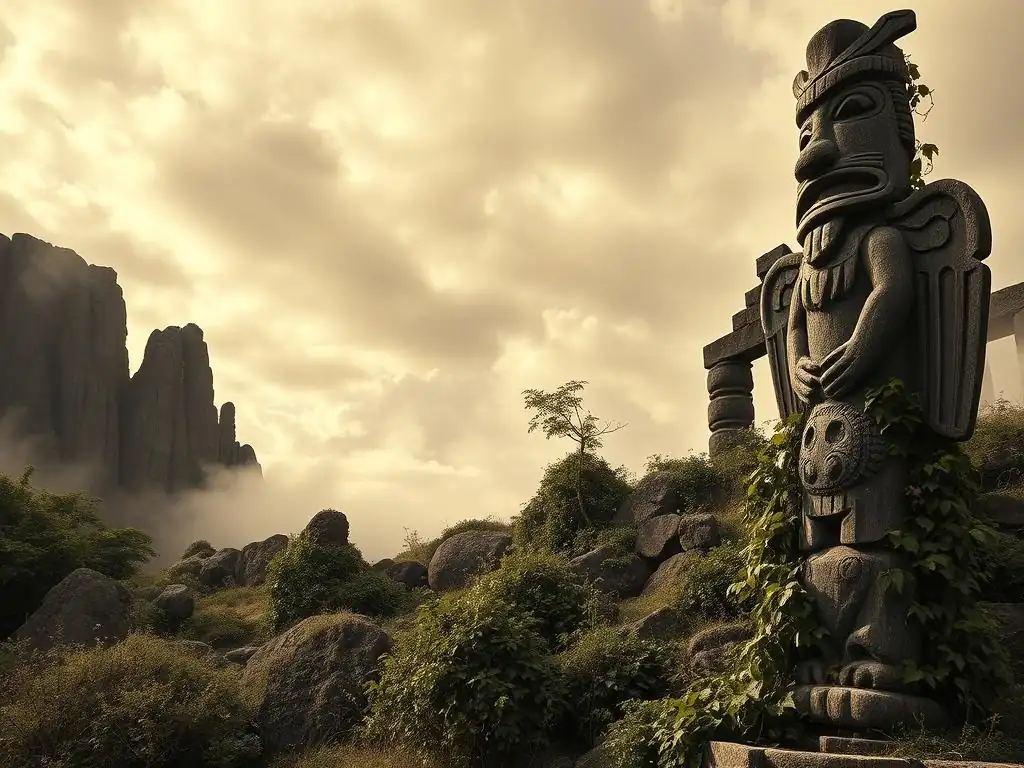
The destruction of Indigenous sacred sites during the colonization of the Americas has had profound and lasting effects on the spiritual and cultural landscapes of Indigenous peoples. As we reflect on this dark chapter of history, it becomes increasingly clear that the fight against the ongoing destruction of these sacred sites is not merely an issue of the past, but a vital struggle for the present and future. The continued neglect and disrespect for Indigenous sacred spaces highlight the urgent need for awareness, advocacy, and action to protect these essential elements of Indigenous identity and heritage.
Reflection on the Importance of Preserving Indigenous Sacred Landscapes
Indigenous sacred sites are more than mere physical locations; they embody the spiritual beliefs, traditions, and histories of Indigenous communities. These landscapes hold significant cultural value, serving as places of worship, ceremony, and connection to ancestors. The loss of these sites due to colonization, urban development, and resource extraction represents not only a physical destruction but also a severance of the spiritual ties that bind Indigenous peoples to their heritage.
In many Indigenous cultures, these sacred sites are intertwined with the natural world, emphasizing a holistic understanding of existence that honors the interconnectedness of life. The preservation of these landscapes is fundamental to maintaining traditional practices, languages, and identities. As such, protecting Indigenous sacred sites is essential for cultural revitalization and resilience in the face of ongoing colonization efforts.
To illustrate the significance of these sacred landscapes, consider the following examples:
- Mount Shasta (California): Revered by many Indigenous tribes, this sacred mountain is central to spiritual practices and stories. Its destruction through commercial development threatens not only the ecosystem but also the cultural heritage tied to the land.
- Chaco Canyon (New Mexico): This UNESCO World Heritage Site is an essential center for ancestral Puebloan culture. Continued encroachment by oil and gas companies poses a risk to its archaeological integrity and the spiritual practices that rely on its preservation.
Call to Action for Awareness and Protection of Indigenous Rights
The ongoing degradation of Indigenous sacred sites necessitates a collective response to ensure their protection and preservation. Awareness is the first step toward change. Here are some actions individuals and communities can take to support Indigenous rights and sacred site protection:
- Educate Yourself and Others: Understanding the history and significance of Indigenous sacred sites fosters empathy and respect. Share information within your community to raise awareness about the impact of colonization and the importance of protecting these landscapes.
- Support Indigenous-led Initiatives: Many Indigenous organizations are actively working to protect sacred sites. Consider donating to or volunteering with these groups to amplify their efforts and strengthen their advocacy.
- Advocate for Policy Change: Engage with local, state, and federal representatives to support legislation that protects Indigenous sacred sites. Use your voice to demand accountability from corporations and governments that threaten these landscapes.
- Participate in Cultural Events: Attend Indigenous ceremonies, workshops, and cultural events to learn directly from Indigenous peoples about their traditions and the significance of sacred sites.
By taking these actions, we can contribute to a broader movement that seeks to honor and protect Indigenous sacred sites, ensuring that future generations can connect with their heritage and spirituality. The fight against Indigenous sacred sites destruction is ongoing, and it requires solidarity, respect, and a commitment to justice for Indigenous communities across the Americas.
Resources for Further Learning
Books and Articles on Indigenous Sacred Sites
To gain a deeper understanding of the destruction of Indigenous sacred sites, several key texts provide essential insights into the history, cultural significance, and ongoing struggles faced by Indigenous communities. Here are some recommended readings:
-
"The Sacred Landscape: The Role of Sacred Sites in Indigenous Cultures"
This book explores how sacred sites serve as vital components of Indigenous cultures and belief systems. It discusses various case studies from different regions of the Americas, illustrating the impact of colonization on these spiritual landscapes.
-
"Indigenous Peoples and the Destruction of Sacred Sites"
This comprehensive article examines the historical context and contemporary challenges surrounding the protection of Indigenous sacred sites. It provides a critical analysis of legal frameworks and the role of Indigenous activism in safeguarding these important cultural landmarks.
-
"Reclaiming Sacred Spaces: Indigenous Spirituality and Land"
This work delves into the intricate relationship between land, spirituality, and cultural identity among Indigenous peoples. It highlights the historical traumas inflicted by colonization and the ongoing efforts to reclaim and restore sacred sites.
-
"The Cultural and Spiritual Significance of Indigenous Sacred Sites: A Comparative Study"
This academic paper offers a comparative analysis of sacred sites across various Indigenous cultures, discussing their significance and the threats posed by modern development and colonization.
Documentaries and Films Highlighting the Issue
Visual media can powerfully convey the stories and struggles surrounding Indigenous sacred sites. Here are some impactful documentaries and films that address this critical issue:
-
"The Last of the Tribe"
This documentary provides an intimate look at the lives of Indigenous communities fighting to protect their sacred sites from encroaching development and cultural erasure.
-
"In the Light of Reverence"
This film explores the sacred landscapes of Indigenous peoples in the United States, focusing on the challenges they face in protecting their spiritual sites from commercial exploitation and environmental degradation.
-
"Standing Rock: The Fight for Sacred Land"
This documentary chronicles the resistance of the Standing Rock Sioux Tribe against the Dakota Access Pipeline, highlighting the significance of the land and water to their spiritual beliefs and the broader implications for Indigenous rights.
Organizations Working to Protect Indigenous Spiritual Landscapes
Numerous organizations are dedicated to the protection and preservation of Indigenous sacred sites. They engage in advocacy, legal battles, and community education to raise awareness about the importance of these landscapes. Some notable organizations include:
-
The National Congress of American Indians (NCAI)
NCAI works to represent the interests of American Indian and Alaska Native governments and communities, focusing on the protection of sacred sites and advocating for Indigenous rights.
-
The Indigenous Environmental Network (IEN)
IEN is a grassroots organization that addresses environmental justice issues faced by Indigenous communities, including the protection of sacred lands from industrial exploitation.
-
Cultural Survival
This organization supports Indigenous rights and cultures globally, providing resources and advocacy for the protection of sacred sites and promoting Indigenous-led initiatives.
-
The Native American Rights Fund (NARF)
NARF provides legal assistance and advocacy for Native American tribes, with a focus on protecting their sacred sites and ensuring the recognition of their rights.
By exploring these resources, readers can gain a comprehensive understanding of the ongoing challenges surrounding Indigenous sacred sites destruction and the vital efforts being made to protect these invaluable cultural landscapes.
Frequently Asked Questions
What are Indigenous sacred sites?
Indigenous sacred sites are culturally significant locations that hold spiritual importance to Indigenous communities. These sites often serve as places for rituals, ceremonies, and cultural practices.
How has colonization affected Indigenous sacred sites?
Colonization has led to the destruction and desecration of many Indigenous sacred sites. This has resulted in the loss of spiritual connection for Indigenous peoples and a diminished cultural heritage.
What are some examples of sacred sites at risk?
Examples of sacred sites at risk include mountains, rivers, and historic landmarks that are threatened by urban development, mining, and infrastructure projects that disregard Indigenous rights and beliefs.
Why is the destruction of sacred sites a critical issue?
The destruction of sacred sites is critical because it undermines Indigenous identity and heritage, affecting the community's ability to practice their spirituality and maintain their cultural traditions.
How can we support the preservation of Indigenous sacred sites?
Support can be shown through advocacy, education, and partnerships with Indigenous communities. Raising awareness about the significance of these sites and opposing projects that threaten them is vital for their preservation.
Final Reflection: The Enduring Legacy of Indigenous Sacred Sites Destruction
The destruction of Indigenous sacred sites during colonization is not merely a historical footnote; it is a pressing issue that resonates deeply in today's society. As we confront the ongoing impacts of colonization, we must recognize that these sacred landscapes are not just physical spaces but vital components of cultural identity and spiritual heritage. The erasure of these sites reflects a broader pattern of disregard for Indigenous rights and knowledge systems, highlighting the urgent need for awareness and action.
The influence of this topic extends far beyond the past, shaping contemporary discussions around cultural preservation and environmental justice. As we witness the ongoing struggles of Indigenous communities to reclaim and protect their sacred sites, it becomes clear that these landscapes are integral to their identity and resilience. To destroy a people’s sacred sites is to destroy their very essence.
This quote encapsulates the profound connection between Indigenous peoples and their spiritual landscapes, underscoring the necessity of honoring and safeguarding these sites for future generations.
As we reflect on the lessons of Indigenous sacred sites destruction, let us commit to being allies in the fight for justice and recognition. Consider how you can contribute to the preservation of these sacred landscapes in your own community. Whether through education, advocacy, or simply listening to Indigenous voices, every action counts. Together, we can foster a deeper understanding of the importance of these sites and work towards a future where Indigenous cultures are celebrated and respected, ensuring that their sacred landscapes endure for generations to come.
Unveil the Sacred: Take Action for Indigenous Landscapes
Thank you for taking the time to explore the profound impacts of colonization on Indigenous spiritual sites. Your engagement sheds light on a crucial issue that affects not just history but the living cultures of Indigenous communities today. Now, let’s channel this knowledge into meaningful action!
Here’s how you can make a difference:
- Support Indigenous-led initiatives: Get involved with or donate to organizations dedicated to preserving and protecting sacred sites. Your contributions can help ensure that these culturally significant landscapes are safeguarded for future generations.
- Educate yourself and others: Share what you’ve learned by discussing these important topics with family, friends, and your community. Utilize social media to spread awareness about Indigenous rights and the significance of spiritual landscapes.
- Join local events and discussions: Attend workshops, lectures, or cultural events that highlight the importance of Indigenous sacred sites. Seek out and participate in community gatherings that celebrate and honor Indigenous heritage.
How can you integrate the protection of these sacred landscapes into your daily life? Share your thoughts and let’s foster a community of change!