
Epidemics and Adaptation: Indigenous Strategies for Surviving European Diseases

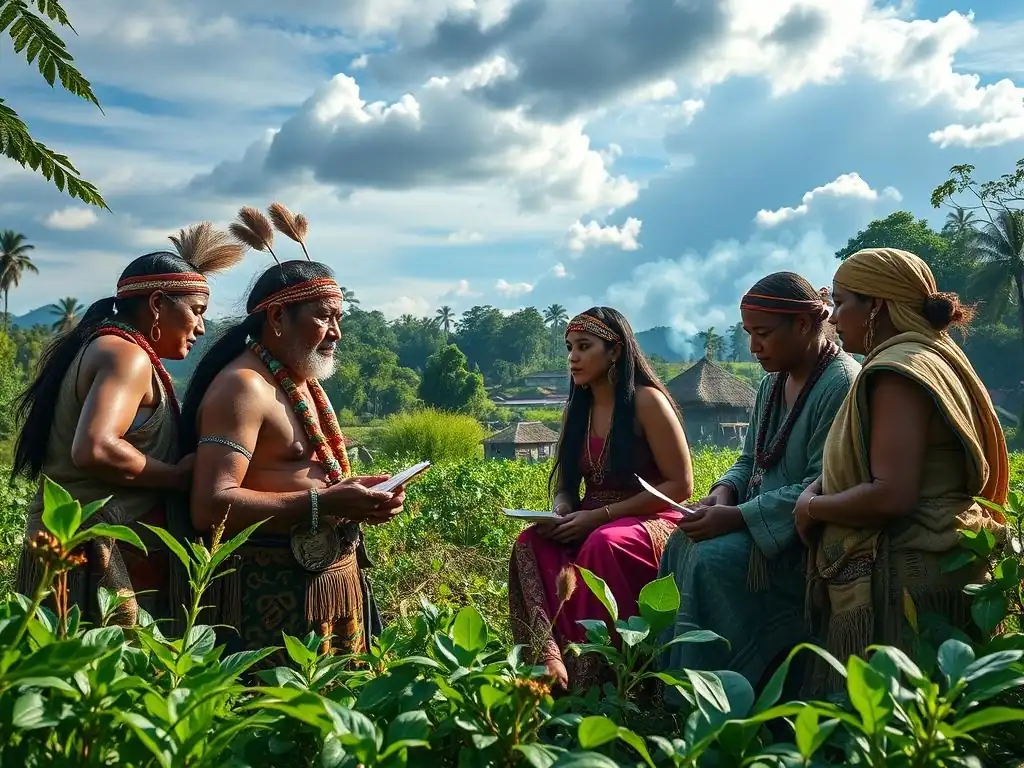
Welcome to Indigenous Civilizations of the Americas, where we delve into the rich tapestry of cultures that flourished long before the arrival of European settlers. Here, you will uncover the remarkable survival strategies employed by indigenous peoples in the Americas, particularly in the face of devastating epidemics brought by colonization. Our featured article, “Epidemics and Adaptation: Indigenous Strategies for Surviving European Diseases,” invites you to explore the resilience and ingenuity of these societies.
What innovative approaches did they devise to navigate such unprecedented challenges? Join us as we illuminate the enduring legacy of these vibrant cultures and their profound impact on history. Your journey into the past starts here!
- Introduction to Indigenous Survival Strategies in the Americas
- Historical Context of European Diseases in the Americas
- Indigenous Survival Strategies: An Overview
- Specific Indigenous Strategies for Surviving European Diseases
- Case Studies of Indigenous Resilience
- Lessons Learned from Indigenous Survival Strategies
- Conclusion: The Legacy of Indigenous Survival Strategies in the Americas
-
Frequently Asked Questions
- What were some Indigenous survival strategies against European diseases?
- How did epidemics affect Indigenous populations in the Americas?
- What role did cultural practices play in adaptation to diseases?
- How did Indigenous societies demonstrate resilience in the face of colonization?
- Why is it important to study Indigenous survival strategies today?
- Final Reflection: Resilience Through Indigenous Survival Strategies
- Embrace Resilience: Take Action for Indigenous Health Today!
Introduction to Indigenous Survival Strategies in the Americas
The arrival of Europeans in the Americas marked a significant turning point in the history of indigenous populations, as it ushered in a series of epidemics that devastated local communities. These health crises were not merely the result of new diseases but represented a complex interplay of biological, social, and cultural factors. In this article, we will explore the indigenous survival strategies employed across the Americas in response to these epidemics.
By examining how different cultures adapted to the challenges posed by European diseases, we gain a deeper understanding of their resilience and resourcefulness. This exploration not only highlights the impact of these strategies on indigenous communities but also sheds light on their lasting influence on contemporary health practices.
Overview of Epidemics in the Americas
Epidemics swept through the Americas following European contact, with diseases such as smallpox, measles, and influenza wreaking havoc among indigenous populations. Historical records indicate that:
- Smallpox: This disease alone is estimated to have killed up to 90% of some indigenous populations in certain regions.
- Measles and Influenza: These diseases contributed to significant mortality rates, often leading to social disruption and the collapse of traditional societies.
The rapid spread of these diseases can be attributed to several factors:
- Lack of Immunity: Indigenous peoples had no prior exposure to these diseases, making them particularly vulnerable.
- Social Networks: Trade routes and social gatherings facilitated the swift transmission of pathogens across vast distances.
- Environmental Changes: The introduction of European agricultural practices altered local ecosystems, sometimes exacerbating the impact of diseases.
The cumulative effect of these epidemics reshaped the demographic landscape of the Americas, leading to significant loss of life and cultural heritage.
Importance of Studying Indigenous Responses to European Diseases
Understanding the indigenous survival strategies in the face of epidemics is crucial for several reasons:
- Cultural Resilience: Indigenous peoples demonstrated remarkable adaptability, utilizing traditional knowledge and practices to combat health crises. This resilience is reflected in their ability to recover and maintain cultural identity despite overwhelming challenges.
- Lessons for Modern Contexts: The strategies employed by indigenous communities can provide valuable insights for contemporary public health responses. By studying historical adaptations, modern societies can learn how to better prepare for and manage health crises.
- Recognition of Indigenous Knowledge: Acknowledging the effectiveness of indigenous practices fosters a greater appreciation for traditional ecological knowledge, which can complement modern medical approaches.
These factors underscore the significance of examining indigenous responses to European diseases, illuminating a narrative of survival, adaptation, and enduring strength in the face of adversity.
Historical Context of European Diseases in the Americas
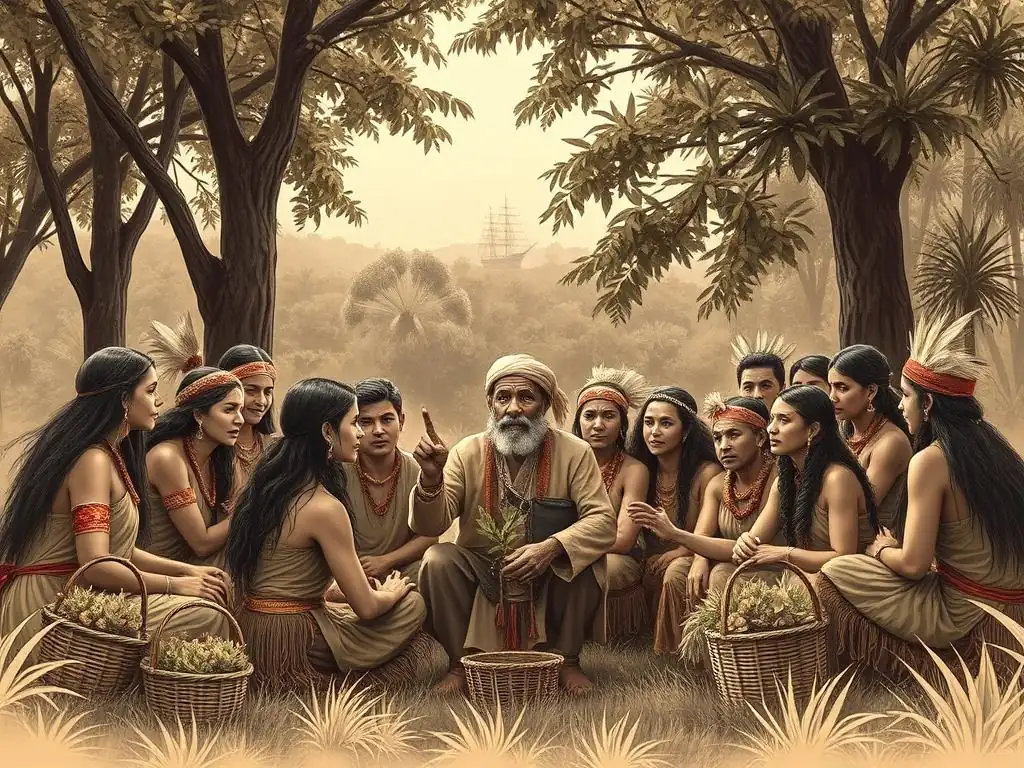
The arrival of Europeans in the Americas marked a significant turning point in the history of indigenous populations, particularly concerning health and disease. Prior to European contact, indigenous societies had developed robust systems of health and medicine, tailored to their environments and cultural practices. However, the introduction of European diseases, to which indigenous peoples had no prior exposure or immunity, resulted in devastating epidemics.
Major Epidemics and Their Impact on Indigenous Populations
The most notable epidemic events that swept through the Americas following European contact include:
- Smallpox: This disease was one of the deadliest, leading to mortality rates as high as 90% in some communities. Smallpox outbreaks began shortly after the arrival of Columbus in 1492 and continued to wreak havoc throughout the 16th and 17th centuries.
- Measles and Influenza: Along with smallpox, these diseases contributed to significant population declines. For instance, the 1618 influenza outbreak decimated the indigenous populations of the coastal regions of North America.
- Typhus and Cholera: Although less frequent, these diseases also contributed to mortality in the indigenous communities, particularly during periods of upheaval or displacement.
The impact of these epidemics was profound:
- Population Decline: Some estimates suggest that indigenous populations decreased by as much as 90% in certain areas, fundamentally altering the social fabric and cultural continuity of these societies.
- Social Disintegration: The loss of life, particularly among leaders and healers, led to a breakdown in traditional governance and social structures.
- Cultural Loss: With the catastrophic loss of population came the erosion of cultural practices, languages, and knowledge systems that had taken centuries to develop.
Understanding the Spread of Diseases Among Indigenous Communities
The spread of diseases among indigenous communities can be attributed to several interconnected factors:
- Lack of Immunity: Indigenous peoples had never been exposed to many of the diseases brought by Europeans, leading to a complete lack of immunity. This vulnerability made initial outbreaks particularly lethal.
- Trade Routes and Mobility: Pre-Columbian trade networks facilitated the movement of peoples and goods across vast distances. Following European contact, these networks inadvertently became conduits for disease transmission. For instance, traders and travelers who encountered Europeans often returned to their communities, bringing diseases with them.
- Environmental Factors: The varied climates and ecological conditions across the Americas influenced the spread of diseases. In regions with dense populations, such as the Aztec and Inca empires, diseases spread rapidly due to close living quarters and communal practices.
- Socio-political Disruption: The arrival of Europeans not only introduced diseases but also led to conflicts and the disruption of societies. Warfare and forced displacement often compounded the effects of epidemics, as people were uprooted from their homes and traditional ways of life.
Understanding the historical context of European diseases and their spread among indigenous populations is crucial for comprehending the broader impacts of European colonization in the Americas. The indigenous survival strategies that emerged in response to these crises reflect resilience and adaptability in the face of unprecedented challenges.
Indigenous Survival Strategies: An Overview
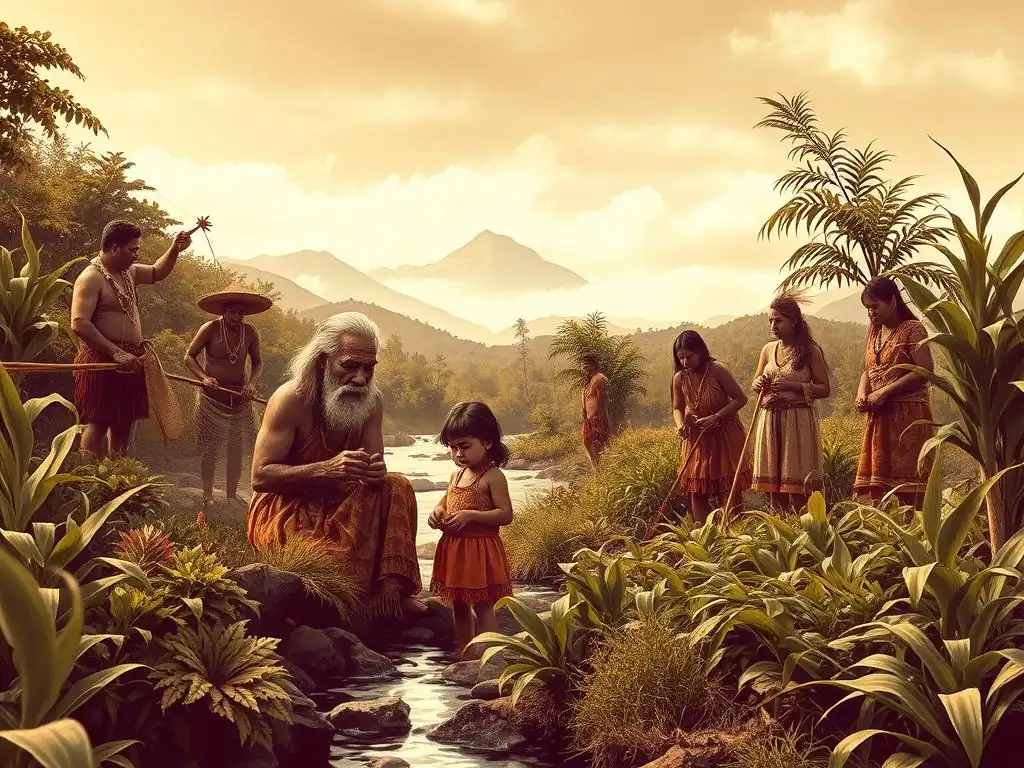
Indigenous survival strategies in the Americas encompassed a variety of adaptive techniques and practices developed over centuries to manage environmental challenges, including the devastating impact of European diseases during the colonization period. These strategies were not only crucial for immediate survival but also played an integral role in the resilience of indigenous populations, allowing them to navigate the complexities introduced by colonization and disease outbreaks.
These strategies can be categorized broadly into three main areas:
- Health and Healing Practices:
- Indigenous peoples relied heavily on traditional medicine, utilizing local plants and natural resources to treat illnesses. This knowledge was passed down through generations and tailored to the specific environmental conditions of each region.
- Community rituals and spiritual practices were also employed to bolster mental health and cope with the psychological impacts of epidemics.
- Social Cohesion and Community Support:
- Strong social networks were vital in times of crisis. Indigenous communities often relied on collective efforts to care for the sick and share resources, which reinforced communal ties and ensured a unified response to the threats posed by diseases.
- Storytelling and cultural practices were utilized to maintain morale and instill a sense of hope and continuity amidst devastation.
- Adaptation of Lifestyle and Economy:
- Many indigenous groups adapted their subsistence strategies to cope with population declines and changes in their environment. This often involved shifts in agricultural practices, such as diversifying crops or adopting new farming techniques that enhanced resilience.
- Trade networks were also adjusted to include new partners or resources, which allowed communities to recover economically after significant losses.
The combination of these strategies illustrates the ingenuity and adaptability of indigenous peoples in the face of unprecedented challenges, emphasizing their capacity for survival amidst the onslaught of European diseases.
Definition of Indigenous Survival Strategies
Indigenous survival strategies refer to the diverse methods and practices employed by indigenous peoples to sustain their communities and cultures in the face of external pressures, including environmental changes, conflicts, and, notably, the introduction of diseases by European colonizers. These strategies are deeply rooted in traditional ecological knowledge and cultural practices, allowing for dynamic responses to new challenges.
Key Components of Indigenous Survival Strategies:
- Cultural Resilience: The ability of indigenous communities to maintain their cultural identity and practices even in the face of adversity.
- Resource Management: Sustainable practices that ensure the long-term availability of natural resources necessary for survival.
- Community Engagement: The emphasis on social networks and collective action as a means of enhancing survival.
Understanding these strategies is crucial for recognizing the ways in which indigenous communities have historically navigated crises and adapted to changing circumstances.
Role of Traditional Knowledge in Response to Epidemics
Traditional knowledge played a pivotal role in shaping indigenous responses to epidemics, particularly during the early contact period with Europeans. This body of knowledge, which encompasses a wide array of practices, beliefs, and ecological insights, provided communities with vital tools for navigating health crises.
- Medicinal Practices:
- Indigenous healers utilized their profound understanding of local flora and fauna to create remedies for ailments. For example, plants such as echinacea and willow bark were commonly used for their medicinal properties and were often effective in treating symptoms associated with diseases introduced by Europeans.
- The use of steam baths and other traditional healing practices also contributed to physical and spiritual well-being, helping individuals cope with illness.
- Communication and Knowledge Sharing:
- Oral traditions and storytelling were essential for disseminating knowledge about health practices, disease prevention, and coping mechanisms within and between communities. This knowledge-sharing promoted resilience and adaptation.
- As epidemics spread, communities often adapted their practices based on observed outcomes, learning from both successes and failures in treating diseases.
- Cultural Practices and Spirituality:
- Spiritual beliefs and rituals were integral to the healing process. Many indigenous cultures viewed health and illness through a spiritual lens, and ceremonies served to strengthen communal bonds and foster hope during times of crisis.
- These practices not only provided comfort but also reinforced the cultural identity and continuity of indigenous peoples, serving as a source of strength in the face of adversity.
Traditional knowledge was indispensable in shaping effective indigenous survival strategies during epidemics, enabling communities to draw upon their cultural heritage and ecological wisdom to navigate the challenges posed by European diseases. The resilience demonstrated by these communities highlights the importance of incorporating traditional practices into contemporary discussions about health and survival.
Specific Indigenous Strategies for Surviving European Diseases
Adaptation of Traditional Healing Practices
The arrival of Europeans in the Americas brought with it a host of diseases that devastated indigenous populations. However, these communities showcased remarkable resilience through the adaptation of their traditional healing practices. Indigenous survival strategies in the Americas involved a blend of ancient knowledge and new experiences gained from encounters with European diseases.
Use of Medicinal Plants and Natural Remedies
Indigenous peoples had a profound understanding of their local ecosystems and the medicinal properties of native plants. They employed a variety of medicinal plants to treat illnesses and bolster their immune systems. For instance, the use of willow bark, rich in salicin, was common for pain relief, while echinacea was utilized to combat infections.
In the face of new diseases, many communities expanded their repertoire of remedies. They observed the effects of European medicinal practices and began integrating some of these new plants into their traditional herbal medicine. This blending of knowledge allowed for innovative treatments that utilized both indigenous and European botanicals, showcasing adaptability in the face of adversity.
Integration of New Knowledge from European Medicine
As indigenous groups encountered European settlers, they engaged in a complex process of knowledge exchange. Some tribes adopted aspects of European medical practices, particularly in response to the devastating effects of diseases like smallpox and influenza. This integration was not merely a passive acceptance; rather, it involved critical assessments of the efficacy of these new treatments.
For example, some indigenous healers began to incorporate methods such as bloodletting or the use of certain European herbs, while maintaining their traditional rituals and spiritual practices. This dual approach exemplified their adaptive strategies to combat the unfamiliar diseases that threatened their communities. By blending their extensive herbal knowledge with European practices, indigenous groups developed a more comprehensive health strategy that reflected their ongoing resilience.
Indigenous survival strategies were not limited to individual healing practices; they also encompassed robust social and community-based approaches. These strategies emphasized collective action and support, which were vital during times of crisis brought by epidemics.
Strengthening Community Bonds in Times of Crisis
In many indigenous cultures, the emphasis on community and collective well-being became especially pronounced during health crises. Communities rallied together to support the sick and their families, organizing communal efforts to care for those affected by disease. This included sharing resources, such as food and medicine, and providing emotional and spiritual support.
Moreover, traditional ceremonies and rituals were often adapted to include prayers and blessings for health and recovery, reinforcing community bonds. Such practices not only provided comfort but also fostered a sense of unity and resilience in the face of adversity. By working together, communities could better withstand the impacts of disease, demonstrating their profound understanding of the interconnectedness of health and social cohesion.
Role of Elders and Leaders in Crisis Management
Elders and community leaders played a crucial role in managing crises during epidemics. Their deep well of knowledge about traditional practices and their experience in leadership were invaluable assets. Elders often guided the community’s response to disease outbreaks, utilizing their wisdom to make informed decisions about health practices and community support.
These leaders acted as intermediaries between tradition and the new realities posed by European diseases. They facilitated discussions about the adoption of new practices while ensuring that traditional values and beliefs remained central to community identity. Their leadership was instrumental in fostering resilience, as they provided a sense of stability and continuity during turbulent times.
The adaptive strategies employed by indigenous communities in the Americas included a combination of traditional healing practices, integration of new knowledge, and strong social networks. These responses not only helped to mitigate the impacts of European diseases but also reinforced the enduring strength and resilience of indigenous cultures.
Agricultural Adaptations and Food Security
The arrival of Europeans in the Americas brought unprecedented challenges for indigenous populations, particularly in the form of new diseases that decimated communities. In response, many indigenous cultures employed agricultural adaptations and strategies to enhance food security, ensuring their survival in the face of these adversities. Central to these adaptations was the understanding of local ecosystems and the development of sustainable agricultural practices that could withstand the shocks caused by epidemics.
Indigenous peoples utilized their extensive knowledge of native crops and environmental conditions to maximize food production. They employed techniques such as crop rotation, intercropping, and the use of companion planting to maintain soil fertility and reduce pests. These methods not only improved yields but also diversified their food sources, making communities more resilient to the loss of specific crops due to disease outbreaks or other external pressures.
Crop Diversification as a Survival Strategy
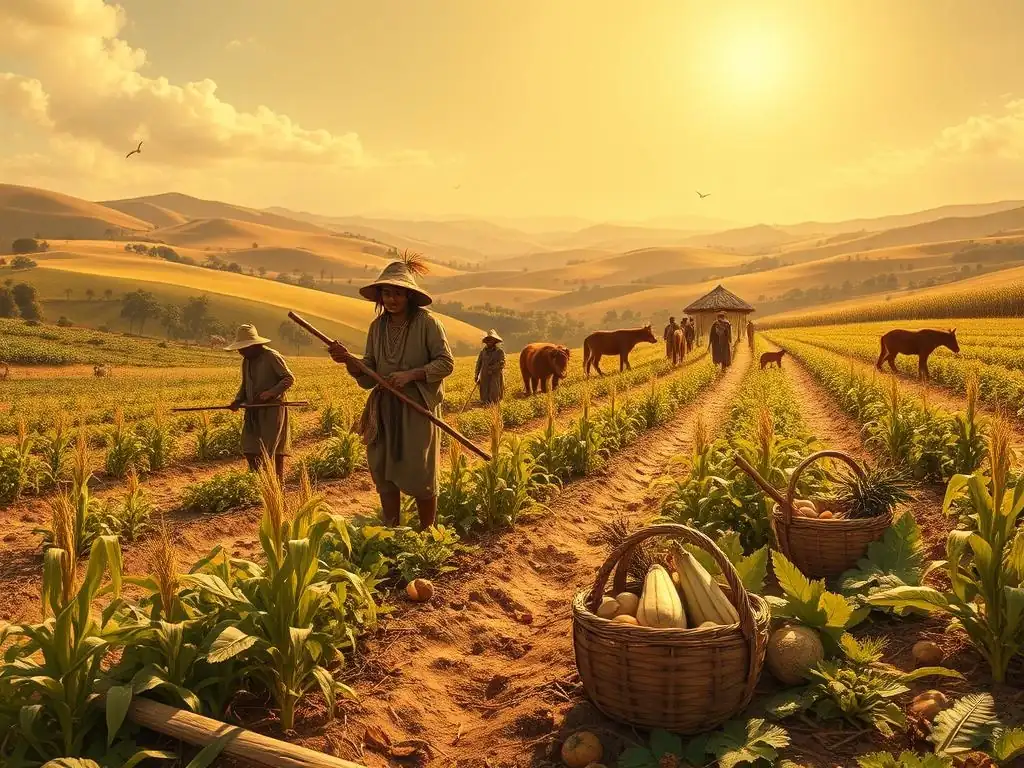
Crop diversification emerged as a critical survival strategy for indigenous civilizations throughout the Americas. By cultivating a variety of crops, communities could mitigate the risks associated with monoculture, which left them vulnerable to pests, diseases, and changing climatic conditions.
Key Aspects of Crop Diversification:
- Increased Resilience: Growing multiple types of crops reduced the likelihood of total crop failure. For example, maize, beans, and squash—often referred to as the "Three Sisters"—were commonly grown together. This polyculture not only complemented the nutritional needs of the community but also improved soil health and reduced the impact of diseases on any single crop.
- Cultural Significance: Different crops held spiritual and cultural significance, reinforcing community identity and cohesion. The cultivation and consumption of traditional crops allowed indigenous groups to maintain cultural practices and connections to their ancestors, even in the face of upheaval.
- Adaptation to New Conditions: As European diseases decimated populations, many indigenous peoples were forced to relocate or adapt to new agricultural environments. This adaptability was facilitated by their diverse crop knowledge, allowing them to experiment with new varieties and techniques that suited their changing circumstances.
Preservation Techniques for Food Sustainability
To ensure food sustainability, indigenous peoples developed various preservation techniques that allowed them to store surplus food for future use. These methods were crucial, especially during times of crisis when access to fresh food was severely limited due to epidemics or resource depletion.
Notable Preservation Techniques:
- Drying and Smoking: Many indigenous cultures employed drying and smoking methods to preserve meats, fish, and fruits. For instance, tribes living along the Pacific Northwest coast utilized smoking techniques for salmon, which could be stored for months and served as an essential food source during winter months.
- Fermentation: Fermentation was another common preservation strategy. Indigenous peoples fermented various foods, including maize and fruits, to create products like chicha (a fermented beverage) and other preserved items that provided nutritional benefits and extended shelf life.
- Storage Structures: The construction of storage facilities, such as granaries and root cellars, allowed communities to protect their food supplies from pests and environmental conditions. These structures were often strategically placed to maintain optimal temperature and humidity levels, further enhancing food preservation.
Through these agricultural adaptations and preservation techniques, indigenous civilizations developed robust survival strategies that not only addressed immediate food security concerns but also laid the groundwork for long-term resilience in the face of European diseases.
Case Studies of Indigenous Resilience
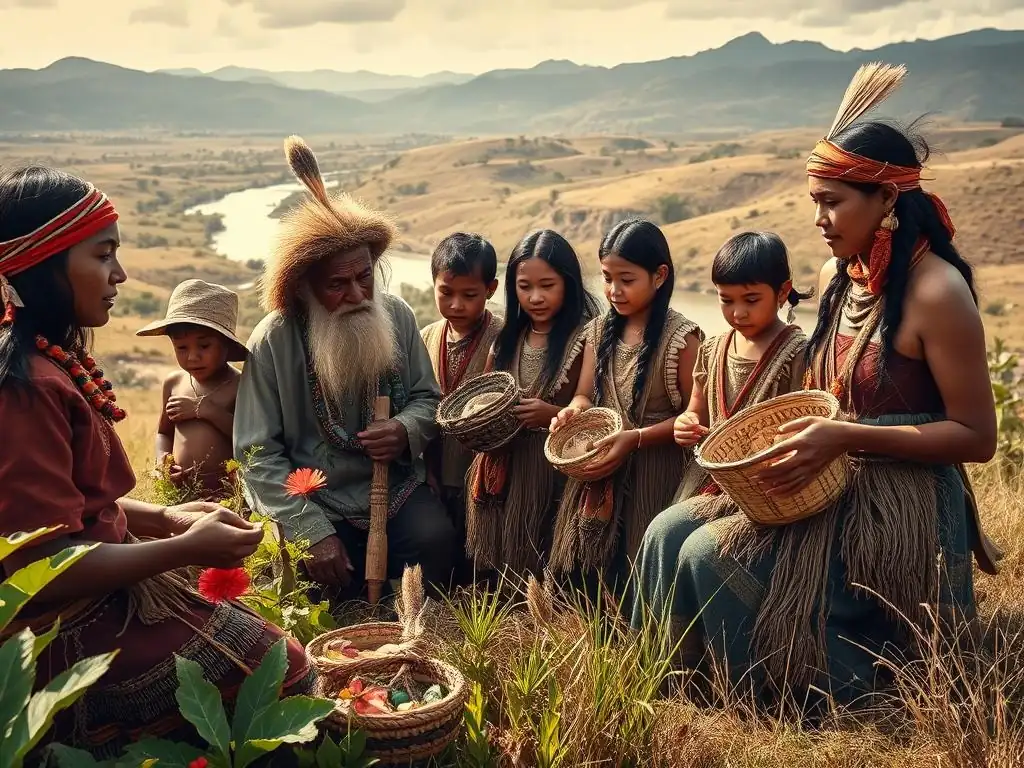
The impact of European diseases on indigenous populations in the Americas was catastrophic, leading to significant mortality rates and societal disruptions. However, many indigenous groups exhibited remarkable resilience and adaptability in response to these challenges. This section explores two case studies of indigenous survival strategies, focusing on the Haudenosaunee Confederacy and the Navajo Nation.
Case Study 1: The Haudenosaunee Confederacy
Description of Epidemic Impact
The Haudenosaunee Confederacy, also known as the Iroquois Confederacy, was a powerful alliance of six Native American nations located in what is now the northeastern United States. The arrival of Europeans introduced devastating diseases such as smallpox, influenza, and measles, to which the Haudenosaunee had no immunity.
- Mortality Rates: It is estimated that the population of the Haudenosaunee dropped by as much as 50% during the epidemics of the 17th century. This dramatic decline not only affected population numbers but also disrupted social structures and governance.
- Social Disruption: Traditional roles within the confederacy were altered, leading to challenges in maintaining unity and stability among the member nations.
Strategies Employed for Survival
In the face of such overwhelming challenges, the Haudenosaunee employed several strategies that highlighted their resilience:
- Strengthened Alliances:
- The confederacy reinforced its internal alliances, promoting unity among the member nations. By strengthening their political and social ties, they were better positioned to respond collectively to the threats posed by disease and European encroachment.
- Adaptation of Practices:
- Traditional practices related to medicine and healing were adapted. Knowledge of herbal remedies and spiritual practices became crucial as communities sought to treat and prevent illness.
- Cultural Preservation:
- The Haudenosaunee focused on preserving their cultural practices, which fostered community cohesion. Through storytelling, rituals, and ceremonies, they maintained their identity and traditions despite the challenges posed by external forces.
Description of Epidemic Impact
The Navajo Nation, located in the southwestern United States, faced its own set of challenges due to European diseases. The introduction of diseases like smallpox and tuberculosis led to significant mortality among the Navajo people, particularly during the 19th century.
- Population Decline: Estimates indicate that the Navajo population decreased by approximately 50% during major epidemics, particularly from the 1860s to the 1880s.
- Cultural Impact: The loss of community members, including leaders and healers, disrupted traditional practices and governance, leading to a crisis in cultural transmission and social order.
Strategies Employed for Survival
The Navajo Nation demonstrated remarkable adaptability through various strategies:
- Community Support Systems:
- The Navajo people relied heavily on communal support networks. Families and clans worked together to care for the sick and to share resources, ensuring that vulnerable members of the community received the necessary care.
- Integration of New Knowledge:
- As European settlers introduced new medical practices, the Navajo adapted these techniques alongside their traditional healing methods. This integration allowed for a more comprehensive approach to health that combined both indigenous and European knowledge.
- Spiritual Resilience:
- Spiritual practices played a crucial role in coping with the trauma of epidemics. The Navajo often turned to traditional ceremonies to seek healing and community strength, reinforcing their connection to their cultural identity.
The resilience displayed by the Haudenosaunee Confederacy and the Navajo Nation serves as a testament to the adaptability and strength of indigenous cultures in the face of catastrophic change. Through community solidarity, adaptive practices, and cultural preservation, these groups not only survived but also laid the groundwork for future generations. Their experiences provide valuable insights into the broader narrative of indigenous survival strategies in the Americas.
Lessons Learned from Indigenous Survival Strategies
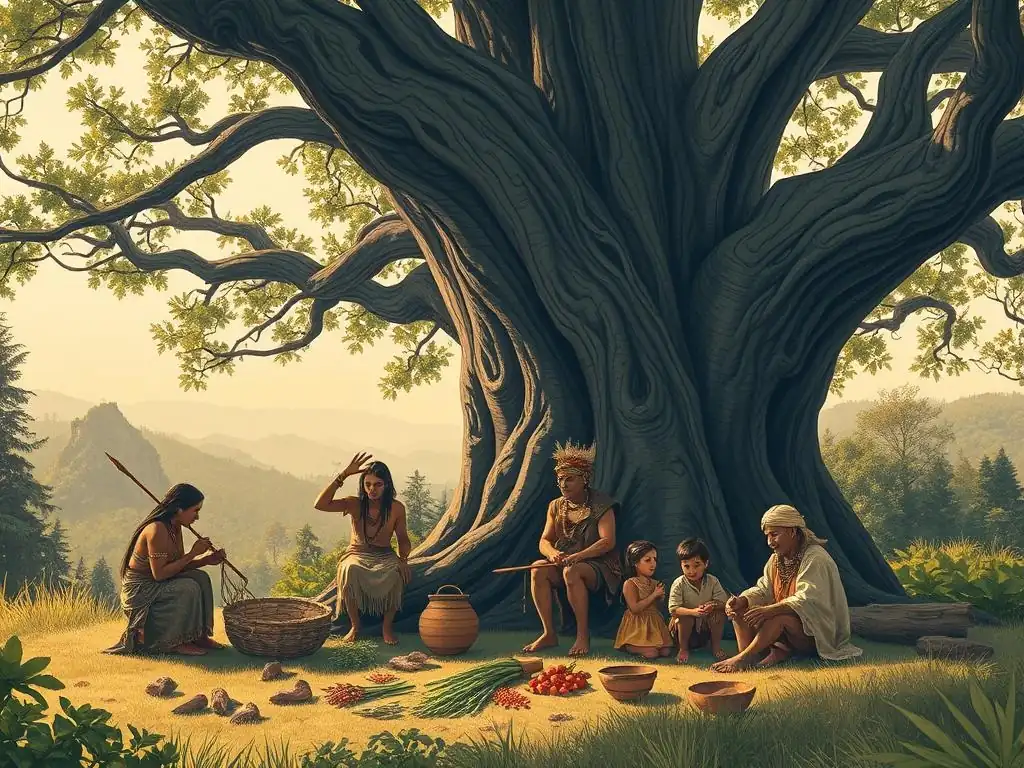
Indigenous communities in the Americas demonstrated remarkable resilience and adaptability in the face of European diseases that decimated their populations. These survival strategies not only highlight the ingenuity of these cultures but also serve as crucial lessons for contemporary society.
Importance of Cultural Resilience and Adaptation
Cultural resilience refers to the ability of a community to maintain its distinct cultural identity while adapting to external pressures. For many indigenous groups, this was crucial during the epidemics that followed European contact. The following elements illustrate their adaptive strategies:
- Community Cohesion: Indigenous societies often relied on strong communal bonds. When faced with disease, they prioritized collective well-being over individual interests. This cohesion facilitated the sharing of resources and information about effective practices to combat illness.
- Traditional Healing Practices: Many indigenous cultures employed extensive knowledge of local medicinal plants and healing practices. These traditional remedies were not only vital for treating ailments but also served to reinforce cultural identity. For example, the use of plants like Echinacea and willow bark showcased their deep understanding of their environment.
- Spiritual Adaptation: Spiritual beliefs played a significant role in how indigenous peoples responded to epidemics. Many viewed diseases not solely as biological threats but also as spiritual challenges. Rituals and ceremonies aimed at restoring balance were integral to their coping mechanisms.
- Innovation in Agricultural Practices: Indigenous agricultural practices evolved in response to population declines and labor shortages caused by epidemics. They adopted more sustainable farming methods that required less labor, thereby allowing communities to thrive despite diminished workforce numbers.
Relevance of Indigenous Knowledge in Modern Public Health
The indigenous survival strategies from the past hold significant relevance in today's public health discourse. By examining these approaches, modern health practitioners can glean valuable insights into effective responses to health crises. Here are several ways in which indigenous knowledge can inform contemporary practices:
- Holistic Health Approaches: Indigenous medicine often integrates physical, emotional, and spiritual well-being. This holistic perspective can enhance modern public health strategies by promoting comprehensive care that addresses not just symptoms but the overall health of individuals within their communities.
- Sustainable Practices: The sustainable agricultural techniques developed by indigenous peoples can inform current practices in public health related to food security and nutrition. As global challenges like climate change and food scarcity become more pressing, these traditional methods offer viable solutions.
- Community Engagement: The emphasis on community involvement in indigenous survival strategies highlights the importance of engaging local populations in public health initiatives. By incorporating community insights and traditional knowledge, health programs can be more effectively tailored to meet the specific needs of diverse populations.
- Crisis Management Frameworks: The adaptive strategies used by indigenous groups during epidemics can serve as frameworks for modern crisis management. By studying their responses, public health officials can develop more resilient systems that can quickly adapt to emerging health threats.
The indigenous survival strategies in the face of European diseases not only reflect a profound understanding of their environments but also provide critical insights that can enhance modern public health approaches. Embracing these lessons can foster a more inclusive and effective response to health crises in diverse communities across the Americas.
Conclusion: The Legacy of Indigenous Survival Strategies in the Americas
The legacy of Indigenous survival strategies in the Americas is a testament to the resilience and adaptability of these cultures in the face of catastrophic epidemics. These strategies were not merely reactive measures; they embodied a profound understanding of the interconnectedness of health, environment, and community. The ability of Indigenous peoples to navigate the challenges posed by European diseases reflects their rich knowledge systems and resourcefulness.
Reflection on the Enduring Impact of Epidemics
Epidemics brought by European colonization had devastating effects on Indigenous populations, leading to significant demographic changes and cultural disruptions. However, the ways in which Indigenous communities responded—through practices like quarantine, traditional medicine, and community solidarity—demonstrated remarkable adaptability.
- Quarantine Practices: Different tribes implemented isolation strategies to protect healthy individuals from infected members. For instance, some communities would designate specific areas for the sick, reducing the spread of illness within the population.
- Traditional Medicine: Indigenous knowledge of herbal remedies and medicinal plants played a crucial role in treating ailments caused by epidemics. For example, the use of plants like echinacea and willow bark showcased a deep understanding of natural medicine that has persisted through generations.
- Community Solidarity: Many Indigenous peoples turned to communal support systems, sharing resources and care responsibilities to ensure the survival of their groups. This response not only addressed immediate health concerns but also reinforced social bonds that had been threatened by the trauma of disease.
The legacies of these survival strategies are still evident today, as they have influenced contemporary Indigenous health practices and continue to inform discussions about resilience and adaptation in the face of modern health challenges.
Call to Recognize and Preserve Indigenous Knowledge and Practices
In recognizing the profound impact of Indigenous survival strategies, it is imperative to advocate for the preservation and revitalization of these traditional practices.
- Education and Awareness: Increasing awareness about the historical and contemporary significance of Indigenous knowledge can foster greater respect and understanding among wider society. Educational programs should aim to highlight the importance of these practices in the context of health and environmental sustainability.
- Incorporation into Modern Healthcare: Integrating Indigenous medicinal knowledge into contemporary healthcare systems can provide valuable insights and alternative approaches to health and wellness. Collaboration between Indigenous healers and modern medical practitioners can enhance health outcomes for all communities.
- Cultural Preservation Initiatives: Supporting initiatives that aim to document and preserve Indigenous languages, stories, and medicinal practices is vital. These efforts will not only honor the legacy of Indigenous peoples but also ensure that future generations can access and benefit from this rich heritage.
The Indigenous survival strategies in the Americas offer invaluable lessons about resilience, community, and the importance of holistic health approaches. By recognizing and preserving these practices, society can honor the enduring legacy of Indigenous cultures and promote a more inclusive understanding of health and wellness.
Frequently Asked Questions
What were some Indigenous survival strategies against European diseases?
Indigenous peoples employed various survival strategies, including the use of traditional medicine, community support systems, and adapting their diets to bolster immunity against new illnesses.
How did epidemics affect Indigenous populations in the Americas?
Epidemics led to significant declines in Indigenous populations due to lack of prior exposure to European diseases, resulting in widespread mortality and social disruption.
What role did cultural practices play in adaptation to diseases?
Cultural practices, such as communal gatherings and traditional healing rituals, helped foster social cohesion and resilience, allowing communities to adapt to challenges posed by European diseases.
How did Indigenous societies demonstrate resilience in the face of colonization?
Indigenous societies showed remarkable resilience by adapting their lifestyles, maintaining cultural traditions, and developing new strategies for resource management in response to European colonization.
Why is it important to study Indigenous survival strategies today?
Studying Indigenous survival strategies provides valuable insights into sustainable practices, historical resilience, and the ongoing impact of colonization, informing contemporary issues of health and cultural preservation.
Final Reflection: Resilience Through Indigenous Survival Strategies
The historical narratives of epidemics and adaptation reveal profound truths about the resilience of Indigenous peoples in the Americas. As we navigate a world still grappling with the repercussions of disease, the lessons from Indigenous survival strategies offer not only a glimpse into the past but also a roadmap for contemporary challenges. The ability to adapt, innovate, and utilize traditional knowledge in the face of adversity is a testament to the enduring spirit of these communities.
The impact of Indigenous survival strategies extends far beyond historical contexts; it resonates deeply within our cultural and social landscapes today. The ways in which Indigenous peoples have historically confronted and adapted to European diseases serve as a powerful reminder of their ingenuity and strength. As we witness ongoing health disparities and the effects of modern pandemics, we are called to recognize and honor these strategies. In the midst of chaos, there is also opportunity.
This quote encapsulates the essence of resilience, urging us to seek opportunities for growth and healing in the face of adversity.
As you reflect on the lessons of adaptation and survival presented in this article, consider how you can apply these insights in your own life. Embrace the spirit of resilience and adaptability that has characterized Indigenous cultures for centuries. Whether it’s fostering community connections, advocating for health equity, or learning from traditional ecological knowledge, each of us has the power to contribute to a more resilient future. Let us honor the past by actively engaging in the present and shaping a healthier tomorrow for all.
Embrace Resilience: Take Action for Indigenous Health Today!
Thank you for exploring the profound ways Indigenous communities have navigated the challenges posed by diseases throughout history. Your engagement with these invaluable strategies not only illuminates our past but also contributes to the ongoing dialogue about health and resilience in the present. Now, let's transform this knowledge into meaningful action!
- Join a local or online group dedicated to supporting Indigenous health initiatives, amplifying voices, and preserving cultural practices.
- Share this article with friends and family to raise awareness about Indigenous strategies for resilience.
- Deepen your understanding by attending workshops or lectures on Indigenous health and history in your community.
How can you contribute to the conversation about health and resilience in your community?