
Building Alliances: Coalition Work Between Indigenous and Environmental Movements

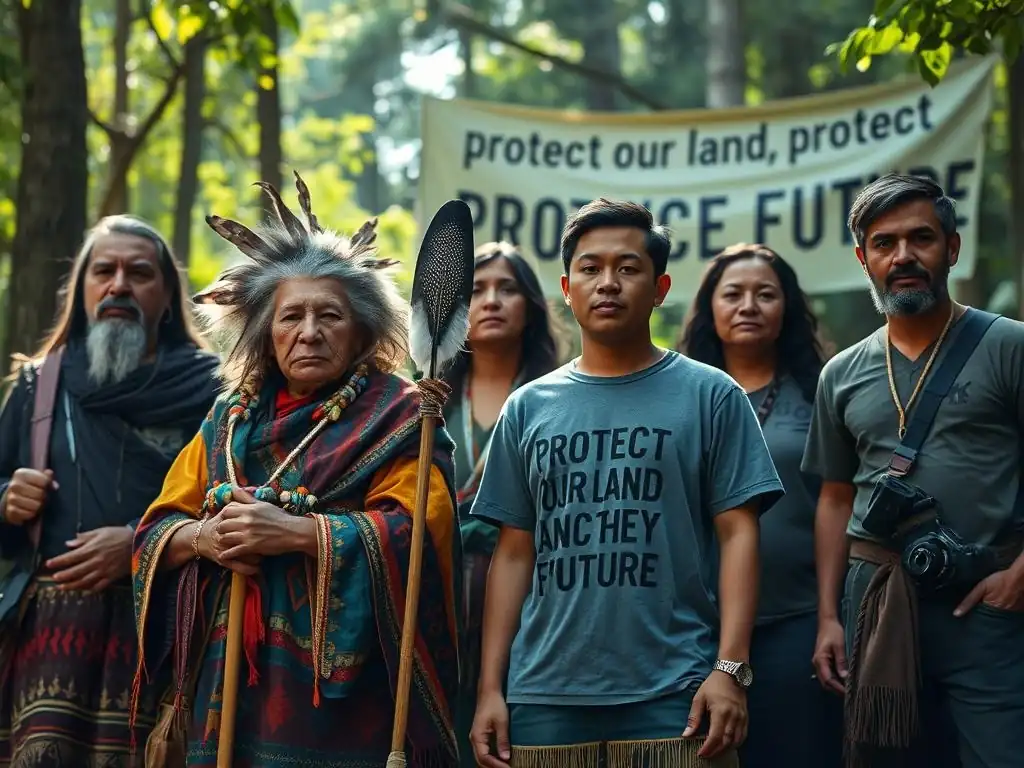
Welcome to Indigenous Civilizations of the Americas, a portal into the rich tapestry of indigenous cultures that flourished long before European contact. Here, we delve into the profound achievements and vibrant societies that shaped the continent, illuminating their enduring legacy.
Our featured article, "Building Alliances: Coalition Work Between Indigenous and Environmental Movements," explores the intricate Indigenous environmental alliance strategies that not only reflect a deep understanding of the land but also highlight the powerful connections forged in the quest for sustainability. Prepare to uncover the wisdom and resilience of these communities as we invite you to journey deeper into their stories and insights.
In recent years, there has been a significant increase in the collaboration between Indigenous communities and environmental movements, leading to powerful alliances that advocate for both land rights and ecological preservation. This article delves into the intricate dynamics of these coalitions, exploring how Indigenous environmental alliance strategies have emerged as a vital force in addressing contemporary environmental challenges. By examining the historical context of Indigenous rights movements and the evolution of environmental advocacy, we can better understand the synergies created when these two movements unite.
The consequences of such alliances are far-reaching, affecting policy, community resilience, and the preservation of cultural heritage. Ultimately, this exploration highlights the enduring impact of Indigenous knowledge systems and the importance of recognizing the interconnectedness of land, culture, and environmental stewardship.
Introduction to Indigenous Environmental Alliances
Indigenous environmental alliances represent a collaborative effort between Indigenous peoples and environmental organizations, aimed at addressing shared concerns regarding land, resources, and sustainability. These alliances are grounded in the understanding that Indigenous communities have historically been the stewards of their lands, possessing unique knowledge and practices that promote ecological balance and biodiversity. By merging traditional ecological knowledge with contemporary environmental strategies, these coalitions work to advocate for policies that honor Indigenous rights while fostering environmental protection.
Understanding Indigenous Environmental Alliance Strategies
The strategies employed within Indigenous environmental alliances are multifaceted and often tailored to specific local contexts. Key components include:
- Collaborative Research: Engaging in joint research projects that incorporate Indigenous knowledge systems alongside scientific methodologies to produce comprehensive environmental assessments.
- Advocacy and Policy Development: Working together to influence legislation that supports land rights, environmental sustainability, and the recognition of Indigenous sovereignty.
- Community Engagement: Mobilizing community members through education and awareness initiatives to foster a deeper understanding of environmental issues and Indigenous rights.
- Cultural Revitalization: Emphasizing the importance of cultural practices and teachings in ecological management, ensuring that Indigenous traditions are preserved and integrated into modern environmental practices.
Importance of Coalition Work in Land Rights and Environmental Protection
The importance of coalition work between Indigenous and environmental movements cannot be overstated. By joining forces, these groups can leverage their unique strengths to achieve common goals, such as:
- Strengthening Legal Frameworks: Collaborating to create robust legal protections for Indigenous lands and resources, ensuring that Indigenous voices are heard in environmental policymaking.
- Enhancing Resilience: Building community resilience through sustainable practices that are informed by Indigenous knowledge, which can lead to healthier ecosystems and communities.
- Raising Global Awareness: Amplifying Indigenous perspectives on environmental issues at national and international forums, thereby increasing visibility and support for their causes.
Historical Context of Indigenous and Environmental Movements
Understanding the historical context in which Indigenous and environmental movements have developed is crucial to grasping the significance of their current alliances.
Overview of Indigenous Rights Movements
Indigenous rights movements have gained momentum since the mid-20th century, driven by a desire for self-determination, land reclamation, and cultural preservation. These movements have sought to address the historical injustices faced by Indigenous peoples, including displacement, marginalization, and the erosion of their cultural identities. Landmark events, such as the formation of the American Indian Movement (AIM) in the 1960s and the establishment of the United Nations Declaration on the Rights of Indigenous Peoples (UNDRIP) in 2007, have played pivotal roles in advancing Indigenous rights on both national and global stages.
Evolution of Environmental Movements
The environmental movement has evolved significantly since the 1960s, transitioning from a focus on conservation to a broader understanding of sustainability that includes social justice and Indigenous rights. As environmental degradation worsened, activists began to recognize the interconnections between ecological health and social equity, prompting a shift towards inclusive strategies that incorporate diverse perspectives, particularly those of Indigenous peoples.
Key Historical Events that Shaped Indigenous and Environmental Alliances
Several key historical events have shaped the alliances between Indigenous and environmental movements, including:
- The Love Canal Incident: In the late 1970s, the environmental disaster in Love Canal, New York, galvanized public awareness of environmental issues and the importance of grassroots activism.
- Standing Rock Protests: The 2016 protests against the Dakota Access Pipeline brought together Indigenous activists and environmentalists, highlighting the need for protecting water resources and Indigenous land rights.
- International Climate Agreements: The Paris Agreement and other global climate accords have increasingly recognized the role of Indigenous peoples in climate action, fostering collaboration between Indigenous communities and environmental organizations.
These historical milestones illustrate the growing recognition of the need for coalition work, as both movements confront shared challenges in the fight for justice and sustainability.
The Role of Indigenous Knowledge in Environmental Advocacy
Indigenous knowledge plays a pivotal role in environmental advocacy, particularly in the context of sustainable resource management and ecological preservation. This knowledge is deeply rooted in the traditional practices, beliefs, and relationships that Indigenous peoples have developed with their lands over countless generations. As environmental challenges intensify globally, the integration of Indigenous knowledge systems into broader environmental advocacy efforts has become increasingly recognized as vital for addressing ecological issues effectively.
Indigenous communities possess invaluable insights into biodiversity, land stewardship, and climate resilience. Their holistic understanding of ecosystems often contrasts sharply with conventional Western approaches, which tend to compartmentalize environmental issues. By valuing and incorporating Indigenous perspectives, advocacy movements can create more comprehensive strategies that respect cultural heritage while promoting sustainable practices.
Traditional Ecological Knowledge (TEK) as a Resource
Traditional Ecological Knowledge (TEK) refers to the cumulative body of knowledge, practices, and beliefs acquired by Indigenous peoples over time through direct experiences in their environment. TEK encompasses understanding the relationships between living beings and their environment, including the seasonal cycles, plant and animal behaviors, and sustainable harvesting methods.
This resource is particularly significant for environmental advocacy, as it offers insights into sustainable land management practices that have been honed over centuries. For example, Indigenous fire management techniques, which involve controlled burns to promote healthy ecosystems, have been shown to reduce the risk of catastrophic wildfires and enhance biodiversity. By integrating TEK into contemporary environmental strategies, advocates can benefit from innovative approaches that have stood the test of time.
Case Studies of Successful Indigenous Practices in Environmental Management
Numerous case studies exemplify the effectiveness of Indigenous practices in environmental management. One notable example is the Māori of New Zealand, who have successfully advocated for the recognition of their rights to manage natural resources through the concept of kaitiakitanga, or guardianship. This practice emphasizes a holistic approach to environmental stewardship, wherein the community actively manages and protects their ancestral lands and waters.
Another example can be found among the Yurok Tribe in Northern California. They have implemented traditional salmon habitat restoration practices, which lead to increased salmon populations and healthier river ecosystems. These practices highlight how Indigenous wisdom can directly contribute to biodiversity conservation and ecological restoration.
Integrating Indigenous Knowledge with Modern Environmental Strategies
Integrating Indigenous knowledge with modern environmental strategies requires a collaborative approach that values both systems of knowledge. This integration can take various forms, such as co-management agreements, participatory research, and policy development that includes Indigenous voices.
For effective integration, it is essential to establish frameworks that allow for the sharing of knowledge while respecting Indigenous rights and governance structures. Collaborative projects, such as those seen in Canada’s Indigenous Protected and Conserved Areas (IPCAs) initiative, demonstrate how Indigenous communities can lead conservation efforts while aligning with modern environmental goals. This partnership not only enhances ecological outcomes but also restores Indigenous rights and promotes cultural revitalization.
Strategies for Building Effective Alliances
Building effective alliances between Indigenous and environmental movements necessitates strategic approaches that prioritize collaboration, respect, and mutual objectives. These strategies are crucial for addressing the intertwined challenges of land rights and environmental degradation.
Identifying Common Goals: Land Rights and Environmental Protection
Identifying common goals between Indigenous communities and environmental organizations is fundamental to forming strong alliances. Both groups often share interests in preserving ecosystems, safeguarding biodiversity, and advocating for sustainable land use practices.
Land rights are particularly central to these discussions, as Indigenous peoples often face existential threats to their territories from industrial development, deforestation, and climate change. By aligning their efforts with environmental goals, such as habitat conservation and climate action, both Indigenous and environmental movements can work towards shared objectives. Collaborative campaigns that highlight the interdependence of land rights and environmental protection can enhance the visibility and urgency of their causes.
Communication Strategies Between Indigenous and Environmental Groups
Effective communication is crucial for fostering collaboration between Indigenous and environmental groups. Establishing platforms for dialogue that respect cultural differences and promote understanding is essential.
Key strategies include:
- Utilizing Indigenous languages and cultural narratives to convey messages effectively.
- Organizing workshops and community gatherings that bring together diverse stakeholders.
- Creating joint campaigns that showcase the shared values and objectives of both groups.
By implementing these strategies, both Indigenous and environmental advocates can enhance their outreach efforts and cultivate a deeper sense of solidarity.
Building Trust and Mutual Respect in Coalition Work
Building trust and mutual respect is paramount in coalition work between Indigenous and environmental movements. Trust can be established through consistent engagement, transparency in decision-making, and honoring commitments.
This involves:
- Recognizing the sovereignty and unique rights of Indigenous peoples in all collaborative efforts.
- Involving Indigenous leaders in leadership roles within coalitions to ensure that their perspectives and needs are prioritized.
- Acknowledging historical injustices and the ongoing impacts of colonization on Indigenous communities.
By fostering an environment of respect and understanding, coalitions can create lasting partnerships that amplify their collective impact in advocating for both Indigenous rights and environmental sustainability.
Challenges Faced in Coalition Building
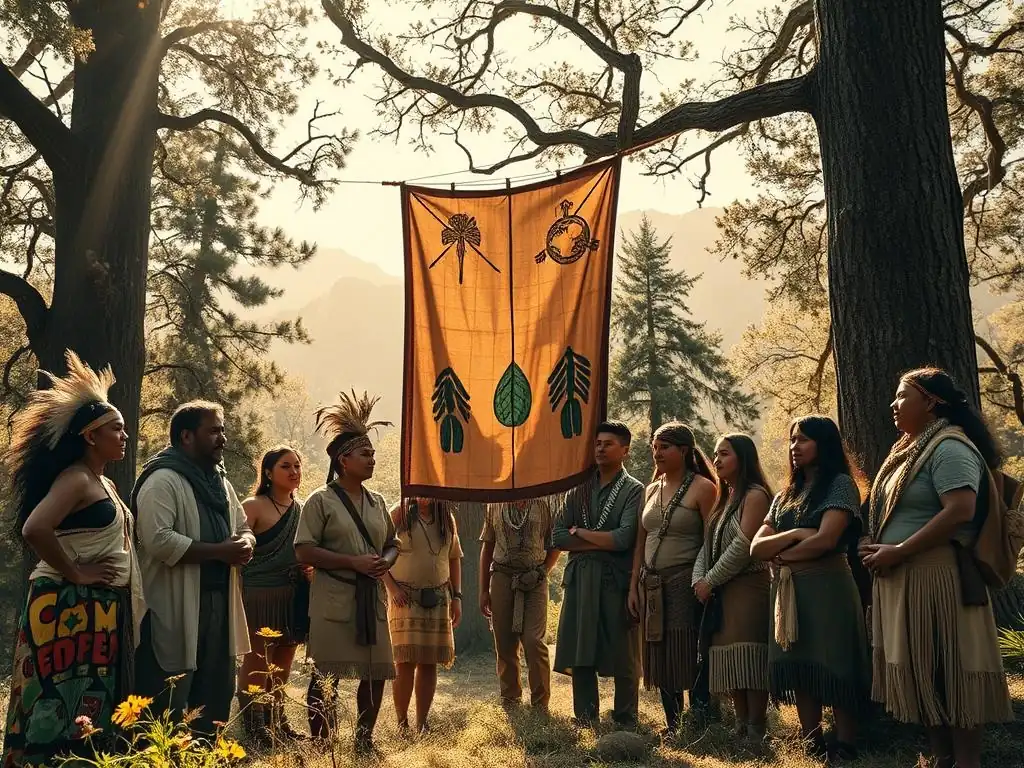
Building effective coalitions between Indigenous and environmental movements is a complex endeavor that often encounters various challenges. Understanding these obstacles is vital for developing more robust alliances that can advocate for land rights and environmental preservation effectively. Key challenges include cultural misunderstandings and stereotypes, institutional barriers to collaboration, and the intricacies of navigating political landscapes and power dynamics.
Cultural Misunderstandings and Stereotypes
Cultural misunderstandings and stereotypes can significantly impede the collaboration between Indigenous groups and environmental movements. Many environmental organizations may inadvertently perpetuate colonial attitudes or fail to recognize Indigenous sovereignty and traditional ecological knowledge. This lack of understanding can lead to:
- Tokenism: Indigenous voices may be included superficially, without genuine engagement or decision-making power.
- Misaligned Goals: Environmental movements may prioritize conservation approaches that conflict with Indigenous practices or beliefs, leading to friction rather than cooperation.
- Stereotyping: Generalizations about Indigenous cultures can foster distrust, making it difficult to create a unified front.
To address these issues, it's essential for both parties to engage in open dialogue, education, and respectful relationship-building that acknowledges and values Indigenous perspectives and knowledge systems.
Institutional Barriers to Collaboration
Institutional barriers are another significant challenge faced in coalition building. These barriers often manifest in various forms, such as:
- Funding Limitations: Many Indigenous organizations may lack access to funding that supports environmental initiatives, leading to resource disparities.
- Bureaucratic Hurdles: Navigating governmental and non-governmental organizations can be complicated, often requiring lengthy processes that hinder timely collaboration.
- Policy Constraints: Existing environmental policies may not adequately recognize Indigenous rights or prioritize their needs, creating an uneven playing field.
Overcoming these barriers requires a concerted effort to reform policies, secure equitable funding, and establish more inclusive frameworks that recognize the legitimacy of Indigenous participation.
Navigating Political Landscapes and Power Dynamics
The political landscapes in which Indigenous and environmental movements operate can be fraught with complexities. Power dynamics often favor established institutions and corporations, complicating coalition efforts. Challenges include:
- Differing Agendas: Environmental organizations may have broader agendas that do not always align with the specific land rights issues faced by Indigenous communities.
- Opposition from Corporations: Large corporations, often driven by profit motives, may actively resist coalitions that threaten their interests, leading to potential conflicts.
- Fragmented Leadership: Diverse leadership within Indigenous communities can also lead to challenges in presenting a unified stance on environmental issues.
To navigate these political complexities, coalitions must engage in strategic planning, prioritize mutual goals, and leverage collective power to advocate for shared interests.
Successful Examples of Indigenous Environmental Alliances
Despite the challenges, there are notable examples of successful alliances between Indigenous and environmental movements that serve as models for future collaboration.
Case Study: The Standing Rock Sioux Tribe and the Dakota Access Pipeline Protest
The Dakota Access Pipeline protest is a landmark example of Indigenous-led environmental activism. The Standing Rock Sioux Tribe, along with thousands of allies, mobilized against the construction of the pipeline, which posed significant threats to their water supply and sacred lands. This protest highlighted the power of coalition-building through:
- Grassroots Mobilization: The movement garnered international attention, attracting diverse participants united in their opposition to environmental degradation.
- Cultural Resilience: The protest incorporated traditional practices, such as prayer and ceremony, reinforcing the cultural significance of their struggle.
- Media Engagement: Strategic use of social media helped amplify the message and gather global support, showcasing the impact of digital activism.
The Standing Rock movement exemplifies how Indigenous environmental alliances can influence public opinion and policy.
Analysis of Outcomes and Impact on Land Rights
The outcomes of the Dakota Access Pipeline protest sparked significant discourse around land rights and Indigenous sovereignty. Key impacts include:
- Increased Awareness: The movement raised awareness about the importance of protecting water sources and Indigenous lands, leading to broader environmental justice discussions.
- Policy Re-evaluations: Following the protests, there were calls for policy reforms that prioritize Indigenous rights in environmental decision-making processes.
- Strengthened Alliances: The coalition fostered relationships between various groups, creating a network of support that extends beyond the immediate issue of the pipeline.
These outcomes underscore the potential for Indigenous environmental alliances to effect meaningful change in land rights and environmental governance.
Lessons Learned from Successful Coalitions
Analyzing successful coalitions provides valuable insights into best practices for future initiatives. Key lessons learned include:
- Emphasizing Mutual Respect: Establishing a foundation of respect and understanding between Indigenous and environmental groups is crucial for fostering trust.
- Building Strong Networks: Creating networks that include diverse stakeholders enhances the coalition's capacity to advocate effectively and mobilize resources.
- Prioritizing Education and Awareness: Continuous education about Indigenous rights and environmental issues can empower both groups and promote solidarity.
These lessons can guide future collaborative efforts in addressing land rights and environmental challenges, ensuring that Indigenous voices remain central in the quest for justice and sustainability.
Future Directions for Indigenous Environmental Alliance Strategies
As the global landscape continues to evolve, the need for effective Indigenous environmental alliance strategies becomes increasingly vital. These strategies are expected to adapt to new challenges, enhance collaboration, and amplify the voices of Indigenous communities in environmental advocacy. The future will likely see a more integrated approach that combines traditional ecological knowledge with contemporary environmental science, fostering a holistic understanding of land stewardship that respects Indigenous heritage while addressing modern ecological issues.
Moreover, the collaboration between Indigenous movements and environmental organizations can pave the way for innovative strategies that tackle climate change, habitat restoration, and biodiversity conservation. By leveraging shared goals, these alliances can create a robust framework for advocating land rights, promoting sustainable practices, and safeguarding sacred sites. As awareness grows regarding the significance of Indigenous perspectives in environmental discussions, these alliances are anticipated to become instrumental in shaping policies that reflect equitable land use and ecological integrity.
Emerging Trends in Coalition Work
Recent years have witnessed several emerging trends in coalition work between Indigenous and environmental movements. One significant trend is the shift towards grassroots organizing, where local communities take the lead in advocating for their rights and environmental protections. This grassroots emphasis not only empowers Indigenous voices but also fosters a sense of ownership and responsibility toward local ecosystems.
Additionally, there is an increasing recognition of the need for intersectionality within movements. This means acknowledging and addressing the interconnectedness of various social justice issues, such as racial equity, economic disparity, and environmental degradation. By embracing intersectionality, coalitions can build more comprehensive strategies that resonate with broader audiences and create lasting impacts.
Another trend is the growing emphasis on youth engagement within these alliances. Young leaders from Indigenous communities are emerging as vital advocates for environmental justice, utilizing social media and digital platforms to raise awareness and mobilize support. This infusion of youthful energy brings innovative ideas and fresh perspectives to traditional practices, ensuring the sustainability of alliance efforts for future generations.
The Role of Technology in Facilitating Alliances
Technology plays a crucial role in facilitating alliances between Indigenous and environmental movements. Digital platforms enable real-time communication and collaboration, breaking down geographical barriers that once limited the reach of these organizations. Social media, in particular, has become a powerful tool for raising awareness about environmental issues, mobilizing support for land rights, and sharing Indigenous knowledge and perspectives.
Moreover, technology can enhance data collection and analysis regarding environmental impacts, enabling Indigenous groups to provide compelling evidence in support of their claims. Geographic Information Systems (GIS) and remote sensing technologies can be employed to monitor land changes, assess biodiversity, and evaluate the effectiveness of conservation efforts. This data-driven approach empowers Indigenous communities to advocate for their rights more effectively and engage with policymakers.
Furthermore, online training and education resources are increasingly available, equipping Indigenous activists with the skills and knowledge needed to navigate environmental policies and legal frameworks. This technological empowerment fosters greater self-determination and enhances the capacity of Indigenous communities to assert their rights in the face of environmental challenges.
Recommendations for Strengthening Indigenous and Environmental Partnerships
To strengthen Indigenous and environmental partnerships, several recommendations can be implemented:
- Foster Open Communication: Establish regular channels for dialogue between Indigenous leaders and environmental organizations to share insights, strategies, and resources. This will help build trust and mutual understanding.
- Prioritize Indigenous Knowledge: Recognize and incorporate Indigenous ecological knowledge in environmental decision-making processes. This knowledge is invaluable for sustainable land management and conservation efforts.
- Support Capacity Building: Provide training and resources for Indigenous communities to enhance their advocacy skills and understanding of environmental policies. Empowerment through education leads to stronger leadership and more effective activism.
- Engage in Joint Advocacy: Collaborate on campaigns that align with both Indigenous rights and environmental sustainability. This joint advocacy can amplify the message and reach broader audiences.
- Secure Funding for Initiatives: Seek grants and financial support specifically aimed at initiatives that strengthen Indigenous environmental alliances, ensuring sustainable operations and project development.
Conclusion
Recap of the Importance of Indigenous Environmental Alliances
The importance of Indigenous environmental alliances cannot be overstated. These coalitions represent a powerful convergence of traditional ecological wisdom and contemporary environmental advocacy, fostering a more inclusive and effective approach to land stewardship. By working together, Indigenous and environmental movements can challenge systemic injustices, advocate for sustainable practices, and protect vulnerable ecosystems for future generations.
Call to Action for Continued Collaboration and Advocacy
As we move forward, it is imperative that all stakeholders commit to continued collaboration and advocacy for Indigenous rights and environmental integrity. Engaging in dialogue, sharing resources, and standing in solidarity with Indigenous communities are essential steps toward achieving equitable solutions to the pressing environmental challenges we face today.
Final Thoughts on the Future of Land Rights and Environmental Movements
The future of land rights and environmental movements hinges on the strength of the partnerships formed between Indigenous peoples and environmental advocates. By recognizing the interconnectedness of these struggles and leveraging each other’s strengths, we can create a more just and sustainable world. Embracing the wisdom of Indigenous cultures while advocating for environmental justice will be key to ensuring that both people and the planet thrive in harmony.
- Introduction to Indigenous Environmental Alliances
- Historical Context of Indigenous and Environmental Movements
- The Role of Indigenous Knowledge in Environmental Advocacy
- Strategies for Building Effective Alliances
- Challenges Faced in Coalition Building
- Successful Examples of Indigenous Environmental Alliances
- Future Directions for Indigenous Environmental Alliance Strategies
- Conclusion
- What are Indigenous environmental alliance strategies?
- How do Indigenous cultures contribute to environmental movements?
- Why is coalition work important between Indigenous and environmental movements?
- What are some examples of successful alliances in this context?
- How can individuals support Indigenous environmental alliances?
Frequently Asked Questions
What are Indigenous environmental alliance strategies?
Indigenous environmental alliance strategies refer to the collaborative efforts between Indigenous communities and environmental movements to address issues like land rights, resource management, and climate change.
How do Indigenous cultures contribute to environmental movements?
Indigenous cultures bring traditional ecological knowledge and practices that emphasize sustainability, which can enhance modern environmental strategies and promote biodiversity conservation.
Why is coalition work important between Indigenous and environmental movements?
Coalition work fosters mutual support, amplifies voices, and creates a stronger advocacy front for environmental justice, as both groups face similar challenges regarding land and resource exploitation.
What are some examples of successful alliances in this context?
Examples include partnerships that have led to land reclamation projects, joint campaigns against pollution, and collaborative efforts in biodiversity protection, demonstrating the effectiveness of unified action.
How can individuals support Indigenous environmental alliances?
Individuals can support these alliances by promoting awareness of Indigenous rights, participating in advocacy campaigns, and choosing to support sustainable practices that respect Indigenous land stewardship.
Final Reflection: The Power of Unity in Indigenous Environmental Alliances
In an era where environmental crises loom larger than ever, the collaboration between Indigenous and environmental movements is not just timely but essential. The strategies employed in these alliances are a testament to the strength found in unity, and they highlight a profound understanding that the fight for environmental justice is intrinsically linked to the rights and sovereignty of Indigenous peoples. As we navigate the complexities of climate change, the lessons learned from these coalitions resonate deeply, reminding us that collective action can forge pathways toward sustainable futures.
The ongoing influence of Indigenous environmental alliance strategies is palpable across cultural and social landscapes, inspiring a new generation of activists and advocates. These alliances have not only amplified Indigenous voices but have also reshaped the narrative around environmental stewardship, emphasizing the importance of traditional ecological knowledge.
As we witness the growing recognition of these strategies, it becomes clear that “the land is not just a resource; it is a relationship,” a sentiment that underscores the interconnectedness of all life. > “Indigenous peoples are the original caretakers of the land, and their wisdom is crucial in the fight against climate change.”
As we reflect on the insights shared in this article, I invite you to consider your role in fostering these alliances within your own community. What steps can you take to support Indigenous rights and environmental sustainability? Whether it’s through education, advocacy, or simply listening to Indigenous voices, each action contributes to a larger movement toward justice and healing for our planet. Let us embrace the call to build bridges, recognizing that together, we can cultivate a future where both the Earth and its stewards thrive.
Unite for Change: Take Action Now!
Thank you for engaging in the conversation about the powerful coalition work between Indigenous and environmental movements. Your interest highlights the importance of unity in advocating for our planet and its original stewards. Together, we can pave the way for meaningful change.
Now, it's time to turn inspiration into action! Here are a few ways to get involved:
- Join a local advocacy group that focuses on both Indigenous rights and environmental protection. Your voice matters!
- Share this article with friends and family to raise awareness about the vital importance of these alliances in creating a sustainable future.
- Attend a community event or webinar that highlights Indigenous perspectives within environmentalism. This will deepen your understanding and help you connect with like-minded individuals.
What commitment will you make today to amplify the voices of both Indigenous communities and environmental efforts?