
The Role of Astronomy in Andean Societal Hierarchy and Leadership

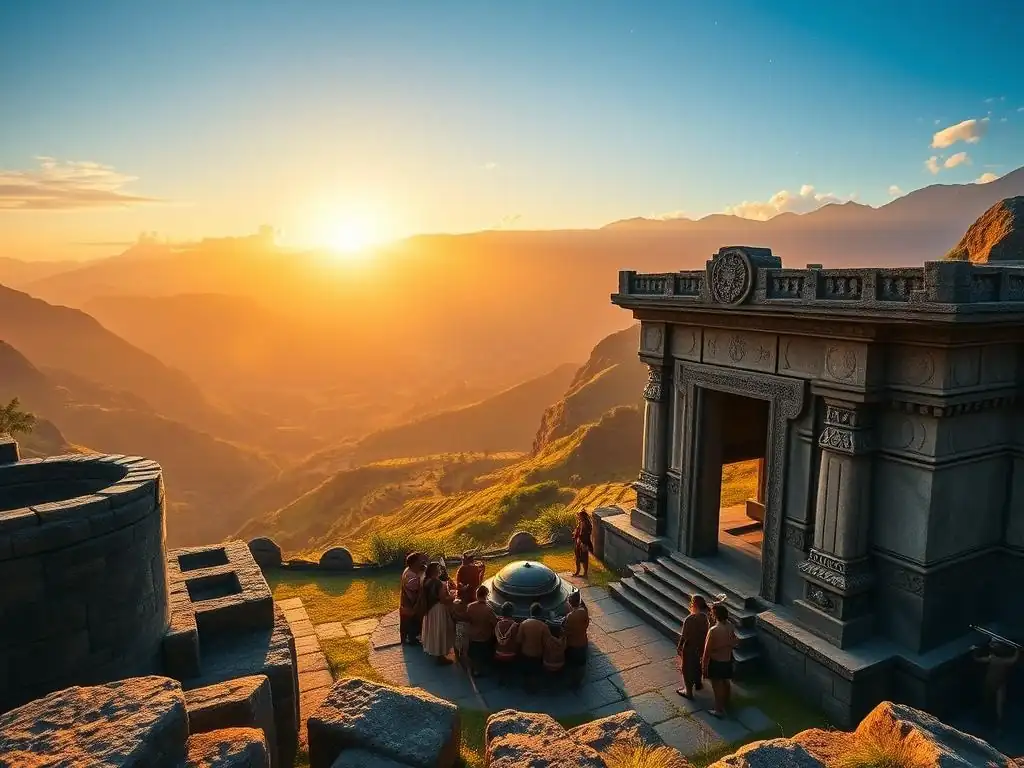
Welcome to Indigenous Civilizations of the Americas, where we invite you to journey through the rich tapestry of indigenous cultures that flourished long before European contact. In our featured article, “The Role of Astronomy in Andean Societal Hierarchy and Leadership,” we delve into the fascinating interplay between Andean astronomy and society. Discover how celestial knowledge shaped leadership structures and social dynamics in the Andes, illuminating the profound achievements of these civilizations.
Prepare to be captivated by the intricate ways in which the stars guided not just the night sky, but the very fabric of Andean life. Join us as we uncover these remarkable histories and their enduring legacies!
Introduction to Andean Astronomy and Society
The intricate relationship between astronomy and society in the Andean region is a fascinating aspect of indigenous cultures that thrived long before European colonization. Andean astronomy and society are deeply intertwined, influencing not just agricultural practices but also social hierarchies and leadership structures. The celestial bodies served as a compass for navigation, timing for agricultural cycles, and a means of cultural expression. This article delves into how astronomical observations shaped Andean civilizations, particularly their social organization and governance.
Overview of Andean Civilizations and Their Achievements
Andean civilizations, including the renowned Inca and Nazca, exhibited remarkable achievements in various fields such as architecture, agriculture, and astronomy. These societies developed complex social structures, with leaders often wielding significant influence based on their knowledge of the cosmos.
- Key achievements include:
- Agricultural Innovations: Advanced farming techniques like terracing and irrigation that were aligned with seasonal celestial events.
- Architectural Marvels: Structures such as Machu Picchu, which incorporate astronomical alignments.
- Astronomical Calendars: Sophisticated calendars based on lunar and solar cycles that dictated agricultural and religious activities.
These accomplishments underscore the vital role of astronomy in facilitating not only daily life but also the governance and cohesion of Andean societies.
Importance of Astronomy in Indigenous Societies
In indigenous Andean societies, astronomy was more than a scientific pursuit; it served as a foundational element of cultural identity and societal organization.
- Functions of astronomy included:
- Timekeeping and Agriculture: Celestial observations determined planting and harvest seasons, ensuring food security.
- Religious Significance: Celestial events were often linked to deities and were integral to ritual practices.
- Social Hierarchies: Leaders and priests often held exclusive knowledge of astronomical phenomena, reinforcing their status and authority within the community.
The integration of astronomy into daily life not only facilitated practical functions but also fostered a sense of unity and purpose among the people.
Historical Context of Andean Astronomy
The historical context of Andean astronomy presents a rich tapestry of knowledge that evolved over millennia. The origins of astronomical practices can be traced back to early societies that relied on the sky for survival.
Origins of Astronomical Practices in the Andes
The astronomical practices of the Andean civilizations emerged from a profound understanding of the natural world. Early agricultural societies observed celestial movements to predict seasonal changes, leading to the development of specialized astronomical knowledge.
- Key elements in the origins include:
- Observations of the Sun, Moon, and Stars: Essential for developing calendars and agricultural cycles.
- Construction of Observatories: Sites like Sayhuamán and Intihuatana were utilized for celestial observations.
- Mythological Interpretations: The stars and celestial events were often woven into the fabric of local mythology, influencing cultural narratives.
This foundational knowledge evolved into sophisticated astronomical systems that were critical for societal governance and cohesion.
Key Civilizations Influenced by Astronomy (e.g., Inca, Nazca)
Among the Andean civilizations, the Inca and Nazca stand out for their advanced astronomical practices, which significantly influenced their societies.
- Inca Civilization:
- Developed a highly structured society where astronomical knowledge was reserved for the elite.
- Utilized astronomical alignments in the construction of temples and cities.
- Implemented agricultural practices based on celestial events, enhancing food production.
- Nazca Civilization:
- Known for the Nazca Lines, geoglyphs that are believed to have astronomical significance.
- Their agricultural practices were closely tied to celestial observations, fostering a deep connection with the cosmos.
The influence of astronomy on these civilizations exemplifies its critical role in shaping societal hierarchy, leadership, and cultural identity in the Andean world.
The Influence of Astronomy on Andean Leadership
In the Andean civilizations, astronomy was not merely a scientific pursuit but a cornerstone of societal structure and leadership. The intricate observations of celestial bodies allowed leaders to assert their authority, as they were often seen as the intermediaries between the heavens and the people. This connection to the cosmos enabled them to legitimize their rule through prophetic interpretations of celestial events, fostering a deep reliance on astronomical knowledge within the societal hierarchy.
Leaders utilized their understanding of astronomy to make critical decisions regarding agriculture, religious ceremonies, and social organization. By aligning their leadership with the movements of celestial bodies, Andean rulers could reinforce their divine mandate, thereby stabilizing their authority and ensuring compliance among the populace.
Role of Astronomers in Andean Societal Hierarchy
Astronomers in Andean societies held significant status, often occupying positions close to the ruling elite. These individuals were revered not only for their ability to predict celestial events but also for their skill in interpreting the implications of these events for the community. They were responsible for maintaining calendars that dictated the timing of agricultural cycles, religious rituals, and seasonal festivals.
As custodians of astronomical knowledge, they played a vital role in advising leaders on the most auspicious times for planting and harvesting. This advisory role further cemented their influence within the societal hierarchy, as their insights could directly impact the success and prosperity of the community. The intertwining of political and astronomical expertise created a complex web of power dynamics, where the authority of leaders was strengthened by their association with knowledgeable astronomers.
How Astronomical Knowledge Shaped Leadership Roles
Astronomical knowledge significantly shaped the roles and responsibilities of leaders in Andean societies. The ability to accurately predict celestial events, such as solstices and equinoxes, was essential for agricultural planning and religious observances. Leaders who mastered this knowledge demonstrated their capability to oversee the community's welfare and maintain harmony with the natural world.
Moreover, astronomical events were often seen as omens or divine messages. Leaders who could interpret these signs gained prestige and legitimacy, reinforcing their roles as both political and spiritual figures. This dual authority enabled them to unify their people under a shared understanding of the cosmos, thus enhancing social cohesion and governance.
Case Studies of Leaders Influenced by Astronomy
One notable example of a leader influenced by astronomy is Pachacuti, the ninth Sapa Inca of the Kingdom of Cusco. His reign marked significant advancements in Incan architecture and society, which were closely tied to astronomical observations. Pachacuti is believed to have aligned the construction of Machu Picchu with significant celestial events, thereby embedding astronomical significance into the fabric of the Incan state.
Another example is the Moche civilization, where rulers utilized celestial observations to regulate agricultural practices. The Moche constructed large ceremonial platforms, such as the Huaca del Sol, which were aligned with astronomical phenomena, showcasing how leaders integrated astronomical knowledge into their governance. These case studies highlight the profound impact of astronomy on leadership roles and societal organization in Andean cultures.
Astronomical Observations and Their Societal Impact
Astronomical observations profoundly influenced various aspects of Andean society beyond leadership. The systematic study of celestial bodies played a crucial role in agricultural practices, religious ceremonies, and the overall social fabric of Andean communities.
The Role of Celestial Events in Agricultural Practices
Celestial events were pivotal in dictating agricultural practices in Andean societies. The solar calendar, based on the sun's position, guided planting and harvesting cycles, ensuring that crops were cultivated at optimal times. The Andean peoples observed the sun's movements meticulously, utilizing this knowledge to enhance agricultural yields and sustain their communities.
For instance, the Inca and other Andean cultures celebrated Inti Raymi, a festival honoring the sun god, which coincided with the winter solstice. This festival not only reinforced the community’s connection to celestial cycles but also underscored the importance of agriculture in their survival and prosperity.
How Astronomy Guided Religious and Ritual Practices
Astronomy also played a critical role in shaping religious beliefs and rituals among Andean civilizations. Celestial bodies were often deified, and their movements were believed to influence the fate of the people. Leaders and priests coordinated religious ceremonies around astronomical events, reinforcing the connection between the cosmos and the divine.
For example, the alignment of temples and ceremonial sites with astronomical phenomena, such as the rising of the Pleiades, demonstrated the blending of religious practices with celestial observations. These rituals served not only to appease the gods but also to unify the community in shared cultural and spiritual experiences.
Astronomy's Influence on Social Organization and Community Structure
The influence of astronomy extended into the social organization of Andean societies. The reliance on celestial cycles for agricultural planning fostered a communal approach to farming, where labor was organized based on astronomical observations. This collaboration strengthened community bonds and facilitated the sharing of resources, essential for survival in the often harsh Andean environment.
Additionally, the hierarchical structure of Andean societies, with leaders and astronomers at the top, created a system where knowledge was passed down through generations. This emphasis on education and the transmission of astronomical knowledge underpinned the social fabric, ensuring that each community member understood their role in relation to the cosmos and their leaders.
Andean astronomy was intricately woven into the fabric of society, shaping leadership roles, guiding agricultural practices, and influencing religious and community structures. The deep connection between celestial observations and societal hierarchy highlights the enduring legacy of Andean civilizations and their remarkable achievements in understanding the universe.
The Integration of Astronomy in Governance
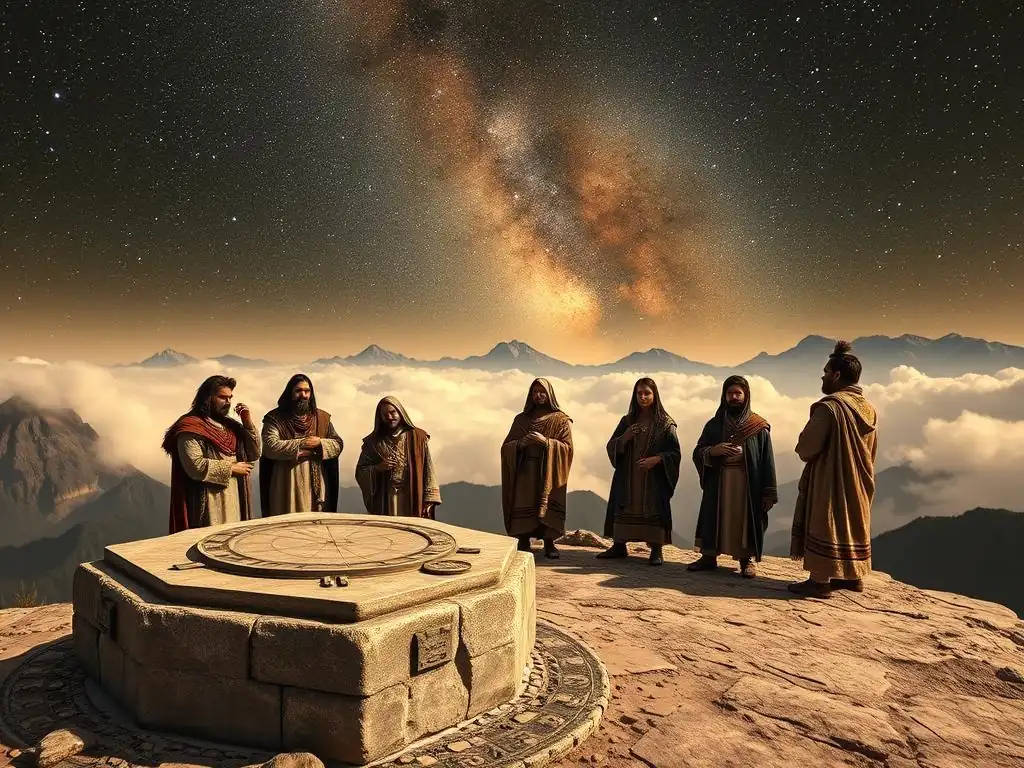
In the Andean civilizations, astronomy was not merely a scientific pursuit; it was deeply intertwined with governance and societal structures. The celestial movements and phenomena were meticulously observed and interpreted, serving as vital tools for leaders in making critical political and social decisions.
The rulers and elites of these societies often employed astronomical knowledge to reinforce their authority, justify their leadership, and maintain control over their populations. By aligning their political agendas with celestial events, such as solstices and equinoxes, leaders could effectively integrate astronomy into the fabric of governance, ensuring that their rule was seen as divinely sanctioned and supported by nature itself.
Astronomical Calendars and Their Role in Political Decision-Making
Astronomical calendars played a crucial role in Andean political decision-making. These calendars were meticulously crafted based on celestial observations, allowing the ruling elite to track seasonal changes, agricultural cycles, and important ritual dates. For example, the Inca civilization utilized a complex calendar system, which included both solar and lunar cycles, to determine the optimal times for planting and harvesting crops.
This knowledge was crucial for sustaining the population, and leaders often made significant political decisions based on these cycles. The ability to predict seasonal changes not only facilitated agricultural productivity but also reinforced the leader's image as a knowledgeable and wise ruler, capable of ensuring the prosperity of the community.
The Connection Between Astronomy and Territorial Management
The relationship between astronomy and territorial management in the Andean societies was significant. Leaders utilized astronomical knowledge to delineate territorial boundaries and manage resources effectively. Celestial markers, such as mountains or specific star alignments, were often used to establish land claims and coordinate agricultural practices.
This connection between the heavens and the earth helped consolidate power, as leaders could claim a divine right to govern specific territories based on their understanding of astronomical phenomena. Moreover, many ceremonial sites, such as the famous Machu Picchu, were strategically aligned with astronomical events, highlighting the importance of celestial observations in both governance and territorial control.
Leadership Legitimacy and Astronomical Phenomena
Astronomical phenomena were pivotal in establishing and maintaining leadership legitimacy in Andean societies. Rulers often claimed descent from celestial beings or associated themselves with deities represented in the stars, which imbued their authority with a sense of divine right. Events such as solar eclipses or the appearance of certain constellations were interpreted as omens, and leaders would use these occurrences to legitimize their rule or initiate significant policy changes.
For instance, a solar eclipse might be seen as a signal for war or a call for ritual offerings, allowing leaders to align their actions with the perceived will of the cosmos. This profound connection between astronomy and legitimacy reinforced the social hierarchy and ensured the compliance of the populace.
Conclusion
Summary of the Role of Astronomy in Andean Society
Astronomy played a foundational role in the societal hierarchy and leadership structures of the Andean civilizations. Through the integration of astronomical observations into governance, leaders utilized celestial knowledge to guide political decisions, manage territories, and establish their legitimacy. The use of astronomical calendars allowed for effective agricultural planning, while the connection between celestial phenomena and leadership provided a powerful tool for maintaining authority and social order.
The Lasting Impact of Andean Astronomy on Contemporary Cultures
The legacy of Andean astronomy extends beyond its historical context, impacting contemporary cultures in various ways. Many modern Andean communities continue to honor their astronomical heritage, celebrating traditional calendars and festivals that reflect ancient astronomical practices. The reverence for celestial bodies, as seen in folk beliefs and rituals, showcases the enduring influence of Andean astronomy.
Furthermore, the knowledge systems developed by these ancient civilizations contribute to contemporary discussions on sustainable agricultural practices and environmental stewardship, emphasizing the importance of harmonizing human activities with natural cycles. The profound understanding of astronomy in Andean societies illustrates the sophistication and depth of their cultural achievements, which continue to resonate in the present day.
References and Further Reading
The intricate relationship between Andean astronomy and society reveals much about the cultural practices, societal structures, and leadership dynamics of the Andean civilizations. A deeper exploration of this topic can be found in various sources that provide insights into the astronomical achievements of these cultures and their influence on societal organization. Below are some key references and suggested readings to enhance your understanding of Andean astronomy and its societal implications.
Suggested Sources on Andean Astronomy and Society
-
"The Inca Empire: A Multidisciplinary Approach" by Izumi Shimada
This comprehensive work delves into various aspects of the Inca Empire, including its astronomical practices and how these influenced governance and social hierarchy.
-
"Andean Cosmologies through Time" edited by Brian S. Bauer and Julie A. Hoggarth
This edited volume offers diverse perspectives on Andean cosmological practices, including astronomical observations and their significance in societal frameworks.
-
"Inca Science and Technology" by John H. Rowe
Rowe's book provides an extensive look at the technological advancements of the Inca, with a focus on their sophisticated astronomical knowledge and its applications in agriculture and governance.
-
"The Andean World" edited by Linda J. S. O'Hara and Richard A. H. Houghton
This collection of essays explores various facets of Andean life, including astronomy, and its role in shaping societal norms and leadership structures.
-
"Skywatchers: A Revised and Updated Edition" by William J. Broad
This accessible read discusses the importance of celestial observations in various cultures, with a notable section dedicated to the Andean civilizations and their astronomical practices.
Additional Resources for Understanding Indigenous Civilizations
-
"The Indigenous Peoples of North America: A History" by Michael D. Green
Although primarily focused on North America, this book provides context regarding Indigenous cultures and their relationship with astronomy, offering comparative insights.
-
"Astronomy and Culture in the Western World" by R. S. Dunn
This resource draws connections between astronomy and societal structures across various cultures, including the Andes, emphasizing the universal significance of celestial navigation in leadership.
-
Online Platforms and Documentaries:
- "Andean Astronomical Practices" (available through educational platforms)
- Documentaries related to Inca civilization and astronomy provide visual context and in-depth discussions about the role of astronomy in Andean societies.
These resources are essential for anyone interested in the profound impacts of Andean astronomy on societal hierarchy and leadership within these ancient cultures.
- Introduction to Andean Astronomy and Society
- Historical Context of Andean Astronomy
- The Influence of Astronomy on Andean Leadership
- Astronomical Observations and Their Societal Impact
- The Integration of Astronomy in Governance
- Conclusion
- References and Further Reading
- What is the significance of Andean astronomy in ancient societies?
- How did astronomy affect the leadership structure in Andean civilizations?
- What were some key astronomical achievements of the Andean cultures?
- How did the cosmological beliefs of the Andean peoples influence their societal organization?
- In what ways did astronomy contribute to the cultural identity of Andean societies?
Frequently Asked Questions
What is the significance of Andean astronomy in ancient societies?
Andean astronomy played a crucial role in agricultural practices, influencing planting and harvesting schedules, which were essential for sustaining communities.
How did astronomy affect the leadership structure in Andean civilizations?
The elite leaders often held knowledge of astronomical events, which allowed them to assert authority and maintain social hierarchy by predicting seasonal changes.
What were some key astronomical achievements of the Andean cultures?
Andean cultures developed sophisticated observatories and calendars that accurately tracked celestial movements, reflecting their advanced understanding of astronomy.
How did the cosmological beliefs of the Andean peoples influence their societal organization?
The cosmological beliefs intertwined with social roles, as leaders were often seen as intermediaries between the gods and the people, reinforcing their power and influence.
In what ways did astronomy contribute to the cultural identity of Andean societies?
Astronomy was integral to their cultural identity, shaping myths, rituals, and community practices that reflected their connection to the universe and its cycles.
Final Reflection: The Cosmic Influence on Andean Society
The intricate relationship between Andean astronomy and societal hierarchy remains profoundly relevant today, as it underscores how celestial observations shaped leadership and cultural identity. In our modern world, where science and spirituality often seem at odds, the Andean civilization exemplifies a harmonious blend of both, reminding us that the cosmos has always played a pivotal role in guiding human affairs. The stars were not just distant lights; they were the very fabric of societal order and governance.
The legacy of Andean astronomy continues to resonate in contemporary discussions around leadership and community organization. The way celestial events influenced agricultural practices and social structures serves as a powerful reminder of the interconnectedness of nature and society. As we navigate our own societal challenges, we can draw inspiration from the Andean approach to leadership, which was deeply rooted in a respect for the cosmos and its cycles. The heavens are not just a backdrop to our lives; they are a guide, a teacher, and a source of wisdom.
As we reflect on the lessons from Andean astronomy, I invite you to consider how you can incorporate a broader perspective into your own life. How can the understanding of our place in the universe inform your decisions and actions? Let the stars inspire you to seek harmony in your community and to recognize the interconnectedness of all things. Embrace the wisdom of the ancients and allow it to guide you as you navigate your own path in this vast cosmos.
Embrace the Cosmos: Transform Your Understanding!
Thank you for taking the time to explore the fascinating connection between astronomy and societal structures in the Andean cultures. You've uncovered insights about how the stars influenced leadership and hierarchy, and now it’s time to put that knowledge into action!
Consider these next steps to deepen your exploration and connection with this captivating topic:
- Dive Deeper: Research and identify a specific Andean civilization’s astronomical practices, such as those of the Incas or Tiwanaku. Share your findings with friends or a local community group to foster discussion.
- Engage with Nature: Spend a night under the stars. Observe the sky and reflect on how ancient civilizations might have interpreted celestial events in their governance and daily life.
- Join the Conversation: Connect with like-minded enthusiasts by participating in forums or social media groups focused on indigenous astronomy or Andean cultures. Sharing this article can help spark further interest!
As you reflect on your journey through the stars, ask yourself: How can we apply the lessons of Andean astronomical practices to enhance our understanding of leadership and community today?