
The Intersection of Art and Science in Mayan Civilization

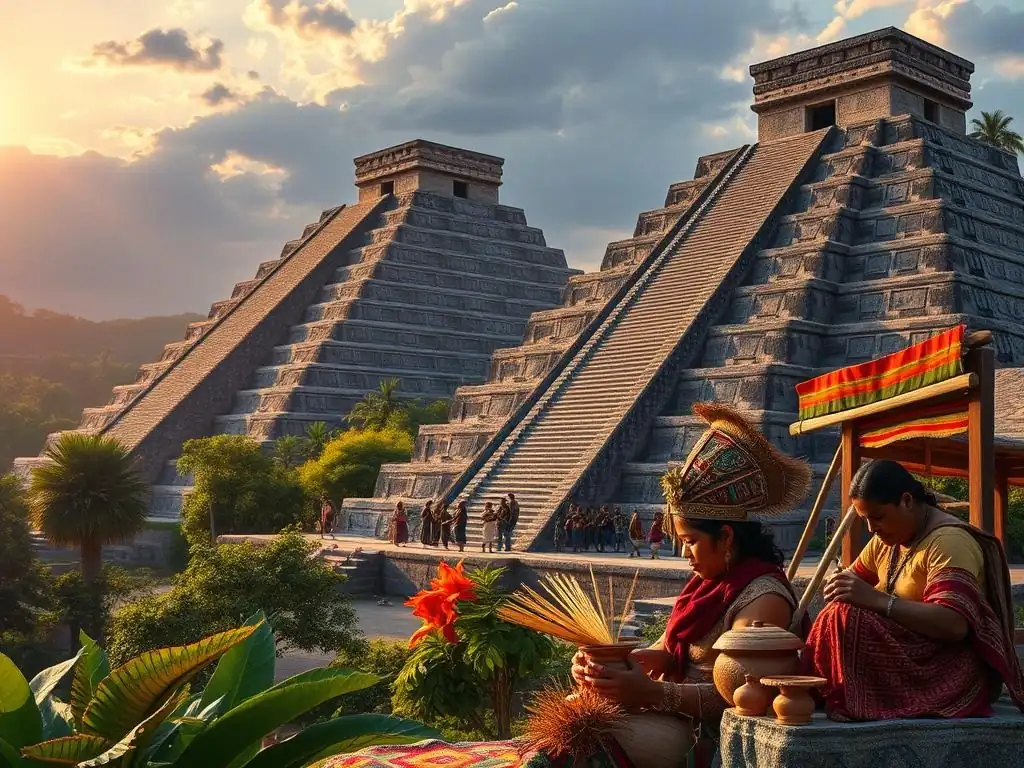
Welcome to Indigenous Civilizations of the Americas, where we invite you to embark on a journey through the vibrant tapestry of cultures that flourished long before European contact. Here, we delve into the remarkable achievements and profound societies of indigenous peoples, shining a light on their enduring legacy.
In our featured article, “The Intersection of Art and Science in Mayan Civilization,” discover how the Mayans seamlessly blended creativity with intellect, leading to groundbreaking advancements in both artistic expression and scientific understanding. Prepare to be captivated as you explore the rich narratives that shaped a civilization whose impact continues to resonate today.
Introduction to Mayan Civilization Art and Science
The Mayan civilization, renowned for its intricate societal structure and rich cultural heritage, presents a fascinating interplay between art and science. Flourishing in Mesoamerica from around 2000 BCE until the arrival of European colonizers, the Maya created a complex tapestry of achievements that encompassed diverse fields such as mathematics, astronomy, and artistic expression. This intersection of art and science not only reflects the ingenuity of the Mayan people but also highlights their profound understanding of the natural world and their place within it.
Mayan civilization art and science are not merely separate disciplines; they are deeply intertwined, with artistic practices often serving scientific purposes and vice versa. For example, ceremonial art could embody astronomical knowledge, while architectural designs reflected mathematical advancements. This article delves into the multifaceted relationship between these two realms, illustrating how the Maya's achievements in art and science continue to resonate through time.
The Role of Art in Mayan Society
Art played a pivotal role in the daily lives and spiritual beliefs of the Mayan civilization. It was not just a form of aesthetic expression; it was a vehicle for communication, a means of recording history, and a reflection of societal values. The Mayans used art to document important events, honor their deities, and imbue their surroundings with meaning.
Significance of Artistic Expression in Mayan Culture
Artistic expression was essential in reinforcing the social hierarchy and cultural identity within Mayan society. Through various forms of art, the Maya depicted their cosmology, mythology, and worldview, providing insight into their beliefs and practices. The following aspects underscore the significance of artistic expression in Mayan culture:
- Religious Narratives: Many artworks, such as murals and carvings, depicted gods, rituals, and mythological stories, serving as a means of connecting the physical world with the spiritual realm.
- Historical Record: Artworks often chronicled significant events, such as battles, royal births, and dedications, providing valuable historical insights into the civilization's evolution.
- Social Status: Elaborate art and architecture were often reserved for the elite, reflecting the status of rulers and nobles and reinforcing social stratification.
Major Forms of Mayan Art
The Mayan civilization is characterized by a diverse array of artistic forms, each serving distinct purposes and reflecting various aspects of their society. Key forms of Mayan art include:
- Sculpture: Often created in stone, these sculptures depicted gods, rulers, and significant historical events.
- Mural Painting: Used extensively in temples and palaces, murals illustrated religious ceremonies, daily life, and mythology.
- Pottery: Intricately designed pottery served both functional and ceremonial purposes, often adorned with symbolic motifs.
- Textiles: Weaving was an important art form, with textiles decorated in vibrant colors and patterns, often used in rituals and as status symbols.
Through these artistic expressions, the Mayans left an indelible mark on history, showcasing their exceptional skills and multifaceted understanding of both art and science. As we explore the intersection of these realms further, we will uncover the depth of knowledge and creativity that defined the Mayan civilization.
Scientific Achievements of the Mayans
The Mayan civilization is renowned for its remarkable scientific achievements that were closely intertwined with their artistic expressions. This synergy between art and science laid the foundation for their advancements in various fields, including astronomy, mathematics, and architecture. The Mayans developed a sophisticated understanding of the natural world, which they captured through their intricate artistic creations. Their ability to blend aesthetic beauty with scientific precision not only reflects their intellectual prowess but also demonstrates their deep connection to the cosmos and their environment.
Innovations in Astronomy
The Mayans were exceptional astronomers, meticulously observing celestial patterns and movements. They developed a calendar system that was both complex and remarkably accurate, consisting of the Tzolk'in (a 260-day ceremonial calendar) and the Haab' (a 365-day solar calendar). This dual calendar system allowed them to predict solar and lunar eclipses, as well as seasonal changes, which were crucial for agricultural practices and ritual ceremonies.
The construction of their cities often aligned with astronomical events, showcasing their understanding of the cosmos. For example, the pyramid at Chichen Itza, known as El Castillo, was designed to create a shadow resembling a serpent during the equinoxes, symbolizing the connection between the heavens and the earth. This architectural alignment demonstrates how their artistic endeavors were influenced by their scientific knowledge of astronomy.
Mathematics and Numerical Systems
Mathematics played a vital role in the Mayan civilization, particularly in their ability to conduct complex calculations necessary for both daily life and astronomical predictions. The Mayans utilized a vigesimal (base-20) numerical system, which included the concept of zero, a revolutionary idea at the time. This innovation allowed them to represent large numbers accurately and perform mathematical operations with great efficiency.
Their mathematical skills were evident in their construction projects, where precise measurements were crucial for architectural stability and aesthetic harmony. The use of mathematical principles in their art, such as symmetry and proportion, further illustrates the strong connection between art and science in Mayan culture. This fusion enabled them to create stunning structures and artworks that reflected both their scientific understanding and artistic sensibilities.
The Fusion of Art and Science in Mayan Civilization
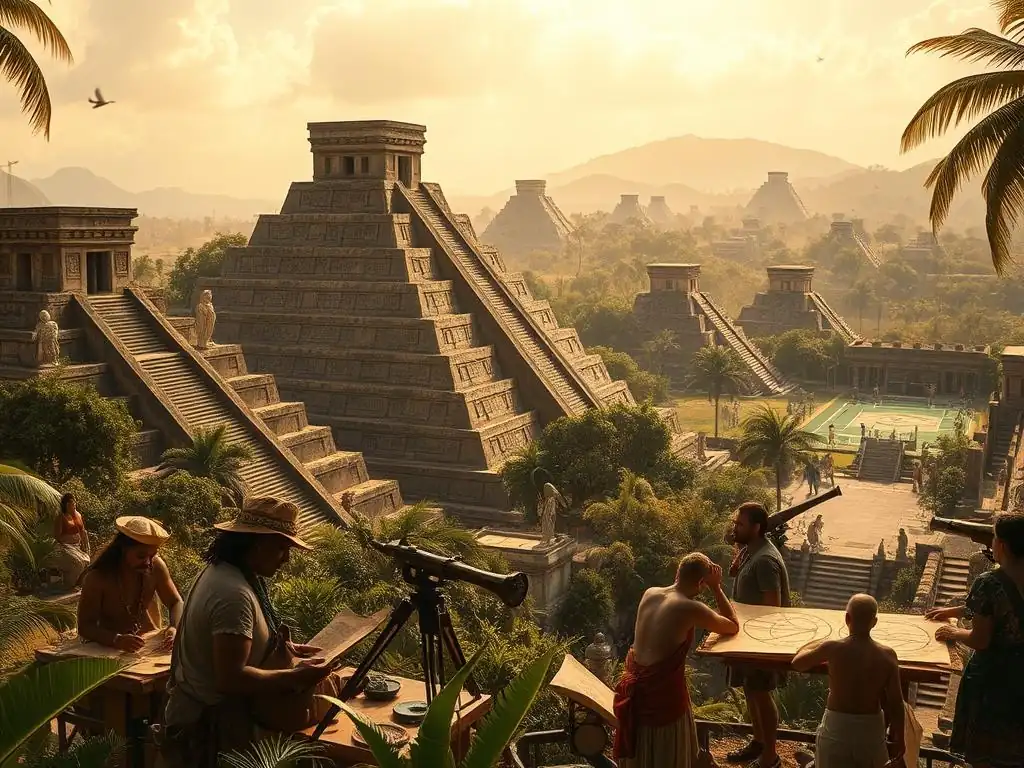
The Mayan civilization exemplified the fusion of art and science through their cultural practices, revealing how these domains informed and enriched each other. This integration is evident in various aspects of their society, from architecture to visual arts, where scientific principles were applied to create visually stunning and functionally sound works.
Architectural Marvels: Where Art Meets Science
Mayan architecture is a testament to their scientific knowledge and artistic creativity. They constructed monumental structures such as temples, palaces, and observatories, often using locally sourced materials like limestone. The design of these buildings reflected a deep understanding of engineering principles, allowing for the construction of large-scale edifices that have stood the test of time.
The use of the corbel arch is a prime example of their architectural ingenuity, allowing them to create expansive roofs without the need for true arches. This technique not only provided structural stability but also allowed for intricate artistic decorations that adorned the buildings. The elaborate carvings and murals found in these structures often depicted historical events, religious beliefs, and astronomical phenomena, showcasing the profound connection between their artistic expression and scientific knowledge.
Symbolism in Mayan Art and Its Scientific Roots
Mayan art is rich in symbolism and is deeply intertwined with their scientific understanding of the world. Many artworks feature celestial bodies, agricultural cycles, and natural elements, reflecting their observations of the environment and the cosmos. For instance, depictions of the sun, moon, and stars were not merely decorative but served as a way to convey complex astronomical knowledge and cultural beliefs.
The intricate motifs and patterns in their pottery, textiles, and murals often carried specific meanings, representing various deities, rituals, and cosmological concepts. This symbolic language not only reflected their artistic creativity but also communicated scientific ideas related to their understanding of time, space, and the universe. By merging art and science, the Mayans created a rich cultural tapestry that continues to captivate and inspire scholars and enthusiasts alike.
Case Studies: Notable Examples of Art and Science Collaboration
The Mayan civilization is renowned for its remarkable integration of art and science, evident in various historical examples that showcase their innovative spirit. These case studies exemplify how the Mayans merged aesthetic expression with scientific inquiry, leading to significant advancements in both fields. Through their architectural marvels and written records, the Mayans highlighted their sophisticated understanding of mathematics, astronomy, and artistry.
Example 1: The Temple of the Inscriptions, Palenque
The Temple of the Inscriptions, located in the ancient city of Palenque, serves as a prime example of Mayan achievements in both art and science. This impressive structure, built during the reign of King Pakal the Great in the 7th century, features intricate carvings and inscriptions that not only celebrate the king's accomplishments but also document historical events and astronomical knowledge.
The temple's architecture exemplifies the Mayan's advanced understanding of engineering and geometry. Its steep, pyramid-like structure is adorned with detailed reliefs and hieroglyphs that narrate the life and lineage of Pakal. These inscriptions also include references to celestial events, demonstrating the Mayans’ meticulous observation of the skies. The alignment of the temple with solar events indicates a sophisticated comprehension of astronomy, allowing the Mayans to create calendars that guided agricultural practices and religious ceremonies.
Moreover, the temple houses Pakal's tomb, which reflects the intersection of artistic craftsmanship and scientific knowledge in burial practices. The sarcophagus lid features a stunning depiction of Pakal's descent into the underworld, surrounded by intricate motifs and symbols that signify his divine status. This blending of art and science not only showcases the Mayans’ artistic prowess but also their deep understanding of cosmology and the spiritual significance of life and death.
Example 2: The Codex Mendoza
The Codex Mendoza is another significant artifact that highlights the interplay between art and science in Mayan civilization. Created in the early 16th century, shortly after the Spanish conquest, this illustrated manuscript serves as a crucial historical record of the Aztec Empire but also reflects Mayan influences in its artistic techniques and scientific observations.
This codex is notable for its rich pictorial representations and detailed accounts of tribute, societal structure, and warfare. Each illustration is meticulously crafted, showcasing the artistic skills of the Mayan scribes who employed a unique style that blended realism with symbolic representation. Through vivid imagery, the Codex Mendoza communicates complex information about social hierarchies, economic systems, and cultural practices, emphasizing the importance of visual storytelling in Mayan society.
In addition to its artistic value, the codex contains valuable data on agricultural practices, land use, and resource management, demonstrating the Mayans’ scientific approach to sustainability and economics. The careful documentation of agricultural cycles and environmental conditions reveals their empirical understanding of their surroundings, which was essential for thriving in diverse ecosystems.
The Codex Mendoza serves as a testament to the synthesis of art and science, as it preserves not only visual representations but also the intellectual achievements of a civilization that profoundly influenced the cultural landscape of Mesoamerica.
Conclusion: The Lasting Impact of Mayan Civilization Art and Science
The intersection of art and science in the Mayan civilization has left an indelible mark on the cultural heritage of the Americas. By seamlessly blending aesthetics with scientific inquiry, the Mayans developed sophisticated structures, intricate artifacts, and comprehensive records that have provided invaluable insights into their society.
The legacy of their achievements continues to resonate today, as modern scholars and enthusiasts delve into the rich tapestry of Mayan history. The architectural wonders, such as the Temple of the Inscriptions, and the intellectual treasures found in works like the Codex Mendoza, highlight the Mayans' innovative spirit and their ability to intertwine diverse fields of knowledge.
As we explore the Mayan civilization's art and science, we gain a deeper appreciation for the complexity of their culture and the profound impact they had on subsequent generations. Their contributions to astronomy, mathematics, and artistic expression not only enriched their own society but also laid the groundwork for future civilizations, underscoring the enduring significance of their legacy in the broader narrative of human achievement.
- Introduction to Mayan Civilization Art and Science
- The Role of Art in Mayan Society
- Scientific Achievements of the Mayans
- The Fusion of Art and Science in Mayan Civilization
- Case Studies: Notable Examples of Art and Science Collaboration
- Conclusion: The Lasting Impact of Mayan Civilization Art and Science
Frequently Asked Questions
What are the main achievements of the Mayan civilization in art?
The Mayan civilization is renowned for its intricate artistic expressions, including sculptures, murals, and ceramics that reflect their deep cultural significance and advanced techniques.
How did science influence Mayan art?
Scientific knowledge played a crucial role in Mayan art, particularly in areas like astronomy and mathematics, which were often depicted in their iconography and used to create calendar systems reflected in their artwork.
What materials did the Mayans use for their art?
The Mayans utilized a variety of materials such as jade, obsidian, and natural pigments to create their art, showcasing their skill in craftsmanship and resourcefulness.
How can we see the intersection of art and science in Mayan civilization?
The intersection of art and science in the Mayan civilization is evident in their architectural designs and symbolism, where scientific principles influenced the aesthetic and structural elements of their temples and cities.
What is the lasting impact of Mayan civilization art on modern culture?
The art of the Mayan civilization continues to influence contemporary culture, inspiring modern artists and researchers who explore its rich symbolism and cultural heritage, highlighting the importance of preserving this legacy.
Final Reflection: The Enduring Legacy of Mayan Civilization Art and Science
The intricate relationship between art and science in Mayan civilization is not just a historical curiosity; it serves as a powerful reminder of how creativity and intellect can coexist and thrive. Today, as we navigate a world increasingly driven by technology and data, the Mayans' ability to blend artistic expression with scientific inquiry offers a profound lesson on the importance of interdisciplinary approaches. In a time when the boundaries between fields are often rigidly defined, the Mayan civilization exemplifies the beauty and innovation that can emerge when these domains intersect.
The influence of Mayan civilization art and science continues to resonate in contemporary culture, inspiring artists, scientists, and scholars alike. The intricate carvings, vibrant murals, and sophisticated astronomical calendars of the Mayans reveal a society that valued both aesthetic beauty and empirical knowledge. As we reflect on their achievements, we can appreciate how their legacy informs our understanding of the world today. Art is the most beautiful of all lies.
— Claude Debussy. This quote encapsulates the essence of how art can convey truths about our existence, much like the scientific discoveries that stem from observation and inquiry.
As we conclude this exploration of the Mayan civilization, I invite you to reflect on how you can embrace the fusion of art and science in your own life. Consider how creativity can enhance your understanding of complex concepts, or how scientific inquiry can inspire your artistic endeavors. Let the Mayans' legacy encourage you to seek connections between seemingly disparate fields, fostering a holistic approach to learning and creation. In doing so, you not only honor their remarkable achievements but also contribute to a future where art and science continue to illuminate the human experience.
Unveil the Wonders of Mayan Innovation!
Thank you for exploring the fascinating intersection of art and science in Mayan civilization! You've gained insights into how these remarkable communities blended creativity with knowledge. Now, let's take your interest a step further and dive deeper into this captivating world.
Here’s how you can continue your journey:
- Explore an ancient art technique: Try your hand at creating your own Mayan-inspired artwork using traditional methods. Research online for techniques to replicate their unique styles!
- Engage with your community: Share your thoughts or create a discussion group on social media to delve into the marvels of Mayan ingenuity. Invite friends to participate!
- Visit a local museum or exhibition: Look for exhibits that showcase the rich heritage and artifacts of indigenous cultures, particularly those highlighting Mayan art. It’s a wonderful way to see history come alive!
What aspect of Mayan civilization intrigues you the most, and how might you incorporate their innovative spirit into your own creative endeavors?