
The Role of Technology: How Spanish Weapons Influenced the Outcome of the Conquest

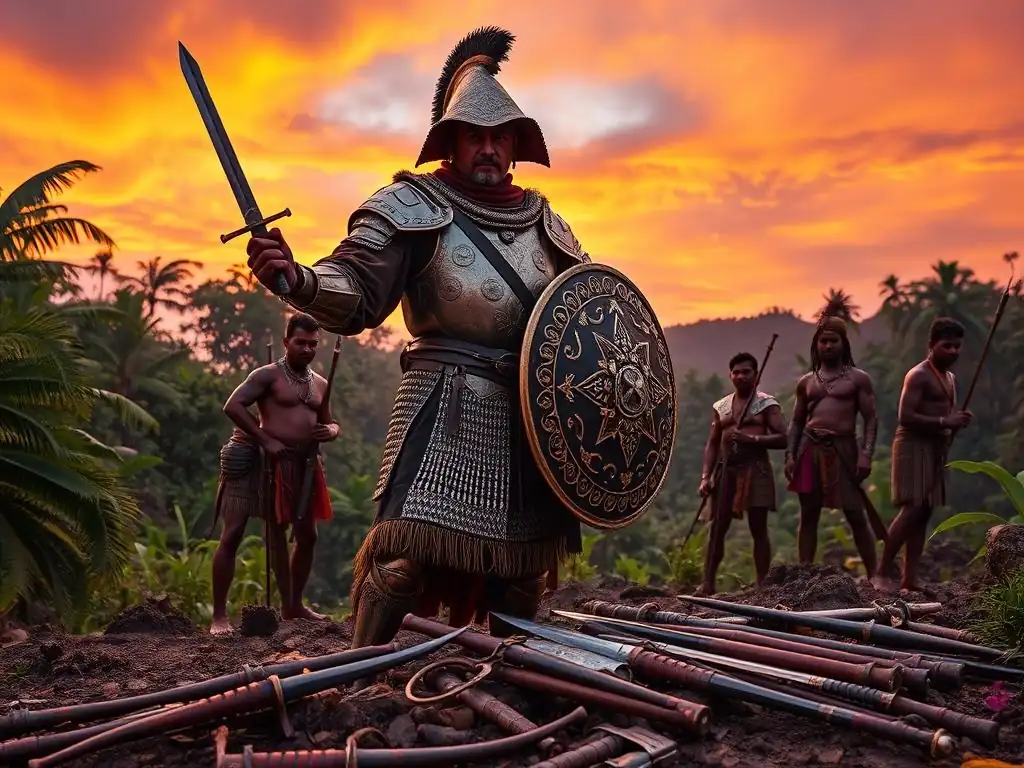
Welcome to Indigenous Civilizations of the Americas, where we delve into the rich tapestry of cultures that flourished long before European contact. In our featured article, "The Role of Technology: How Spanish Weapons Influenced the Outcome of the Conquest," we uncover the profound effects of Spanish weaponry on indigenous societies. What strategies did these civilizations employ to adapt to the overwhelming technological advancements brought by the Spaniards?
Join us as we explore this pivotal moment in history, revealing not just the impacts but also the resilience and ingenuity of the indigenous peoples. Your journey into the past begins here—prepare to be captivated!
Introduction to Spanish Weapons and Indigenous Cultures
The Spanish conquest of the Americas marked a pivotal moment in history, characterized by profound cultural exchanges and catastrophic consequences for indigenous populations. Central to this transformative period was the introduction of advanced Spanish weapons, which played a crucial role in shaping the dynamics of power during the conquests.
Understanding the impact of Spanish weapons on indigenous cultures provides vital insights into how technology influenced the outcome of the conquest, leading to the downfall of sophisticated civilizations such as the Aztecs. This exploration delves into the nature and significance of these weapons, the technological advantages they conferred to the Spanish, and the resulting effects on indigenous societies.
Overview of Spanish Weapons in the Conquest
The Spanish conquistadors were equipped with a variety of weapons that showcased a notable technological advancement compared to those of indigenous cultures. Notable among these were:
- Firearms: Including arquebuses and cannons, which delivered devastating firepower from a distance.
- Bladed Weapons: Such as swords, which were not only effective in close combat but also symbolized European military prowess.
- Armor: Steel armor provided protection against the weapons of indigenous warriors, making Spanish soldiers more resilient in battle.
These tools of war allowed the Spanish to exert control and dominance over vast territories, often with fewer men than their indigenous opponents.
Significance of Indigenous Civilizations Prior to European Arrival
Before the arrival of the Spanish, the Americas were home to advanced civilizations with rich cultural, political, and economic systems. The Aztec Empire, for instance, was known for its:
- Complex Social Structures: Featuring a hierarchical society with a sophisticated system of governance.
- Innovative Agricultural Practices: Such as chinampas, which maximized agricultural output and supported large populations.
- Rich Artistic Traditions: Including impressive architecture, intricate pottery, and vibrant textiles.
These factors contributed to the resilience and strength of indigenous cultures, posing a formidable challenge to the Spanish and altering the narrative of conquest.
The Technological Superiority of Spanish Weapons
Types of Spanish Weapons Used During the Conquest
The Spanish conquest was significantly bolstered by an array of weapons that were not only technologically advanced but also strategically deployed. Key types included:
- Muskets: Early firearms that, despite their inaccuracy, provided a psychological edge due to their loud noise and the smoke they produced.
- Crossbows: Used for their power and range, they were effective against both armored and unarmored foes.
- Artillery: Cannons and smaller artillery pieces caused destruction from a distance, targeting fortifications and large groups of warriors.
These weapons allowed the Spanish to engage in combat with a level of efficiency that indigenous forces struggled to match.
Comparison of Spanish Weapons and Indigenous Weapons
When comparing Spanish weapons to those of indigenous cultures, several key differences emerge:
| Feature | Spanish Weapons | Indigenous Weapons |
|---|---|---|
| Material | Steel, gunpowder | Wood, stone, bone |
| Range | Long-range firearms and cannons | Short-range weapons (e.g., atlatls, clubs) |
| Armor | Metal armor | Cotton armor (less protective) |
| Tactics | Organized military strategy with formations | Varied tactics, often guerrilla warfare |
This disparity in weaponry and tactics ultimately played a significant role in determining the outcome of confrontations between the Spanish and indigenous populations, leading to the dramatic shifts in power and culture that followed the conquest.
The Impact of Spanish Weapons on Indigenous Societies
The introduction of Spanish weapons during the conquest of the Americas had a profound and multifaceted impact on indigenous societies. This influence was not just limited to the immediate military engagements but also extended into the broader cultural and societal frameworks of the indigenous peoples. The technological superiority of Spanish weaponry—including firearms, cannons, and steel swords—altered the dynamics of power, warfare, and resistance among indigenous groups.
Spanish weapons facilitated rapid conquests, allowing a relatively small number of conquistadors to overpower large indigenous populations. The psychological impact of encountering such advanced weaponry was staggering for many indigenous peoples, who were accustomed to traditional forms of warfare. This shift in military technology not only resulted in immediate victories for the Spanish but also instilled a sense of fear and helplessness among indigenous groups, leading to significant changes in their societal structures and alliances.
Furthermore, the introduction of Spanish weaponry disrupted existing trade networks and power balances among indigenous tribes. As some groups allied with the Spanish in hopes of gaining an advantage over their rivals, this led to a cascade of conflicts and shifts in power dynamics. Ultimately, the impact of Spanish weapons extended beyond the battlefield, influencing the political landscape and cultural practices of indigenous societies for generations to come.
Immediate Effects of Spanish Military Technology
The immediate effects of Spanish military technology on indigenous societies were stark and transformative. The Spanish brought firearms, such as arquebuses and cannons, which allowed them to inflict significant casualties from a distance. This was a revolutionary shift from the traditional hand-to-hand combat methods used by many indigenous groups, resulting in a psychological barrier that was hard for the natives to overcome.
In addition to firearms, the Spanish possessed armor and horses, which provided them with both physical protection and mobility that indigenous peoples struggled to match. Horses, in particular, changed the dynamics of warfare, offering the Spanish a tactical advantage in terms of speed and maneuverability. These advantages became immediately apparent in key encounters, such as the Battle of Tenochtitlán, where Spanish forces were able to leverage their superior technology to gain the upper hand.
The immediate aftermath of these technological advantages saw not only military victories but also a significant shift in the perception of indigenous capabilities. Communities that once viewed themselves as formidable began to experience a crisis of confidence, leading to increased vulnerability to Spanish conquest and domination.
Long-term Consequences for Indigenous Cultures
The long-term consequences of the introduction of Spanish weapons were far-reaching and deeply transformative for indigenous cultures. Following the conquest, many indigenous societies faced drastic changes in their social structures, governance, and cultural practices. The power dynamics shifted significantly as some tribes collaborated with the Spanish, while others were subjugated or annihilated.
The reliance on Spanish technology also led to a decline in traditional indigenous practices and knowledge systems. As indigenous peoples were forced to adapt to the new reality of Spanish rule, many of their cultural practices, including methods of warfare and social organization, were altered or lost entirely. This cultural erosion was compounded by the introduction of European diseases, which decimated populations and further destabilized indigenous societies.
Moreover, the legacy of Spanish weapons and military tactics influenced indigenous resistance movements in subsequent years. The knowledge gained from encounters with Spanish forces led to adaptations in indigenous warfare strategies, as tribes sought to reclaim their autonomy in the face of colonial oppression. This ongoing struggle for sovereignty became a defining feature of indigenous identity and resilience in the centuries that followed.
Case Study: The Fall of the Aztec Empire
Overview of the Aztec Society Before the Conquest
Before the Spanish conquest, the Aztec Empire was one of the most complex and powerful civilizations in the Americas. Centered in what is now Mexico City, the Aztecs had a rich cultural and societal structure that included advanced agricultural practices, a sophisticated political system, and a vibrant religious life. Their capital, Tenochtitlán, was a marvel of engineering, featuring canals, temples, and markets.
The Aztecs were known for their formidable military prowess, employing a combination of skilled warriors and strategic alliances with neighboring city-states. This military strength was complemented by a well-established economy based on agriculture, tribute, and trade. However, the Aztec society also had its vulnerabilities, including social stratification and reliance on tribute from conquered peoples, which could lead to resentment and rebellion.
The arrival of the Spanish in the early 16th century marked a turning point for the Aztecs. Their initial encounters with Hernán Cortés and his men were characterized by a mix of curiosity and caution, as the Aztecs sought to understand the motivations of these foreign visitors.
Key Battles and the Role of Spanish Weapons
The key battles of the Spanish conquest of the Aztec Empire showcased the significant impact of Spanish weapons. The most notable confrontation was the Siege of Tenochtitlán, where Spanish forces, alongside indigenous allies, engaged in fierce fighting against the Aztecs. The Spanish utilized cannons and firearms to breach the city's defenses, instilling fear among the Aztec warriors who were unaccustomed to such technology.
The strategic use of horses in battle also proved to be a decisive factor. Spanish cavalry charged into Aztec ranks, creating chaos and disarray. The combination of superior weaponry and military tactics allowed the Spanish to exploit their advantages effectively, turning the tide in their favor during critical engagements.
The battles were marked by a series of sieges and skirmishes that ultimately culminated in the fall of Tenochtitlán in 1521. The Aztec resistance, despite its bravery and tactical ingenuity, was unable to withstand the onslaught of Spanish technology and the devastating impact of European diseases that had ravaged their population.
Results of the Conquest on Aztec Society
The results of the Spanish conquest were catastrophic for Aztec society. Following the fall of Tenochtitlán, the Spanish established colonial rule, leading to the dismantling of the Aztec political structure and the imposition of new governance systems. The once-thriving capital was transformed into a Spanish colonial city, fundamentally altering the cultural landscape of the region.
The conquest also resulted in significant demographic changes, as the introduction of European diseases decimated the indigenous population. Estimates suggest that up to 90% of the Aztec population may have perished due to smallpox and other diseases, creating a demographic vacuum that facilitated further Spanish control.
Culturally, the conquest led to a forced assimilation process where indigenous beliefs and practices were suppressed in favor of Christianity. The Spanish sought to convert the indigenous peoples, resulting in the loss of many traditional customs and languages. This cultural disruption had lasting effects, as the Aztec legacy became intertwined with Spanish colonial history, shaping the identity of the region for centuries to come.
Myths and Realities of Spanish Weapons Impact on Indigenous Cultures
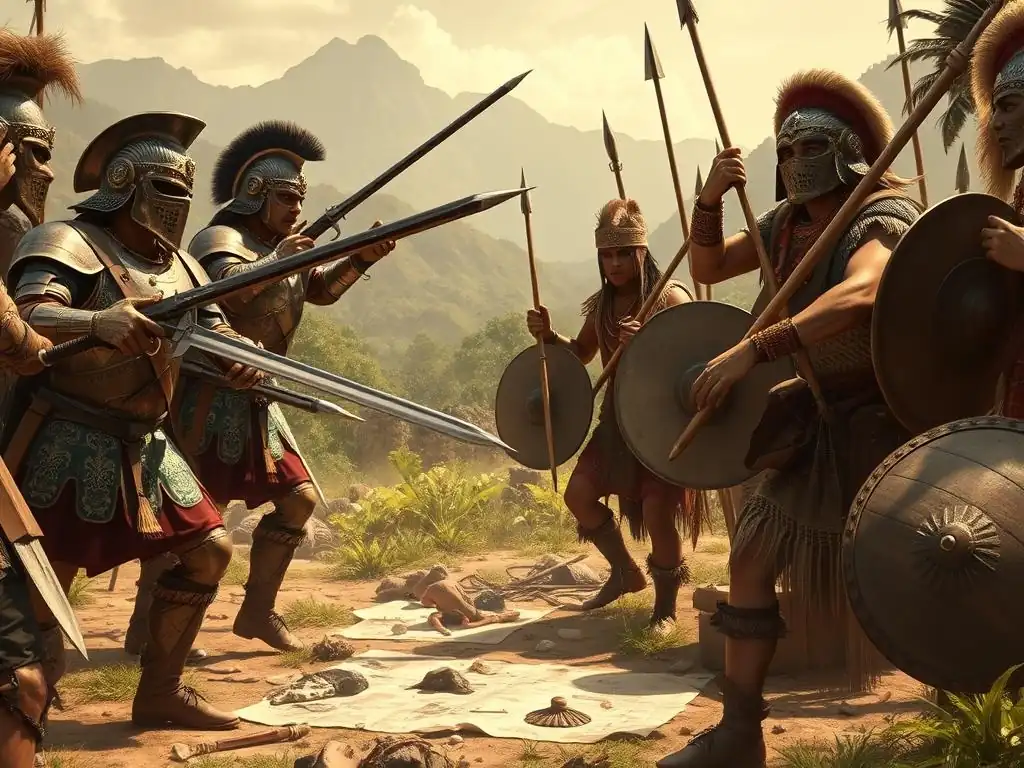
The narrative surrounding the Spanish conquest of the Americas often highlights the overwhelming superiority of Spanish weapons, framing the encounter as a straightforward clash between technologically advanced Europeans and primitive indigenous populations. However, this perspective overlooks the complexity of the situation and the realities faced by indigenous cultures. Understanding the myths and realities surrounding Spanish weapons helps to paint a more accurate picture of their impact on indigenous societies.
Common Myths About Spanish Superiority
One of the most persistent myths is that the Spanish were inherently superior due to their advanced weaponry, such as guns, cannons, and steel swords. While it is true that these technologies provided tactical advantages, this view simplifies the dynamics of warfare. Indigenous groups often had their own sophisticated military strategies, weaponry, and knowledge of the terrain, which played significant roles in their resistance efforts. Moreover, the effectiveness of Spanish weapons was often exaggerated, as many engagements were influenced by factors beyond mere technology, including leadership, morale, and the element of surprise.
Another common misconception is that the Spanish forces were large and overwhelmingly powerful. In reality, the initial Spanish incursions, such as Hernán Cortés's expedition against the Aztecs, involved relatively small numbers of troops. The Spanish relied heavily on alliances with rival indigenous groups, which allowed them to amplify their impact and compensate for their numerical disadvantages. This reliance on alliances reveals that Spanish military success was not solely due to weaponry but was also a product of political maneuvering and exploitation of existing rivalries among indigenous peoples.
The Role of Disease and Alliances
While Spanish weapons did play a role in the conquest, the impact of European diseases, such as smallpox, was far more devastating. These diseases decimated indigenous populations, leading to significant social and political disruption. The loss of leaders and warriors weakened indigenous resistance, allowing Spanish forces to take advantage of the chaos. Disease spread rapidly among populations that had no immunity, resulting in mortality rates that could exceed 90% in some communities.
Alliances with indigenous groups were another critical factor in the Spanish conquest. The Spanish recognized existing conflicts among indigenous nations and exploited these rivalries to gain support. For instance, many tribes viewed the Aztecs as oppressors and thus allied with the Spanish against them. These alliances were not merely tactical; they shifted the balance of power and allowed the Spanish to secure victories through collaborative efforts rather than sheer force alone.
Conclusion: The Lasting Impact of Spanish Weapons on Indigenous Civilizations
The Spanish conquest fundamentally altered the trajectory of indigenous civilizations in the Americas. While Spanish weapons played a role in the initial military successes, the broader consequences of the conquest were shaped by a complex interplay of technology, disease, and indigenous agency. This multifaceted impact invites a deeper reflection on the consequences of European colonization.
Reflection on the Influence of Technology in the Conquest
The influence of technology during the conquest should be viewed within a broader context. Spanish firearms and steel weapons were indeed more effective than many indigenous weapons, but they were only one part of a much larger picture. Indigenous cultures were not static or passive; they adapted and responded to the threats they faced. The technological exchange also went both ways, as indigenous groups innovated their own strategies and weaponry in response to European methods.
Moreover, the psychological impact of Spanish weaponry cannot be understated. The sight and sound of gunfire, along with the devastating effects of cannons in battle, instilled fear among indigenous groups. However, this fear was met with resilience, as many indigenous nations developed their own forms of resistance, showcasing their adaptability and strength even in the face of overwhelming odds.
The Legacy of Spanish Weapons in Historical Context
The legacy of Spanish weapons extends beyond the immediate conquest. They set the stage for centuries of colonial rule, shaping the power dynamics between European settlers and indigenous populations. The militaristic strategies employed by the Spanish became templates for later colonizers who sought to expand their territories in the Americas.
Furthermore, the introduction of Spanish weapons influenced indigenous societies long after the initial conquest. Weapons became symbols of power and status, leading to the emergence of new social hierarchies and conflicts within indigenous populations as they adapted to the changing political landscape. The interactions between technology, culture, and power dynamics continue to be relevant in understanding historical and contemporary indigenous struggles.
Implications for Understanding Indigenous Resistance and Resilience
Understanding the impact of Spanish weapons on indigenous cultures allows for a more nuanced perspective on resistance and resilience. It emphasizes that indigenous peoples were not merely victims of conquest but active participants in their histories. They engaged in various forms of resistance, from armed conflict to diplomatic negotiations, highlighting their agency amid colonization.
The resilience exhibited by indigenous cultures in the face of overwhelming technological and military challenges is a testament to their strength. By examining the complexities of this historical period, we can better appreciate the diverse ways indigenous civilizations adapted, survived, and continue to influence the Americas today. The legacy of Spanish weapons is not only one of conquest but also of enduring resistance, adaptation, and cultural survival.
Further Reading on Spanish Conquest and Indigenous Cultures
Understanding the profound impact of the Spanish conquest on indigenous cultures requires a comprehensive examination of various sources. This further reading section offers valuable resources to deepen your knowledge about the interactions between Spanish weapons and indigenous societies, focusing on their technological, social, and cultural implications.
- Historical Accounts:
- Primary sources, such as the letters of Hernán Cortés and the chronicles by Bernal Díaz del Castillo, provide firsthand insights into the encounters between Spanish conquistadors and indigenous peoples. These documents reveal the strategic use of weapons and their psychological effects on indigenous populations.
- Academic Journals:
- Latin American Perspectives and The Americas are excellent academic journals that publish articles on the history and impact of European colonization, including discussions on military technology and its role in the conquest.
- Books:
- "The Conquest of New Spain" by Bernal Díaz del Castillo offers a detailed narrative of the Spanish conquest of the Aztecs, emphasizing the role of weaponry.
- "Guns, Germs, and Steel: The Fates of Human Societies" by Jared Diamond presents a broader perspective on how technology influenced the outcomes of societies worldwide, including the Spanish conquest.
- Documentaries:
- Documentaries such as "The Fall of the Aztecs" and "Conquistadors" provide visual representations of the conflicts and the technological disparities that played a crucial role in the conquest.
- Online Resources:
- Websites dedicated to historical education, such as the History Channel and PBS, offer articles, timelines, and interactive features that explore the Spanish conquest and its impact on indigenous cultures.
Recommended Sources for Deeper Exploration
For those eager to delve deeper into the subject matter, consider the following curated list of recommended sources that encompass a range of perspectives and analyses:
| Source Type | Title/Author | Description |
|---|---|---|
| Book | "The Conquest of New Spain" by Bernal Díaz | A firsthand account of the conquest, detailing military strategies and indigenous reactions. |
| Book | "Guns, Germs, and Steel" by Jared Diamond | Examines how environmental factors and technology shaped the fates of societies, including indigenous cultures. |
| Journal Article | "The Role of Technology in the Spanish Conquest" | Analyzes the technological advantages of the Spanish and their impact on indigenous resistance. |
| Documentary | "Conquistadors" | A series that explores the lives of Spanish explorers and the consequences of their conquests. |
| Online Article | "Aztec Warfare: A Study of the Spanish Conquest" | A detailed examination of the military tactics employed by both the Spanish and the Aztecs, available on educational websites. |
These resources will provide a well-rounded understanding of the Spanish weapons' impact on indigenous cultures, allowing readers to appreciate the complexities of the conquest beyond mere military prowess. Engaging with these texts, documentaries, and articles will illuminate the multifaceted nature of this historical period and its enduring legacy.
- Introduction to Spanish Weapons and Indigenous Cultures
- The Technological Superiority of Spanish Weapons
- The Impact of Spanish Weapons on Indigenous Societies
- Case Study: The Fall of the Aztec Empire
- Myths and Realities of Spanish Weapons Impact on Indigenous Cultures
- Conclusion: The Lasting Impact of Spanish Weapons on Indigenous Civilizations
- Further Reading on Spanish Conquest and Indigenous Cultures
Frequently Asked Questions
What were the main Spanish weapons used during the conquest?
The Spanish weapons included firearms, cannons, and steel swords, which offered a significant technological advantage over indigenous weaponry.
How did Spanish weapons affect indigenous societies?
The introduction of Spanish weapons led to devastating consequences for indigenous cultures, resulting in mass casualties and a shift in power dynamics.
Were there any indigenous responses to Spanish weapons?
Yes, many indigenous groups adapted their tactics, using guerrilla warfare and forming alliances to counter the technological superiority of Spanish forces.
What role did disease play alongside Spanish weapons?
Alongside Spanish weapons, diseases like smallpox devastated indigenous populations, further weakening their ability to resist conquest and contributing to their downfall.
What is the lasting impact of Spanish colonization on indigenous cultures?
The impact of Spanish colonization is profound, leading to cultural assimilation, loss of land, and a significant transformation of indigenous societies that persists today.
Final Reflection: The Lasting Impact of Spanish Weapons on Indigenous Cultures
The influence of Spanish weapons during the conquest is not merely a historical footnote; it is a stark reminder of how technology can reshape societies and cultures. Today, as we navigate a world increasingly defined by technological advancements, understanding the consequences of such power becomes ever more critical. The legacy of Spanish weaponry serves as a cautionary tale about the profound impact that one culture's technological superiority can have on another, often leading to devastating outcomes.
The ramifications of the conquest extend far beyond the battlefield; they resonate in the cultural fabric of indigenous societies that were irrevocably altered. The introduction of Spanish weapons not only facilitated the conquest but also instigated a shift in power dynamics, leading to the erosion of indigenous cultures and traditions. As historian John Elliott poignantly stated, The conquest was not merely a military victory; it was a cultural upheaval that redefined the very essence of indigenous existence.
This ongoing influence is evident in the way modern societies grapple with the legacies of colonization and the need for cultural preservation.
As we reflect on the lessons from the past, let us consider how we can apply this understanding to our present and future. I invite you to contemplate the role of technology in your own life and its potential to shape not just outcomes, but the very identities of communities. How can we harness technological advancements responsibly to uplift rather than dominate? By engaging with these questions, we can ensure that the lessons learned from the Spanish conquest guide us toward a more equitable and respectful coexistence in our diverse world.
Unveil the Impact: Take Action Today!
Thank you for taking the time to explore how Spanish weapons shaped the Conquest and the Indigenous civilizations. Understanding this pivotal moment in history enriches our view of cultural exchanges and conflicts. Now, it’s time to turn your knowledge into action!
- Dive deeper into the history of Indigenous resistance by reading personal accounts or academic papers that highlight their heroism and resilience.
- Share your thoughts! Engage with our community by commenting below or joining our discussion forum to explore the lasting effects of these events on current society.
- Explore our extensive resources on the evolution of technology within Indigenous cultures—discover how their innovations have shaped and influenced the modern world.
What aspect of the Conquest resonates most with you, and how do you think the lessons learned from this history apply to contemporary issues?