
The Role of Resistance: How Indigenous Movements Address Longterm Effects of Colonization

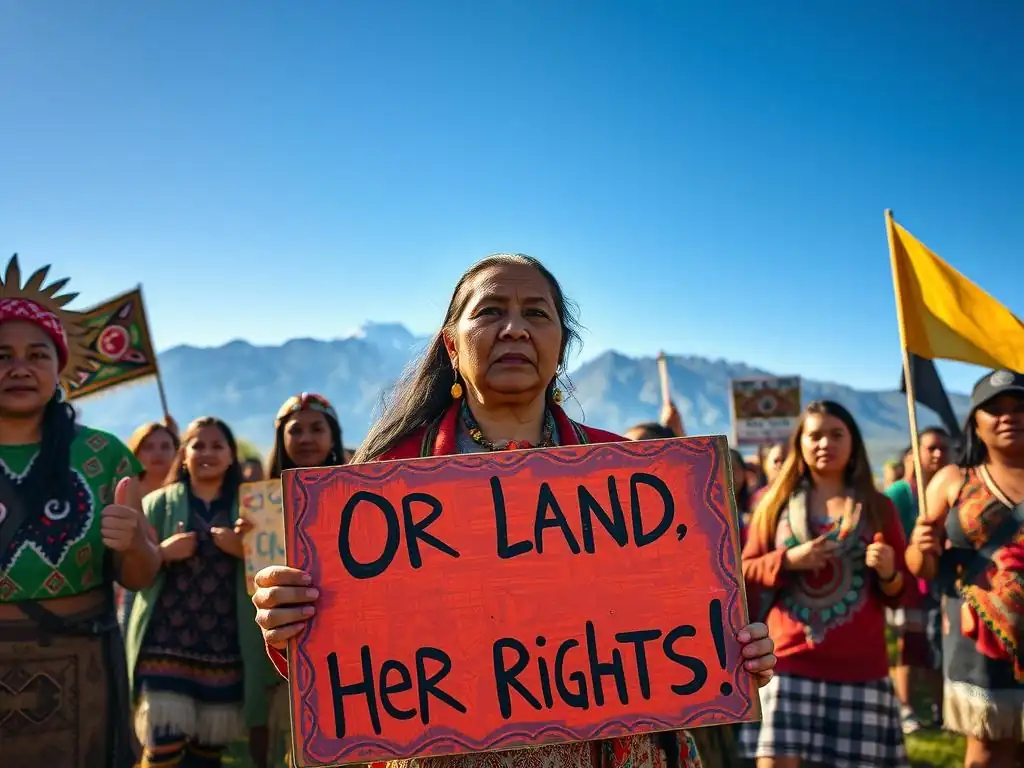
Welcome to Indigenous Civilizations of the Americas, where we embark on a captivating journey through the rich tapestry of indigenous cultures that flourished across the continent long before European colonization. As we delve into the profound history of indigenous resistance movements, you will uncover the remarkable ways these communities have confronted and addressed the long-term effects of colonization. What drove these movements, and how do their legacies continue to shape our understanding today? Join us as we explore these powerful narratives and their enduring impact on both past and present societies. Your exploration starts here!
Introduction to Indigenous Resistance Movements
Indigenous resistance movements have played a crucial role in addressing the long-term effects of colonization in the Americas. These movements are not merely reactions to historical injustices; they are vibrant expressions of culture, identity, and resilience.
Throughout history, Indigenous peoples have responded to the encroachments of European settlers and their descendants with a range of strategies, from armed conflict to peaceful protests, showcasing their determination to protect their lands, languages, and ways of life. This article delves into the rich history of Indigenous resistance movements, exploring their significance in the context of colonial legacies and the ongoing struggles many communities face today.
Overview of Indigenous Resistance Movements History
The history of Indigenous resistance movements is as diverse as the cultures themselves. From the early days of colonization, Indigenous groups have engaged in various forms of resistance, which can be broadly categorized into:
- Armed Resistance: Many Indigenous communities, such as the Tainos, Mapuche, and Sioux, engaged in armed conflict to protect their territories against European incursions. Notable uprisings like the Pueblo Revolt of 1680 and the Nez Perce War of 1877 exemplify the fierce resistance against colonizers.
- Cultural Preservation: Alongside physical resistance, many Indigenous groups have focused on preserving their languages, traditions, and spiritual practices. This cultural resilience is a form of resistance that challenges the assimilation policies imposed by colonizers.
- Political Advocacy: In modern times, Indigenous movements have increasingly turned to legal and political avenues to assert their rights. Organizations such as the Assembly of First Nations and the National Congress of American Indians advocate for policy changes and recognition of land rights.
These movements reflect a continuum of resistance strategies that have evolved over centuries, highlighting the agency and adaptability of Indigenous peoples.
Importance of Addressing Longterm Effects of Colonization
Understanding the long-term effects of colonization is vital for recognizing the ongoing challenges faced by Indigenous communities. The impacts of colonization are multifaceted and include:
- Displacement: Many Indigenous peoples were forcibly removed from their ancestral lands, leading to loss of cultural heritage and livelihood.
- Economic Marginalization: Colonization has resulted in systemic inequalities, leaving many Indigenous communities impoverished and disenfranchised.
- Cultural Erosion: The imposition of foreign languages and religions has threatened Indigenous cultures, necessitating efforts to revitalize and reclaim cultural practices.
By addressing these enduring issues, Indigenous resistance movements not only seek justice for past wrongs but also aim to create pathways for healing and reconciliation.
Historical Context of Colonization
To fully appreciate the significance of Indigenous resistance movements, it is essential to understand the historical context of colonization. The arrival of Europeans in the Americas marked the beginning of profound and often devastating transformations for Indigenous societies.
The Impact of European Conquest on Indigenous Communities
The European conquest fundamentally altered Indigenous communities across the continent. The consequences included:
- Population Decline: Diseases introduced by Europeans decimated Indigenous populations, with estimates suggesting that up to 90% of some communities were lost within decades.
- Disruption of Social Structures: The imposition of foreign governance systems disrupted traditional social hierarchies and relationships.
- Resource Exploitation: Colonizers exploited natural resources, leading to ecological devastation and further undermining Indigenous livelihoods.
These factors created a landscape of trauma and dislocation, prompting Indigenous resistance as a means of survival and assertion of identity.
Early Forms of Resistance: A Historical Perspective
The early forms of Indigenous resistance laid the groundwork for later movements. Examples include:
- The Taino Rebellion (1492-1516): One of the first recorded resistances, led by the Taino people against Spanish colonizers in the Caribbean, highlighting the immediate pushback against colonization.
- The Powhatan Confederacy (1600s): A coalition of tribes in Virginia that resisted English encroachment through both diplomacy and warfare, demonstrating early collective action among Indigenous groups.
- The Iroquois Confederacy: Established long before European contact, this sophisticated political alliance showcased Indigenous governance and diplomatic strategies as forms of resistance to external pressures.
These early instances of resistance were not isolated events but part of a broader narrative of resilience that continues to inspire contemporary movements for justice and recognition among Indigenous communities today.
Key Indigenous Resistance Movements
Indigenous resistance movements throughout history have played a crucial role in addressing the long-term effects of colonization. These movements often arise in response to oppression, land dispossession, cultural suppression, and environmental degradation caused by colonial forces and modern state policies. They encompass a wide range of actions, from peaceful protests to armed conflicts, and serve to assert Indigenous rights, protect ancestral lands, and preserve cultural heritage.
Some notable resistance movements include the American Indian Movement (AIM) in the United States, which emerged in the 1960s to combat systemic injustices faced by Native Americans, and the Mapuche resistance in Chile and Argentina, which continues to fight for land rights and recognition of their identity. More recently, movements like the Standing Rock Sioux Tribe's opposition to the Dakota Access Pipeline and the Zapatista Army of National Liberation (EZLN) in Mexico highlight the ongoing struggles of Indigenous peoples against exploitation and marginalization.
These movements have not only contributed to the empowerment of Indigenous communities but have also influenced broader social justice movements, advocating for human rights and environmental protection on a global scale.
Case Study: The Standing Rock Sioux Tribe's Opposition to the Dakota Access Pipeline
The Standing Rock Sioux Tribe's resistance against the Dakota Access Pipeline (DAPL) represents a significant moment in contemporary Indigenous activism. Initiated in 2016, the movement aimed to protect the tribe's water supply and sacred lands from the construction of a pipeline that would transport crude oil across the Dakotas. The proposed route threatened the Missouri River, which serves as a vital water source for the tribe and surrounding communities.
Activists, known as "water protectors," gathered at the Standing Rock reservation to protest the pipeline's construction, drawing national and international attention to their cause. The movement emphasized the importance of Indigenous sovereignty and environmental justice, framing the issue not just as a local concern but as part of a larger struggle against colonialism and corporate exploitation.
Despite facing significant opposition, including law enforcement actions and the militarization of the protest site, the resistance at Standing Rock inspired similar movements across the Americas and highlighted the power of collective action in confronting ongoing colonial practices. The legacy of this resistance continues to influence environmental activism and Indigenous rights movements today.
Case Study: The Zapatista Army of National Liberation (EZLN)
The Zapatista Army of National Liberation (EZLN) emerged in 1994 in Chiapas, Mexico, as a response to the systemic injustices faced by Indigenous communities. The Zapatistas, led by Subcomandante Marcos, gained international attention with their armed uprising on January 1, coinciding with the implementation of the North American Free Trade Agreement (NAFTA). Their manifesto highlighted issues such as land rights, autonomy, and the need for social justice.
The Zapatista movement is characterized by its commitment to Indigenous rights and self-governance, promoting a model of participatory democracy that empowers local communities. The Zapatistas have established autonomous regions where they implement their own governance structures, education systems, and health care initiatives, resisting the impact of neoliberal policies imposed by the Mexican government.
Through their efforts, the Zapatistas have inspired a global movement that advocates for Indigenous rights and challenges the dominant narratives of capitalism and colonialism. Their story serves as a powerful example of how Indigenous resistance movements can reclaim autonomy and foster solidarity among marginalized groups.
Longterm Effects of Colonization on Indigenous Communities
The long-term effects of colonization on Indigenous communities are profound and multifaceted, shaping the social, economic, and cultural landscape of these groups. Colonization has resulted in significant disruptions to traditional ways of life, leading to ongoing challenges that many Indigenous peoples continue to face today.
Socioeconomic Challenges Faced by Indigenous Peoples
Many Indigenous communities experience significant socioeconomic challenges, including high rates of poverty and unemployment. The historical dispossession of land, combined with systemic discrimination, has resulted in limited access to resources and opportunities. According to a report by the U.S. Census Bureau, Indigenous populations in the United States have among the highest poverty rates, with many living in conditions of economic marginalization.
Education also poses a significant challenge, as many Indigenous youth face barriers to quality education, which further perpetuates cycles of poverty. The lack of investment in Indigenous communities often leads to inadequate infrastructure, limited healthcare access, and high levels of food insecurity, compounding the socioeconomic issues faced by these populations.
Cultural Erosion and Revival Efforts
Colonization has led to significant cultural erosion among Indigenous peoples, as traditional practices, languages, and identities have been systematically suppressed. Many Indigenous communities have experienced a loss of cultural knowledge and heritage due to forced assimilation policies, such as residential schools, which aimed to erase Indigenous identities.
However, there has been a robust resurgence of cultural revival efforts in many Indigenous communities. Language revitalization programs, cultural festivals, and the integration of traditional practices into daily life are some initiatives aimed at reclaiming and preserving Indigenous cultures. These efforts not only foster a sense of identity and belonging but also empower younger generations to connect with their heritage and resist cultural assimilation.
Psychological Impact: Trauma and Resilience in Indigenous Communities
The psychological impact of colonization on Indigenous communities is profound, often manifesting in intergenerational trauma. Historical injustices, including violence, displacement, and cultural genocide, have led to mental health challenges such as depression, anxiety, and substance abuse within these populations. The legacy of trauma can hinder the overall well-being of individuals and communities, creating long-lasting effects.
Despite these challenges, Indigenous communities demonstrate remarkable resilience. Many are adopting holistic approaches to healing that incorporate traditional practices, community support, and mental health resources to address trauma. Programs focusing on cultural reconnection and community empowerment play a vital role in fostering resilience and promoting mental health within Indigenous populations.
While the impact of colonization has been devastating, Indigenous resistance movements and cultural revival efforts showcase the strength and resilience of these communities in the face of adversity. Through continued advocacy and empowerment, Indigenous peoples are not only addressing the long-term effects of colonization but also paving the way for a more just and equitable future.
Indigenous Movements as Agents of Change
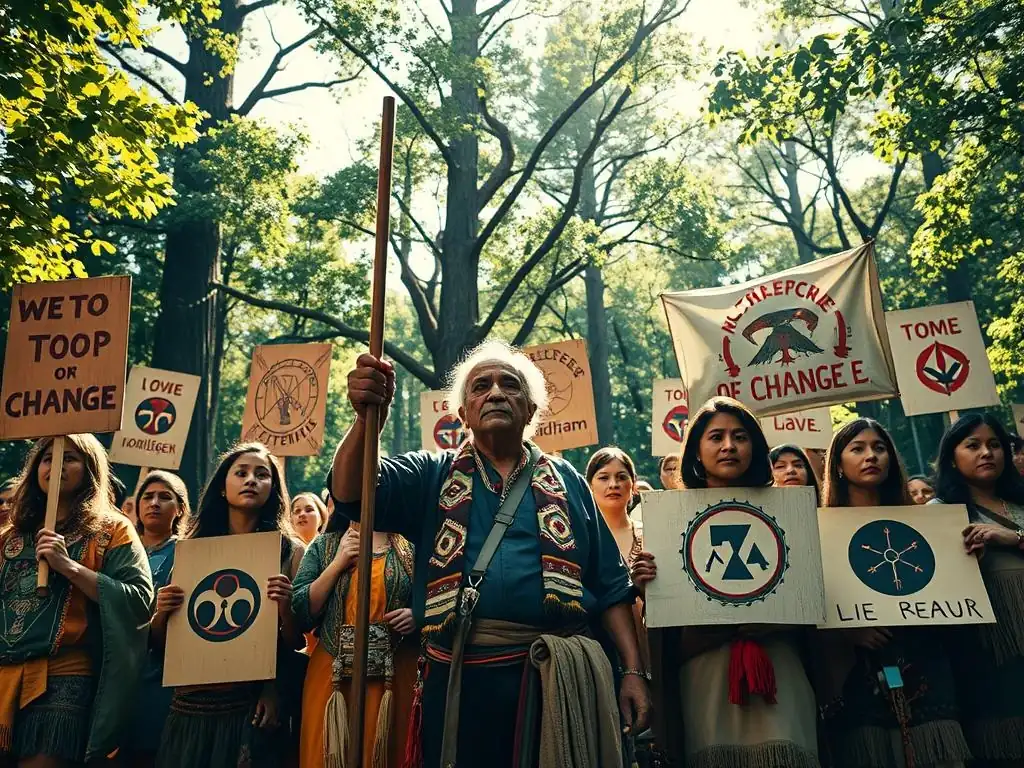
Indigenous movements have played a pivotal role in addressing the enduring effects of colonization, acting as powerful agents of change. These movements have emerged in response to historical injustices, cultural erasure, and ongoing marginalization, striving to reclaim agency and identity. By fostering a sense of unity among Indigenous peoples, these movements challenge oppressive systems and advocate for the recognition of their rights, cultures, and knowledge systems.
The impact of Indigenous resistance can be seen in various spheres, including politics, social justice, and environmental stewardship. Through grassroots organizing and strategic activism, Indigenous leaders and communities have harnessed both traditional practices and contemporary methods to articulate their demands, amplify their voices, and foster resilience among their peoples. This multifaceted approach not only addresses immediate concerns but also lays the groundwork for long-term cultural and societal transformation.
Revitalization of Indigenous Knowledge and Practices
One of the most significant outcomes of Indigenous movements is the revitalization of traditional knowledge and cultural practices. This resurgence serves not only to preserve Indigenous identities but also to promote sustainable practices that align with their ancestral teachings. For instance, many Indigenous communities have revived traditional agriculture techniques, such as companion planting and permaculture, which emphasize biodiversity and ecological balance.
Moreover, cultural ceremonies, languages, and storytelling traditions are being reclaimed and celebrated. These practices foster community cohesion and resilience, allowing Indigenous peoples to connect with their heritage in meaningful ways. As they reclaim their narratives and histories, Indigenous movements inspire a broader understanding of ecological wisdom that challenges dominant paradigms of exploitation and unsustainability.
Advocacy for Land Rights and Environmental Justice
Land rights advocacy is a cornerstone of Indigenous resistance movements. Historically, colonization has resulted in the dispossession of Indigenous lands, leading to profound social, economic, and environmental consequences. Indigenous movements emphasize the importance of land as not merely a resource but a vital component of cultural identity and spiritual well-being.
Through legal battles, protests, and negotiations, Indigenous groups are asserting their rights to ancestral territories. This advocacy extends to environmental justice, as Indigenous communities often bear the brunt of ecological degradation caused by industrialization and resource extraction. By standing up against environmental injustices, these movements highlight the interconnectedness of social and environmental issues, advocating for sustainable practices that respect both people and the planet.
Collaboration with Non-Indigenous Allies: Building Solidarity
Collaboration with non-Indigenous allies is essential for the success of Indigenous movements. Building solidarity across diverse communities can amplify the impact of advocacy efforts and raise awareness about the historical and ongoing injustices faced by Indigenous peoples. Non-Indigenous allies can offer resources, platforms, and networks that support Indigenous-led initiatives, helping to bridge gaps in understanding and foster mutual respect.
Effective collaboration requires a commitment to listening, learning, and centering Indigenous voices in the decision-making process. By fostering genuine partnerships, both Indigenous and non-Indigenous individuals can work together toward common goals, such as social justice, environmental protection, and the promotion of Indigenous rights, thus creating a more equitable society for all.
Conclusion: The Future of Indigenous Resistance
The future of Indigenous resistance movements holds promise as they continue to evolve and adapt to emerging challenges. As younger generations become increasingly involved, they bring fresh perspectives and innovative strategies to longstanding issues, ensuring that the fight for justice and recognition remains vibrant and relevant.
The Ongoing Struggle for Recognition and Rights
Despite significant advancements, the struggle for recognition and rights persists. Many Indigenous communities continue to face systemic discrimination, land dispossession, and cultural appropriation. The fight for sovereignty, self-determination, and the restoration of rights is ongoing and requires sustained efforts from both Indigenous peoples and their allies.
The recognition of Indigenous rights is not merely a matter of justice but is essential for the health and well-being of the planet. Indigenous knowledge systems offer valuable insights into sustainable living and environmental stewardship, reinforcing the need for their voices to be included in discussions about climate change and ecological preservation.
Lessons Learned from Indigenous Resistance Movements History
The history of Indigenous resistance movements offers profound lessons for contemporary social justice efforts. Key takeaways include the importance of grassroots organizing, the power of cultural revitalization, and the necessity of building coalitions across diverse communities.
Additionally, understanding the historical context of colonization and its lasting impacts equips activists and allies with the tools needed to advocate effectively for justice. As we look to the future, the resilience and tenacity of Indigenous movements continue to inspire and inform broader movements for justice and equity, emphasizing the importance of solidarity in the ongoing struggle for a more just world.
Call to Action
Indigenous resistance movements have played a crucial role in shaping the contemporary landscape of indigenous rights and cultural preservation. Understanding the history and ongoing struggles of these movements is vital for fostering solidarity and support. As we reflect on the long-term effects of colonization, it becomes imperative for individuals and communities to engage actively in standing with indigenous peoples. This involvement can take many forms, from educating oneself about indigenous histories to participating in advocacy efforts aimed at promoting justice and equality.
We encourage readers to explore ways they can contribute to the ongoing fight for indigenous rights and cultural recognition. Recognizing the resilience of indigenous communities is not just an act of solidarity; it is a crucial step toward healing historical wounds and building a more equitable future for all.
How to Support Indigenous Movements Today
Supporting indigenous movements today requires a multifaceted approach that respects the voices and needs of indigenous communities. Here are some actionable steps you can take:
- Educate Yourself: Learning about the histories, cultures, and current issues facing indigenous peoples is fundamental. Books, documentaries, and online resources can provide valuable insights.
- Engage with Indigenous Voices: Follow indigenous leaders and organizations on social media. Listening to their perspectives and sharing their messages amplifies their voices.
- Donate: Many indigenous organizations rely on donations to continue their work. Consider contributing to groups that focus on land rights, cultural preservation, or social justice.
- Participate in Events: Attend local events, such as cultural festivals or workshops, that celebrate indigenous heritage and raise awareness about contemporary issues.
- Advocate for Policy Changes: Engage in advocacy by contacting local representatives to support legislation that benefits indigenous communities, such as land rights and environmental protections.
- Support Indigenous Businesses: Purchasing from indigenous-owned businesses not only supports their economic empowerment but also promotes cultural sustainability.
By taking these steps, individuals can contribute meaningfully to the resilience and revitalization of indigenous movements.
Encouraging Awareness and Education on Indigenous Issues
Raising awareness and promoting education on indigenous issues are essential components of fostering understanding and respect for indigenous cultures. Here are several ways to encourage awareness:
- Incorporate Indigenous Perspectives in Education: Advocate for educational curriculums that include indigenous histories, languages, and contributions. Schools should recognize the importance of teaching these narratives as a vital part of American history.
- Utilize Social Media: Use platforms like Twitter, Instagram, and Facebook to share information about indigenous issues, events, and movements. Highlighting indigenous content can help spread awareness to wider audiences.
- Host Workshops and Discussions: Organizing community events that focus on indigenous issues can facilitate meaningful dialogue. These gatherings create opportunities to learn directly from indigenous speakers and activists.
- Promote Indigenous Art and Culture: Supporting indigenous artists and cultural expressions helps to preserve traditions and showcases the richness of indigenous heritage.
- Create Resource Guides: Develop and distribute resource guides that include books, websites, and organizations focused on indigenous rights and history. These guides can serve as valuable tools for those seeking to learn more.
By encouraging awareness and education on indigenous issues, we not only honor the past but also pave the way for a more informed and inclusive future.
- Introduction to Indigenous Resistance Movements
- Historical Context of Colonization
- Key Indigenous Resistance Movements
- Longterm Effects of Colonization on Indigenous Communities
- Indigenous Movements as Agents of Change
- Conclusion: The Future of Indigenous Resistance
- Call to Action
- What are Indigenous resistance movements?
- How do these movements address the long-term effects of colonization?
- What historical examples of Indigenous resistance can be found in the Americas?
- How have Indigenous movements evolved over time?
- Why is understanding Indigenous resistance important today?
Frequently Asked Questions
What are Indigenous resistance movements?
Indigenous resistance movements are organized efforts by Native peoples to oppose colonial oppression and assert their rights, including land, culture, and governance.
How do these movements address the long-term effects of colonization?
These movements confront the historical injustices of colonization by promoting cultural revitalization and fighting for land rights, effectively working to heal and empower their communities.
What historical examples of Indigenous resistance can be found in the Americas?
Prominent examples include the Pueblo Revolt of 1680 and the Zapatista Army of National Liberation, showcasing various strategies employed by Indigenous groups to resist colonial rule.
How have Indigenous movements evolved over time?
Indigenous movements have transformed from armed resistance to more political advocacy, focusing on legal battles, treaties, and international support to assert their rights and sovereignty.
Why is understanding Indigenous resistance important today?
Understanding Indigenous resistance is crucial for addressing ongoing disparities and fostering cultural awareness, helping society recognize the resilience and contributions of Indigenous peoples.
Final Reflection: The Enduring Legacy of Indigenous Resistance
The history of Indigenous resistance movements is not just a tale of the past; it is a powerful narrative that resonates deeply in today's world. As we grapple with the long-term effects of colonization, the resilience and activism of Indigenous communities remind us that the fight for justice and recognition is ongoing. The struggles faced by these movements highlight the urgent need for awareness and action in addressing historical injustices that continue to impact Indigenous peoples today.
The influence of Indigenous resistance movements extends far beyond their immediate context; they have shaped cultural identities, social justice frameworks, and environmental advocacy across the globe. The ongoing efforts of Indigenous leaders and communities serve as a beacon of hope and a call to action for all who seek to challenge systemic oppression. As noted by a prominent Indigenous activist, Our struggle is not just for our rights, but for the rights of all marginalized communities.
This sentiment encapsulates the interconnectedness of various social justice movements and the importance of solidarity in the face of adversity.
As we reflect on the lessons from Indigenous resistance movements, let us commit to amplifying their voices and supporting their causes. I invite you to consider how you can engage with these movements in your own life, whether through education, advocacy, or allyship. By recognizing the historical context and current relevance of Indigenous struggles, we can contribute to a more equitable future that honors the resilience and wisdom of Indigenous peoples. Together, we can foster a world where justice and respect for all cultures thrive.
Empower Change: Join the Movement for Indigenous Rights!
Thank you for taking the time to explore the significant contributions of Indigenous movements in addressing the long-lasting effects of colonization. Your understanding of these issues is crucial in fostering a future rooted in equity and respect. Together, we can take meaningful steps to support these vital causes.
- Engage with Indigenous Voices: Seek out and amplify initiatives led by Indigenous individuals in your community or online. Share their stories and successes to raise awareness and promote their messages.
- Participate in Local Events: Attend gatherings or webinars focused on Indigenous rights and decolonization efforts. These opportunities will deepen your understanding and help you connect with like-minded individuals.
- Support Indigenous Businesses: Consider directing your purchases to Indigenous entrepreneurs and artisans. This not only creates economic opportunities but also promotes and preserves cultural heritage.
What actions can you take today to contribute to the resilience of Indigenous cultures and movements in your community?