
The Evolution of Indigenous Textiles: Past, Present, and Future

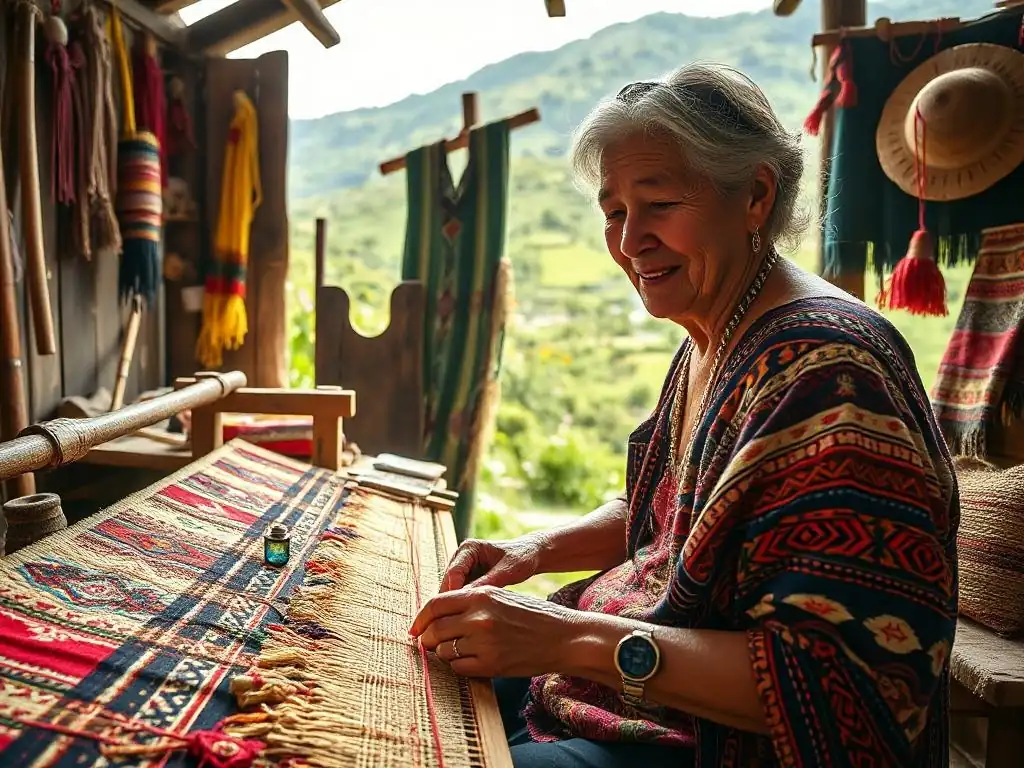
Welcome to Indigenous Civilizations of the Americas, where we invite you to embark on a journey through the rich tapestry of indigenous cultures that flourished long before European contact. Our featured article, "The Evolution of Indigenous Textiles: Past, Present, and Future," delves into the intricate world of indigenous textiles in the Americas, revealing the artistry, innovation, and cultural significance woven into every thread.
As you explore, you'll uncover how these textiles not only reflect the vibrant history of their creators but also how they continue to influence contemporary society. Get ready to be inspired—your adventure into the past begins now!
Introduction to Indigenous Textiles in the Americas
Indigenous textiles in the Americas represent a rich tapestry of cultural expression, craftsmanship, and identity that has evolved over centuries. From the intricate weavings of the Andean highlands to the vibrant patterns of Native American tribes, these textiles are not merely functional items but profound reflections of the diverse societies that created them.
This article aims to explore the evolution of indigenous textiles, highlighting their historical significance, the techniques and materials employed, and their ongoing relevance in contemporary culture. By delving into the past, present, and future of these remarkable creations, we can appreciate the enduring legacy and impact of indigenous textiles across the Americas.
Overview of Indigenous Textiles
Indigenous textiles encompass a wide range of materials, techniques, and designs that vary significantly across different cultures and regions. Traditionally, these textiles have been crafted using natural fibers such as cotton, wool, and plant materials, each selected for its availability and suitability to the local environment. The artistry involved in creating these textiles often includes complex dyeing processes, weaving techniques, and embroidery styles that convey stories, social status, and cultural beliefs.
- Key Characteristics of Indigenous Textiles:
- Diversity: Each indigenous group has developed its own unique styles and patterns, reflective of its environment and cultural narratives.
- Functionality: Textiles serve various purposes, from clothing and ceremonial garments to household items and tools.
- Artistic Expression: Designs often incorporate symbols and motifs that have deep cultural meanings, telling stories of ancestry, spirituality, and community.
Significance of Textiles in Indigenous Cultures
Textiles hold a central place in indigenous cultures, functioning as both practical items and powerful symbols. They play a vital role in rituals, ceremonies, and social gatherings, often marking significant life events such as births, marriages, and funerals. The act of weaving and creating textiles is frequently seen as a communal practice, fostering connections within families and communities.
Moreover, textiles are a means of preserving cultural heritage. They embody traditional knowledge, craftsmanship, and artistic practices that have been passed down through generations. As a result, indigenous textiles not only reflect the aesthetic values of a culture but also serve as a vital link to its history and identity.
Historical Context of Indigenous Textiles
Pre-Columbian Textile Traditions
Before European colonization, indigenous peoples across the Americas had established sophisticated textile traditions that varied widely among different regions. In Mesoamerica, for instance, the Maya and Aztec civilizations produced elaborate textiles adorned with intricate designs and vibrant colors. Similarly, the Andean cultures, such as the Inca, are renowned for their mastery of weaving techniques, creating textiles that showcased their social hierarchy and religious beliefs.
These pre-Columbian societies utilized textiles in myriad ways, from clothing and ceremonial garments to trade items, highlighting their economic and cultural significance. The abundance of resources, combined with the knowledge of agriculture and animal husbandry, allowed for the development of diverse textile practices that reflected the rich cultural landscapes of the Americas.
Materials and Techniques Used in Ancient Times
The materials used in ancient indigenous textiles were primarily sourced from the natural surroundings. Common materials included:
- Cotton: Grown in warmer regions, cotton was often spun and dyed using natural pigments to create colorful fabrics.
- Wool: Particularly among Andean cultures, camelid fibers from llamas and alpacas were used to produce warm, durable textiles.
- Plant Fibers: Various plants, such as agave and yucca, were processed into fibers for weaving.
The techniques employed by indigenous peoples varied widely, with methods such as backstrap weaving, loom weaving, and knotting being prevalent. These techniques required skill and knowledge, often honed through years of practice and passed down through generations. This rich tradition of craftsmanship not only produced functional items but also intricate works of art that reflected the cultural values of the artisans.
Cultural Symbolism in Early Textiles
Textiles in ancient indigenous cultures were imbued with cultural symbolism, serving as carriers of identity and meaning. Patterns and colors often held specific connotations, representing everything from social status to spiritual beliefs. For instance, certain motifs might symbolize fertility, while others could denote protection or connection to the land.
The use of textiles in rituals and ceremonies further accentuated their symbolic significance. Garments worn by leaders, for example, were often adorned with symbols of power and authority, while textiles used in sacred ceremonies might feature designs that invoked ancestral spirits or deities. Thus, indigenous textiles served not only as practical items but also as vital links to the spiritual and cultural fabric of their societies.
Regional Variations of Indigenous Textiles
The indigenous textiles of the Americas exhibit a remarkable diversity that reflects the rich cultural, geographical, and historical contexts of the various regions. Each area developed unique textile traditions, characterized by specific materials, techniques, and patterns that convey the identity and heritage of their respective communities. This section explores the distinctive features of textiles from North, Central, and South America, illustrating how regional variations contribute to the broader narrative of indigenous craftsmanship.
North American Indigenous Textiles
In North America, indigenous textiles are deeply rooted in the traditions of various tribes, each with its own distinctive styles. For instance, the Navajo people are renowned for their intricate weaving techniques, particularly in the creation of rugs and blankets. These textiles often feature geometric designs and vibrant colors derived from natural dyes, reflecting the desert landscapes of the Southwest.
The Plains tribes, such as the Lakota and Cheyenne, traditionally crafted textiles from animal hides, which were intricately decorated with beadwork and quillwork. The use of natural fibers, like sinew and plant materials, was prominent in creating garments that were not only functional but also held spiritual significance.
Furthermore, the coastal tribes, such as the Tlingit and Haida, utilized cedar bark and wool to produce clothing, baskets, and ceremonial regalia. Their textiles often showcased motifs that represented their connection to the ocean and forest, highlighting their environmental interactions and cultural narratives.
Central American Indigenous Textiles
Central American indigenous textiles are characterized by their vibrant colors and elaborate patterns, often incorporating complex symbolism. The Maya civilization, for example, is known for its backstrap loom weaving, which produces beautifully patterned textiles that are rich in cultural meaning. These textiles often feature motifs that relate to mythology, nature, and social status, reflecting the community's beliefs and values.
In Guatemala, traditional garments such as huipiles (blouses) and cortes (skirts) are handmade by indigenous women, showcasing regional variations in design. Each garment tells a story about the wearer’s community, marital status, and heritage through its unique patterns and colors. Additionally, the use of natural dyes made from plants and insects contributes to the distinctiveness of Central American textiles.
The use of cotton and other plant fibers is also significant in Central America, wherein communities have maintained traditional methods of cultivation and processing. This sustainable practice not only supports their textile production but also preserves their cultural heritage.
South American Indigenous Textiles
South American indigenous textiles are renowned for their intricate designs and the use of vibrant colors, often produced through traditional techniques that have been passed down through generations. The Andean cultures, particularly the Quechua and Aymara peoples, are famous for their high-quality textiles made from alpaca and llama wool. These textiles are celebrated for their warmth and durability, making them essential for life in the high-altitude Andes.
Weaving techniques such as tapestry and tapestry-like patterns are prevalent, often depicting scenes from everyday life, animals, and mythical creatures. The vibrant colors are achieved using natural dyes from plants and minerals, showcasing the deep connection these communities have with their environment.
In the Amazon basin, indigenous groups like the Yanomami and Shipibo weave textiles that incorporate elements of their spiritual beliefs and natural surroundings. These textiles often use geometric patterns and symbolism reflective of their cosmologies, embodying their relationship with the rainforest and its biodiversity.
The Influence of Colonization on Indigenous Textiles
The arrival of European colonizers brought significant changes to indigenous textile production across the Americas. While many traditional practices persisted, colonization introduced new materials, techniques, and market dynamics that reshaped indigenous craftsmanship. This section discusses the changes in materials and techniques post-colonization, the impact of European trade on indigenous textile production, and the resilience of traditional practices amid these changes.
Changes in Materials and Techniques Post-Colonization
With colonization came the introduction of new materials such as wool and cotton from Europe. These materials began to replace traditional fibers like animal hides and plant-based textiles in many communities. While some indigenous groups adopted these new materials, they often blended them with traditional techniques, creating a hybrid style that reflected both indigenous and European influences.
For example, the introduction of wool to the Andean communities led to the creation of vibrant woven textiles that incorporated European patterns alongside traditional motifs. Similarly, the use of cotton became widespread in various regions, allowing for greater variety in textile production. However, this shift often accompanied the loss of some traditional knowledge and skills as communities adapted to changing circumstances.
The Impact of European Trade on Indigenous Textile Production
European colonization also transformed trade networks, significantly impacting indigenous textile production. The demand for indigenous textiles increased as European markets sought unique goods. This commercialization altered the way textiles were produced, with some artisans focusing on creating items for trade rather than for traditional use within their communities.
As a result, textiles became commodified, leading to a shift in priorities for many artisans. This change sometimes resulted in the dilution of traditional practices as artisans sought to meet the demands of foreign markets, impacting the authenticity and cultural significance of their work.
Resilience of Traditional Practices Amidst Change
Despite the profound changes brought about by colonization, many indigenous communities have demonstrated remarkable resilience in maintaining their traditional textile practices. This resilience is evident in the ongoing use of ancestral techniques, natural dyes, and patterns that convey cultural narratives.
In recent years, there has been a resurgence of interest in indigenous textiles, both within communities and in broader markets. Many artisans have embraced their heritage, producing textiles that celebrate their identity and cultural significance. Efforts to revitalize traditional techniques and promote sustainable practices have emerged, ensuring that indigenous textiles continue to thrive in the modern world.
By fostering a deeper appreciation for these textiles, communities not only preserve their cultural heritage but also contribute to the broader narrative of indigenous resilience and creativity in the face of historical challenges.
Contemporary Indigenous Textiles: Revitalization and Innovation
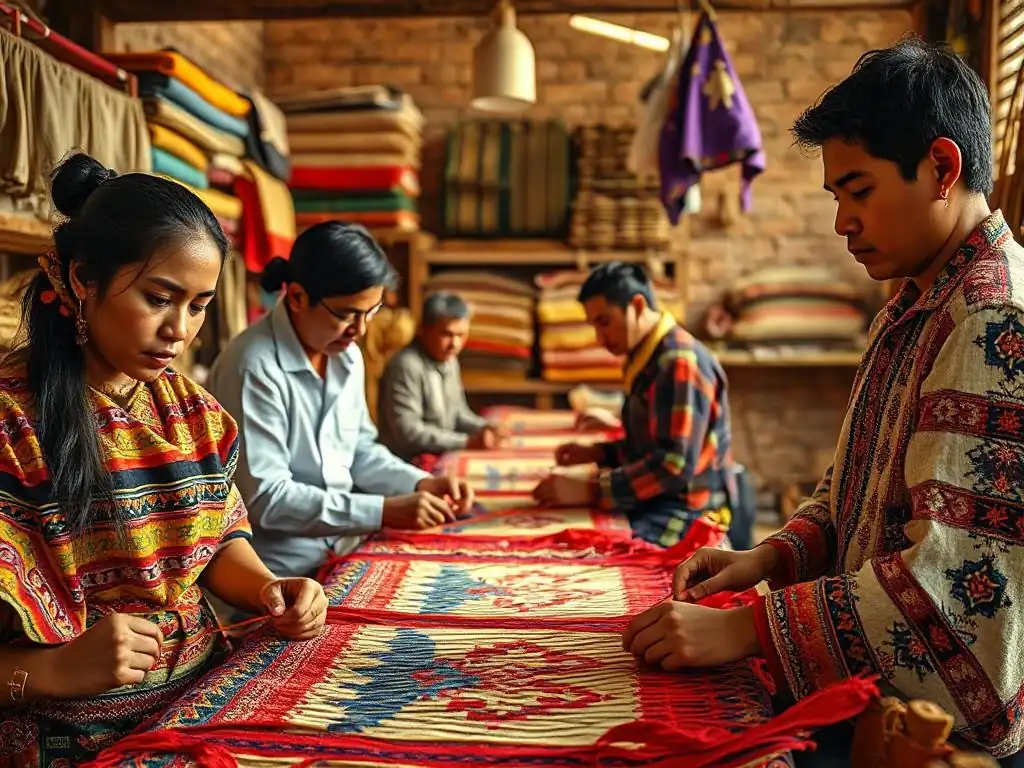
Contemporary indigenous textiles represent a dynamic blend of tradition and innovation, reflecting the resilience and creativity of indigenous communities across the Americas. As these communities navigate the complexities of modernity, they are actively revitalizing their textile practices, often drawing from ancestral techniques while incorporating new elements that resonate with current societal contexts. This evolution not only preserves cultural heritage but also serves as a powerful medium for expression and identity in the contemporary world.
Current Trends in Indigenous Textile Art
Today, indigenous textile art is experiencing a renaissance characterized by a resurgence of interest in traditional methods, materials, and patterns. Artists are increasingly using natural dyes and sustainable fibers, such as cotton, wool, and even plant-based materials, to create vibrant, eco-friendly textiles. Moreover, there is a growing trend towards storytelling through textiles, where each piece encapsulates cultural narratives, historical events, or personal experiences. This storytelling aspect fosters a deeper connection between the artist and the viewer, allowing for a shared appreciation of indigenous history and values.
Key trends include:
- Revival of Traditional Techniques: Many artists are re-learning and reinterpreting ancestral weaving, embroidery, and dyeing techniques, ensuring that these practices are not lost to time.
- Incorporation of Contemporary Themes: Artists are blending traditional designs with modern aesthetics, addressing contemporary issues such as climate change, social justice, and cultural identity.
- Increased Visibility and Market Access: The rise of social media and online marketplaces has enabled indigenous artists to showcase their work globally, reaching broader audiences and enhancing their economic opportunities.
Fusion of Traditional and Modern Techniques
The fusion of traditional and modern techniques is a hallmark of contemporary indigenous textiles. Artists are not only preserving age-old practices but are also innovating upon them to create unique blends that resonate with both indigenous and non-indigenous audiences. For instance, some weavers are integrating contemporary textile technology, such as digital printing, with traditional weaving methods, resulting in textiles that are both visually striking and culturally significant.
This blending often leads to:
- Hybrid Textiles: Combining traditional patterns with modern fabrics or techniques, allowing for versatile applications in both clothing and home décor.
- New Design Languages: Artists are exploring new forms and styles, creating pieces that challenge traditional notions of indigenous textiles while still honoring their roots.
- Collaborative Projects: Many indigenous artists collaborate with designers from various disciplines, fostering cross-cultural exchanges that enrich the textile arts.
Role of Indigenous Artists in Contemporary Fashion
Indigenous artists play a crucial role in shaping contemporary fashion, bringing their unique perspectives and cultural narratives to the forefront of the industry. By infusing fashion with indigenous aesthetics, they challenge the conventional beauty standards and practices that often dominate mainstream fashion. This not only promotes cultural diversity but also encourages a dialogue about appropriation and authenticity in fashion.
Key contributions of indigenous artists include:
- Cultural Representation: Through fashion, indigenous artists convey their heritage, using clothing as a canvas for storytelling and cultural expression.
- Sustainable Practices: Many indigenous designers prioritize eco-friendly materials and ethical production methods, setting a precedent for sustainability in the fashion industry.
- Empowerment and Advocacy: By leveraging their platforms, indigenous artists advocate for the rights and recognition of their communities, using fashion as a means of empowerment.
Future Directions for Indigenous Textiles
Looking ahead, the future of indigenous textiles is promising, marked by a commitment to sustainability, innovation, and cultural preservation. As awareness of the significance of indigenous textile practices grows, there is an opportunity for these communities to lead the way in ethical production and cultural revitalization.
Sustainability and Ethical Practices in Textile Production
Sustainability is increasingly becoming a guiding principle in the production of indigenous textiles. Many artisans are returning to natural dyes and locally sourced materials, minimizing environmental impact and promoting biodiversity. This focus on sustainability not only preserves the ecological balance but also strengthens the cultural connection to the land.
Efforts include:
- Community-Supported Agriculture: Collaborating with local farmers to source raw materials, fostering economic sustainability within communities.
- Education on Sustainable Practices: Workshops and training programs that teach traditional methods while incorporating modern ecological practices.
- Certification and Fair Trade: Pursuing fair trade certification to ensure that artisans receive equitable compensation for their work, promoting ethical production standards.
The Role of Technology in Preserving Indigenous Textile Heritage
Technology plays a vital role in the preservation and dissemination of indigenous textile heritage. Digital tools enable artists to document their techniques, share knowledge, and connect with wider audiences. Online platforms allow for the digitization of patterns and designs, ensuring that traditional knowledge is not only preserved but also adapted for future generations.
Innovative uses of technology include:
- Virtual Workshops: Offering online classes and tutorials that allow a global audience to learn about indigenous textile techniques.
- Social Media Campaigns: Engaging storytelling through platforms like Instagram, where artists can share their processes and cultural significance behind their work.
- Digital Archives: Creating online repositories of indigenous textile designs and techniques, making them accessible for education and inspiration.
Community Projects and Initiatives for Textile Education
Community projects and initiatives focused on textile education are crucial for the revitalization of indigenous textile traditions. These programs often involve intergenerational knowledge transfer, where elders teach younger generations traditional techniques, fostering a sense of identity and continuity.
Examples of such initiatives include:
- Workshops and Mentorship Programs: Providing hands-on experience in weaving, dyeing, and design, ensuring that traditional skills are passed down.
- Collaborative Art Projects: Encouraging community participation in creating large-scale textile installations that celebrate cultural heritage.
- Educational Partnerships: Collaborating with schools and universities to integrate indigenous textile arts into curricula, promoting cultural awareness and appreciation.
Through these efforts, indigenous textiles continue to evolve, reflecting the rich tapestry of cultures that have shaped the Americas while paving the way for future generations to embrace and innovate within their traditions.
Conclusion: The Lasting Legacy of Indigenous Textiles in the Americas
The story of indigenous textiles in the Americas is one of resilience, creativity, and cultural significance. From the intricate weaving techniques of the Navajo to the vibrant patterns of the Huichol, these textiles reflect not only aesthetic beauty but also the deep-rooted traditions and histories of various indigenous communities.
They tell the stories of ancestry, spirituality, and connection to the land, serving as a living testament to the cultures that created them. The legacy of these textiles extends beyond their physical presence; they embody the values, beliefs, and identity of the people who crafted them, preserving a rich heritage that continues to inspire contemporary artists and artisans.
As we explore the evolution of indigenous textiles, it becomes evident that these crafts have adapted to changing circumstances while maintaining their core values. The integration of modern techniques and materials has allowed indigenous artisans to innovate while honoring traditional practices. This synthesis not only enhances the global appreciation for indigenous artistry but also provides economic opportunities for communities that rely on textile production. The lasting legacy of indigenous textiles is, therefore, a testament to their ability to endure and evolve, serving as a bridge between the past and the future.
Reflection on the Evolution of Indigenous Textiles
The evolution of indigenous textiles in the Americas reflects a dynamic interplay between tradition and innovation. Historically, textiles were crafted using locally sourced materials such as cotton, wool, and plant fibers, with techniques passed down through generations. Each region developed unique styles and methods, showcasing the diversity of indigenous cultures. For example, the intricate backstrap loom weaving of the Andean cultures demonstrates a deep understanding of both technique and design, producing textiles that are not only functional but also deeply symbolic.
In recent decades, there has been a resurgence of interest in these traditional crafts, spurred by both cultural pride and contemporary fashion trends. Indigenous artisans are now blending traditional patterns with modern influences, creating works that resonate with both local and global audiences. This evolution is accompanied by a renewed focus on sustainability and ethical production practices, as many artisans seek to reclaim their narratives and promote their heritage in a globalized market. The continued evolution of indigenous textiles thus serves as a powerful reminder of the adaptability and resilience of these cultures.
The Importance of Preserving Textile Traditions for Future Generations
Preserving indigenous textile traditions is vital for several reasons. Firstly, these practices are a crucial part of cultural identity, serving as a means of expression for many indigenous communities. Each textile carries stories, symbols, and meanings that are integral to the community’s heritage. By safeguarding these traditions, we ensure that future generations can maintain their connection to their ancestry and cultural roots.
Secondly, the preservation of textile techniques supports the economic viability of indigenous artisans. As interest in traditional crafts grows, so does the opportunity for artisans to share their skills and knowledge, contributing to local economies. Supporting these practices not only fosters community resilience but also promotes awareness and appreciation for indigenous cultures.
Lastly, the act of preserving these traditions encourages environmental stewardship. Many indigenous textile practices are rooted in sustainable material sourcing and eco-friendly production methods. By revitalizing these traditions, we can promote a more sustainable approach to fashion and consumption, aligning with contemporary movements towards environmental consciousness.
The preservation of indigenous textiles in the Americas is not just about maintaining a craft; it is about honoring the legacy of cultures, empowering communities, and fostering a sustainable future. As we move forward, it is essential to recognize and celebrate the significance of these textiles, ensuring that they continue to thrive for generations to come.
- Introduction to Indigenous Textiles in the Americas
- Historical Context of Indigenous Textiles
- Regional Variations of Indigenous Textiles
- The Influence of Colonization on Indigenous Textiles
- Contemporary Indigenous Textiles: Revitalization and Innovation
- Future Directions for Indigenous Textiles
- Conclusion: The Lasting Legacy of Indigenous Textiles in the Americas
Frequently Asked Questions
What are indigenous textiles in the Americas?
Indigenous textiles in the Americas refer to traditional fabrics, weaving techniques, and patterns created by various indigenous cultures prior to European colonization. These textiles often hold cultural significance and reflect the identity of the communities.
How did indigenous textiles evolve over time?
The evolution of indigenous textiles is marked by technological advancements, changes in materials, and cultural exchanges that occurred over centuries. This evolution showcases the adaptability and innovation of indigenous artisans.
What materials were commonly used in indigenous textiles?
Indigenous peoples primarily used natural fibers such as cotton, wool, and plant materials. Dyes were often derived from local plants and minerals, allowing for a vibrant palette reflective of the environment.
What role did textiles play in indigenous societies?
Textiles served various purposes, including clothing, ceremonial use, and trade. They were often imbued with symbolic meanings, representing social status, spiritual beliefs, and cultural heritage.
How are indigenous textiles viewed in modern times?
Today, there is a growing appreciation for indigenous textiles as artistic expressions and cultural heritage. Many artisans are working to preserve traditional techniques while also innovating to meet contemporary tastes and markets.
Final Reflection: The Enduring Legacy of Indigenous Textiles
The evolution of indigenous textiles in the Americas is not just a story of craftsmanship; it is a testament to resilience and cultural identity that resonates deeply in today's society. As we navigate a world increasingly influenced by globalization, the rich heritage of indigenous textiles serves as a powerful reminder of the importance of preserving cultural narratives and practices. The intricate designs and techniques passed down through generations are more than mere art; they embody the spirit and history of indigenous communities, urging us to appreciate and honor their contributions to our collective cultural tapestry.
The ongoing influence of indigenous textiles extends beyond aesthetics; it challenges us to confront issues of cultural appropriation, sustainability, and economic empowerment. The revival and recognition of these textiles have sparked a movement that not only celebrates indigenous artistry but also advocates for the rights and voices of indigenous peoples. As noted by cultural historian Dr. Anna L. Smith, Textiles are the threads that weave together the stories of our past, present, and future.
This perspective invites us to reflect on how these textiles can inspire contemporary practices and foster a deeper understanding of the diverse narratives that shape our world.
As we look to the future, I invite you to engage with the lessons of indigenous textiles in your own life. Consider how you can support indigenous artisans, educate yourself about their histories, and promote sustainable practices in your community. By doing so, you not only honor the legacy of these remarkable textiles but also contribute to a more inclusive and respectful cultural landscape. Let us celebrate the artistry of indigenous textiles as a living tradition that continues to inspire and connect us all.
Embrace, Engage, and Elevate Indigenous Textiles!
Thank you for exploring the intricate world of Indigenous textiles with us. Your journey through history, craftsmanship, and cultural significance has enriched your understanding of these remarkable art forms. Now, let’s turn that knowledge into action!
- Dive Deeper: Visit local boutiques or online marketplaces that feature authentic Indigenous textiles. Supporting artisans not only sustains their craft but also encourages new generations to carry on these traditions.
- Share the Beauty: Showcase your favorite Indigenous textile on social media by sharing a photo or story. Use relevant hashtags to spread awareness and appreciation for these incredible cultures.
- Connect with Community: Participate in a workshop or event in your area focused on Indigenous textile arts. Engaging with the community can deepen your appreciation and understanding while fostering meaningful connections.
What Indigenous textile story resonates most with you, and how will you share that narrative with others?