
The Legacy of Aztec Religion: How Ancient Beliefs Influence Modern Indigenous Practices

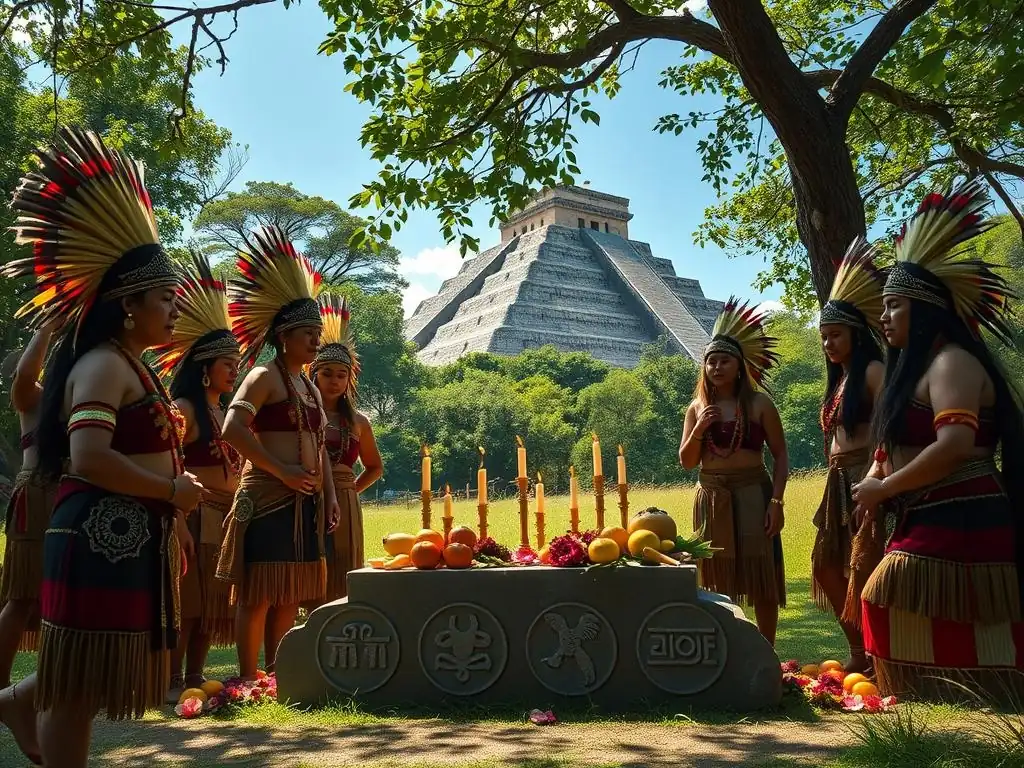
Welcome to Indigenous Civilizations of the Americas, where we delve into the rich tapestry of cultures that flourished long before European contact. In our featured article, "The Legacy of Aztec Religion: How Ancient Beliefs Influence Modern Indigenous Practices," we uncover the profound connections between the spiritual traditions of the Aztecs and contemporary indigenous practices. Join us on this enlightening journey as we explore the achievements and enduring impact of these vibrant civilizations. What ancient wisdom still resonates today? Discover the answers as you continue your exploration!
Introduction to Aztec Religion and Its Significance
The Aztec religion, a complex system of beliefs and practices that flourished in Mesoamerica from the 14th to the 16th centuries, serves as a fascinating lens through which we can explore the impact of ancient traditions on contemporary indigenous cultures. Centered around a pantheon of deities, rituals, and cosmology, the religion was not merely a set of beliefs but a framework that informed every aspect of Aztec life—from agriculture and governance to social structure and art.
The significance of Aztec religion lies not only in its historical context but also in its enduring legacy, which continues to resonate within modern indigenous practices across the Americas.
As we delve into the intricate tapestry of Aztec spirituality, we will uncover how the core principles, values, and rituals of this ancient civilization have woven themselves into the fabric of contemporary indigenous identities. By understanding the influence of Aztec religious practices on modern traditions, we can appreciate the resilience and adaptability of indigenous cultures in preserving their heritage while navigating the challenges posed by globalization and cultural assimilation.
Overview of Modern Indigenous Practices in the Americas
Modern indigenous practices in the Americas are incredibly diverse, reflecting a rich tapestry of languages, traditions, and histories. From the rituals of the Navajo in the Southwest United States to the spiritual ceremonies of the Mapuche in Chile, these practices often draw upon ancient beliefs, including those of the Aztecs.
Some key aspects include:
- Rituals and Ceremonies: Many indigenous communities continue to hold ceremonies that honor their ancestors and the natural world, similar to the offerings made to Aztec deities. These rituals can involve music, dance, and the use of sacred objects.
- Connection to Nature: The reverence for nature seen in Aztec beliefs is mirrored in modern practices, where land and water are viewed as sacred. This worldview promotes sustainability and environmental stewardship, crucial for many indigenous groups today.
- Integration of Ancestor Worship: Modern indigenous religions often incorporate elements of ancestor veneration, reflecting the Aztec practice of honoring deceased relatives through offerings and ceremonies.
- Use of Symbols and Art: Many indigenous artists draw inspiration from ancient motifs, including those from Aztec culture, which enriches their storytelling and cultural expression.
Through this exploration of modern indigenous practices, we will see how the legacy of Aztec religion not only informs spiritual beliefs but also fosters a sense of community and identity among contemporary indigenous peoples across the Americas.
- Introduction to Aztec Religion and Its Significance
- Overview of Modern Indigenous Practices in the Americas
- What is the main focus of the article on Aztec religion?
- How did Aztec religion impact contemporary indigenous cultures?
- What are some key aspects of Aztec religious beliefs?
- Why is it important to study the influence of Aztec religion on modern practices?
- Are there specific examples of modern practices rooted in Aztec religion?
The Core Beliefs of Aztec Religion
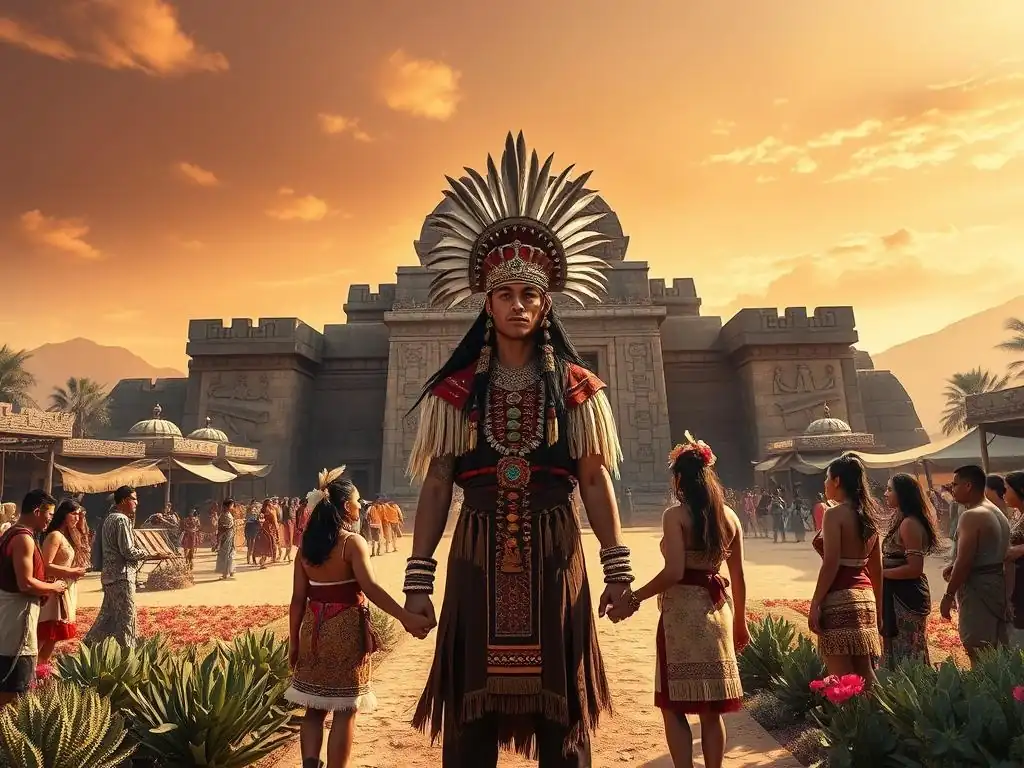
Aztec religion was a complex system of beliefs that intertwined cosmology, rituals, and everyday life. Central to their worldview was the idea of a cyclical universe, where life, death, and rebirth were integral components. The Aztecs believed that the world was created and destroyed in cycles, with each era governed by a different sun, or deity. This belief in cyclical time influenced their agricultural practices, social structures, and spiritual life.
At the heart of Aztec religion was the concept of dualism, which manifested in various forms, including the balance between life and death, male and female, and the natural and supernatural realms. The Aztecs viewed the universe as a dynamic interplay of opposing forces, which needed to be harmonized through rituals and offerings. This duality extended to their deities, who embodied both benevolent and malevolent traits, reflecting the complexities of existence.
The Aztecs practiced ancestor veneration, believing that their forebears continued to influence their lives in the spiritual realm. This connection to ancestors was vital, as it reinforced community identity and continuity. The dead were thought to dwell in different realms, including the underworld, and appropriate rituals were essential to ensure their peaceful existence and to gain their favor.
The Pantheon of Aztec Deities
The Aztec pantheon was rich and diverse, consisting of numerous gods and goddesses, each responsible for different aspects of life and nature. Major deities included:
- Huitzilopochtli: The god of war and the sun, Huitzilopochtli was considered the most important deity in the Aztec pantheon. He was believed to guide the Aztecs in their conquests and was associated with the establishment of Tenochtitlan.
- Tlaloc: As the god of rain and fertility, Tlaloc was crucial for agriculture, which was the backbone of Aztec society. His worship involved elaborate rituals to ensure adequate rainfall and bountiful harvests.
- Quetzalcoatl: Known as the Feathered Serpent, Quetzalcoatl represented wind, air, and learning. His dual nature as both a creator and a destroyer highlighted the complexity of Aztec beliefs.
- Xipe Totec: The god of rebirth, Xipe Totec was associated with agriculture and renewal. His worship involved rituals that symbolized the death and rebirth of crops, reflecting the agricultural calendar.
The Aztecs performed rituals to appease these deities, which often involved offerings, music, and dance. Each god had specific days dedicated to their worship, and the Aztec calendar was intricately linked to these divine cycles.
Rituals and Ceremonies in Aztec Culture
Rituals and ceremonies played a fundamental role in Aztec society, serving as a means to communicate with the divine, ensure agricultural success, and maintain social order. Some of the key rituals included:
- Human Sacrifice: Perhaps the most infamous aspect of Aztec religion, human sacrifice was believed to nourish the gods and maintain the balance of the cosmos. Victims were often prisoners of war, and the rituals were accompanied by elaborate ceremonies.
- Agricultural Festivals: The Aztecs celebrated various festivals throughout the year, aligned with the agricultural calendar. These included the Tlacaxipehualiztli, dedicated to Xipe Totec, which marked the beginning of the agricultural season and involved rituals to ensure a successful harvest.
- Ceremonial Ball Games: The ōllamaliztli, or ball game, was not only a form of entertainment but also held religious significance. The games were often linked to themes of life and death, with the outcome believed to influence agricultural cycles.
- Temazcal Ceremonies: These sweat lodge rituals were integral to purification and healing. Participants would engage in prayers and offerings to the gods, seeking physical and spiritual renewal.
Through these rituals, the Aztecs reinforced their beliefs, fostered community bonds, and connected with their gods, creating a vibrant culture steeped in spirituality.
Symbolism and Spirituality in Aztec Beliefs
Symbolism was deeply embedded in Aztec religion, with numerous motifs reflecting their beliefs and cosmology. Key symbols included:
- The Serpent: Often representing duality and transformation, the serpent symbolized both the earth and the heavens. It was a common motif in art and architecture and was believed to connect the physical world with the divine.
- The Jaguar: A powerful symbol of strength and the underworld, the jaguar represented the warrior spirit and was associated with various deities, including Tezcatlipoca.
- Corn: Central to Aztec life, corn was not only a staple food but also a sacred element in their cosmology, symbolizing life, sustenance, and the cycle of death and rebirth.
The spirituality of the Aztecs was characterized by a deep reverence for nature and the cosmos. They believed that every element of the natural world was imbued with spiritual significance, leading to a holistic worldview where humans were interconnected with their environment.
In modern indigenous practices, these symbolic meanings continue to resonate. Many contemporary rituals within indigenous communities reflect the enduring influence of Aztec beliefs, showcasing a rich tapestry of spirituality that honors both tradition and adaptation. Through this lens, the legacy of Aztec religion remains a vital aspect of cultural identity for many indigenous peoples today, influencing their practices and beliefs in profound ways.
Historical Context of Aztec Religion
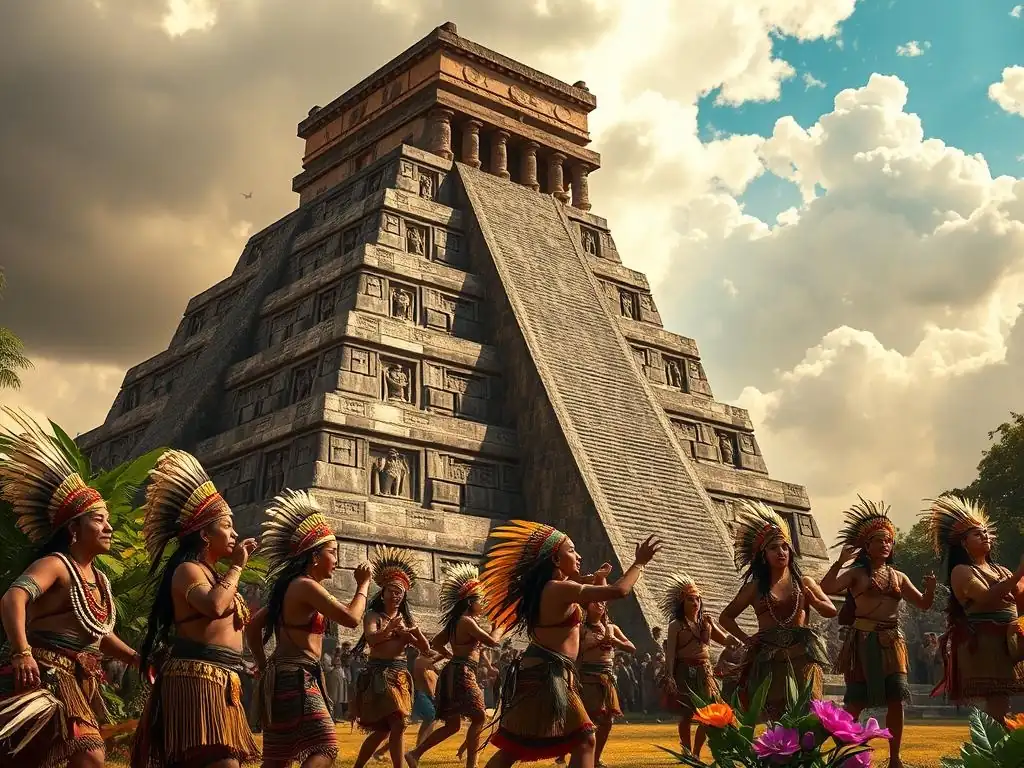
The Aztec civilization, flourishing from the 14th to the 16th centuries in what is now central Mexico, was deeply rooted in a complex religious framework. This framework was not merely a collection of beliefs but a structured system that guided every aspect of life, from agriculture to governance. The Aztecs worshipped a pantheon of gods, each representing various elements of nature and human experience, and their religious practices were integral to their identity and societal cohesion.
The Role of Religion in Aztec Society
Religion was the cornerstone of Aztec society, influencing political decisions, social structures, and cultural practices. The Tenochtitlan capital was home to magnificent temples, such as the Templo Mayor, dedicated to the gods Huitzilopochtli and Tlaloc, where rituals were performed to honor these deities. These rituals often included offerings, music, and dances, which reinforced community ties and cultural identity.
- Social Hierarchy: The priesthood held significant power, often acting as intermediaries between the gods and the people. They were responsible for conducting ceremonies, interpreting omens, and maintaining religious calendars. This elevated status allowed priests to influence political leaders, ensuring that the divine favor was sought for wars, harvests, and important events.
- Ceremonial Life: Daily life for the Aztecs was punctuated by religious observances. Major festivals, such as Tlacaxipehualiztli and Huey Tochtli, celebrated agricultural cycles and honored deities through elaborate ceremonies. The Aztecs believed these rituals ensured cosmic balance and agricultural fertility, which were paramount for their survival.
- Sacrifice and Cosmology: Central to Aztec religion was the concept of sacrifice, often misunderstood by outsiders. The Aztecs viewed these acts as essential for nourishing the gods and maintaining the universe. Human sacrifice, in particular, was seen as a necessary act to ensure the sun's rise and the continuation of life.
The Influence of Aztec Religion on Neighboring Cultures
The religious practices of the Aztecs significantly influenced surrounding cultures in Mesoamerica, including the Tlaxcalans, Purepechas, and Mixtecs. These cultures adopted various aspects of Aztec beliefs, leading to a rich tapestry of shared religious traditions.
- Shared Deities and Practices: Many neighboring cultures revered similar gods, often blending their own deities with Aztec figures. For instance, the god Quetzalcoatl, a feathered serpent deity, was worshipped across various regions, symbolizing the interconnectedness of Mesoamerican cultures.
- Cultural Syncretism: The Aztec religious calendar, filled with rituals and festivals, became a model for neighboring societies. These cultures adopted and adapted ceremonies, creating a blend of indigenous beliefs that persisted even after the arrival of European colonizers.
- Modern Indigenous Practices: Today, many indigenous communities in Mexico and Central America continue to celebrate rituals that trace their roots back to Aztec religion. These practices often emphasize the importance of nature, community, and ancestral connections, demonstrating the enduring legacy of Aztec spirituality. The integration of traditional ceremonies with modern beliefs illustrates how Aztec religion has shaped contemporary indigenous identity and practices.
The historical context of Aztec religion provides valuable insight into the civilization's societal structure and its lasting influence on modern indigenous practices. Understanding this legacy enriches our appreciation of the diverse cultures that continue to thrive in the Americas today, reflecting a rich tapestry of shared history and beliefs.
Continuity of Aztec Beliefs in Modern Indigenous Practices
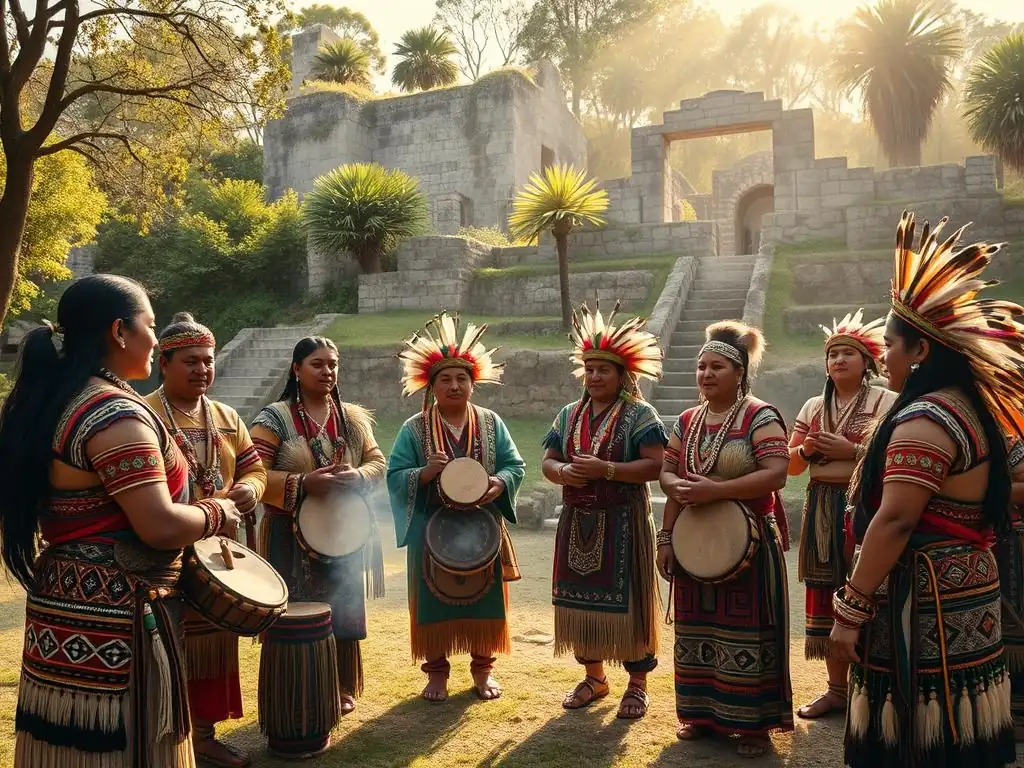
The influence of Aztec religion persists in various forms within modern indigenous practices across the Americas. Despite the profound transformations brought by colonization, many indigenous communities have retained elements of their ancestral beliefs, demonstrating a remarkable resilience and adaptability. This continuity can be seen in rituals, celebrations, and spiritual beliefs that echo the traditions of the Aztecs, serving as a vital link to their heritage.
Elements of Aztec Religion in Contemporary Indigenous Rituals
Modern indigenous rituals often incorporate significant elements from Aztec religion, reflecting both the historical depth and cultural relevance of these practices. Key aspects include:
- Ceremonial Offerings: Just as the Aztecs performed rituals involving offerings to their gods, many contemporary indigenous groups engage in ceremonial offerings, such as food, flowers, and other symbolic items, to honor spirits and ancestors.
- Calendar Festivals: The Aztec calendar, with its cyclical understanding of time, has influenced the timing of modern festivities. Many communities celebrate traditional events aligned with astronomical occurrences, reminiscent of Aztec practices that marked agricultural cycles and religious observances.
- Healing Practices: Traditional medicine and healing rituals often draw from ancient practices, using herbs and spiritual guidance. These practices emphasize the connection between the physical and spiritual realms, a concept deeply rooted in Aztec beliefs.
- Dance and Music: Dance and music remain integral to spiritual expression. Many indigenous groups perform dances that echo Aztec traditions, often accompanied by traditional instruments, reinforcing cultural identity and community bonds.
These elements not only reflect the continuity of Aztec beliefs but also showcase the dynamic nature of indigenous spiritual practices, allowing them to adapt while maintaining core aspects of their ancestral heritage.
Syncretism: Merging Aztec and Christian Beliefs
The arrival of European colonizers and the subsequent introduction of Christianity led to a complex blending of beliefs known as syncretism. This phenomenon is particularly evident in how many modern indigenous communities have integrated Aztec religious elements with Christian practices. Some notable examples include:
- Feast Days and Saints: Many indigenous communities celebrate Catholic feast days by incorporating Aztec symbols and rituals. For instance, the Day of the Dead, which honors deceased loved ones, merges Catholic traditions with ancient practices that reflect Aztec reverence for ancestors.
- Hybrid Rituals: Rituals often combine Christian prayers with traditional offerings and ceremonies. This blending allows communities to express their faith while preserving their cultural identity, as seen in ceremonies that invoke both Christian saints and Aztec deities.
- Symbols and Iconography: The use of symbols, such as the cross, alongside Aztec motifs, demonstrates the intertwining of these spiritual traditions. These symbols serve as a bridge between the old and the new, fostering a unique spiritual landscape.
This syncretism highlights the adaptive strategies of indigenous peoples in navigating colonial influences while affirming their cultural identity and spiritual beliefs.
The Role of Ancestors in Modern Indigenous Spirituality
In both Aztec religion and contemporary indigenous spirituality, the reverence for ancestors plays a central role. The Aztecs believed in the powerful presence of ancestors, and this belief endures in various forms today. Key aspects include:
- Ancestral Veneration: Many modern indigenous communities maintain practices that honor their ancestors, such as altars dedicated to deceased family members, where offerings are made to ensure their guidance and presence.
- Storytelling and Oral Traditions: The transmission of stories that recount the lives and deeds of ancestors is a vital part of spiritual life. These narratives not only preserve history but also provide moral and ethical guidance, fostering a sense of belonging and continuity.
- Spiritual Guidance: Ancestors are often consulted for guidance during significant life events, echoing Aztec practices where ancestral spirits played a crucial role in decision-making and community well-being.
The enduring emphasis on ancestral connections underscores the importance of lineage and heritage in modern indigenous spirituality, establishing a profound link to the past while shaping contemporary identity.
The legacy of Aztec religion continues to shape modern indigenous practices, reflecting a blend of historical traditions and contemporary beliefs that honor the resilience and adaptability of these rich cultures.
Case Studies: Modern Indigenous Communities and Aztec Influence
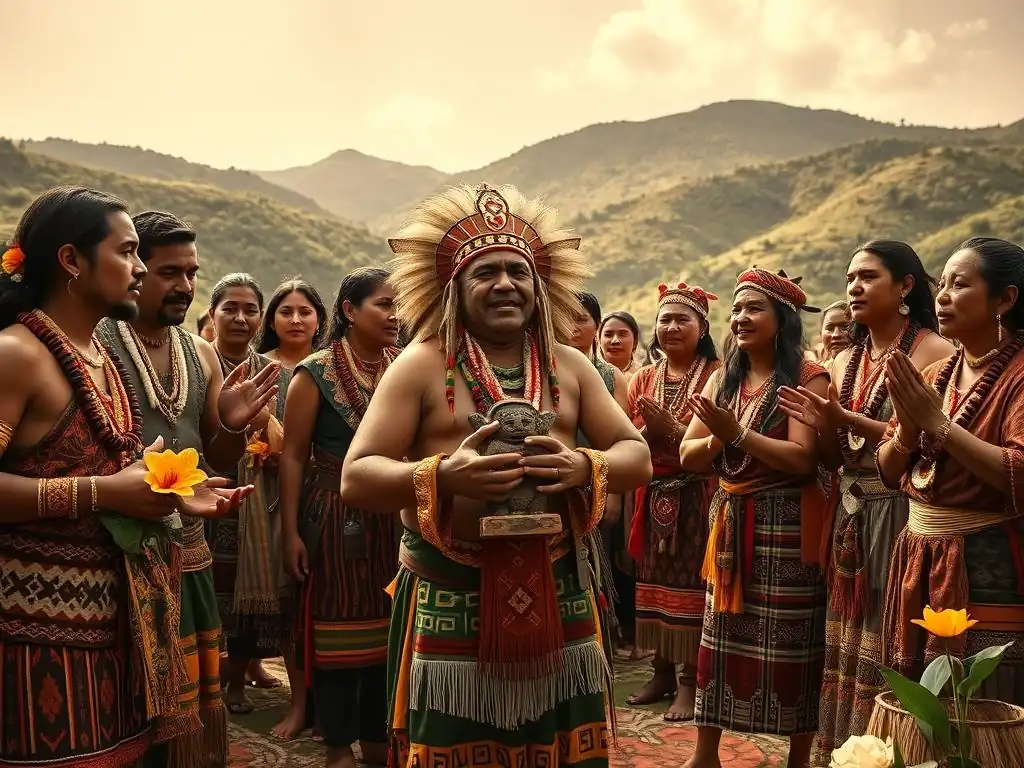
The Nahua Community: Preserving Aztec Rituals Today
The Nahua community, descendants of the Aztecs, continues to uphold and preserve elements of Aztec religion in their daily lives and spiritual practices. This cultural persistence is evident in their rituals, language, and communal gatherings, which serve as vital links to their ancestral heritage.
Rituals and Ceremonies
Many Nahua communities engage in traditional rituals that echo their Aztec ancestry. These rituals often involve offerings to tlazolteotl (the goddess of purification) and Xipe Totec (the god of agriculture and renewal). For instance, during the Tlacolotl festival, participants create altars adorned with flowers, fruits, and incense, mirroring the ancient practices of honoring deities through vibrant displays.
- Key Rituals:
- Danza de los Voladores: A dance that symbolizes the connection between the earth and the heavens.
- Temazcal Ceremonies: Traditional sweat lodges that cleanse both the body and spirit, rooted in Aztec practices.
Language and Oral Traditions
The Nahua language, Nahuatl, is a cornerstone of cultural identity and spirituality. Many prayers and songs passed down through generations retain elements of Aztec religion, reflecting the community's deep connection to their past. The oral tradition plays a crucial role, with elders sharing stories of the gods, creation myths, and moral lessons that resonate with Aztec teachings.
The Mixtec Community: Celebrating Aztec Festivals in a Modern Context
The Mixtec community, while distinct from the Nahua, also shares a rich tapestry of cultural and religious practices that have been influenced by Aztec traditions. Their festivals often blend ancient customs with contemporary expressions, creating a vibrant cultural landscape.
Festivals and Community Gatherings
Mixtec festivals serve as a vital platform for cultural expression and reaffirmation of identity. Events such as the Guelaguetza showcase traditional music, dance, and costumes, drawing inspiration from various Mesoamerican cultures, including the Aztecs. These celebrations not only honor historical deities but also emphasize community solidarity and resilience.
- Prominent Festivals:
- Fiesta de la Santa Cruz: Celebrated with offerings to the cross, this festival incorporates elements of pre-Hispanic rituals.
- Día de los Muertos: Although recognized widely in Mexico, Mixtec traditions during this festival often include specific Aztec practices related to honoring ancestors and deities.
Integration of Aztec Beliefs in Modern Practices
The Mixtec people's integration of Aztec beliefs into their modern spiritual practices highlights a dynamic cultural continuity. Practices such as the use of copal (a sacred resin) during ceremonies draw directly from Aztec religious customs. This fusion of old and new not only sustains cultural identity but also fosters a sense of belonging and purpose among community members.
Both the Nahua and Mixtec communities exemplify how ancient Aztec religion continues to influence modern indigenous practices. By preserving rituals, language, and festivals, they not only honor their ancestors but also ensure the survival of their rich cultural heritage in contemporary society.
Challenges in Preserving Aztec Religious Practices
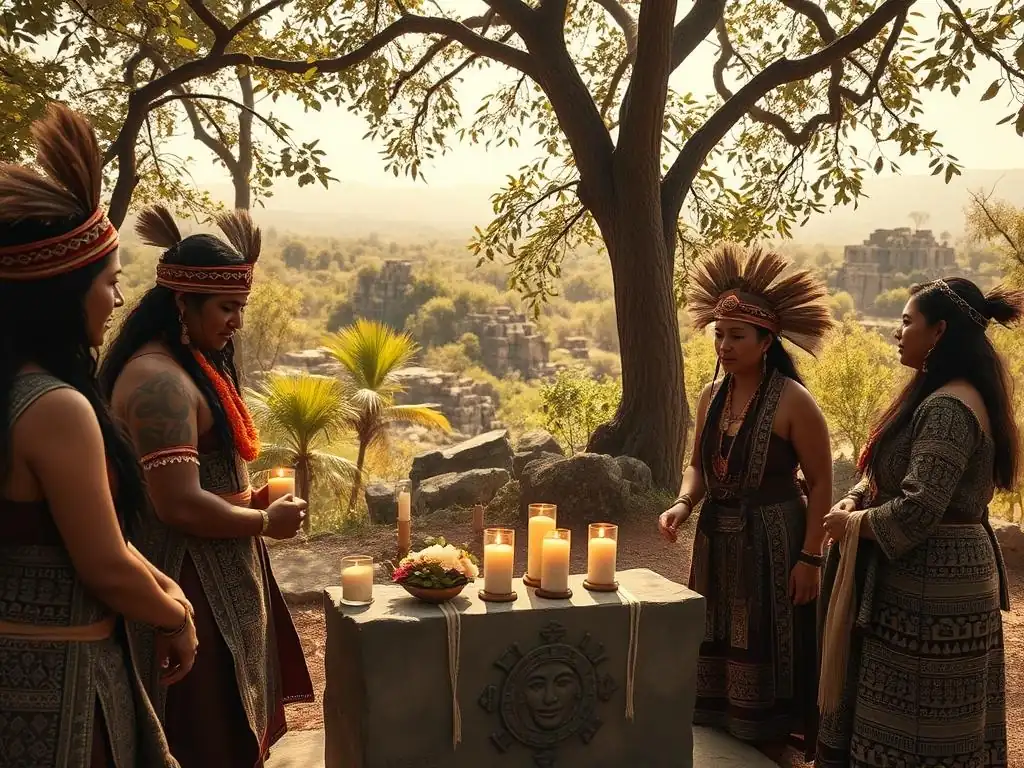
The Impact of Colonialism on Indigenous Beliefs
Colonialism has had a profound and often devastating effect on the religious practices of Indigenous peoples, particularly those of the Aztec civilization. The arrival of European colonizers in the 16th century led to a systematic dismantling of the complex religious structures that had existed for centuries. The Spanish conquest, spearheaded by Hernán Cortés, was marked by the destruction of temples, the banning of rituals, and the forced conversion of the Indigenous population to Christianity.
Key Factors of Impact:
- Destruction of Sacred Sites: Many temples and shrines, such as the Templo Mayor, were destroyed or repurposed for Christian worship. This physical eradication of sacred spaces severed the connection between modern practitioners and their ancestral beliefs.
- Cultural Assimilation: The imposition of Christianity was accompanied by the promotion of European cultural norms, which marginalized Indigenous practices. The narrative that framed Indigenous religions as “pagan” or inferior further alienated practitioners from their heritage.
- Loss of Language and Knowledge: The colonial period saw the decline of Nahuatl, the language of the Aztecs, which is intrinsically linked to their religious texts and oral traditions. With language loss came the erosion of cultural narratives, rituals, and cosmologies.
Despite these challenges, many contemporary Indigenous practitioners strive to keep their ancestral beliefs alive, often blending them with modern spiritual practices. This syncretism is a testament to the resilience of Indigenous cultures, showcasing how they adapt and reinterpret their beliefs in response to historical trauma.
Contemporary Issues Facing Indigenous Spirituality
In the modern era, Indigenous spirituality, particularly those practices rooted in Aztec religion, faces a multitude of challenges. These issues stem not only from historical colonial legacies but also from ongoing socio-political dynamics.
Major Contemporary Issues:
- Cultural Appropriation: Modern practices often see elements of Aztec spirituality appropriated by non-Indigenous peoples. This can dilute the significance of rituals and symbols, leading to misrepresentation and commercialization of sacred practices.
- Legal Recognition: Many Indigenous groups struggle for legal recognition of their spiritual practices. This lack of recognition can hinder their ability to perform rituals in sacred sites, affecting their cultural continuity and spiritual fulfillment.
- Environmental Concerns: The preservation of sacred lands is critical for many Indigenous religions. Environmental degradation and land dispossession threaten not only the physical spaces where rituals are performed but also the spiritual connection that practitioners have with the land.
- Intergenerational Transmission: The transmission of spiritual knowledge from elders to younger generations is crucial. However, urbanization and globalization are creating rifts in traditional lifestyles, making it challenging to pass down practices and beliefs effectively.
While the legacy of Aztec religion continues to influence modern Indigenous practices, the challenges of colonialism and contemporary societal issues pose significant barriers to the preservation and evolution of these ancient beliefs. Addressing these challenges requires collective efforts to recognize and respect Indigenous spiritualities as vital components of cultural identity and heritage.
Conclusion: The Enduring Legacy of Aztec Religion
The legacy of Aztec religion is a profound and multifaceted aspect of cultural heritage that continues to resonate within modern indigenous practices. By examining the historical frameworks and beliefs of the Aztecs, we can discern the intricate ways in which these ancient traditions have influenced contemporary spiritual expressions among indigenous communities.
Reflection on the Influence of Aztec Religion on Modern Indigenous Practices
The beliefs and rituals of the Aztec civilization have transcended time, morphing into various forms that are evident in modern indigenous practices. Key elements such as nature worship, ancestor reverence, and ceremonial offerings can still be observed in many indigenous groups today.
- Nature and Cosmology:
- The Aztecs held a profound respect for nature, viewing it as a source of life and a reflection of divine order. This perspective is mirrored in many modern indigenous cultures, where the earth is seen as a living entity deserving of respect and protection.
- Example: The use of traditional ecological knowledge in agriculture, where indigenous farmers utilize ancient practices to cultivate crops in harmony with their environment.
- Rituals and Ceremonies:
- Ritual practices, such as those involving the offering of food, flowers, and other gifts to deities, have evolved but remain significant. Many communities engage in similar ceremonies today, reflecting a continuity of spiritual expression.
- Example: The celebration of harvest festivals, which often include rituals echoing those of the Aztecs, emphasizing gratitude and communal sharing.
- Spiritual Leaders and Healers:
- The role of spiritual leaders in indigenous communities often parallels that of Aztec priests, who served as mediators between the gods and the people. Modern shamans and spiritual healers draw upon ancient traditions to guide their communities.
- Example: The practice of herbal medicine, where traditional knowledge is passed down through generations, demonstrating a blend of ancient wisdom with contemporary healing practices.
The Importance of Preserving Indigenous Cultural Heritage
Preserving the cultural heritage of indigenous peoples is crucial for sustaining their identities and traditions. The influence of Aztec religion on modern practices underscores the need to safeguard this rich history.
- Cultural Resilience: By honoring and revitalizing ancient beliefs, modern indigenous groups foster resilience against cultural erosion caused by globalization and assimilation. This preservation ensures that future generations can access their heritage.
- Educational Initiatives: It is vital to create spaces for education about indigenous cultures, including Aztec religion. Workshops, community gatherings, and educational programs can facilitate a deeper understanding and appreciation of these traditions.
- Documentation and Advocacy: Recording oral histories and traditional practices helps to preserve knowledge that might otherwise be lost. Advocacy for indigenous rights and recognition of their cultural contributions remains essential in combating marginalization.
References and Further Reading on Aztec Religion and Indigenous Practices
To delve deeper into the rich tapestry of Aztec religion and its influence on modern indigenous practices, consider exploring the following resources:
- Books:
- "The Aztecs: A Very Short Introduction" by David Carrasco
- "Indigenous Knowledge and Education: Sites of Struggle" by Christine Sleeter
- Articles:
- "Continuity and Change in Indigenous Spiritual Practices" in the Journal of Indigenous Studies
- "The Role of Nature in Aztec Religion" from the American Journal of Archaeology
- Online Resources:
- The Smithsonian National Museum of the American Indian: Comprehensive resources on indigenous cultures.
- The American Indian Heritage Foundation: Educational materials on the preservation of indigenous practices and beliefs.
By engaging with these materials, readers can gain a more profound understanding of the legacy of Aztec religion and its enduring impact on modern indigenous practices.
Frequently Asked Questions
What is the main focus of the article on Aztec religion?
The article explores the legacy of Aztec religion and how its ancient beliefs continue to influence modern indigenous practices throughout the Americas.
How did Aztec religion impact contemporary indigenous cultures?
Aztec religion has left a lasting mark on modern indigenous practices, blending ancient traditions with contemporary beliefs, which are evident in rituals, celebrations, and community values.
What are some key aspects of Aztec religious beliefs?
Key aspects include the significance of deities, ritual sacrifices, and the belief in cosmic cycles, all of which were integral to the Aztec worldview and continue to be relevant in some indigenous practices today.
Why is it important to study the influence of Aztec religion on modern practices?
Understanding this influence helps to preserve cultural identity and highlights the continuity of beliefs that have adapted over time, showcasing the resilience of indigenous communities.
Are there specific examples of modern practices rooted in Aztec religion?
Yes, many ceremonies and festivals, such as those honoring agricultural cycles or ancestral spirits, can be directly traced back to Aztec traditions, demonstrating their ongoing relevance in indigenous cultures.
Final Reflection: The Enduring Influence of Aztec Religion on Modern Indigenous Practices
The legacy of Aztec religion is not merely a relic of the past; it is a vibrant thread woven into the fabric of modern indigenous practices. Today, as we witness a resurgence of interest in ancestral beliefs and traditions, it becomes increasingly clear that these ancient spiritual systems continue to shape identities, foster community, and guide ethical living. The reverberations of Aztec cosmology and rituals can be felt in contemporary ceremonies, art, and daily practices, reminding us that the past is never truly behind us but rather a living influence that informs our present.
The impact of Aztec religion on the cultural and social landscape of modern indigenous communities is profound and multifaceted. From the revival of traditional ceremonies to the incorporation of ancient wisdom into contemporary environmental practices, the echoes of Aztec spirituality resonate deeply. As noted by cultural historian Dr. Elena Martinez, Indigenous practices are not static; they evolve, drawing strength from their roots while adapting to the modern world.
This adaptability highlights the resilience of these traditions and their capacity to inspire a new generation of indigenous peoples who seek to honor their heritage while navigating the complexities of contemporary life.
As we reflect on the teachings and practices of the Aztec religion, let us embrace the invitation to reconnect with our own roots and the wisdom they offer. Consider how you can incorporate these ancient lessons into your daily life, whether through mindfulness, community engagement, or environmental stewardship. The legacy of the Aztec religion is a powerful reminder that our past can guide us toward a more harmonious and meaningful future. Take a moment to reflect on your own beliefs and practices—how can they be enriched by the timeless wisdom of those who came before us?
Embrace the Wisdom of the Ancestors!
Thank you for delving into the rich tapestry of Aztec religion and its enduring influence on modern Indigenous practices. You have uncovered how these ancient beliefs not only shaped history but also continue to inspire contemporary cultural and spiritual lives. Now, it’s time to put that knowledge into action!
Here are some ways to further connect with this profound legacy:
- Join a local Indigenous cultural group to engage in shared traditions and practices that honor these ancient beliefs.
- Explore Indigenous literature and art to deepen your understanding of how contemporary artists reinterpret timeless stories.
- Share your insights with friends and family by initiating discussions or hosting a small gathering focused on Indigenous histories and spirituality.
Which aspect of Aztec spirituality resonates with you the most, and how do you envision it influencing your own life or community?