
Symbols of Power: The Connection Between Aztec Religion and Political Authority

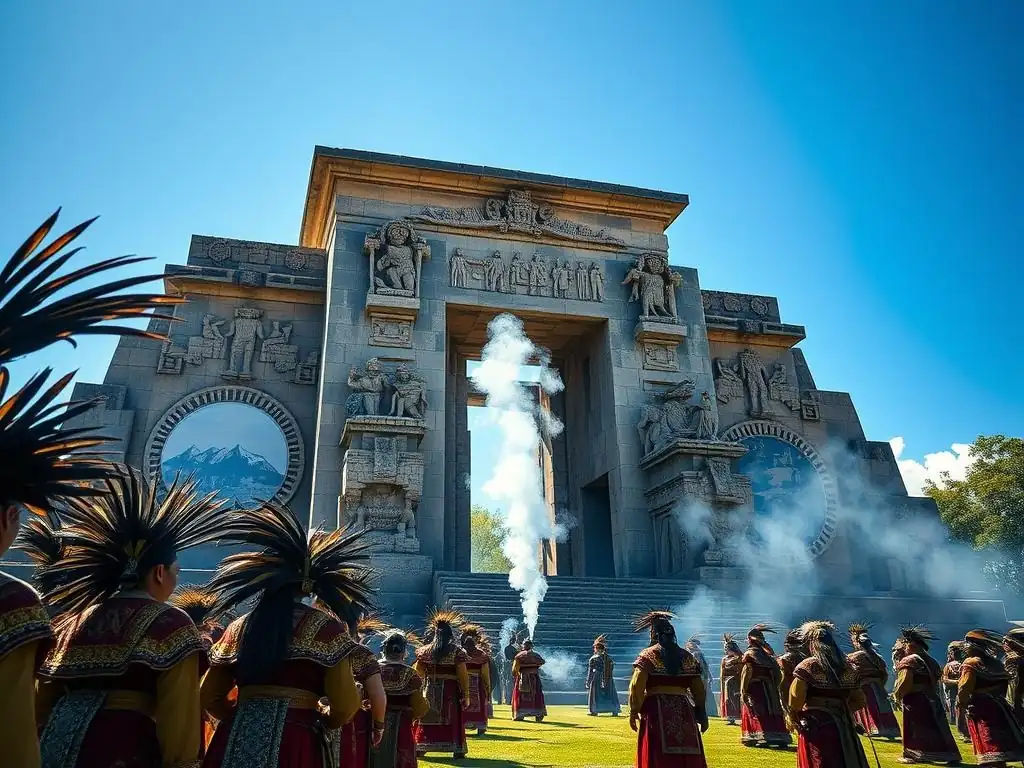
Welcome to Indigenous Civilizations of the Americas, where we embark on a fascinating journey through the rich tapestry of cultures that flourished long before European contact. In our featured article, "Symbols of Power: The Connection Between Aztec Religion and Political Authority," we delve deep into the intricate relationship between Aztec religion and political power. Prepare to uncover how spirituality shaped governance and influenced the societal structures of one of the most remarkable civilizations in history.
What secrets lie behind the sacred rituals and symbols of the Aztecs? Join us as we unravel this compelling narrative and discover the profound legacy left by these extraordinary peoples.
- Introduction to Aztec Religion and Political Power
- The Interconnection of Aztec Religion and Political Authority
- Key Symbols of Power in Aztec Religion
- Rituals and Ceremonies: Tools of Political Power
- The Impact of Aztec Religion on Governance
- Case Studies: Examples of Religion as Political Power
- Conclusion: Lasting Legacy of Aztec Religion and Political Power
- References
-
Frequently Asked Questions
- What role did religion play in Aztec political power?
- How did the Aztecs use symbols to convey their power?
- What were the main gods in the Aztec religion that influenced their political structure?
- How did political leaders assert their authority through religious practices?
- What is the significance of Aztec religion in understanding their society?
- Final Reflection: The Enduring Legacy of Aztec Religion and Political Power
- Unleash Your Curiosity: Dive Deeper into Aztec Power Dynamics!
Introduction to Aztec Religion and Political Power
The intricate relationship between Aztec religion and political power stands as a defining characteristic of the Aztec civilization, which flourished in central Mexico from the 14th to the 16th centuries. Understanding this connection is essential, as it reveals how religious beliefs and practices not only shaped societal norms but also served as a foundation for the governance and authority of the ruling elite. The Aztecs harnessed their rich tapestry of mythology and ritual to legitimize their power, control the populace, and maintain order within their expansive empire.
In this exploration, we will delve into the nuances of Aztec religion and its profound influence on political authority, examining how the two spheres interwove to create a complex societal structure. This examination will illuminate the ways in which the Aztecs used religious symbolism and practices to reinforce their political agendas, ensuring that both their deities and their rulers were revered and respected.
Overview of Aztec Civilization
The Aztec civilization emerged as one of the most prominent Mesoamerican cultures, characterized by its impressive socio-political organization, architectural achievements, and rich cultural practices. At the heart of their empire, which was centered in the city of Tenochtitlán, the Aztecs established a powerful political system based on a tribute economy and military prowess.
- Key Features of Aztec Civilization:
- Capital: Tenochtitlán, an island city that showcased advanced engineering and urban planning.
- Social Structure: A hierarchical society with a ruling class, priests, warriors, merchants, artisans, and farmers.
- Economy: Based on agriculture, trade, and tribute from conquered territories.
- Cultural Achievements: Notable in fields such as astronomy, mathematics, and art, including intricate stone carvings and vibrant codices.
The Aztecs were deeply connected to their religious beliefs, which permeated every aspect of life and governance. Their pantheon of deities, including the sun god Huitzilopochtli and the rain god Tlaloc, played a critical role in shaping their worldview and societal practices.
Importance of Religion in Aztec Society
Religion was not merely a personal belief system for the Aztecs; it was a vital institution that served to unify the people and legitimize the power of the rulers. The intertwining of Aztec religion and political power manifested in various ways:
- Legitimization of Authority: Aztec rulers claimed divine ancestry and often portrayed themselves as representatives of the gods, which reinforced their right to govern.
- Ceremonial Practices: Elaborate rituals, including human sacrifices, were conducted to appease the gods and ensure the continued favor of divine forces vital for agricultural and societal stability.
- Civic Identity: Religious festivals and public ceremonies fostered a sense of community and shared identity among the diverse populations within the empire, strengthening loyalty to the ruler and the state.
In essence, the Aztec religion was a powerful tool that not only shaped individual beliefs but also functioned as a means of political control, creating a society where the divine and the political were inseparably linked. The following sections will further explore these themes, delving into specific examples that illustrate the profound impact of religion on Aztec political power.
Defining Aztec Political Structure
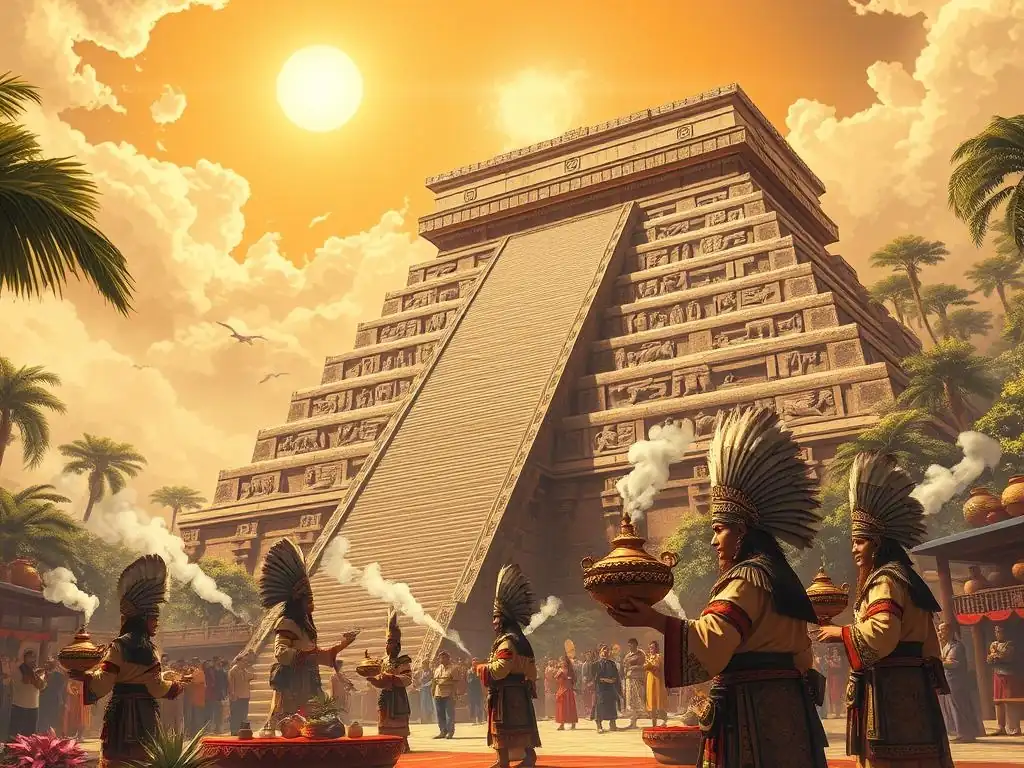
The political structure of the Aztec civilization was a complex system that intertwined governance with religion, establishing a unique fusion of power. At the apex of this system was the Tlatoani, the supreme ruler, whose authority was considered divinely sanctioned. The Tlatoani was often seen as the earthly representative of the gods, which allowed him to wield considerable influence over political, military, and religious affairs.
The Aztec political organization was hierarchical and centralized, comprising several key elements:
- Pipiltin: The noble class, which included the families of the rulers and high-ranking officials. They often held significant political and religious responsibilities.
- Macehualtin: The commoners who made up the bulk of the population, primarily farmers, artisans, and merchants. They had limited political power but played a crucial role in sustaining the empire's economy.
- Calpulli: These were social units or clans that managed local governance and land distribution. Each calpulli was responsible for its own territory and had a degree of autonomy.
The Aztec Empire was divided into various provinces, each governed by a local lord, who was expected to pay tribute to the Tlatoani. This tribute system reinforced the political hierarchy, as the wealth collected from provinces was often used to fund religious ceremonies and support the elite class, thus further intertwining Aztec religion and political power.
Religion was a cornerstone of Aztec society, profoundly influencing both everyday life and statecraft. The Aztecs practiced a polytheistic belief system centered around gods that represented natural forces and societal ideals. The intertwining of religion and political power was manifested in several key ways:
- Divine Legitimacy: The rulers of the Aztec Empire derived their authority from a belief in divine right. The Tlatoani was often viewed as the embodiment of the sun god Huitzilopochtli, and his rule was legitimized through religious rituals and ceremonies. The perception of divine approval was essential for maintaining control and order within the empire.
- Rituals and Ceremonies: The Aztecs conducted numerous rituals to appease their gods, which often included human sacrifice. These acts were not only religious expressions but also political statements showcasing the power and dedication of the ruler. The scale and grandeur of these ceremonies served to reinforce the political hierarchy, as they required significant resources and showcased the ruler's ability to mobilize support.
- Religious Institutions: Temples and priesthoods played a critical role in the political landscape. High priests often acted as advisors to the Tlatoani and had a significant influence on state decisions. The maintenance of temples and the execution of religious duties were crucial for the ruler's status, as they were seen as protectors of the community's spiritual well-being.
- Symbolism of Power: The integration of religious symbols, such as the serpent and eagle, into political iconography emphasized the sacred nature of the ruler's authority. These symbols were not only present in religious contexts but also adorned the clothing and insignia of the elite, merging the realms of the spiritual and the political.
The connection between Aztec religion and political power was intrinsic to the functioning of their civilization. The rulers utilized religious beliefs to legitimize their authority, while simultaneously, the political structure supported and reinforced religious practices, creating a robust system that governed every aspect of Aztec life.
Key Symbols of Power in Aztec Religion
The Significance of the Sun God Huitzilopochtli
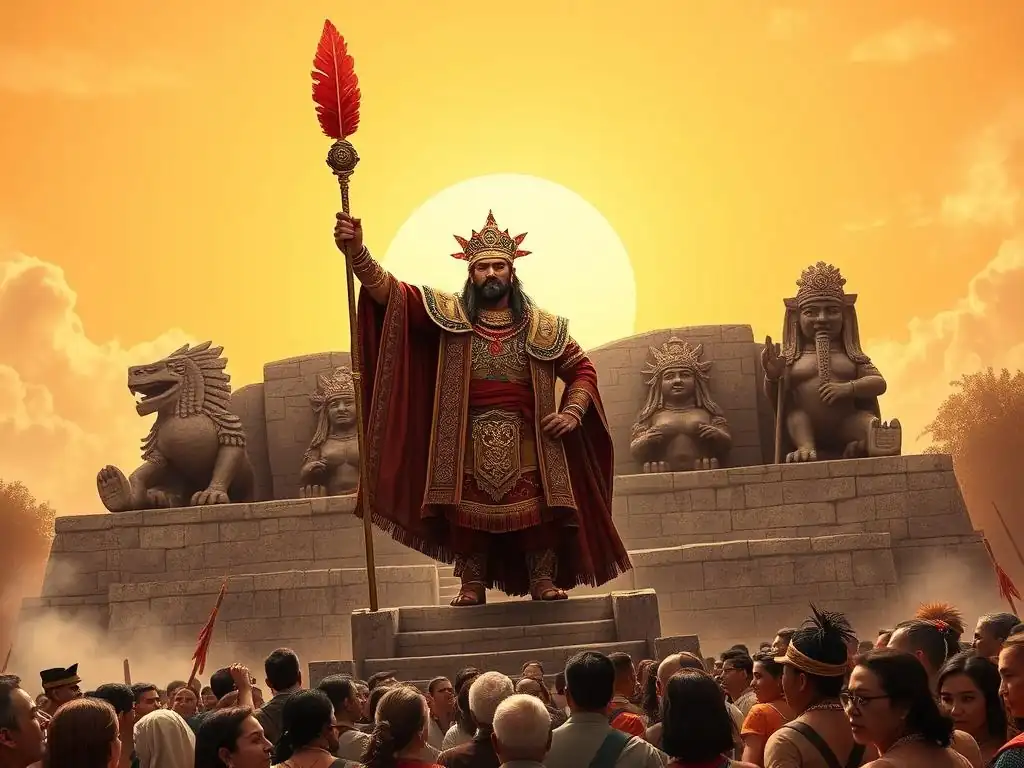
Huitzilopochtli, the Sun God, was one of the most paramount deities in the Aztec pantheon, symbolizing not only the sun but also warfare and sacrifice. His worship was deeply interwoven with the political authority of the Aztec Empire, reflecting the civilization's beliefs and social structure.
Huitzilopochtli was often depicted as a warrior adorned with a hummingbird headdress and wielding a serpent, embodying the fusion of divine power and martial prowess. The Aztecs believed that the sun's ascent each day was contingent upon human sacrifice, an act that highlighted their understanding of reciprocity between the gods and human beings. This ritualistic sacrifice served to reinforce the political power of leaders, who presented themselves as intermediaries between the divine and the earthly realms.
The Great Temple of Tenochtitlan, dedicated to Huitzilopochtli, was a monumental symbol of this connection. Its dual-towered structure represented both the divine and the political authority of the Aztec rulers, who claimed legitimacy through their devotion to this deity. The annual ceremonies, which included the infamous "New Fire" ritual, were critical for the reaffirmation of the state's power and the cyclical renewal of the sun, underscoring the intrinsic link between Aztec religion and political power.
Quetzalcoatl: The Feathered Serpent as a Symbol of Duality
Quetzalcoatl, often referred to as the Feathered Serpent, embodies a complex duality in Aztec belief systems, representing both creation and destruction. This deity was associated with wind and learning, and was revered as a cultural hero who brought civilization to the Aztecs. His dual nature made him a powerful symbol in the political landscape of the empire.
Quetzalcoatl was seen as a patron of priests and a promoter of agricultural fertility, which were essential for the sustenance of Aztec society. His influence extended to the realms of commerce and culture, positioning him as a crucial figure in the establishment of societal norms and values. Rulers often invoked Quetzalcoatl to legitimize their authority, presenting themselves as embodiments of this god's virtues, thus intertwining their political power with religious symbolism.
The mythological narratives surrounding Quetzalcoatl also emphasized the cyclical nature of life, death, and rebirth. His departure from the Aztec civilization was believed to herald the arrival of a future ruler who would bring about a new era, further enhancing the political significance of his symbolism in Aztec governance. The reverence for Quetzalcoatl exemplified how Aztec religion served not only as a spiritual framework but also as a means of consolidating political power.
Tlaloc: The Rain God and Agricultural Power
Tlaloc, the god of rain and fertility, was central to the agricultural practices of the Aztec civilization, making him an essential figure in the sustenance of their society and a crucial symbol of political authority. The Aztecs depended heavily on agriculture, particularly maize cultivation, and Tlaloc’s favor was essential for successful harvests.
Tlaloc was often depicted with goggle eyes and fangs, symbolizing the power of storms and water. The Aztecs believed that Tlaloc resided in the mountains, where he could control the rains that were vital for agriculture. His worship included elaborate rituals and ceremonies, which served to not only appease the god but also to unify the community under the leadership of political rulers who managed these religious practices.
The connection between Tlaloc and political power is evident in the way rulers utilized agricultural festivals to demonstrate their authority. By facilitating these ceremonies, leaders reinforced their roles as providers and guardians of the land, establishing a direct correlation between divine favor and political legitimacy. The Aztec capital, Tenochtitlan, featured temples dedicated to Tlaloc, showcasing the importance of this deity in both the spiritual and political life of the civilization.
The symbolism of Tlaloc encapsulated the Aztec understanding of the relationship between nature, religion, and governance, highlighting how crucial this connection was in reinforcing political power through agricultural prosperity.
The Sacred Calendar and Its Political Implications
The Sacred Calendar, known as the Tonalpohualli, played a pivotal role in Aztec religion and political power. This 260-day calendar was not merely a tool for tracking time but a profound spiritual framework that influenced every aspect of Aztec life, including governance. The calendar was divided into 20 periods of 13 days, each associated with specific deities and energies, which Aztecs believed impacted human affairs.
The political implications of the Tonalpohualli were significant. Aztec rulers and priests utilized this calendar to time important events, such as wars, agricultural activities, and religious ceremonies. By aligning these activities with auspicious days, leaders sought to harness the favor of the gods, thereby legitimizing their authority and ensuring the success of their endeavors. For example, military campaigns were often launched on days deemed favorable in the calendar, enhancing the perceived divine support for the ruler’s cause.
Moreover, the calendar influenced succession and leadership. The Aztecs believed that a ruler's birthdate could determine their suitability for leadership. Those born on significant days within the Tonalpohualli were often viewed as destined for greatness, granting them a divine mandate to rule. This belief system reinforced the idea that political power was not merely a human construct but was intertwined with divine will, further solidifying the connection between Aztec religion and political authority.
In addition to the Tonalpohualli, the Xiuhpohualli, a solar calendar of 365 days, complemented it by marking the agricultural cycle and seasonal festivities. Together, these calendars created a comprehensive system that governed the timing of rituals and the political calendar. Rulers who adeptly navigated these sacred timeframes could enhance their status, maintain social order, and ensure the prosperity of their city-states.
The Sacred Calendar was not just a means of marking time for the Aztecs; it was a vital tool that intertwined religion with political power. By understanding and manipulating its cycles, Aztec leaders could bolster their authority, influence societal norms, and maintain stability within their civilization, demonstrating the profound connection between Aztec religion and political power.
Rituals and Ceremonies: Tools of Political Power
Rituals and ceremonies were integral to the Aztec civilization, serving as a crucial link between their religious beliefs and political authority. These practices were not merely spiritual expressions but were also designed to reinforce the power structures within Aztec society. They played a significant role in legitimizing rulers, fostering unity among the populace, and ensuring the continuation of cosmic order, which was believed to be dependent on the appeasement of the gods.
The Role of Human Sacrifice in Aztec Beliefs
Human sacrifice held a prominent place in Aztec religion, symbolizing the interplay between divine favor and political authority. The Aztecs believed that the gods required nourishment in the form of human blood to sustain the universe. The most significant deity associated with this practice was Huitzilopochtli, the god of war and the sun, who was thought to demand sacrifices to ensure the rising of the sun and the continuation of life.
- Cosmic Balance: The act of sacrifice was seen as a means to maintain cosmic balance, an essential aspect of Aztec belief systems. By offering human hearts to the gods, rulers demonstrated their commitment to preserving this balance, thus legitimizing their authority.
- Public Display of Power: Sacrifices were often performed during major rituals, such as during the dedication of temples or after a military victory. These events served not only as religious ceremonies but also as public displays of power and control, reinforcing the status of the ruler while showcasing their ability to command loyalty and fear.
The scale of human sacrifices varied, with estimates suggesting thousands of victims were offered during significant ceremonies. Such acts were intricately woven into the fabric of Aztec society, reflecting a complex relationship between religion and political power.
Major Religious Festivals and Their Political Significance
The Aztecs celebrated numerous religious festivals, each imbued with deep political significance. These festivals were essential for maintaining the social order, reinforcing the legitimacy of the ruling elite, and uniting the community under shared beliefs.
- Toxcatl: This festival honored Tezcatlipoca, the god of the night sky and destiny. During Toxcatl, a young man was chosen to embody the god, living in luxury for a year before being sacrificed. This act not only demonstrated the connection between the divine and the ruler but also served as a reminder of the impermanence of life and the cyclical nature of power.
- Tlacaxipehualiztli: Celebrated in honor of Xipe Totec, the god of agriculture and renewal, this festival involved the sacrifice of captives. The ritual symbolized the regeneration of crops and the renewal of life, aligning political power with agricultural productivity, a vital aspect of the Aztec economy.
- Xocotl Huetzi: This festival marked the beginning of the harvest season, featuring various ceremonies that called for the favor of agricultural deities. The successful harvest was directly tied to the ruler’s ability to maintain harmony with the gods, making these festivals essential for political stability.
Through these festivals, the Aztecs reinforced their identity and cohesion as a society while simultaneously consolidating the political power of their leaders.
The Priesthood: Political and Religious Leaders
The priesthood of the Aztec civilization was a highly influential class that operated at the intersection of religion and politics. Priests held significant authority, managing religious rituals, interpreting omens, and advising rulers, thus playing a vital role in maintaining the social and political fabric of Aztec society.
- Religious Authority: Priests were responsible for conducting the numerous rituals that were central to Aztec religious life. Their expertise in the sacred rites granted them considerable power, as they were seen as intermediaries between the gods and the people. This authority allowed them to influence political decisions and maintain the divine order that justified the ruling class's power.
- Political Advisors: High-ranking priests often served as advisors to the emperor, providing insights based on religious interpretations and omens that could sway political decisions. Their counsel was deemed crucial, especially during times of crisis, such as droughts or military conflicts, where the favor of the gods was believed to be particularly tenuous.
- Wealth and Resources: The priesthood controlled vast wealth and resources derived from tributes and offerings. This economic power provided them with further political leverage, allowing them to support or undermine rulers based on their adherence to religious practices.
Overall, the intricate relationship between the priesthood and political authority in the Aztec civilization illustrates how deeply interconnected Aztec religion and political power were, shaping the society's structure and governance.
The Impact of Aztec Religion on Governance
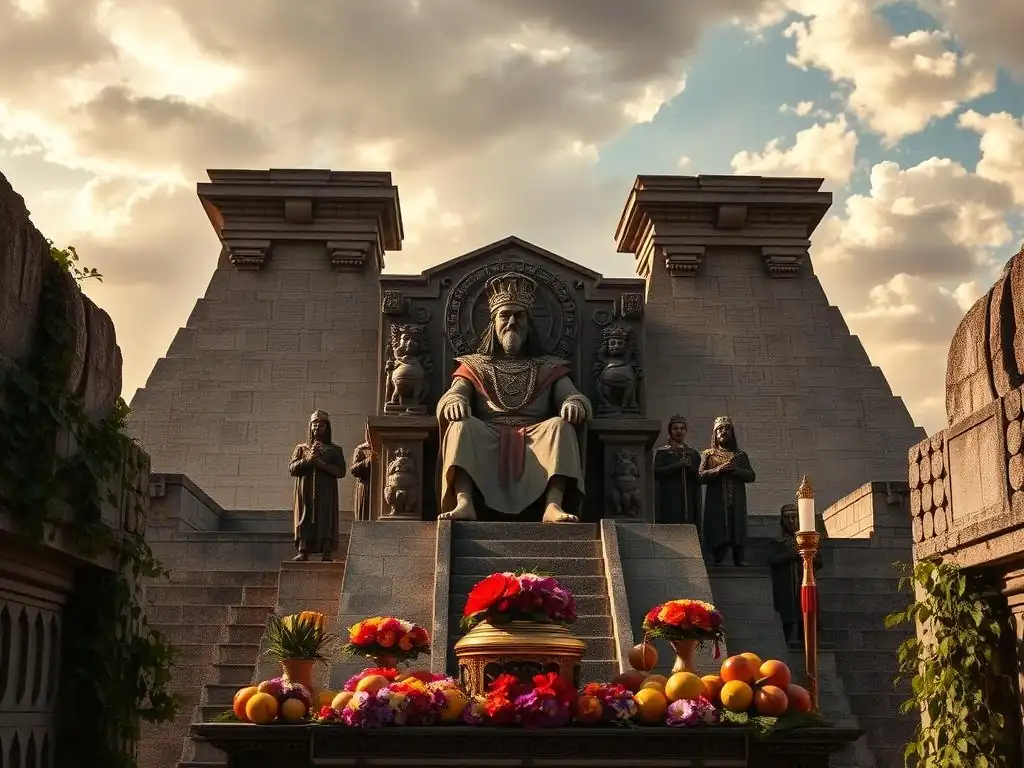
Aztec religion was integral to the governance and social order of the empire, as it provided the moral and ethical framework within which laws were established and enforced. The Aztecs believed that their rulers were divinely ordained, acting as intermediaries between the gods and the people. This belief system significantly influenced both their legal codes and societal norms.
- Divine Mandate: The belief that rulers were chosen by the gods legitimized their authority. For instance, the concept of tlatoani (the king) was not merely a political position but also a spiritual one. Rulers would often conduct rituals to communicate with deities to ensure their reign was sanctioned by the gods.
- Legal Codes: The Aztec legal system was deeply entwined with religious principles. Laws were not just societal rules; they were considered divine commands. For example, crimes such as theft or murder were often viewed as offenses against the gods, resulting in severe penalties that reflected the religious significance of maintaining societal harmony.
- Social Hierarchy: Aztec society was structured in a hierarchy that was also influenced by religious beliefs. Nobles and priests held positions of power, and their roles were justified through their closeness to the divine. Commoners were expected to adhere to the laws set forth by their rulers, who were believed to receive guidance from the gods.
The intertwining of law, order, and religion created a society where the enforcement of laws was seen as a sacred duty. This connection ensured that governance was viewed not just as an administrative function but as a religious obligation, reinforcing the political power of the Aztec rulers.
The Relationship Between Military Conquests and Religious Justifications
The military prowess of the Aztec Empire was closely tied to their religious beliefs, with conquests often framed as sacred missions. This relationship between military action and Aztec religion solidified political authority and expanded the empire dramatically.
- Sacred Warfare: The Aztecs engaged in what they termed xochiyaoyotl, or "flower wars." These conflicts were not merely for territorial gain but were also designed to capture prisoners for sacrificial offerings. The rationale behind this was that warfare was essential for appeasing the gods, particularly the sun god Huitzilopochtli, who required blood to rise each day.
- Cultural and Religious Expansion: As the Aztecs conquered new territories, they imposed their religious beliefs on the subjugated peoples. This process included the establishment of temples and the promotion of Aztec deities, thereby integrating the newly acquired regions into the religious and political framework of the empire. The conquered peoples were often expected to pay tribute not only in goods but also in adherence to Aztec religious practices.
- Legitimization of Power: Successful military campaigns were celebrated as divine victories, further legitimizing the authority of the rulers. The captains and warriors who distinguished themselves in battle were often rewarded with titles and lands, reinforcing the idea that military success was a sign of divine favor.
The intertwining of military conquests and religious justification not only expanded Aztec territory but also reinforced the political power of the rulers. As the empire grew, so did the complexity of its governance, deeply rooted in the religious beliefs that shaped every aspect of Aztec life. The concept of tlatoani evolved into a warrior-priest, embodying both military might and spiritual authority, and establishing a legacy of power that resonated throughout Mesoamerican history.
Case Studies: Examples of Religion as Political Power
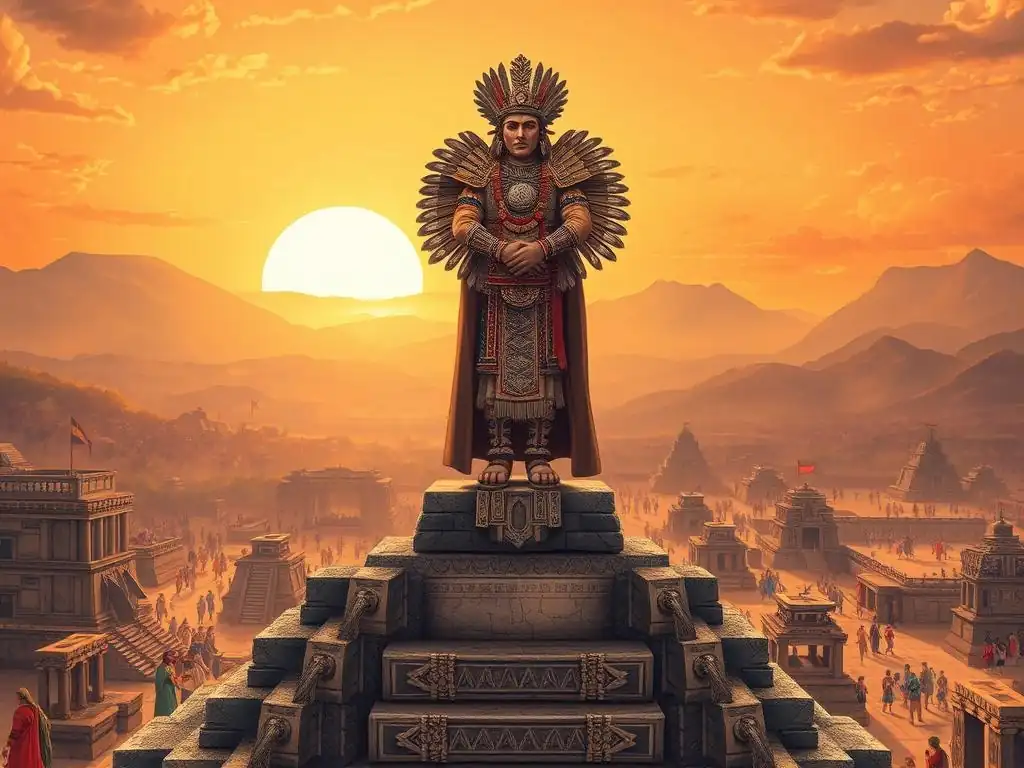
Moctezuma II, who ruled the Aztec Empire from 1502 to 1520, exemplifies the profound connection between Aztec religion and political power. Under his reign, the duality of his role as both a political leader and a high priest became increasingly significant, reinforcing the notion that religious authority was vital for political legitimacy.
Moctezuma II was perceived as the representative of the god Huitzilopochtli on Earth, which not only fortified his position but also mandated that he uphold the rituals and ceremonies that were integral to Aztec belief. His governance was characterized by an elaborate system of tribute and offerings to the gods, which included sacrificial practices aimed at appeasing deities and ensuring cosmic order. This deep-rooted belief in the necessity of favor from the gods significantly influenced his political decisions.
- Ritual Performances: Moctezuma's court was a hub of religious activity. Rituals were performed to invoke deities' blessings, and these acts often doubled as displays of power to the populace and neighboring states. Each ceremony was meticulously designed to showcase the wealth and authority of the emperor, thereby reinforcing the socio-political hierarchy.
- Divine Mandate: The idea of divine right was crucial in solidifying Moctezuma's rule. He was often portrayed as a semi-divine figure, and his decisions were seen as guided by divine inspiration. This narrative was pivotal in maintaining control over the diverse peoples within the empire, as it emphasized that disobedience to Moctezuma was tantamount to defiance against the gods themselves.
Through these mechanisms, Moctezuma II effectively utilized Aztec religion as a tool to consolidate power, illustrating the inseparable link between spiritual practices and political authority in the Aztec civilization.
The Conquest of Neighboring Tribes through Religious Justification
The Aztec Empire's expansion was often justified through religious beliefs, which served as a powerful narrative for both conquest and governance. The Aztecs viewed themselves as the chosen people of the gods, and their military campaigns were often framed as sacred duties to fulfill divine will.
- Justification of War: The concept of tlatoani (the ruler) was deeply intertwined with religious duty. The Aztecs believed that warfare was essential to obtain captives for religious sacrifices, which were thought to be necessary for sustaining the gods and, by extension, the universe. This belief created a moral imperative for expansion, where conquering other tribes was not merely a quest for land but a sacred obligation to feed the gods with human offerings.
- Integration of Conquered Peoples: Upon conquering neighboring tribes, the Aztecs often implemented a form of religious syncretism, which allowed for the integration of local deities into the larger Aztec pantheon. This strategy diminished resistance and fostered loyalty, as conquered peoples were encouraged to worship alongside the Aztecs' gods. Rituals and festivals from neighboring cultures were adopted, creating a shared religious experience that bolstered the empire's cohesion.
- Ceremonial Displays: The Aztecs conducted grand ceremonies following successful military campaigns, showcasing the captured warriors and the spoils of war. These events were not only celebratory but also served as a reminder of the emperor's divine backing and the continued necessity of sacrifices to maintain the favor of the gods.
The Aztec religion provided a framework for justifying territorial expansion and consolidating control over newly acquired regions. The intertwining of religious beliefs with political objectives not only facilitated military conquests but also enhanced the authority of the ruling class within the Aztec Empire.
Conclusion: Lasting Legacy of Aztec Religion and Political Power
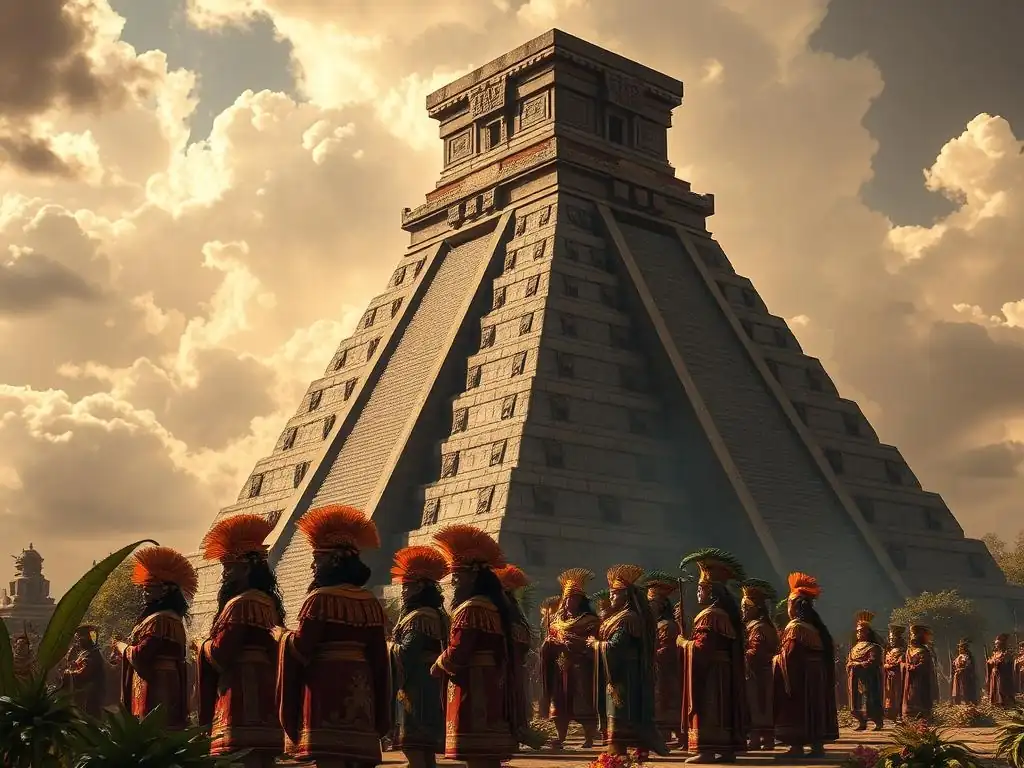
The intricate relationship between Aztec religion and political power has left an indelible mark on history and culture, particularly in modern Mexico. The intertwining of spiritual beliefs with governance not only legitimized the rulers of the Aztec Empire but also established a societal framework that continued to influence the region long after the fall of Tenochtitlan. This legacy is evident in various aspects of contemporary Mexican culture, from traditions and rituals to the symbolism employed in art and politics.
The Aztec pantheon, with deities such as Huitzilopochtli and Quetzalcoatl, embodied the essence of power and authority, illustrating how religion was used to maintain control and influence over the populace. The rituals and ceremonies that once played a vital role in Aztec society have transformed, yet their core significance remains relevant in understanding the historical context of power dynamics in Mexico. The fusion of indigenous beliefs with Catholicism, following the Spanish conquest, further exemplifies the resilience of these cultural elements, demonstrating how they adapted rather than disappeared.
The Influence on Modern Mexican Culture and Identity
The legacy of Aztec religion is palpably felt in modern Mexican culture, where indigenous symbolism and practices find a place alongside contemporary life. Many Mexicans proudly identify with their indigenous roots, and Aztec symbols, such as the eagle and the serpent, continue to serve as national emblems. These symbols evoke a sense of identity and heritage, reminding the populace of their historical significance and the complex narrative of colonization and resistance.
In various cultural expressions, such as music, dance, and visual arts, elements of Aztec mythology are celebrated. Festivals honoring ancient deities, such as the Day of the Dead, blend pre-Hispanic and Catholic traditions, showcasing the enduring influence of Aztec beliefs. The vibrant colors and themes of Aztec art also permeate modern artistic expressions, reflecting a deep respect for the past while engaging with present realities.
Moreover, the examination of Aztec religion and political power has gained traction in academic and public discourse, encouraging a reevaluation of indigenous contributions to Mexican identity. Educational initiatives and cultural heritage programs aim to foster a greater understanding of these ancient traditions, emphasizing their relevance in contemporary society.
Reflection on the Importance of Understanding Indigenous Beliefs
Understanding the connection between Aztec religion and political power is essential for appreciating the complexity of indigenous cultures and their enduring impact. This knowledge fosters respect for the spiritual and cultural heritage of the peoples who inhabited the Americas long before European contact. By exploring these beliefs, we can gain insights into how they shaped societal structures, governance, and communal identity.
Furthermore, recognizing the sophistication of Aztec religious practices challenges the often simplistic narratives that dominate historical discourse. It highlights the resilience and adaptability of indigenous cultures in the face of colonialism and globalization. Engaging with these themes contributes to a broader dialogue about cultural preservation and the importance of indigenous perspectives in shaping modern societies.
The legacy of Aztec religion and political power extends beyond the historical context, influencing modern Mexican culture and identity. By understanding these connections, we can appreciate the richness of indigenous civilizations and their contributions to the tapestry of human history.
References
The intricate relationship between Aztec religion and political power is documented in numerous academic and historical sources. Scholars have examined how religious beliefs influenced governance and societal structure in the Aztec Empire, highlighting the interconnectedness of spiritual practices and political authority.
Suggested Further Reading on Aztec Religion and Political Power
-
"The Aztec Empire: A Historical Encyclopedia"
This encyclopedia provides an extensive overview of the Aztec civilization, emphasizing the role of religion in shaping political dynamics. It covers key figures, rituals, and the significance of religious ceremonies in legitimizing authority.
-
"Aztec Religion and Art" by Elizabeth Hill Boone
Boone's work delves into the visual arts of the Aztecs, exploring how religious motifs were employed to convey power and authority. The book discusses the symbolic language of Aztec art in relation to governance.
-
"The Myth of the Aztec Empire: A Historical Reconstruction" by Richard E. Blanton
Blanton challenges traditional narratives about the Aztec Empire, providing insight into how religious beliefs were integral to political organization and control, often justifying the ruling class's authority.
-
"Aztecs: An Interpretation" by Inga Clendinnen
Clendinnen's analysis offers a nuanced understanding of Aztec society, focusing on the interplay of religion and governance. The book discusses rituals, sacrifices, and their implications for political power.
-
"Mexica: The Aztec World" by Eduardo Matos Moctezuma
This comprehensive work discusses the Mexica (Aztec) worldview and its ties to political authority, emphasizing how religious practices were used to reinforce the social hierarchy.
Academic Sources on Indigenous Civilizations of the Americas
-
"The Native Peoples of North America" by Robert J. Muckle
This book provides a broad overview of indigenous cultures across North America, with sections dedicated to the religious practices that influenced political systems.
-
"Indigenous Peoples in the Americas: A History of the Aztecs" by J. M. D. Carrasco
Carrasco’s work focuses on the Aztec civilization and its religious frameworks, analyzing how these influenced political structures and societal norms.
-
"The Handbook of Mesoamerican Mythology" edited by William R. M. D. McLeod
This handbook covers various mythologies, including Aztec beliefs, and discusses their impact on governance and social order.
-
"The Aztecs: A Very Short Introduction" by David Carrasco
Carrasco offers a concise yet informative overview of Aztec culture, including their religious practices and the ways these intersected with political authority.
-
"Gods and Rulers: The Ancient Aztec Political System" by Susan D. Gillespie
Gillespie's book provides an in-depth analysis of the political system of the Aztecs, emphasizing the essential role of religion in maintaining power and control.
By consulting these sources, readers can gain a deeper understanding of how Aztec religion and political power were intertwined, shaping one of the most remarkable civilizations in the pre-Columbian Americas.
Frequently Asked Questions
What role did religion play in Aztec political power?
Religion was integral to Aztec political power, as rulers were seen as divine representatives of the gods. Their authority was often legitimized through religious ceremonies and rituals.
How did the Aztecs use symbols to convey their power?
The Aztecs employed various symbols, such as the eagle and serpent, to represent their strength and divine favor. These symbols were prominent in art, architecture, and military banners.
What were the main gods in the Aztec religion that influenced their political structure?
Key gods included Huitzilopochtli (god of war) and Tlaloc (god of rain), whose worship was crucial in maintaining the political hierarchy and ensuring societal stability through rituals and sacrifices.
Aztec leaders often participated in rituals and sacrifices, reinforcing their role as mediators between the gods and the people. This created a sense of divine legitimacy for their rule.
What is the significance of Aztec religion in understanding their society?
Aztec religion was central to their society, influencing everything from social structure to daily life. It provided a framework for governance, law, and community cohesion, reflecting their values and beliefs.
Final Reflection: The Enduring Legacy of Aztec Religion and Political Power
The intricate relationship between Aztec religion and political authority remains profoundly relevant today, as it underscores how belief systems can shape governance and societal structures. In an era where the intersection of faith and politics continues to influence global dynamics, understanding the Aztec model provides valuable insights into how power can be legitimized through spiritual frameworks. The Aztecs demonstrated that religion was not merely a personal belief but a powerful tool for unifying and controlling society.
The legacy of Aztec religion and its intertwining with political power continues to resonate in contemporary discussions about authority and legitimacy. The symbols, rituals, and ideologies that once governed the lives of the Aztec people serve as a reminder of the potent influence that belief systems can have on governance. As noted by historian David Carrasco, The Aztecs understood that to rule was to connect the divine with the earthly, creating a tapestry of power that was both spiritual and temporal.
This observation highlights the ongoing relevance of these themes, as modern societies grapple with similar questions of authority and the role of belief in shaping political landscapes.
As we reflect on the lessons from the Aztec civilization, I invite you to consider how the interplay of religion and power manifests in your own life and community. What symbols and beliefs shape the authority figures around you?
By examining these connections, we can gain a deeper understanding of our own societal structures and perhaps find ways to foster a more equitable and just world. Let the story of the Aztecs inspire you to critically engage with the forces that shape your reality, and empower you to seek a balance between belief and governance that honors both the spiritual and the civic.
Unleash Your Curiosity: Dive Deeper into Aztec Power Dynamics!
Thank you for exploring the profound connection between Aztec religion and political authority with us! Your interest not only enriches your understanding but also highlights the intricate tapestry of Indigenous civilizations. Now, let’s take that knowledge further!
Here are a few ways you can engage more deeply with this fascinating topic:
- Dive into additional resources: Explore books or documentaries about Aztec culture and history to uncover their symbols of power.
- Join the conversation: Share this article with friends or on social media to raise awareness about the significance of Indigenous civilizations.
- Visit an exhibition: Seek out local museums featuring Aztec artifacts or upcoming events that celebrate Indigenous heritage.
Now, consider the impact these symbols had in shaping not just a civilization, but their entire worldview. What represents power in your world today, and how does it influence your life or community?