
The Shadows of Conquest: Longterm Effects on Indigenous Communities in the Americas

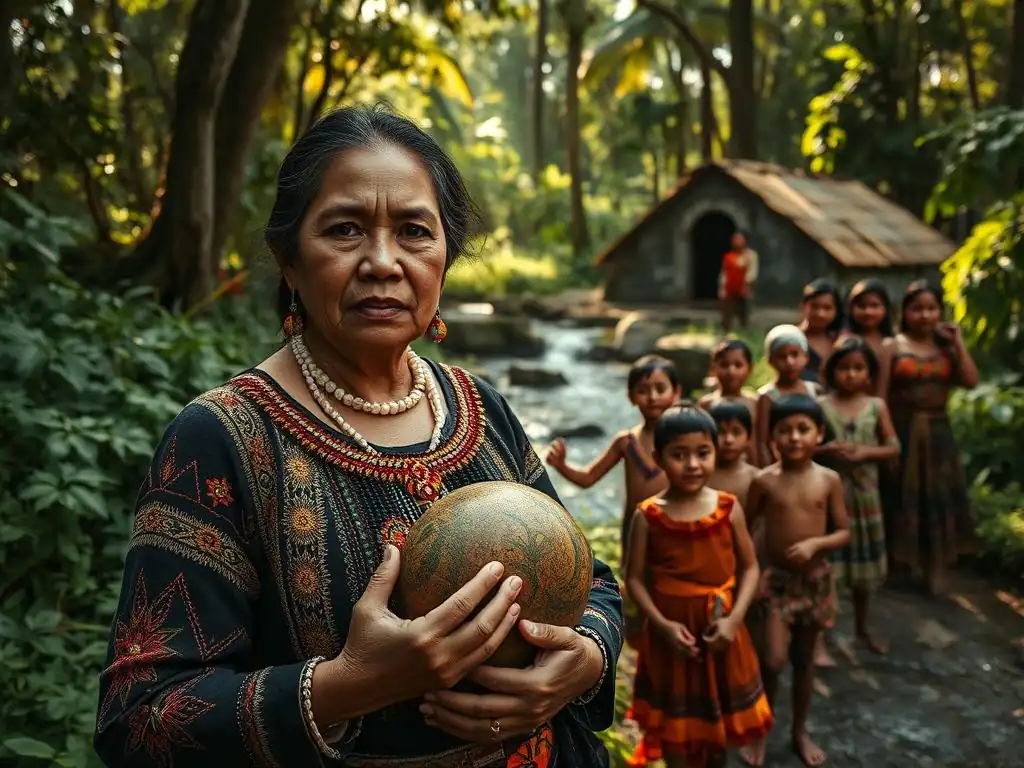
Welcome to Indigenous Civilizations of the Americas, where we embark on a fascinating journey through the rich tapestry of cultures that flourished across the continent long before European colonization. In our featured article, “The Shadows of Conquest: Longterm Effects on Indigenous Communities in the Americas,” we delve into the profound and often overlooked longterm effects on indigenous cultures that resonate to this day. Discover how these resilient societies adapted and transformed in the wake of conquest, and uncover the echoes of their legacy that still shape our world.
Join us as we unravel the complexities of history and celebrate the vibrant heritage of the Americas' indigenous peoples. Your exploration starts here!
Introduction to the Longterm Effects on Indigenous Cultures
The arrival of European settlers in the Americas marked a watershed moment, not only for the indigenous populations but also for the entire world. This article delves into the longterm effects on indigenous cultures that arose from the European conquest, exploring how these historical encounters shaped the lives, societies, and identities of Native American communities.
The consequences of colonization were profound and far-reaching, influencing everything from social structures to cultural practices, and leaving a lasting legacy that resonates today. By examining the intricate tapestry of indigenous cultures prior to conquest and the subsequent transformations, we can better understand the resilience and enduring spirit of these communities in the face of adversity.
Understanding Indigenous Cultures in Pre-Colonization America
Before European contact, the Americas were home to a vast array of indigenous cultures, each with its unique customs, languages, and societal structures. These communities thrived in diverse environments, from the arid deserts of the Southwest to the lush forests of the Northeast.
- Cultural Diversity:
- Over 500 distinct tribes existed, each with its own language and traditions.
- Notable civilizations included the Maya, Aztec, and Inca, known for their advanced knowledge in agriculture, astronomy, and architecture.
- Social Structures:
- Many indigenous societies were organized in complex social hierarchies, with roles defined by kinship, age, and gender.
- Trade networks flourished, enhancing intertribal relationships and cultural exchange.
- Spiritual Beliefs:
- Indigenous worldviews often emphasized a deep connection to nature and the spiritual realm, influencing their practices and rituals.
- Ancestral worship and reverence for the land were common themes across cultures.
Overview of European Conquest and Its Immediate Impact
The European conquest initiated a cascade of events that fundamentally altered the fabric of indigenous life. The immediate effects were stark and devastating, characterized by violence, displacement, and the introduction of foreign diseases.
- Violence and Conflict:
- Initial encounters often led to violent confrontations, as settlers sought to claim land and resources.
- Indigenous resistance was met with brutal retaliation, resulting in significant loss of life.
- Disease and Demographic Collapse:
- Diseases such as smallpox, influenza, and measles decimated indigenous populations, who had no immunity to these foreign illnesses.
- It is estimated that up to 90% of some tribes perished within the first few decades of contact.
- Displacement and Land Seizure:
- As European settlers expanded their territories, many indigenous groups were forcibly removed from their ancestral lands, leading to the erosion of cultural practices tied to specific geographies.
Historical Context of Conquest and Colonization
To fully grasp the longterm effects on indigenous cultures, it is essential to understand the historical context in which the conquest unfolded. This includes the key events and the major European powers involved in the colonization process.
Key Events Leading to the Conquest of Indigenous Lands
Several pivotal events set the stage for the conquest of indigenous lands, including:
- The Age of Exploration:
- Beginning in the late 15th century, European powers embarked on voyages that led to the discovery of the Americas.
- Figures such as Christopher Columbus and Hernán Cortés became emblematic of this era, leading expeditions that would change the course of history.
- Establishment of Colonies:
- The establishment of permanent settlements, such as Jamestown in 1607 and Plymouth in 1620, marked the beginning of sustained European presence in the Americas.
- These colonies often expanded at the expense of indigenous territories, further entrenching colonial ambitions.
- Treaties and Land Claims:
- As colonial powers sought to legitimize their claims, treaties were often imposed on indigenous groups, frequently resulting in loss of land and rights.
Major European Powers Involved in the Colonization of the Americas
The colonization of the Americas was primarily driven by several European powers, each with distinct motivations and methods:
| European Power | Colonization Focus | Notable Actions |
|---|---|---|
| Spain | Central and South America | Conquest of the Aztec and Inca Empires |
| France | Canada and parts of the Midwest | Fur trade and alliances with Native tribes |
| England | Eastern Seaboard and Caribbean | Settlements and land grants |
| Portugal | Brazil and parts of the Caribbean | Sugar plantations and slave trade |
Through these explorations, the legacies of conquest and colonization took shape, setting the stage for the longterm effects that would impact indigenous communities for generations to come.
Longterm Effects on Indigenous Communities
The longterm effects on indigenous cultures due to European conquest are profound and multifaceted, shaping the social, economic, and cultural landscapes of indigenous communities in the Americas. These effects can still be felt today, as they have altered the identities, practices, and worldviews of indigenous people. The consequences of colonization are not merely historical; they continue to influence contemporary indigenous life, manifesting in various forms of cultural loss, economic challenges, and social fragmentation. Understanding these longterm effects is crucial for acknowledging the resilience of indigenous cultures and the ongoing struggles they face in the modern world.
Cultural Displacement and Assimilation
Cultural displacement and assimilation represent significant longterm effects on indigenous communities following European conquest. The imposition of foreign languages, religions, and cultural practices led to the erosion of traditional customs and identities. Indigenous peoples were often compelled to abandon their languages in favor of European tongues, which created a disconnection from their heritage and ancestral knowledge.
Moreover, assimilation policies, such as the establishment of residential schools, were designed to systematically erase indigenous identities. These institutions aimed to "civilize" indigenous children by stripping them of their cultural practices, resulting in a generation raised without the teachings of their ancestors. The impact of such policies has been devastating, leading to a disintegration of cultural continuity and a loss of traditional knowledge, which are essential components of indigenous identity.
The legacy of cultural displacement persists today, as many indigenous communities strive to revitalize their languages and traditions. Efforts to preserve and promote indigenous cultures reflect resilience and a commitment to reclaiming their rightful place in the cultural landscape of the Americas.
Economic Disruption and Land Loss
The economic disruption and loss of land are critical longterm effects on indigenous communities. European colonization resulted in widespread appropriation of indigenous lands, which were often seized without compensation or consent. This loss of territory not only stripped indigenous peoples of their homes but also disrupted their traditional economies, which were deeply intertwined with the land.
The shift from subsistence-based economies to a market-oriented economy imposed by colonizers marginalized indigenous communities economically. Many were forced into labor systems that provided little benefit to them, perpetuating cycles of poverty and dependence. Furthermore, the introduction of cash economies undermined traditional practices and knowledge systems that had sustained indigenous peoples for centuries.
Today, many indigenous communities continue to fight for land rights and economic sovereignty. The struggle for land reclamation is emblematic of broader efforts to restore dignity, self-determination, and economic independence, highlighting the ongoing impact of historical injustices.
Social Structures and Community Fragmentation
The conquest led to significant alterations in social structures and community fragmentation among indigenous populations. Traditional governance systems were often dismantled or undermined, leading to a loss of autonomy and self-governance. The imposition of foreign legal systems and political structures created divisions within communities, as some individuals were co-opted into colonial systems while others resisted.
The fragmentation of communities was exacerbated by the forced removal of indigenous peoples from their lands, leading to the disbandment of kinship networks and communal ties. This social disruption has resulted in a breakdown of traditional roles and responsibilities, impacting the transmission of cultural values and practices across generations.
In contemporary contexts, many indigenous communities are working to rebuild their social structures. Efforts to reinforce traditional governance and community cohesion demonstrate the resilience and determination of indigenous peoples to reclaim their identities and foster unity in the face of historical adversity.
Psychological and Spiritual Consequences
The psychological and spiritual consequences of colonization have had lasting effects on indigenous communities, affecting mental health and spiritual well-being. The trauma of conquest, violence, and dispossession has led to intergenerational psychological impacts, resulting in higher rates of mental health issues, such as depression and anxiety, among indigenous populations.
The spiritual dislocation caused by the disruption of cultural practices and belief systems has also contributed to a sense of loss and identity crisis. Many indigenous peoples experienced a disconnection from their spiritual traditions, which play a vital role in their understanding of the world and their place within it. The erosion of these practices has left many searching for meaning and connection in a world that has marginalized their beliefs.
Despite these challenges, indigenous communities are increasingly turning to cultural revitalization and healing practices. By reconnecting with their spiritual traditions and fostering mental wellness initiatives, these communities are working to heal from the wounds of colonization and reclaim their identity.
Trauma and Historical Memory in Indigenous Populations
Trauma and historical memory are integral to understanding the longterm effects on indigenous cultures. The collective memory of colonization, including violence, loss, and cultural genocide, is deeply embedded in the identities of indigenous peoples. This historical trauma is not merely a personal experience but a shared narrative that shapes relationships, community dynamics, and individual well-being.
Indigenous populations often engage in storytelling and oral traditions to pass down their histories, ensuring that the experiences of their ancestors are not forgotten. This act of remembering serves as a means of resistance against the erasure of their histories and identities. Additionally, acknowledging and addressing historical trauma is a crucial step towards healing and reconciliation.
Contemporary movements for justice, recognition, and reparations reflect the ongoing impact of historical memory on indigenous communities. By confronting the past, these communities aim to create a more equitable future that honors their experiences and restores their dignity.
Contemporary Implications of the Conquest
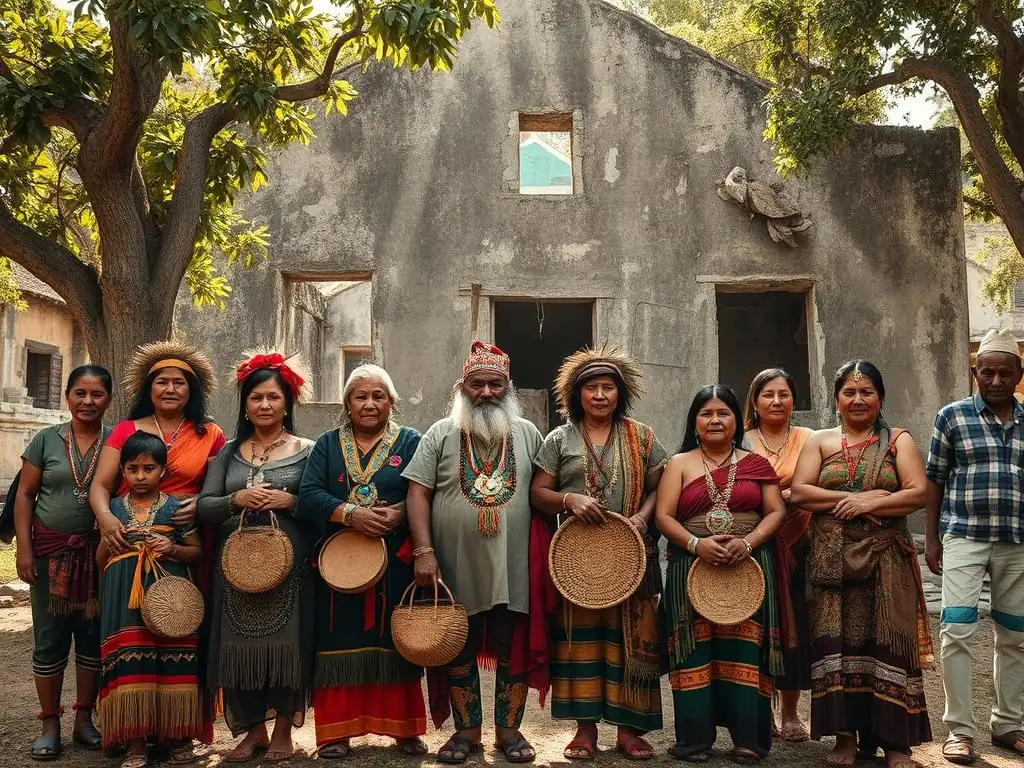
The impact of European conquest on indigenous communities in the Americas has reverberated through centuries, shaping contemporary social, economic, and political landscapes. The legacies of colonization are evident in various aspects of indigenous life today, including land rights, cultural identity, and community health. Understanding these implications is crucial to addressing the ongoing challenges faced by indigenous peoples in their quest for justice, recognition, and autonomy.
One of the most profound contemporary implications is the struggle for land rights. Many indigenous groups continue to fight against dispossession and seek the return of ancestral lands, which are often threatened by industrial development, extractive industries, and agricultural expansion. This ongoing struggle is not merely about land; it embodies a broader fight for cultural survival, environmental stewardship, and self-determination.
Ongoing Struggles for Land Rights and Recognition
Land rights remain a pivotal issue for indigenous communities across the Americas. Historical treaties and agreements, often made under duress or with coercive tactics, have been frequently violated, leading to a loss of territory and resources. Today, indigenous peoples are increasingly asserting their rights through legal battles, activism, and advocacy for policy changes.
- Legal Frameworks: In many countries, there are legal frameworks designed to protect indigenous land rights; however, these laws are often inadequately implemented. For instance, the United Nations Declaration on the Rights of Indigenous Peoples (UNDRIP) provides a global standard for the rights of indigenous people, yet enforcement remains inconsistent.
- Activism: Grassroots movements and organizations play a critical role in advocating for land rights. Notable examples include the Standing Rock protests against the Dakota Access Pipeline, where indigenous activists highlighted the importance of protecting sacred lands and water resources.
- Recognition: Beyond land, the fight for recognition of sovereignty and self-governance is crucial. Many indigenous communities are pushing for greater autonomy in political processes, cultural expression, and economic development, seeking to reclaim agency over their lives and futures.
The Revival of Indigenous Cultures in Modern Society
In response to the historical trauma of conquest, there has been a remarkable revival of indigenous cultures across the Americas. This resurgence is characterized by efforts to preserve languages, traditions, and spiritual practices that were suppressed or marginalized following colonization.
- Language Revitalization: Many indigenous communities are actively working to revitalize their languages, which are essential for cultural identity. Initiatives include language immersion programs in schools, online resources, and community workshops that encourage the use of indigenous languages in daily life.
- Cultural Festivals and Events: Cultural festivals celebrating indigenous heritage have gained popularity, serving as platforms for sharing traditional music, dance, art, and food. These events not only foster community pride but also educate wider society about indigenous histories and contributions.
- Intergenerational Knowledge: The transmission of traditional ecological knowledge is vital for sustainable practices. Elders play an essential role in teaching younger generations about traditional farming, hunting, and fishing techniques, which are crucial for maintaining cultural practices and environmental stewardship.
Conclusion: Reflecting on the Longterm Effects on Indigenous Cultures
The longterm effects of conquest on indigenous cultures are profound and multifaceted. While the impacts of colonization have led to significant challenges, they have also spurred resilience, revitalization, and advocacy. Reflecting on these effects is essential for understanding the complexities of indigenous experiences in contemporary society.
The Importance of Acknowledging Historical Context
A crucial step towards healing and reconciliation is acknowledging the historical context of colonization. Understanding the injustices faced by indigenous peoples, including violence, land dispossession, and cultural erasure, is necessary for fostering empathy and support for their rights today. Education about these histories should be integrated into school curricula and public discourse to promote awareness and understanding.
Moving Towards Reconciliation and Healing
Reconciliation efforts are vital for addressing the injustices of the past and moving towards a more equitable future. This includes recognizing indigenous sovereignty, implementing land restitution policies, and supporting initiatives that empower indigenous communities. Collaborative dialogue between indigenous and non-indigenous peoples is essential for building trust, fostering mutual respect, and creating pathways for healing.
The longterm effects on indigenous cultures are a tapestry woven from historical trauma and contemporary resilience. Recognizing and addressing these effects is imperative for fostering a more just and inclusive society that honors the rich heritage and contributions of indigenous peoples in the Americas.
Call to Action
The longterm effects on indigenous cultures across the Americas are profound and multifaceted, impacting not only the communities themselves but the broader narrative of history and society. As we delve into these historical complexities, it is crucial for each of us to engage meaningfully with these narratives and take action.
Whether it’s through education, advocacy, or simply listening to the stories of indigenous peoples, we have the power to contribute positively to the ongoing journey of healing and recognition. Let us commit to amplifying indigenous voices, learning about their rich histories, and understanding the challenges they face. This commitment can take many forms, such as supporting indigenous-led initiatives, participating in cultural events, or advocating for policies that uplift indigenous rights. Together, we can foster a more inclusive and respectful dialogue about the past and the vibrant cultures that continue to thrive today.
Engaging with Indigenous Voices and Perspectives
One of the most important steps in understanding the longterm effects on indigenous cultures is actively engaging with the voices and perspectives of indigenous peoples themselves. These communities possess a wealth of knowledge rooted in their histories, traditions, and lived experiences, which are essential for a comprehensive understanding of their societal structures and cultural practices.
Engagement can occur in various ways, such as:
- Participating in Community Events: Attend local cultural events or festivals that showcase indigenous art, music, and traditions. These gatherings provide firsthand experience and foster connections with indigenous communities.
- Listening to Oral Histories: Many indigenous cultures emphasize storytelling as a means of preserving history. Engaging with these narratives allows for a deeper appreciation of their perspectives and resilience.
- Supporting Indigenous Literature and Media: Seek out books, documentaries, and films created by indigenous authors and filmmakers. These resources often offer insights that challenge mainstream narratives and highlight the richness of indigenous cultures.
By prioritizing these interactions, we can foster mutual respect and understanding, acknowledging the ongoing impacts of colonization while celebrating the vibrancy of indigenous identities today.
Supporting Indigenous Rights and Cultural Preservation
Supporting indigenous rights and cultural preservation is essential in addressing the longterm effects on indigenous cultures. The legacy of colonization has resulted in significant challenges for many indigenous communities, including land dispossession, cultural erosion, and systemic inequality. By advocating for indigenous rights, we can help rectify historical injustices and support the revitalization of cultures.
Here are several ways to contribute to this critical cause:
- Advocating for Policy Change: Engage with local and national representatives to promote policies that protect indigenous rights, including land rights, language preservation, and self-governance.
- Donating to Indigenous Organizations: Contribute to organizations that focus on education, health, and cultural preservation in indigenous communities. Your support can help fund vital programs that empower these communities.
- Promoting Indigenous Education: Incorporate indigenous perspectives into educational curricula and support initiatives aimed at educating non-indigenous people about the history, cultures, and rights of indigenous peoples.
By taking these steps, we not only support indigenous communities in their quest for justice and recognition but also enrich our own understanding of the diverse and dynamic cultures that have shaped the Americas long before European contact. Through informed action, we can help ensure that the legacies of indigenous cultures are honored and preserved for future generations.
- Introduction to the Longterm Effects on Indigenous Cultures
- Historical Context of Conquest and Colonization
- Longterm Effects on Indigenous Communities
- Psychological and Spiritual Consequences
- Contemporary Implications of the Conquest
- Conclusion: Reflecting on the Longterm Effects on Indigenous Cultures
- Call to Action
- What are the longterm effects of European colonization on indigenous cultures?
- How did indigenous societies adapt to the changes brought by colonization?
- What are some key achievements of indigenous civilizations before colonization?
- How do the lasting impacts of indigenous cultures manifest today?
- What role does the study of indigenous civilizations play in understanding historical narratives?
Frequently Asked Questions
What are the longterm effects of European colonization on indigenous cultures?
The longterm effects include significant cultural erosion, loss of languages, and changes in social structures that altered traditional ways of life.
How did indigenous societies adapt to the changes brought by colonization?
Indigenous societies demonstrated resilience by integrating certain European practices while striving to maintain their cultural identities and traditions.
What are some key achievements of indigenous civilizations before colonization?
Indigenous civilizations made remarkable contributions in fields such as agriculture, architecture, and art, showcasing advanced societal structures and technologies.
How do the lasting impacts of indigenous cultures manifest today?
The lasting impacts can be seen in modern art, music, and cultural practices, as well as ongoing efforts for cultural revitalization and land rights.
What role does the study of indigenous civilizations play in understanding historical narratives?
Studying these civilizations offers a more inclusive perspective on history, highlighting diversity and the rich heritage of indigenous peoples that continues to influence contemporary society.
Final Reflection: The Enduring Legacy of Conquest on Indigenous Cultures
The long-term effects on Indigenous cultures in the Americas remain a pressing issue that resonates deeply in today's society. As we navigate a world increasingly aware of historical injustices, the shadows of conquest continue to shape the identities, rights, and futures of Indigenous communities. The impact of colonization is not merely a relic of the past; it is a living narrative that influences contemporary discussions about sovereignty, cultural preservation, and social justice.
Culturally and socially, the ramifications of conquest have woven themselves into the fabric of our collective consciousness. The resilience of Indigenous peoples in the face of adversity is a testament to their strength and adaptability. As we witness movements advocating for Indigenous rights and recognition, it becomes clear that the fight for cultural survival and autonomy is ongoing. The greatest strength of Indigenous peoples lies in their ability to adapt while remaining true to their roots.
This observation underscores the importance of honoring and amplifying Indigenous voices as they reclaim their narratives and assert their place in the modern world.
As you reflect on the themes presented in this article, I invite you to consider your own role in this ongoing story. How can you contribute to the recognition and support of Indigenous cultures in your community? Whether through education, advocacy, or simply listening to the stories of Indigenous peoples, every action counts. Let us strive to foster a future where the shadows of conquest are transformed into a light of understanding, respect, and collaboration, ensuring that the rich tapestry of Indigenous cultures continues to thrive for generations to come.
Unveil the Path to Reconciliation
Thank you for taking the time to explore the profound impacts of conquest on Indigenous communities across the Americas. Your engagement helps shed light on a history that must be understood for healing and progress. Now, let’s channel that awareness into meaningful actions that contribute to reconciliation.
Here are some impactful ways you can engage further:
- Connect with Indigenous Voices: Support local Indigenous organizations or initiatives. This fosters understanding and respect for their ongoing journey.
- Share Knowledge: Spread awareness by sharing this article within your community. By doing so, you can encourage deeper conversations and learning about the challenges faced by Indigenous peoples.
- Dive Deeper: Explore additional resources such as documentaries, books, or podcasts focusing on Indigenous histories and cultures. This will enrich your understanding and broaden your perspective beyond this article.
How do you envision participating in the journey toward understanding and reconciliation with Indigenous communities? Share your thoughts below!