
The Silent Enemy: Understanding the Role of Epidemics in Indigenous Civilizations' Decline

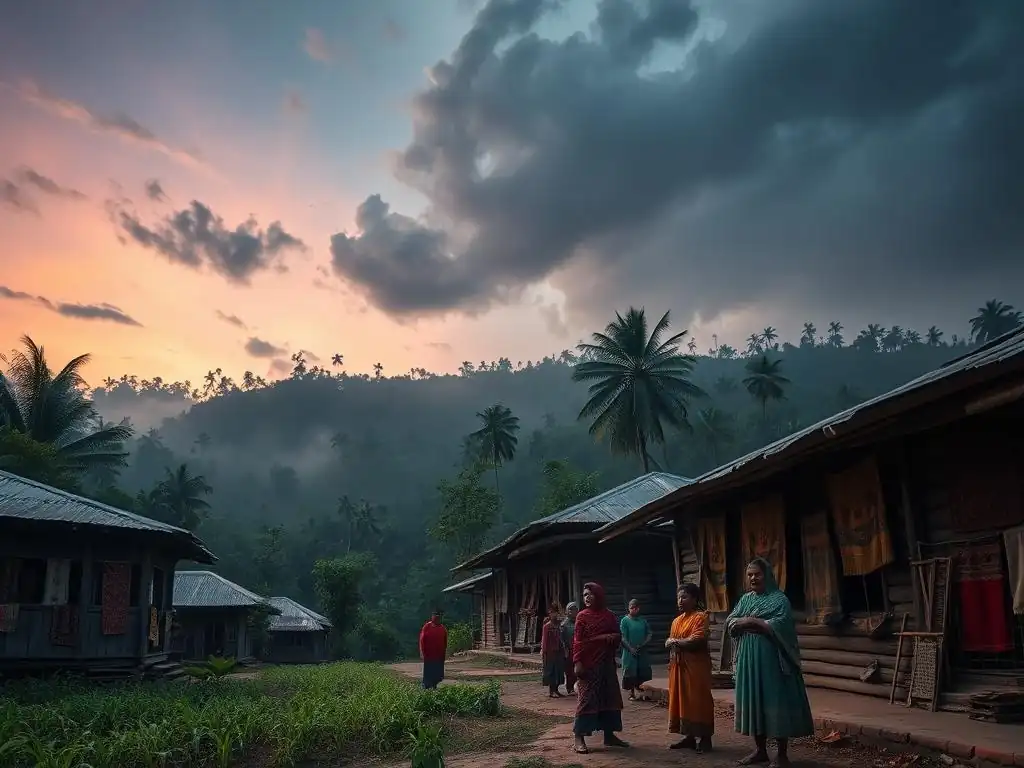
Welcome to Indigenous Civilizations of the Americas, where we invite you to embark on a captivating journey through the rich tapestry of indigenous cultures that flourished long before European contact. In our featured article, “The Silent Enemy: Understanding the Role of Epidemics in Indigenous Civilizations' Decline,” we delve into the profound and often tragic impact of epidemics on these vibrant societies. Discover how invisible foes altered the course of history, reshaping communities and cultures in ways that still resonate today.
Are you ready to uncover the untold stories and define the legacy of these resilient peoples? Continue exploring to find out more!
The impact of epidemics on indigenous cultures represents a profound yet often overlooked aspect of the European colonization of the Americas. Epidemics were not merely health crises; they acted as silent enemies that decimated populations, disrupted social structures, and altered the course of history for countless indigenous civilizations.
This article seeks to delve into the complex interplay between these devastating outbreaks and the rich tapestry of indigenous societies, exploring how diseases introduced by European colonizers catalyzed significant changes. By examining the nature of these epidemics, their introduction, and the specific cultures affected, we aim to shed light on a critical chapter in the narrative of indigenous resilience and adaptation in the face of overwhelming adversity.
Introduction to Epidemics Impact on Indigenous Cultures
Epidemics have historically been defined as widespread occurrences of infectious diseases affecting large numbers of individuals within a community or region. In the context of the Americas, these outbreaks were often not only devastating but also transformative. Understanding this impact requires a closer look at the indigenous civilizations thriving prior to European contact, as well as the specific epidemics that shaped their trajectories.
Definition of Epidemics in Historical Context
In historical terms, an epidemic can be characterized as a sudden spike in the incidence of a disease, often leading to significant mortality. These occurrences are typically linked to a combination of factors including environmental changes, population density, and the introduction of new pathogens. In the case of indigenous populations, the arrival of European explorers and settlers marked the beginning of an era where traditional immunity was tested against foreign diseases such as smallpox, measles, and influenza.
Brief Overview of Indigenous Civilizations Before European Contact
Before the arrival of Europeans, the Americas were home to a plethora of diverse and complex indigenous cultures. From the sophisticated urban centers of the Aztecs and Maya to the nomadic tribes of the Great Plains, these societies demonstrated remarkable achievements in agriculture, architecture, and governance. For instance, the Inca Empire, with its vast network of roads and innovative agricultural techniques, exemplified the advanced state of indigenous civilizations. These societies were deeply interconnected, engaging in trade, cultural exchange, and forming intricate social structures that laid the foundation for their resilience and adaptability.
The Arrival of Epidemics: A Catalyst for Change
The arrival of epidemics coincided with the European conquest of the Americas, acting as an unforeseen catalyst for monumental changes that would forever alter the landscape of indigenous cultures.
Introduction of Diseases by European Colonizers
European colonizers brought with them a host of diseases to which indigenous populations had no prior exposure, resulting in catastrophic mortality rates. Estimates suggest that diseases like smallpox could wipe out up to 90% of affected communities, leading to a dramatic decline in population and societal disruption. The introduction of these diseases was not a deliberate act; rather, they were an unfortunate byproduct of the contact between two worlds. As Europeans settled on the continent, the pathogens they carried spread rapidly through trade routes and social interactions, devastating entire communities before they could mount an adequate response.
Key Epidemics and Their Geographic Spread
Several key epidemics marked the timeline of indigenous decline:
- Smallpox: Introduced in the early 16th century, smallpox pandemics swept through communities from the Caribbean to the heart of the Aztec Empire.
- Measles: Following closely behind smallpox, measles outbreaks contributed to the declining populations throughout various regions.
- Influenza: The influenza pandemic of 1918, though much later, also had a severe impact on remaining indigenous populations, demonstrating the long-term consequences of disease introduction.
These epidemics not only caused immediate fatalities but also led to long-term demographic shifts, the collapse of social structures, and the loss of cultural knowledge.
Understanding the role of these epidemics in the decline of indigenous civilizations is crucial to appreciating the resilience and adaptability of these cultures in the face of overwhelming challenges. The effects of these silent enemies continue to resonate in contemporary discussions about indigenous rights and health disparities today.
The Impact of Epidemics on Indigenous Societies
The arrival of Europeans in the Americas brought with it a host of diseases to which indigenous populations had no immunity. This led to catastrophic consequences for many indigenous societies. Epidemics were not just health crises; they fundamentally altered the social, political, and economic fabric of these civilizations. The impact of epidemics on indigenous cultures was profound, leading to significant demographic changes, cultural disruptions, and economic consequences that would reverberate through generations.
Demographic Changes and Population Decline
One of the most immediate and devastating effects of epidemics was the steep decline in population. For instance, it is estimated that the population of the Aztec Empire fell from around 25 million to 1 million in less than a century due to diseases like smallpox. This demographic collapse had far-reaching consequences, including:
- Loss of Leadership: The death of leaders and skilled individuals weakened tribal governance structures.
- Social Disintegration: With large segments of the population dying, traditional family structures and community bonds were irreparably damaged.
- Increased Vulnerability: Reduced populations made societies more vulnerable to external threats, including further colonization and warfare.
Cultural Disruption and Loss of Knowledge
Epidemics not only decimated populations but also disrupted cultural continuity. The loss of elders, who were often the bearers of oral traditions and cultural practices, led to:
- Erosion of Cultural Practices: Many rituals and ceremonies were abandoned as communities struggled for survival.
- Loss of Language: With the decline in speakers of indigenous languages, many languages faced extinction, leading to a loss of unique cultural identities.
- Disruption of Education: Traditional methods of passing down knowledge were interrupted, resulting in gaps in historical and cultural knowledge for future generations.
Economic Consequences of Epidemic Outbreaks
The economic ramifications of epidemics were also severe, as they crippled the ability of indigenous societies to sustain themselves. The following factors contributed to economic decline:
- Labor Shortages: With a significant portion of the workforce lost, agricultural production plummeted, leading to food shortages and famine.
- Trade Disruptions: The interconnected trade networks that existed among various indigenous groups were severely impacted, limiting access to essential resources.
- Increased Dependency: As traditional economies faltered, some indigenous peoples became increasingly dependent on European settlers for survival, further diminishing their autonomy.
Case Studies: Epidemics in Specific Indigenous Cultures
To better understand the impact of epidemics on indigenous cultures, we can examine specific case studies that illustrate the complexity of these encounters.
The Aztec Civilization and Smallpox
The Aztec civilization faced a devastating smallpox outbreak shortly after the arrival of Hernán Cortés in 1519. The disease swept through the population, killing millions and leading to the fall of the Aztec Empire. The combination of smallpox and Spanish military conquest decimated the population, leading to a significant power vacuum and the eventual colonization of the region. The loss of skilled labor and leadership contributed to the inability of the Aztecs to resist further European encroachment.
The Inca Empire and European Diseases
Similarly, the Inca Empire was ravaged by diseases such as smallpox and measles introduced by the Spanish. The epidemic that struck in the 1530s resulted in the death of the Inca ruler Huayna Capac and many of his heirs, leading to a succession crisis. This internal turmoil, combined with the effects of the epidemic, weakened the Inca's ability to resist Spanish conquest. The subsequent loss of population and economic capacity facilitated the rapid colonization of the Andes.
The Powhatan Confederacy and the Impact of Epidemics
The Powhatan Confederacy, located in what is now Virginia, faced severe population decline due to outbreaks of European diseases, particularly in the early 17th century. The arrival of English settlers brought diseases like smallpox and typhus, which decimated the Powhatan population by as much as 90% in some areas. This decline weakened the Powhatan Confederacy's power and sovereignty, ultimately leading to their subjugation and displacement by colonial expansion. The cultural and social structures of the Powhatan people were deeply affected, resulting in lasting changes to their way of life and governance.
Responses to Epidemics: Resilience and Adaptation
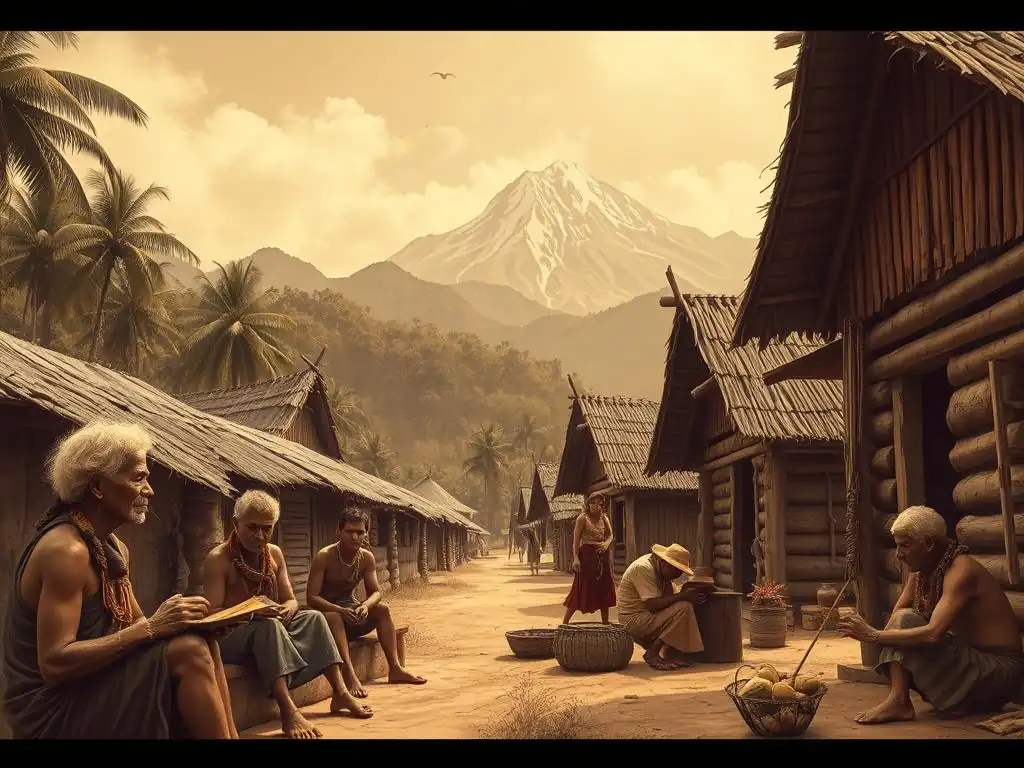
Indigenous cultures across the Americas faced numerous epidemics that decimated populations and challenged their social structures. However, their responses to these crises often exhibited remarkable resilience and adaptation. Many communities employed traditional practices and adapted their social structures to mitigate the impacts of disease, showcasing their ability to navigate through adversity. This section explores the various ways in which indigenous peoples responded to the challenges posed by epidemics, emphasizing their strength and resourcefulness.
Traditional Healing Practices and Knowledge
Traditional healing practices among indigenous cultures played a crucial role during epidemics. Knowledge of medicinal plants, spiritual healing, and community-based care were foundational to their response strategies. Indigenous healers, often referred to as shamans or medicine people, utilized their understanding of local flora and fauna to treat ailments caused by epidemics.
Many cultures had extensive pharmacopoeias that included plants known for their antibiotic or antiviral properties. For example, the use of willow bark, which contains salicylic acid (the active ingredient in aspirin), served as a natural pain reliever. Similarly, echinacea was commonly used to boost the immune system. This extensive medicinal knowledge, passed down through generations, was vital in maintaining community health during times of crisis.
Moreover, spiritual practices and rituals were integral to healing processes. Ceremonies aimed at restoring balance and harmony within the community were often conducted to address the physical and emotional toll of epidemics. Such practices not only provided physical healing but also reinforced cultural identity during troubling times.
Community Responses and Social Resilience
Indigenous societies displayed remarkable social resilience in the face of epidemics. Communities often rallied together, reinforcing social bonds to confront the challenges posed by disease. Informal networks of care emerged, where families and neighbors supported one another through shared resources and collective healing efforts.
In many cases, indigenous groups adapted their social structures to enhance their resilience. For instance, kinship ties were strengthened as families came together to support the sick and vulnerable, ensuring that no one was left behind. This shift not only provided immediate relief but also helped preserve cultural practices and values that were at risk due to population declines.
Furthermore, some communities engaged in cultural revitalization efforts to combat the disintegration of their social fabric. They organized gatherings and ceremonies that not only honored those lost to epidemics but also celebrated their cultural heritage, thus fostering a sense of continuity and hope for future generations.
Long-term Effects on Indigenous Identity and Culture
The long-term effects of epidemics on indigenous identity and culture are profound and multifaceted. While the immediate impact often resulted in significant loss of life and disruption, the resilience displayed by these communities led to a re-evaluation of their cultural identity.
Many indigenous groups sought to reclaim and preserve their cultural practices, languages, and traditions that were threatened by the demographic shifts caused by epidemics. This resurgence can be seen in the revitalization of traditional ceremonies, storytelling, and art forms that emphasize their historical narratives and cultural heritage.
Additionally, the experience of surviving epidemics shaped a collective identity rooted in resilience and adaptability. This enduring legacy is evident in many contemporary indigenous movements that advocate for rights, recognition, and the preservation of cultural heritage, highlighting how the past continues to influence present identities.
Conclusion: The Lasting Legacy of Epidemics on Indigenous Cultures
The legacy of epidemics on indigenous cultures is a complex interplay of suffering, resilience, and adaptation. While these catastrophic events led to profound changes in population and social structures, they also revealed the strength of indigenous peoples in overcoming adversity. The responses to epidemics not only reflect their ability to withstand crises but also underscore the importance of cultural continuity in the face of challenges.
Reflection on Historical Impact and Modern Implications
Reflecting on the historical impact of epidemics on indigenous cultures allows for a deeper understanding of their current realities. The scars left by these epidemics continue to affect indigenous communities, influencing health disparities, cultural practices, and social dynamics. Recognizing this history is essential for fostering respectful relationships between indigenous peoples and broader society, as well as for understanding the ongoing effects of colonization and disease.
Moreover, modern implications include the necessity of incorporating indigenous perspectives into public health strategies. Learning from traditional knowledge systems can provide valuable insights into holistic health practices that promote well-being within indigenous communities today.
The Importance of Understanding Epidemics in Indigenous History
Understanding the role of epidemics in indigenous history is crucial for several reasons. It highlights the resilience and adaptability of these cultures, demonstrating that they are not merely victims of historical circumstances but active agents in their own narratives. This perspective fosters respect and recognition of indigenous knowledge systems and the importance of cultural practices in health and healing.
Furthermore, acknowledging the impact of epidemics allows for a more nuanced dialogue about contemporary issues faced by indigenous peoples, including health disparities, cultural preservation, and social justice. By integrating this understanding into broader discussions, we can better appreciate the rich tapestry of indigenous cultures and their enduring legacies.
Further Reading and Resources
Exploring the impact of epidemics on indigenous cultures provides invaluable insights into the resilience and adaptive strategies of these societies. Below are some recommended resources that delve deeper into this critical subject, helping to illuminate the complex narratives surrounding indigenous peoples and the devastating effects of diseases introduced during and after European contact.
Recommended Books and Articles on Indigenous Epidemics
-
"1491: New Revelations of the Americas Before Columbus" by Charles C. Mann
This book challenges the traditional narrative of pre-Columbian America, presenting a detailed account of the indigenous populations and how they were affected by European diseases. Mann provides a comprehensive analysis of the demographic collapse and its implications on indigenous societies.
-
"Guns, Germs, and Steel: The Fates of Human Societies" by Jared Diamond
Diamond's work explores the role of germs, including smallpox and other diseases, in shaping the trajectory of human societies. His analysis includes how these epidemics disproportionately impacted indigenous populations in the Americas.
-
"American Indian Health: A Historical Encyclopedia" by Susan A. Craddock
This encyclopedia offers insights into the historical health crises faced by Native American communities, including the impact of epidemics. It serves as a vital resource for understanding the broader implications of health on indigenous cultures.
-
"The Indigenous Peoples of North America: A History" by John R. Swanton
This work provides a historical overview of various indigenous nations and highlights the significant impact of diseases on their populations, culture, and societal structures.
-
"Epidemics and the Early American South" by Thomas D. Watson
Focusing on the southeastern United States, this article examines how epidemics influenced the dynamics between indigenous peoples and European settlers, and the subsequent cultural changes.
Documentaries and Educational Media on the Subject
-
"The Forgotten Plague: The Story of the 1918 Spanish Flu"
This documentary examines how pandemics have historically affected societies, including indigenous populations. It provides context on the societal impact of disease and offers lessons for contemporary health crises.
-
"500 Nations"
This comprehensive documentary series explores the history of Native American nations, including the catastrophic effects of European diseases on indigenous populations. It provides firsthand accounts and historical context that enrich the understanding of epidemic impacts.
-
"The Ghosts of the West: Native American Epidemics"
This educational film delves into the stories of tribes affected by epidemics following European contact, highlighting both the tragedies and resilience of these communities.
-
"In the Wake of the Plague" (PBS)
This program discusses the broader implications of plagues and epidemics across different cultures, including how indigenous civilizations were decimated by diseases brought by European settlers. It offers a global perspective while focusing on the Americas.
-
Online Courses and Lectures
Various universities and institutions offer free online courses and lectures concerning indigenous history and the effects of epidemics. Platforms like Coursera and edX often feature courses that address health, history, and culture, providing a structured way to learn about these important topics.
These resources serve as a foundation for understanding the profound impact of epidemics on indigenous cultures, enabling readers to gain a deeper appreciation of the historical context and the resilience of these civilizations.
- Introduction to Epidemics Impact on Indigenous Cultures
- The Arrival of Epidemics: A Catalyst for Change
- The Impact of Epidemics on Indigenous Societies
- Case Studies: Epidemics in Specific Indigenous Cultures
- Responses to Epidemics: Resilience and Adaptation
- Conclusion: The Lasting Legacy of Epidemics on Indigenous Cultures
- Further Reading and Resources
- What role did epidemics play in the decline of indigenous civilizations?
- How did indigenous cultures respond to epidemics?
- What are some examples of epidemics that affected indigenous populations?
- Did epidemics have long-term effects on indigenous societies?
- How can we understand the impact of epidemics on indigenous cultures today?
Frequently Asked Questions
What role did epidemics play in the decline of indigenous civilizations?
Epidemics, often introduced by European colonizers, had a devastating impact on indigenous populations, leading to significant declines in population and social structures.
How did indigenous cultures respond to epidemics?
Many indigenous cultures employed traditional healing practices and sought to adapt their social systems in response to the overwhelming loss and disruption caused by epidemics.
What are some examples of epidemics that affected indigenous populations?
Notable epidemics include smallpox, measles, and influenza, which swept through the Americas, often resulting in mortality rates of up to 90% in some communities.
Did epidemics have long-term effects on indigenous societies?
Yes, the long-term effects of epidemics led to the disruption of cultural practices, loss of knowledge, and weakened social cohesion among indigenous groups.
How can we understand the impact of epidemics on indigenous cultures today?
Understanding the impact of epidemics is crucial for recognizing the resilience of indigenous cultures and the ongoing effects of colonization, which continue to shape their socioeconomic conditions today.
Final Reflection: The Enduring Legacy of Epidemics on Indigenous Cultures
The impact of epidemics on indigenous cultures is not merely a historical footnote; it resonates profoundly in today's world. As we navigate a global landscape shaped by health crises, understanding the devastating effects of past epidemics on indigenous civilizations sheds light on the vulnerabilities that persist in marginalized communities. The echoes of these silent enemies remind us that the consequences of disease extend far beyond immediate health, influencing social structures, cultural practices, and the very fabric of identity.
The historical narrative of indigenous civilizations is intricately woven with the threads of resilience and tragedy brought on by epidemics. These events have not only shaped the past but continue to influence contemporary discussions about health equity and cultural preservation. As we witness ongoing disparities in healthcare access and outcomes, it becomes clear that the legacy of these epidemics is still felt today. History is not a burden on the memory but an illumination of the soul.
This quote encapsulates the importance of acknowledging our past to forge a more equitable future, particularly for those communities that have endured the brunt of such crises.
As we reflect on the lessons of history, let us carry forward the understanding that the impact of epidemics on indigenous cultures calls for action and awareness. I invite you to consider how you can contribute to the healing and empowerment of these communities. Whether through advocacy, education, or simply by fostering a deeper understanding of their histories, each of us has a role to play in ensuring that the stories of resilience and survival are honored and that the lessons learned from the past guide us toward a more inclusive and compassionate future.
Thank you for diving deep into the fascinating world of Indigenous civilizations and their struggles against epidemics. Your interest in understanding these challenges not only enriches your knowledge but also honors the resilience of these communities. Now, let’s take actionable steps to engage with this critical topic further!
- Explore primary sources: Visit your local library or online archives to discover firsthand accounts and documents related to the impact of epidemics on Indigenous peoples.
- Join or start a discussion group: Connect with others who are passionate about this subject. Consider organizing a community gathering or an online forum to share insights and perspectives.
- Share your newfound knowledge: Utilize social media platforms to raise awareness about the historical impact of epidemics on Indigenous cultures and spark important conversations within your networks.
What is the most crucial lesson we can learn from history to effectively address current public health challenges facing Indigenous communities today?