
The Role of Disease: How Epidemics Shaped the Spanish Conquest of the Aztecs

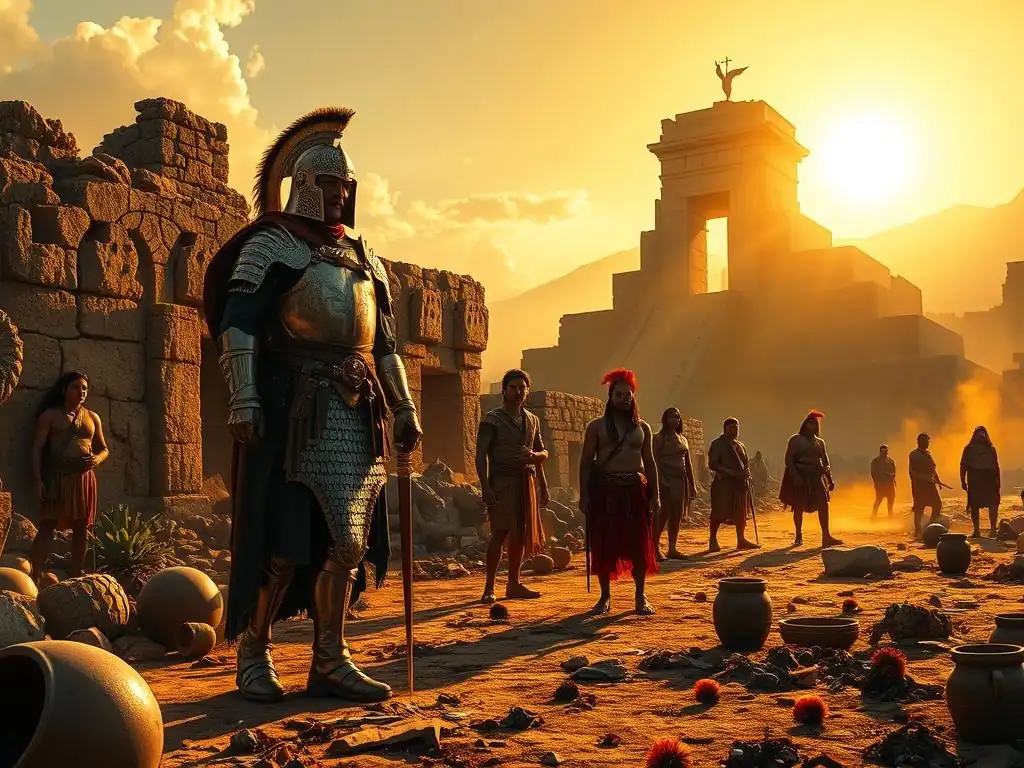
Welcome to Indigenous Civilizations of the Americas, where we invite you to embark on a fascinating journey through the rich tapestry of indigenous cultures that flourished long before European contact. Our in-depth exploration reveals their remarkable achievements and the profound legacies they left behind.
In our featured article, “The Role of Disease: How Epidemics Shaped the Spanish Conquest of the Aztecs,” we delve into the impact of disease on Aztecs and uncover how these epidemics not only altered the course of history but also reshaped societies. Prepare to ignite your curiosity and challenge your perspective as you discover the intricate stories of resilience and transformation that define these vibrant cultures.
The impact of disease on the Aztecs was a pivotal factor that significantly influenced the dynamics of the Spanish conquest. As European colonizers arrived in the Americas, they brought with them not just ambitions of wealth and power, but also a host of infectious diseases to which Indigenous populations had no immunity.
This article delves into the intricate relationship between disease and the Spanish conquest of the Aztecs, exploring how epidemics not only decimated the Aztec population but also altered the course of history. By understanding the role of disease, we can gain a deeper appreciation of the challenges faced by the Aztecs and the complexities surrounding their eventual downfall.
Introduction to the Impact of Disease on Aztecs
Overview of the Spanish Conquest
The Spanish conquest of the Aztec Empire, which culminated in 1521 with the fall of Tenochtitlán, was marked by a series of military engagements, alliances, and significant social upheaval. However, what often goes underappreciated in historical narratives is the catastrophic role that disease played in weakening the Aztec defenses. As explorers like Hernán Cortés arrived, they unwittingly unleashed smallpox and other diseases that would ravage Indigenous populations, leaving them vulnerable to conquest. The intersection of these health crises with military strategies created a unique set of circumstances that heavily favored the Spanish.
Significance of Epidemics in Historical Context
Epidemics have been recognized as critical turning points in history, often reshaping societies and altering power dynamics. In the case of the Aztecs, the arrival of European diseases created a demographic collapse that led to significant shifts in political and social structures. The spread of disease was not simply a consequence of conquest; it was a catalyst that disrupted daily life, eroded social cohesion, and dismantled the Aztec Empire's ability to resist foreign invasion. Understanding the significance of these epidemics provides key insights into the broader implications of European colonization and its lasting effects on Indigenous populations.
Understanding the Aztec Society Before Contact
Structure of Aztec Civilization
Prior to European contact, the Aztec civilization was a highly organized and complex society. Governed by a theocratic political system, the Aztecs established a powerful empire through a combination of military prowess, trade, and tribute systems. The capital, Tenochtitlán, was a marvel of engineering and urban planning, featuring impressive temples, marketplaces, and a sophisticated agricultural system that included chinampas, or floating gardens. This societal structure was not only a testament to their organizational skills but also a foundation that would be severely tested by the onslaught of disease.
Achievements and Cultural Practices of the Aztecs
The Aztecs made significant contributions to art, architecture, and agriculture, which continue to be celebrated today. They developed intricate stone carvings, vibrant murals, and monumental structures such as the Templo Mayor. Their agricultural innovations allowed for the sustenance of large populations, while their religious practices, which included elaborate ceremonies and a pantheon of deities, reflected a deep connection to their environment. The cultural richness of the Aztecs stands in stark contrast to the devastation brought about by the diseases that accompanied the Spanish invasion.
Pre-existing Health Conditions Among the Aztecs
Before the arrival of Europeans, the Aztecs faced various health challenges that may have predisposed them to the catastrophic effects of new diseases. High population densities, inadequate sanitation in urban areas, and nutritional deficiencies contributed to the vulnerability of the Aztec populace. This pre-existing landscape of health issues meant that when diseases like smallpox were introduced, they spread rapidly and with devastating consequences. Understanding these factors is crucial in comprehending the full impact of the epidemics on Aztec society and the ensuing conquest.
The Arrival of Europeans and Introduction of Diseases
The arrival of Europeans in the early 16th century marked a significant turning point for the indigenous civilizations of the Americas, particularly the Aztecs. When Hernán Cortés and his expedition landed on the shores of present-day Mexico in 1519, they unknowingly brought with them a suite of diseases to which the indigenous populations had no immunity. These included smallpox, measles, and influenza, among others. The introduction of these diseases proved catastrophic, as they spread rapidly through the densely populated Aztec society, leading to unprecedented mortality rates.
The devastating impact of disease on the Aztecs was compounded by the social and political upheaval instigated by the Spanish conquest. As the invaders engaged in military campaigns, the chaos and disruption allowed diseases to proliferate unchecked. The consequences of these epidemics not only weakened the Aztec population but also facilitated the Spaniards' conquest, as the indigenous peoples were unable to mount a robust defense against the foreign invaders.
Key Figures in the Spanish Conquest
Several key figures played pivotal roles in the Spanish Conquest of the Aztecs, and their interactions with disease significantly influenced the outcome of the conquest.
- Hernán Cortés: The lead conquistador who orchestrated the invasion of the Aztec Empire. His strategies involved forming alliances with rival indigenous groups that were also affected by the diseases introduced by Europeans.
- La Malinche (Malintzin): An indigenous woman who served as an interpreter and advisor to Cortés. Her knowledge of local languages and customs was crucial in navigating the complex social landscape, particularly during the spread of disease and its impacts on the Aztecs.
- Diego de Ordaz: A subordinate of Cortés, he played a role in military engagements and witnessed the devastating effects of disease on both the Aztec warriors and the civilians.
These figures not only influenced the military aspects of the conquest but also the sociocultural dynamics of the time, which were irrevocably altered by the introduction of European diseases.
Timeline of European Contact and Disease Spread
Understanding the timeline of European contact and the subsequent spread of diseases is crucial in assessing their impact on the Aztec civilization. Below is a brief timeline highlighting key events:
- 1492: Christopher Columbus arrives in the Americas, initiating European exploration.
- 1519: Hernán Cortés lands in Mexico; first contact with the Aztecs occurs.
- 1520-1521: Smallpox epidemic strikes, decimating the Aztec population before the Spanish siege of Tenochtitlán.
- 1521: The fall of Tenochtitlán marks the culmination of the Spanish conquest, heavily influenced by disease-related fatalities.
This timeline illustrates how quickly diseases spread alongside military engagements, exacerbating the challenges faced by the Aztecs.
Types of Diseases Introduced to the Aztecs
The diseases introduced to the Aztec Empire were profoundly influential in shaping the course of the conquest. The main types of diseases included:
- Smallpox: This highly contagious viral infection caused severe illness and death. The first major outbreak in 1520 devastated the Aztec population.
- Measles: Another viral disease that spread rapidly among the Aztecs, contributing to high mortality rates.
- Influenza: Seasonal outbreaks exacerbated the already weakened health of the indigenous peoples.
- Typhus: Although less documented, typhus also played a role in the spread of illness among the Aztec population.
These diseases not only reduced the population but also undermined the social structures and military capabilities of the Aztecs.
The Consequences of Disease on Aztec Populations

The consequences of disease on the Aztec populations were profound and multifaceted, leading to significant changes in their society and civilization.
Population Decline and Demographic Changes
The introduction of European diseases led to a catastrophic decline in the Aztec population. Estimates suggest that within a few decades of contact, the population decreased by as much as 90%. This demographic shift was due to:
- High Mortality Rates: Many individuals succumbed to diseases like smallpox and measles, leading to a rapid loss of life.
- Impact on Reproductive Rates: The loss of a significant portion of the adult population affected birth rates and family structures, resulting in a long-term decline.
The demographic changes reshaped the social fabric of the Aztec society, as entire communities were decimated.
Social and Economic Disruption Due to Epidemics
The epidemics caused by European diseases led to extensive social and economic disruption within the Aztec Empire. Key impacts included:
- Disruption of Trade: The decline in population affected trade networks, as fewer individuals were available to engage in commerce, leading to shortages of goods and resources.
- Collapse of Social Structures: As families perished, traditional roles and responsibilities within communities were altered, resulting in a breakdown of social cohesion.
- Increased Vulnerability: The weakened state of the Aztecs made them more susceptible to Spanish conquest, as the loss of warriors and leaders diminished their ability to resist.
The overall economic decline and social fragmentation made it easier for the Spanish to establish control over the region.
Psychological Impact of Widespread Illness
The psychological toll of widespread illness among the Aztecs cannot be understated. The rapid loss of life and the fear of disease led to profound emotional and mental health consequences:
- Trauma and Grief: The sudden death of family members and the pervasive atmosphere of fear contributed to widespread trauma within communities.
- Loss of Faith in Traditional Beliefs: Many individuals began to question their spiritual beliefs and the efficacy of traditional healing practices, as they witnessed the devastation wrought by disease.
- Social Isolation: As illness spread, communities became more isolated, leading to feelings of helplessness and despair among the surviving members.
These psychological impacts compounded the physical and social challenges faced by the Aztecs, further contributing to their decline in the face of conquest.
Case Studies: Notable Epidemics During the Conquest
During the Spanish conquest of the Aztecs in the early 16th century, several epidemics played a pivotal role in shaping the outcome of the conflict. Understanding these epidemics provides insight into how disease affected not only the indigenous population but also the strategies employed by the Spanish conquistadors. The most notable diseases that ravaged the Aztec Empire during this period included smallpox, measles, and typhus, each contributing significantly to the weakening of Aztec society.
Smallpox Epidemic and Its Effects on the Aztec Empire
The smallpox epidemic of 1520 was particularly devastating for the Aztec Empire. Introduced by the Spanish, the disease spread rapidly among the indigenous population, who had no prior exposure or immunity to it. Estimates suggest that smallpox killed as much as 50% of the Aztec population in some areas, leading to a catastrophic decline in the workforce and military capacity.
The effects of smallpox were profound. The death of Emperor Moctezuma II, though attributed to a combination of factors, was compounded by the smallpox outbreak, creating a power vacuum and destabilizing the political structure of the empire. With leaders and warriors succumbing to the disease, the Aztecs struggled to mount a unified resistance against the Spanish forces, thereby facilitating their conquest.
Other Diseases: Measles, Typhus, and Their Impact
In addition to smallpox, other diseases such as measles and typhus also played significant roles during the conquest. Measles, which spread rapidly among the crowded urban centers of the Aztec Empire, contributed to high mortality rates in children and weakened the overall population. Similarly, typhus, which can thrive in unsanitary conditions, exacerbated the suffering caused by the breakdown of social order and hygiene due to the ongoing warfare and upheaval.
The cumulative impact of these diseases hindered the Aztecs' ability to organize and defend their territory effectively, leading to increased vulnerability to the Spanish invaders. The combination of multiple epidemics created an environment of despair, further eroding morale and societal structure.
Comparative Analysis of Epidemics and Military Conquest
When analyzing the relationship between disease and military conquest, it is essential to consider the interplay between the two. The Spanish conquistadors, led by Hernán Cortés, initially relied on military strategies and alliances with rival indigenous groups to facilitate their conquest. However, the simultaneous epidemics dramatically shifted the balance of power.
By comparing the timeline of military engagements with the outbreaks of disease, it becomes evident that the two were intricately linked. For instance, key battles such as the Siege of Tenochtitlan occurred during peak epidemic periods, where the Aztecs were not only outmatched militarily but also incapacitated by illness. This comparative analysis underscores the idea that while military prowess played a role, the impact of disease was a critical factor in the rapid downfall of the Aztec Empire.
The Role of Disease in Facilitating Spanish Conquest
The influence of disease on the Spanish conquest of the Aztecs extends beyond mere statistics; it fundamentally altered the dynamics of the conflict. The presence of disease significantly weakened the Aztec population, leading to a cascade of effects that favored the Spanish.
How Epidemics Weakened Aztec Resistance
Epidemics such as smallpox and measles not only reduced the population but also disrupted social cohesion and military organization. As large segments of the population fell ill or died, remaining warriors faced challenges in maintaining morale and unity. With the loss of leaders and skilled fighters, the Aztecs struggled to mount effective defenses, leading to a rapid decline in their ability to resist the Spanish forces.
Moreover, the social fabric of Aztec life was deeply affected. With many families mourning the loss of loved ones, the cultural and spiritual ties that traditionally bound the community were weakened, further diminishing their capacity to resist foreign invasion.
Disease as a Strategic Advantage for Spanish Conquistadors
For the Spanish conquistadors, the devastating impact of disease among the Aztecs provided a strategic advantage that complemented their military operations. As the indigenous population weakened, the Spanish were able to exploit the situation, advancing their conquest with significantly reduced opposition.
The psychological effect of disease also played a role; witnessing the rapid decline of their own people may have led to despair among the Aztecs, undermining their will to fight. The Spanish, on the other hand, were largely unaffected by these epidemics, which allowed them to maintain their strength and resolve throughout the campaign.
Historical Perspectives: Was Disease the Primary Factor?
While it is clear that disease had a monumental impact on the conquest of the Aztecs, historians continue to debate whether it was the primary factor in their downfall. Some argue that military strategies, political alliances, and technological superiority were equally significant. However, the overwhelming mortality rates and societal disruption caused by disease cannot be overstated.
Ultimately, the interplay of disease with military actions led to a unique situation where the Aztecs were not only fighting a foreign army but also battling an invisible enemy that severely compromised their ability to resist. This layered understanding of the conquest highlights the complex dynamics between disease and warfare in shaping the history of the Americas.
Long-term Effects of Disease on Aztec Civilization
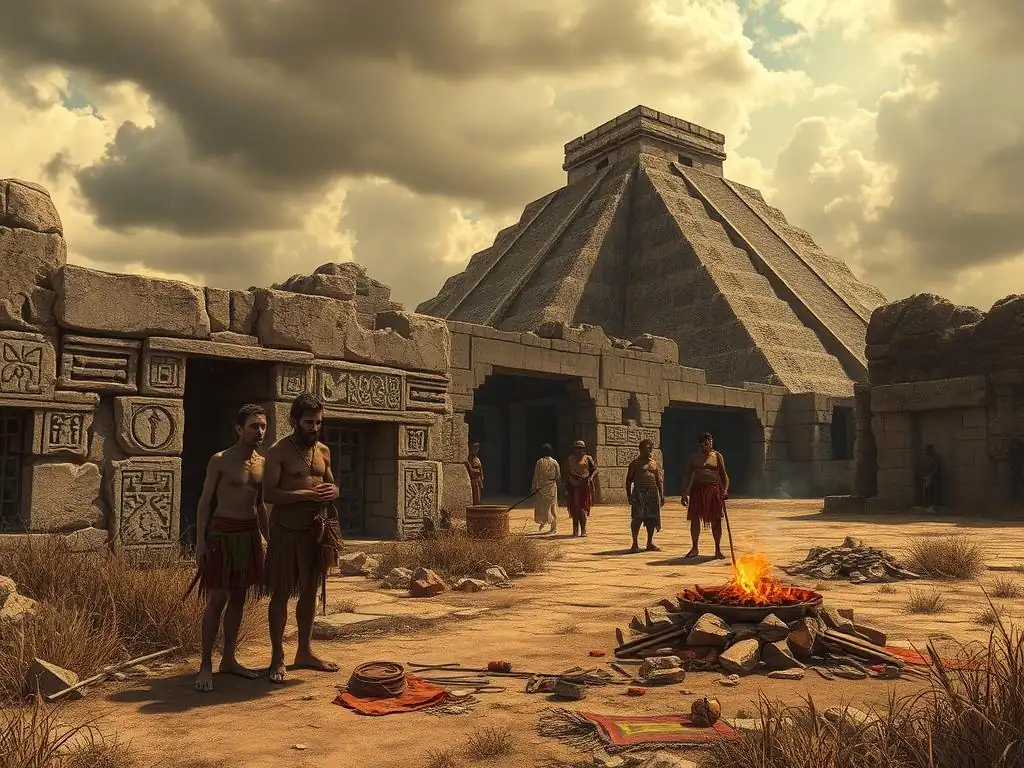
The impact of disease on the Aztec civilization was profound and far-reaching, fundamentally altering its social, political, and economic structures. Following the arrival of Europeans, specifically the Spanish, diseases such as smallpox, typhus, and influenza swept through the indigenous populations with devastating effects. The mortality rate was catastrophic; it is estimated that up to 90% of the indigenous population succumbed to these diseases within a few decades of contact. This significant loss of life not only decimated the workforce but also disrupted social hierarchies and traditional structures, leading to a vacuum of leadership and governance.
The long-term effects extended beyond immediate population loss. The cultural practices, religious ceremonies, and communal life of the Aztecs faced severe disruptions, as entire communities were wiped out. The surviving populations grappled with grief and dislocation, which altered the cultural landscape of the region. This shift would ultimately influence the way that indigenous peoples of the Americas interacted with the newly established European colonial systems, leading to a reconfiguration of their identities and ways of life.
Changes in Indigenous Social Structures
As epidemics ravaged the Aztec population, social structures underwent dramatic transformations. Traditional roles within the society were disrupted; the loss of leaders and elders left many communities without guidance. In the absence of established authority, new forms of leadership emerged, often characterized by a mix of indigenous and European influences. This shift sometimes resulted in the rise of new alliances and coalitions among surviving groups, as they sought to navigate the complexities of their new reality.
Moreover, the catastrophic decline in population led to changes in family structures and kinship ties. Many families lost multiple members, altering how kinship networks functioned. The traditional practices of ancestor veneration and community gatherings were challenged, as fewer individuals were available to participate in these vital cultural expressions. These changes fostered a sense of resilience among the survivors, prompting them to adapt their social organizations to meet the challenges posed by their new circumstances.
Cultural Resilience and Adaptation Post-Epidemics
Despite the immense suffering caused by disease, the Aztecs and other indigenous groups demonstrated remarkable cultural resilience. They adapted their traditions, beliefs, and practices to survive in a drastically altered world. Many elements of Aztec culture persisted, albeit transformed. Survivors began to blend indigenous practices with European influences, creating a unique cultural synthesis.
For instance, religious practices evolved as survivors reinterpreted their beliefs in light of the traumatic experiences they endured. Some rituals were modified to incorporate new elements, while others were retained as a way to preserve a sense of identity and continuity. Language, art, and agricultural practices also saw adaptations as indigenous peoples sought to reclaim their heritage while navigating the new socio-political landscape imposed by European colonizers.
Legacy of Disease on Indigenous Populations in the Americas
The legacy of disease among indigenous populations in the Americas extends far beyond the immediate impact of the epidemics. The demographic collapse altered the trajectory of indigenous societies, leading to significant shifts in land use, economic practices, and social interactions. Many regions experienced depopulation, which resulted in abandoned agricultural fields and altered ecosystems. This legacy of disease contributed to long-standing inequities and power dynamics that shaped the relationships between indigenous peoples and European settlers.
Additionally, the cultural and genetic legacy of these diseases can still be observed today. The historical trauma associated with epidemics has been passed down through generations, influencing contemporary indigenous identities and experiences. The resilience shown by these communities in the face of such adversity serves as a testament to their enduring spirit and adaptability.
Conclusion: The Lasting Impact of Disease on Aztec History
The role of disease in the Spanish conquest of the Aztecs is a critical aspect of understanding the broader narrative of colonialism in the Americas. The epidemics that swept through indigenous populations were not merely side notes in history; they were pivotal events that shaped the course of civilizations. The impact of disease on the Aztecs highlights the complex interplay between health, society, and power dynamics in a colonial context.
Summary of Key Points on the Impact of Disease
To summarize, the impact of disease on the Aztecs was multifaceted, leading to:
- Dramatic population decline: Up to 90% of the population perished due to epidemics, fundamentally altering the social fabric.
- Disruption of social structures: The loss of leadership and traditional roles led to new forms of governance and social organization.
- Cultural resilience: Indigenous peoples adapted their traditions and practices, creating a cultural synthesis that reflects both their heritage and new influences.
- Long-lasting legacy: The effects of disease continue to influence indigenous communities today, shaping their identities and experiences in a modern context.
Reflection on the Interplay Between Disease and Conquest
The interplay between disease and conquest reveals a complex relationship where biological factors significantly influenced historical outcomes. The introduction of European diseases acted as an unintentional weapon, facilitating the Spanish conquest by undermining the resistance of the Aztecs. This phenomenon raises important questions about the role of disease in shaping historical narratives and the consequences of such interactions for indigenous civilizations.
Final Thoughts on Indigenous Civilizations and Their Endurance
In reflecting on the endurance of indigenous civilizations, it is essential to recognize their resilience in the face of overwhelming adversity. The Aztecs, like many other indigenous cultures across the Americas, have demonstrated a remarkable ability to adapt and survive. Today, their legacies continue to thrive, reminding us of the rich cultural heritage that persists despite the challenges posed by colonization and disease. Understanding the impact of disease on the Aztecs not only sheds light on their historical experience but also emphasizes the importance of honoring and preserving indigenous cultures as living entities that continue to evolve.
References
The study of how disease impacted the Aztecs during the Spanish conquest is informed by a variety of historical texts, archaeological findings, and scholarly articles. These sources provide insight into the sociopolitical landscape of the Aztec Empire and the role that epidemics played in facilitating the Spanish conquest.
Key Sources on the Impact of Disease and the Spanish Conquest
-
"Guns, Germs, and Steel" by Jared Diamond
This seminal work examines the factors that contributed to the unequal distribution of power and resources throughout history, including the role of diseases in shaping the fates of civilizations. Diamond discusses how European diseases devastated indigenous populations in the Americas, including the Aztecs.
-
"The Conquest of New Spain" by Bernal Díaz del Castillo
A firsthand account of the Spanish conquest, this narrative provides valuable insights into the interactions between Spanish conquistadors and the indigenous populations. Díaz del Castillo's observations document the effects of disease on the Aztec society and its military capabilities.
-
"1491: New Revelations of the Americas Before Columbus" by Charles C. Mann
This book presents a comprehensive overview of the Americas prior to European contact, including discussions on the prevalence of diseases among indigenous populations and the subsequent impact during the Spanish conquest.
-
"Epidemics and the Spanish Conquest of the Aztec Empire" by William B. Taylor
This scholarly article delves into the specific diseases that impacted the Aztecs and analyzes how epidemics weakened their social structure, making them more vulnerable to Spanish conquest.
-
"The Columbian Exchange: Biological and Cultural Consequences of 1492" by Alfred W. Crosby
Crosby's work explores the exchange of diseases between the Old World and the New World, detailing how this exchange significantly affected indigenous populations, including the Aztecs.
Suggested Further Reading on Aztec History and Epidemics
-
"The Aztecs: A Very Short Introduction" by David Carrasco
This concise introduction provides a broad overview of Aztec civilization, including their social structure, religious practices, and the catastrophic effects of disease during the Spanish conquest.
-
"Aztec Warfare: Imperial Expansion and Political Control" by Ross Hassig
This book investigates the military strategies of the Aztecs and how their conquests were impacted by the introduction of European diseases.
-
"The Fall of the Aztec Empire" by John P. Schmal
This historical analysis focuses on the events leading to the fall of the Aztec Empire, emphasizing the role of disease alongside military conflict.
-
"The History of the Conquest of Mexico" by Antonio de Solis
This classic work provides a detailed account of the Spanish conquest, with insights into the impact of diseases on the indigenous people.
-
"In the Wake of the Plague: The Black Death and the World It Made" by Norman F. Cantor
Although focused on the Black Death, this book offers a broader context of how pandemics, including those affecting the Aztecs, transformed societies and cultures.
These references and readings will enhance understanding of the critical role that disease played in the Spanish conquest of the Aztecs, illustrating its profound and lasting impact on indigenous civilizations.
- Introduction to the Impact of Disease on Aztecs
- Understanding the Aztec Society Before Contact
- The Arrival of Europeans and Introduction of Diseases
- The Consequences of Disease on Aztec Populations
- Case Studies: Notable Epidemics During the Conquest
- The Role of Disease in Facilitating Spanish Conquest
- Long-term Effects of Disease on Aztec Civilization
- Conclusion: The Lasting Impact of Disease on Aztec History
- References
- What role did disease play in the Spanish conquest of the Aztecs?
- How did the impact of disease on Aztecs compare to other indigenous groups?
- What were some specific diseases that affected the Aztecs?
- How did the Aztecs respond to the epidemics?
- What lasting effects did these diseases have on Aztec society?
Frequently Asked Questions
What role did disease play in the Spanish conquest of the Aztecs?
Disease played a crucial role in the conquest, as epidemics like smallpox devastated Aztec populations, significantly weakening their ability to resist Spanish forces.
How did the impact of disease on Aztecs compare to other indigenous groups?
The impact of disease on Aztecs was particularly severe, leading to a dramatic decline in their numbers, which was more pronounced than in many other indigenous groups in the Americas.
What were some specific diseases that affected the Aztecs?
The Aztecs were primarily affected by smallpox, but also faced other diseases like measles and typhus, which contributed to their population decline and societal disruption.
How did the Aztecs respond to the epidemics?
The Aztecs struggled to cope with the epidemics, as their traditional healing practices were ineffective against the new diseases, leading to widespread fear and social chaos.
What lasting effects did these diseases have on Aztec society?
The lasting effects included a significant decrease in population, altered social structures, and a shift in power dynamics, paving the way for the Spanish conquest and colonization.
Final Reflection: The Profound Impact of Disease on the Aztecs
The role of disease in the Spanish conquest of the Aztecs is a stark reminder of how invisible forces can shape the course of history. The epidemics that swept through the Aztec Empire not only decimated populations but also altered social structures and power dynamics, ultimately paving the way for European colonization. This historical event serves as a powerful illustration of how disease can influence civilizations, reminding us that the impact of disease on the Aztecs was not just a backdrop to conquest but a pivotal factor in the unfolding of a tragic narrative.
Clearly, the consequences of these epidemics extend beyond mere statistics; they resonate deeply within the cultural and social fabric of societies. The loss of life and the subsequent shifts in power dynamics created a vacuum that facilitated the Spanish conquest. As historian Alfred W. Crosby noted, The Columbian Exchange was a two-way street, but the diseases that traveled from Europe to the Americas were a one-way ticket to disaster for the indigenous populations.
This quote encapsulates the ongoing influence of disease in shaping not only historical events but also the legacies that continue to affect indigenous communities today.
As we reflect on the lessons from this historical intersection of disease and conquest, let us consider our own relationship with health and society. How can we learn from the past to foster resilience in our communities today?
The impact of disease on the Aztecs serves as a call to action for us to prioritize public health, embrace empathy, and advocate for equitable healthcare systems. In a world still grappling with the effects of pandemics, we must recognize our shared humanity and work towards a future where history does not repeat itself, but instead inspires us to build a healthier, more just society for all.
Unveil the Impact of Disease on History!
Thank you for diving into the fascinating relationship between disease and the Spanish conquest of the Aztecs. You've explored how epidemics not only shaped individual lives but also altered the course of history in profound ways. Now, it's time to take that knowledge and make it actionable!
Here’s how you can deepen your understanding and contribute to the conversation:
- Join our community: Sign up for our newsletter to receive more insightful articles and updates about Indigenous civilizations and their histories.
- Start a discussion: Share your thoughts by commenting below—what surprised you most about the role of disease in this conquest?
- Explore further: Research related topics—consider looking into how various epidemics have influenced societies across the globe.
What do you think is the most significant lesson we can learn from history regarding the impact of disease on civilizations?