
Tribute and Taxation: How the Aztecs Managed Economic Power

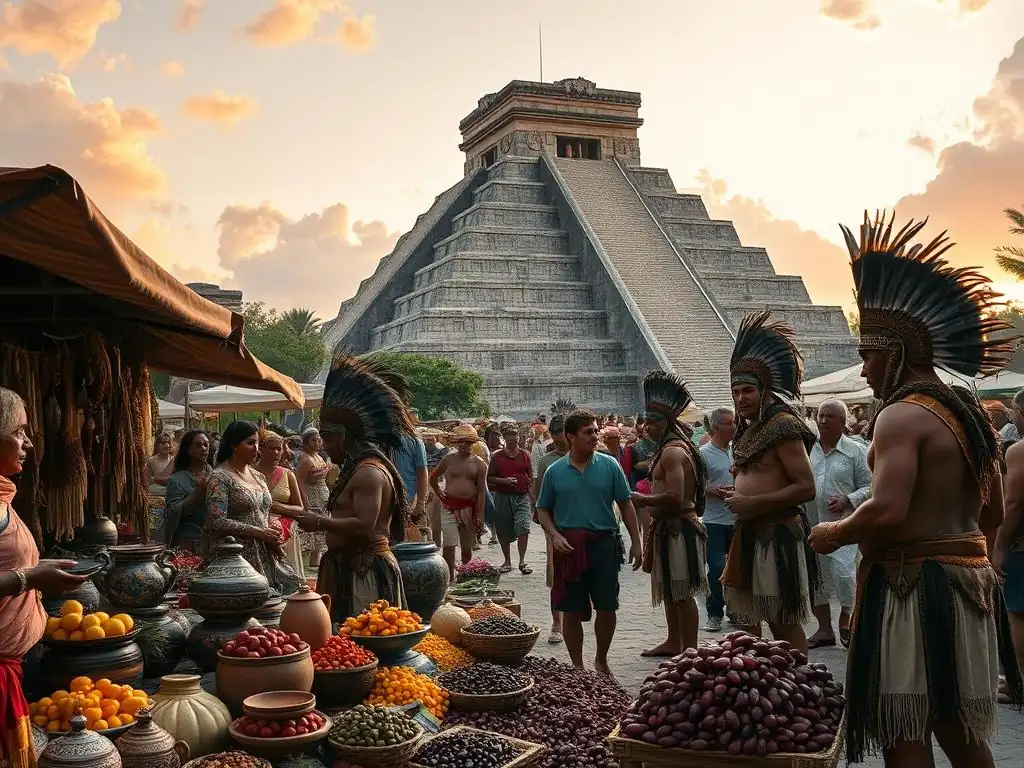
Welcome to Indigenous Civilizations of the Americas, where we invite you to embark on a journey through the rich tapestry of pre-colonial cultures that flourished across the continent. In this exploration, we delve into the intricate Aztec economic management strategies that not only sustained their vast empire but also showcased their sophisticated understanding of commerce and governance.
As you uncover the fascinating dynamics of tribute and taxation, prepare to be captivated by the ingenuity of a civilization that left an indelible mark on history. Join us as we peel back the layers of this remarkable society—there’s so much more to discover!
The Aztec civilization, one of the most remarkable indigenous cultures in pre-Columbian America, developed intricate systems of governance and economic management that significantly contributed to their power and stability. At the heart of their economic strategies were the concepts of tribute and taxation, mechanisms that allowed the Aztecs to harness resources from their vast network of city-states and surrounding territories.
This article delves into the various Aztec economic management strategies, exploring how tribute collection and taxation underpinned their political structure, sustained their military endeavors, and facilitated cultural advancements. By examining these strategies, we gain insight into the complex interplay between economics and governance that characterized Aztec society and its lasting impact on the Americas.
The Role of Tribute in Aztec Economy
Tribute was a fundamental element of the Aztec economic system, serving as a primary means of resource allocation from conquered peoples and allied city-states. The tribute system involved the collection of goods, services, and labor, which were then redistributed throughout the empire.
- Types of Tribute:
- Agricultural products: corn, beans, and chili peppers.
- Craft goods: textiles, pottery, and jewelry.
- Raw materials: obsidian, wood, and metals.
This diverse array of tribute not only enriched the Aztec capital, Tenochtitlan, but also facilitated trade with other regions, enhancing economic interdependence.
Taxation as a Tool for Governance
In addition to tribute, taxation played a crucial role in the Aztec economy, particularly in funding public projects and military campaigns. Taxes were generally levied on commoners and were often paid in the form of labor, goods, or services.
- Types of Taxes:
- Land taxes: based on the size and productivity of agricultural plots.
- Trade taxes: imposed on merchants and traders involved in long-distance commerce.
These taxes contributed to the maintenance of infrastructure, such as roads and temples, and supported the administrative functions of the empire.
The Economic Consequences of Tribute and Taxation
The systems of tribute and taxation had profound implications for the Aztec economy, influencing everything from social hierarchies to military strength.
- Social Stratification: The distribution of wealth and resources from tribute often favored the nobility, creating a distinct class structure.
- Military Funding: Adequate tribute and tax revenues allowed the Aztecs to maintain a powerful military, enabling further expansion and conquest.
Through these mechanisms, the Aztecs were able to sustain their empire and exert influence over a vast region, showcasing their sophisticated approach to economic management.
Conclusion
Understanding the tribute and taxation systems of the Aztecs reveals the complexities of their economic strategies and the pivotal role these mechanisms played in their governance and societal structure. As we explore the intricacies of Aztec economic management strategies, it becomes clear that their achievements were not only a result of military prowess but also of their adept handling of economic power.
- The Role of Tribute in Aztec Economy
- Taxation as a Tool for Governance
- The Economic Consequences of Tribute and Taxation
- Conclusion
Introduction to Aztec Economic Management
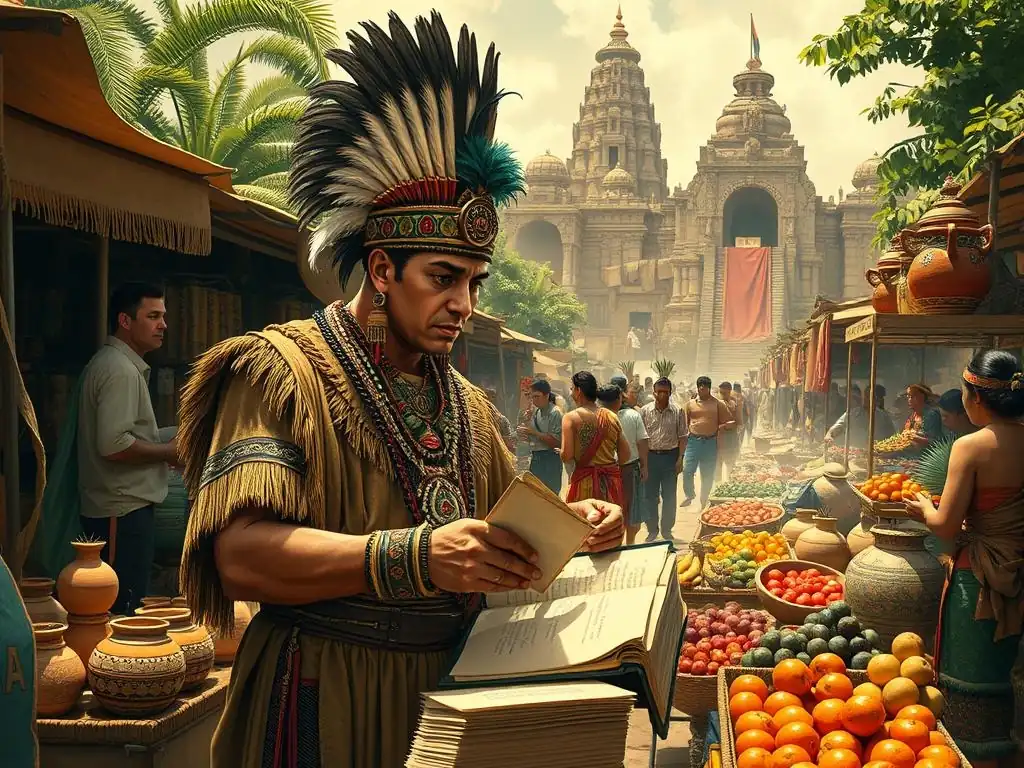
The Aztec civilization, known for its rich cultural heritage and advanced societal structures, developed sophisticated economic management strategies that were integral to its political and social fabric. These strategies not only facilitated the empire's growth but also ensured its sustainability in the face of various challenges. At the heart of these economic practices were systems of tribute and taxation, which enabled the Aztecs to exert control over a vast territory and diverse populations.
Overview of Aztec Civilization
The Aztec Empire, flourishing between the 14th and 16th centuries, was characterized by its unique political, social, and economic systems. Centered in the Valley of Mexico, the Aztecs established a complex society comprised of various city-states, each with its own governance and economic practices. The capital, Tenochtitlán, was a bustling metropolis that served as the political and economic heart of the empire.
- Key Characteristics of Aztec Society:
- Highly Stratified Social Structure: The society was hierarchical, with the emperor at the top, followed by nobles, priests, merchants, artisans, and farmers.
- Religion and Economy: Religious practices were intertwined with economic activities, as rituals often involved offerings of goods and services.
- Military Expansion: The Aztecs expanded their territory through military conquests, integrating various cultures and economies into their own system.
The economic framework of the Aztec civilization was multi-faceted, relying heavily on agriculture, trade, and tribute collection. The cultivation of staple crops like maize, beans, and squash formed the backbone of their economy, while networks of trade routes facilitated the exchange of goods across vast distances.
Importance of Economic Strategies in Aztec Society
Economic strategies in Aztec society were crucial for maintaining power and stability within the empire. The systems of tribute and taxation not only supported the ruling class but also ensured the provision of resources to sustain the population.
- Tribute System:
- The Aztecs imposed tribute on conquered city-states, which was typically paid in the form of goods such as textiles, food, and precious materials. This system effectively redistributed wealth and resources, bolstering the central economy.
- Examples of Tribute:
- Food Supplies: Cities like Tlaxcala provided maize and beans.
- Luxury Items: Regions such as Oaxaca contributed feathers and jade.
- Taxation Mechanisms:
- The taxation system was structured to collect a portion of agricultural produce and goods from the populace, which was then allocated to support various state functions, including the military and religious institutions.
- Forms of Taxation:
- Direct Taxes: Levied on agricultural output.
- Labor Tax: Required citizens to participate in public works and construction projects.
- Impact on Society:
- These economic strategies allowed for the maintenance of a strong military, the construction of monumental architecture, and the support of a complex religious system. The surplus generated through these strategies not only enhanced the wealth of the ruling elite but also fostered a sense of collective identity among the Aztec people.
The Aztec economic management strategies, particularly through tribute and taxation, were vital for the empire's success, influencing its political power, social structure, and cultural development. Understanding these strategies provides insight into the sophisticated governance and economic practices of one of the most remarkable civilizations in history.
The Role of Tribute in Aztec Economic Management
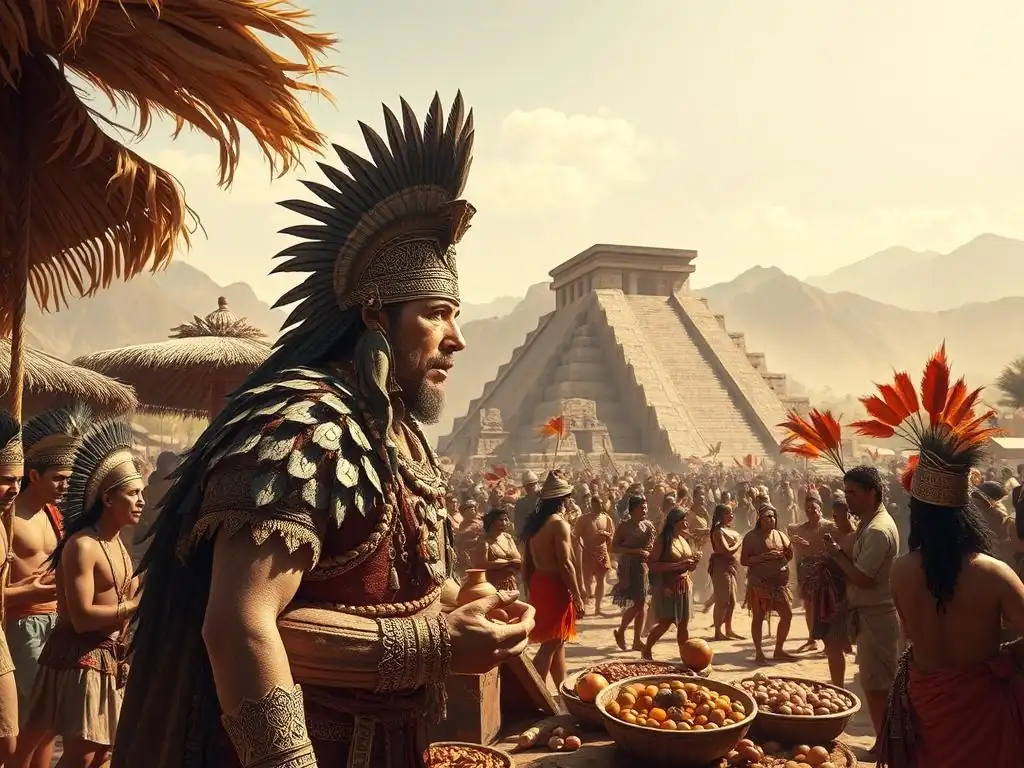
Tribute was a foundational element of the Aztec economic management strategies, serving as the primary means through which the empire generated revenue and maintained its vast political and military influence. The system of tribute allowed the Aztecs to collect resources from conquered territories, which were essential for sustaining their capital, Tenochtitlan, and supporting their social, religious, and military activities.
Definition and Purpose of Tribute in the Aztec Economy
In the context of the Aztec economy, tribute refers to the goods and services that subjugated cities and regions were required to provide to the Aztec rulers. This practice was not merely a form of taxation; it was deeply intertwined with the political structure and cultural practices of the Aztec civilization.
- Economic Sustenance: Tribute provided the Aztecs with essential agricultural products, textiles, precious metals, and luxury goods, ensuring a steady flow of resources to support the population of Tenochtitlan.
- Political Control: By imposing tribute obligations, the Aztecs reinforced their dominance over vassal states, ensuring loyalty and deterring rebellion. This system created a network of dependent regions that were economically tied to the empire.
- Cultural Integration: The tribute system also facilitated cultural exchange and integration, as tribute items often included local crafts and specialties that enriched the Aztec society and its markets.
Types of Tribute Collected by the Aztecs
The Aztec tribute system was diverse, with various types of goods collected from different regions. The primary categories of tribute included:
- Agricultural Products:
- Maize, beans, and squash were staple crops.
- Other products included cacao, chili peppers, and tomatoes, which were significant for both sustenance and trade.
- Textiles:
- Cotton and maguey fibers were common, with intricate designs showcasing local artistry.
- Feathers from exotic birds were highly valued, used in clothing, headdresses, and ceremonial items.
- Precious Metals and Stones:
- Gold and silver were often extracted from regions rich in these resources and sent to the Aztec rulers.
- Jade and other stones were also collected, important for crafting jewelry and ceremonial objects.
- Luxury Goods:
- Items such as jewelry, handicrafts, and exotic items like seashells were collected as tributes, reflecting the cultural diversity of the empire.
The tribute system was not static; it evolved based on the political climate and economic needs of the Aztecs. As conquests expanded, so did the variety of items collected, enriching the empire’s resources.
Regions and Peoples Subject to Tribute
The reach of the Aztec Empire extended across various regions, each contributing to the tribute system based on its unique resources and economic capabilities. Some notable regions and peoples included:
- The Valley of Mexico:
- Home to many city-states that were directly integrated into the tribute system.
- Notable contributors included Texcoco and Tlacopan, which were key allies in the Triple Alliance.
- Oaxaca:
- Known for its rich agricultural lands, Oaxaca provided maize and textiles.
- The Mixtec and Zapotec cultures in this region were significant tributaries.
- The Gulf Coast:
- Regions such as Veracruz contributed cacao and cotton, essential for trade and consumption.
- The Totonac people were among those who supplied goods, reflecting their agricultural wealth.
- The Maya Regions:
- Areas in present-day Guatemala and southern Mexico contributed luxury goods and resources.
- The tribute system created complex interactions with the diverse Maya city-states.
The tribute system was a crucial component of Aztec economic management strategies. It not only ensured the prosperity of the empire but also solidified political relationships and cultural exchanges across Mesoamerica. Understanding this multifaceted system provides insight into how the Aztecs effectively governed and sustained their civilization in a diverse and dynamic landscape.
Taxation Systems in the Aztec Empire
Overview of Taxation in Aztec Governance
The Aztec Empire, known for its complex political and economic systems, utilized taxation as a fundamental element of governance. Taxation in the Aztec Empire was not merely a means of revenue generation; rather, it played a critical role in maintaining social order and supporting the state's infrastructure. The system was intricately linked with the empire's administrative structure, relying on a hierarchical organization that ensured efficient collection and distribution of resources.
At its core, the taxation system was designed to reflect the empire's values and priorities. Tribute was collected from conquered territories, while various taxes were imposed on the local populace. The Aztecs employed a dual taxation model that included both direct and indirect taxes, ensuring that all citizens contributed to the empire's wealth. This system allowed the Aztecs to fund military campaigns, support religious institutions, and maintain public works, thereby reinforcing their authority.
Types of Taxes Imposed on Citizens
The Aztec taxation system comprised multiple types of taxes, each with its unique characteristics and purposes. These included:
- Tribute Tax:
- Collected from conquered city-states, this tax often consisted of goods such as food, textiles, and precious metals.
- The tribute was used to support the capital, Tenochtitlan, and to fund the ruling class.
- Direct Taxes:
- Imposed on the citizens of the empire, these taxes were often paid in the form of agricultural products or labor services.
- Citizens were required to contribute a specific amount of their harvest or provide labor for public projects.
- Indirect Taxes:
- These included taxes on trade and commerce, such as market fees and tariffs on goods transported through the empire.
- Merchants would pay a percentage of their profits to the state, which helped regulate commerce and ensure the flow of goods.
- Special Assessments:
- Occasionally, the Aztec rulers would impose additional taxes for specific projects, such as military campaigns or large-scale public works.
- These assessments were often temporary but could place a significant burden on the populace.
The diversity of these taxation types allowed the Aztec Empire to adapt to changing circumstances and ensure a steady flow of resources to support its vast administrative and military apparatus.
The Relationship Between Tribute and Taxation
The interplay between tribute and taxation in the Aztec Empire is essential for understanding their economic management strategies. While tribute was primarily a means of acquiring resources from subjugated peoples, it functioned in tandem with internal taxation, creating a robust economic framework.
- Resource Allocation:
- Tribute collected from conquered territories provided the empire with a surplus of goods, which could be redistributed within the empire.
- This surplus allowed the Aztecs to maintain large urban centers and support their elite class.
- Social Stability:
- By imposing taxes alongside tribute, the Aztec rulers ensured that all segments of society contributed to the empire's prosperity.
- This collective obligation fostered a sense of unity and loyalty among the populace, as everyone had a stake in the empire's success.
- Economic Control:
- The relationship between tribute and taxation enabled the Aztecs to exert control over their economy.
- By regulating trade and enforcing tax collection, the Aztecs maintained a strong grip on wealth distribution, which was crucial for sustaining their power.
The Aztec economic management strategies were characterized by a sophisticated taxation system that leveraged both tribute and taxes to maintain the empire's vast political and social structures. This intricate relationship underscores the importance of economic planning in the governance of one of the most powerful civilizations in pre-Columbian America.
Mechanisms of Economic Control in the Aztec Empire
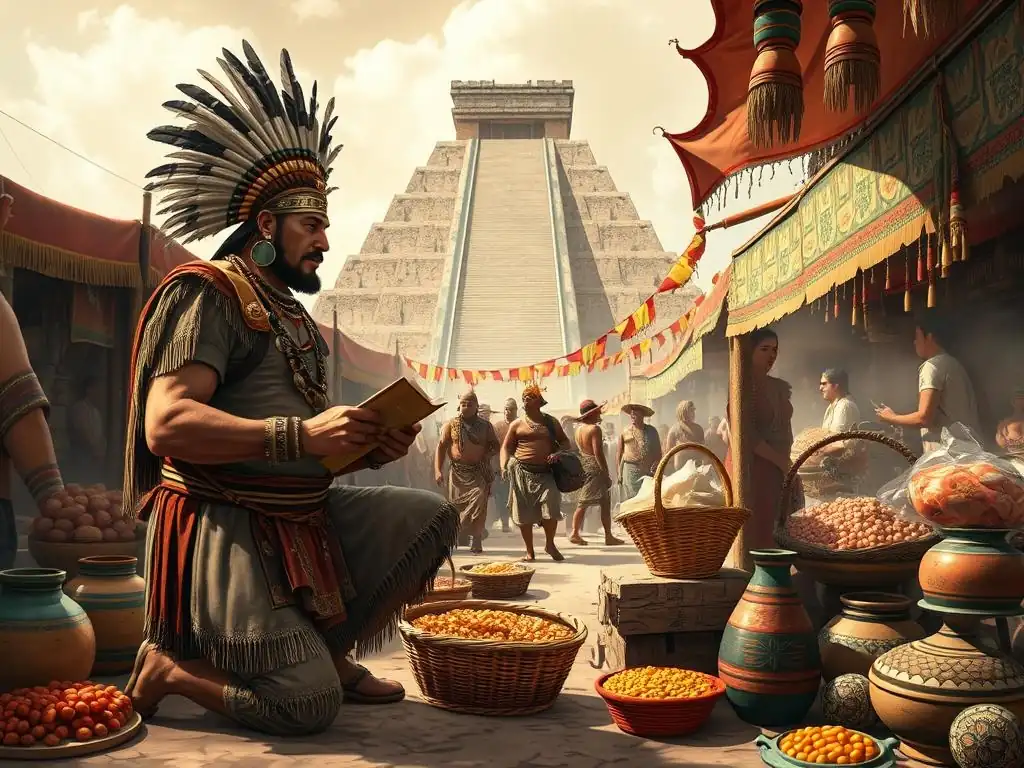
The Aztec Empire developed a sophisticated system of economic management that allowed it to maintain power and control over its vast territory. Central to this system were mechanisms of tribute and taxation, which were essential for resource distribution and wealth accumulation. This economic framework was intricately linked to the political structure of the empire, reflecting both centralized and decentralized elements.
The Role of the Calpulli in Economic Management
The calpulli, or clans, were foundational units of Aztec society that played a vital role in economic management. Each calpulli was responsible for a specific geographic area and comprised families that shared land, resources, and responsibilities. Here’s how they contributed to economic control:
- Land Ownership: The calpulli collectively owned land, which was allocated to families based on need and ability to cultivate. This communal ownership helped regulate agricultural production and ensured food security within the community.
- Tribute Collection: Each calpulli was responsible for collecting tributes from its members. These tributes often included agricultural products, textiles, and crafts, which were then sent to the central government or used to support local rituals and leaders.
- Labor Organization: Calpullis managed labor by organizing work parties for agricultural tasks, construction projects, and military service. This system ensured that labor was used efficiently and that all members contributed to the economic well-being of the clan.
The calpulli system exemplified a decentralized approach to economic management, allowing for local governance while still serving the broader needs of the empire.
Centralized vs. Decentralized Economic Strategies
The Aztec Empire employed a mix of centralized and decentralized economic strategies, which allowed it to effectively manage resources across its vast territories.
- Centralized Strategies: The central government, led by the emperor and the nobility, exerted control over significant economic resources. This included the enforcement of tribute systems, where conquered provinces were required to pay tribute in the form of goods, labor, or services. The central authority oversaw major markets and established regulations to control pricing and trade practices. This helped maintain order and maximize revenue for the empire.
- Decentralized Strategies: In contrast, local leaders, such as those from the calpulli, managed day-to-day economic activities. They were responsible for local resource management, ensuring that the needs of their communities were met. This decentralized approach allowed for flexibility and adaptability to local conditions, such as crop yields and labor availability.
The combination of these strategies created a robust economic framework that supported the empire’s expansion and stability.
The Role of Markets in Aztec Economy
Markets were vital to the Aztec economy, acting as hubs for trade, social interaction, and economic regulation. They facilitated the exchange of goods and services, contributing to both local and regional economies.
- Market Structure: Aztec markets were typically organized around specific goods, such as food, textiles, and crafts. They were open-air markets that operated on designated days, attracting traders from various regions. The most famous market was Tlatelolco, known for its size and diversity of goods.
- Barter System: The Aztecs primarily operated on a barter system, where goods were exchanged directly. However, certain commodities, like cacao beans and cotton cloth, functioned as a form of currency, providing a standardized measure of value that facilitated trade.
- Economic Regulation: The government regulated markets to ensure fair trade practices. Officials monitored prices and quality, and they imposed penalties for fraud or dishonesty. This regulation helped maintain economic stability and trust among traders.
The role of markets in the Aztec economy showcases the skillful blend of local initiatives and overarching governance, illustrating the complexity of Aztec economic management strategies.
Through these mechanisms, the Aztecs were able to consolidate economic power, enforce tribute collections, and manage resources effectively, which contributed significantly to the strength and longevity of their civilization.
The Impact of Tribute and Taxation on Aztec Society
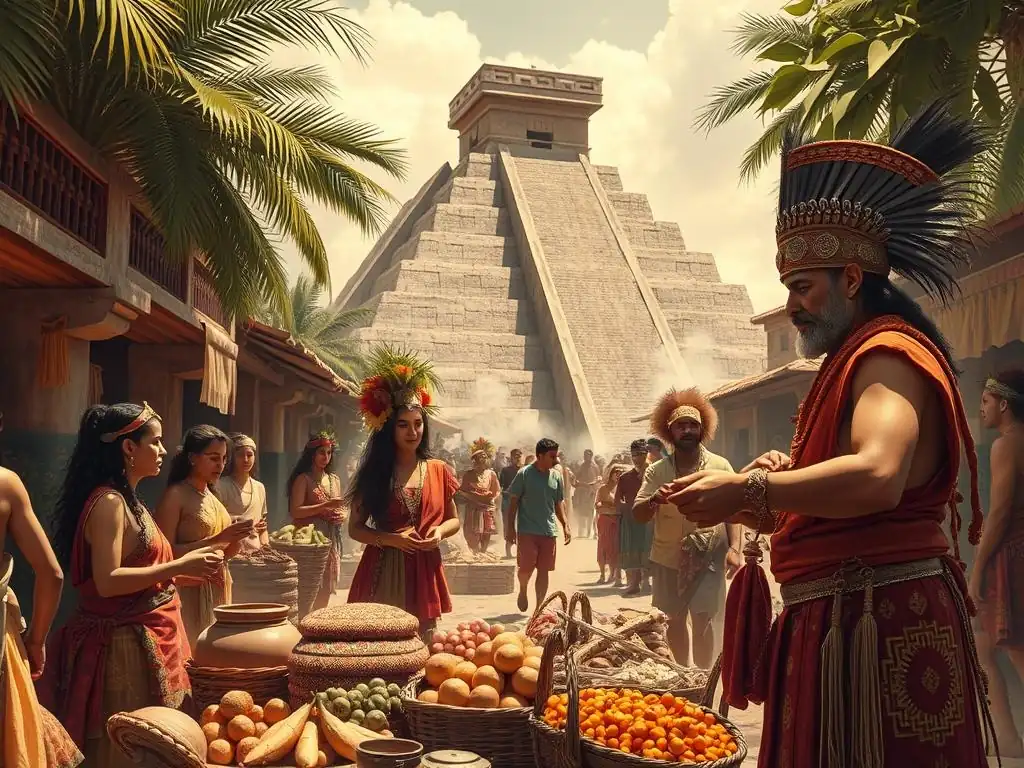
The tribute and taxation system of the Aztec Empire played a crucial role in shaping its social hierarchy and highlighting economic disparities among different classes. The society was stratified into distinct classes, which included nobles (pipiltin), commoners (macehualtin), and slaves (tlacotin). Tribute obligations primarily fell upon the commoners, who were required to contribute a portion of their produce, textiles, and other goods to the ruling class.
- Nobles (Pipiltin): This elite class enjoyed significant privileges, including exemption from tribute and taxes. Their wealth and status allowed them to accumulate vast lands and resources, further entrenching their power within society.
- Commoners (Macehualtin): The backbone of the economy, commoners were responsible for agricultural production, craftwork, and trade. Their tribute payments often left them with limited resources, fostering economic disparities within the society.
- Slaves (Tlacotin): While they constituted a minority, slaves played an essential role in the economy. They were often prisoners of war or individuals who had fallen into debt. Their labor contributed to the wealth of their owners, who were typically nobles or affluent commoners.
The tribute system not only reinforced these social divisions but also created a dependency relationship between the ruling class and the commoners. This structure meant that commoners had to labor extensively to meet their tribute obligations, often leading to cycles of poverty and hardship. The disparities were particularly apparent during times of drought or crop failures, where the burden of tribute could threaten the very survival of the lower classes.
The Role of Wealth in Political Power
Wealth generated through tribute and taxation was a fundamental pillar of political power in the Aztec Empire. The ability to collect and manage tribute allowed the ruling elite to maintain their authority and exert influence over the populace. This dynamic can be observed in several key aspects:
- Military Expansion: The wealth acquired through tribute facilitated military campaigns, which further expanded territories and resources. The tribute system incentivized conquests, as newly acquired regions were compelled to pay tribute to the Aztec rulers, thereby increasing their wealth and power.
- Political Alliances: Wealth was often used to forge alliances with other city-states or tribes. In exchange for tribute relief or favorable trade agreements, rulers could gain loyal allies, solidifying their political influence.
- Ceremonial Displays: The Aztecs held elaborate ceremonies that required significant resources. Wealth accumulated from tribute allowed the ruling class to sponsor these events, reinforcing their status as divine leaders and maintaining public support.
- Redistribution: While the elite amassed wealth, they also engaged in the redistribution of resources to gain favor among the populace. This practice served to placate commoners and maintain social order, demonstrating how economic management strategies were intricately linked to political stability.
The interplay between wealth and political power in the Aztec Empire underscores the importance of economic management strategies in maintaining control and influence over a large and diverse population.
Contributions of Tribute to Public Works and Infrastructure
The tribute system was not solely a mechanism of economic extraction; it also played a vital role in funding public works and infrastructure that benefited the entire empire. The contributions from various regions were utilized in several significant ways:
- Urban Development: Tribute allowed for the construction of impressive urban centers, such as Tenochtitlán, which featured intricate canals, causeways, and temples. These developments were not only functional but also symbolized the power and sophistication of the Aztec civilization.
- Agricultural Projects: Investments in irrigation systems, terracing, and chinampas (floating gardens) were made possible through tribute resources. These agricultural innovations enhanced food production, ensuring a stable food supply for the growing population.
- Road Networks: The Aztecs established extensive road systems that facilitated trade and communication across the empire. Tribute funds supported the construction and maintenance of these roads, which were crucial for the movement of goods, troops, and information.
- Public Buildings and Temples: The construction and maintenance of temples and public buildings were often funded by tribute. These structures served as religious and administrative centers, reinforcing the ideological and political framework of the Aztec state.
Tribute and taxation were central to Aztec economic management strategies, shaping not only the social hierarchy but also the political landscape and infrastructure of the empire. The effective administration of these systems allowed the Aztecs to flourish and exert influence across Mesoamerica, leaving a lasting legacy that continues to be studied today.
Conclusion: Legacy of Aztec Economic Management Strategies
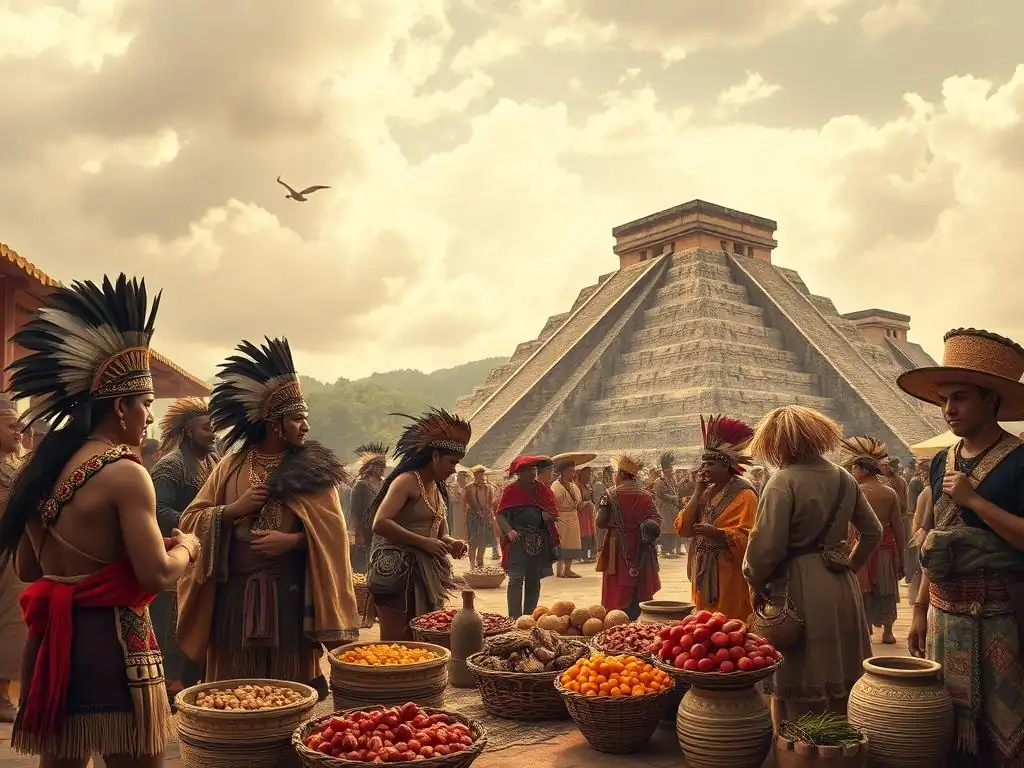
The Aztec civilization's economic management strategies, particularly regarding tribute and taxation, have left a profound legacy that resonates even today. By understanding the complexities of their economic systems, we can appreciate how the Aztecs effectively mobilized resources, managed trade, and maintained social order. Their approach was not merely about collecting wealth but about fostering a network of interdependence among diverse city-states, creating a robust economic framework that sustained their empire for centuries.
Long-Term Effects of Tribute and Taxation on Indigenous Economies
The tribute and taxation systems employed by the Aztecs had significant long-term effects on indigenous economies in Mesoamerica. These systems influenced not only the wealth distribution within their own society but also set precedents for economic interactions among neighboring tribes and cultures.
- Resource Redistribution: The tribute system allowed for the redistribution of resources from tribute-paying regions to the central capital, Tenochtitlan. This mechanism enabled the Aztecs to maintain a surplus, which was crucial during times of famine or regional conflicts.
- Economic Integration: The imposition of tribute fostered economic integration among various city-states, creating a network of trade that was vital for cultural exchange and mutual support. As different regions specialized in various goods—such as textiles, cacao, and pottery—this interdependence strengthened the overall economic resilience of the region.
- Cultural Continuity: The methods of tribute collection often included cultural elements that ensured the persistence of indigenous traditions. Festivals and ceremonies related to tribute not only served as reminders of loyalty to the Aztec Empire but also reinforced local identities and practices.
- Impact on Subsequent Civilizations: The frameworks established by the Aztecs influenced later indigenous societies and colonial administrations that followed. The systems of tribute and taxation were adapted, emulated, or resisted by subsequent generations as they navigated the complexities of governance and economic management.
Lessons from Aztec Economic Management for Modern Societies
Modern societies can glean valuable insights from the Aztec economic management strategies, particularly in the realms of resource allocation, governance, and community engagement.
- Sustainable Resource Management: The Aztecs practiced a form of economic governance that emphasized sustainability. By managing agricultural practices through techniques like chinampas (floating gardens), they ensured a reliable food supply. Modern societies can learn from these sustainable practices to address contemporary challenges related to food security and environmental sustainability.
- Community Involvement in Economic Systems: The Aztecs involved local communities in the tribute system, ensuring that they had a stake in the prosperity of the empire. This model of community engagement can be applied today, where inclusive economic policies can lead to more robust and equitable growth.
- Balanced Trade Relationships: The emphasis on trade and the interdependence of various city-states highlight the importance of balanced trade relationships. Modern economies can benefit from fostering partnerships that prioritize mutual benefit rather than exploitative practices.
- Cultural Significance of Economic Policies: The Aztec tribute system was not merely economic; it was deeply intertwined with cultural identity and social cohesion. Current policymakers can take note of how economic strategies impact cultural heritage and social structures, ensuring that economic development does not come at the expense of cultural values.
The Aztec economic management strategies illustrate the intricate balance between governance, resource management, and social cohesion. By examining these historical practices, modern societies can find inspiration to create more effective and sustainable economic systems that honor both cultural heritage and community well-being.
References
Scholarly Articles and Books on Aztec Economic Strategies
The study of Aztec economic management strategies has been a focal point for many scholars, shedding light on how this civilization effectively harnessed resources and wealth. Below is a selection of key scholarly articles and books that delve into various aspects of Aztec economic systems:
- "The Aztec Economy: A Study of the Economic and Social Structure" by M. A. V. M.
- This comprehensive analysis examines the intricate economic systems of the Aztecs, focusing on trade, tribute, and resource allocation.
- "Wealth and Power in the Aztec Empire" by J. A. Smith
- Smith explores how the Aztecs utilized tribute to consolidate power and wealth, while also discussing the implications of their economic strategies on societal structure.
- "Tribute and Trade: The Economic Foundations of the Aztec Empire" by C. R. Gonzalez
- This article provides an in-depth look at how tribute and trade were interlinked in Aztec economic management, offering insights into their governance and resource distribution.
- "The Role of Markets in the Aztec Economy" by L. D. Martinez
- Martinez analyses the significance of markets in the Aztec economy, highlighting market dynamics and the role of merchants in sustaining economic growth.
- "Aztec Society and Economy: A Historical Perspective" by R. J. Turner
- This book provides a historical overview of Aztec economic policies, focusing on taxation and tribute systems that underpinned their governance.
Additional Resources on Indigenous Civilizations
To further explore the rich tapestry of indigenous cultures and their economic strategies, here are additional resources that provide valuable insights:
- The Handbook of Mesoamerican Mythology by Alana F. Lentz
- A detailed examination of the mythological aspects that influenced economic practices among various indigenous groups, including the Aztecs.
- "Indigenous Peoples and Economic Development in the Americas" (Journal Article)
- This article discusses the broader economic practices of indigenous peoples in the Americas, with comparisons to the Aztec system.
- Online Databases and Archives:
- The Digital Library of the Commons offers a wealth of primary sources and documents related to indigenous governance and economic practices.
- Documentaries:
- "The Rise and Fall of the Aztec Empire" provides visual insights into their economic strategies and governance structures.
- Museum Exhibits:
- The National Museum of the American Indian features exhibits that explore the economic practices of indigenous peoples, including the Aztecs.
These resources collectively enhance the understanding of Aztec economic management strategies and their lasting impact on indigenous civilizations throughout the Americas.
Frequently Asked Questions
What were the main economic management strategies of the Aztecs?
The Aztecs employed various strategies including tribute systems and taxation, which allowed them to efficiently gather resources and redistribute wealth within their society.
How did the Aztec tribute system work?
The tribute system required conquered regions to deliver goods such as food, textiles, and materials, which provided the Aztec Empire with essential resources and reinforced political control.
What role did taxation play in Aztec society?
Taxation complemented the tribute system by imposing taxes on trade and local markets, ensuring a steady flow of revenue that supported the empire's administration and military endeavors.
How did the Aztecs ensure compliance with their economic strategies?
To ensure compliance, the Aztecs utilized a combination of military force and diplomatic relations, fostering alliances and instilling a sense of shared cultural identity among their subjects.
What lasting impact did Aztec economic management have on indigenous cultures?
The Aztec economic management strategies laid the groundwork for complex trade networks and economic systems that influenced later indigenous cultures in the Americas, showcasing their innovative approaches to governance.
Final Reflection: The Enduring Legacy of Aztec Economic Management Strategies
The intricate economic management strategies of the Aztecs remain profoundly relevant today, as they exemplify how a society can harness resources and power through innovative systems of tribute and taxation. In a world where economic disparities continue to widen, the lessons drawn from the Aztec civilization challenge us to rethink our own approaches to resource distribution and societal organization. The Aztecs not only built a thriving economy but also established a framework that allowed for the equitable sharing of wealth, a concept that resonates with contemporary discussions on economic justice.
The influence of Aztec economic management strategies extends far beyond their time, shaping cultural narratives and social structures that persist in modern societies. The way the Aztecs integrated tribute systems into their economic framework serves as a reminder of the importance of communal responsibility and resource sharing. As historian Michael E. Smith noted, The Aztec economy was not just about wealth accumulation; it was a complex interplay of social obligations and economic interdependence.
This observation underscores the need for us to recognize the interconnectedness of our economic systems and the impact they have on our communities.
As we reflect on the lessons from the Aztec civilization, I invite you to consider how these historical strategies can inform your own understanding of economic power and responsibility. What can we learn from the past to create a more equitable future? By embracing the principles of shared wealth and community engagement, we can foster a society that values collaboration over competition. Let the legacy of the Aztecs inspire you to take action in your own life, advocating for economic practices that promote fairness and sustainability for all.
Unveil the Secrets of Aztec Economic Power!
Thank you for joining us on this fascinating journey through the economic practices of the Aztecs! Your engagement with the intricacies of tribute and taxation highlights the innovative ways they managed their society's wealth. Now, let's take your newfound knowledge to the next level!
Here are some ways you can put what you've learned into action:
- Explore further by diving into additional resources about indigenous economies; uncover unique insights that broaden your understanding of ancient systems.
- Share this article with friends or on social media—ignite discussions about the historical significance of economic management across different cultures!
- Join an online forum or local group focused on indigenous histories to connect with enthusiasts who share your interests.
What aspect of Aztec economic strategies intrigues you the most, and how might these practices inspire contemporary economic systems?