
Teotihuacan: The Architectural Marvel of Mesoamerica and Its Lasting Legacy

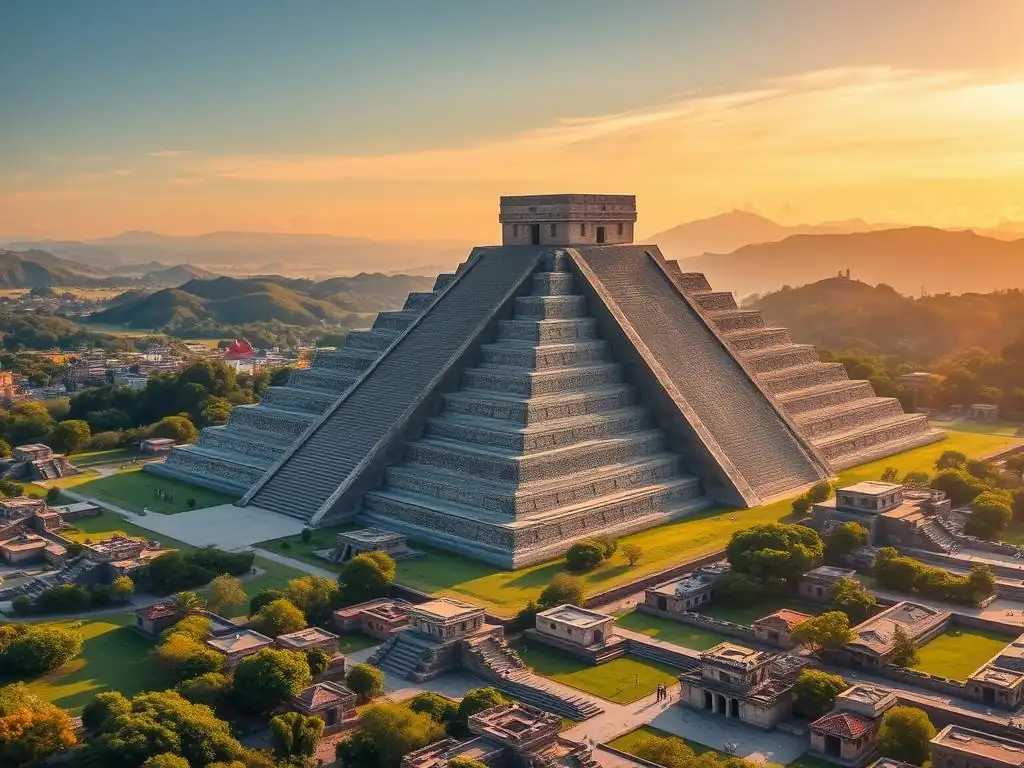
Welcome to Indigenous Civilizations of the Americas, where we invite you on a captivating journey through the rich tapestry of indigenous cultures that flourished long before European arrival. In this exploration, we delve into one of the most impressive legacies of Mesoamerica: the Teotihuacan architectural achievements overview. Discover how this ancient city, with its monumental pyramids and intricate urban planning, not only shaped the landscape of its time but also left an indelible mark on future generations.
Join us as we uncover the stories behind these architectural marvels and their significance in the broader narrative of indigenous civilizations. Your adventure into the past begins here!
- Introduction to Teotihuacan: Mesoamerica's Architectural Marvel
- Historical Context of Teotihuacan
- Teotihuacan Architectural Achievements Overview
- The Influence of Teotihuacan on Later Mesoamerican Cultures
- Preservation and Archaeological Discoveries at Teotihuacan
- Conclusion: The Lasting Legacy of Teotihuacan's Architectural Achievements
- Frequently Asked Questions
- Final Reflection: The Enduring Legacy of Teotihuacan's Architectural Marvels
- Unveil the Wonders of Teotihuacan Today!
Introduction to Teotihuacan: Mesoamerica's Architectural Marvel
Teotihuacan stands as one of the most significant and awe-inspiring cities in Mesoamerican history, renowned for its monumental architecture and urban planning. Established around 200 BCE, it flourished from the 1st to the 7th century CE, becoming a cultural and economic hub long before the arrival of Europeans. This ancient city, located near modern-day Mexico City, is characterized by its impressive structures, such as the Pyramids of the Sun and Moon, and the Avenue of the Dead, which showcase the ingenuity and artistic vision of its builders.
Teotihuacan's architectural achievements not only reflect the technological advancements of its time but also offer insights into the social and religious practices of its inhabitants. Through an exploration of Teotihuacan's monumental cityscape, we can appreciate its lasting legacy on subsequent civilizations and its pivotal role in shaping Mesoamerican culture.
Overview of Teotihuacan's Significance in Mesoamerican History
Teotihuacan is often referred to as the "City of the Gods," a testament to its central role in the spiritual and political landscape of ancient Mesoamerica. At its peak, it is estimated that the city housed over 100,000 inhabitants, making it one of the largest urban centers in the world during its time.
The city served as a melting pot of various cultures, where people from different regions came together, influencing each other in language, art, and religion. The architectural design of Teotihuacan reflects a sophisticated understanding of urban planning, with its layout carefully arranged to align with celestial phenomena and religious beliefs.
The influence of Teotihuacan extended far beyond its borders. Artifacts and cultural practices from Teotihuacan have been found across Mesoamerica, indicating that its architectural styles and urban concepts were emulated by subsequent civilizations, including the Aztecs. The city’s monumental architecture not only served as a reflection of its inhabitants' power and religious devotion but also as a blueprint for future societies that sought to emulate its grandeur.
Purpose of the Article: Exploring Teotihuacan's Architectural Achievements
This article aims to provide an in-depth overview of the architectural achievements of Teotihuacan, highlighting the innovative techniques and artistic expressions that characterized its construction. By examining the city's major structures, urban planning, and construction methods, readers will gain a comprehensive understanding of why Teotihuacan is celebrated as an architectural marvel of Mesoamerica.
We will explore:
- The Pyramids of the Sun and Moon: Their scale and significance.
- The Avenue of the Dead: A pivotal axis in the city’s layout.
- Residential complexes: Insights into daily life and social organization.
Through this exploration, we will uncover how these achievements not only defined the architectural landscape of Teotihuacan but also contributed to the city’s enduring legacy in Mesoamerican history.
Historical Context of Teotihuacan
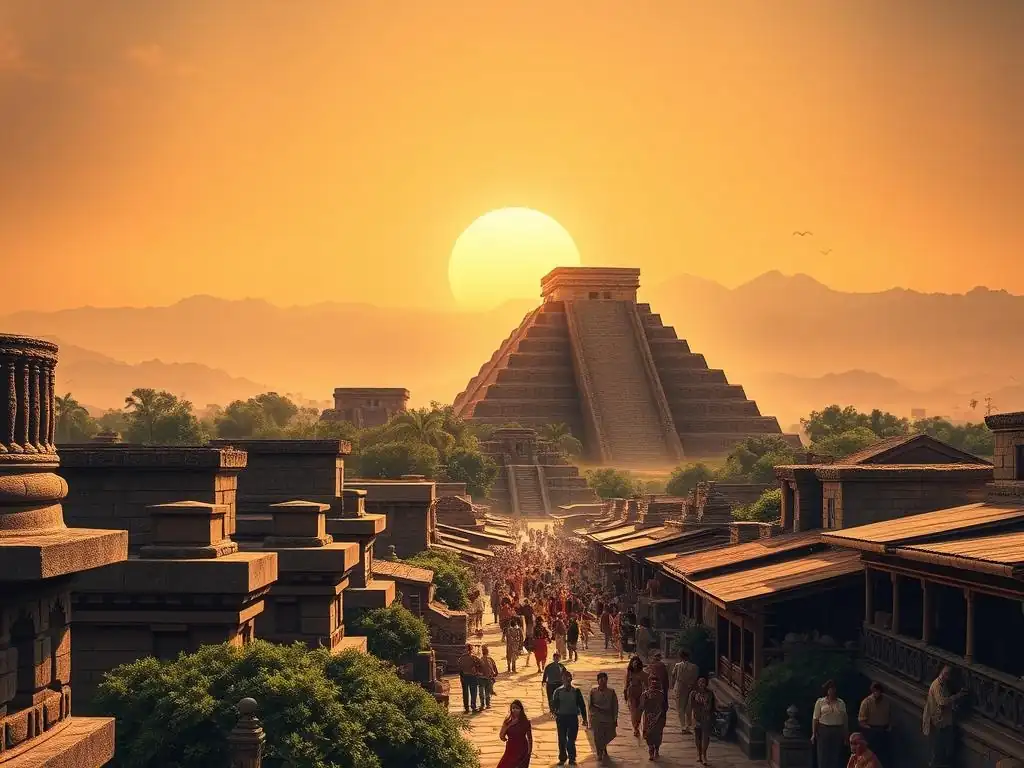
Teotihuacan, located in the Basin of Mexico, is one of the most significant archaeological sites in the Americas, known for its monumental architecture and urban planning. Established around 200 BCE, Teotihuacan became a thriving metropolis by 100 CE and remained influential until its decline around the 7th century. This city is often referred to as the "City of the Gods," reflecting its profound cultural and religious significance in pre-Columbian Mesoamerica.
The historical context of Teotihuacan is essential to understand how its architectural achievements emerged. The city was a complex society that showcased the ingenuity and creativity of its inhabitants. At its peak, Teotihuacan was one of the largest cities in the world, with an estimated population of over 100,000. It served as a major cultural, economic, and political hub, influencing various other Mesoamerican civilizations.
The Rise and Development of Teotihuacan
The rise of Teotihuacan is attributed to several factors, including its strategic location, agricultural productivity, and extensive trade networks. The city's planners utilized the fertile lands of the Basin of Mexico, employing advanced agricultural techniques such as chinampas (floating gardens), which enabled them to support a large population.
The urban layout of Teotihuacan is marked by its impressive grid pattern, which facilitated organized growth and efficient resource distribution. The central avenue, known as the Avenue of the Dead, is flanked by monumental structures, including the Pyramid of the Sun and the Pyramid of the Moon, which were built to serve both religious and political functions.
| Key Phases of Development | Description |
|---|---|
| 200 BCE - 100 CE | Initial settlement and urban planning begin. |
| 100 CE - 500 CE | Peak of urbanization; major monuments constructed. |
| 500 CE - 700 CE | Gradual decline; evidence of social unrest and environmental stress. |
The development of Teotihuacan saw not only architectural advancements but also the emergence of a distinct cultural identity. The city's influence can be seen in the spread of Teotihuacan-style pottery, artwork, and architecture across Mesoamerica, indicating its role as a cultural beacon of the time.
Cultural Influences on Teotihuacan's Architecture
Teotihuacan's architectural achievements were profoundly influenced by various cultural elements from surrounding regions. The city served as a melting pot for different ethnic groups, leading to a unique blend of artistic styles and construction techniques.
- Mesoamerican Cosmology: The design of Teotihuacan’s structures reflects the Mesoamerican belief systems. The alignment of the pyramids with celestial bodies illustrates the civilization's deep connection to astronomy and spirituality.
- Influence from Earlier Cultures: The architectural styles of Teotihuacan were influenced by earlier cultures, including the Olmecs and the Zapotecs. The use of talud-tablero (a sloping base with a vertical panel) in construction is a notable example of this influence, showcasing the adaptation and innovation of architectural forms.
- Materials and Techniques: The builders of Teotihuacan utilized local materials such as volcanic stone and adobe, mastering techniques that allowed them to create enduring structures. The city's emphasis on symmetry and monumental scale echoes the artistic traditions of other Mesoamerican societies.
- Trade and Interaction: Teotihuacan's extensive trade networks facilitated the exchange of ideas and materials, further enriching its architectural landscape. Artifacts from distant cultures found at the site indicate that their architectural styles were also integrated into the city's designs.
The architectural achievements of Teotihuacan are a testament to the city's dynamic cultural influences and its ability to synthesize diverse elements into a cohesive urban identity. The legacy of Teotihuacan's architecture continues to inspire and inform our understanding of ancient Mesoamerican civilizations, highlighting their complexity and sophistication.
Teotihuacan Architectural Achievements Overview
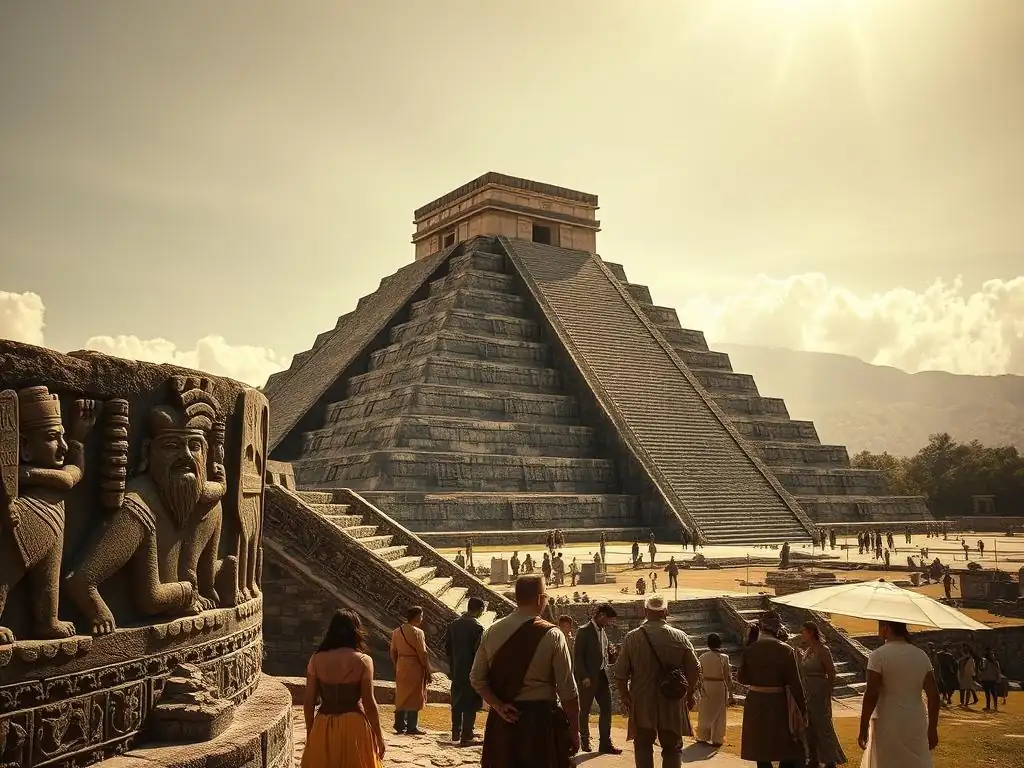
Key Features of Teotihuacan Architecture
Teotihuacan, often referred to as the "City of the Gods," is renowned for its monumental architecture and urban design, which reflect the sophistication and ingenuity of its inhabitants. The city, which reached its peak between 1-700 AD, exhibits a variety of architectural styles and techniques that have left a lasting impression on Mesoamerican culture.
Among the key features of Teotihuacan's architecture are:
- Pyramids: The city is home to some of the largest pyramids in the Americas, including the Pyramid of the Sun and the Pyramid of the Moon. These structures served not only as religious sites but also as symbols of political power.
- Temple Complexes: Elaborate temple complexes, such as the Temple of the Feathered Serpent (Quetzalcoatl), showcase intricate stonework and relief carvings that depict deities and mythological scenes.
- Residential Quarters: The layout of residential areas, such as the Ciudadela, indicates a well-organized community with multi-family dwellings built from adobe and stone, highlighting the social structure of Teotihuacan society.
- Urban Planning: The city was meticulously planned with wide avenues, plazas, and a grid-like arrangement that facilitated trade, transportation, and social interaction among its inhabitants.
The Pyramid of the Sun: A Symbol of Power and Spirituality
The Pyramid of the Sun is one of the most significant structures in Teotihuacan, standing at approximately 65 meters tall and covering an area of over 220,000 square meters. It is not only the largest pyramid in Teotihuacan but also the third largest in the world.
- Construction: Built primarily from volcanic stone, the pyramid's construction involved a complex system of terraces and ramps, allowing for access to its summit.
- Cultural Significance: The pyramid is believed to have been a center for religious ceremonies, with its alignment suggesting astronomical significance related to the sun.
- Symbol of Authority: Its monumental scale likely served to reinforce the political power of the ruling elite, as it was visible from various points within the city, symbolizing both spiritual and temporal authority.
The Pyramid of the Moon: Architectural and Astronomical Significance
The Pyramid of the Moon, located at the northern end of the Avenue of the Dead, complements the Pyramid of the Sun in both size and symbolism.
- Structure and Design: This pyramid is smaller than the Pyramid of the Sun but features a series of five distinct construction phases, indicating its importance over time.
- Astronomical Alignment: The Pyramid of the Moon is aligned with the setting sun during specific celestial events, suggesting its role in religious and agricultural rituals tied to the lunar cycle.
- Burial Sites: Excavations have revealed burial sites at the base, indicating that the pyramid was used for significant ceremonies, possibly including human sacrifices, to honor deities.
The Avenue of the Dead: Urban Planning and Design
The Avenue of the Dead is a central thoroughfare in Teotihuacan that stretches approximately 2.5 kilometers, connecting various key structures within the city.
- Urban Layout: The avenue is flanked by impressive structures, including the Pyramid of the Moon and the Temple of the Feathered Serpent, demonstrating the city’s organized urban planning.
- Civic and Ceremonial Function: This wide avenue served as a focal point for major processions and gatherings, playing a crucial role in both civic life and religious events.
- Symbolic Pathway: The name "Avenue of the Dead" reflects the belief that it was a pathway to the afterlife, with its alignment and structures designed to honor the deceased.
Innovations in Teotihuacan Construction Techniques
Teotihuacan's architectural achievements were not only monumental but also marked by innovative construction techniques that set a precedent for future Mesoamerican civilizations.
Use of Materials: Stone, Adobe, and Other Resources
The construction of Teotihuacan's impressive structures involved a diverse array of materials, showcasing the city's resourcefulness and engineering skills.
- Volcanic Stone: The proximity to volcanic quarries allowed builders to utilize basalt and other volcanic stones, which were durable and suitable for monumental architecture.
- Adobe: Many residential buildings were constructed using adobe bricks, a technique that provided insulation and structural stability.
- Decorative Elements: The use of colorful murals and ceramic tiles in various structures highlights the aesthetic advancements in construction, as well as the cultural emphasis on art and decoration.
Advanced Engineering Practices in Teotihuacan
Teotihuacan's builders employed advanced engineering practices that contributed to the durability and grandeur of their architectural achievements.
- Terracing and Ramping: The construction of pyramids involved sophisticated terracing techniques that allowed for stable structures on uneven terrain, as well as ramps for construction and access.
- Water Management Systems: The city featured an intricate system of canals and drainage, demonstrating an understanding of hydrology that supported agriculture and urban infrastructure.
- Structural Innovations: The use of corbel arches in doorways and ceilings allowed for larger spaces without the need for extensive supporting beams, enabling the creation of vast ceremonial and residential areas.
The architectural achievements of Teotihuacan reflect a deep understanding of urban planning, engineering, and cultural symbolism. These innovations not only characterized the city itself but also influenced subsequent Mesoamerican civilizations, leaving an indelible legacy that endures in the archaeological record today.
The Influence of Teotihuacan on Later Mesoamerican Cultures
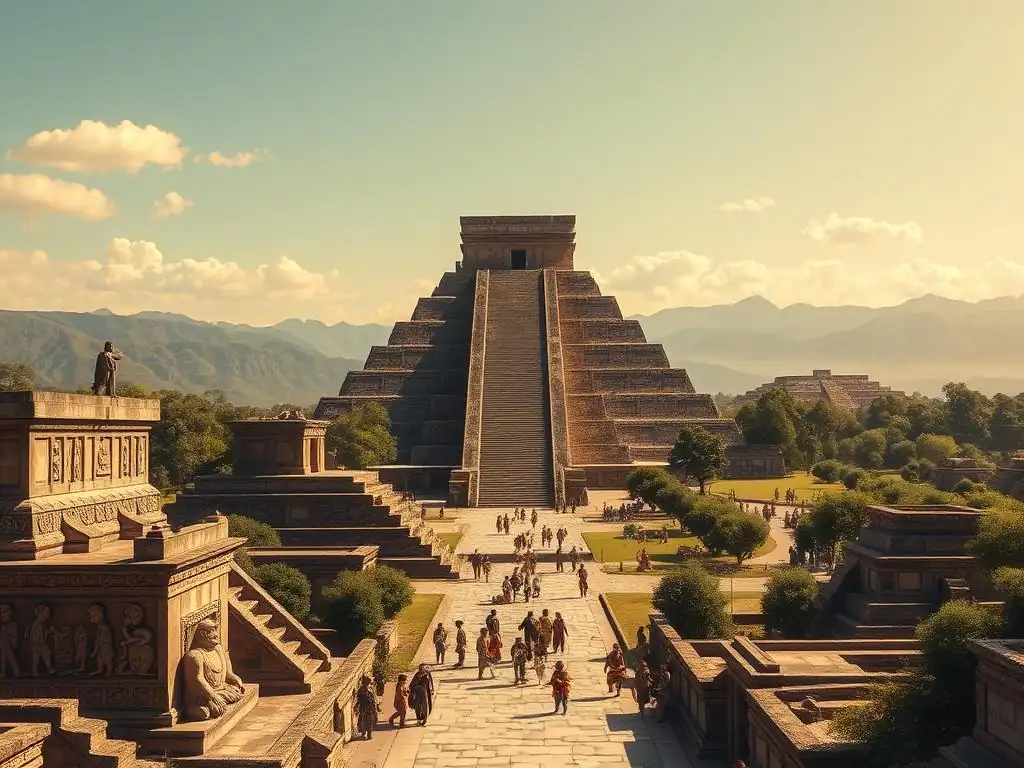
Architectural Legacy: How Teotihuacan Inspired Future Civilizations
The architectural achievements of Teotihuacan stand as a testament to the ingenuity and skill of its builders, influencing numerous cultures across Mesoamerica long after its decline. The city is renowned for its vast urban layout, monumental structures, and innovative construction techniques, which served as a blueprint for subsequent civilizations.
Key Features of Teotihuacan Architecture
- Urban Planning:
- Teotihuacan was meticulously planned, covering approximately 20 square kilometers.
- The Avenue of the Dead served as the main thoroughfare, lined with impressive pyramids and temples, establishing a pattern for urban centers that followed.
- Monumental Structures:
- The Pyramid of the Sun and the Pyramid of the Moon are prime examples of monumental architecture that showcased the city's grandeur.
- These pyramids not only represented religious significance but were also engineering marvels, constructed with precise alignment to astronomical events.
- Construction Techniques:
- Teotihuacan utilized volcanic stone for durability and aesthetic appeal, a technique that would influence the construction methods of later societies, including the Maya and Aztec.
- The use of talud-tablero design, characterized by sloping bases and vertical panels, became a staple in Mesoamerican architecture, setting a precedent for future structures.
The architectural legacy of Teotihuacan can be observed in the monumental cities that arose in its wake, such as Tikal and Monte Albán. These civilizations adopted and adapted Teotihuacan's architectural principles, integrating them into their own urban designs and religious structures.
Cultural and Religious Impact on Neighboring Societies
Teotihuacan was not only an architectural marvel but also a cultural and religious hub that exerted significant influence on surrounding civilizations. Its impact is evident in various aspects of Mesoamerican life, including religion, trade, and social organization.
Religion and Ideology
- Teotihuacan was a center for religious activity, attracting pilgrims from various regions. The city's cosmopolitan nature fostered a blend of religious practices, which would be emulated by neighboring cultures.
- The Feathered Serpent deity, prominently featured in Teotihuacan art and architecture, became a central figure in the pantheon of later Mesoamerican religions, influencing the beliefs of the Toltecs and Aztecs.
Trade and Economic Influence
- Teotihuacan's strategic location facilitated trade networks that extended throughout Mesoamerica. The city's economy thrived on the exchange of goods, ideas, and cultural practices.
- Artifacts found in sites like Cholula and Tlaxcala demonstrate the extensive reach of Teotihuacan's influence, as goods such as obsidian, ceramics, and textiles became highly sought after.
Social Structures
- The urban model of Teotihuacan inspired the development of complex social hierarchies in subsequent Mesoamerican societies. The emphasis on monumental architecture and centralized power influenced the governance structures of later civilizations.
- The integration of diverse cultural elements in Teotihuacan served as a catalyst for cultural exchange among its neighbors, fostering a shared identity that would shape Mesoamerican civilization for centuries.
The profound influence of Teotihuacan on later Mesoamerican cultures is reflected in its architectural achievements and the cultural practices that emerged from its legacy. The city's innovations laid the groundwork for the rich tapestry of Mesoamerican civilization, impacting everything from urban design to religious beliefs and social organization.
Preservation and Archaeological Discoveries at Teotihuacan
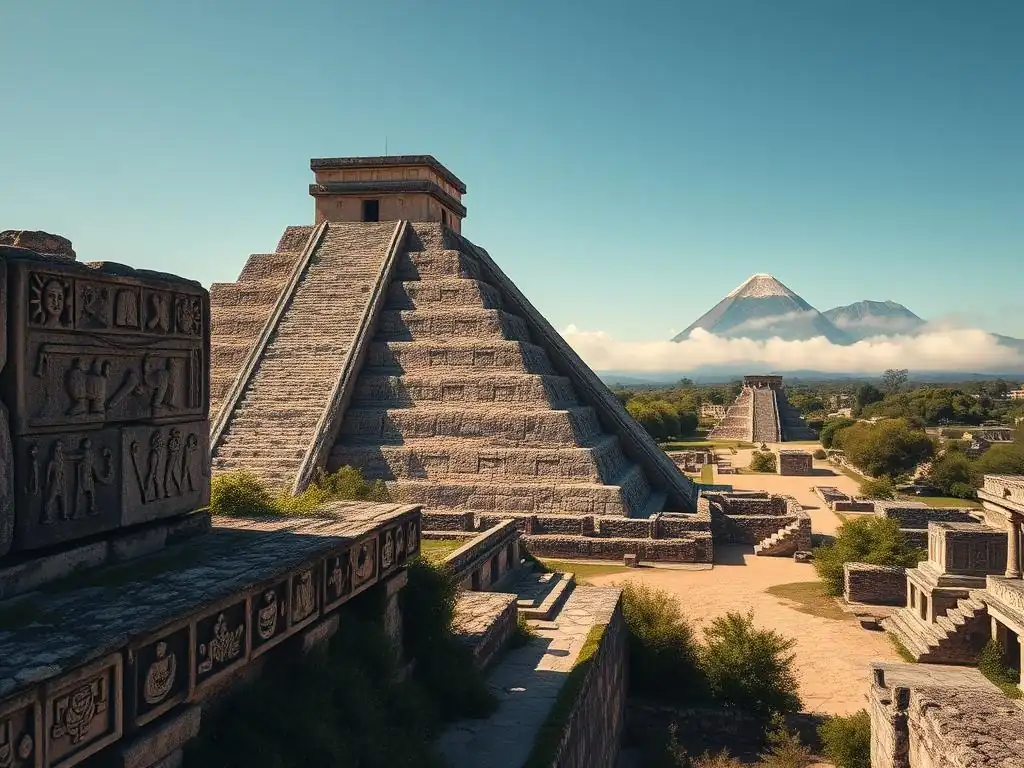
Teotihuacan, often referred to as the "City of the Gods," is not only renowned for its monumental architecture but also for the ongoing efforts to preserve its rich archaeological heritage. The site, which flourished between 100 BCE and 650 CE, is a UNESCO World Heritage Site, and its preservation is crucial for understanding the cultural and historical significance of Mesoamerican civilizations.
Ongoing Excavations and Research Efforts
The archaeological research at Teotihuacan is a continuous endeavor, with numerous excavations aimed at uncovering the mysteries of this ancient city. Teams of archaeologists from various institutions, both local and international, are engaged in detailed studies to understand the urban planning, social structure, and daily life of its inhabitants.
- Recent Discoveries:
- In recent years, archaeologists have uncovered new structures, including residential complexes and ceremonial sites, which provide insights into the social stratification and religious practices of the Teotihuacanos.
- Notably, the discovery of murals depicting deities and ritual scenes has opened avenues for further understanding the spiritual life of the community.
- Technological Advances:
- The use of modern technology, such as LiDAR (Light Detection and Ranging), has revolutionized the way researchers approach the excavation process. This technology allows for the mapping of structures hidden beneath vegetation and soil, facilitating targeted excavations.
- Collaborative Efforts:
- Collaborative projects between Mexican authorities and international archaeological teams have enhanced the scope of research. These partnerships often include contributions from universities and cultural institutions, fostering a comprehensive approach to exploring Teotihuacan’s history and significance.
Challenges in Preserving Teotihuacan's Architectural Heritage
Despite the ongoing efforts to preserve Teotihuacan's architectural marvels, several challenges threaten the integrity of the site:
- Environmental Factors:
- Erosion and Weathering: The natural elements, such as rain and wind, contribute to the erosion of structures, particularly those made from adobe and other vulnerable materials.
- Urban Encroachment: The growth of nearby urban areas poses a risk to the archaeological site, as increased human activity can lead to pollution and physical damage.
- Tourism Impact:
- While tourism provides essential funding for preservation efforts, the influx of visitors can also lead to wear and tear on the site. To mitigate this, sustainable tourism practices are being implemented, such as controlled access to certain areas and the use of educational programs to raise awareness about the importance of preservation.
- Funding and Resources:
- Limited financial resources pose a significant obstacle to the comprehensive preservation of Teotihuacan. Continued support from government agencies and private organizations is essential for maintaining the site and supporting ongoing research initiatives.
The preservation and archaeological discoveries at Teotihuacan reveal not only the architectural achievements of this ancient civilization but also the challenges that lie ahead. Through diligent research, technological advancements, and collaborative efforts, the legacy of Teotihuacan continues to inspire and educate future generations about the rich history of indigenous cultures in the Americas.
Conclusion: The Lasting Legacy of Teotihuacan's Architectural Achievements
Teotihuacan stands as a testament to the remarkable architectural achievements of Mesoamerican civilizations. This ancient city, which flourished between 100 BCE and 250 CE, showcases a sophisticated urban planning strategy characterized by its vast grid layout and monumental structures. The Pyramid of the Sun, Pyramid of the Moon, and the Avenue of the Dead are just a few examples of the ingenuity and artistry that define this city.
The architectural techniques employed in Teotihuacan, such as the use of volcanic stone and the development of complex ceremonial spaces, reflect not only advanced engineering skills but also a deep understanding of the cultural and spiritual needs of its inhabitants. The city’s layout was meticulously designed to align with astronomical events, further emphasizing the interconnectedness of architecture, spirituality, and daily life in Teotihuacan.
Even after its decline, the influence of Teotihuacan persisted throughout Mesoamerica. Its architectural styles and urban design were emulated by subsequent cultures, including the Toltecs and Aztecs, who recognized the city's significance and sought to incorporate its elements into their own practices. Consequently, Teotihuacan’s legacy continues to inspire and inform modern architectural and urban planning discussions.
Reflection on Teotihuacan's Role in Indigenous Civilizations of the Americas
Teotihuacan was not only an architectural marvel but also a cultural and economic hub that played a pivotal role in the development of indigenous civilizations across the Americas. Its population, which may have reached over 100,000 at its peak, was incredibly diverse, with people from various regions coming together to trade, worship, and share ideas. This cosmopolitan nature fostered a rich exchange of cultural practices, technologies, and artistic expressions.
The city's influence extended far beyond its geographical borders. Artifacts and trade goods discovered in distant regions illustrate Teotihuacan's role as a center of commerce and culture. For instance, obsidian tools and decorative pottery from Teotihuacan have been found in sites as far away as the Maya lowlands, highlighting its importance in the broader Mesoamerican trade networks.
Moreover, the religious and philosophical ideas that emerged from Teotihuacan shaped the spiritual landscapes of later civilizations. The cosmology and deities worshipped in Teotihuacan influenced the beliefs of cultures that arose in its wake, establishing a legacy that would endure for centuries.
The Importance of Understanding Teotihuacan in Contemporary Context
In today's world, understanding the architectural achievements of Teotihuacan holds significant relevance. As we face challenges related to urbanization, sustainability, and cultural preservation, the lessons from Teotihuacan's planning and design can inform contemporary practices. The city’s ability to integrate nature with urban living, its focus on communal spaces, and its respect for astronomical connections serve as valuable models for modern city planners and architects.
Additionally, recognizing the contributions of indigenous civilizations like those of Teotihuacan fosters a greater appreciation for cultural diversity and history. It highlights the importance of preserving indigenous knowledge systems and architectural practices, which are often overlooked in mainstream narratives.
By studying Teotihuacan and its architectural legacy, we not only celebrate the achievements of past civilizations but also encourage a more inclusive dialogue about our shared heritage and the ways in which it can inform our future. Through this lens, we can work towards building cities that honor both historical significance and contemporary needs, ensuring that the legacies of ancient peoples continue to inspire and guide us.
Frequently Asked Questions
What is Teotihuacan known for?
Teotihuacan is renowned for its impressive architectural achievements, including the Pyramids of the Sun and Moon, which showcase the advanced engineering skills of its builders.
How did Teotihuacan influence other cultures?
The city served as a cultural and economic hub, influencing various Mesoamerican civilizations through trade, art, and religious practices, leaving a lasting legacy on the region.
What are some key architectural features of Teotihuacan?
Key features include the grid layout of the city, multi-family residential complexes, and the monumental Avenue of the Dead, which reflects the urban planning expertise of its inhabitants.
What materials were used in Teotihuacan’s construction?
Teotihuacan builders primarily used volcanic stone, adobe bricks, and lime for their structures, demonstrating their resourcefulness and understanding of local materials.
What is the significance of Teotihuacan’s architecture today?
Teotihuacan's architecture is a symbol of Mesoamerican ingenuity and continues to be studied for its cultural, historical, and architectural significance, influencing modern architecture and urban planning.
Final Reflection: The Enduring Legacy of Teotihuacan's Architectural Marvels
Teotihuacan's architectural achievements are not just relics of the past; they are a testament to the ingenuity and vision of a civilization that shaped the cultural landscape of Mesoamerica. Today, as we navigate a world increasingly defined by rapid urbanization and technological advancement, the principles of design, community, and sustainability exemplified by Teotihuacan resonate more than ever. The city's monumental structures and urban planning continue to inspire architects and city planners, reminding us that the built environment can reflect and enhance the human experience.
The influence of Teotihuacan extends beyond its physical structures; it has become a symbol of cultural identity and pride for many. The architectural marvels of this ancient city serve as a reminder of the rich history and achievements of indigenous peoples in Mesoamerica. As we explore the remnants of this once-thriving metropolis, we are not only uncovering the past but also fostering a deeper appreciation for the diverse narratives that shape our present. Architecture is the thoughtful making of space.
– Louis Kahn. This quote encapsulates the essence of Teotihuacan's legacy, urging us to consider how our own spaces can be crafted with intention and purpose.
As you reflect on the architectural achievements of Teotihuacan, I invite you to consider how these lessons can be applied in your own life and community. What can we learn from the harmonious integration of nature and structure that Teotihuacan exemplifies? Let this ancient city inspire you to think critically about the spaces you inhabit and how they can foster connection, sustainability, and beauty. Embrace the challenge of creating environments that honor both our heritage and our future, ensuring that the legacy of Teotihuacan continues to thrive in our modern world.
Unveil the Wonders of Teotihuacan Today!
Thank you for taking the time to explore the incredible legacy of Teotihuacan! You've discovered a glimpse into the architectural marvels and rich culture that shaped Mesoamerica, and now it’s time to dive deeper.
Here are some inspiring ways to connect with this remarkable heritage:
- Embark on a virtual tour of Teotihuacan and immerse yourself in its breathtaking structures and history.
- Share your favorite insights about Teotihuacan with friends and family on social media to spread the knowledge.
- Join our online community of history enthusiasts and contribute your thoughts or questions about the ancient city and its lasting impact!
What aspect of Teotihuacan fascinates you the most, and how do you envision its legacy continuing to influence modern culture? Let's discuss!