
Understanding the Role of Taphonomy in Preserving Indigenous Heritage

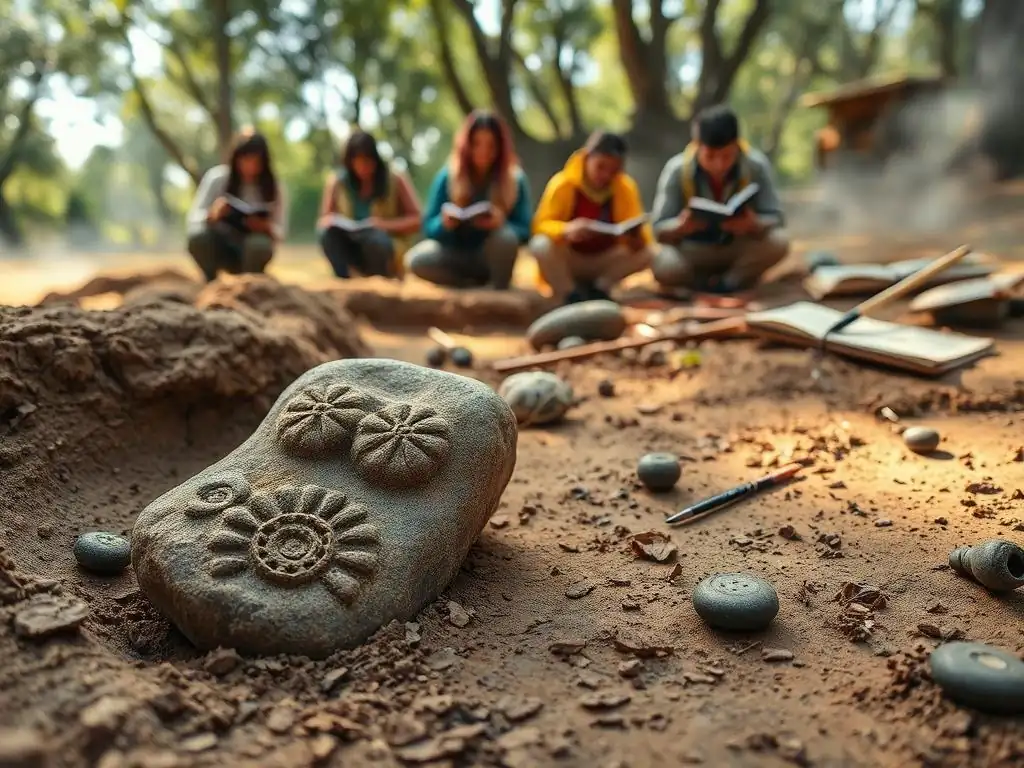
Welcome to Indigenous Civilizations of the Americas, where we embark on a fascinating journey through the rich tapestry of indigenous cultures that flourished long before European colonization. Here, we delve into the intricate world of Preserving Indigenous Heritage Taphonomy, illuminating the vital role this scientific study plays in safeguarding the legacies of these remarkable societies. Prepare to uncover the hidden stories of archaeological discoveries and learn how they contribute to our understanding of the past. Join us as we explore the depths of history and the enduring impact of these civilizations, inviting you to uncover the mysteries that await!
Understanding taphonomy is crucial in the realm of archaeology, particularly when it comes to preserving the rich and diverse heritage of Indigenous cultures across the Americas. Taphonomy, the study of how organisms decay and become fossilized, plays a pivotal role in the preservation and interpretation of archaeological sites.
This article delves deeply into the intricate relationship between taphonomy and the preservation of Indigenous heritage, emphasizing how these scientific principles help us understand and appreciate the complexities of Indigenous societies before European colonization. By exploring the significance of taphonomic processes in archaeological practices, we aim to shed light on the invaluable contributions of Indigenous cultures and their lasting impact on history.
Introduction to Taphonomy and Indigenous Heritage
What is Taphonomy?
Taphonomy is a subfield of paleontology and archaeology that examines the processes of decomposition, fossilization, and the environmental factors that affect organic remains over time. This discipline encompasses both biotic factors (like scavenging and decay) and abiotic factors (such as sedimentation and mineralization). In the context of Indigenous heritage, taphonomy helps researchers understand the conditions under which artifacts and ecofacts were preserved or destroyed, providing insights into past human behavior and environmental interactions.
The Importance of Taphonomy in Archaeology
Taphonomy is essential in archaeology for several reasons:
- Preservation Assessment: It helps in assessing the preservation state of artifacts and ecofacts, informing archaeologists about the potential information these items can yield.
- Contextual Understanding: By understanding the taphonomic processes that have affected a site, archaeologists can better reconstruct historical contexts and cultural practices.
- Site Formation Processes: Taphonomic studies reveal how natural and cultural processes shape archaeological deposits, offering a clearer picture of past human activities.
Overview of Indigenous Heritage Preservation
Preserving Indigenous heritage involves safeguarding the cultural, historical, and spiritual significance of Indigenous sites, artifacts, and practices. This preservation is vital not only for the understanding of Indigenous histories but also for the recognition of their contributions to contemporary society. Effective preservation strategies often rely on a combination of traditional knowledge and modern archaeological techniques, including taphonomic analysis, to ensure that Indigenous cultures are honored and their legacies maintained.
The Interconnection Between Taphonomy and Indigenous Cultures
How Taphonomy Affects Archaeological Findings
Taphonomic processes can significantly influence the archaeological record. The manner in which organic and inorganic materials are preserved can result in varying levels of visibility and interpretation. Factors such as:
- Soil Composition: Different soils can accelerate or hinder the decay of materials.
- Climate Conditions: Temperature and moisture levels affect preservation rates.
- Human Activity: Past human behaviors, such as burial practices or material usage, play a role in how artifacts are preserved.
Understanding these factors is crucial for archaeologists as they piece together the lifestyles and practices of Indigenous cultures.
The Role of Taphonomy in Understanding Indigenous Practices
Taphonomy provides a window into Indigenous practices and beliefs. For example, the preservation of burial sites can reveal insights into:
- Ritualistic Significance: Analysis of burial artifacts can illuminate the spiritual beliefs and rituals of Indigenous peoples.
- Material Choices: Taphonomic studies can indicate what materials were valued and how they were utilized in daily life.
- Environmental Adaptations: Investigating how artifacts were preserved can lead to a better understanding of how Indigenous communities adapted to their environments.
Case Studies of Indigenous Artifacts and Taphonomic Analysis
Several case studies illustrate the importance of taphonomic analysis in understanding Indigenous heritage. For instance:
- The Mound Builders: Analysis of burial mounds has revealed burial practices and social hierarchies within these ancient societies.
- Cave Artifacts: Taphonomic studies of preserved artifacts in caves have provided insights into the seasonal movements and behaviors of Indigenous groups.
- Pueblo Sites: Examination of pottery and food remains has shed light on agricultural practices and trade routes.
By examining these case studies, we can better appreciate how taphonomy plays a critical role in preserving Indigenous heritage and informing our understanding of past cultures.
Methods of Taphonomic Analysis in Preserving Indigenous Heritage
Taphonomy plays a crucial role in understanding how indigenous artifacts and remains are preserved over time. By studying the processes that affect these materials after their deposition, researchers can glean insights into the cultural practices of indigenous peoples and the environmental conditions that influenced their lives. The methods of taphonomic analysis can be broadly categorized into field techniques and laboratory techniques, each contributing uniquely to the preservation and interpretation of indigenous heritage.
Field Techniques in Taphonomic Study
Field techniques in taphonomic studies involve systematic excavation and documentation of archaeological sites. These techniques include:
- Stratigraphic Analysis: Examining layers of soil to understand the chronological sequence of human activity and natural processes affecting artifact preservation.
- Site Surveying: Mapping the distribution of artifacts across a landscape to identify patterns of human settlement and activity.
- Contextual Recording: Documenting the context in which artifacts are found, including their spatial relationships and associations with other materials, which helps reconstruct past environments and cultural practices.
These field methods are essential for establishing a foundational understanding of how indigenous artifacts have survived and what factors may have influenced their current state.
Laboratory Techniques for Analyzing Indigenous Artifacts
Once artifacts are retrieved, laboratory techniques come into play to analyze and interpret the materials scientifically. Key laboratory methods include:
- Microscopic Analysis: Using microscopes to study wear patterns, residues, and surface alterations on artifacts, which can provide insights into their use and function.
- Chemical Analysis: Employing techniques such as spectroscopy to determine the composition of materials, which can reveal information about trade networks and resource use among indigenous peoples.
- Radiocarbon Dating: Utilizing this method to date organic materials, helping researchers establish timelines for human activity and environmental changes.
These laboratory techniques allow for a deeper understanding of the artifacts' origins, uses, and the broader context of indigenous cultures.
The Role of Technology in Taphonomic Research
Advancements in technology have significantly enhanced taphonomic research. Tools such as Geographic Information Systems (GIS), drones, and 3D scanning are now commonplace in archaeological studies.
- GIS allows researchers to analyze spatial relationships and patterns within archaeological data, facilitating a more nuanced understanding of site usage and environmental influences.
- Drones provide aerial perspectives of excavation sites, enabling the identification of features that may not be visible from the ground.
- 3D scanning captures detailed and accurate representations of artifacts, allowing for virtual analysis and sharing of findings without risking damage to the originals.
These technologies not only improve data collection and analysis but also enhance collaboration and dissemination of knowledge within the archaeological community.
Challenges in Taphonomic Preservation of Indigenous Heritage
Despite the advancements in taphonomic analysis, several challenges persist in the preservation of indigenous heritage. These challenges arise from environmental factors, human impact, and ethical considerations that must be navigated carefully.
Environmental Factors Affecting Taphonomic Processes
Environmental conditions play a pivotal role in the preservation of archaeological materials. Factors such as:
- Soil Composition: Different soil types can accelerate or hinder the decay of organic materials.
- Moisture Levels: High humidity can lead to increased microbial activity, resulting in faster degradation of artifacts.
- Temperature Fluctuations: Extreme temperature changes can cause physical stress on materials, leading to fragmentation or deterioration.
Understanding these environmental factors is essential for developing effective conservation strategies that ensure the longevity of indigenous heritage sites.
Human Impact on Archaeological Sites
Human activities, both historical and contemporary, significantly affect the preservation of archaeological sites. Some common impacts include:
- Urban Development: Construction and infrastructure projects can disturb or destroy valuable archaeological contexts.
- Agricultural Practices: Farming can lead to soil erosion and the disturbance of buried artifacts.
- Tourism: Increased foot traffic in archaeological areas can result in wear and damage to sensitive sites.
Addressing these human impacts requires proactive measures to protect and manage archaeological resources effectively.
Ethical Considerations in Taphonomic Research
Taphonomic research also raises ethical questions that must be carefully considered. Key ethical considerations include:
- Cultural Sensitivity: Researchers must respect the cultural significance of indigenous artifacts and the wishes of descendant communities when conducting studies.
- Ownership and Stewardship: Questions regarding the ownership of artifacts and their proper stewardship must be addressed, particularly in light of historical injustices and the repatriation of cultural heritage.
- Impact of Research: Researchers should consider the potential impacts of their work on indigenous communities and the importance of involving these communities in the research process.
Navigating these ethical considerations is vital for fostering respectful and productive relationships between researchers and indigenous peoples, ensuring that the preservation of heritage is both scientifically sound and culturally appropriate.
Case Studies: Successful Applications of Taphonomy in Indigenous Heritage Preservation
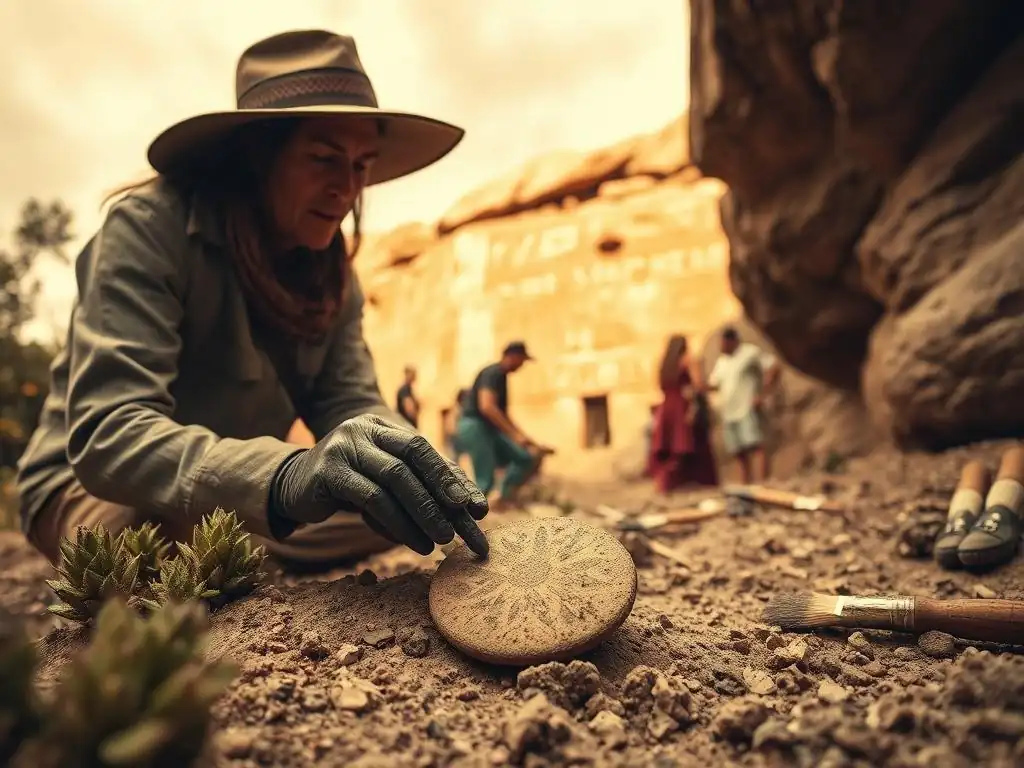
Taphonomy, the study of how organisms decay and become fossilized, plays a crucial role in the preservation of Indigenous heritage. By understanding the processes that affect the burial and preservation of artifacts and sites, archaeologists can devise better strategies for protecting these invaluable resources. Here, we explore two significant case studies that highlight the successful application of taphonomic principles in preserving Indigenous heritage.
Case Study 1: The Preservation of Ancestral Puebloan Sites in the Southwestern United States
The Ancestral Puebloans, also known as the Anasazi, created remarkable cliff dwellings and complex societies across the Southwestern United States. Taphonomic studies have been instrumental in understanding how these sites have been preserved over time. Research conducted in places like Mesa Verde National Park has revealed how environmental factors, such as soil composition and moisture levels, influence the preservation of adobe structures and artifacts.
By analyzing the taphonomic context of these sites, researchers have identified optimal conditions for preservation, leading to the implementation of protective measures against erosion and weathering. This includes the use of traditional materials for repairs, which not only maintains the heritage's integrity but also respects the cultural practices of the Ancestral Puebloans. Such taphonomic insights have enabled more effective conservation strategies that ensure these sites remain intact for future generations.
Case Study 2: Taphonomic Analysis of Inuit Artifacts in Arctic Canada
In Arctic Canada, the preservation of Inuit artifacts presents unique challenges due to the harsh climatic conditions. Taphonomic analysis has revealed how the freezing temperatures and permafrost create an environment conducive to the preservation of organic materials, such as bone and wood. A notable case is the excavation of ancient Inuit hunting tools and dwellings in Nunavut, where researchers have observed that artifacts remain remarkably intact due to the cold, stable conditions.
This taphonomic perspective has guided archaeologists in prioritizing sites that are likely to yield well-preserved artifacts, allowing for a deeper understanding of Inuit culture and subsistence strategies. The application of taphonomic principles has also informed the development of excavation techniques that minimize damage to these fragile materials, thereby enhancing the preservation of Indigenous heritage in the Arctic.
Lessons Learned from Taphonomic Research in Indigenous Contexts
Taphonomic research in Indigenous contexts has yielded valuable lessons that inform preservation strategies. Firstly, understanding the environmental conditions that favor preservation allows for targeted conservation efforts. For example, sites located in areas with stable climates or protective geological formations are prioritized for conservation.
Moreover, the integration of taphonomic insights with traditional ecological knowledge shared by Indigenous communities has proven beneficial. Collaborating with these communities brings a holistic understanding of both the cultural significance and the environmental factors impacting heritage preservation. This partnership enriches the archaeological narrative and fosters a more respectful approach to preserving Indigenous heritage.
Future Directions in Taphonomy and Indigenous Heritage Preservation
As the field of taphonomy continues to evolve, several future directions are emerging that promise to enhance the preservation of Indigenous heritage.
Innovations in Taphonomic Techniques
Advancements in technology have opened new avenues for taphonomic analysis. Methods such as 3D scanning and digital modeling allow for detailed documentation of artifacts and sites without intrusive excavation. These innovations not only facilitate preservation but also enable broader access to Indigenous heritage for educational purposes. Furthermore, the application of GIS (Geographic Information Systems) technology helps in mapping and analyzing site conditions, which can be crucial for long-term preservation strategies.
Collaborative Approaches with Indigenous Communities
The future of taphonomy in preserving Indigenous heritage lies significantly in collaborative approaches with Indigenous communities. Engaging these communities not only ensures that their perspectives and cultural values are honored but also enhances the efficacy of preservation efforts. By integrating Indigenous knowledge systems with scientific research, archaeologists can develop more culturally relevant conservation practices that resonate with the communities directly impacted by these heritage sites.
The Future of Taphonomy in Preserving Indigenous Heritage
Looking ahead, the continued integration of taphonomic research with Indigenous heritage preservation is essential for safeguarding these cultural legacies. As climate change poses new threats to archaeological sites, adapting taphonomic techniques to address these challenges will be critical. The ongoing dialogue between scientists and Indigenous peoples will shape the future of taphonomy, ensuring that the methods employed not only preserve the past but also empower Indigenous communities today. This collaborative, adaptive approach will promote a more inclusive and effective framework for preserving Indigenous heritage for generations to come.
Conclusion
Taphonomy plays a critical role in the preservation of Indigenous heritage, offering insights into how cultural materials are affected by environmental and biological processes over time. By understanding these processes, archaeologists can better interpret the archaeological record and the stories it holds about past Indigenous cultures. This understanding is essential not only for academic purposes but also for the respectful preservation of Indigenous identities and histories.
Recap of the Importance of Taphonomy in Indigenous Heritage
The study of taphonomy is fundamental in the field of archaeology, particularly when it comes to preserving Indigenous heritage. Taphonomic processes help archaeologists decipher the conditions under which artifacts and remains were deposited, preserved, or altered. Key aspects include:
- Contextual Analysis: Understanding the original context of artifacts aids in reconstructing past lifestyles and practices.
- Decomposition Processes: Knowledge of how organic materials decompose informs strategies for preservation and conservation.
- Environmental Influences: Recognizing how natural factors—like soil composition, climate, and animal activity—affect site integrity ensures that preservation efforts are tailored to specific challenges.
By emphasizing the significance of these elements, taphonomy not only enriches our understanding of Indigenous cultures but also underscores the need for meticulous preservation techniques to safeguard their legacies for future generations.
Final Thoughts on Taphonomy and Cultural Preservation
The intersection of taphonomy and cultural preservation is pivotal in maintaining the integrity of Indigenous heritage. As we continue to navigate the complexities of archaeological research and cultural representation, it is vital to uphold ethical standards that respect the traditions and narratives of Indigenous peoples.
- Collaborative Efforts: Engaging Indigenous communities in archaeological practices ensures that their knowledge and perspectives shape preservation strategies.
- Innovative Technologies: Advances in technology, such as remote sensing and 3D modeling, enhance our ability to study and preserve Indigenous sites while minimizing disruption.
- Education and Advocacy: Raising awareness about the importance of taphonomy in preserving Indigenous heritage fosters greater appreciation and support for conservation efforts.
Ultimately, a comprehensive understanding of taphonomy not only aids in the preservation of artifacts but also honors the rich and diverse histories of Indigenous civilizations across the Americas. By prioritizing these efforts, we can contribute to a more nuanced and respectful recognition of their enduring legacies.
- Introduction to Taphonomy and Indigenous Heritage
- The Interconnection Between Taphonomy and Indigenous Cultures
- Methods of Taphonomic Analysis in Preserving Indigenous Heritage
- Challenges in Taphonomic Preservation of Indigenous Heritage
- Case Studies: Successful Applications of Taphonomy in Indigenous Heritage Preservation
- Future Directions in Taphonomy and Indigenous Heritage Preservation
- Conclusion
- What is taphonomy, and why is it important for preserving Indigenous heritage?
- How does taphonomy relate to Indigenous cultures in the Americas?
- What are some key achievements of Indigenous civilizations highlighted in taphonomic studies?
- How can modern methods enhance the study of taphonomy in Indigenous contexts?
- Why is it essential to preserve Indigenous heritage today?
Frequently Asked Questions
What is taphonomy, and why is it important for preserving Indigenous heritage?
Taphonomy is the study of how organisms decay and are preserved in the archaeological record. Understanding taphonomic processes is crucial for effectively preserving Indigenous heritage and interpreting the context of artifacts and sites.
How does taphonomy relate to Indigenous cultures in the Americas?
Taphonomic studies help document the diverse practices and traditions of Indigenous cultures, revealing how their artifacts and remains can inform us about their societal structures and daily lives before European contact.
What are some key achievements of Indigenous civilizations highlighted in taphonomic studies?
Taphonomic research has shed light on the agricultural innovations, architectural feats, and artistic expressions of Indigenous civilizations, showcasing their sophisticated societies and resilience in adapting to their environments.
How can modern methods enhance the study of taphonomy in Indigenous contexts?
Utilizing advanced technologies such as remote sensing, DNA analysis, and 3D modeling can significantly improve our understanding of preservation and provide deeper insights into the cultural significance of Indigenous artifacts.
Why is it essential to preserve Indigenous heritage today?
Preserving Indigenous heritage is vital for maintaining cultural identity, promoting diversity, and ensuring that the wisdom and traditions of Indigenous peoples are recognized and respected in contemporary society.
Final Reflection: Preserving Indigenous Heritage Through Taphonomy
In our exploration of preserving Indigenous heritage through taphonomy, we have uncovered the intricate relationship between natural processes and cultural preservation. Today, as we face rapid environmental changes and the ongoing impacts of colonization, understanding these processes is more crucial than ever. The preservation of Indigenous heritage is not merely an academic pursuit; it is a vital endeavor that honors the stories, traditions, and identities of Indigenous peoples. The lessons of taphonomy remind us that every artifact carries with it a narrative that deserves to be told and respected.
The influence of taphonomy extends beyond the scientific realm, shaping our cultural and social landscapes in profound ways. By recognizing the significance of these processes, we can foster a deeper appreciation for Indigenous knowledge systems and the resilience of Indigenous communities. As we engage with the past, we must also consider how these insights can inform our present and future. To understand the past is to understand ourselves.
This quote encapsulates the essence of our journey, urging us to reflect on how our actions today will resonate through time.
As we conclude, I invite you to reflect on your own role in this narrative of preservation. Consider how you can contribute to the safeguarding of Indigenous heritage in your community and beyond. Whether through advocacy, education, or simply by honoring the stories of those who came before us, each of us has the power to make a difference. Let us move forward with a commitment to understanding and preserving the rich tapestry of Indigenous heritage, ensuring that it continues to thrive for generations to come.
Unveil the Secrets of Taphonomy in Indigenous Heritage!
Thank you for taking the time to explore the fascinating world of taphonomy and its critical role in preserving Indigenous heritage. Your interest in this topic not only enriches your understanding but also contributes to a broader appreciation of Indigenous cultures. Now, it’s time to turn that knowledge into action!
Consider taking these steps to deepen your engagement and help preserve Indigenous heritage:
- Dive deeper: Visit local museums or cultural centers that showcase Indigenous history and conservation efforts in your area.
- Spread the word: Share this article with friends and family to raise awareness about the significance of taphonomy and the preservation of Indigenous heritage.
- Get involved: Seek out volunteer opportunities or workshops that focus on archaeological conservation or Indigenous cultural education in your community.
What insights about taphonomy do you find most crucial for safeguarding Indigenous heritage, and how can we better integrate these practices into contemporary conservation efforts?