
The Great Plaza of Cahokia: A Hub of Activity and Community in PreColumbian Life

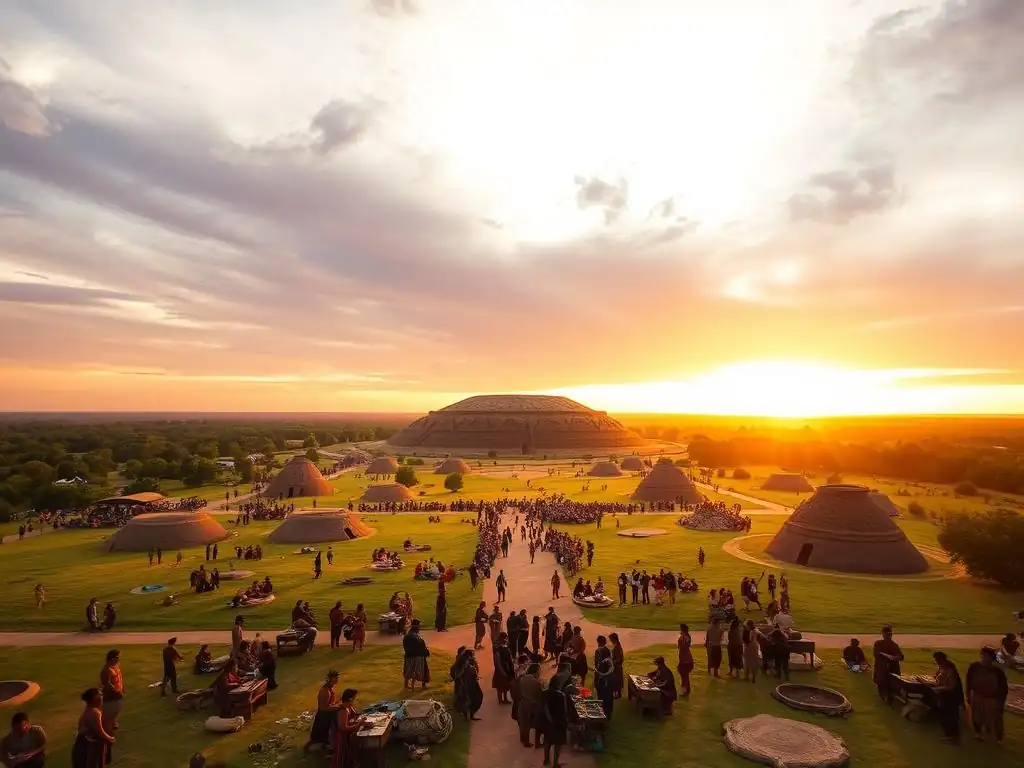
Welcome to Indigenous Civilizations of the Americas, where we invite you to journey through the rich tapestry of cultures that flourished long before European contact. In our featured article, we delve into the Cahokia indigenous culture significance, exploring the vibrant community life centered around the Great Plaza of Cahokia. What secrets does this monumental site hold about the social dynamics and achievements of its people?
Join us as we uncover the profound legacy of these remarkable civilizations and their lasting impact on the world today. Prepare to be inspired and informed as you navigate through our extensive collection of archaeological discoveries!
Introduction to Cahokia Indigenous Culture Significance
The Great Plaza of Cahokia stands as a monumental testament to the ingenuity and vibrancy of the Cahokia indigenous culture, which flourished in the Mississippi River Valley long before European contact. This vast urban center, located near modern-day St. Louis, Missouri, was the largest pre-Columbian city north of Mexico, serving as a crucial hub of social, economic, and spiritual activities for its inhabitants.
Understanding the significance of Cahokia's culture is essential, as it offers profound insights into the complex societies that shaped the Americas through advanced agricultural practices, intricate trade networks, and rich ceremonial traditions. The Great Plaza, in particular, played a pivotal role in community life, acting as a focal point for gatherings and exchanges that fostered a strong sense of identity among the Cahokians.
Overview of Cahokia's Historical Context
Cahokia emerged around 600 CE and reached its peak around 1100-1200 CE, boasting a population that may have exceeded 20,000 residents. This vibrant city was characterized by its impressive earthen mounds, including the famous Monks Mound, which served as a political and religious center. The Cahokians were skilled agriculturalists, cultivating crops such as maize, beans, and squash, which supported their growing population. With a complex social structure and extensive trade routes, Cahokia became a melting pot of cultures, influencing and being influenced by neighboring tribes.
Importance of the Great Plaza in Indigenous Society
At the heart of Cahokia lies the Great Plaza, an expansive open space that served multiple functions within the community. It was not only a physical center of the city but also a symbolic representation of the Cahokian way of life. The plaza facilitated communal activities and social interactions, fostering a sense of belonging among its inhabitants. Its design and layout reflect the importance of public spaces in maintaining social cohesion and cultural identity among the diverse groups that comprised Cahokia.
The Role of the Great Plaza in Cahokia
Central Gathering Place for Community Activities
The Great Plaza acted as a central gathering place for a variety of community activities. Whether it was hosting festivals, markets, or communal decision-making assemblies, this open space was vital for reinforcing social bonds. Residents would gather to celebrate seasonal events, participate in games, and share news, thereby creating a lively atmosphere that underscored the importance of community in Cahokian life.
Religious and Ceremonial Functions of the Plaza
In addition to its role as a social hub, the Great Plaza also served significant religious and ceremonial functions. It was here that important rituals were conducted, often reflecting the Cahokians' deep spiritual beliefs and connection to the natural world. The plaza would host ceremonies that honored deities, marked agricultural cycles, and celebrated communal identities, reinforcing the cultural fabric of Cahokia.
Economic Activities: Trade and Exchange in the Great Plaza
The Great Plaza was also a bustling center for economic activities, particularly trade and exchange. Merchants from Cahokia and surrounding regions would converge in this space to barter goods such as pottery, textiles, and food items. The strategic location of Cahokia along trade routes facilitated the exchange of not only material goods but also ideas and cultural practices, which helped to enrich the Cahokian way of life and solidify its significance within the broader landscape of indigenous cultures in the Americas.
Architectural Features of the Great Plaza
The Great Plaza of Cahokia stands out as an architectural marvel of pre-Columbian America, showcasing the ingenuity and cultural sophistication of the Cahokia indigenous culture. This expansive area served as a central hub for various communal activities, rituals, and gatherings, reflecting the complex social fabric of its inhabitants.
Description of the Plaza's Layout and Design
The layout of the Great Plaza is characterized by its vast open space, covering approximately 50 acres, making it one of the largest public spaces in ancient North America. The plaza is symmetrically arranged, with a series of earthen mounds flanking its perimeter, including the prominent Monk's Mound to the west. This central design element not only served as a physical focal point but also held spiritual significance, likely reflecting the cosmological beliefs of the Cahokia people. The open space allowed for various activities, from ceremonial events to trade exchanges, fostering a vibrant community atmosphere.
Key Structures Surrounding the Great Plaza
Surrounding the Great Plaza were several crucial structures that played significant roles in the daily life of the Cahokia people. Key among these was the aforementioned Monk's Mound, the largest earthen mound in North America, which may have served as a ceremonial platform or a residence for elite leaders. Other notable structures included the Woodhenge, a solar calendar made of wooden posts, which likely facilitated agricultural planning and ritual observances. Additionally, various smaller mounds and communal buildings dotted the landscape, indicating a well-organized and functional urban environment.
Materials and Techniques Used in Construction
The construction of the Great Plaza and its surrounding structures involved a sophisticated understanding of materials and techniques. Builders primarily used locally sourced clay and soil to create the earthen mounds, employing a technique known as "cob construction" that allowed for the creation of stable, large-scale earthworks. The Cahokians ingeniously manipulated the landscape, shaping the mounds to reflect both utilitarian and ceremonial purposes. Furthermore, the use of wooden posts in structures like the Woodhenge illustrates their advanced carpentry skills and understanding of natural resources, enabling them to create durable and functional community spaces.
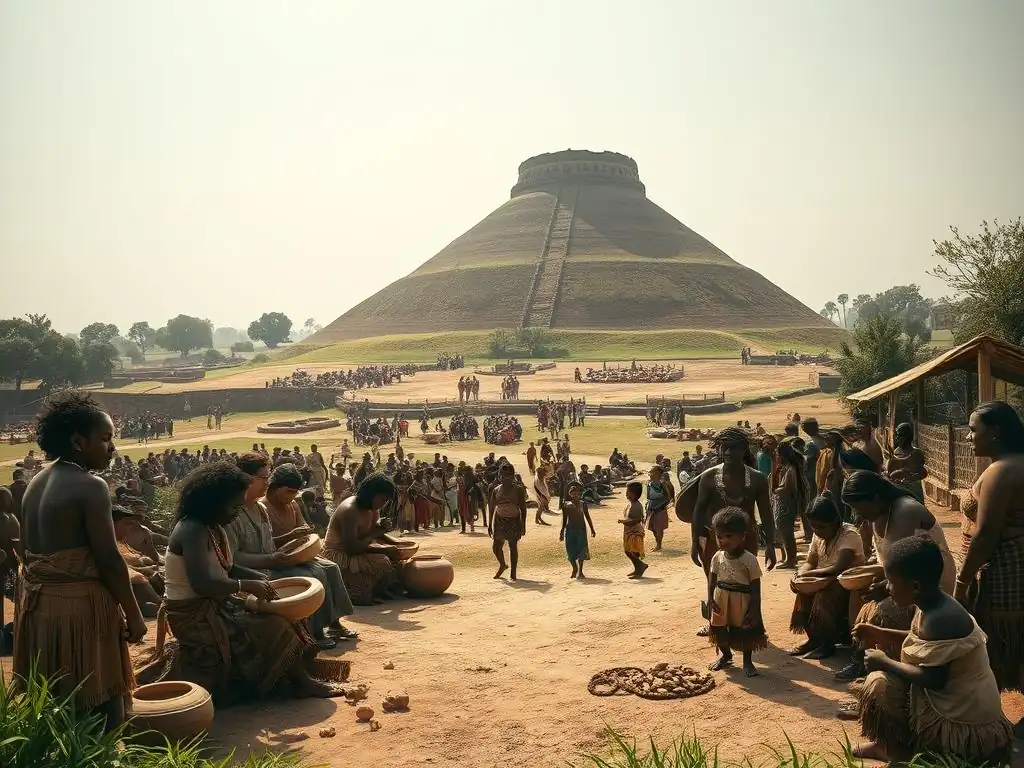
The social dynamics of Cahokia were complex and multifaceted, reflecting a rich tapestry of interactions, governance, and community structures that defined this monumental city.
Population and Community Structure
Estimates suggest that at its peak, Cahokia was home to a vibrant population of around 20,000 to 40,000 people, making it one of the largest urban centers in pre-Columbian America. The community was organized into various clans and lineages, each with specific roles and responsibilities. This organization facilitated cooperation and social cohesion, essential for managing resources and conducting trade. The presence of specialized artisans, traders, and agriculturalists highlights the division of labor within the community, contributing to the overall economic and social stability of Cahokia.
Interactions Between Different Indigenous Groups
Cahokia was not an isolated entity; it was a melting pot of various indigenous groups that interacted through trade, cultural exchange, and alliances. The strategic location of Cahokia along major waterways facilitated trade routes, allowing for the exchange of goods such as shells, copper, and pottery. These interactions fostered a sense of community and shared identity among diverse groups, enhancing the cultural richness of the region. Evidence of trade networks extends as far as the Gulf Coast and the Great Lakes, indicating Cahokia's role as a central hub in a broader indigenous economy.
The Role of Leadership and Governance in Cahokia Society
Leadership in Cahokia was characterized by a hierarchical structure, with a chief or "great leader" at the helm, likely responsible for decision-making and overseeing the community’s welfare. This leadership was often linked to religious authority, as many leaders were believed to have spiritual connections that legitimized their rule. Governance was likely a collaborative effort, with councils comprising elite members of different clans advising the chief.
This system allowed for effective resource management and conflict resolution, which were critical for maintaining social order in such a densely populated and complex society. The integration of spiritual and political leadership played a significant role in the cohesion and stability of Cahokia's community.
Cultural Practices and Traditions at the Great Plaza
The Great Plaza of Cahokia served as a vibrant center for cultural practices and community traditions that defined the Cahokia indigenous culture. This bustling hub not only functioned as a ceremonial space but also facilitated various social interactions and gatherings among the diverse populations residing in and around Cahokia. The plaza was surrounded by significant earthworks, including mounds that played a crucial role in religious and social ceremonies.
Within this context, communal activities such as games, trade, and ceremonies were commonplace. The plaza functioned as a marketplace where goods were exchanged, fostering economic interdependence among different tribes and clans. Various forms of artistry and craftsmanship were showcased, reflecting the advanced skills of the Cahokians in pottery, weaving, and tool-making. These cultural practices not only strengthened community bonds but also reinforced shared identities among the Cahokia people.
Festivals and Rituals Celebrated in the Plaza
Festivals and rituals at the Great Plaza were integral to the spiritual and social fabric of Cahokia. These events often coincided with seasonal changes, agricultural cycles, and significant astronomical alignments. One notable event was the Green Corn Ceremony, which celebrated the harvest and expressed gratitude for the bountiful crops. This festival was marked by communal feasting, dancing, and various rituals aimed at ensuring continued agricultural prosperity.
Rituals included offerings to deities and ancestors, reinforcing the connection between the community and the spiritual world. The plaza served as a stage for these ceremonies, where participants adorned themselves with intricate regalia, symbolizing their cultural heritage and beliefs. The communal aspect of these celebrations fostered unity and a shared sense of identity among the Cahokians, making the Great Plaza a focal point for cultural expression.
Artifacts and Symbols of Cahokia Indigenous Culture
Artifacts unearthed from the Great Plaza reveal much about the Cahokia indigenous culture and its significance. Items such as pottery, tools, and ceremonial objects reflect the artistry and technological advancements of the Cahokians. Decorative motifs found on pottery often included intricate designs that held symbolic meanings, representing spiritual beliefs and communal narratives.
Additionally, the presence of effigy mounds and other monumental structures within and around the plaza indicates the importance of symbolism in Cahokia culture. For instance, the Monks Mound, the largest earthwork in North America, is believed to have served both a ceremonial function and a representation of the social hierarchy within Cahokia. These artifacts are not merely remnants of daily life; they embody the spiritual and social values of the Cahokia people, providing insight into their worldview and community dynamics.
Oral Traditions and Storytelling in Community Life
Oral traditions and storytelling played a vital role in the life of the Cahokia community, particularly in the context of the Great Plaza. Through storytelling, generations passed down knowledge, history, and cultural values, creating a rich tapestry of narratives that shaped the identity of the Cahokians. These stories often featured ancestral figures, lessons of morality, and explanations of natural phenomena, intertwining the community's experiences with their environment.
The plaza served as a gathering place for these storytelling sessions, where community members would share tales during festivals or communal events. Elders were particularly revered as custodians of knowledge, and their narratives provided a framework for understanding the past and navigating the present. This oral tradition was essential for maintaining cultural continuity and fostering a sense of belonging within the Cahokia community.
The Decline of the Great Plaza and Cahokia
The decline of the Great Plaza and the broader Cahokia society marked a significant shift in the region's archaeological landscape. Various factors contributed to the waning of this once-thriving urban center, leading to a gradual abandonment of the plaza and its associated cultural practices. By understanding these factors, we gain insight into the complexities of Cahokia's historical trajectory.
Factors Leading to the Decline of the Plaza's Significance
Several interrelated factors contributed to the decline of the Great Plaza and Cahokia's significance. Environmental changes, such as deforestation and soil degradation, likely impacted agricultural productivity, leading to food shortages and increased competition for resources. These challenges were exacerbated by social factors, including internal strife and power struggles among different factions within the community.
Moreover, the influx of new populations and differing cultural practices may have strained the existing social fabric of Cahokia. As resources became scarce and social cohesion weakened, the plaza, which once thrived as a center for community engagement, began to lose its importance. The cumulative effects of these pressures ultimately led to a significant decline in the plaza's use and the city's overall population.
Archaeological Evidence of Change Over Time
Archaeological investigations of the Great Plaza reveal a clear trajectory of change over time, documenting the decline of Cahokia's cultural practices. Stratified layers of soil and artifacts indicate a reduction in ceremonial activities, with fewer large gatherings and a shift in the types of materials being used. For instance, the absence of distinctive pottery styles and ceremonial artifacts in later layers suggests a decline in traditional practices.
Additionally, the spatial organization of the plaza changed as certain areas became less frequented, indicating a shift in community dynamics. Evidence of abandoned structures and a reduction in the size of communal spaces reflect the diminishing role of the plaza in social life. These findings highlight the transition from a vibrant cultural hub to a space that gradually lost its significance as Cahokia faced numerous challenges.
Lessons Learned from the Decline of Cahokia Indigenous Culture
The decline of the Great Plaza and Cahokia offers valuable lessons about resilience, adaptation, and the fragility of complex societies. The Cahokians' experience underscores the importance of sustainable resource management and the impacts of environmental change on societal stability. As cultural practices evolved in response to shifting circumstances, it becomes clear that flexibility and adaptation are crucial for community survival.
Moreover, the decline serves as a reminder of the interconnectedness of social, political, and environmental factors in shaping human history. By studying the rise and fall of Cahokia, contemporary societies can gain insights into the significance of maintaining cultural traditions, fostering social cohesion, and responsibly managing resources to prevent similar declines in the future. Understanding these lessons allows us to appreciate the rich history of the Cahokia indigenous culture and the enduring legacy of the Great Plaza.
Conclusion: The Lasting Impact of the Great Plaza on Indigenous Civilizations
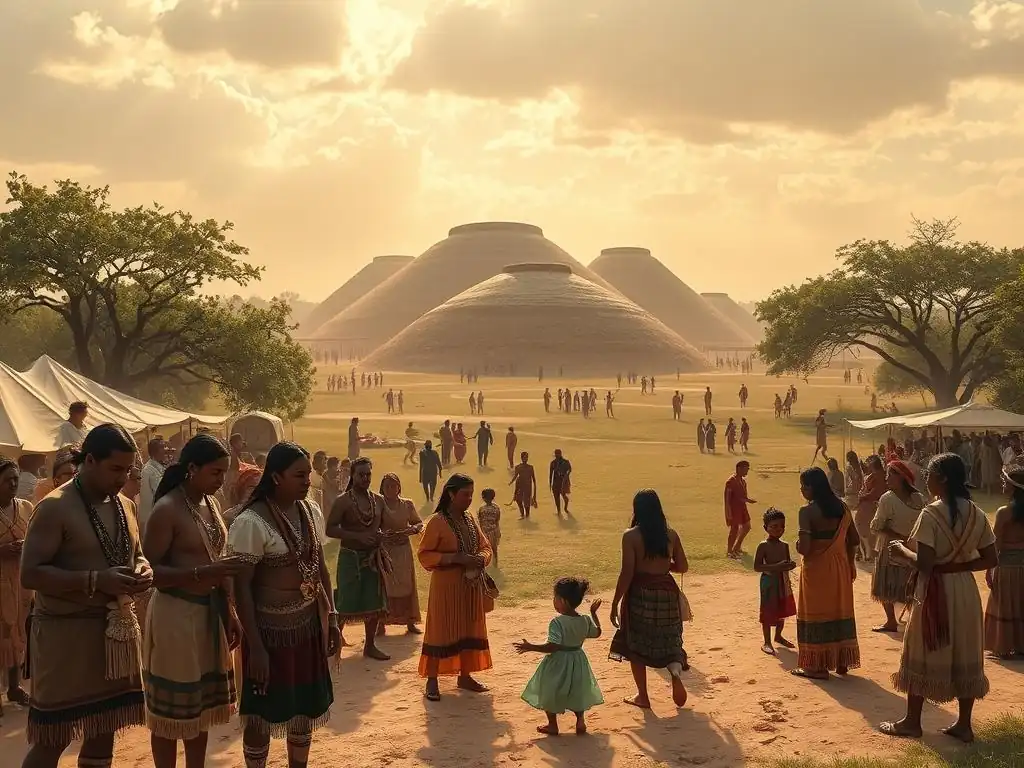
The Great Plaza of Cahokia stands as a testament to the ingenuity and social sophistication of indigenous cultures prior to European contact. Its expansive area, coupled with the monumental earthworks that surrounded it, facilitated a vibrant community life, where trade, politics, and religious practices converged. This plaza was not merely a physical space; it was a dynamic environment that fostered interactions and relationships among various groups, enhancing the cultural tapestry of the region.
The significance of Cahokia extends beyond its architectural achievements; it reflects the intricate social hierarchies and governance systems that thrived in pre-Columbian societies. The plaza served as a focal point for ceremonial gatherings and communal decision-making, underlining the importance of collective identity and shared heritage among the indigenous peoples. This communal aspect of life in Cahokia illustrates how public spaces can shape societal values and reinforce cultural continuity.
Reflection on the Significance of Cahokia in PreColumbian Life
Cahokia, with its Great Plaza, was integral to the social and cultural fabric of the Mississippian civilization. The plaza was a hub of activity, where thousands gathered for various purposes, including trade, festivals, and religious ceremonies. The scale of this gathering space underscores the complexity of the society that built it, suggesting advanced organizational skills and a shared vision among its inhabitants.
Archaeological evidence indicates that the Great Plaza was surrounded by significant structures, including mounds that likely held ceremonial and political importance. This spatial arrangement suggests a carefully planned urban environment, where the layout of structures and open spaces played a critical role in the community’s social dynamics. The significance of Cahokia in pre-Columbian life lies in its ability to draw people together, fostering a sense of belonging and identity that transcended individual communities.
The Legacy of the Great Plaza in Modern Indigenous Identity and Culture
Today, the legacy of the Great Plaza continues to influence modern indigenous identity and culture. The historical significance of Cahokia has become a source of pride for many descendant communities, who view it as a symbol of resilience and cultural richness. Efforts to preserve and promote the history of Cahokia serve not only as a means of honoring the past but also as a way to strengthen contemporary indigenous identities.
In recent years, there has been a resurgence of interest in the traditions and practices that were once central to the life of Cahokia’s inhabitants. Cultural festivals, educational programs, and community gatherings celebrate the heritage of the region, encouraging younger generations to connect with their ancestral roots. The Great Plaza, as a historical landmark, inspires a sense of continuity and belonging, linking modern indigenous people to their ancestors and the vibrant life that once thrived in Cahokia.
This enduring legacy highlights the importance of recognizing and valuing indigenous histories, promoting cultural heritage, and fostering an inclusive narrative that acknowledges the contributions of these civilizations to the broader tapestry of American history.
- Introduction to Cahokia Indigenous Culture Significance
- The Role of the Great Plaza in Cahokia
- Architectural Features of the Great Plaza
- The Social Dynamics of Cahokia
- Cultural Practices and Traditions at the Great Plaza
- The Decline of the Great Plaza and Cahokia
- Conclusion: The Lasting Impact of the Great Plaza on Indigenous Civilizations
- Reflection on the Significance of Cahokia in PreColumbian Life
- The Legacy of the Great Plaza in Modern Indigenous Identity and Culture
Frequently Asked Questions
What is the significance of the Cahokia indigenous culture?
The Cahokia indigenous culture is significant for its advanced societal structures, including large urban centers, complex trade networks, and impressive earthworks like mounds.
How did the Great Plaza function in Cahokia?
The Great Plaza served as a central gathering space, hosting various ceremonial activities, trade events, and community gatherings, reflecting the social dynamics of Cahokia.
What achievements are associated with Cahokia?
Cahokia is renowned for its architectural innovations, such as the Monks Mound, and its sophisticated agricultural practices, which supported a large population.
How did Cahokia influence neighboring cultures?
Cahokia had a profound impact on surrounding cultures through trade, cultural exchange, and the spread of ideas, contributing to the development of other indigenous societies in the region.
What lasting impact did Cahokia have on modern understanding of indigenous cultures?
The study of Cahokia offers valuable insights into the complexity and diversity of indigenous cultures, challenging misconceptions about their sophistication and contributions prior to European contact.
Final Reflection: The Enduring Legacy of Cahokia's Indigenous Culture
The significance of Cahokia's indigenous culture resonates profoundly in today's world, reminding us of the intricate social structures and vibrant communities that once thrived in North America. As we navigate an era marked by rapid change and cultural shifts, the lessons learned from the Great Plaza of Cahokia serve as a powerful reminder of the importance of community, collaboration, and respect for the land. The echoes of this ancient hub of activity continue to inspire us to forge connections and foster understanding in our own communities.
Cahokia's rich cultural tapestry has left an indelible mark on the social landscape, influencing how we perceive indigenous histories and their relevance today. The stories of the people who gathered at the Great Plaza remind us that community is built on shared experiences and collective memory. As we reflect on this legacy, we can draw wisdom from the past to address contemporary challenges. In every community, there is work to be done. In every nation, there are wounds to heal. In every heart, there is the power to do it.
– Marianne Williamson. This quote encapsulates the spirit of unity and healing that Cahokia embodies, urging us to recognize our role in nurturing our own communities.
As we conclude our exploration of the Great Plaza of Cahokia, I invite you to reflect on the significance of community in your own life. Consider how you can contribute to the collective well-being of those around you, drawing inspiration from the vibrant culture that once flourished in Cahokia. Whether through acts of kindness, fostering connections, or advocating for the preservation of indigenous histories, let us carry forward the lessons of the past into a future where community thrives, and every voice is valued.
Immerse Yourself in the Legacy of Cahokia!
Thank you for exploring the vibrant history of the Great Plaza of Cahokia with us! You've uncovered the rich tapestry of community and activity that once flourished there. Now, it’s time to deepen your connection and experience the legacy firsthand.
Here are a few ways you can take action:
- Visit a local museum showcasing Indigenous artifacts to connect with your community’s history.
- Participate in an archaeological dig or volunteer opportunity in your area to help uncover the past.
- Share this article with friends and family to spark a conversation about Indigenous civilizations— let's keep the dialogue alive!
What aspect of Cahokia’s history fascinates you the most, and how will you share this newfound knowledge with others?