
Fashioning Change: How Indigenous Influences Challenge Mainstream Trends

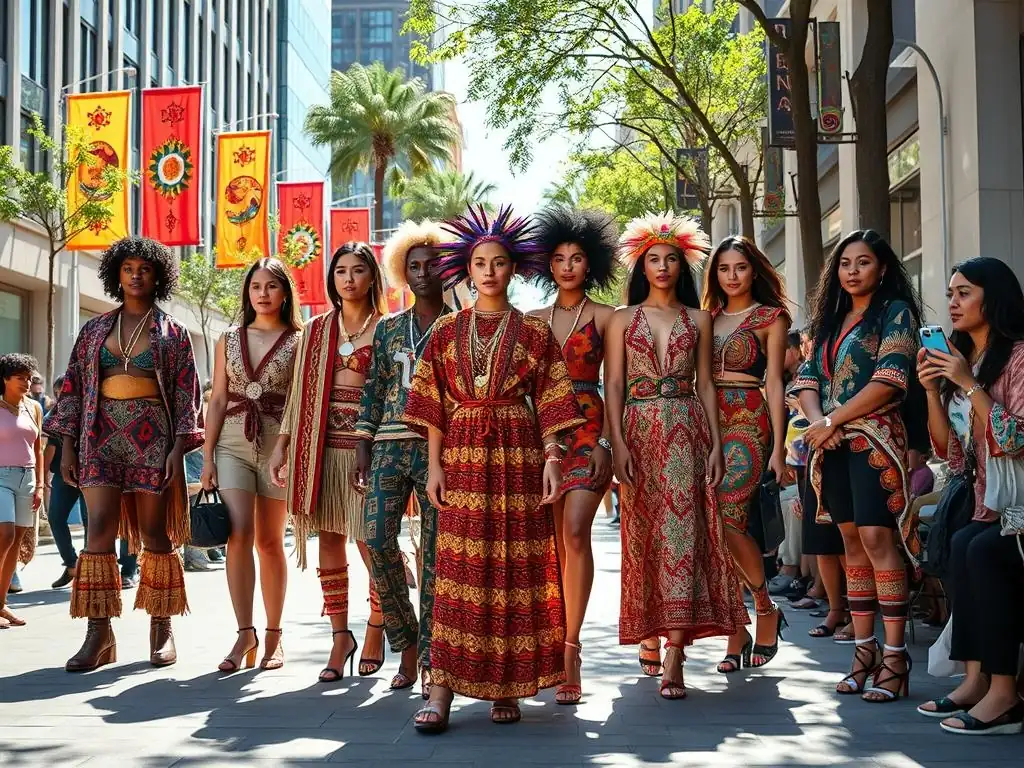
Welcome to Indigenous Civilizations of the Americas, where we invite you to embark on a journey through the rich tapestry of indigenous cultures that flourished long before European contact. Here, we delve into the profound impact of these vibrant societies, with a special focus on indigenous fashion influences trends. Discover how the artistry and traditions of indigenous peoples not only shape their heritage but also challenge and inspire contemporary fashion.
Prepare to be intrigued as we unveil stories of resilience, creativity, and transformation that continue to resonate today. Let your curiosity guide you as you explore our latest article, "Fashioning Change: How Indigenous Influences Challenge Mainstream Trends," and uncover the legacy that endures through time.
Introduction to Indigenous Fashion Influences
The intersection of indigenous cultures and contemporary fashion is a vibrant tapestry woven with history, tradition, and innovation. As society increasingly embraces diversity, the influence of indigenous fashion on mainstream trends has become both profound and transformative. This article delves into how indigenous fashion influences trends, highlighting the rich heritage and contemporary adaptations that challenge conventional narratives in the fashion industry. By exploring the contributions of indigenous peoples, we can better understand the significance of their cultural expressions and the ways they reshape modern aesthetics.
The Rich Tapestry of Indigenous Fashion
Indigenous fashion is not merely a style; it is a reflection of cultural identity, spirituality, and community values. Across the Americas, various communities have developed unique fashion practices that tell stories of resilience, connection to the land, and the preservation of ancestral knowledge. These practices are often characterized by:
- Diverse Techniques: Traditional methods of weaving, beading, and dyeing that have been passed down through generations.
- Symbolic Patterns: Designs that convey cultural narratives, spiritual beliefs, or social status.
- Sustainable Practices: A strong emphasis on using locally sourced materials and techniques that honor the environment.
By understanding these elements, we can appreciate how indigenous fashion not only serves as a means of personal expression but also as a powerful vehicle for cultural preservation and revitalization.
Understanding Indigenous Textiles and Materials
The textiles and materials used in indigenous fashion are rich in meaning and significance. Various indigenous communities utilize natural fibers, animal hides, and plant-based dyes to create unique garments and accessories. Here are some key aspects to consider:
- Natural Fibers: Many indigenous cultures utilize cotton, wool, and other plant-based materials that are sustainably harvested.
- Animal Hides: Traditional practices often incorporate leather and fur, reflecting the cultural significance of hunting and animal stewardship.
- Dyes from Nature: The use of natural dyes derived from plants, minerals, and insects showcases the deep connection to the environment and the importance of sustainability in indigenous practices.
These materials not only contribute to the visual appeal of garments but also embody the values and stories of the communities that create them.
The Role of Indigenous Artistry in Fashion
Indigenous artistry plays a crucial role in shaping contemporary fashion, offering a lens through which to view and challenge mainstream trends. Many fashion designers are now collaborating with indigenous artisans, recognizing the importance of authentic representation and the need to honor traditional craftsmanship. This collaboration results in:
- Innovative Designs: Blending traditional motifs with modern silhouettes, creating pieces that resonate with broader audiences.
- Cultural Storytelling: Each garment often carries a narrative that reflects the history and identity of the community, fostering a deeper understanding among consumers.
- Ethical Practices: A growing movement towards ethical fashion encourages brands to respect indigenous rights and ensure fair compensation for artisans.
By embracing indigenous artistry, the fashion industry can celebrate diversity while also addressing issues of representation, appropriation, and sustainability. This shift not only elevates indigenous voices but also challenges the status quo in fashion, paving the way for a more inclusive future.
Indigenous Influences in Contemporary Fashion Trends
Indigenous fashion influences have significantly shaped contemporary trends, introducing a rich tapestry of cultural narratives and aesthetics that challenge the status quo of mainstream fashion. Drawing from the deep-rooted traditions, materials, and artistry of Indigenous cultures, many designers today are integrating these elements into their collections, leading to a resurgence in appreciation for Indigenous artistry. This influence is not merely aesthetic; it also embodies a statement of identity, resistance, and empowerment, encouraging consumers to engage with the stories behind the garments they wear.
Fashion shows and runways are increasingly showcasing Indigenous designs, allowing for greater visibility and recognition. These influences often manifest through the use of traditional textiles, patterns, and techniques, which are reinterpreted in modern contexts. As a result, Indigenous fashion is not only a celebration of cultural heritage but also a critical commentary on the appropriation of these elements by mainstream fashion, bringing awareness to the need for respect and representation.
Case Studies of Indigenous Designers Breaking Barriers
Several Indigenous designers are making waves in the fashion industry, breaking barriers and redefining narratives through their innovative designs. One notable example is Mara Hoffman, whose collaborations with Indigenous artisans highlight traditional weaving techniques while promoting cultural heritage. Hoffman’s collections often feature vibrant patterns inspired by Indigenous motifs, showcasing how traditional craftsmanship can be integrated into contemporary fashion.
Another prominent figure is B. Yellowtail, a designer of Crow and Northern Cheyenne heritage, whose work emphasizes storytelling through clothing. B. Yellowtail’s designs incorporate traditional beadwork and textiles, merging cultural significance with modern aesthetics. This approach not only honors her ancestry but also educates consumers about Indigenous culture and the meanings behind the designs.
These case studies exemplify how Indigenous designers are not only pushing their own narratives but also challenging the fashion industry to acknowledge and respect the cultural significance of their work. By doing so, they pave the way for greater representation and inclusivity in a field often dominated by non-Indigenous voices.
Collaborations between Indigenous Communities and Fashion Brands
Collaborations between Indigenous communities and mainstream fashion brands are becoming increasingly common, fostering a mutual exchange of knowledge, resources, and cultural respect. Such partnerships often aim to amplify Indigenous voices while ensuring that the communities benefit from the commercialization of their cultural elements.
For instance, the collaboration between Etnies and Indigenous skateboarders has resulted in a shoe line that incorporates Indigenous designs while promoting skate culture. This partnership not only introduces Indigenous aesthetics to a wider audience but also provides economic opportunities for the communities involved.
Additionally, brands like Patagonia have partnered with Indigenous groups to promote sustainable practices and highlight environmental stewardship rooted in Indigenous knowledge. These collaborations serve as a model for how fashion can create a platform for Indigenous voices while addressing social and environmental issues.
Sustainable Fashion: Indigenous Practices and Environmental Awareness
Indigenous practices are often deeply intertwined with sustainability, emphasizing a reciprocal relationship with the land and natural resources. This perspective has gained traction in contemporary fashion, as many brands are looking to Indigenous knowledge systems to inform their sustainable practices. The understanding that clothing can and should respect both the environment and cultural heritage is becoming a guiding principle in the industry.
By utilizing natural materials, traditional techniques, and sustainable production methods, Indigenous fashion designers are setting an example for eco-conscious practices. This movement not only supports the preservation of Indigenous cultures but also promotes a broader understanding of sustainability within fashion.
The Importance of Sustainability in Indigenous Fashion
Sustainability in Indigenous fashion is not merely a trend; it is a necessity rooted in centuries-old practices that prioritize environmental stewardship. Indigenous communities have long understood the importance of maintaining a balance with nature, a principle that is essential in today’s fashion landscape, which often prioritizes fast production and consumption.
By embracing sustainability, Indigenous fashion emphasizes the value of slow fashion—a model that encourages careful consideration of materials and processes. This approach not only reduces waste but also celebrates the craftsmanship and stories behind each piece. It invites consumers to appreciate the artistry involved and to consider the environmental impact of their choices.
Modern Brands Embracing Indigenous Sustainability
A growing number of modern brands are recognizing the significance of Indigenous sustainability and are actively seeking to implement these practices in their operations. Brands like Nuuwaï, which focuses on plant-based leather alternatives, are collaborating with Indigenous artisans to create eco-friendly products that honor traditional crafting techniques while promoting sustainable materials.
Another example is Oshun, a fashion label that integrates Indigenous practices into its supply chain by sourcing materials from local communities and emphasizing ethical labor practices. These modern brands highlight the relevance of Indigenous sustainability in fashion and demonstrate that integrating these principles can lead to innovative and responsible collections.
As Indigenous influences continue to reshape contemporary fashion trends, the importance of sustainability, cultural respect, and collaboration becomes ever more apparent. By embracing these values, the fashion industry can move towards a more inclusive and responsible future.
Addressing Cultural Appropriation in Fashion
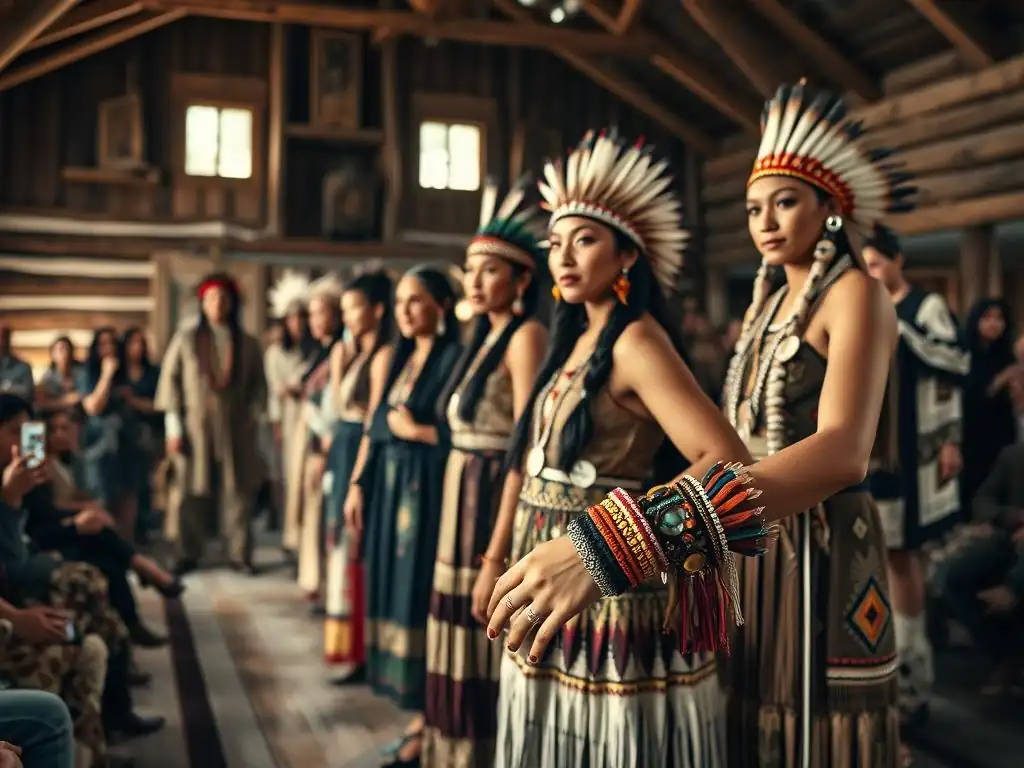
Cultural appropriation in fashion has become a controversial topic as the industry increasingly draws inspiration from indigenous cultures. It occurs when elements of a marginalized culture are taken by those in power, often without permission, context, or understanding. This practice can strip these elements of their original meaning and significance, reducing them to mere aesthetic choices. The consequences are profound, as they can perpetuate stereotypes and contribute to the erasure of the cultural identities from which these elements originate.
Indigenous communities have long expressed concern over how their traditional garments, symbols, and practices are used in mainstream fashion. These concerns point to a lack of respect and acknowledgment for the history and significance of the items being appropriated. As a response, many indigenous designers and advocates are calling for a more conscious approach to fashion that respects the origins of the designs and pays homage to their cultural heritage.
Understanding Cultural Appropriation vs. Appreciation
To navigate the complex issue of cultural appropriation, it is crucial to differentiate between cultural appropriation and cultural appreciation.
- Cultural Appropriation: This involves taking elements from a culture, particularly those of marginalized groups, without permission or understanding. Often, this results in commodification, where cultural elements are used for profit while their original meanings are ignored. Examples include using sacred symbols in fashion without consent from the culture’s bearers.
- Cultural Appreciation: In contrast, cultural appreciation involves a respectful understanding and acknowledgment of another culture. This can include learning about the traditions, history, and significance behind cultural symbols and practices. It often involves collaborations with cultural representatives and ensuring that those whose culture is being celebrated benefit from its use.
To foster a healthy dialogue about these concepts, it is essential for the fashion industry to educate itself and engage in meaningful conversations with indigenous communities. This approach not only minimizes the risk of appropriation but also enriches the fashion landscape with authentic influences.
How to Support Indigenous Fashion Legally and Ethically
Supporting indigenous fashion involves more than just purchasing items; it requires a commitment to ethical practices and legal respect for indigenous rights. Here are some ways to ensure support is meaningful:
- Buy from Indigenous Designers: Actively seek out and purchase from designers who identify as indigenous. This ensures that the economic benefits directly support the communities.
- Educate Yourself: Learn about the cultural significance of the designs and symbols used in indigenous fashion. Understanding the history behind these elements fosters respect and appreciation.
- Advocate for Intellectual Property Rights: Support movements that advocate for stronger intellectual property protections for indigenous designs and cultural expressions. This can help prevent unauthorized use of traditional motifs and symbols.
- Engage with Indigenous Voices: Follow and listen to indigenous creators and activists. Their insights can significantly impact how fashion trends evolve and can guide consumers toward more ethical choices.
- Participate in Collaborations: Encourage brands to collaborate with indigenous artists and designers to create collections that honor and represent indigenous cultures authentically.
By taking these steps, consumers can contribute to a more respectful and equitable fashion industry, one that acknowledges and celebrates the rich traditions of indigenous cultures.
Conclusion: The Future of Indigenous Influences in Fashion
The future of indigenous influences in fashion hinges on a collective effort to honor and respect the origins of these influences. As awareness of cultural appropriation grows, there is a shift toward recognizing the value of indigenous perspectives in fashion. This change promises to lead to more collaborations, authentic representations, and a deeper understanding of the cultural narratives behind the designs.
The increasing presence of indigenous designers in the mainstream fashion narrative is a positive sign, indicating that the industry is beginning to embrace diversity and inclusion more genuinely. By prioritizing ethical practices and cultural appreciation, the fashion world can transform into a space that celebrates the contributions of indigenous peoples while challenging existing trends.
The journey toward a more equitable fashion industry will require ongoing dialogue, education, and collaboration. As consumers advocate for change, the influence of indigenous cultures can continue to inspire trends that are not only stylish but also rich in meaning and significance. The future is bright for indigenous fashion influences, as they carve out a space that honors their heritage and reshapes mainstream aesthetics.
Call to Action: Engage with Indigenous Fashion
Indigenous fashion is not merely a trend; it represents a rich tapestry of culture, history, and identity that deserves recognition and respect. Engaging with indigenous fashion goes beyond appreciating its aesthetic value; it involves understanding the stories, traditions, and values embedded in these designs. Here are several ways to actively participate in and support indigenous fashion:
- Shop Responsibly: Choose to purchase from indigenous designers and brands that prioritize authenticity and ethical practices. Look for collections that emphasize traditional craftsmanship and sustainable materials. This not only supports indigenous communities but also promotes environmentally friendly practices within the fashion industry.
- Educate Yourself and Others: Take the time to learn about the different indigenous cultures and the significance of their fashion choices. Share this knowledge with friends and family to foster a greater appreciation for the diversity and richness of indigenous fashion. Consider reading books, attending workshops, or participating in cultural events that focus on indigenous artistry.
- Advocate for Representation: Support initiatives and organizations that work towards increasing the visibility of indigenous designers in mainstream fashion. Use your voice on social media platforms to promote indigenous fashion events, campaigns, and collections. By advocating for representation, you help challenge the existing narratives and stereotypes that often overshadow indigenous contributions to the fashion world.
- Attend Indigenous Fashion Events: Participate in fashion shows, exhibitions, and markets dedicated to indigenous fashion. These events provide an excellent opportunity to connect with designers, learn about their inspirations, and experience their creations firsthand. Engaging in these spaces allows for a deeper understanding of the cultural significance behind each piece.
- Create and Share: If you are an artist or designer inspired by indigenous fashion, consider incorporating elements of this style into your work while respecting the cultural context. Ensure that your creations honor and pay tribute to the traditions they draw from, and be transparent about your influences when sharing your work.
By actively engaging with indigenous fashion, you contribute to a more inclusive and respectful understanding of cultural influences in contemporary trends. This involvement not only enriches your personal style but also empowers indigenous communities and promotes a more diverse and equitable fashion landscape.
- Introduction to Indigenous Fashion Influences
- The Rich Tapestry of Indigenous Fashion
- Indigenous Influences in Contemporary Fashion Trends
- Sustainable Fashion: Indigenous Practices and Environmental Awareness
- Addressing Cultural Appropriation in Fashion
- Conclusion: The Future of Indigenous Influences in Fashion
- Call to Action: Engage with Indigenous Fashion
- What are the main focuses of the article "Fashioning Change: How Indigenous Influences Challenge Mainstream Trends"?
- How do indigenous fashion influences differ from mainstream fashion trends?
- What impact have indigenous designers had on modern fashion?
- How can individuals support indigenous fashion?
- Why is it important to acknowledge indigenous influences in fashion?
Frequently Asked Questions
What are the main focuses of the article "Fashioning Change: How Indigenous Influences Challenge Mainstream Trends"?
The article highlights indigenous fashion influences and how they have shaped and challenged mainstream trends in the fashion industry, showcasing the cultural richness of indigenous communities.
How do indigenous fashion influences differ from mainstream fashion trends?
Indigenous fashion often reflects cultural heritage, traditional techniques, and sustainable practices, contrasting with mainstream fashion, which typically prioritizes profitability and fast production.
What impact have indigenous designers had on modern fashion?
Indigenous designers have introduced unique aesthetics and cultural narratives, promoting diversity within the fashion industry and encouraging a shift towards sustainable and ethical practices.
How can individuals support indigenous fashion?
Individuals can support indigenous fashion by purchasing from indigenous designers, promoting their work, and advocating for representation in the fashion industry, thus helping to ensure their cultural significance is recognized.
Why is it important to acknowledge indigenous influences in fashion?
Acknowledging indigenous influences in fashion is crucial for fostering cultural appreciation, preserving traditions, and recognizing the historical contributions of indigenous peoples to global culture and trends.
Final Reflection: Embracing Indigenous Fashion to Transform Trends
The intersection of Indigenous influences and mainstream fashion is not just a trend; it is a powerful movement that challenges the status quo and redefines cultural narratives. Today, as we witness a growing appreciation for diversity and authenticity in fashion, it is essential to recognize how Indigenous designers and their unique perspectives are reshaping the industry. This movement is a testament to the resilience and creativity of Indigenous cultures, reminding us that fashion can be a vehicle for social change and cultural appreciation.
The impact of Indigenous fashion influences extends far beyond the runway; it resonates deeply within our cultural and social landscapes. As we embrace these influences, we not only celebrate the rich heritage of Indigenous peoples but also foster a more inclusive and equitable fashion industry. The words of Indigenous designer Bethany Yellowtail resonate powerfully here: Fashion is a language, and we are using it to tell our stories.
This ongoing dialogue invites us to reflect on our own narratives and the ways in which we can support and uplift marginalized voices in the fashion world.
As we move forward, I invite you to reflect on your own relationship with fashion and the stories it tells. Consider how you can incorporate Indigenous influences into your personal style while honoring the cultures and traditions behind them. Let us all strive to be conscious consumers, advocating for a fashion landscape that values authenticity, respect, and collaboration. Together, we can contribute to a future where Indigenous fashion not only influences trends but also inspires meaningful change in our society.
Embrace Change: Discover Your Role in Fashion’s Evolution!
Thank you for diving into the fascinating world of Indigenous influences in fashion! Your interest not only highlights the beauty of diverse cultures but also the pivotal role they play in shaping mainstream trends. Now that you're inspired, let’s take those insights a step further!
- Explore Indigenous designers: Seek out and support Indigenous brands and artisans in your area or online. This not only boosts their businesses but also allows you to embrace unique styles that tell a meaningful story.
- Share your findings: Discuss what you've learned with friends and family. Utilize social media to showcase Indigenous fashion influences and connect with individuals who value cultural diversity.
- Get involved: Participate in local events, workshops, or exhibitions that celebrate Indigenous art and fashion. Engaging with the community will deepen your understanding and support for these invaluable contributions.
What unique Indigenous fashion piece or style can you incorporate into your wardrobe that resonates with you? Let's start a conversation about how we can all contribute to this vibrant narrative!