
Native Harvests: The Role of Indigenous Foods in Global Culinary Trends

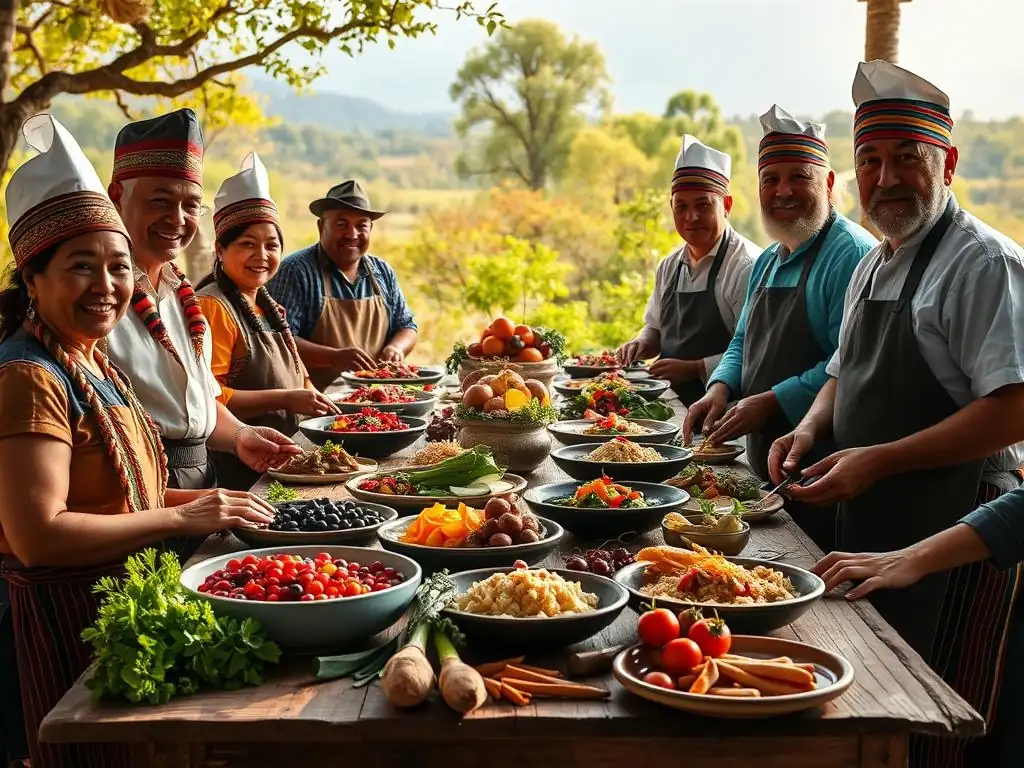
Welcome to Indigenous Civilizations of the Americas, where we invite you to journey through the rich tapestry of cultures that flourished long before European contact. Our focus today is on the fascinating theme of Indigenous foods and their influence on global cuisine. Discover how ancient agricultural practices and traditional ingredients have shaped culinary trends worldwide, sparking a renewed appreciation for the flavors and techniques that originated from these vibrant societies.
Get ready to explore the profound impact of native harvests on our plates today—what secrets and inspirations await you in the world of Indigenous foods? Dive in and find out!
- Introduction to Indigenous Foods Influence on Global Cuisine
- The Historical Context of Indigenous Foods in Global Cuisines
- Rediscovering Indigenous Ingredients: A Culinary Renaissance
- Indigenous Foods Influence on Contemporary Culinary Trends
- Case Studies: Restaurants and Chefs Embracing Indigenous Ingredients
- The Sustainability of Indigenous Foods in Global Cuisine
- Challenges Facing Indigenous Foods in Global Markets
- Conclusion: The Future of Indigenous Foods Influence in Global Cuisine
- Frequently Asked Questions
- Final Reflection: Embracing Indigenous Foods to Enrich Global Cuisine
- Savor the Flavor: Embrace Indigenous Foods Today!
Introduction to Indigenous Foods Influence on Global Cuisine
Indigenous foods have long served as the backbone of culinary traditions across the Americas, deeply intertwined with the cultural identities and histories of various indigenous communities. This article delves into the profound influence of these foods on global cuisine, particularly highlighting how traditional ingredients and cooking methods have transcended borders and reshaped modern culinary practices.
As we explore the diverse flavors and unique techniques that originated from indigenous cultures, we will uncover the significant contributions they make to contemporary gastronomy. By understanding the historical and cultural significance of these foods, we can appreciate their role not only in local diets but also in the evolving landscape of global cuisine.
Understanding Indigenous Foods and Their Cultural Significance
Indigenous foods encompass a wide array of ingredients and preparation methods that have been cultivated and refined over millennia by the native peoples of the Americas. These foods are not merely sustenance; they embody the rich traditions, stories, and values of the communities that have sustained them.
Some key aspects of indigenous foods include:
- Diversity of Ingredients: Indigenous diets are characterized by a vast array of ingredients, such as maize, beans, squash, quinoa, and numerous fruits, herbs, and spices. Each of these elements plays a crucial role in the cultural and spiritual practices of different tribes.
- Sustainable Practices: Many indigenous communities have developed sustainable agricultural practices that prioritize biodiversity and respect for the environment. These practices ensure the preservation of ecosystems while providing nourishment for their people.
- Cultural Rituals: Food is often at the center of cultural rituals and ceremonies, serving as a medium for storytelling, connection, and community bonding. Cooking and sharing meals often reflect the values and beliefs of the culture.
- Adaptation and Resilience: Indigenous peoples have demonstrated remarkable adaptability in their food practices, integrating new ingredients and techniques introduced by external influences while maintaining their culinary heritage.
Through these lenses, it becomes evident that indigenous foods are not only vital to the survival of these cultures but also serve as a source of innovation that has enriched global culinary trends.
The Global Culinary Landscape: A Brief Overview
In recent years, there has been a marked increase in the interest surrounding indigenous foods, as chefs and food enthusiasts alike seek to incorporate these unique ingredients into their culinary repertoire. This resurgence reflects a broader movement towards recognizing and valuing the contributions of indigenous cultures to global cuisine.
Key points to consider in this shifting culinary landscape include:
- Culinary Fusion: Indigenous ingredients are increasingly being fused with global culinary techniques, leading to innovative dishes that celebrate both tradition and modernity. For example, chefs may use traditional grains like quinoa in contemporary salads or blend native herbs with international flavors.
- Farm-to-Table Movement: The growing farm-to-table movement emphasizes the importance of sourcing local and indigenous ingredients, driving chefs to explore their heritage and incorporate indigenous foods into their menus for authenticity and sustainability.
- Culinary Education: Culinary schools and programs are recognizing the importance of indigenous food systems, integrating them into their curricula to educate future chefs about the cultural significance and sustainability of these ingredients.
- Social Awareness: With increasing awareness of social justice issues, chefs and consumers alike are becoming more conscious of the origins of their food, often seeking out indigenous ingredients as a way to support these communities and their sustainable practices.
As we explore the profound impact of indigenous foods on global cuisine, it is essential to acknowledge the cultural, environmental, and social dimensions that shape these culinary traditions. This exploration not only enriches our understanding of food but also fosters respect for the diverse societies that have cultivated these invaluable ingredients throughout history.
The Historical Context of Indigenous Foods in Global Cuisines
Ancient Civilizations and Their Culinary Traditions
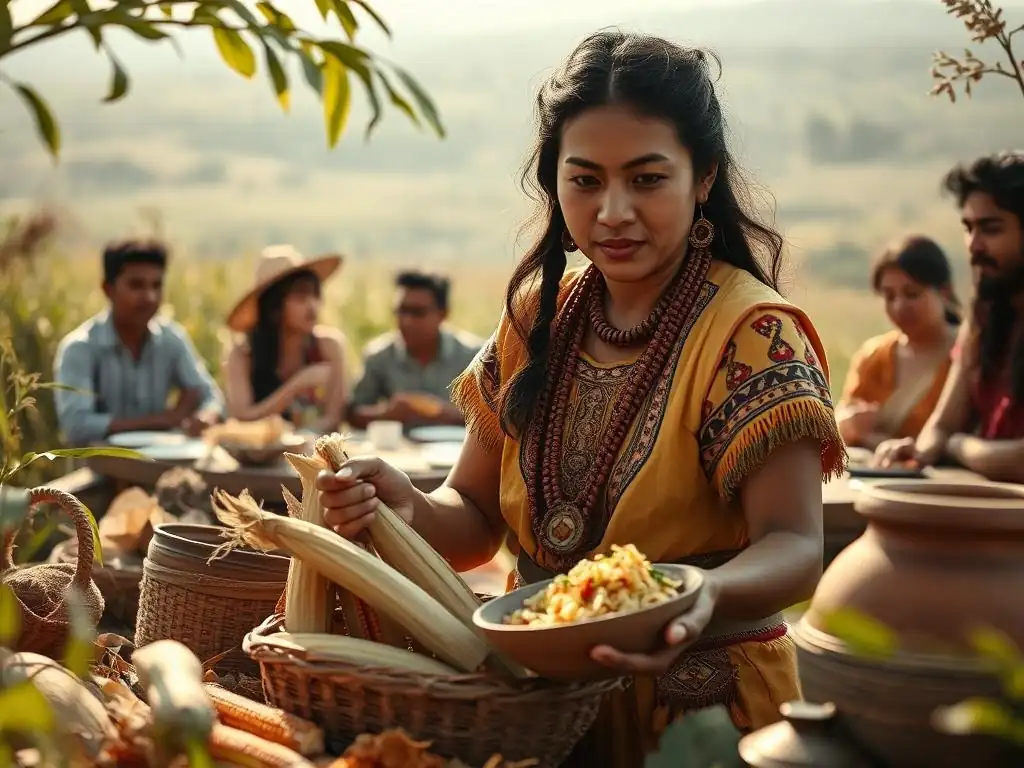
Indigenous foods have played a central role in the culinary traditions of ancient civilizations across the Americas. Rich in diversity, these foods stemmed from a profound understanding of local ecosystems and agricultural practices. Notable civilizations such as the Maya, Aztec, and Inca cultivated a variety of crops that have significantly influenced global cuisine.
- Maya Civilization: The Maya were exceptional agriculturalists, growing staples like maize, beans, and squash, often referred to as the "Three Sisters." These crops formed the backbone of their diet and were integral to their cultural practices. Maize, in particular, held spiritual significance and was used in ceremonies, highlighting the connection between food and identity.
- Aztec Cuisine: The Aztecs also utilized maize but expanded their agricultural repertoire to include tomatoes, chili peppers, and cacao. These ingredients not only served as dietary staples but also contributed to the culinary landscape of what is now known as Mexican cuisine. The use of chili, for example, has become a defining characteristic of various global cuisines, showcasing the lasting impact of indigenous ingredients.
- Inca Innovations: The Inca Empire excelled in farming techniques, utilizing innovative methods such as terrace farming to cultivate potatoes and quinoa at high altitudes. Potatoes, in particular, have transcended borders and are now a global staple, demonstrating the significant influence of Inca agriculture on worldwide dietary practices.
The culinary traditions of these ancient civilizations laid the groundwork for modern cuisines, emphasizing the importance of indigenous foods in global culinary trends. The rich flavors and unique preparation methods have been adopted and adapted, highlighting the enduring legacy of these cultures.
The Impact of Colonization on Indigenous Ingredients
The arrival of European colonizers in the Americas had profound effects on indigenous foods and their integration into global cuisines. The colonization process disrupted traditional agricultural practices and led to significant changes in food systems.
- Displacement of Indigenous Peoples: Colonization often resulted in the displacement of indigenous communities, which disrupted their traditional farming practices and access to native crops. Many indigenous foods were marginalized, leading to a decline in their cultivation and consumption. This loss not only affected the communities themselves but also reduced the diversity of ingredients available for global culinary practices.
- Introduction of European Ingredients: As European settlers introduced new ingredients such as wheat, dairy, and livestock, the culinary landscape shifted dramatically. While some indigenous foods were incorporated into these new diets, many were overshadowed. For instance, the introduction of European grains often replaced traditional staples like maize and quinoa in various regions.
- Culinary Fusion: Despite the negative impacts of colonization, the blending of European and indigenous culinary practices led to the creation of new dishes and flavors. This fusion is particularly evident in regions like the southern United States and Latin America, where traditional indigenous ingredients have been combined with European techniques to create unique culinary identities. For example, the use of indigenous crops like corn in cornbread or tortillas highlights the resilience of these ingredients within new culinary frameworks.
The impact of colonization on indigenous ingredients is complex, resulting in both challenges and adaptations that have shaped global culinary trends. Today, there is a growing recognition of the value of these ingredients, as chefs and food enthusiasts increasingly seek to incorporate indigenous foods into contemporary global cuisine, celebrating their rich history and cultural significance.
Rediscovering Indigenous Ingredients: A Culinary Renaissance
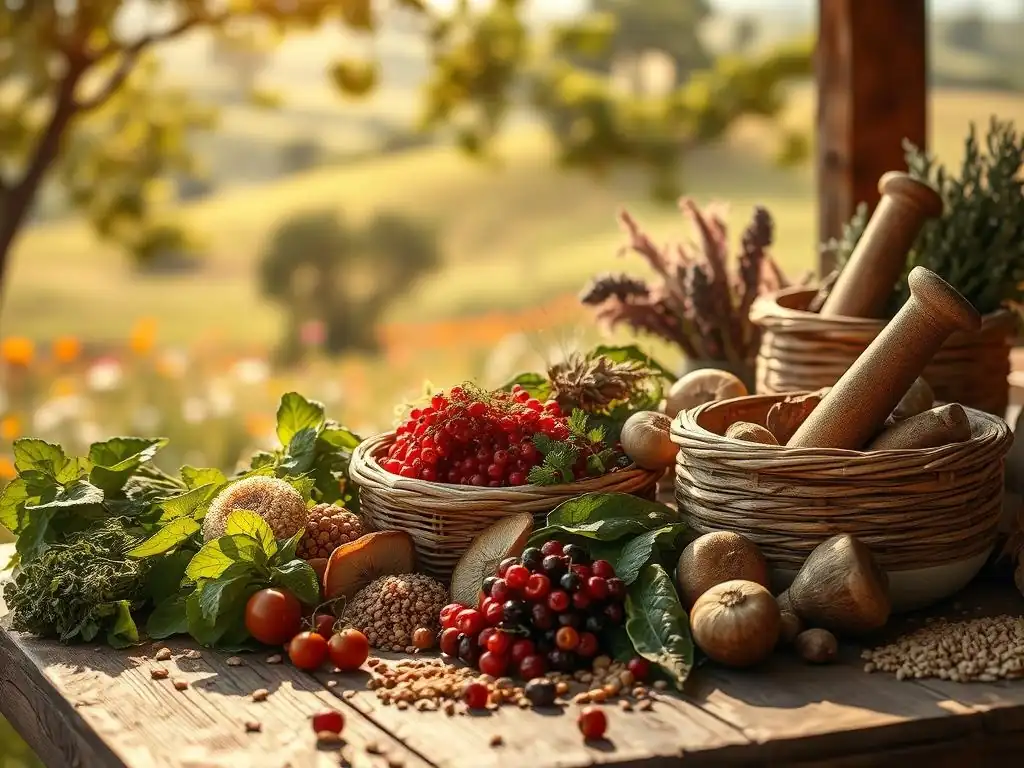
The resurgence of indigenous ingredients in modern culinary practices represents a significant cultural renaissance. As chefs and home cooks alike seek more sustainable and authentic flavors, there is a growing recognition of the rich biodiversity that indigenous foods offer. This movement not only elevates the culinary arts but also honors the traditions and knowledge of indigenous peoples who have cultivated these ingredients for centuries.
The culinary renaissance surrounding indigenous foods is driven by several factors:
- Sustainability Concerns: With increasing awareness of environmental issues, many chefs are turning to indigenous foods that require less intensive farming methods, promoting biodiversity and sustainability.
- Culinary Authenticity: There's a desire for authentic culinary experiences, prompting chefs to explore traditional indigenous recipes and techniques.
- Health Benefits: Many indigenous foods are inherently healthy, rich in nutrients, and often free from the additives and preservatives found in mass-produced ingredients.
The integration of these foods into global cuisine not only enriches culinary practices but also serves as a bridge connecting diverse cultures through shared flavors and histories.
Key Indigenous Foods Making Waves in Modern Cooking
Indigenous foods are increasingly finding their way into the menus of renowned restaurants and home kitchens worldwide. Here are some key indigenous ingredients that are gaining popularity:
- Quinoa: Originally cultivated by the Andean peoples, quinoa has become a staple in health-conscious diets globally. Its high protein content and versatility make it suitable for a variety of dishes, from salads to main courses.
- Amaranth: This ancient grain, once a staple of the Aztec civilization, is rich in protein and fiber. Chefs are now using amaranth flour for baking and as a gluten-free alternative in various recipes.
- Chilies: Indigenous to the Americas, chilies are now integral to cuisines worldwide. Varieties like jalapeños and habaneros add heat and depth to dishes, showcasing the flavor profiles that originated with indigenous cultures.
- Wild Rice: Harvested by Indigenous peoples in North America, wild rice is not only a culinary delicacy but also a symbol of cultural heritage. Its nutty flavor and chewy texture are being embraced in both traditional and contemporary dishes.
- Cacao: The use of cacao dates back to ancient Mesoamerican cultures. Today, it is celebrated not only for its role in chocolate but also for its health benefits, including antioxidants and mood-enhancing properties.
These ingredients illustrate how indigenous foods influence global cuisine, offering unique flavors and nutritional benefits that are now being appreciated on an international scale.
The Role of Indigenous Farmers and Communities in Food Production
The revival of indigenous ingredients can largely be attributed to the efforts of indigenous farmers and communities. Their deep-rooted knowledge of local ecosystems and sustainable agricultural practices is essential in promoting biodiversity and preserving traditional foodways.
- Cultural Stewardship: Indigenous farmers often practice methods that have been passed down through generations, ensuring that crops are cultivated in harmony with nature. This includes crop rotation, companion planting, and using native seeds that are well-adapted to local conditions.
- Community Resilience: Many indigenous communities are reclaiming their agricultural practices as a means of fostering self-sufficiency and food sovereignty. By cultivating traditional crops, they not only nourish their communities but also preserve their cultural heritage.
- Educational Outreach: Indigenous farmers are increasingly involved in educational initiatives, sharing their knowledge with wider audiences. Workshops and farm tours allow people to learn about the significance of indigenous foods and methods, fostering appreciation for these ingredients.
- Economic Opportunities: The rising demand for indigenous foods has opened new markets for indigenous farmers. By connecting with chefs and retailers, they can earn sustainable incomes while promoting their cultural heritage.
Through the collaboration between indigenous communities and the global culinary scene, indigenous foods are not just surviving; they are thriving and reshaping global cuisine. This partnership underscores the importance of respecting and valuing the contributions of indigenous peoples in the ongoing culinary narrative.
Indigenous Foods Influence on Contemporary Culinary Trends
Fusion Cuisine: Blending Indigenous Flavors with Global Practices
Fusion cuisine has become a hallmark of contemporary culinary arts, combining diverse culinary traditions to create innovative dishes. Indigenous foods play a crucial role in this evolution, offering unique flavors and ingredients that enrich global cuisine. Chefs around the world are increasingly incorporating traditional indigenous ingredients such as quinoa, amaranth, and various herbs and spices native to the Americas into their menus.
- Culinary Techniques: Indigenous cooking techniques, such as smoking, roasting, and fermentation, are gaining popularity. For example, the use of smoked chili peppers in sauces and marinades introduces a depth of flavor that complements various global dishes.
- Regional Ingredients: Ingredients like cacao, which originated in Mesoamerica, are being used beyond traditional contexts. Modern chefs blend cacao with spices from Asia or Africa, creating unique desserts that highlight the complexity of flavors.
- Cultural Stories: The integration of indigenous foods often comes with historical narratives that chefs share with their patrons, enriching the dining experience. This storytelling aspect not only educates diners about the origin of these ingredients but also fosters a deeper appreciation for indigenous cultures.
- Sustainability Focus: Many indigenous food sources emphasize sustainability and ethical sourcing, aligning with the growing global trend towards responsible eating. Dishes that feature native plants and animals promote biodiversity and environmental stewardship, resonating with eco-conscious consumers.
As the culinary world continues to evolve, the influence of indigenous foods remains a powerful force, shaping contemporary cuisine in ways that celebrate both heritage and innovation.
The Rise of Plant-Based Diets and Indigenous Foods
The global shift towards plant-based diets has amplified the relevance of indigenous foods, as many traditional diets are inherently plant-focused. Indigenous communities have long utilized a variety of locally sourced plants, grains, and legumes, which are now being embraced in modern nutrition.
- Nutrient-Dense Ingredients: Indigenous foods such as wild rice, heirloom beans, and various native grains offer a wealth of nutrients, making them ideal for health-conscious consumers. These ingredients are rich in protein, fiber, and essential vitamins, contributing to balanced diets.
- Ethical Sourcing: The rise of plant-based diets aligns with an increased awareness of ethical sourcing and sustainability. Indigenous farming practices often emphasize biodiversity and sustainable land use, making these foods not only healthy but also environmentally friendly.
- Culinary Exploration: Chefs are exploring indigenous plants in their culinary creations, utilizing ingredients like sunchokes, pawpaw, and stinging nettle in innovative ways. This exploration not only diversifies menus but also introduces diners to flavors and textures that are often overlooked.
- Cultural Appreciation: The incorporation of indigenous ingredients into plant-based dishes fosters a greater appreciation for the cultural significance of these foods. As diners become more aware of the origins of their meals, they often develop a deeper respect for indigenous knowledge and practices.
Indigenous foods are thus not only enriching global cuisine but also playing a pivotal role in the transition to healthier, more sustainable eating practices. As this trend continues, the culinary world stands to gain immensely from the rich tapestry of flavors and traditions that indigenous foods offer.
Case Studies: Restaurants and Chefs Embracing Indigenous Ingredients
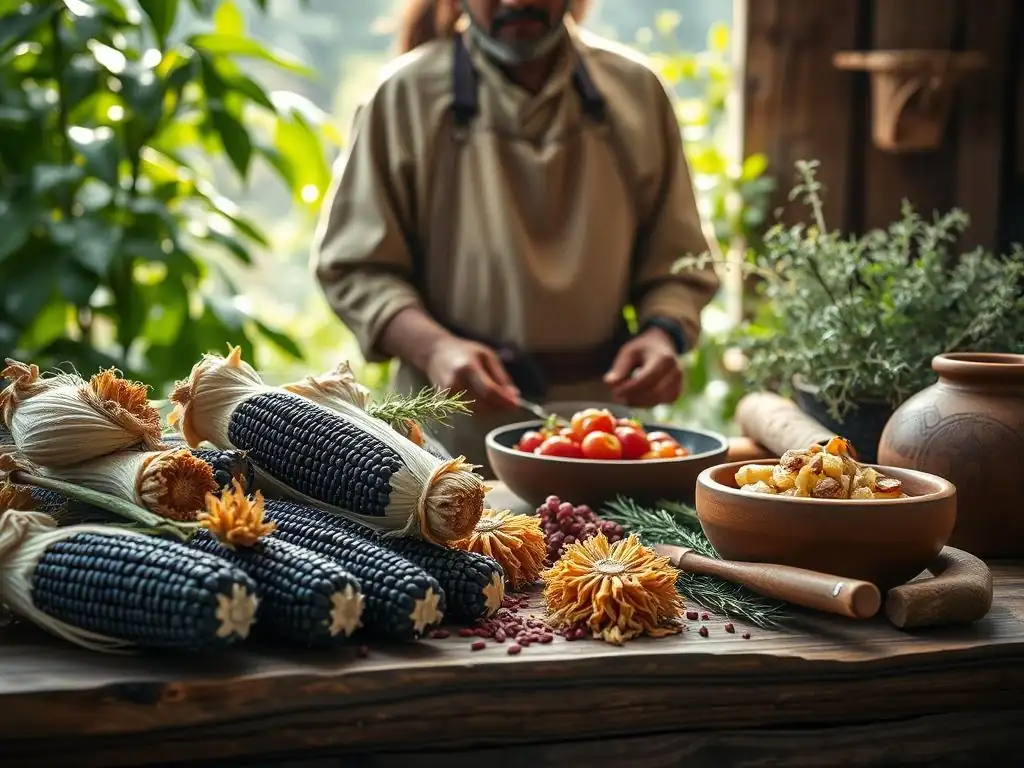
In recent years, the culinary world has witnessed a remarkable shift towards the inclusion of indigenous ingredients in global cuisine. This movement is not only a celebration of cultural heritage but also a testament to the versatility and richness of indigenous foods. Below, we explore notable case studies of restaurants and chefs who are at the forefront of this trend.
Spotlight on Leading Chefs Using Indigenous Foods
Many chefs are now incorporating indigenous foods into their menus, showcasing the flavors and techniques that have been passed down through generations. Here are a few leading chefs who are making a significant impact:
- Sean Sherman (The Sioux Chef)
- Background: A member of the Oglala Lakota tribe, Sherman has dedicated his culinary career to reviving indigenous North American cuisine.
- Approach: Using ingredients that were traditionally used by Native American tribes, Sherman emphasizes foraged plants, wild game, and heirloom varieties of corn and beans.
- Impact: His restaurant, The Sioux Chef, has received national acclaim, and Sherman’s cookbook, The Sioux Chef's Indigenous Kitchen, has educated many on the importance of indigenous foods.
- Niki Nakayama (n/naka)
- Background: A Japanese-American chef, Nakayama blends traditional Japanese techniques with indigenous ingredients to create a unique culinary experience.
- Approach: By incorporating ingredients like wild rice and foraged herbs into her kaiseki menus, she highlights the interconnectedness of cultures and the importance of local sourcing.
- Impact: Her restaurant in Los Angeles has been recognized with two Michelin stars, showcasing the sophistication and relevance of indigenous ingredients in fine dining.
- Ben Spangler (Indigenous)
- Background: Chef Spangler focuses on the ingredients of the Southeast, drawing inspiration from indigenous cultures.
- Approach: Incorporating local seafood, native grains, and seasonal produce, he emphasizes sustainability and community engagement.
- Impact: His restaurant, Indigenous, has become a model for how indigenous foods can influence contemporary cuisine while honoring their roots.
These chefs not only enhance their dishes with indigenous ingredients but also educate their patrons about the cultural significance behind each component.
Success Stories of Indigenous Food Brands
As the demand for indigenous foods grows, several brands have emerged, emphasizing sustainability, quality, and cultural heritage. These brands are not only reshaping the food industry but also empowering indigenous communities. Here are some notable examples:
- Native American Natural Foods
- Products: Known for its Tanka Bar, this company offers a range of bison-based snacks that honor the traditional hunting practices of Native American tribes.
- Impact: By sourcing ingredients sustainably and promoting the health benefits of bison, Native American Natural Foods supports both indigenous agriculture and nutrition.
- Café Altura
- Products: This coffee brand specializes in organic, fair-trade coffee, with an emphasis on sourcing from indigenous farmers in Central and South America.
- Impact: Through direct trade practices, Café Altura empowers indigenous coffee growers by ensuring they receive fair compensation for their products, thus preserving their cultural heritage.
- Oshá
- Products: Oshá focuses on creating artisan food products inspired by indigenous South American ingredients, such as aji peppers and quinoa.
- Impact: By promoting these lesser-known ingredients, Oshá not only introduces consumers to new flavors but also supports sustainable farming practices among indigenous communities.
These success stories highlight the significant influence of indigenous foods on global cuisine, demonstrating how culinary innovation can lead to economic empowerment and cultural appreciation. As more chefs and brands embrace these ingredients, the culinary landscape continues to evolve, reflecting a deeper understanding of the rich heritage of indigenous cultures.
The Sustainability of Indigenous Foods in Global Cuisine
Environmental Benefits of Indigenous Agricultural Practices
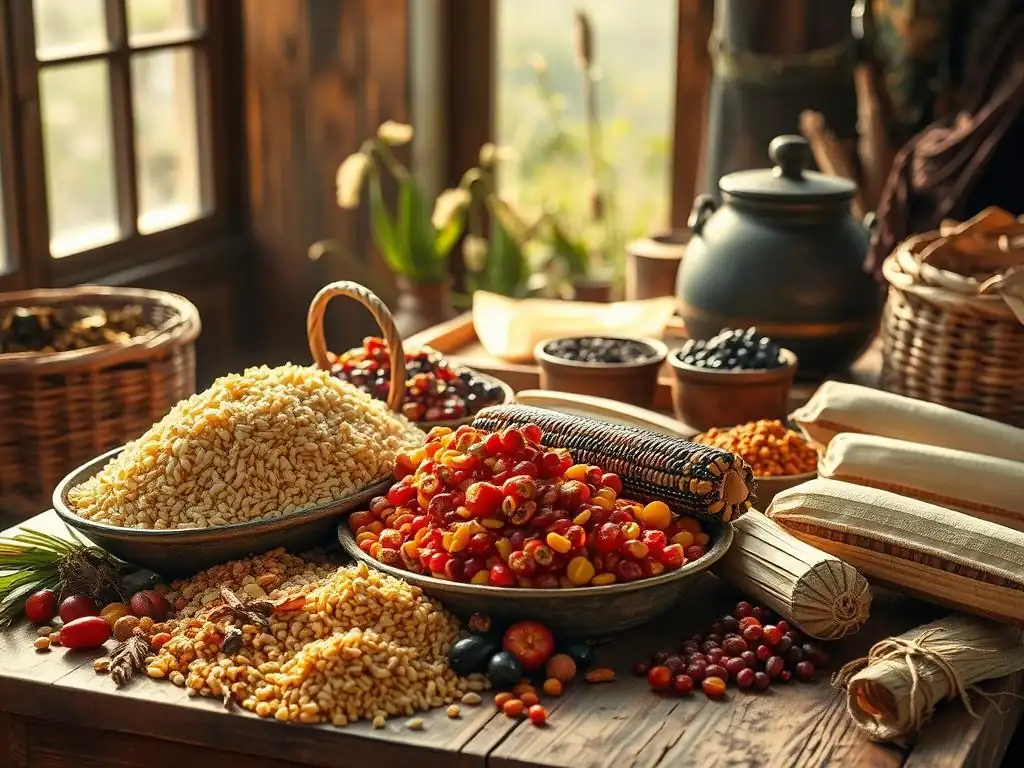
Indigenous agricultural practices have long been rooted in sustainability, fostering a deep connection between communities and their environments. These traditional methods often emphasize biodiversity, crop rotation, and the use of native plant species, which can lead to healthier ecosystems.
- Biodiversity Preservation:
- Indigenous farming techniques promote a variety of crops rather than mono-cropping, which enhances genetic diversity. For instance, the Three Sisters method, utilized by many Native American tribes, integrates corn, beans, and squash. This symbiotic planting not only maximizes yield but also enriches the soil and reduces pest outbreaks.
- Soil Health:
- Practices such as intercropping and agroforestry help maintain soil structure and nutrient levels. By planting complementary crops together, Indigenous farmers can reduce the need for synthetic fertilizers, which often harm the environment.
- Water Conservation:
- Many Indigenous communities employ advanced water management strategies, such as terracing and rainwater harvesting, that minimize waste and enhance the availability of this precious resource. These practices can provide valuable lessons for modern agricultural systems that face increasing water scarcity.
- Climate Resilience:
- Indigenous knowledge systems often include an understanding of local climate patterns and ecological dynamics, enabling communities to adapt their agricultural practices to changing conditions. This resilience is vital in the face of global climate change, making Indigenous methods increasingly relevant to contemporary global cuisine.
By incorporating Indigenous foods into global culinary trends, chefs and consumers alike can not only enjoy unique flavors but also support sustainable agricultural practices that benefit the environment.
Supporting Indigenous Communities Through Ethical Sourcing
Ethical sourcing of Indigenous foods is essential for promoting social equity and economic empowerment within Indigenous communities. As global interest in these foods grows, it is crucial to ensure that the communities who cultivate them are fairly compensated and respected.
- Fair Trade Practices:
- Establishing fair trade relationships is vital for ensuring that Indigenous producers receive equitable compensation for their labor and products. This can help uplift entire communities, providing funds for education, healthcare, and infrastructure.
- Cultural Respect and Recognition:
- It is important for global consumers and chefs to recognize the cultural significance of Indigenous foods. This includes understanding traditional harvesting methods and the spiritual connection that many Indigenous peoples have with their land. Respecting these cultural practices helps to maintain the integrity of the food and its origins.
- Collaborative Partnerships:
- Building partnerships between Indigenous producers and culinary professionals can lead to innovative ways of integrating Indigenous foods into modern cuisine. These collaborations should prioritize the voices and leadership of Indigenous communities, ensuring that they have a say in how their foods are represented and marketed.
- Education and Awareness:
- Raising awareness about the importance of Indigenous foods and their impact on global cuisine can encourage consumers to make informed choices. Educational initiatives can highlight the benefits of supporting Indigenous communities, fostering a deeper appreciation for the flavors and traditions that these foods represent.
Ethical sourcing of Indigenous foods not only enriches global cuisine but also supports the sustainability and cultural heritage of Indigenous communities, creating a more interconnected and respectful food system.
Challenges Facing Indigenous Foods in Global Markets
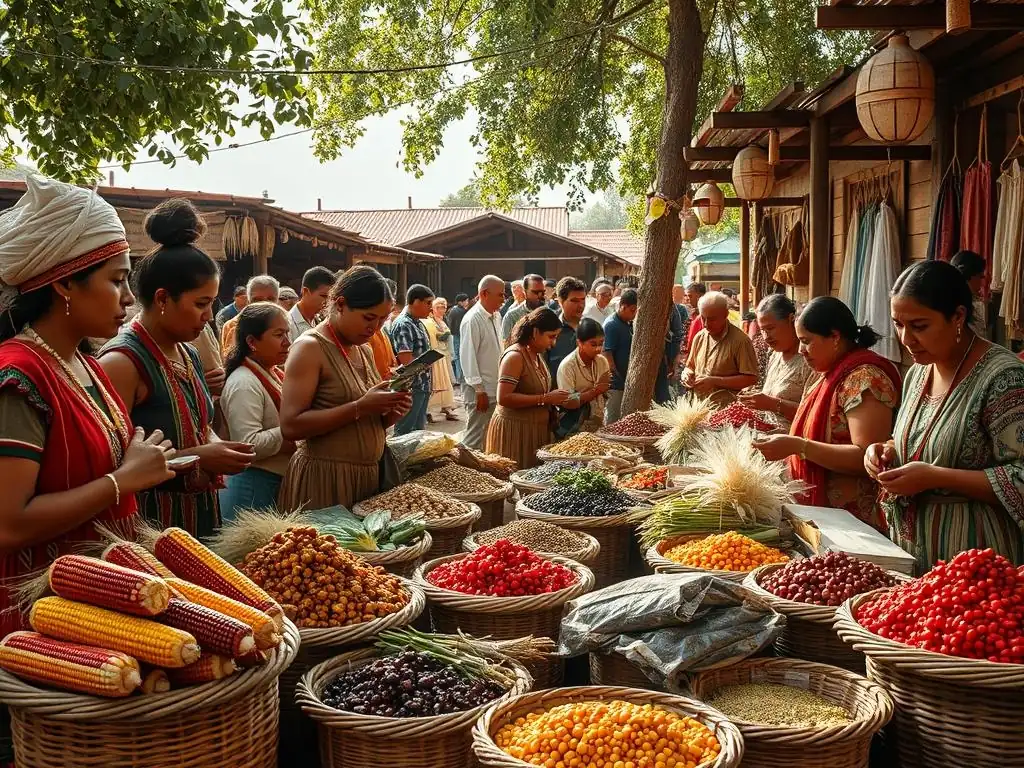
Indigenous foods are increasingly recognized for their unique flavors and nutritional benefits, yet they face significant challenges in global markets. These obstacles range from cultural misappropriation to the delicate balance between preserving traditional practices and embracing modern culinary innovation. Understanding these challenges is essential for promoting the rightful place of Indigenous foods in global cuisine.
Misappropriation of Indigenous Knowledge and Ingredients
The misappropriation of Indigenous knowledge and ingredients is a pressing issue that undermines the authenticity and cultural significance of these foods. This phenomenon occurs when non-Indigenous individuals or businesses exploit Indigenous culinary practices and ingredients without proper acknowledgment or compensation.
- Cultural Theft: Often, recipes and traditional methods are taken and rebranded, stripping them of their cultural context. For instance, a dish originally developed by an Indigenous community may be marketed as an exotic novelty in a restaurant without any credit to its origins.
- Intellectual Property Issues: Indigenous communities frequently lack legal protection for their traditional knowledge, leading to unauthorized use of their culinary practices. This absence of protection makes it easy for corporations to profit from these foods while Indigenous people receive little to no benefit.
- Economic Disparities: Many Indigenous communities remain economically marginalized. When their foods are appropriated by larger entities, the profits do not trickle back to the original communities, further entrenching social and economic inequalities.
To combat this issue, it's crucial for consumers to support Indigenous-owned businesses and advocate for fair trade practices that ensure communities are compensated for their contributions.
Balancing Tradition and Modern Culinary Innovation
Another challenge faced by Indigenous foods in global markets is the need to balance tradition with modern culinary innovation. As the culinary world evolves, there is a growing demand for unique flavors and sustainable practices, which can put pressure on Indigenous communities to adapt their traditional methods.
- Preservation of Authenticity: Maintaining the authenticity of Indigenous dishes while introducing them to wider audiences is a delicate balance. For example, incorporating Indigenous ingredients into contemporary recipes can lead to creative culinary fusions, but it may also risk diluting the cultural significance of those ingredients.
- Evolving Palates: Global consumers often seek new and exciting flavors, which can push Indigenous chefs and farmers to experiment with their traditional practices. While innovation can lead to new opportunities, there is a fear of losing the essence of what makes Indigenous foods special.
- Sustainability Concerns: As Indigenous foods gain popularity, issues surrounding sustainability and overharvesting manifest. To ensure that Indigenous ingredients remain a viable part of global cuisine, it is essential to implement practices that respect the land and traditional harvesting methods.
In addressing these challenges, collaboration between Indigenous communities and the culinary industry can lead to a more respectful integration of Indigenous foods into global cuisine. This partnership should prioritize the voices of Indigenous peoples and ensure that their heritage is honored while also embracing the potential of innovation.
Conclusion: The Future of Indigenous Foods Influence in Global Cuisine
The influence of indigenous foods on global cuisine is poised for significant growth in the coming years. As culinary traditions continue to evolve, there is a growing recognition of the nutritional, cultural, and ecological benefits that indigenous ingredients offer. The integration of these foods into mainstream culinary practices can enrich our diets and foster a deeper appreciation for the diverse cultures that have cultivated them for centuries.
Indigenous foods, such as quinoa, amaranth, and various native fruits and vegetables, are increasingly being embraced by chefs and food enthusiasts worldwide. This trend not only celebrates the unique flavors and textures of these ingredients but also acknowledges the traditional agricultural practices that sustain them. By incorporating indigenous foods into modern recipes, chefs can create dishes that tell the story of their origins, thereby fostering cultural exchange and understanding.
Embracing Diversity in Culinary Practices
Embracing diversity in culinary practices means actively seeking out and incorporating indigenous foods into daily cooking and dining experiences. Here are several ways to achieve this:
- Explore Local Indigenous Markets: Visit farmers' markets or specialty stores that focus on indigenous products. This supports local economies and allows you to discover unique ingredients.
- Participate in Cooking Classes: Join workshops or classes focused on indigenous cuisines. Learning from knowledgeable instructors can deepen your understanding of traditional cooking techniques and the cultural significance of certain foods.
- Experiment in the Kitchen: Try using indigenous ingredients in your own recipes. For example, consider substituting traditional grains with quinoa or using indigenous spices to enhance flavors.
By embracing these diverse culinary practices, we can help to elevate indigenous foods and acknowledge their importance in global cuisine.
Call to Action: Supporting Indigenous Foods in Your Local Community
Supporting indigenous foods in your local community is crucial for preserving these culinary traditions and promoting sustainability. Here are some actionable steps you can take:
- Advocate for Indigenous Food Programs: Engage with local organizations that focus on indigenous food sovereignty and education. Support initiatives that aim to promote indigenous agriculture and food systems.
- Share Knowledge: Educate friends and family about the significance of indigenous foods. Sharing recipes and stories can help raise awareness and appreciation for these ingredients.
- Dine Responsibly: Choose to dine at restaurants that prioritize indigenous ingredients and collaborate with indigenous communities. This not only supports these establishments but also encourages the broader culinary industry to prioritize indigenous foods.
The influence of indigenous foods on global cuisine is not just a passing trend; it is an essential movement towards recognizing and valuing the rich culinary heritage of indigenous peoples. By actively participating in this movement, we can help ensure that these foods continue to thrive and inspire future generations.
Frequently Asked Questions
What are Indigenous foods?
Indigenous foods refer to the traditional ingredients and dishes that originated from the native cultures of the Americas, including crops like maize, beans, and squash.
How have Indigenous foods influenced global cuisine?
Indigenous foods have significantly shaped global cuisine by introducing unique flavors and ingredients, which have been integrated into various culinary traditions around the world.
What is the significance of native harvests?
Native harvests are vital for understanding the agricultural practices of Indigenous cultures, showcasing their sustainable methods and diverse crop varieties that contributed to global food systems.
Why is it important to recognize Indigenous culinary traditions?
Recognizing Indigenous culinary traditions helps honor their contributions to global cuisine and promotes cultural awareness and appreciation for the rich heritage of Indigenous peoples.
How can one learn more about Indigenous cuisines?
To learn more about Indigenous cuisines, explore resources such as cookbooks, documentaries, and websites dedicated to Indigenous cultures, which highlight their culinary techniques and traditional recipes.
Final Reflection: Embracing Indigenous Foods to Enrich Global Cuisine
The exploration of Indigenous foods and their influence on global cuisine is more relevant today than ever, as we witness a growing movement towards sustainability and cultural appreciation. The culinary world is increasingly recognizing the value of traditional practices and ingredients, which not only enhance flavors but also promote biodiversity and environmental stewardship. As we navigate a rapidly changing food landscape, the integration of Indigenous foods serves as a powerful reminder of our shared responsibility to honor and preserve cultural heritage.
The impact of Indigenous foods extends far beyond the kitchen; it shapes our cultural identity and fosters a deeper connection to the land. By embracing these culinary traditions, we not only enrich our palates but also support Indigenous communities and their sustainable practices. As noted by food activist and chef Sean Sherman, “When we eat Indigenous foods, we are not just nourishing our bodies; we are also nourishing our souls and honoring the wisdom of those who came before us.” This ongoing influence is a testament to the resilience and adaptability of Indigenous cultures in the face of globalization.
As you reflect on the themes presented in this article, consider how you can incorporate Indigenous foods into your own culinary practices. Challenge yourself to explore local Indigenous ingredients, learn about their cultural significance, and share these stories with others. By doing so, you not only celebrate the richness of global cuisine but also contribute to a more inclusive and sustainable food future. Let us embrace the lessons of the past and work together to create a culinary landscape that honors diversity, tradition, and innovation.
Savor the Flavor: Embrace Indigenous Foods Today!
Thank you for diving into the rich world of indigenous foods and their growing impact on global culinary trends! By exploring these unique flavors, you've unlocked the stories and traditions that make them so special. Now, let’s transform your newfound knowledge into action!
- Experiment with indigenous ingredients in your next meal—try incorporating heirloom grains or local spices to enhance your recipes!
- Share your favorite indigenous recipes with friends and family to spread awareness and appreciation for these culinary treasures.
- Join a local cooking class or workshop focused on indigenous cuisines to connect with your community and deepen your understanding of these vibrant flavors.
What indigenous ingredients do you believe could revolutionize your cooking? Share your thoughts below!