
Songs and Stories: The Musical Elements of Indigenous Oral Traditions

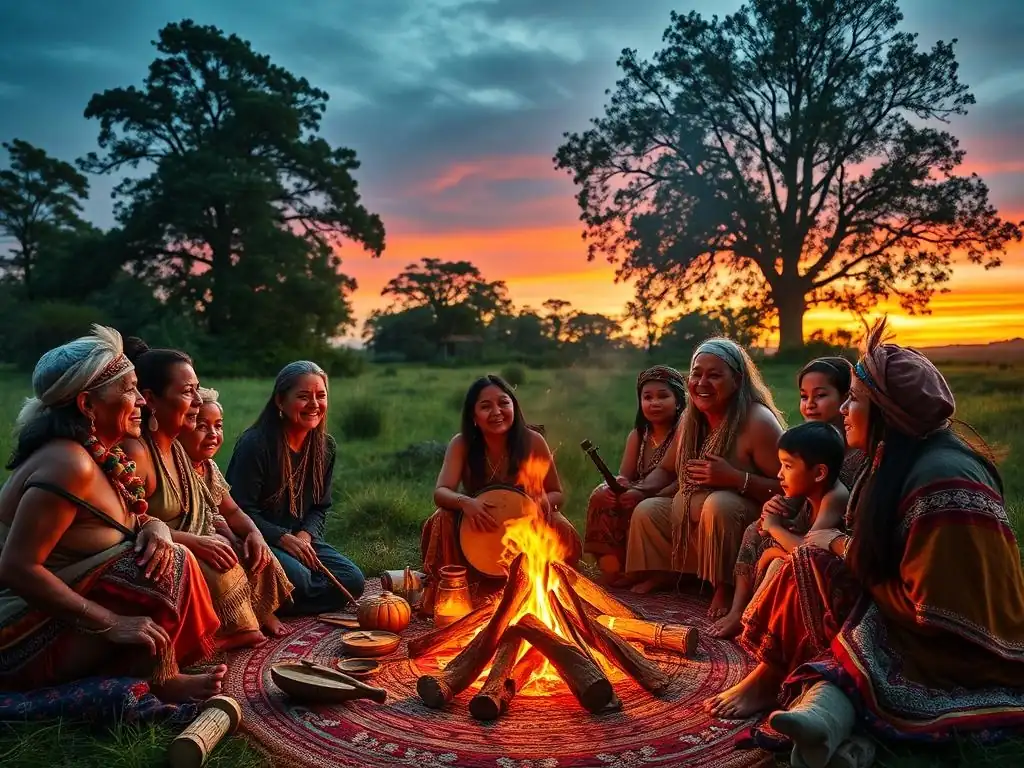
Welcome to Indigenous Civilizations of the Americas, where we embark on a captivating journey through the rich tapestry of indigenous cultures that flourished long before European colonization. Here, you will uncover the profound impact of these societies and their remarkable achievements. Dive into our featured article, "Songs and Stories: The Musical Elements of Indigenous Oral Traditions," where we explore the enchanting world of indigenous oral traditions music.
Discover how these melodic narratives not only preserve history but also shape identity and community. Join us as we unravel the stories that have echoed through generations, inviting you to explore further into the vibrant legacies of the Americas' first inhabitants.
- Introduction to Indigenous Oral Traditions Music
- Key Musical Elements in Indigenous Oral Traditions
- The Relationship Between Songs and Storytelling
- Cultural Significance of Indigenous Oral Traditions Music
- Regional Variations in Indigenous Oral Traditions Music
- The Impact of Colonialism on Indigenous Oral Traditions Music
- Modern Interpretations of Indigenous Oral Traditions Music
- Conclusion: The Enduring Legacy of Indigenous Oral Traditions Music
- Frequently Asked Questions
- Final Reflection: The Resonance of Indigenous Oral Traditions in Music
- Unveil the Rhythm of Indigenous Heritage!
Introduction to Indigenous Oral Traditions Music
The rich tapestry of Indigenous cultures across the Americas is intricately woven with the threads of music and oral traditions. Indigenous oral traditions music serves as more than just a form of entertainment; it is a vital means of communication, storytelling, and cultural preservation. These musical expressions encapsulate the history, values, and beliefs of various Indigenous communities, allowing them to transmit knowledge across generations. In this exploration, we will delve into the significance of music within these cultures and how it intertwines with their oral traditions, ultimately shaping their identities and worldviews.
Understanding the Role of Music in Indigenous Cultures
Music in Indigenous cultures is deeply embedded in daily life and spiritual practices. It acts as a medium for storytelling, education, and the reinforcement of community bonds.
- Storytelling through Music: Songs often recount historical events, legends, and ancestral tales, preserving the wisdom of the past. For example:
- Songs of Creation: Many Indigenous groups have songs that describe the creation of the world, reflecting their cosmologies.
- Heroic Legends: Musical narratives about heroes and significant figures serve to inspire and instill cultural values.
- Ritual and Ceremony: Music is integral to various ceremonies and rituals, marking important life events such as:
- Births
- Marriages
- Deaths
- Seasonal changes
- Community Identity: Through music, communities express their unique identities and foster a sense of belonging. Different musical styles and instruments, such as drums, flutes, and rattles, create distinct sounds that identify specific tribes or regions.
Importance of Oral Traditions in Preserving Heritage
Oral traditions are crucial for the preservation of Indigenous heritage, with music playing a fundamental role in these practices.
- Transmission of Knowledge: Oral storytelling and musical traditions enable the transfer of knowledge from elders to youth, ensuring the survival of:
- Cultural Practices: Customs, rituals, and social norms are passed down through songs and stories.
- Language: Many Indigenous languages thrive within musical compositions, aiding in language preservation.
- Cultural Resilience: In the face of colonialism and globalization, oral traditions have allowed Indigenous peoples to maintain their cultural identities. The resilience demonstrated through music and storytelling fosters pride and strengthens community ties.
- Modern Adaptations: Today, many Indigenous musicians blend traditional elements with contemporary styles, creating a dynamic evolution of their music while ensuring that the roots of their cultural heritage remain intact.
The interplay of music and oral traditions is essential to understanding the rich cultural heritage of Indigenous peoples. By exploring these elements, we can appreciate their enduring legacy and the vital role they play in shaping identities across generations.
Key Musical Elements in Indigenous Oral Traditions
Instruments Used in Indigenous Music
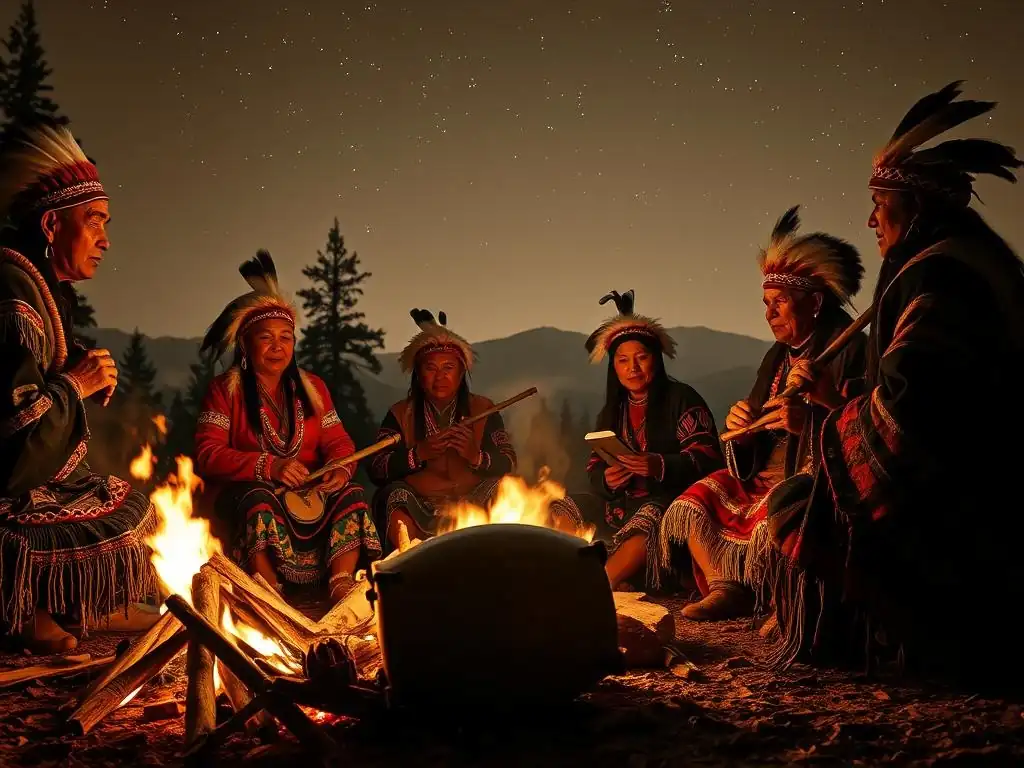
Indigenous oral traditions music is deeply intertwined with the unique instruments that have been crafted and utilized by various cultures throughout the Americas. These instruments not only contribute to the soundscape of oral storytelling but also embody cultural significance and historical context.
- Drums: Often considered the heartbeat of indigenous music, drums are central to many ceremonies and storytelling events. For example:
- Frame Drums: Used by various tribes, these are often played by hand and can produce deep, resonant sounds that enhance the rhythmic foundation of oral narratives.
- Water Drums: Crafted from natural materials, these drums are filled partially with water to create a distinctive sound that is both haunting and evocative.
- Wind Instruments: Various cultures have developed unique wind instruments that add melodic elements to storytelling:
- Flutes: Made from wood, bone, or reeds, flutes have been used by numerous tribes to create soothing melodies that often accompany tales of nature and spirituality.
- Whistles: Simple yet effective, whistles are often used in rituals and storytelling to signify transitions in the narrative or to call upon spirits.
- String Instruments: While less common than drums and winds, string instruments also play a role in some indigenous cultures:
- Lutes and Harps: These instruments add harmonic depth and are often associated with storytelling that involves love or historical epics.
In total, the variety of instruments utilized in indigenous oral traditions music reflects the rich cultural diversity and creativity of indigenous peoples across the Americas.
Vocal Techniques and Styles in Indigenous Singing
Vocal expression is a fundamental aspect of indigenous oral traditions music, where storytelling is often conveyed through song. The techniques and styles used by indigenous singers vary widely, reflecting the diverse cultural backgrounds and languages of the peoples.
- Chanting: Many indigenous cultures incorporate chanting into their storytelling. This repetitive vocalization helps to emphasize key themes and allows audiences to engage with the narrative on a deeper level. For instance, the Navajo often use chants in healing ceremonies, intertwining spirituality and storytelling.
- Call and Response: A common technique in indigenous music, call and response involves a leader singing a phrase followed by a group of participants responding. This interaction fosters a sense of community and shared experience, making the storytelling process more engaging.
- Improvisation: Flexibility in vocal delivery is also a hallmark of indigenous singing styles. Singers often improvise melodies and lyrics, adapting their performance to the audience's mood or the unfolding story. This improvisational element allows for unique and personal interpretations of traditional tales.
- Multilayered Vocals: Some cultures utilize complex vocal techniques where singers harmonize or layer their voices, creating a rich auditory experience. This approach can convey emotions and add depth to the storytelling, making it more impactful.
These vocal techniques and styles enrich indigenous oral traditions music, transforming narratives into immersive auditory experiences that resonate with listeners.
Rhythmic Patterns and Their Significance
Rhythmic patterns play a crucial role in indigenous oral traditions music, providing structure and enhancing the emotional impact of storytelling. The rhythms used vary significantly among cultures but share common themes that resonate with the natural world and human experiences.
- Polyrhythms: Many indigenous cultures employ polyrhythmic structures, where multiple rhythms are played simultaneously. This complexity reflects the interconnectedness of life and nature, embodying the idea that various elements coexist and interact harmoniously.
- Syncopation: The use of syncopation adds unexpected accents to the music, creating a sense of unpredictability that mirrors the dynamic nature of storytelling. This technique often engages listeners, drawing them into the narrative and heightening their emotional response.
- Cyclical Patterns: Rhythmic cycles are often aligned with natural cycles, such as the seasons or lunar phases. For instance, many tribes have specific rhythms associated with harvest celebrations, reflecting their relationship with the land and the importance of nature in their narratives.
- Symbolic Rhythms: Certain rhythms are imbued with symbolic meaning, representing cultural stories or historical events. These rhythms often serve as a reminder of collective identity and cultural heritage, reinforcing the bond between the music and the community.
Rhythmic patterns in indigenous oral traditions music are not merely structural elements; they are fundamental to the storytelling process, enhancing both the emotional depth and the cultural significance of the narratives being shared.
The Relationship Between Songs and Storytelling
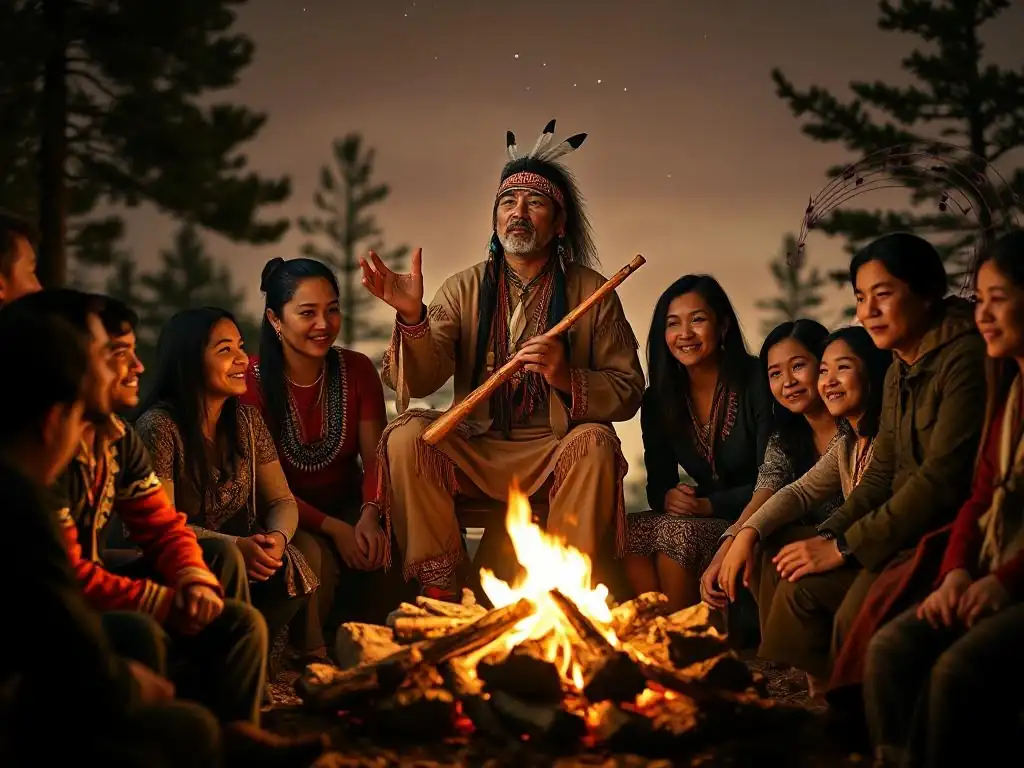
Indigenous oral traditions music serves as a vital thread that weaves together the fabric of storytelling in many indigenous cultures across the Americas. The relationship between songs and storytelling is not merely one of accompaniment; rather, it is a profound connection where music elevates narrative, infusing it with emotional depth, rhythm, and cultural resonance.
Songs often encapsulate the essence of stories, carrying messages that transcend generations. In this context, music becomes a vehicle for sharing histories, morals, and teachings, making the narratives more memorable and impactful. The melodic elements of a song can evoke specific emotions, helping audiences to connect more deeply with the characters and themes presented. For instance, the cadence and tone of a song can signal the mood of a story, guiding listeners’ interpretations and emotional responses.
Moreover, many indigenous cultures utilize specific musical structures, such as call-and-response patterns, which encourage audience participation. This interaction fosters a communal atmosphere, reinforcing the shared cultural identity and collective memory of the community. Through this dynamic, songs and stories become intertwined, creating a holistic experience that is both educational and entertaining.
How Music Enhances Narrative in Indigenous Oral Traditions
Music enhances narrative in indigenous oral traditions by providing a multi-dimensional experience that engages the senses and emotions of the audience. The following aspects illustrate how this enhancement occurs:
- Emotional Resonance:
- Melody and Emotion: The use of varying melodies can evoke feelings of joy, sorrow, or nostalgia, aligning the audience's emotional state with the narrative.
- Tempo Variation: Fast tempos might convey excitement or urgency, while slow tempos can evoke reflection or sadness.
- Cultural Significance:
- Symbolism in Lyrics: Many songs contain references to cultural symbols, rituals, or historical events that deepen the understanding of the story.
- Language and Dialect: The use of indigenous languages in songs preserves linguistic diversity and cultural heritage, allowing stories to be told in their most authentic form.
- Structure and Rhythm:
- Repetition: Repeated phrases or refrains can emphasize key themes or morals, making them easier to remember.
- Rhyme and Meter: A structured rhythm aids in the flow of the narrative, making it easier for storytellers to maintain audience engagement.
- Audience Participation:
- Call-and-Response Techniques: These techniques not only involve the audience but also create a sense of belonging and shared experience, enhancing the overall impact of the story.
- Movement and Dance: In many cultures, music is accompanied by dance, further enriching the narrative through physical expression.
Through these mechanisms, music does not merely accompany storytelling; it amplifies the message and ensures that the stories resonate on multiple levels, fostering a deeper connection to the cultural identity of the community.
Examples of Songs that Tell Stories in Indigenous Cultures
Numerous indigenous cultures have rich traditions of storytelling through songs. Here are some notable examples:
- The Navajo “Yei Bi Chei” Songs:
- These songs are integral to healing ceremonies, narrating the creation stories of the Navajo people. The songs often recount the journey of the Holy People and the emergence of the Navajo Nation, blending music with spiritual teachings.
- The Inuit “Tuniq” Songs:
- Traditionally sung during communal gatherings, these songs recount tales of animals, the land, and the ancestors. The narratives often emphasize respect for nature and the interconnectedness of all living things.
- The Lakota “WíiyA” Songs:
- The “WíiyA” songs are performed during ceremonies and gatherings, telling stories of the Lakota people’s history, struggles, and victories. These songs often incorporate elements of spirituality and emphasize the importance of community.
- The Maya “Popol Vuh” Chants:
- These chants narrate the creation myth of the Maya civilization, detailing the origins of the world and humanity. The rhythmic chants serve to preserve the story, making it accessible to generations through oral transmission.
These examples highlight the significance of indigenous oral traditions music as a means of storytelling, serving both as a cultural archive and a form of expression that continues to thrive in contemporary indigenous communities.
Cultural Significance of Indigenous Oral Traditions Music
Music as a Tool for Education and Knowledge Transfer
Indigenous oral traditions music plays a crucial role in the education and knowledge transfer across generations within various indigenous cultures. It serves as a dynamic medium through which stories, morals, and cultural values are conveyed. The incorporation of musical elements in storytelling not only enhances retention but also engages the audience on an emotional level.
- Storytelling through Song:
- Many indigenous cultures utilize songs to encapsulate historical events, creation myths, and moral lessons. For instance, the Navajo people have songs that recount their migration stories, embedding significant teachings within the melodies.
- Songs often feature repetitive structures, making it easier for listeners to remember key messages and themes.
- Community Involvement:
- Music as a communal activity fosters a sense of identity and belonging. In gatherings, elders often share songs with younger generations, ensuring the continuity of cultural practices.
- This participatory aspect can be seen in various indigenous groups, where children learn traditional songs and dances as part of their upbringing, reinforcing community bonds.
- Integration of Language:
- Indigenous oral traditions music often incorporates native languages, which helps to preserve linguistic diversity. For example, the Lakota use their language in songs that reflect their worldview, thus enriching both the music and the language itself.
- This integration promotes not only the survival of the language but also an appreciation of its cultural context.
The Role of Music in Ceremonies and Rituals
Music is an integral component of ceremonies and rituals in indigenous cultures, serving to mark significant events and facilitate spiritual connections. Through various forms of indigenous oral traditions music, these societies express their beliefs, commemorate their history, and invoke a sense of the sacred.
- Ritualistic Functions:
- Many ceremonies, such as sweat lodge ceremonies among the Lakota or potlatch ceremonies among the Pacific Northwest tribes, incorporate specific songs that invoke spiritual presence and blessings.
- The rhythms and melodies used in these contexts are often believed to have healing properties, connecting participants to their ancestors and the spiritual world.
- Celebration and Mourning:
- Music serves dual purposes in celebrations and mourning rituals. For instance, during harvest festivals, joyful songs celebrate abundance, while dirges may be sung to honor the deceased, as seen in the Maya traditions.
- This duality underscores the emotional breadth of indigenous oral traditions music, facilitating community healing and shared joy.
- Cultural Transmission:
- Through these rituals, music acts as a vessel for transmitting cultural heritage. Songs often reflect the unique cosmologies and histories of the people, reinforcing their identity.
- The performance of traditional songs during rituals is not just about the music itself but is also a reaffirmation of cultural values and collective memory.
Indigenous oral traditions music is a profound cultural artifact that embodies education, communal identity, and spiritual significance, ensuring the survival of indigenous knowledge and connection to the past.
Regional Variations in Indigenous Oral Traditions Music
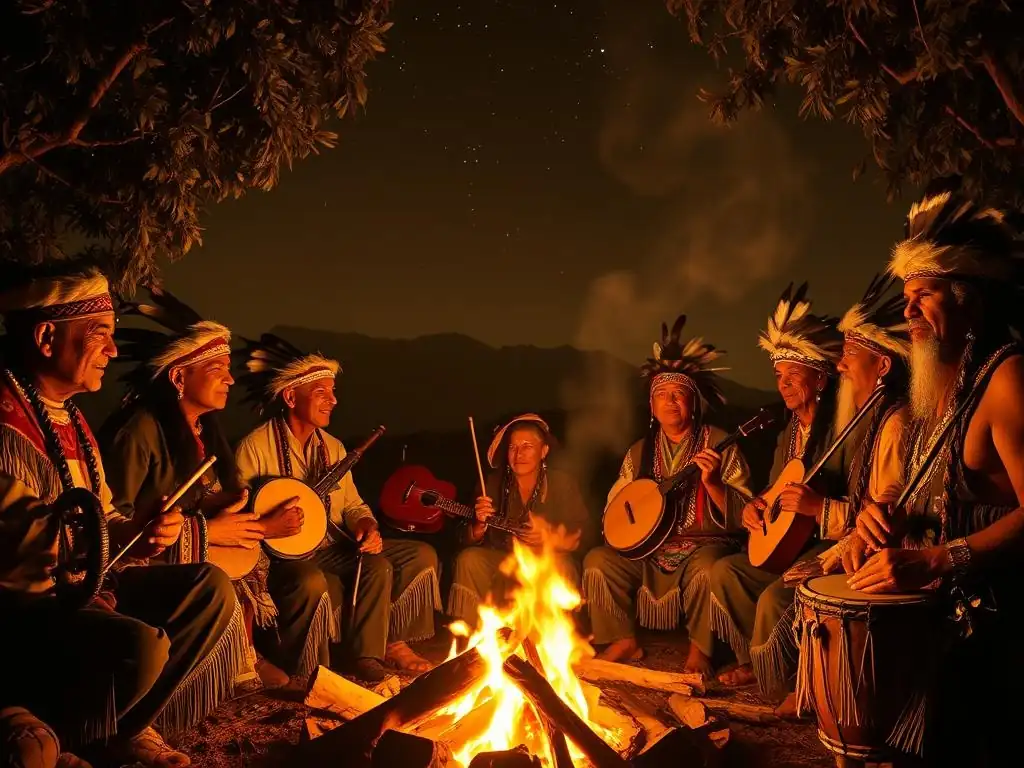
The rich tapestry of Indigenous oral traditions music across the Americas showcases a variety of styles, instruments, and cultural influences that reflect the diverse landscapes and social structures of the tribes. Each region presents its unique characteristics, often shaped by environmental factors and historical contexts. Understanding these regional variations allows us to appreciate the profound significance of music in Indigenous cultures, serving as a medium for storytelling, spiritual expression, and community bonding.
Northern Tribal Music: Characteristics and Influences
Northern tribal music, prevalent among Indigenous groups in Canada and the northern United States, often features unique rhythmic patterns and vocal styles. The music is deeply intertwined with ceremonies, seasonal changes, and communal gatherings.
- Instruments: The primary instruments used include drums, rattles, and flutes. The drum holds a sacred place in many Northern cultures, often symbolizing the heartbeat of Mother Earth.
- Vocal Techniques: Throat singing is a notable technique practiced by groups such as the Inuit, where singers produce multiple pitches simultaneously, creating a hauntingly beautiful sound that mimics the natural environment.
- Themes: The lyrics often revolve around nature, spiritual beliefs, and historical narratives, conveying lessons and cultural values to younger generations.
The music serves not only as entertainment but also as a vital means of preserving history and fostering community identity.
Southern Tribes: Unique Musical Practices and Instruments
In the Southern regions of the Americas, Indigenous tribes have developed distinct musical practices that highlight their cultural heritage and environmental contexts. The music often accompanies rituals, festivals, and social gatherings, playing a crucial role in the community's cultural life.
- Instruments: Instruments such as the drum, maracas, and didgeridoo (influenced by neighboring cultures) are common. The use of stringed instruments like the guitar has also been integrated, particularly among tribes influenced by European contact.
- Dance and Music: Music in Southern traditions is often accompanied by dance, with specific movements designed to tell stories or represent natural phenomena. For example, the Powwow ceremonies feature lively drumming and singing that encourage participation and celebration.
- Cultural Exchanges: The Southern tribes often blend their musical elements with those of Afro-American and European traditions, resulting in a rich fusion that reflects the region's complex history.
The Southern Indigenous oral traditions music not only entertains but also serves as a powerful tool for cultural expression and unity.
Central American Indigenous Music: Blending of Cultures
Central American Indigenous music represents a unique fusion of pre-Columbian and colonial influences, creating a vibrant musical landscape that is both diverse and dynamic. The region's rich cultural heritage is reflected in its musical traditions, showcasing elements from various Indigenous groups as well as Afro-Caribbean and Spanish influences.
- Musical Forms: Traditional forms such as son, cumbia, and marimba are prevalent, each telling stories and expressing cultural identities. The marimba, in particular, has become a symbol of Central American music, utilized in both Indigenous and mestizo communities.
- Instruments: A variety of instruments are employed, including the flute, drums, and stringed instruments like the guitar and marimba. Each instrument contributes to the layered soundscapes that characterize the region's music.
- Storytelling: Central American Indigenous music is often narrative-driven, with songs recounting historical events, myths, and the struggles of the community. This oral tradition plays a vital role in preserving history and cultural knowledge.
The blending of cultures in Central American Indigenous oral traditions music not only enhances the richness of the musical forms but also reflects the resilience and adaptability of Indigenous communities in the face of change.
The Impact of Colonialism on Indigenous Oral Traditions Music
Changes in Musical Practices Post-Colonization
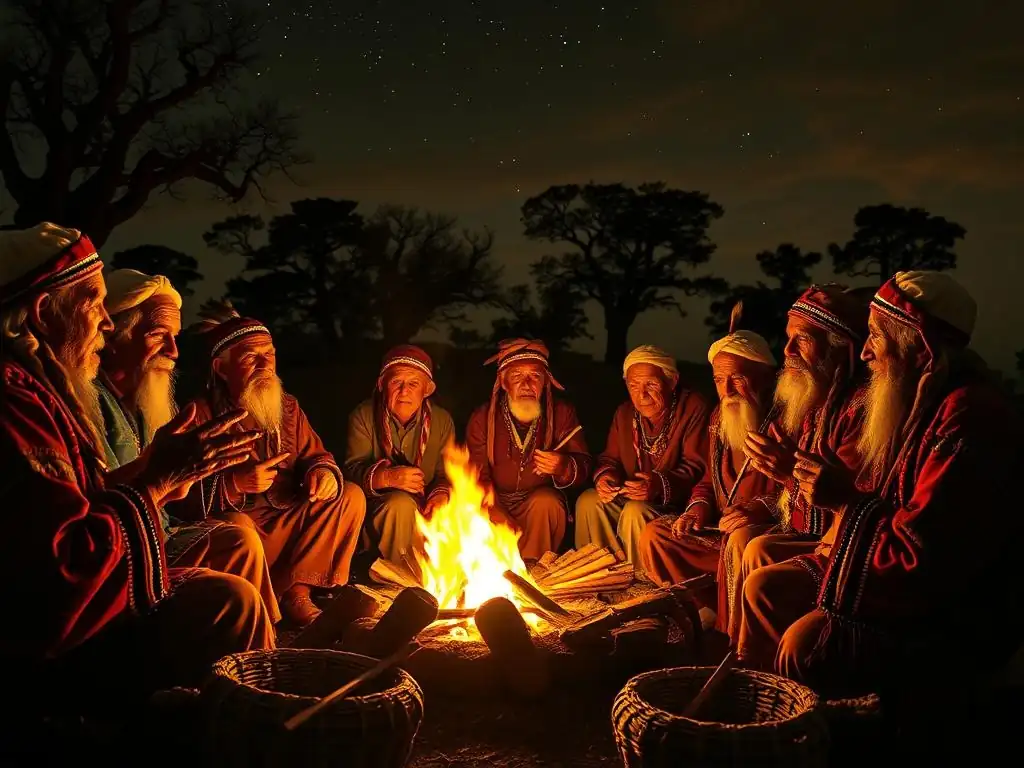
The arrival of European colonizers in the Americas had profound effects on the indigenous populations, including significant transformations in their musical practices. Indigenous oral traditions music, which had been an integral part of cultural expression and community cohesion, faced multiple challenges.
- Cultural Disruption: The introduction of foreign instruments, styles, and languages disrupted traditional music. Colonizers often imposed their own musical frameworks, leading to a dilution of indigenous sounds and rhythms. Traditional instruments like the flute, drum, and rattle were overshadowed by European instruments such as the violin and guitar, altering the sonic landscape of indigenous music.
- Loss of Context and Function: Many indigenous songs and stories served specific cultural functions, such as teaching, healing, and ritual. The disruption of communal life due to colonization led to a loss of context for these songs, diminishing their importance and relevance. Music that once accompanied ceremonies and storytelling became less frequently performed, leading to a decline in oral transmission.
- Forced Assimilation: Policies aimed at eradicating indigenous cultures forced many communities to abandon their musical practices. Schools established by colonizers often prohibited indigenous languages and music, promoting instead a Eurocentric curriculum. This resulted in younger generations being disconnected from their cultural heritage, including their musical traditions.
- Syncretism: In some areas, indigenous musicians began to incorporate European elements into their music, creating a unique syncretic style. This blending of musical traditions can be seen in genres such as Andean folk music, where traditional indigenous melodies are interwoven with European influences, resulting in a rich tapestry of sound.
Efforts to Revitalize Indigenous Music and Oral Traditions
Despite the challenges posed by colonialism, many indigenous communities have made concerted efforts to revitalize their music and oral traditions. These efforts are vital for preserving cultural identity and fostering community resilience.
- Cultural Revitalization Programs: Numerous initiatives have emerged to support the revival of indigenous oral traditions music. Programs that focus on teaching traditional songs and instruments to younger generations help ensure that these practices are not lost. For example, community workshops and festivals often celebrate indigenous music, providing platforms for both learning and performance.
- Integration into Education: Some indigenous communities have successfully integrated their music and oral traditions into local educational curricula. By teaching children the history and significance of their cultural heritage, they foster a sense of pride and belonging. Schools that include indigenous music education instill appreciation and respect for traditional practices.
- Collaborations with Artists: Many indigenous musicians collaborate with contemporary artists to create new works that honor traditional forms while also reaching broader audiences. This cross-pollination of ideas not only helps preserve indigenous music but also introduces it to new listeners, promoting awareness and appreciation.
- Digital Platforms: The rise of digital media has opened new avenues for sharing indigenous oral traditions music. Social media, streaming platforms, and websites allow artists to reach global audiences, spreading awareness of indigenous cultures and their rich musical heritage. Many musicians use these platforms to archive their music, ensuring that it is accessible for future generations.
- Cultural Festivals and Events: Annual celebrations, such as powwows and cultural festivals, serve as vital spaces for the performance and transmission of indigenous music and oral traditions. These events not only showcase traditional practices but also strengthen community bonds and promote cultural pride.
Through these revitalization efforts, indigenous communities are reclaiming their musical heritage, ensuring that their oral traditions music continues to be a vibrant part of their cultural identity. The resilience and creativity of these communities in the face of historical adversity highlight the enduring power of music as a form of expression, storytelling, and cultural preservation.
Modern Interpretations of Indigenous Oral Traditions Music
Contemporary Indigenous Artists and Their Influence
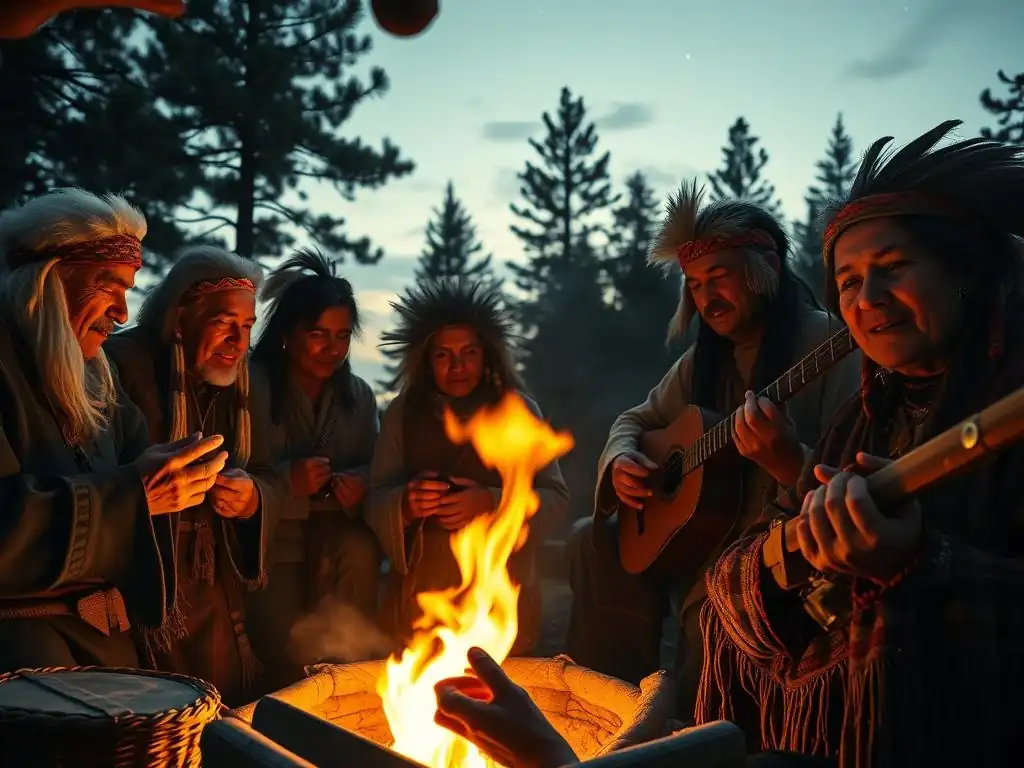
The landscape of Indigenous oral traditions music has evolved significantly in modern times, with contemporary Indigenous artists playing a vital role in preserving and revitalizing these rich cultural narratives. These musicians blend traditional sounds with modern influences, thus creating a unique fusion that resonates with both Indigenous and non-Indigenous audiences.
One notable artist is Buffy Sainte-Marie, a Cree singer-songwriter whose work has spanned decades. She infuses traditional Indigenous themes with contemporary folk and rock music, addressing issues such as social justice, environmental conservation, and Indigenous rights. Her songs often serve as a bridge between the past and present, bringing Indigenous stories to the forefront of popular culture.
Another influential figure is A Tribe Called Red, an electronic music group that incorporates powwow music, traditional drumming, and contemporary beats. Their approach amplifies Indigenous voices in the electronic music scene, demonstrating how traditional sounds can be reimagined within modern genres. The group's performances often include visual elements that celebrate Indigenous culture, creating a multimedia experience that captivates audiences.
Fusion of Traditional and Modern Musical Elements
The fusion of traditional and modern musical elements in Indigenous oral traditions music is not just a stylistic choice; it is a vital strategy for cultural preservation and innovation. This synthesis allows Indigenous artists to connect with younger generations who may feel distanced from their cultural heritage while also reaching broader audiences.
Key Elements of Fusion
- Instrumentation: Traditional instruments, such as the drum and flute, are often combined with contemporary instruments like the guitar and synthesizer. This blend creates a layered sound that honors the past while engaging with modern musical trends.
- Lyrics and Themes: Contemporary artists often weave traditional stories and teachings into their lyrics, ensuring that the messages remain relevant. This storytelling approach not only preserves the oral tradition but also addresses contemporary issues faced by Indigenous communities.
- Performance Styles: Modern performances may incorporate elements of theater, dance, and visual art, enriching the overall experience. For example, artists might use traditional clothing and dance to enhance their storytelling, creating a vibrant and engaging presentation.
The impact of this fusion is evident in the growing popularity of Indigenous music festivals and events that celebrate both traditional and contemporary styles. These gatherings foster a sense of community and pride, encouraging the sharing of stories and cultural practices.
Modern interpretations of Indigenous oral traditions music showcase the resilience and creativity of Indigenous artists. By merging traditional elements with modern influences, they not only preserve their cultural heritage but also ensure that it continues to evolve and thrive in the contemporary world.
Conclusion: The Enduring Legacy of Indigenous Oral Traditions Music
The legacy of Indigenous oral traditions music is a profound testament to the resilience, creativity, and cultural richness of Indigenous peoples across the Americas. These musical elements, deeply embedded within oral traditions, serve not only as a means of storytelling but also as a bridge connecting generations. They encapsulate historical narratives, spiritual beliefs, and community values, ensuring that the knowledge and experiences of ancestors endure through time.
Despite the challenges posed by colonization and cultural assimilation, many Indigenous communities have successfully revitalized their musical practices, showcasing the adaptability of their oral traditions. This ongoing revival highlights the significance of music in maintaining cultural identity and fostering a sense of belonging among community members. As we reflect on the impact and importance of Indigenous oral traditions music, it becomes clear that preserving these practices is crucial for sustaining the vibrant tapestry of Indigenous cultures.
The Importance of Preserving Indigenous Musical Heritage
Preserving Indigenous musical heritage is essential for several reasons:
- Cultural Identity: Music is a vital aspect of cultural identity for Indigenous peoples. It embodies their history, beliefs, and values, allowing communities to express their uniqueness and resilience in the face of adversity.
- Educational Tool: Indigenous oral traditions music serves as a powerful educational tool. Through songs and stories, younger generations learn about their heritage, traditional ecological knowledge, and the lessons imparted by their ancestors.
- Community Cohesion: Music fosters connections within communities, promoting unity and collective identity. Traditional songs often accompany rituals, celebrations, and communal gatherings, reinforcing social bonds and shared experiences.
- Historical Record: The musical narratives embedded in oral traditions provide an invaluable historical record of Indigenous peoples’ experiences, struggles, and triumphs. These songs document the relationship between communities and their environments, offering insights into their adaptation and survival over centuries.
- Resistance and Empowerment: Indigenous oral traditions music has often been a form of resistance against colonization and cultural erasure. By reclaiming and revitalizing their musical practices, Indigenous peoples assert their rights to their cultural heritage and challenge dominant narratives.
Encouraging Future Generations to Engage with Indigenous Music
Engaging future generations with Indigenous music can be achieved through various strategies:
- Education and Workshops: Schools and community organizations can host workshops that teach traditional songs, instruments, and storytelling techniques. Engaging children in hands-on experiences fosters appreciation and understanding of their cultural heritage.
- Intergenerational Programs: Creating opportunities for elders to share their knowledge and stories with younger community members can strengthen bonds and ensure the transmission of oral traditions. These interactions can be facilitated through community gatherings, storytelling circles, or digital platforms.
- Digital Preservation: Utilizing technology to document and share Indigenous oral traditions music can broaden its reach. Recording traditional songs, creating online archives, and promoting them through social media can increase awareness and appreciation among wider audiences.
- Collaborative Projects: Encouraging collaborations between Indigenous musicians and contemporary artists can help bridge cultural gaps while revitalizing traditional music. Such projects can introduce younger audiences to Indigenous music in innovative ways, making it relevant and accessible.
- Cultural Events and Festivals: Organizing cultural events that celebrate Indigenous music can attract diverse audiences. These events provide a platform for Indigenous artists to perform, share their stories, and educate attendees about the significance of their musical heritage.
By implementing these strategies, we can ensure that Indigenous oral traditions music not only survives but thrives, allowing future generations to connect with their cultural roots and celebrate the rich diversity of Indigenous cultures across the Americas.
Frequently Asked Questions
What are indigenous oral traditions?
Indigenous oral traditions refer to the stories, songs, and cultural practices passed down through generations, often encompassing historical events, moral lessons, and community values.
How does music play a role in indigenous oral traditions?
Music is a vital component, serving as a medium for storytelling and preserving cultural heritage. It enhances the emotional impact and memorability of oral narratives.
What types of musical elements are commonly found in these traditions?
Common musical elements include rhythm, melody, and the use of traditional instruments, often reflecting the natural environment and spiritual beliefs of the culture.
Why is it important to study indigenous oral traditions music?
Studying indigenous oral traditions music helps to appreciate and preserve cultural diversity, understand historical contexts, and recognize the significance of these traditions in contemporary society.
How can one engage with or learn more about these traditions?
Engaging with indigenous oral traditions music can be done through community events, workshops, and educational resources, which foster a deeper understanding of these rich cultural practices.
Final Reflection: The Resonance of Indigenous Oral Traditions in Music
The significance of Indigenous oral traditions music cannot be overstated in today's world, as it serves as a vital link between generations, cultures, and histories. In an era where globalization often threatens the uniqueness of cultural identities, the rich tapestry of Indigenous music and storytelling stands as a powerful reminder of the importance of preserving and celebrating these traditions. Now more than ever, we must recognize that these songs and stories are not just relics of the past, but living expressions of resilience and identity.
The influence of Indigenous oral traditions music extends far beyond mere entertainment; it shapes our cultural landscape and fosters a deeper understanding of diverse perspectives. As we engage with these narratives, we uncover the wisdom and experiences embedded within them, enriching our own lives in the process. Music is the shorthand of emotion,
said Leo Tolstoy, and indeed, the emotional depth found in Indigenous songs resonates profoundly, connecting us to the heart of human experience. By embracing these traditions, we not only honor their origins but also contribute to a broader dialogue about cultural appreciation and respect.
As we reflect on the lessons embedded in Indigenous oral traditions music, I invite you to explore and engage with these powerful narratives in your own life. Consider how you can incorporate the values of storytelling, community, and respect for nature into your daily interactions. Let the melodies and tales inspire you to foster connections with those around you and to advocate for the preservation of these invaluable traditions. Together, we can ensure that the voices of Indigenous cultures continue to echo through time, enriching our collective human experience.
Unveil the Rhythm of Indigenous Heritage!
Thank you for taking the time to explore the rich tapestry of Indigenous oral traditions through music. By delving into this vital aspect of culture, you’ve gained insights into the profound connections between story and song that resonate through generations. Now, it’s time to bring that inspiration to life!
- Immerse Yourself: Seek out local Indigenous musicians or virtual performances to experience the music firsthand. Allow these melodies to connect you with the rich stories they carry.
- Share the Knowledge: Discuss your newfound insights with friends or share them on social media. Use your voice to amplify these important narratives and demonstrate how they shape cultural identity.
- Create Your Own Story: Consider composing a song or story inspired by the themes you’ve encountered. This can be a delightful and creative way to honor these traditions and express your connection to them!
What aspect of Indigenous musical storytelling resonates with you the most, and how will you integrate that inspiration into your own life?