
The Cultural Significance of the Pyramids of Giza: Connections to Ancient Indigenous Civilizations

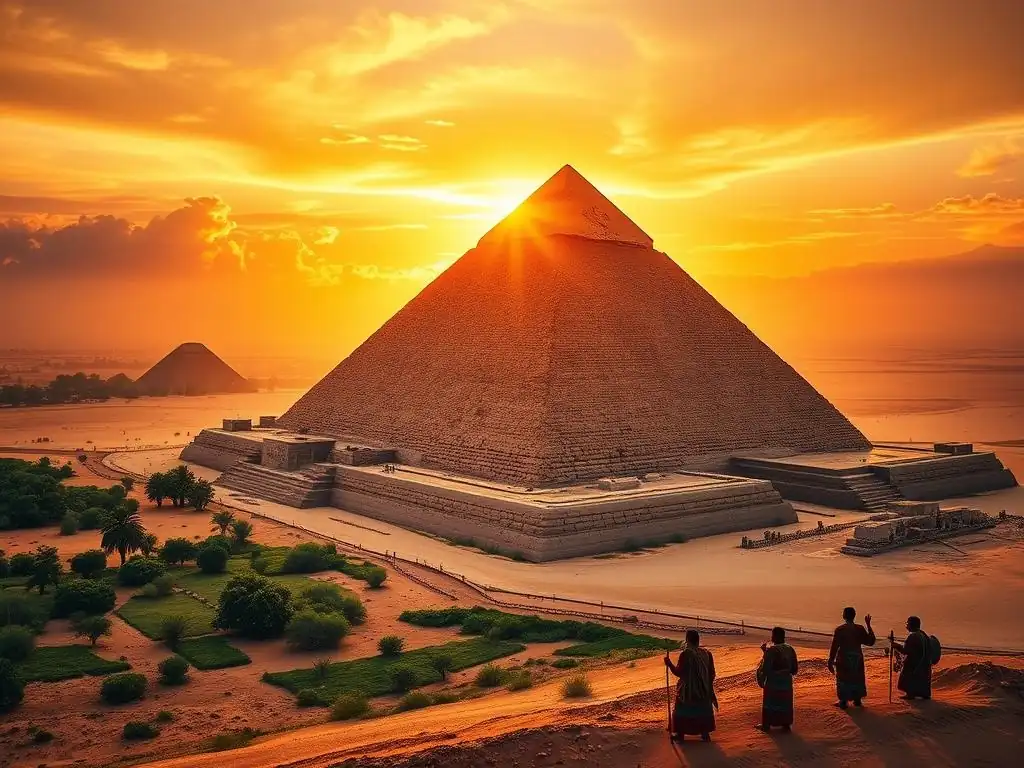
Welcome to Indigenous Civilizations of the Americas, where history unfolds in vibrant detail! Here, we embark on a captivating journey through the rich tapestry of diverse indigenous cultures that flourished long before European contact. Prepare to delve into our featured article, "The Cultural Significance of the Pyramids of Giza: Connections to Ancient Indigenous Civilizations," as we uncover the intriguing links between these monumental structures and the remarkable achievements of the indigenous civilizations of the Americas.
Join us as we explore their enduring legacy and the profound impact they continue to have on our world today. Your adventure into the past starts now!
Introduction to the Pyramids of Giza
The Pyramids of Giza stand as monumental testaments to the ingenuity and sophistication of ancient civilizations, particularly the Egyptians. Yet, their significance transcends geographical boundaries, inviting connections to the myriad indigenous civilizations that flourished across the Americas prior to European colonization.
This article delves into the cultural significance of the Pyramids of Giza, exploring their historical context, importance, and drawing parallels with the diverse indigenous cultures of the Americas. The study of these monumental structures not only enhances our understanding of ancient Egyptian society but also illuminates the shared themes of monumental architecture, spiritual expression, and social organization found in indigenous civilizations of the Americas.
Overview of the Pyramids and Their Historical Context
The Pyramids of Giza, built during the Fourth Dynasty of the Old Kingdom of Egypt, are among the most iconic structures in the world. The Great Pyramid, constructed for Pharaoh Khufu around 2580–2560 BCE, originally stood at 146.6 meters (481 feet) tall, making it the tallest man-made structure for over 3,800 years. These pyramids served as elaborate tombs, reflecting the Egyptians' beliefs in the afterlife and their reverence for their rulers.
Historically, the construction of the pyramids coincided with a period of remarkable advancement in art, architecture, and governance in ancient Egypt. The pyramids' alignment with celestial bodies and their complex internal chambers underscore a profound understanding of mathematics and astronomy. As we explore these ancient structures, it becomes essential to consider the broader context of monumental architecture across different cultures, particularly in the Americas, where indigenous civilizations also constructed impressive edifices that served both practical and ceremonial purposes.
Importance of the Pyramids in Ancient Civilizations
The Pyramids of Giza are not only architectural marvels but also symbols of the socio-political and religious life of ancient Egyptians. They represent the culmination of centuries of architectural evolution and reflect the society's hierarchical structure, where the pharaoh was viewed as a divine figure. The pyramids served as focal points for religious practices and were central to the beliefs surrounding the afterlife, showcasing the ancient Egyptians' commitment to preserving the legacy of their leaders.
In addition, the pyramids have had a lasting influence on subsequent generations, inspiring awe and fascination across cultures. Their construction techniques, symbolic meanings, and cultural significance have sparked scholarly debates and explorations into the nature of human achievement and the shared practices of societies globally. As we examine the importance of the Pyramids of Giza, it becomes clear that they represent a broader narrative about human civilization and its monumental aspirations.
Indigenous Civilizations of the Americas: A Comparative Perspective
While the Pyramids of Giza exemplify the achievements of ancient Egyptian society, it is equally important to consider the monumental structures built by indigenous civilizations across the Americas. These cultures developed unique architectural styles and societal frameworks, often reflecting their spiritual beliefs and environmental adaptations.
Understanding Indigenous Cultures and Their Achievements
Indigenous civilizations of the Americas, such as the Maya, Aztec, and Inca, constructed impressive structures that served various purposes, including religious, astronomical, and governmental functions. For instance, the Maya built step pyramids like those found at Tikal and Chichen Itza, which were intricately designed to align with celestial events, much like the Pyramids of Giza. These societies showcased remarkable achievements in agriculture, mathematics, and engineering, demonstrating their ability to adapt to diverse environments and create complex social systems.
The rich tapestry of indigenous cultures reveals a deep connection to their land, history, and spirituality. The monumental cities they built were not just physical structures; they were embodiments of their cosmologies and societal values. By understanding these cultures and their achievements, we gain insight into the parallel developments of human civilization across continents.
Similarities and Differences with Ancient Egyptian Civilization
When comparing the monumental architecture of the Pyramids of Giza with that of indigenous civilizations in the Americas, several similarities and differences emerge. Both cultures used their architectural prowess to express their beliefs and values, creating structures that served as centers for worship and community gatherings.
| Aspect | Pyramids of Giza | Indigenous Pyramids (e.g., Maya) |
|---|---|---|
| Purpose | Tombs for pharaohs | Ceremonial and religious sites |
| Construction Techniques | Massive stone blocks, precise alignment | Stone, mortar, and earthworks |
| Cultural Significance | Symbol of divine kingship | Reflection of cosmology and society |
| Astronomical Alignment | Aligned with stars and cardinal points | Aligned with solar events |
Despite these connections, significant differences arise from the distinct environmental, social, and historical contexts in which these civilizations developed. The exploration of these parallels and contrasts not only enriches our understanding of monumental architecture but also highlights the shared human experience in creating meaningful spaces that reflect our deepest values and aspirations.
The Pyramids of Giza and the monumental structures of indigenous civilizations throughout the Americas both serve as powerful reminders of the complexity and richness of human history. As we continue to study these ancient wonders, we uncover not only the achievements of these cultures but also the enduring legacies they have left behind.
The Symbolism of the Pyramids in Various Cultures
The pyramids are among the most recognizable structures in the world, symbolizing not just the engineering prowess of ancient civilizations but also their spiritual beliefs and societal values. In various cultures, pyramids have served as monumental tombs, temples, and ceremonial centers, embodying the aspirations of their builders.
In ancient Egypt, the Great Pyramid of Giza was constructed as a tomb for Pharaoh Khufu, reflecting the Egyptians' deep-seated beliefs in the afterlife and the divine right of kings. The pyramid’s shape, rising towards the sky, symbolizes the sun's rays and the pharaoh's journey to the heavens. Similarly, in Mesoamerica, pyramids served both as tombs and as platforms for religious rituals, encapsulating the connection between the celestial and terrestrial realms.
Other indigenous civilizations across the Americas, such as the Maya and the Aztecs, also constructed pyramids that held significant cultural meanings. For these peoples, the pyramid often represented a sacred mountain, a place where earth and sky met, emphasizing their cosmological views. The symbolism associated with these structures illustrates the shared human experience of seeking transcendence, whether through the afterlife or through divine connection.
Spiritual and Religious Significance of Pyramids
The spiritual and religious significance of pyramids is profound, as they often served as ceremonial sites where communities gathered to honor their deities. In ancient Egypt, pyramids were not only tombs but also places where rituals were performed to ensure the deceased's safe passage to the afterlife. The burial practices associated with these structures were deeply intertwined with the belief in resurrection and immortality, making the pyramids sacred spaces.
In Mesoamerican cultures, the pyramid's role as a temple was paramount. For instance, the Pyramid of the Sun in Teotihuacan was a site for various religious ceremonies, including human sacrifices, which were believed to nourish the gods. This connection to spirituality underscores how pyramids functioned as focal points for worship and community cohesion.
Moreover, the layout of many pyramids was often aligned with astronomical events, reflecting the civilizations' understanding of celestial cycles. This alignment not only reinforced their religious practices but also demonstrated a sophisticated grasp of mathematics and astronomy, showcasing how spirituality and science intertwined in these ancient cultures.
Architectural Innovations and Their Influence on Indigenous Structures
The architectural innovations represented by the pyramids have had a lasting impact on indigenous structures across the Americas. The construction techniques employed in the pyramids, such as the use of massive stone blocks and precise alignment, set a precedent for monumental architecture.
In ancient Egypt, the development of the stepped pyramid evolved into the smooth-sided pyramid, showcasing advancements in engineering and design. These innovations influenced later structures in other regions, as similar techniques were adapted by indigenous civilizations to create their monumental buildings.
For instance, the Maya and the Aztecs incorporated pyramidal forms in their temples, often using local materials to reflect their cultural identity while retaining the underlying architectural principles established by earlier civilizations. The use of terraces and platforms seen in Mesoamerican pyramids can be traced back to Egyptian influences, demonstrating a shared architectural heritage that transcended geographical boundaries.
Connections Between the Pyramids of Giza and Indigenous Civilizations
The connections between the Pyramids of Giza and indigenous civilizations of the Americas provide a fascinating lens through which to examine cultural exchange and influence in the ancient world. While these civilizations developed independently, their monumental structures reveal striking similarities that suggest a shared human endeavor to create lasting legacies.
Trade and Cultural Exchange in Ancient Times
Trade routes in antiquity facilitated the exchange of goods, ideas, and cultural practices between distant civilizations. The construction of pyramids in both Egypt and Mesoamerica highlights the possibility of indirect cultural exchanges through intermediaries.
For example, the extensive trade networks of the ancient Mediterranean may have influenced the architectural styles and religious practices of indigenous civilizations. Artifacts such as obsidian, which was highly valued in Mesoamerica, suggest connections between these regions, hinting at the flow of ideas and technologies.
Additionally, the movement of peoples across continents, whether through migration or trade, may have contributed to the dissemination of architectural techniques and religious concepts. This interconnectedness illustrates how ancient civilizations, despite their geographical separations, shared a collective drive towards monumental architecture.
Evidence of Knowledge Transfer and Influence
There is growing evidence suggesting knowledge transfer occurred between ancient civilizations, including the pyramids' design and construction techniques. Archaeological findings indicate that the engineering methods used in pyramid construction involved complex planning and labor organization, which would have been a significant undertaking in both Egypt and the Americas.
The similarities in pyramid structures, such as the stepped designs found in both regions, indicate a parallel evolution in architectural practices. This resemblance raises questions about whether these civilizations independently developed similar solutions to similar problems or whether there was some form of knowledge transfer.
Furthermore, recent studies have explored the possibility of ancient astronomical knowledge being shared among civilizations. The alignment of pyramids with celestial bodies in both Egypt and Mesoamerica suggests a sophisticated understanding of astronomy, potentially indicating a common thread in the ways these cultures perceived their universe.
The pyramids of Giza serve as a powerful symbol of the intersections between ancient indigenous civilizations, highlighting their achievements, cultural significance, and the potential for shared knowledge across vast distances. The exploration of these connections enriches our understanding of human history and the monumental legacies left by these remarkable societies.
The Role of Pyramids in Societal Organization
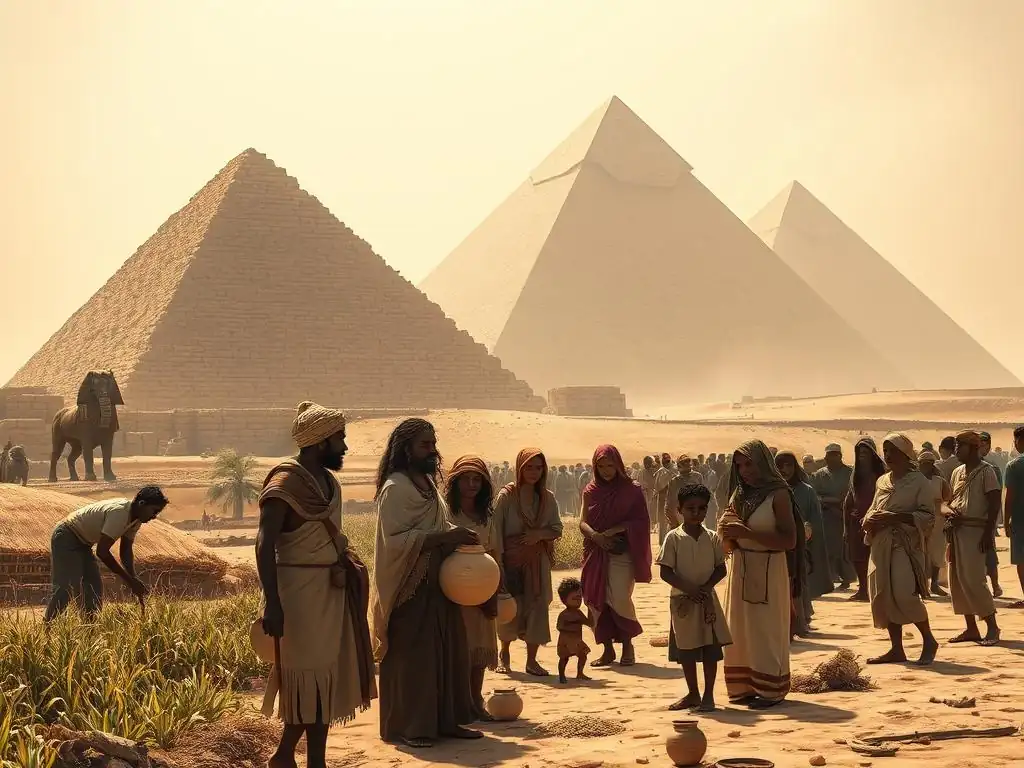
The pyramids, particularly those in Giza, served as more than mere architectural feats; they played a vital role in shaping the societal structures of ancient civilizations. These monumental structures were emblematic of the hierarchical organization that characterized many ancient societies, including those in the Americas. The construction and maintenance of pyramids required significant resources, labor, and coordination, reflecting the social stratification within these cultures.
Hierarchical Structures in Ancient Societies
In both Egyptian and various indigenous civilizations of the Americas, pyramids were often associated with a clear hierarchical system. The construction of such grand edifices necessitated the involvement of a labor force that included skilled artisans, laborers, and engineers, all organized under the authority of a ruling elite. This elite, often composed of priests, kings, or chiefdoms, wielded substantial power, directing societal resources towards monumental projects.
- Leadership and Control: The leaders who oversaw pyramid construction often enhanced their status and legitimacy through these projects. By linking their authority to the divine or ancestral realms, they reinforced their societal dominance.
- Community Mobilization: The need to gather and mobilize labor for pyramid construction fostered a sense of unity and communal identity among the people. Festivals and rituals associated with the pyramids helped to solidify social bonds and cultural cohesion.
The Function of Pyramids as Centers of Power
Pyramids served as focal points for both political and religious activities in ancient civilizations. They were not merely tombs or monuments; they were active centers of power that facilitated governance and spiritual practices.
- Religious Significance: In many cultures, pyramids were believed to be gateways between the earthly realm and the divine. This belief made them central to religious ceremonies and rituals, further embedding them in the societal framework.
- Political Authority: The location and grandeur of a pyramid often symbolized the political strength and stability of a civilization. They acted as reminders of the rulers' power and their connection to the divine, influencing both local and neighboring communities.
The Lasting Impact of the Pyramids on Indigenous Civilizations
The cultural significance of pyramids extends beyond their immediate utility in ancient societies. Their architectural styles and societal implications resonate throughout history, particularly in the context of indigenous civilizations of the Americas.
Legacy of Pyramid Architecture in the Americas
The influence of pyramid architecture is evident in various indigenous cultures across the Americas, such as the Maya, Aztec, and Inca. These civilizations drew inspiration from the concept of monumental structures that served dual purposes of religious significance and political power.
- Maya and Aztec Pyramids: The pyramid-shaped temples of the Maya and Aztec, such as El Castillo at Chichén Itzá, echo the design principles seen in the Pyramids of Giza. These structures were often aligned with celestial events, showcasing a sophisticated understanding of astronomy.
- Symbol of Cultural Identity: The architectural legacy of pyramids has become a symbol of cultural identity for many indigenous groups, embodying their historical narratives and spiritual beliefs.
Modern Interpretations and Cultural Resurgence
In contemporary times, the pyramids have sparked renewed interest and reinterpretation among indigenous communities and scholars alike. This resurgence is characterized by a desire to reclaim and celebrate indigenous heritage.
- Cultural Revitalization: Many indigenous groups are re-engaging with their ancestral traditions, including the significance of their monumental architecture. This movement emphasizes the importance of understanding historical contexts and preserving cultural identities.
- Interdisciplinary Studies: Modern archaeology and anthropology have fostered interdisciplinary approaches to studying pyramids, linking them to broader themes of power, spirituality, and community organization within the indigenous civilizations of the Americas.
The pyramids of Giza and their counterparts in the Americas reveal profound insights into the societal organization, cultural identity, and enduring legacies of indigenous civilizations. These monumental structures continue to inspire and inform contemporary understandings of ancient cultures, emphasizing their extraordinary achievements and contributions to global heritage.
Myths and Realities Surrounding the Pyramids of Giza and Indigenous Cultures
The Pyramids of Giza, one of the Seven Wonders of the Ancient World, have long been shrouded in myths and misconceptions, particularly regarding their connections to various indigenous cultures, including those of the Americas. Many narratives tend to oversimplify or distort the relationships between these monumental structures and the civilizations that flourished in the Americas.
One prevalent myth suggests that the pyramids were built using advanced extraterrestrial technology or that they were the result of a single, unified ancient civilization. This oversimplification ignores the rich diversity of cultures that developed independently across the globe. While the architectural achievements of the Egyptians are undoubtedly impressive, it is essential to recognize that indigenous civilizations in the Americas, such as the Maya and Aztecs, also created their own monumental structures independently, utilizing advanced knowledge of astronomy, mathematics, and engineering.
Common Misconceptions About Indigenous Civilizations
Many misconceptions about indigenous civilizations of the Americas persist, often fueled by stereotypes and a lack of understanding. One common myth is that these cultures were primitive or unsophisticated. In reality, indigenous civilizations were highly advanced, with complex social structures, trade networks, and impressive architectural feats.
For instance, the Maya developed a sophisticated calendar system, intricate hieroglyphic writing, and monumental cities such as Tikal and Palenque, which rivaled the architectural grandeur of the pyramids in Egypt. Similarly, the Aztecs constructed vast urban centers like Tenochtitlán, featuring expansive temples and advanced agricultural systems.
Another misconception is that indigenous cultures were static and unchanging. However, these societies were dynamic and evolved over time, adapting to environmental changes, engaging in trade, and interacting with neighboring cultures. Understanding these complexities is crucial to appreciating the true richness of indigenous histories.
Clarifying the Reality of Cultural Connections
While there is no direct evidence linking the construction of the Pyramids of Giza to indigenous civilizations of the Americas, it is important to acknowledge the broader context of human ingenuity and the sharing of ideas across cultures. Throughout history, civilizations have exchanged knowledge, techniques, and artistic influences, albeit often independently.
In both the Egyptian and Mesoamerican contexts, monumental architecture served as a means of expressing religious beliefs, social hierarchies, and cultural identities. For example, the pyramids in both regions were often aligned with celestial events, showcasing the civilizations' advanced understanding of astronomy.
Additionally, the existence of pyramidal structures in various cultures around the world may hint at similar human responses to the environment and spiritual needs, rather than direct connections or influences. These commonalities highlight the shared human experience and the universal quest for meaning, spirituality, and permanence.
Conclusion: The Enduring Significance of the Pyramids of Giza
The Pyramids of Giza stand as a testament to the extraordinary achievements of ancient civilizations, embodying both the unique cultural expressions of the Egyptians and the shared aspirations of humanity. They invite us to reflect on the interconnectedness of diverse cultures throughout history, including those of the indigenous peoples of the Americas.
Reflection on the Interconnectedness of Ancient Civilizations
The study of the pyramids and indigenous civilizations reveals that while distinct, these cultures were part of a broader tapestry of human achievement. Each civilization, with its unique contributions, reflects the adaptability and creativity of humans in response to their environments. By exploring these connections, we gain a deeper appreciation for the complexity of our shared history.
Understanding the interconnectedness of ancient civilizations encourages a more nuanced view of history, moving beyond simplistic narratives. It highlights the importance of recognizing the contributions of indigenous cultures, which have often been marginalized in mainstream historical discourse.
The Importance of Preserving Cultural Heritage in Understanding Indigenous Histories
Preserving the cultural heritage of indigenous civilizations is crucial for understanding their histories and contributions. By protecting archaeological sites, artifacts, and oral traditions, we can ensure that the stories of these cultures are not lost to time.
Moreover, recognizing the significance of these cultures fosters respect and appreciation for their ways of life, beliefs, and achievements. As we continue to explore the legacies of ancient civilizations like those of the Americas and Egypt, we must strive to honor their histories and the enduring impact they have on our world today.
- Introduction to the Pyramids of Giza
- Indigenous Civilizations of the Americas: A Comparative Perspective
- The Symbolism of the Pyramids in Various Cultures
- Connections Between the Pyramids of Giza and Indigenous Civilizations
- The Role of Pyramids in Societal Organization
- The Lasting Impact of the Pyramids on Indigenous Civilizations
- Myths and Realities Surrounding the Pyramids of Giza and Indigenous Cultures
- Conclusion: The Enduring Significance of the Pyramids of Giza
- What is the main focus of the article "The Cultural Significance of the Pyramids of Giza: Connections to Ancient Indigenous Civilizations"?
- How do the Pyramids of Giza relate to indigenous civilizations in the Americas?
- Why is it important to study indigenous civilizations of the Americas?
- What lasting impacts did indigenous civilizations of the Americas have?
- How can I learn more about indigenous civilizations of the Americas?
Frequently Asked Questions
What is the main focus of the article "The Cultural Significance of the Pyramids of Giza: Connections to Ancient Indigenous Civilizations"?
The article explores the cultural significance of the Pyramids of Giza and their connections to various indigenous civilizations of the Americas, highlighting their achievements and societal structures.
How do the Pyramids of Giza relate to indigenous civilizations in the Americas?
The article draws parallels between the architectural achievements of the Pyramids of Giza and the monumental structures built by indigenous civilizations of the Americas, showcasing shared themes of spirituality and societal organization.
Why is it important to study indigenous civilizations of the Americas?
Studying these civilizations provides insight into their contributions to culture, governance, and science, which have had a lasting impact on modern society and help us appreciate the diversity of human experiences.
What lasting impacts did indigenous civilizations of the Americas have?
Indigenous civilizations contributed to various fields such as agriculture, art, and astronomy, influencing contemporary practices and enriching the cultural heritage of the Americas.
How can I learn more about indigenous civilizations of the Americas?
The website offers a comprehensive exploration of these cultures, providing resources, articles, and research that delve deep into their achievements and societal structures prior to European colonization.
Final Reflection: The Enduring Legacy of Indigenous Civilizations
The cultural significance of the Pyramids of Giza resonates deeply in today's world, as it highlights the remarkable achievements of ancient civilizations and their enduring influence on modern society. The intricate connections between the Pyramids and indigenous civilizations of the Americas remind us that the ingenuity and creativity of these cultures transcend geographical boundaries and time. In an era where cultural heritage is often overlooked, recognizing the monumental contributions of these civilizations is not just an academic exercise but a vital part of understanding our collective history.
The exploration of the Pyramids of Giza and their connections to indigenous civilizations of the Americas reveals a tapestry of shared human experience that continues to shape our cultural landscape. The architectural marvels and spiritual beliefs of these ancient peoples serve as a testament to their resilience and ingenuity. As we reflect on their legacies, we are reminded of the words of historian Howard Zinn: We are all part of a great human story, and we must learn from it to create a better future.
This ongoing influence encourages us to appreciate the rich diversity of human expression and to honor the wisdom of those who came before us.
As we conclude this exploration, I invite you to reflect on the lessons embedded in the stories of the Pyramids and the indigenous civilizations of the Americas. Consider how these ancient cultures can inspire your own journey and inform your understanding of identity, heritage, and community. Let us carry forward the knowledge and appreciation of these remarkable civilizations, ensuring that their legacies continue to inspire future generations to build a more inclusive and understanding world.
Unveil the Mysteries of the Pyramids and Connect with Indigenous Heritage!
Thank you for taking the time to delve into the rich cultural significance of the Pyramids of Giza and their profound connections to ancient indigenous civilizations. We hope this journey has deepened your understanding of how these awe-inspiring structures resonate through time and culture. Now, it’s time to take action and explore further!
Here are some ways you can deepen your connection to this incredible heritage:
- Join our community discussion: Share your perspectives and insights on how the wisdom of ancient civilizations can shape our modern world.
- Explore local indigenous sites: Seek out historical locations or museums in your area that celebrate the richness of indigenous cultures and their remarkable achievements.
- Spread the knowledge: Share this article with friends and family to spark conversations about the significance of our shared histories.
What aspect of ancient civilizations inspires you the most, and how do you see their legacies influencing today’s culture? We’d love to hear your thoughts!