
The Influence of Cahokia on Neighboring Cultures: A Study of Interconnected Societies

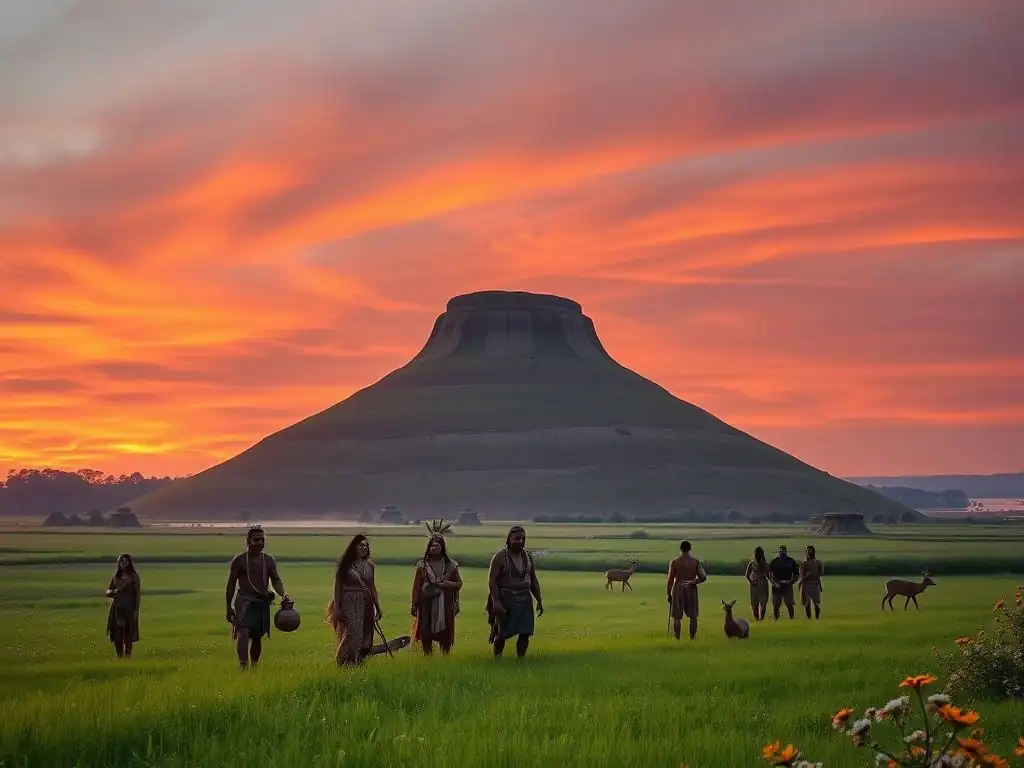
Welcome to Indigenous Civilizations of the Americas, where we embark on a fascinating journey through the rich tapestry of cultures that flourished long before European contact. In our featured article, “The Influence of Cahokia on Neighboring Cultures: A Study of Interconnected Societies,” we delve into the remarkable impact of the Cahokia civilization—a hub of innovation and interconnectedness that shaped the lives and traditions of many indigenous communities.
Prepare to uncover the profound legacies of these societies and their enduring influence, as you explore the intricate web of achievements, social structures, and cultural exchanges that define our shared history. Join us as we illuminate the past and spark your curiosity about the vibrant indigenous cultures of the Americas!
Introduction to Cahokia and Its Importance
Cahokia, once a bustling metropolis near the confluence of the Mississippi, Missouri, and Illinois rivers, stands as a testament to the remarkable achievements of indigenous cultures in North America. Flourishing between 600 and 1400 CE, this monumental city was not just a center of urban life; it was a hub of political, social, and economic activity that significantly influenced neighboring cultures.
The study of Cahokia's interconnectedness with surrounding societies reveals a complex web of interactions that shaped the cultural landscape of pre-Columbian North America. Understanding the Cahokia influence on indigenous cultures provides insights into the resilience and adaptability of these societies in a time of profound change.
Overview of Cahokia as a Major Indigenous Civilization
Cahokia was the largest urban center in North America before European contact, with its peak population estimated to be between 10,000 and 20,000 inhabitants. The city was characterized by its impressive earthen mounds, including the iconic Monk's Mound, which served both as a ceremonial space and a residence for the elite. The architectural ingenuity displayed in Cahokia's layout, with its plazas, residential areas, and ceremonial structures, reflects the sophisticated organizational skills of its inhabitants.
- Key Features of Cahokia:
- Monk's Mound: The largest earthen structure in the Americas.
- Complex Society: Evidence of social stratification and political organization.
- Cultural Practices: Rich traditions in art, religion, and trade.
Cahokia's influence extended far beyond its physical borders, as it facilitated the exchange of goods, ideas, and technologies among various indigenous groups. This city exemplified the interconnectedness that was prevalent among indigenous cultures of the time, showcasing how urban centers could serve as catalysts for cultural diffusion.
Significance of Cahokia in Pre-Columbian North America
The significance of Cahokia in pre-Columbian North America cannot be overstated. It functioned as a focal point for trade and cultural exchange, impacting not only its immediate surroundings but also distant regions. The city's strategic location allowed it to become a conduit for the movement of materials such as copper, shells, and pottery, which were crucial to the economies of neighboring societies.
- Cahokia's Lasting Legacy:
- Cultural Exchange: The transmission of agricultural techniques and religious beliefs.
- Political Influence: The emergence of leadership models that inspired other tribes.
- Artistic Innovations: Contributions to art forms that would be adopted by neighboring cultures.
Cahokia's role as a monumental city highlights the importance of urban centers in shaping social dynamics and cultural identities among indigenous peoples, marking an era of significant development in North American history.
The Geographic Context of Cahokia
Location and Environment of Cahokia
Cahokia was strategically located in the fertile floodplain of the Mississippi River, which provided abundant resources for its inhabitants. The area’s rich soil supported diverse agriculture, including the cultivation of maize, beans, and squash, which formed the backbone of the Cahokian diet.
- Environmental Features:
- Floodplains: Ideal for agriculture and resource management.
- Rivers: Key for transportation and trade.
- Forests: Provided materials for housing and tools.
The natural environment not only sustained the population but also played a pivotal role in the economic and social systems of Cahokia. Its geographic advantages made it an attractive settlement for various tribes, fostering a vibrant community that thrived on cooperation and trade.
Cahokia's Trade Routes and Economic Influence
Cahokia's economic influence extended through an extensive network of trade routes that facilitated the movement of goods across vast distances. These routes connected Cahokia to other significant cultural centers, enabling the exchange of not just material goods but also ideas and technologies.
- Trade Network Highlights:
- Goods Traded: Copper, pottery, shell jewelry, and agricultural products.
- Cultural Impact: Spread of artistic styles and religious practices.
- Economic Strategies: Adoption of complex trade agreements and alliances.
The economic framework established by Cahokia contributed to the prosperity of surrounding regions, illustrating how interconnected societies can thrive through collaboration and shared resources. The influence of Cahokia on neighboring cultures is evident in their adaptations of trade practices and cultural elements, highlighting the city's role as a pivotal player in the broader narrative of indigenous civilizations in North America.
Cultural Characteristics of Cahokia
Cahokia, one of the most significant pre-Columbian urban centers in North America, displayed a rich tapestry of cultural characteristics that reflected the complexity of its society. Located near modern-day St. Louis, Missouri, Cahokia was a bustling metropolis that peaked around 1050 to 1200 CE. Its inhabitants developed a culture that was marked by advanced agricultural practices, particularly the cultivation of maize, which supported a large population and fostered social stratification.
The Cahokian culture was characterized by its monumental architecture, including the massive earthen mounds that served various ceremonial and political purposes. The Great Mound, also known as Monks Mound, is the largest of these structures and exemplifies the engineering prowess of Cahokian society. The urban layout of Cahokia included residential areas, plazas, and trade zones, indicating a well-organized city that facilitated economic and social interactions.
Cahokia's social fabric was woven from diverse elements, including trade networks that extended across vast distances, connecting them to other indigenous cultures. The exchange of goods, ideas, and technologies enriched Cahokian society and contributed to its dynamic cultural landscape. The distinct pottery styles, tools, and decorative arts also provide insight into the daily lives and aesthetic values of the Cahokians.
Social Structure and Governance in Cahokia
The social structure of Cahokia was hierarchical, with a clear division of roles and responsibilities among its inhabitants. At the top of this hierarchy was the ruling elite, often referred to as the "chiefs," who held significant political and religious authority. These leaders were believed to have divine connections, which legitimized their power and influence over the populace.
Beneath the chiefs were various classes of artisans, farmers, and laborers, each contributing to the economy and sustaining the city’s infrastructure. The presence of specialized craftsmen suggests a division of labor that allowed for the production of intricate goods, including pottery, tools, and jewelry, which were vital for both daily use and ceremonial purposes.
Governance in Cahokia was likely a blend of centralized authority and communal decision-making. The chiefs would have overseen the administration of resources, defense, and religious practices, while councils of elders or community leaders might have participated in consultations regarding significant decisions. This governance model facilitated stability and cooperation among the diverse population, fostering a sense of unity that was crucial for the city’s longevity.
Religious Practices and Beliefs of Cahokian Society
Religion played a central role in the lives of Cahokians, deeply influencing their social customs and civic life. The Cahokian belief system was polytheistic, with a pantheon of deities associated with nature, agriculture, and celestial bodies. Ceremonial practices included offerings and rituals conducted at the mounds, which were considered sacred spaces.
The Great Mound served not only as a political center but also as a religious site, where significant ceremonies took place. These rituals likely reinforced the authority of the chiefs and the community’s connection to their spiritual beliefs. Archaeological findings, such as burial sites containing elaborate grave goods, suggest that the Cahokians practiced ancestor veneration, further emphasizing the importance of their spiritual heritage.
Additionally, the alignment of certain mounds with solar and lunar cycles indicates that astronomy played a crucial role in their religious practices. This knowledge allowed the Cahokians to develop a calendar that guided agricultural activities, ensuring the sustainability of their society.
Artistic Expressions and Architectural Innovations
Artistic expression in Cahokia was diverse and multifaceted, reflecting both functional and aesthetic qualities. The Cahokians produced a variety of artistic works, including intricate pottery, stone carvings, and ceremonial artifacts. These objects often featured symbolic motifs that conveyed cultural narratives and spiritual beliefs.
Architectural innovation was a hallmark of Cahokian society, as seen in the construction of their monumental mounds. These mounds were not only impressive in scale but also demonstrated advanced engineering techniques. The use of earth as a primary building material allowed for the creation of complex structures that served various purposes, from burial sites to ceremonial platforms.
The urban design of Cahokia also showcased architectural innovation, with well-planned streets, plazas, and residential areas. This organization facilitated trade and social interaction, making Cahokia a hub of cultural exchange. The integration of art and architecture in their society reflects the Cahokians' sophisticated understanding of their environment and their ability to create lasting monuments that continue to inspire awe today.
The Influence of Cahokia on Neighboring Indigenous Cultures
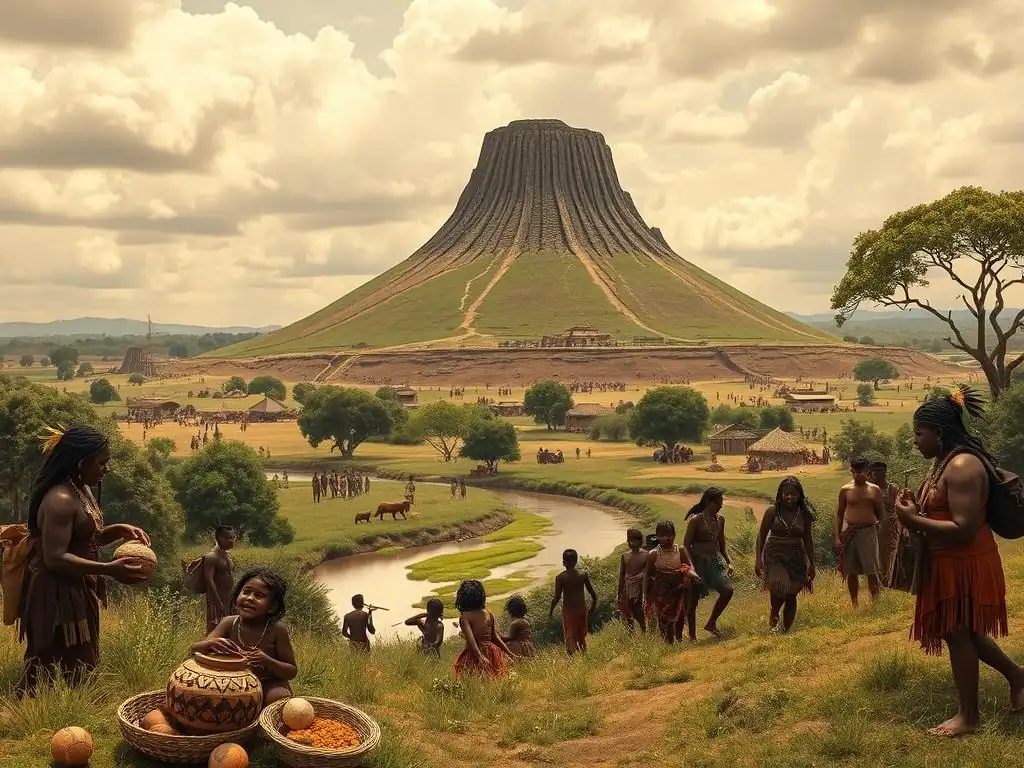
Cahokia's influence extended far beyond its borders, affecting neighboring indigenous cultures in various ways. As a major center of trade, politics, and religion, Cahokia interacted with numerous societies, facilitating the exchange of ideas, goods, and cultural practices. The city's prominence as a cultural and economic powerhouse allowed it to leave a lasting legacy on surrounding communities.
Interactions with Neighboring Societies
The interactions between Cahokia and neighboring societies were dynamic and multifaceted. Cahokians established extensive trade networks that connected them to groups as far away as the Great Lakes and the Gulf Coast. This trade involved not only material goods, such as tools, shells, and copper but also the exchange of cultural practices and innovations.
Archaeological evidence suggests that Cahokians engaged in diplomatic relationships with other indigenous groups, which may have included marriages, alliances, and shared ceremonial events. Such interactions would have allowed for the dissemination of Cahokian cultural elements, influencing local customs and practices across the region.
The impact of Cahokia was also evident in the adoption of architectural styles and mound-building techniques by neighboring cultures. Communities within the Mississippian cultural sphere began to emulate Cahokian designs, indicating the city's role as a model for urban development and societal organization.
Specific Cultures Affected by Cahokia
Several indigenous cultures were notably influenced by Cahokia, particularly those within the broader Mississippian tradition. For example, the cultures of the Illinois and the Ohio River Valley experienced significant changes in their social structure and agricultural practices, likely as a result of Cahokian influence. These groups adopted similar mound-building techniques and ceremonial practices, reflecting their integration into the Cahokian cultural sphere.
The influence of Cahokia extended to the Southeast, where cultures such as the Creek and Cherokee also assimilated aspects of Cahokian society. This included the adoption of agricultural practices centered on maize cultivation, which became a staple in their diets.
Moreover, the artistic styles of neighboring cultures began to mirror those found in Cahokia, with pottery and ornamentation reflecting the sophisticated craftsmanship characteristic of the urban center. This cultural diffusion illustrates the profound impact of Cahokia on the development of indigenous societies across the Americas, reinforcing its status as a pivotal hub of cultural exchange and influence.
The Mechanisms of Influence: How Cahokia Shaped Neighboring Cultures
Cahokia, once a thriving metropolis situated near present-day St. Louis, Missouri, played a pivotal role in shaping the cultural landscape of the pre-Columbian Americas. Its influence extended far beyond its immediate borders, impacting neighboring tribes through a variety of mechanisms. Understanding these mechanisms reveals the intricate web of interactions that characterized indigenous societies before European contact.
The influence of Cahokia can be grouped into three primary areas: economic, cultural, and religious. Each of these areas showcases how Cahokia's advancements and societal structures permeated the lives of neighboring cultures. The city’s strategic location along major trade routes facilitated the exchange of goods, ideas, and practices, creating a dynamic environment for cultural diffusion. This interconnectedness among societies not only fostered economic growth but also led to significant cultural transformations that still resonate in the historical narratives of indigenous peoples today.
Economic Influence: Trade Goods and Resources
The economic influence of Cahokia was profound, primarily driven by its role as a central trading hub. The city was strategically situated at the confluence of the Mississippi, Missouri, and Illinois rivers, which allowed for extensive trade networks that reached as far as the Gulf Coast and the Great Lakes. Cahokia's economy thrived on the exchange of a variety of goods, including:
- Agricultural Products: Cahokia's fertile land facilitated the cultivation of maize, beans, and squash, which were traded with neighboring tribes.
- Shell and Stone Tools: Artisans in Cahokia crafted tools and ornaments from local materials, which were highly sought after in surrounding areas.
- Ceramics: Distinctive pottery styles emerged in Cahokia, influencing the artistic expressions of neighboring cultures.
Through these trade interactions, neighboring societies not only gained access to valuable resources but also adopted agricultural practices, which contributed to their own economic sustainability and growth.
Cultural Influence: Language and Artistic Styles
Cahokia's cultural influence extended to language and artistic styles, marking a significant impact on the identities of neighboring tribes. The convergence of diverse populations in Cahokia created a melting pot of languages and cultural expressions. This cultural exchange is evident in several ways:
- Artistic Styles: Cahokia’s sophisticated pottery, sculpture, and mound construction techniques inspired similar artistic practices in neighboring cultures. These styles often incorporated motifs and patterns that reflected the shared heritage of the region.
- Linguistic Borrowing: As tribes interacted through trade and social gatherings, linguistic exchanges occurred, leading to the incorporation of new vocabulary and expressions into local dialects. This helped facilitate communication and fostered a sense of interconnectedness among various groups.
The cultural influence of Cahokia thus contributed to a rich tapestry of shared traditions and practices that defined the identities of indigenous peoples in the region.
Religious Influence: Shared Beliefs and Practices
Cahokia’s religious influence was equally significant, as its complex spiritual life resonated with neighboring cultures. The city was home to a range of ceremonial practices and cosmological beliefs that shaped the spiritual landscape across the region. Key aspects of this religious influence include:
- Mound Building: The construction of earthen mounds in Cahokia served as religious and ceremonial centers, inspiring similar practices in surrounding cultures. These mounds often held significant spiritual meaning and were used for rituals and burials.
- Shared Deities and Myths: As tribes interacted, they exchanged religious narratives and deities, leading to the incorporation of Cahokian spiritual concepts into the belief systems of neighboring societies. This syncretism enriched the religious tapestry of the region.
The enduring legacy of Cahokia's religious practices highlights the interconnectedness of indigenous cultures and their shared pursuit of spiritual understanding.
Archaeological Evidence of Cahokia’s Influence
The archaeological record provides robust evidence of Cahokia’s influence on neighboring cultures, revealing the extent of its reach and the complexity of its interactions. Excavations at various sites have uncovered artifacts and structures that serve as indicators of this interconnectedness.
Key Discoveries Supporting the Influence of Cahokia
Several key discoveries underscore Cahokia's role as a cultural and economic epicenter:
- Trade Goods Found at Neighboring Sites: Artifacts such as Cahokian ceramics, shell beads, and engraved stone tools have been unearthed in sites as far away as the Ohio Valley, reflecting the extensive trade networks that existed.
- Mound Structures: Similar mound constructions have been identified in regions neighboring Cahokia, suggesting that its architectural practices had a lasting impact on local societies.
These findings illustrate not only the physical exchange of goods but also the transmission of ideas and cultural practices across a wide expanse.
Interpretation of Artifacts and Their Significance
The interpretation of artifacts from Cahokia and surrounding areas has provided valuable insights into the dynamics of influence. Archaeologists analyze these items to understand their cultural significance and the nature of their use:
- Ceramic Analysis: The stylistic similarities in pottery between Cahokia and neighboring cultures indicate a shared aesthetic and functional approach, suggesting cultural diffusion through trade.
- Iconography: Symbolic motifs found on Cahokian artifacts, such as animal representations and geometric designs, have been traced in other indigenous cultures, revealing a network of cultural exchange.
Overall, these interpretations underscore the importance of Cahokia as a catalyst for cultural development and exchange among indigenous peoples, highlighting its role in shaping a complex web of interconnected societies in the pre-Columbian Americas.
The Legacy of Cahokia’s Influence on Indigenous Cultures
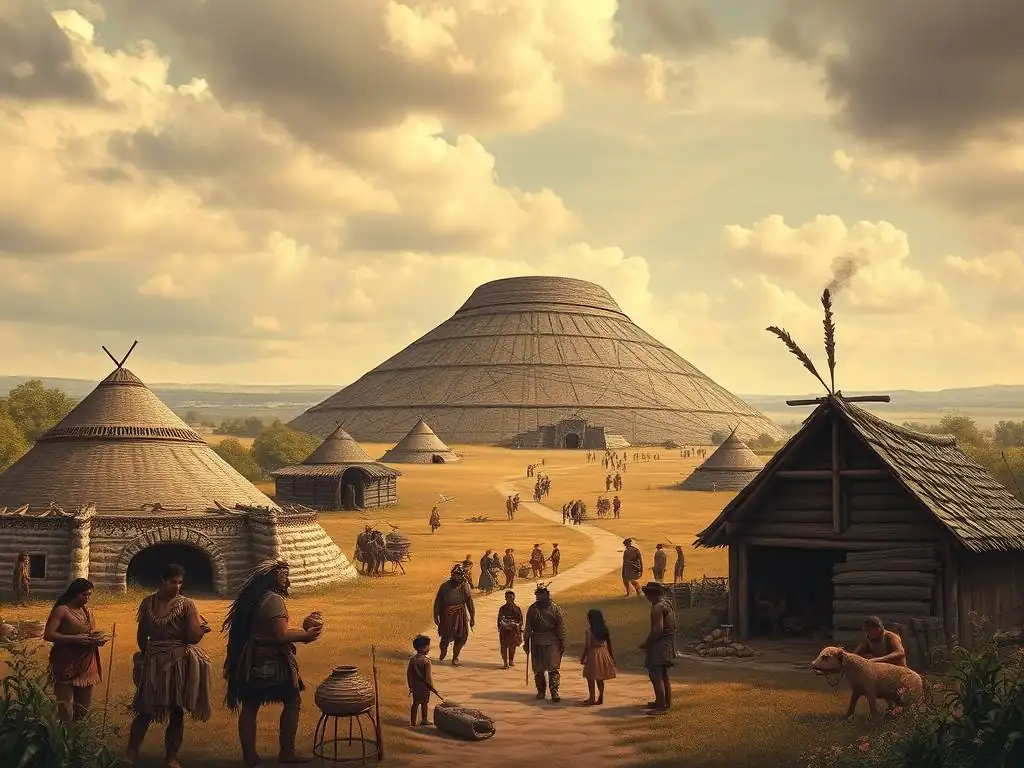
Cahokia, once the largest urban center of pre-Columbian North America, has left an indelible mark on the indigenous cultures that surrounded it. The city, which flourished around 600 to 1400 CE near modern-day St. Louis, Missouri, was characterized by its monumental earthworks, complex social structures, and extensive trade networks. These attributes not only shaped Cahokia's internal dynamics but also radiated influence across a vast geographic area, impacting neighboring societies.
The legacy of Cahokia is particularly evident in the architectural styles, agricultural practices, and social hierarchies that emerged in surrounding communities. The construction techniques employed in Cahokia’s iconic mounds served as a model for similar structures in regions such as the Ohio Valley and the southeastern United States. Moreover, Cahokia's sophisticated agricultural practices, including the use of raised fields and irrigation, were adopted by neighboring tribes, leading to an increase in agricultural productivity and stability.
Lasting Effects on Subsequent Indigenous Societies
The influence of Cahokia extended beyond mere architecture and agriculture; it fundamentally altered the sociopolitical landscape of the surrounding indigenous cultures. The city acted as a hub of trade and cultural exchange, facilitating interactions among diverse groups. As a result, the economic practices and political organization observed in Cahokia began to permeate neighboring societies, fostering the development of more complex chiefdoms.
One illustrative example is the emergence of the Mississippian culture, which incorporated Cahokian elements into its own societal constructs. This culture, seen in regions such as the Mississippi River Valley and beyond, adopted similar mound-building traditions and engaged in extensive trade networks, reflecting their connection to the Cahokian legacy. The social stratification evident in Cahokia also influenced the organization of subsequent societies, leading to the establishment of powerful chiefs and elites in neighboring areas.
Recognition of Cahokia in Modern Indigenous Identity
In contemporary times, Cahokia is not only recognized for its archaeological significance but also for its role in shaping modern indigenous identities. Many Native American tribes trace aspects of their heritage back to the Cahokian civilization, viewing it as a crucial touchstone in their historical narratives. The acknowledgment of Cahokia's influence fosters a sense of pride and continuity among these communities.
Cultural revitalization movements within indigenous societies often reference Cahokia as a source of inspiration. By celebrating the achievements of their ancestors, modern tribes seek to reclaim their narrative and reinforce their cultural identity. This connection to Cahokia serves as a reminder of the resilience and adaptability of indigenous cultures, showcasing their ability to thrive despite the challenges posed by colonization and modernity.
Conclusion: The Enduring Impact of Cahokia on Indigenous Cultures
The influence of Cahokia on indigenous cultures illustrates the complexity and interconnectedness of pre-Columbian societies in North America. Through its monumental architecture, agricultural innovations, and sociopolitical structures, Cahokia not only shaped the lives of its inhabitants but also left a lasting imprint on neighboring cultures that would follow.
Summary of Key Points on Cahokia's Influence
- Monumental Architecture: The mounds of Cahokia inspired similar constructions in surrounding regions, showcasing advanced engineering skills.
- Agricultural Practices: Techniques developed in Cahokia were adopted by neighboring tribes, enhancing agricultural output.
- Complex Societies: The sociopolitical organization of Cahokia influenced the development of chiefdoms in neighboring cultures.
- Cultural Exchange: Cahokia acted as a cultural and economic hub, facilitating interactions among various indigenous groups.
Reflection on the Importance of Understanding Indigenous Interconnectedness
Understanding the interconnectedness of indigenous cultures through the lens of Cahokia emphasizes the intricate web of relationships that existed prior to European contact. It challenges the perception of isolated cultures, revealing a rich tapestry of exchange, influence, and adaptation. Recognizing Cahokia's role in this larger context not only enriches our comprehension of indigenous histories but also underscores the importance of preserving and honoring these legacies in contemporary discussions about identity and cultural heritage. The study of Cahokia thus serves as a vital reminder of the enduring impact of indigenous civilizations on North America’s past and present.
References
The study of Cahokia and its influence on neighboring cultures has been enriched by a variety of academic works and archaeological findings. These references provide essential insights into the interconnectedness of indigenous societies and the significant role Cahokia played in shaping cultural and social dynamics across the region. Below are key readings and studies that readers can explore for a deeper understanding of this fascinating topic.
Suggested Readings on Cahokia and Indigenous Cultures
-
"Cahokia: Ancient America's Great City on the Mississippi" by Timothy R. Pauketat
This comprehensive book explores the rise and fall of Cahokia, focusing on its role as a central hub of cultural and economic exchange among indigenous groups. Pauketat delves into the social structures and religious practices that characterized Cahokia's society.
-
"The Cahokia Atlas: A Historical Atlas of Cahokia Archaeology" by Charles E. Orser Jr.
This atlas provides a visual representation of Cahokia's archaeological sites, artifacts, and historical context. It serves as an essential resource for understanding how Cahokia influenced surrounding cultures through trade and interaction.
-
"The Archaeology of Cahokia: A Study of the Urbanization of a Pre-Columbian Society" by Susan Alt
Alt's work focuses on the urban planning and settlement patterns of Cahokia, shedding light on how its organizational strategies impacted neighboring communities and regional trade networks.
-
"Cahokia and the Hinterlands: Middle Mississippian Cultures of the Midwest" edited by Thomas E. Emerson and R. Barry Lewis
This edited volume brings together various perspectives on Cahokia and its surrounding cultures, exploring the interactions and adaptations that occurred in response to Cahokia's influence.
-
"The Mississippian Emergence" by David H. Dye and Cheryl Ann Cox
This book examines the broader Mississippian cultural framework, situating Cahokia within the context of indigenous innovations and interactions across the southeastern United States.
Notable Archaeological Studies Related to Cahokia
-
"Settlement Patterns and the Social Organization of Cahokia" by Mark Lynott
Lynott's study employs archaeological survey methods to reconstruct the settlement patterns of Cahokia, revealing insights into social hierarchies and community organization.
-
"Cahokia's Influence on the Development of the Southern Great Lakes" by Jennifer H. W. Wray
This research investigates how Cahokia affected the cultural evolution of the Southern Great Lakes region, particularly in trade and ceremonial practices.
-
"The Role of Religion and Ritual in the Political Economy of Cahokia" by Susan Alt and Timothy Pauketat
This collaborative study examines the interplay between religion, ritual practices, and the political economy of Cahokia, highlighting how these elements contributed to its influence over neighboring indigenous cultures.
-
"Archaeobotanical Evidence of Plant Domestication at Cahokia" by Robin A. B. Bender
Bender’s research utilizes archaeobotanical data to explore agricultural practices at Cahokia, emphasizing the exchange of crops and agricultural knowledge with neighboring societies.
These suggested readings and archaeological studies are invaluable for understanding the complex web of relationships that defined the influence of Cahokia on indigenous cultures throughout the Americas.
- Introduction to Cahokia and Its Importance
- The Geographic Context of Cahokia
- Cultural Characteristics of Cahokia
- The Influence of Cahokia on Neighboring Indigenous Cultures
- The Mechanisms of Influence: How Cahokia Shaped Neighboring Cultures
- Archaeological Evidence of Cahokia’s Influence
- The Legacy of Cahokia’s Influence on Indigenous Cultures
- Conclusion: The Enduring Impact of Cahokia on Indigenous Cultures
- References
- What was Cahokia's significance in indigenous cultures?
- How did Cahokia impact trade among indigenous peoples?
- What achievements are attributed to the Cahokian civilization?
- In what ways did Cahokia influence social structures in nearby cultures?
- What lasting effects did Cahokia have on indigenous cultures after its decline?
Frequently Asked Questions
What was Cahokia's significance in indigenous cultures?
Cahokia was a major urban center that influenced neighboring cultures through trade, agriculture, and political organization, shaping the social fabric of the region.
How did Cahokia impact trade among indigenous peoples?
Cahokia acted as a trade hub, facilitating the exchange of goods and ideas among different tribes, which led to the spread of cultural practices and innovations.
What achievements are attributed to the Cahokian civilization?
The Cahokians are known for their advanced agricultural techniques, monumental earthworks, and a complex societal structure that supported a thriving population.
Cahokia's hierarchical society and governance systems served as a model for neighboring tribes, promoting organized leadership and community collaboration.
What lasting effects did Cahokia have on indigenous cultures after its decline?
Even after its decline, Cahokia's cultural practices, trade routes, and architectural styles continued to influence subsequent indigenous societies, leaving a lasting legacy in North America.
Final Reflection: The Enduring Legacy of Cahokia's Influence on Indigenous Cultures
The interconnectedness of ancient societies, exemplified by Cahokia, remains profoundly relevant today as we explore the foundations of cultural exchange and adaptation. The intricate web of influence that Cahokia wove among neighboring cultures not only shaped their social structures and practices but also serves as a reminder of the importance of collaboration and shared knowledge in fostering resilience and innovation. In a world increasingly defined by globalization, the lessons from Cahokia's legacy resonate louder than ever.
The influence of Cahokia extends beyond mere historical significance; it is a testament to the power of community and the exchange of ideas. The cultural practices, agricultural advancements, and spiritual beliefs that emerged from Cahokia's interactions with neighboring societies continue to inspire contemporary discussions about identity and heritage. As we reflect on this interconnected past, we are reminded of the words of historian Charles Mann: The Americas were not a blank slate; they were a tapestry of cultures, each influencing the other in profound ways.
This observation underscores the importance of recognizing and honoring the contributions of diverse cultures in shaping our collective history.
As we move forward, I invite you to reflect on the lessons gleaned from Cahokia's influence on indigenous cultures. Consider how the principles of collaboration, respect for diversity, and the sharing of knowledge can be applied in your own life and community. Embrace the spirit of interconnectedness that defined Cahokia and strive to foster relationships that celebrate cultural exchange and mutual growth. By doing so, we not only honor the legacy of those who came before us but also pave the way for a more inclusive and harmonious future.
Unleash the Legacy of Cahokia: Take Action Today!
Thank you for exploring the rich connections of Cahokia and its influence on neighboring cultures with us! By diving into this fascinating study, you’ve gained insight into how interconnected societies shaped our shared history. Now, let’s build on that knowledge and make a meaningful impact together.
Here’s how you can contribute:
- Explore Local History: Visit a local museum or cultural site that highlights Indigenous history to deepen your understanding of these interconnected societies.
- Share Your Insights: Initiate discussions among friends and family about what you’ve learned; consider posting on social media to inspire others to explore Indigenous cultures.
- Dive Deeper: Read additional articles or watch documentaries focused on various Indigenous civilizations, enhancing your knowledge and appreciation of these rich histories.
How do you believe the legacy of Cahokia continues to influence cultures today? We invite you to share your thoughts in the comments!