
Exploring the Avenue of the Dead: What Teotihuacan Reveals About Ancient Urban Planning

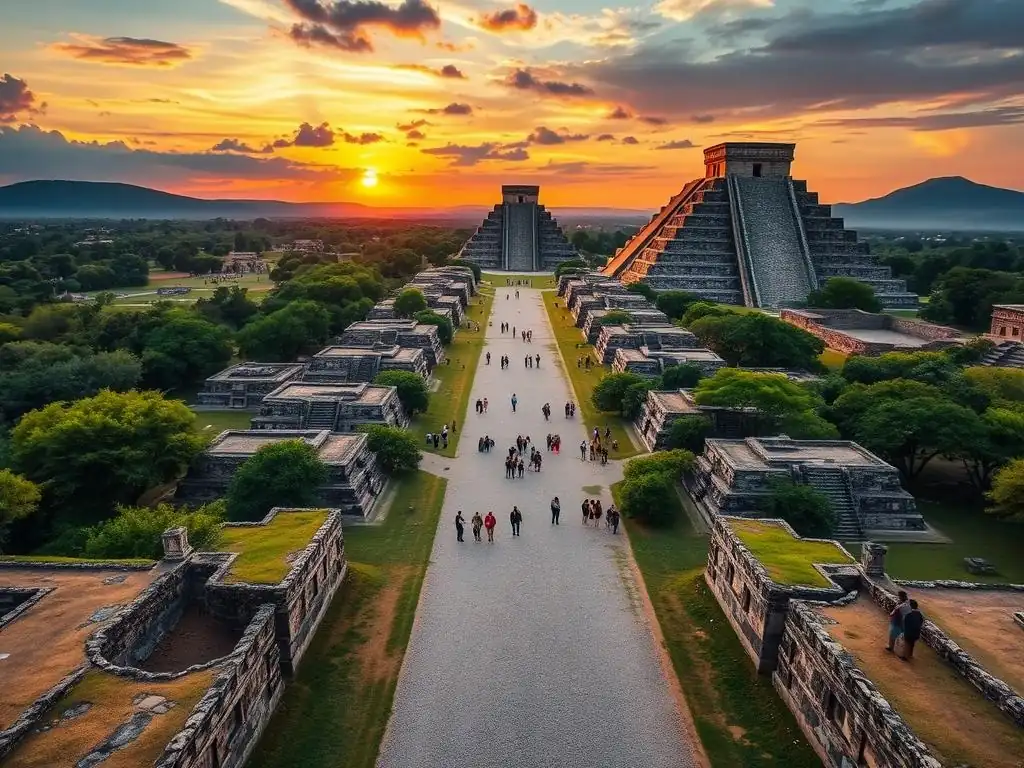
Welcome to Indigenous Civilizations of the Americas—your gateway to unraveling the rich tapestry of cultures that flourished across the continent long before European contact. Here, we invite you to delve into the fascinating world of Teotihuacan, where ancient urban planning reveals the ingenuity and sophistication of this remarkable civilization. What secrets lie along the Avenue of the Dead, and how did these early architects shape the landscape? Join us as we explore these archaeological discoveries and uncover the profound legacy of indigenous societies that continue to inspire and inform our understanding today.
Introduction to Teotihuacan and Its Significance
Teotihuacan, a monumental city located in the Basin of Mexico, stands as a testament to the remarkable achievements of ancient urban planning. Flourishing between the 1st and 7th centuries CE, this vibrant metropolis was one of the largest cities in the world at its peak, with a population estimated to be over 100,000 inhabitants.
Its intricate layout and architectural grandeur not only reflect the sophisticated engineering skills of its builders but also encapsulate the social, political, and religious dynamics of a civilization that thrived long before European contact. Understanding Teotihuacan's urban planning is crucial for comprehending the cultural heritage of indigenous civilizations in the Americas and their lasting influence on subsequent societies.
Overview of Teotihuacan as an Ancient City
Teotihuacan is renowned for its impressive structures, including the Pyramids of the Sun and the Moon, and the Temple of the Feathered Serpent. Sprawling across approximately 20 square kilometers, the city was meticulously designed, with wide avenues, residential compounds, and public plazas interwoven within its urban fabric. The architectural style showcases a blend of diverse influences, reflecting the interactions among various cultures that converged in this cosmopolitan hub. Furthermore, Teotihuacan's influence extended beyond its borders, impacting neighboring regions and future Mesoamerican civilizations such as the Aztecs.
Importance of Urban Planning in Ancient Civilizations
Urban planning in ancient civilizations played a pivotal role in shaping social order, economic activities, and cultural practices. Well-planned cities facilitated trade, governance, and communal gatherings, while also reflecting the values and beliefs of their inhabitants. For example, the alignment of structures often had astronomical significance, and public spaces were designed to host rituals and ceremonies. By examining urban planning in cities like Teotihuacan, we gain insights into how these societies organized themselves, managed resources, and constructed their identities.
The Avenue of the Dead: A Central Feature of Teotihuacan
Description of the Avenue of the Dead
The Avenue of the Dead is the main thoroughfare of Teotihuacan, stretching approximately 2.5 kilometers from the Ciudadela (Citadel) to the Pyramid of the Moon. This monumental avenue is lined with impressive structures, including temples, residential complexes, and ceremonial sites, all strategically positioned to create a sense of grandeur and coherence throughout the city.
Its wide expanse, measuring about 40 meters in width, allowed for the movement of both people and goods, reinforcing the importance of connectivity in the urban layout. The name "Avenue of the Dead" is a later interpretation, as it was originally thought to symbolize the connection between the living and the spiritual world.
Historical Context and Its Role in Teotihuacan’s Urban Layout
Historically, the Avenue of the Dead served not only as a transportation route but also as a focal point for social and ceremonial activities. It was likely the site of important rituals and gatherings, underscoring the avenue's role in reinforcing the cultural identity of Teotihuacan's inhabitants.
The careful alignment of the avenue and the surrounding structures suggests a deliberate planning process aimed at creating a harmonious urban environment that reflected the city's cosmological beliefs. By studying the Avenue of the Dead, researchers can uncover the complexities of Teotihuacan's urban planning and its implications for understanding the social and political organization of one of the Americas' most significant ancient cities.
Key Elements of Teotihuacan Ancient Urban Planning
Teotihuacan, one of the most influential cities in Mesoamerica, showcases a remarkable example of ancient urban planning characterized by its strategic layout, monumental architecture, and the integration of public spaces. The city's design reflects both the cultural and social hierarchies of its inhabitants, offering insights into the sophisticated civilization that thrived there from around 100 BCE to 750 CE.
Key elements of its urban planning include a well-organized grid layout, monumental pyramids and temples that served as focal points, and extensive public areas that facilitated community interaction. These features not only highlight the engineering prowess of the Teotihuacan society but also their deep-seated cultural and religious values.
Grid Layout and Its Implications for City Organization
The grid layout of Teotihuacan is one of its most distinctive features, with streets oriented along a north-south and east-west axis. This systematic design facilitated efficient movement and organization within the city, allowing for effective trade and communication. The main thoroughfare, known as the Avenue of the Dead, stretches over two kilometers and serves as a central artery connecting various districts, including residential, commercial, and religious areas.
The layout suggests a high level of planning, as it allows for the division of the city into distinct zones, each serving specific functions. The structured grid system also implies a level of social order and governance, as it would have required coordinated efforts for its creation and maintenance. This organization not only maximized land use but also reinforced the societal hierarchy, with the most important structures, such as the Pyramid of the Sun and the Pyramid of the Moon, strategically positioned along the avenue to dominate the skyline.
Monumental Architecture: Pyramids and Temples
Monumental architecture is a hallmark of Teotihuacan and serves as a testament to the city's engineering capabilities and religious beliefs. The most iconic structures are the Pyramid of the Sun and the Pyramid of the Moon, both of which are aligned with significant astronomical events, reflecting the civilization's sophisticated understanding of celestial movements.
These pyramids were not only religious centers but also served as platforms for rituals and ceremonies, integrating the spiritual and communal aspects of life in Teotihuacan. The construction of such grand monuments indicates the central role that religion played in daily life and governance, as well as the ability of the society to mobilize labor and resources for large-scale projects. Additionally, temples dedicated to various deities, such as the Temple of the Feathered Serpent (Quetzalcoatl), illustrate the city’s architectural diversity and the complexity of its religious practices.
Public Spaces and Their Function in Teotihuacan Society
Public spaces in Teotihuacan were crucial for fostering community interactions and facilitating various social activities. These areas, including plazas and marketplaces, were strategically located throughout the city, providing venues for trade, religious gatherings, and social events.
The largest public space, the Ciudadela, served as a ceremonial center where people gathered for significant events, including festivals and rituals. These spaces not only reinforced social bonds among inhabitants but also played a vital role in the economic life of the city, as they were bustling with merchants and visitors. The careful integration of public spaces within the urban layout highlights the importance of community engagement in Teotihuacan society, emphasizing their role in maintaining social cohesion and cultural identity.
The Cultural and Religious Significance of Urban Planning
The urban planning of Teotihuacan is deeply intertwined with the cultural and religious beliefs of its inhabitants. The city's layout, monumental architecture, and public spaces reflect a cosmological vision that governed the Teotihuacan worldview. This planning not only served practical purposes but also embodied the spiritual aspirations of the society, demonstrating how physical spaces were imbued with cultural significance.
How Urban Design Reflects Religious Beliefs
The design of Teotihuacan is heavily influenced by religious beliefs, particularly in its alignment with celestial events and the symbolic positioning of its structures. The orientation of the Pyramid of the Sun, for instance, aligns with the setting sun during specific times of the year, highlighting the connection between urban design and astronomy.
Moreover, many buildings are adorned with intricate murals and sculptures that convey mythological themes, further emphasizing the city’s role as a religious center. The careful placement of temples near residential areas suggests that spiritual life was integral to daily existence, as inhabitants engaged in rituals and ceremonies within close proximity to their homes. This thoughtful integration of urban design with religious practices indicates a society that viewed their environment as a reflection of their beliefs and values.
The Role of Rituals and Ceremonies in Urban Spaces
Rituals and ceremonies were pivotal in the life of Teotihuacan, shaping how urban spaces were utilized and perceived. Public plazas and monumental structures served as venues for various rituals, reinforcing social hierarchies and community bonds. Events such as religious festivals, agricultural celebrations, and rites of passage were often held in these spaces, drawing large crowds and fostering a sense of unity among the city's inhabitants.
The incorporation of ceremonial activities into the urban landscape highlights the significance of collective identity in Teotihuacan society. By participating in shared rituals, individuals contributed to the maintenance of cultural traditions and the reinforcement of social norms. The architectural features of the city, therefore, can be seen as physical manifestations of these communal and religious practices, demonstrating how urban spaces were designed not just for functionality but also for the perpetuation of cultural heritage and spiritual life.
Comparison of Teotihuacan's Urban Planning with Other Ancient Cities
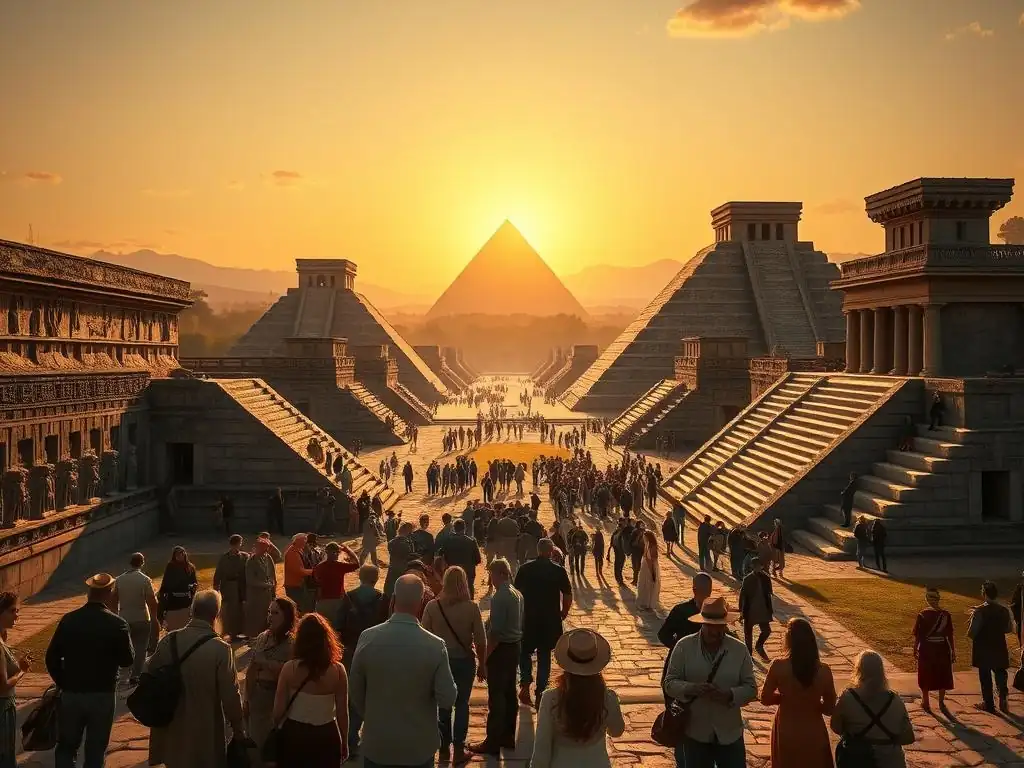
Teotihuacan stands out as one of the most remarkable examples of urban planning in the ancient world. Its design and structure offer valuable insights when compared to other ancient cities, particularly in Mesoamerica and beyond. Understanding these comparisons helps appreciate the innovative strategies employed by its builders and the implications for urban development in various cultures.
Similarities with Mesoamerican Urban Centers
Teotihuacan shares several architectural and planning characteristics with other Mesoamerican urban centers, such as Tikal and Monte Albán. One prominent similarity is the use of a grid layout, which is evident in the structured street patterns and the arrangement of residential and ceremonial areas. This layout facilitated organization and mobility within the city, allowing for efficient transport and communication among inhabitants.
Additionally, ceremonial architecture, such as pyramids and temples, is a common feature across these cities. Just like the Pyramid of the Sun and the Pyramid of the Moon in Teotihuacan, other Mesoamerican cities constructed significant structures serving religious and social functions, reflecting a shared cultural emphasis on spirituality and community cohesion.
Moreover, the integration of residential zones with public spaces is another similarity. In Teotihuacan, this is exemplified by the close proximity of housing complexes to temples and markets, fostering interaction among residents. Similarly, cities like Tikal featured housing adjacent to ceremonial plazas, indicating a deliberate design to enhance social engagement.
Differences from Other Global Ancient Civilizations
While Teotihuacan exhibits similarities with Mesoamerican urban centers, it also presents distinct contrasts when compared to ancient cities from other parts of the world. For instance, unlike the highly hierarchical urban planning seen in Ancient Egypt, where cities like Thebes were centered around monumental tombs and palaces for the elite, Teotihuacan demonstrates a more egalitarian layout. The uniformity in residential architecture suggests a communal approach to urban living, with less emphasis on social stratification.
Another notable difference is in the scale and diversity of public spaces. In cities like Athens, public squares (agoras) were prominent centers for political discourse and civic life, whereas Teotihuacan's layout focused more on monumental architecture and ceremonial practices without a single central political hub. This divergence highlights the unique sociopolitical structures that governed urban life in Teotihuacan compared to other ancient civilizations.
Furthermore, the absence of a written language in Teotihuacan contrasts sharply with civilizations like Mesopotamia, where cuneiform tablets recorded daily activities and governance. Instead, Teotihuacan's reliance on art and architecture as vehicles for communication and societal values illustrates a different approach to cultural expression.
The Legacy of Teotihuacan's Urban Planning
Teotihuacan's urban planning has left an indelible mark on subsequent civilizations and continues to influence modern urban design principles. By examining this legacy, we can gain insights into the enduring impact of Teotihuacan's architectural innovations and planning strategies.
Influence on Later Mesoamerican Cultures
The influence of Teotihuacan's urban planning can be seen in many later Mesoamerican cultures, particularly the Aztecs. The layout of Tenochtitlan, the Aztec capital, reflects several elements derived from Teotihuacan, such as the use of a grid pattern and the integration of canals for transportation. The Aztecs revered Teotihuacan as a sacred site, and its architectural styles and urban principles were emulated in their own constructions.
Additionally, the concept of monumental architecture as a means of expressing cultural identity persisted in the region. The construction of large temples and pyramids in subsequent civilizations, such as the Maya, can be traced back to the architectural innovations pioneered by the builders of Teotihuacan. This legacy underscores the importance of Teotihuacan as a cultural and architectural touchstone in Mesoamerican history.
Insights into Urban Planning Practices Today
Teotihuacan's urban planning offers valuable insights that remain relevant in contemporary urban design. The city's emphasis on communal spaces, accessibility, and integration of natural elements reflects principles that modern urban planners strive to achieve. For instance, the incorporation of green spaces and pedestrian-friendly design elements in today's cities mirrors Teotihuacan's approach to creating livable environments that promote community interaction.
Moreover, the sustainable use of resources, as evidenced by Teotihuacan's efficient water management systems, can inform current practices aimed at addressing urban challenges such as water scarcity and climate resilience. Urban planners can draw lessons from Teotihuacan’s innovative strategies, which emphasized both functionality and aesthetic appeal, fostering environments that enhance the quality of life for residents.
The ancient urban planning of Teotihuacan not only shaped the cities that followed it but also continues to inspire modern approaches to urbanism, emphasizing the enduring relevance of its architectural and planning principles.
Conclusion: The Lasting Impact of Teotihuacan on Urban Planning
Teotihuacan serves as a monumental testament to the sophisticated urban planning of ancient civilizations. Its layout reflects a deep understanding of social organization, architecture, and environmental adaptation, influencing urban design long after its decline. The meticulous planning of the Avenue of the Dead, along with its surrounding structures, showcases how urban spaces can be organized to facilitate social interaction, religious practices, and commerce. The legacy of Teotihuacan can be seen in subsequent Mesoamerican cities, where its principles of layout and design were echoed and adapted to meet the needs of emerging cultures.
The impact of Teotihuacan extends beyond its immediate geographical area. As a cultural and economic hub, it shaped the architectural and urban planning paradigms for various civilizations across the Americas. The city’s influence is evident in the urban centers that arose in the post-classic period and even in some modern-day cities. By examining Teotihuacan’s urban planning, we gain insights into the complexities of ancient societies, their priorities, and their innovations.
Summary of Key Findings about Teotihuacan Ancient Urban Planning
- Structured Layout: Teotihuacan was meticulously planned, with a grid layout that included residential, commercial, and religious zones, promoting organized urban life.
- Avenue of the Dead: This central thoroughfare not only served as a primary route but also as a ceremonial pathway, highlighting the city's dual role as a commercial and spiritual center.
- Architectural Marvels: Structures like the Pyramid of the Sun and the Pyramid of the Moon illustrate advanced engineering techniques and the cultural significance of monumental architecture.
- Water Management Systems: The city's innovative approaches to water management, including canals and reservoirs, reflect an advanced understanding of environmental sustainability.
- Social Cohesion: The design fostered communal spaces that encouraged social interaction and economic exchange, indicating a society that valued collaboration and community.
Final Thoughts on the Importance of Studying Ancient Urban Layouts
Studying ancient urban planning, particularly in the context of Teotihuacan, is crucial for understanding the complexities of pre-Columbian societies. It reveals how these civilizations adapted to their environments and organized their communities, reflecting their cultural values and priorities. The lessons learned from these ancient cities can inform modern urban planning practices, particularly in addressing challenges related to sustainability and community engagement. By appreciating the ingenuity of past civilizations, we can gain insights applicable to contemporary urban issues, fostering a deeper respect for the rich tapestry of human history.
References and Further Reading on Teotihuacan and Ancient Urban Planning
Books and Articles on Teotihuacan's Urban Design
- "Teotihuacan: City of the Gods": by Richard A. Diehl: This book offers a comprehensive analysis of the urban layout and cultural significance of Teotihuacan.
- "The Architecture of Teotihuacan: A Study of Its Urban Planning and Design": by Barbara E. M. H. K. van Loon: This work delves into the architectural principles underlying the city's design.
- "Ancient Urbanism in the Americas" by Susan Toby Evans: A comparative study that places Teotihuacan within a broader context of ancient urban development in the Americas.
- Journal articles from the Journal of Anthropological Archaeology and American Antiquity provide peer-reviewed studies on the urban planning aspects of Teotihuacan.
Resources for Further Exploration of Indigenous Civilizations
- The National Museum of Anthropology, Mexico City: A rich resource for artifacts and exhibits related to Teotihuacan and other indigenous cultures.
- Online databases such as JSTOR and Project MUSE for scholarly articles on ancient urbanism and the cultural significance of Teotihuacan.
- Documentaries and lectures available on platforms like YouTube provide visual and narrative insights into the history and planning of Teotihuacan.
- Local archaeological project websites often share findings, updates, and educational resources regarding ongoing research in Teotihuacan and other significant sites in Mesoamerica.
- Introduction to Teotihuacan and Its Significance
- The Avenue of the Dead: A Central Feature of Teotihuacan
- Key Elements of Teotihuacan Ancient Urban Planning
- The Cultural and Religious Significance of Urban Planning
- Comparison of Teotihuacan's Urban Planning with Other Ancient Cities
- The Legacy of Teotihuacan's Urban Planning
- Conclusion: The Lasting Impact of Teotihuacan on Urban Planning
- References and Further Reading on Teotihuacan and Ancient Urban Planning
- What is Teotihuacan known for in terms of urban planning?
- How did the Avenue of the Dead contribute to Teotihuacan's urban design?
- What are some major structures located along the Avenue of the Dead?
- How does Teotihuacan's urban planning influence modern cities?
- Why is studying Teotihuacan important for understanding indigenous cultures?
Frequently Asked Questions
What is Teotihuacan known for in terms of urban planning?
Teotihuacan is renowned for its innovative urban planning, characterized by a grid layout, large avenues, and monumental architecture, which reflects the sophistication of its society.
How did the Avenue of the Dead contribute to Teotihuacan's urban design?
The Avenue of the Dead serves as the main thoroughfare in Teotihuacan, showcasing strategic alignments with significant structures, illustrating the city's cultural and religious significance.
What are some major structures located along the Avenue of the Dead?
Key structures include the Pyramid of the Sun, the Pyramid of the Moon, and the Temple of the Feathered Serpent, all of which highlight the architectural prowess of the Teotihuacan civilization.
How does Teotihuacan's urban planning influence modern cities?
Teotihuacan's organized layout and infrastructure provide valuable insights into sustainable urban development, influencing modern urban planners in addressing space and community needs.
Why is studying Teotihuacan important for understanding indigenous cultures?
Studying Teotihuacan reveals the complex societies that existed before European colonization, allowing for a deeper appreciation of their achievements and contributions to modern civilization.
Final Reflection: The Enduring Legacy of Teotihuacan's Urban Planning
Teotihuacan's ancient urban planning continues to resonate in today's world, revealing the profound sophistication of its creators and the lessons we can learn from their achievements. The meticulous layout, monumental architecture, and intricate societal organization of this ancient city not only showcase the ingenuity of its inhabitants but also challenge modern urban planners to rethink how we design our cities. As we grapple with contemporary urban challenges, the insights gleaned from Teotihuacan's design can inspire innovative solutions that honor both functionality and cultural heritage.
The influence of Teotihuacan's urban planning extends beyond its historical context, shaping our understanding of sustainable development and community living. The city's ability to accommodate a diverse population while maintaining harmony with the environment serves as a powerful reminder of the importance of thoughtful design. The true measure of a civilization is not how it treats its highest citizens, but how it treats its lowest ones.
This quote encapsulates the essence of Teotihuacan's legacy, urging us to consider the inclusivity and accessibility of our urban spaces as we move forward.
As we reflect on the lessons of Teotihuacan, I invite you to consider how these ancient principles can be applied in your own life and community. What aspects of urban planning resonate with your vision for a better future? Whether it's advocating for green spaces, promoting community engagement, or embracing sustainable practices, each of us has the power to contribute to a more harmonious urban environment. Let the spirit of Teotihuacan inspire you to take action and create spaces that reflect the values of inclusivity, sustainability, and innovation.
Unveil the Secrets of Ancient Cities!
Thank you for exploring the captivating world of Teotihuacan with us! You've uncovered incredible insights into ancient urban planning and the rich history of indigenous civilizations. Now, it's time to take your newfound knowledge further—let’s turn inspiration into action!
Here’s how you can dive deeper into the wonders of ancient cities:
- Plan your own exploration: Consider visiting archaeological sites or museums that highlight the history of Teotihuacan, where you can engage with the past in a meaningful way.
- Join a community discussion: Share your thoughts and insights about Teotihuacan in online forums or local groups dedicated to discussing indigenous history. Your perspective is valuable!
- Spread the knowledge: Share this article with friends or on social media—let’s ignite a conversation about the ingenuity of our ancestors!
What aspect of Teotihuacan's urban planning do you find most fascinating, and how could it inspire modern city design?