
The Ripple Effect: Analyzing the Factors Behind Population Reductions in Native American Communities

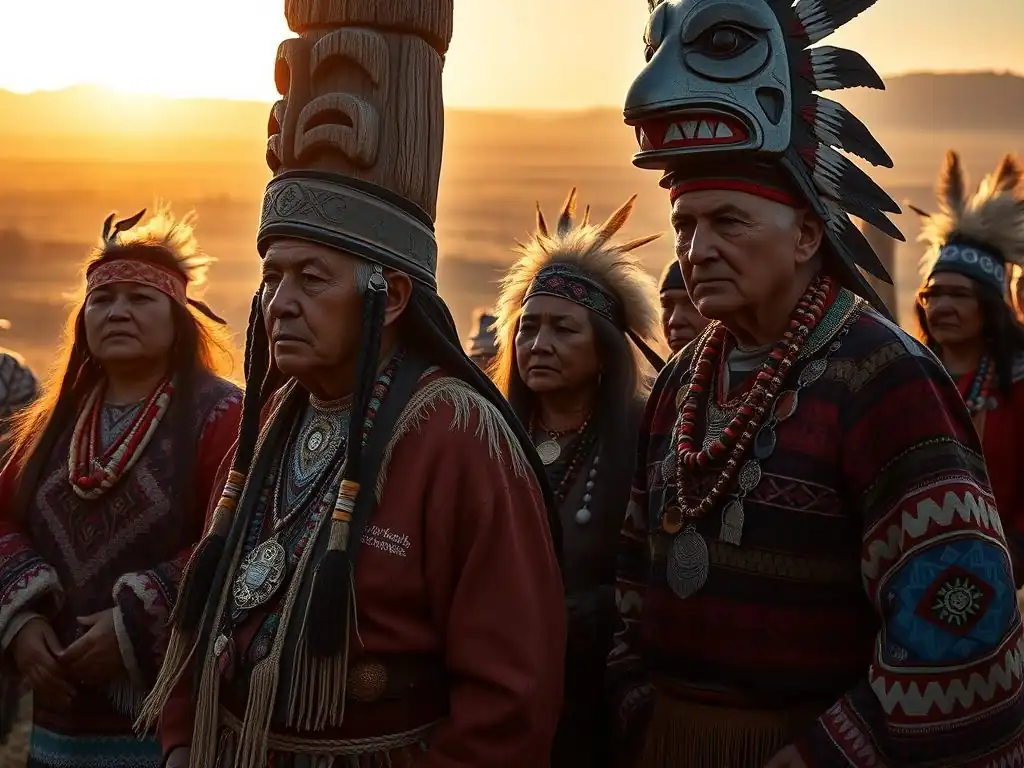
Welcome to Indigenous Civilizations of the Americas, where we invite you to embark on a journey through the rich tapestry of indigenous cultures that flourished across the continent long before European arrival. Our featured article, "The Ripple Effect: Analyzing the Factors Behind Population Reductions in Native American Communities," delves into the complex and often heartbreaking causes of the decline of the Native American population. What were the intricate dynamics at play?
How did these factors shape the societies we see today? Join us as we unravel the profound impact of these historical events and inspire a deeper understanding of the resilience and legacy of these remarkable civilizations. Your exploration begins here!
Introduction to Native American Population Decline
The history of Native American populations is marked by profound transformations, particularly during the period of European colonization. This article delves into the significant factors contributing to the decline of Native American populations, exploring the complex interplay of social, environmental, and biological elements that led to drastic reductions in their numbers.
Understanding these causes is crucial not only for historical comprehension but also for acknowledging the resilience and enduring legacy of indigenous cultures across the Americas. By examining the multifaceted reasons behind population decline, we gain insights into the broader effects of colonization and the lasting impacts on Native American communities today.
Overview of Native American Communities
Before European contact, the Americas were home to a rich tapestry of indigenous cultures, each with unique languages, traditions, and social structures. Estimates suggest that prior to colonization, the population of Native Americans could have ranged from 10 million to over 100 million, depending on various factors such as region and resources. Some of the most prominent indigenous groups included:
- The Aztec Empire: Centered in present-day Mexico, known for its advanced agricultural techniques and urban centers.
- The Pueblo Peoples: Inhabiting the Southwestern United States, recognized for their intricate adobe structures and communal living.
- The Iroquois Confederacy: Located in the Northeastern United States, notable for their sophisticated political system and democratic governance.
These communities thrived through a deep connection to their lands, employing sustainable practices that supported their populations for centuries.
Importance of Studying Population Decline Causes
Investigating the causes of population decline among Native American communities is vital for several reasons:
- Historical Understanding: Analyzing the factors behind population reductions sheds light on the broader narrative of colonization and its devastating effects.
- Cultural Preservation: Recognizing the contributions and struggles of these communities fosters a deeper appreciation for their resilience and cultural heritage.
- Contemporary Relevance: Understanding past population dynamics can inform current discussions on indigenous rights, land reclamation, and cultural revitalization efforts.
Historical Context of Native American Population Decline
To fully grasp the factors contributing to the decline of Native American populations, it is essential to consider the historical context in which these events transpired. The arrival of Europeans marked a significant turning point, with far-reaching consequences for indigenous societies.
Pre-Colonization Population Estimates
Prior to European contact, various estimations suggest that the indigenous population in the Americas was not only substantial but also diverse. Scholars estimate that:
| Region | Estimated Population (Pre-Colonization) |
|---|---|
| North America | 2-18 million |
| Central America | 5-25 million |
| South America | 8-25 million |
These figures indicate a thriving population that engaged in extensive trade networks, agricultural practices, and cultural exchanges long before the arrival of Europeans.
Impact of European Colonization on Native Societies
The arrival of Europeans led to profound disruptions within Native American societies. Key factors included:
- Diseases: European diseases, such as smallpox and influenza, decimated indigenous populations, who had no prior exposure or immunity.
- Conflict and Violence: Expansionist policies and military confrontations resulted in significant loss of life and displacement of communities.
- Disruption of Traditional Lifestyles: Colonization altered land use, disrupted trade routes, and imposed foreign governance structures, undermining indigenous ways of life.
These elements combined to create a catastrophic decline in Native American populations, the effects of which are still felt today. By examining the historical context and the specific causes of this decline, we can better understand the ongoing struggles and resilience of Native American communities.
Factors Contributing to Native American Population Decline
The decline of Native American populations following European contact is a complex phenomenon driven by multiple interrelated factors. Understanding these causes is crucial to comprehending the wider implications of European colonization on indigenous societies. The primary contributors to this decline include disease, warfare, violence, displacement, and significant socioeconomic changes. Each of these elements not only played a role in reducing population numbers but also altered the very fabric of Native American societies, leading to lasting impacts that are still felt today.
Disease: The Unseen Enemy
One of the most devastating factors in the decline of Native American populations was the introduction of infectious diseases by European explorers and settlers. Diseases such as smallpox, measles, and influenza swept through indigenous communities, often with catastrophic consequences. Native Americans had no prior exposure to these illnesses, resulting in a lack of immunity. For instance, the smallpox epidemic of the 1770s is estimated to have killed over 90% of some tribes, leading to severe population loss and societal disruption.
The rapid spread of disease often preceded European military incursions, weakening indigenous groups before they could mount effective resistance. As entire communities succumbed to these illnesses, social structures and traditional knowledge were lost, further compounding the impact of the population decline. The sheer scale of mortality means that many Native American cultures were irrevocably changed, as the survivors struggled to cope with the loss of family and community leaders.
Warfare and Violence
Warfare and violence were significant contributors to the decline in Native American populations. European colonizers often viewed indigenous peoples as obstacles to expansion, leading to conflicts over land and resources. Notable examples include the Pequot War in 1637 and King Philip's War in 1675, which resulted in devastating losses for Native American communities. These conflicts not only resulted in death but also in the destruction of villages and the capture of individuals, further destabilizing societies.
Moreover, the introduction of European weaponry and military tactics gave colonizers a distinct advantage in these confrontations. The combination of superior weaponry and strategic alliances with rival tribes often resulted in overwhelming force against Native American populations, leading to significant casualties and displacement. The ongoing cycle of warfare contributed to a climate of fear and instability, exacerbating population declines as communities became increasingly vulnerable.
Displacement and Land Loss
As Europeans expanded their settlements, Native American populations faced systemic displacement from their ancestral lands. Treaties, often signed under duress or through manipulation, resulted in the forced removal of tribes from their territories. The Indian Removal Act of 1830 is one of the most notorious examples, leading to the Trail of Tears, where thousands of Cherokee were forcibly relocated, resulting in immense suffering and loss of life.
The loss of land not only stripped Native American communities of their homes but also disrupted their traditional ways of life, which were deeply tied to the land. The impacts of displacement included loss of access to vital resources, such as hunting grounds and agricultural land, leading to food insecurity and economic hardship. This disruption further contributed to the decline of population numbers as communities struggled to adapt to new, often hostile environments.
Socioeconomic Impacts on Native American Communities
The interplay of disease, warfare, and displacement led to profound socioeconomic changes within Native American communities. As populations dwindled and traditional lifestyles were disrupted, the fabric of indigenous societies began to unravel, resulting in diminished cultural practices and community cohesion.
Changes in Traditional Lifestyles
The introduction of European goods and the disruption of traditional economies forced many Native American communities to adapt. The reliance on European trade items, such as firearms and metal tools, altered existing practices and led to a dependence on colonial markets. Traditional hunting, gathering, and agricultural practices were undermined, contributing to food shortages and economic instability.
With reduced populations, the transmission of traditional knowledge became increasingly difficult. Elders, who were the custodians of cultural practices, rituals, and languages, were often among the first to succumb to disease or violence. This loss hindered the ability of younger generations to learn and maintain their cultural identities, leading to a gradual erosion of traditional lifestyles and practices.
Cultural Disintegration
As socioeconomic conditions deteriorated, cultural disintegration became a significant concern for Native American communities. The loss of land, coupled with the influx of European settlers, led to the fragmentation of social structures and communal ties. Traditional governance systems, social hierarchies, and kinship networks were destabilized, resulting in a loss of identity for many tribes.
Cultural practices, languages, and beliefs faced severe threats from both external pressures and internal changes. The forced assimilation policies, such as those implemented through residential schools, aimed to eradicate indigenous cultures altogether. This cultural disintegration has left lasting scars on Native American communities, as many continue to struggle to reclaim their heritage and rebuild their identities in the face of centuries of oppression and transformation.
Through understanding these factors, we can better appreciate the resilience of Native American communities and their ongoing efforts to preserve their cultures and histories in the aftermath of devastating population declines.
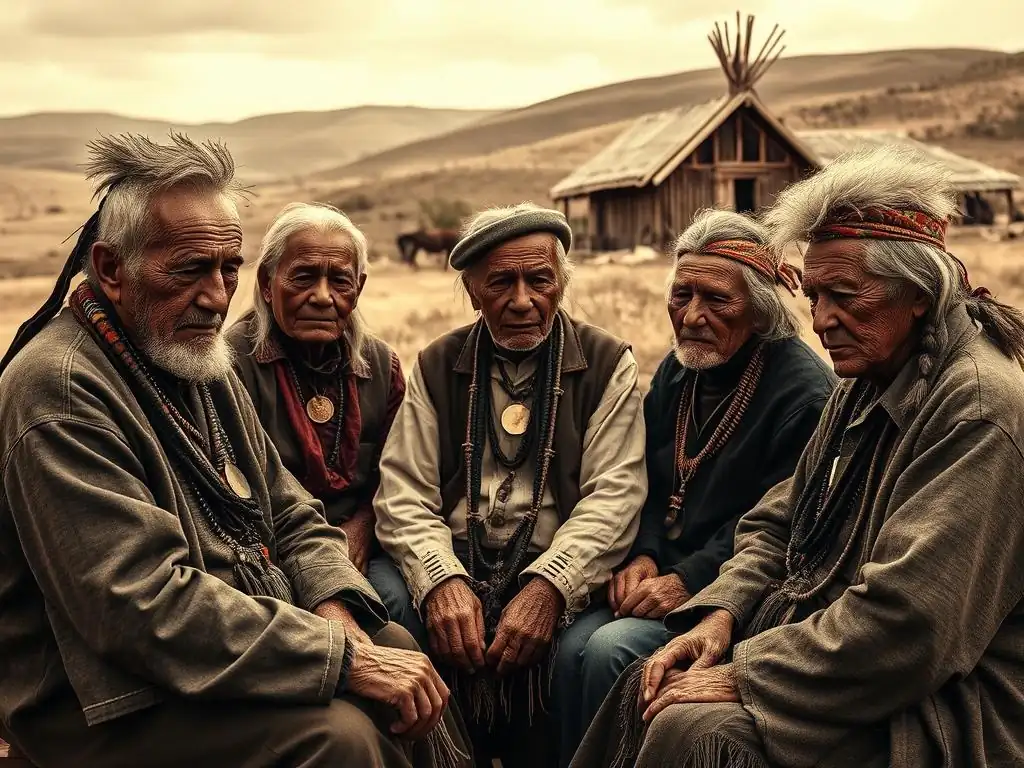
The decline in Native American populations cannot be solely attributed to external factors such as disease and warfare; it is also deeply intertwined with psychological and social aspects. These factors shaped the resilience of communities and their ability to cope with the overwhelming changes brought by European colonization. Understanding these dynamics is essential to grasp the full picture of Native American population decline.
Trauma and Collective Grief
The arrival of Europeans and subsequent colonization led to profound trauma within Native American communities. Collective grief emerged as entire communities witnessed the loss of loved ones, traditional ways of life, and cultural practices. This grief was not merely an individual experience; it reverberated throughout societies, creating a shared sense of loss that could last for generations.
- Intergenerational Trauma: The effects of trauma are often passed down through generations, impacting the mental health and social structures of communities. Children raised in environments marked by loss and instability may struggle with identity and belonging, further exacerbating population decline.
- Coping Mechanisms: Many Native American communities turned to traditional healing practices to cope with grief, but the disruption of these practices by colonizers—who often misunderstood or dismissed them—made recovery more difficult. The lack of adequate mental health resources further complicated the situation, leading to higher rates of depression and anxiety.
Family Structures and Social Cohesion
Family structures within Native American communities were often matrilineal or communal, emphasizing the importance of extended family and community ties. These social structures were crucial for maintaining cultural identity and resilience against external pressures.
- Disruption of Families: European colonization led to significant disruptions in family units through forced removals, assimilation policies, and the impact of violence. The fragmentation of families weakened social cohesion, making it challenging for communities to support one another in times of crisis.
- Cultural Practices: Many Native American cultural practices, such as storytelling, rituals, and communal gatherings, were essential for maintaining social bonds. The decline in these practices due to external pressures contributed to isolation and a sense of disconnection, further affecting population stability.
The Ripple Effect: Interconnected Causes of Population Decline
The factors contributing to the decline of Native American populations are not isolated; rather, they form a complex web of interrelated causes. Understanding this ripple effect is vital for comprehending how various elements influenced one another and led to demographic changes.
How Each Factor Influences the Others
- Disease: The introduction of European diseases had immediate effects on population numbers, but it also led to long-term psychological impacts, such as collective grief, which affected community resilience.
- Violence and Displacement: The violent encounters with colonizers not only caused immediate deaths but also disrupted social structures and family units. This violence often led to cycles of trauma that impaired communal support systems.
- Cultural Disruption: As European settlers imposed their beliefs and practices, traditional cultural practices were undermined. This loss of cultural identity further contributed to social fragmentation and psychological distress within communities.
- Resource Loss: The appropriation of land and resources by Europeans diminished the ability of Native American societies to sustain themselves. This economic strain compounded the effects of trauma and grief, leading to further population decline.
- Assimilation Policies: Government policies aimed at assimilating Native Americans into Euro-American culture led to the erosion of traditional social structures and practices. This further destabilized communities, making it difficult for them to recover from the compounded effects of earlier traumas.
The Native American population decline is a multifaceted issue, where psychological and social factors play a critical role in shaping the overall impact of European colonization. Understanding these interconnected causes allows for a more comprehensive analysis of the historical and cultural significance of Native American communities and their resilience in the face of adversity.
Contemporary Relevance of Population Decline Studies
The study of population decline among Native American communities is not merely a historical curiosity; it holds significant contemporary relevance. Understanding the causes behind these declines enables current scholars, policymakers, and Indigenous leaders to address ongoing challenges faced by Indigenous populations today. The historical context of population collapse due to disease, warfare, and displacement can illuminate present-day issues such as health disparities, cultural erosion, and socio-economic struggles that many Native communities continue to face.
Moreover, awareness of these historical dynamics can foster greater empathy and understanding among non-Indigenous populations. By recognizing the traumatic events that led to population reductions, we can cultivate a more inclusive narrative that respects and honors Indigenous experiences. This understanding is vital for building partnerships, supporting restorative justice initiatives, and implementing policies that promote the well-being of Indigenous peoples.
Lessons Learned for Modern Indigenous Communities
Modern Indigenous communities can draw valuable lessons from the historical population declines of their ancestors. One key lesson is the importance of resilience and adaptability. Indigenous cultures have a long history of overcoming adversity, and contemporary communities can leverage this resilience to confront modern challenges. For instance, by integrating traditional ecological knowledge with modern environmental practices, communities can enhance their food security and sustainability.
Additionally, the necessity of fostering strong communal ties has emerged as a critical factor. Social cohesion and cultural continuity are essential in countering the effects of historical trauma. By prioritizing community engagement and cultural revitalization, Indigenous communities can develop a sense of identity and belonging that strengthens their collective resilience against external pressures.
Importance of Revitalization Efforts
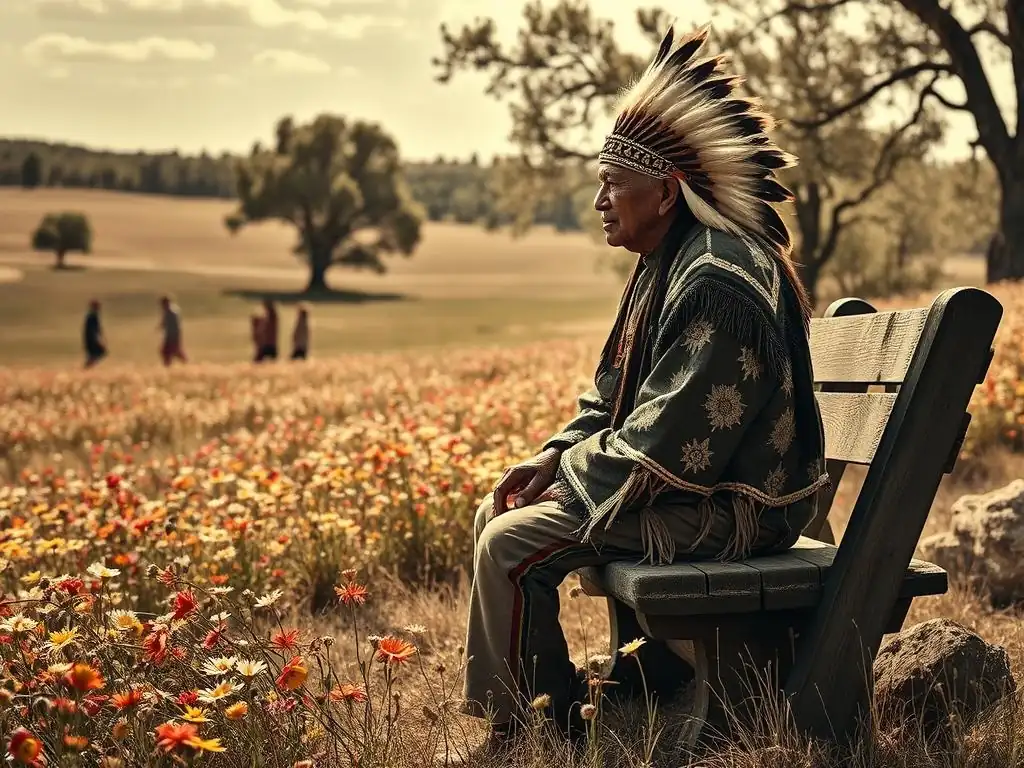
Revitalization efforts are crucial in addressing the historical impacts of population decline on Indigenous communities. These initiatives often focus on language preservation, cultural practices, and community cohesion. Language revitalization, for instance, is not just about preserving a means of communication; it is about maintaining a worldview and cultural identity that has been threatened by colonization.
Furthermore, revitalization efforts can empower younger generations by instilling a sense of pride in their heritage. Engaging youth in cultural practices fosters not only continuity of traditions but also reinforces their self-esteem and identity. When communities actively work to reclaim and celebrate their cultural legacies, they cultivate an environment where cultural knowledge is valued and passed down, mitigating the effects of historical trauma.
Conclusion: Understanding Native American Population Decline Causes
Understanding the causes behind Native American population decline is essential for comprehending the complex interplay of historical, social, and economic factors that have shaped Indigenous communities. The multifaceted nature of these causes illustrates that the decline was not merely a result of European contact but rather a confluence of factors, including disease, violence, displacement, and systemic marginalization.
Summary of Key Factors
To summarize, key factors contributing to the decline of Native American populations include:
- Epidemic Diseases: Introduced pathogens decimated populations lacking immunity.
- Violence and Warfare: Armed conflicts, both from colonial forces and intertribal confrontations, led to significant mortality.
- Displacement and Land Loss: Forced removal from ancestral lands disrupted traditional lifestyles and social structures.
- Cultural Suppression: Colonial policies aimed at eradicating Indigenous cultures further exacerbated population decline.
These elements combined to create a devastating impact on Native communities, the effects of which are still felt today.
The Need for Continued Research and Awareness
Continued research and awareness are paramount in addressing the historical and ongoing implications of Native American population decline. By studying these dynamics, scholars can contribute to a more nuanced understanding of Indigenous histories and present-day realities. Furthermore, raising awareness about these issues among the broader public fosters a dialogue that can lead to reconciliation efforts and policy changes that prioritize Indigenous rights and well-being.
Engaging with Indigenous voices in this research is vital, as it ensures that narratives are rooted in lived experiences and cultural perspectives. As we move forward, the commitment to understanding and addressing the causes of Native American population decline will be crucial in supporting the revitalization and resilience of Indigenous communities across the Americas.
References for Further Reading on Native American Population Decline Causes
Understanding the factors behind the population decline of Native American communities involves a multifaceted approach, drawing from various disciplines including history, sociology, and anthropology. Below are some recommended resources that provide deeper insights into this critical topic.
Suggested Books and Articles
-
"1491: New Revelations of the Americas Before Columbus" by Charles C. Mann
This book offers a comprehensive look at the sophisticated societies that existed in the Americas before European contact. Mann discusses the impact of diseases brought by Europeans and how they contributed to population decline.
-
"American Indian History: A Very Short Introduction" by Brian D. Smith
This concise introduction provides an overview of Native American history, highlighting key events and processes that led to significant population reduction, including warfare, disease, and displacement.
-
"The Colonial Encounters: The Americas" edited by John H. Elliott
This collection of essays examines the multifaceted interactions between Native Americans and European colonizers, emphasizing the social, political, and economic factors that contributed to demographic changes.
-
"Disease and Demography in the Americas" by Michael A. Pencak
In this article, Pencak explores the role of infectious diseases in the dramatic declines of Native American populations, providing statistical analyses and historical context.
-
"Indigenous Peoples and Demographic Change in the Americas" by Jennifer S. H. Brower
This article reviews the demographic shifts among Indigenous populations and discusses the long-term effects of European colonization on Native American communities.
Online Resources for In-Depth Study
-
Native American History | The Smithsonian National Museum of the American Indian
This resource offers a wealth of information on Native American history, including articles, exhibitions, and educational resources that delve into the population impacts of European colonization.
-
The American Indian Resource Center
This online platform provides access to various articles, reports, and studies focused on Indigenous populations, including demographic statistics and analyses of historical trends.
-
The National Archives: Native American Records
This collection includes documents, treaties, and government records that shed light on the interactions between Native Americans and European settlers, providing context for the population decline.
-
The Indigenous Studies Portal (iPortal)
A comprehensive database of Indigenous studies resources, the iPortal includes scholarly articles, thesis papers, and research reports that are critical for understanding the effects of colonization on Native American populations.
-
PBS LearningMedia: Native American History
This educational resource offers videos, lesson plans, and articles aimed at providing insights into Native American history and the factors behind their population decline, suitable for both educators and students.
These resources will equip readers with a solid foundation to explore the complex causes behind the decline of Native American populations and foster a deeper understanding of the lasting impacts of European conquest.
- Introduction to Native American Population Decline
- Historical Context of Native American Population Decline
- Factors Contributing to Native American Population Decline
- Socioeconomic Impacts on Native American Communities
- Psychological and Social Factors
- The Ripple Effect: Interconnected Causes of Population Decline
- Contemporary Relevance of Population Decline Studies
- Lessons Learned for Modern Indigenous Communities
- Importance of Revitalization Efforts
- Conclusion: Understanding Native American Population Decline Causes
- References for Further Reading on Native American Population Decline Causes
Frequently Asked Questions
What are the main causes of the Native American population decline?
The population decline among Native Americans primarily stemmed from disease, violence, and displacement due to European colonization, significantly disrupting their societies.
How did disease contribute to the decline?
European settlers introduced new diseases like smallpox, which Native Americans had no immunity against, leading to devastating mortality rates within their communities.
What role did violence play in population reductions?
Violence from colonizers, including wars and massacres, led to significant loss of life and further destabilization of Native American societies, exacerbating the population decline.
How did displacement affect Native American communities?
The forced relocation of Native Americans from their ancestral lands disrupted their traditional ways of life, leading to increased stress, resource scarcity, and further population decline.
What is the lasting impact of these declines on indigenous cultures?
The decline severely impacted the cultural heritage and social structures of Native American communities, resulting in a loss of languages, traditions, and a deep-rooted cultural identity that persists today.
Final Reflection: Understanding the Ripple Effect of Native American Population Decline
The exploration of the factors behind the decline of Native American populations is not just a historical inquiry; it is a pressing issue that resonates deeply in today's society. As we navigate the complexities of cultural identity, social justice, and historical trauma, it becomes clear that understanding these causes is essential for fostering healing and reconciliation. The stark reality of population reductions among Native American communities serves as a reminder of the enduring impact of colonization and systemic inequalities that continue to shape their existence today.
Culturally and socially, the ramifications of this decline are profound and far-reaching. The ongoing struggles of Native American communities highlight the importance of preserving their heritage, languages, and traditions, which are at risk of being lost forever. As we reflect on this topic, we must acknowledge the words of author and activist Vine Deloria Jr.: The most important thing for us is to preserve our culture and our identity.
This statement underscores the necessity of recognizing the historical context of these population declines while also advocating for the empowerment and revitalization of Native American communities today.
As we conclude this exploration, I invite you to reflect on your own role in addressing these issues. Consider how you can contribute to the awareness and support of Native American rights and cultural preservation. Whether through education, advocacy, or simply engaging in meaningful conversations, each of us has the power to create ripples of change. Let us commit to honoring the past while actively participating in a future where Native American communities can thrive, reclaiming their narratives and identities in a world that often overlooks their significance.
Empower Change: Take Action for Native American Communities
Thank you for taking the time to engage with this important topic on the challenges faced by Native American communities. Understanding the complexities and factors behind these challenges is crucial for fostering awareness and empathy. Now, let's transform this knowledge into meaningful action!
Here are a few steps you can take to make a difference:
- Support Indigenous Organizations: Consider donating to or volunteering with local and national organizations that advocate for Native American rights and health.
- Educate Yourself and Others: Share this article with your friends and family, and explore additional resources to deepen your understanding of Native American histories and contemporary issues.
- Participate in Cultural Events: Attend tribal gatherings, cultural festivals, or community talks to connect with Native American cultures and support their initiatives.
What steps will you take today to uplift and empower Native American communities? Your voice matters!