
The Silent Legacy: How Indigenous Cultures Shaped National Identities in the Americas

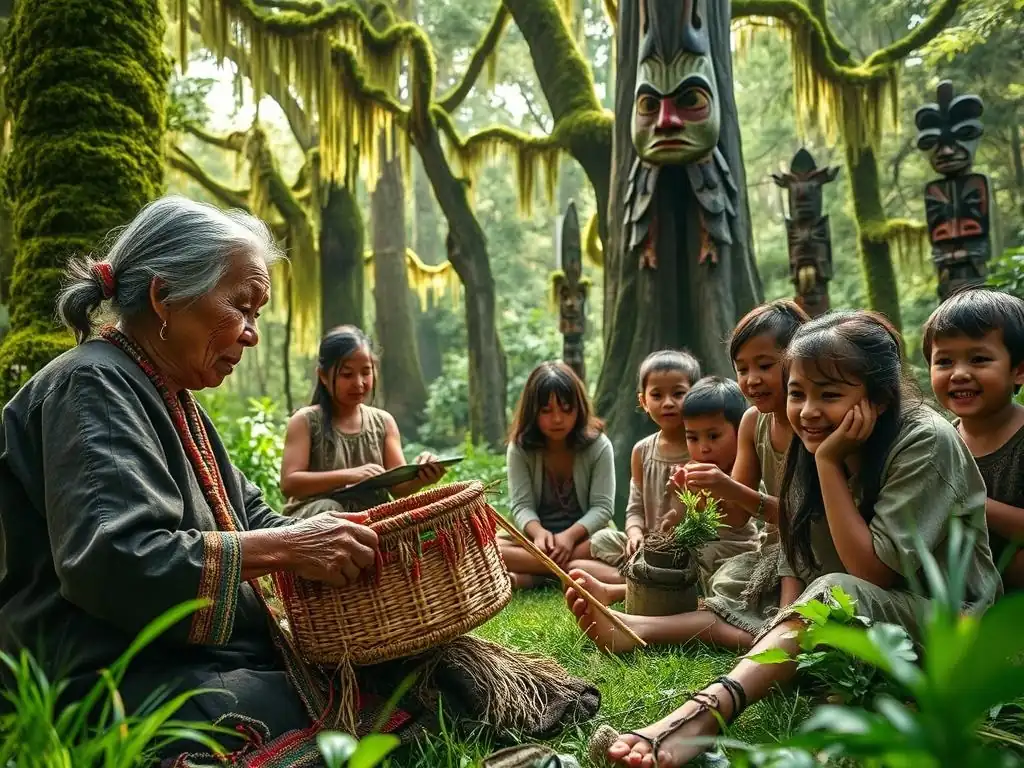
Welcome to Indigenous Civilizations of the Americas, where we embark on a fascinating journey through the rich tapestry of indigenous cultures that flourished long before European contact. Discover the silent legacy these vibrant societies left behind and explore how their impact on identity continues to resonate in modern times.
As you delve into our featured article, "The Silent Legacy: How Indigenous Cultures Shaped National Identities in the Americas," prepare to uncover the profound connections between history and contemporary identity. Join us in celebrating and understanding the enduring influence of these remarkable cultures, and let your curiosity guide you deeper into their stories!
Introduction to Indigenous Cultures and National Identities
Indigenous cultures have long been foundational to the historical narrative of the Americas, representing a rich tapestry of traditions, languages, and worldviews that have significantly influenced national identities across the continent. Before the arrival of European colonizers, diverse civilizations such as the Aztec, Maya, Inca, and countless others flourished, each contributing unique perspectives and practices that resonate even today.
This article delves into the profound impact of these indigenous cultures on the identity of modern nations in the Americas, exploring how their legacies endure despite centuries of colonization and cultural upheaval. By examining the intersection of indigenous heritage and national identity, we can better appreciate the complexities of cultural integration and the ongoing relevance of these ancient civilizations in shaping contemporary societal values.
Overview of Indigenous Cultures in the Americas
The Americas are home to an astounding array of indigenous cultures, each with its own distinct practices, languages, and belief systems. From the intricate social structures of the Iroquois Confederacy in the northeast to the sophisticated agricultural techniques of the Incas in the Andes, these societies developed remarkable resilience and adaptability in their environments. Key aspects of their cultures include:
- Language: Over 300 languages were spoken among indigenous peoples, reflecting rich oral traditions and diverse worldviews.
- Art and Architecture: Stunning achievements in art, such as intricate pottery, textiles, and monumental architecture, speak to the creativity and skill of these cultures.
- Governance and Social Structure: Many indigenous societies had complex forms of governance, with systems that prioritized community consensus and sustainable practices.
Through these elements, indigenous cultures laid the groundwork for a collective identity that continues to influence modern nations.
Significance of National Identity in Post-Colonial Context
In post-colonial societies, national identity often emerges from a confluence of various cultural influences, including those of indigenous peoples. This integration is not merely a historical footnote; rather, it plays a critical role in shaping contemporary social dynamics, political discourse, and cultural expressions.
- Cultural Revitalization: Many nations are experiencing a resurgence in the recognition and celebration of indigenous cultures, leading to movements aimed at preserving languages, customs, and traditions.
- Social Justice: The acknowledgment of indigenous contributions to national identity often aligns with broader struggles for social justice, as marginalized groups seek recognition and rights.
- National Narratives: Countries are increasingly reevaluating their national narratives to include indigenous perspectives, fostering a more inclusive sense of identity.
Understanding the significance of these elements is crucial for comprehending how indigenous cultures impact national identity in the Americas.
The Historical Context of Indigenous Cultures
To fully appreciate the influence of indigenous cultures on national identities, it is essential to explore their historical context. This section highlights the achievements of pre-colonial societies and the profound effects of European colonization.
Pre-Colonial Societies and Their Achievements
Prior to European contact, indigenous societies across the Americas exhibited remarkable achievements in various fields, including agriculture, engineering, and governance. Some notable contributions include:
- Agricultural Innovation: The domestication of crops such as maize, potatoes, and quinoa supported large populations and complex societies.
- Engineering Marvels: The construction of advanced road systems by the Inca and the architectural wonders of the Maya, including their pyramids and astronomical observatories, demonstrate sophisticated engineering skills.
- Philosophical Systems: Many indigenous cultures developed rich philosophical frameworks that emphasized harmony with nature and community-centric values.
These achievements not only illustrate the vibrancy of indigenous cultures but also serve as a backdrop for understanding their lasting impact on national identities.
The Impact of European Colonization on Indigenous Cultures
The arrival of Europeans in the Americas marked a significant turning point for indigenous cultures. Colonization brought about profound changes, including:
- Cultural Disruption: Colonization led to the forced assimilation of indigenous peoples and the erosion of traditional practices, languages, and governance structures.
- Population Decline: The introduction of diseases such as smallpox decimated indigenous populations, drastically altering social structures and cultural continuity.
- Resistance and Resilience: Despite overwhelming adversity, many indigenous groups resisted colonization and adapted their practices, ensuring the survival of their cultures.
Understanding the impact of European colonization is essential to grasp how indigenous cultures have shaped national identities and continue to influence contemporary discussions around cultural heritage and identity in the Americas.
Indigenous Cultures Impact on Identity
The impact of indigenous cultures on national identities across the Americas is profound and multifaceted. These cultures, with their rich histories, languages, and traditions, have not only influenced the social fabric of contemporary nations but have also shaped their identities in ways that often go unrecognized.
As countries in the Americas developed, they frequently drew upon indigenous heritage to forge a sense of belonging and cultural continuity, leading to a complex interweaving of indigenous and national identities. This section delves into how these indigenous cultures have become integral to the national consciousness, influencing values, symbols, and historical narratives that define diverse nations.
Defining National Identity in the Americas
National identity in the Americas is shaped by a convergence of historical events, cultural practices, and collective memories. It encompasses a sense of belonging to a nation characterized by shared values, language, and traditions. In many cases, this identity is a tapestry woven from various cultural threads, including indigenous legacies. The interplay between indigenous and colonial histories has created unique narratives that inform how citizens view themselves and their country.
For instance, in nations like Mexico and Peru, indigenous heritage is celebrated as a source of pride and national unity. Yet, the recognition of this identity often varies, with some nations embracing their indigenous roots more fully than others. The historical context of colonization and the ongoing struggles for indigenous rights further complicate the definitions of national identity, highlighting the need for a more inclusive understanding that honors the contributions of indigenous peoples.
How Indigenous Traditions Influenced National Narratives
Indigenous traditions have significantly influenced national narratives throughout the Americas. These narratives often reflect the values and beliefs of indigenous cultures, which emphasize community, respect for nature, and spiritual connections to the land. By incorporating these elements, nations can create a more holistic and inclusive history that acknowledges the contributions of indigenous peoples.
For example, in countries such as Bolivia and Ecuador, the incorporation of indigenous symbols and practices into national celebrations and governance highlights the importance of these traditions in shaping national identity. Festivals, rituals, and languages are not only preserved but are also celebrated as integral components of what it means to be part of the nation. This recognition fosters a sense of pride and belonging among indigenous populations, reinforcing their role in the broader national narrative.
Case Studies of Indigenous Influence on National Identity
The Influence of the Aztec Civilization on Mexican Identity
The Aztec civilization, with its rich cultural heritage, has left an indelible mark on Mexican identity. The symbols of the Aztec empire, such as the eagle and snake on the national flag, serve as potent reminders of the country's indigenous roots. The reverence for Tenochtitlan, the Aztec capital, can be seen in the cultural and political landscapes of modern Mexico City, where ancient ruins coexist with contemporary structures.
Moreover, the celebration of indigenous festivals, like the Day of the Dead, underscores the blending of Aztec beliefs with Catholicism, creating a unique cultural expression that is emblematic of Mexican identity. The legacy of the Aztecs is not merely historical; it continues to shape how Mexicans view their national pride, resilience, and connection to the past.
The Role of Native American Tribes in United States Identity Formation
Native American tribes have played a crucial role in shaping the identity of the United States. The diversity of these tribes, each with its own unique languages, traditions, and histories, contributes to the broader narrative of American identity. From the early interactions between European settlers and Native Americans to contemporary movements advocating for indigenous rights, these relationships have influenced national discourse.
The incorporation of indigenous symbols, such as the use of tribal names for sports teams and the acknowledgment of Native American Heritage Month, reflects an evolving recognition of the contributions of Native peoples. Additionally, the ongoing struggles for sovereignty and rights highlight the resilience of Native American communities and their essential place in the American identity.
The Contributions of Andean Cultures to South American Nationalism
Andean cultures, particularly the Inca civilization, have significantly influenced the national identities of several South American countries, including Peru and Bolivia. The reverence for Inca heritage is evident in the national pride associated with historical sites like Machu Picchu, which serve as symbols of cultural resilience and identity.
Moreover, the integration of indigenous languages, such as Quechua and Aymara, into national dialogues and education systems emphasizes the importance of these cultures in defining national identity. The celebration of Andean festivals and traditions not only honors the past but also strengthens cultural ties among contemporary populations, reinforcing a collective identity rooted in indigenous heritage.
The impact of indigenous cultures on national identities in the Americas is a testament to the enduring legacy of these civilizations. Their contributions continue to shape the values, narratives, and identities of modern nations, fostering a deeper understanding and appreciation of the rich tapestry of cultures that define the region.
Cultural Elements Shaping National Identity
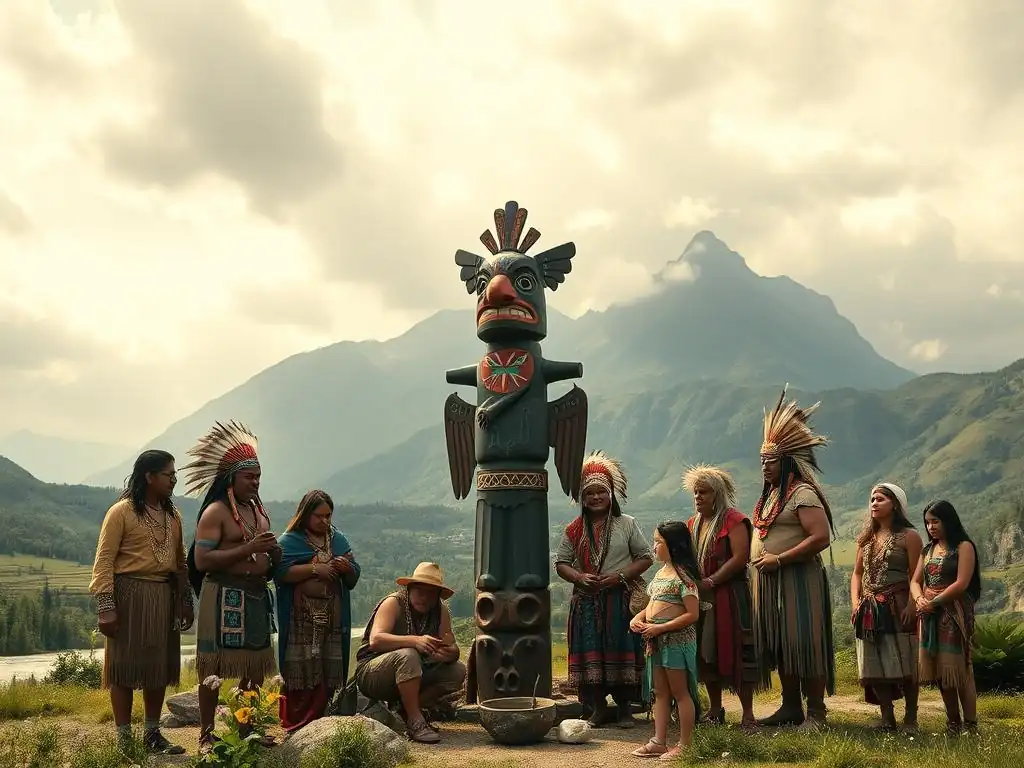
The influence of indigenous cultures on national identities in the Americas is profound and multifaceted. Various cultural elements, such as language, art, symbolism, and spiritual practices, have played pivotal roles in shaping how nations perceive themselves and their heritage. Understanding these cultural elements offers insight into the deep-rooted connections between indigenous peoples and contemporary national identities.
Language and Its Role in Indigenous Identity
Language is a crucial component of cultural identity, serving as a vessel for history, traditions, and worldviews. Indigenous languages often encapsulate unique philosophies and ecological knowledge, reflecting the relationship between the people and their environment. For instance, the Quechua language, spoken by millions in the Andes, is not just a means of communication but a key to understanding the cultural and agricultural practices of the region.
As nations in the Americas strive to forge cohesive identities, the revitalization of indigenous languages has become increasingly significant. Efforts to preserve and promote languages like Navajo, Ojibwe, and Nahuatl allow for a resurgence of cultural pride and recognition of the contributions these languages make to national narratives. By integrating indigenous languages into educational systems and public discourse, nations can honor their diverse heritages while fostering unity among their populations.
Art, Symbolism, and Their Influence on National Representation
Indigenous art and symbolism are rich in meaning and have greatly influenced national identities across the Americas. From the intricate textiles of the Huichol people to the striking totems of the Pacific Northwest, these artistic expressions convey stories, beliefs, and historical events that resonate with national pride.
Symbols rooted in indigenous cultures often find their way into national flags, emblems, and public monuments, serving as reminders of a shared heritage. For example, the incorporation of indigenous motifs in the designs of Bolivia's flag reflects the country's acknowledgment of its indigenous roots and the importance of these cultures in shaping national identity.
Moreover, contemporary indigenous artists continue to challenge and redefine cultural narratives through their work, creating dialogues about identity, history, and social justice. Their contributions not only enrich the cultural landscape but also compel nations to confront their colonial past and embrace a more inclusive identity.
Spiritual Practices and Their Lasting Impact on Cultural Identity
Spiritual practices of indigenous cultures are deeply woven into the fabric of identity in the Americas. These traditions often emphasize a profound connection to the land, community, and the cosmos. Rituals, ceremonies, and beliefs surrounding nature serve as a reminder of the symbiotic relationship indigenous peoples have with their environment.
For instance, the concept of "Pachamama" among Andean cultures encapsulates the reverence for Mother Earth, highlighting the importance of sustainability and respect for nature. As contemporary societies grapple with environmental challenges, indigenous spiritual practices offer valuable insights into living harmoniously with the earth.
Furthermore, the integration of indigenous spiritual practices into national celebrations and public life can foster a greater understanding and appreciation of these cultures. By recognizing the significance of these traditions, nations can cultivate a more inclusive identity that honors the contributions of indigenous peoples to the larger cultural mosaic.
Challenges in Recognizing Indigenous Contributions
Despite the significant impact of indigenous cultures on national identities in the Americas, various challenges persist in acknowledging and celebrating these contributions. Issues of representation, historical narratives, and ongoing struggles for rights hinder the full recognition of indigenous peoples' roles in shaping their nations.
Historical Marginalization of Indigenous Voices
Historically, indigenous voices have been marginalized in the narratives of nation-building and identity formation. The legacies of colonization have often led to the erasure or distortion of indigenous histories, relegating these cultures to the periphery of national consciousness. As a result, indigenous peoples frequently find themselves fighting for recognition and the validation of their contributions to society.
This marginalization is evident in educational curricula that overlook indigenous perspectives and histories, reinforcing a one-dimensional view of national identity. To address this imbalance, it is essential for nations to actively incorporate indigenous narratives into their historical discourse, empowering communities to reclaim their stories and place in the national identity.
Modern Movements for Indigenous Recognition and Rights
In recent years, there has been a resurgence of movements advocating for indigenous rights and recognition across the Americas. Grassroots organizations, cultural leaders, and activists are working tirelessly to bring attention to the injustices faced by indigenous peoples while promoting their cultural heritage.
These movements aim to dismantle systemic barriers and foster greater inclusion of indigenous perspectives in national policies and cultural representations. Initiatives such as the United Nations Declaration on the Rights of Indigenous Peoples (UNDRIP) have provided a framework for advocating for self-determination, cultural preservation, and land rights.
Moreover, the rise of social media has allowed indigenous communities to amplify their voices and share their stories with a broader audience. This visibility is crucial in challenging stereotypes, fostering understanding, and promoting the recognition of indigenous contributions to national identities. Through these efforts, the dialogue around indigenous cultures and their impact on identity continues to evolve, paving the way for a more inclusive future.
The Future of Indigenous Cultures and National Identity
The future of indigenous cultures and their impact on national identities in the Americas remains a dynamic and evolving narrative. As societies increasingly recognize the significance of indigenous contributions, there is a growing movement towards revitalization and integration of these cultures into the broader national fabric.
This integration is not merely a matter of recognition; it involves active participation in preserving languages, traditions, and customs that have shaped the identity of nations for centuries. The emergence of indigenous voices in political and social discourse is crucial for ensuring that these cultures are not only acknowledged but celebrated as integral components of national identity.
One significant aspect of this future is the emphasis on collaborative efforts between indigenous communities and governmental institutions. Such partnerships can facilitate the development of policies that honor indigenous rights, promote cultural education, and support economic initiatives that are rooted in traditional practices. By fostering an environment where indigenous cultures are respected and valued, nations can create a more inclusive identity that reflects their diverse heritage.
Revitalization of Indigenous Languages and Traditions
The revitalization of indigenous languages and traditions is a critical factor in preserving the cultural heritage of indigenous peoples. Languages are not just communication tools; they embody the history, beliefs, and unique perspectives of a culture. Efforts to revive and teach indigenous languages in schools and communities are gaining momentum across the Americas. For instance, programs like Kuna Language Revitalization in Panama showcase how local initiatives can successfully bring languages back into daily use, thereby strengthening community ties and cultural identity.
Moreover, the revival of traditional practices—such as ceremonies, storytelling, and artisanal crafts—plays a significant role in reaffirming indigenous identities. These practices often hold profound spiritual and historical significance, serving as a bridge between past and present. By engaging younger generations in these traditions, communities can ensure that their heritage continues to thrive, contributing to a more robust and diverse national identity.
The Role of Education in Shaping Understanding of Indigenous Impact
Education is a powerful tool in reshaping perceptions and understanding of indigenous cultures and their impact on national identities. Inclusive educational curricula that incorporate indigenous history, perspectives, and contributions can foster a greater appreciation for these cultures among non-indigenous populations. By highlighting the achievements and resilience of indigenous peoples, educational systems can help dismantle stereotypes and promote social cohesion.
Programs that involve indigenous educators and community leaders can provide authentic insights into cultural practices and historical contexts. This approach not only benefits indigenous students by validating their identities but also enriches the learning experience for all students. As educational institutions strive for inclusivity, they play a vital role in shaping a future where indigenous cultures are recognized as a fundamental part of national identity.
Conclusion: Acknowledging the Silent Legacy
The silent legacy of indigenous cultures is a profound component of the national identities across the Americas. As societies grapple with their historical narratives, recognizing the contributions of indigenous peoples is essential for achieving a holistic understanding of their collective identities. This acknowledgment goes beyond mere recognition; it is a commitment to honoring the past while actively integrating indigenous voices and traditions into contemporary society.
The Importance of Indigenous Cultures in Contemporary National Identities
Indigenous cultures are not relics of the past; they are living, breathing entities that continue to influence contemporary national identities. From art and music to governance and environmental stewardship, the impact of indigenous traditions is evident in various aspects of modern life. Acknowledging this influence enriches national identities and promotes a more comprehensive understanding of the diverse cultural landscape that defines the Americas.
By celebrating indigenous contributions, nations can foster a sense of pride and belonging among all citizens. This inclusivity not only strengthens community ties but also enhances social harmony, allowing for a more unified and resilient cultural identity.
Call to Action for Recognition and Integration of Indigenous Heritage
It is imperative that individuals, communities, and governments take actionable steps towards the recognition and integration of indigenous heritage into national identities. This can be achieved by:
- Supporting Indigenous Rights: Advocating for policies that protect indigenous lands, languages, and cultures.
- Promoting Cultural Education: Incorporating indigenous histories and perspectives into educational frameworks.
- Encouraging Community Engagement: Facilitating partnerships between indigenous and non-indigenous communities to foster mutual respect and understanding.
By taking these steps, society can honor the silent legacy of indigenous cultures, ensuring their vibrant presence within the national identity of the Americas for generations to come. 🌍
- Introduction to Indigenous Cultures and National Identities
- The Historical Context of Indigenous Cultures
- Indigenous Cultures Impact on Identity
- Case Studies of Indigenous Influence on National Identity
- Cultural Elements Shaping National Identity
- Challenges in Recognizing Indigenous Contributions
- The Future of Indigenous Cultures and National Identity
- Conclusion: Acknowledging the Silent Legacy
- What are the main themes of the article "The Silent Legacy"?
- How did indigenous cultures contribute to national identities?
- What is meant by the term "silent legacy" in the article?
- Why is it important to study the impact of indigenous cultures on identity?
- How can understanding indigenous cultures affect contemporary society?
Frequently Asked Questions
What are the main themes of the article "The Silent Legacy"?
The article explores how indigenous cultures significantly influenced national identities in the Americas, highlighting their achievements and the lasting impact they had on contemporary societies.
How did indigenous cultures contribute to national identities?
Indigenous cultures contributed to national identities by embedding cultural practices, traditions, and values into the fabric of society, shaping the way communities view themselves and their histories.
What is meant by the term "silent legacy" in the article?
The term "silent legacy" refers to the often overlooked contributions of indigenous peoples, whose rich histories and cultural influences continue to resonate in modern identities despite being marginalized in mainstream narratives.
Why is it important to study the impact of indigenous cultures on identity?
Studying the impact of indigenous cultures on identity helps recognize and appreciate the diverse histories that shape contemporary societies, fostering a deeper understanding of cultural heritage and promoting social cohesion.
How can understanding indigenous cultures affect contemporary society?
Understanding indigenous cultures can enhance cultural awareness, promote respect for diversity, and encourage dialogue, ultimately leading to more inclusive societies that honor the rich tapestry of their historical roots.
Final Reflection: The Enduring Impact of Indigenous Cultures on Identity
The influence of indigenous cultures on national identities in the Americas is not merely a historical footnote; it is a living testament to resilience and adaptation. Today, as we navigate a world increasingly aware of cultural diversity and the importance of inclusivity, the legacy of indigenous peoples serves as a powerful reminder of the rich tapestry that forms our collective identity. The ongoing recognition of their contributions challenges us to rethink our narratives and embrace a more holistic understanding of who we are as nations.
The impact of indigenous cultures is deeply woven into the social fabric of our societies, influencing everything from art and language to governance and spirituality. This legacy continues to shape contemporary movements for social justice and cultural recognition, urging us to honor and amplify indigenous voices.
As the renowned author and activist Winona LaDuke once said, > “The future will be about the indigenous people who are still here, and they will be the ones who will help us find the way forward.” This assertion highlights the vital role that indigenous perspectives play in shaping a more equitable future for all.
As we reflect on the themes explored in this article, I invite you to consider how you can contribute to the recognition and celebration of indigenous cultures in your own life. Engage with their stories, support their initiatives, and advocate for their rights. By doing so, you not only honor their legacy but also enrich your own understanding of identity in a diverse world. Let us carry forward the lessons learned from indigenous cultures, ensuring that their impact on identity continues to resonate for generations to come.
Unveil the Rich Tapestry of Indigenous Heritage!
Thank you for dedicating your time to explore the profound impact of Indigenous cultures on national identities across the Americas. Your interest in this topic not only highlights its significance but also empowers you to make a difference. Now, it’s time to take action and deepen your understanding and appreciation of these vibrant cultures!
Here are some effective ways to dive deeper:
- Explore local Indigenous communities: Attend cultural events or workshops to experience their heritage firsthand.
- Share your newfound knowledge: Discuss what you've learned with friends or share your insights on social media to amplify Indigenous voices.
- Engage in meaningful discussions: Join online forums or local groups dedicated to Indigenous history and culture.
What aspect of Indigenous culture do you find most inspiring, and how do you plan to share it with others?