
How Indigenous Housing Adapted to Seasonal Changes

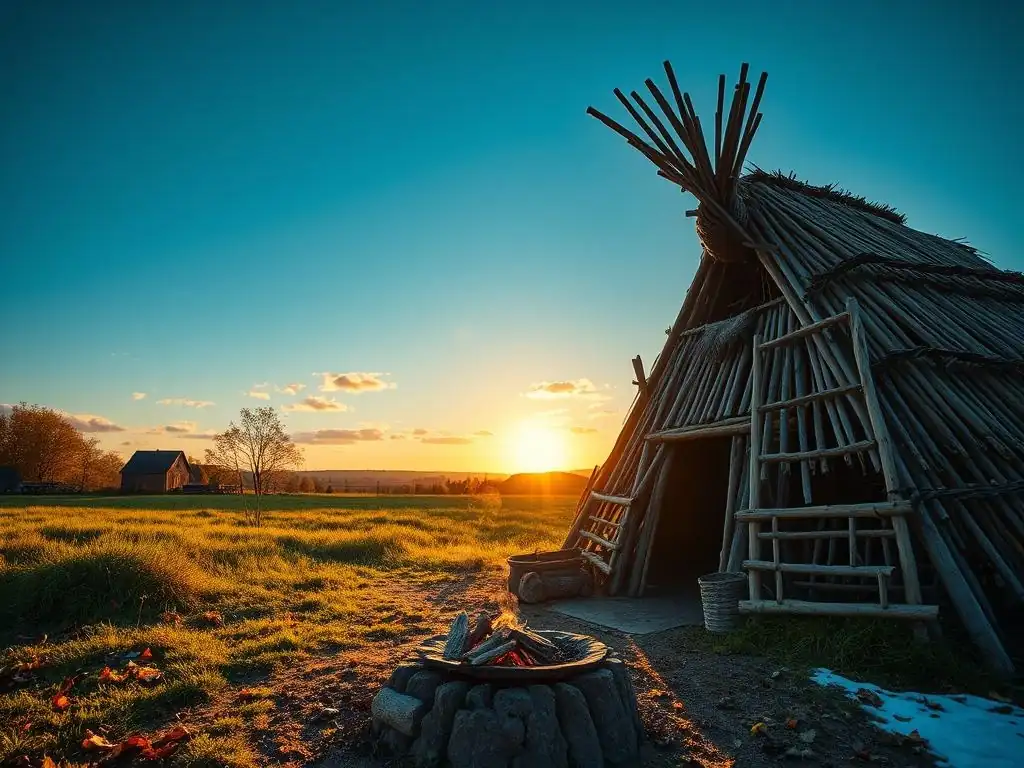
Welcome to Indigenous Civilizations of the Americas, where we invite you to embark on a fascinating journey through the rich tapestry of indigenous cultures that flourished long before European contact. Our focus today is on Indigenous housing seasonal adaptations, a topic that reveals the ingenious ways these societies harmonized their living spaces with the rhythms of nature. Have you ever wondered how the diverse environments shaped the architecture and lifestyle of these civilizations?
Delve deeper with us as we uncover the remarkable strategies that allowed indigenous peoples to thrive in a variety of climates, and discover the profound legacy they left behind. Your exploration starts here!
- Introduction to Indigenous Housing and Seasonal Adaptations
- Overview of Seasonal Changes Affecting Indigenous Housing
- Key Indigenous Housing Types and Their Seasonal Adaptations
- Materials Used in Indigenous Housing and Their Seasonal Benefits
- Regional Case Studies of Indigenous Housing Seasonal Adaptations
- Conclusion: The Legacy of Indigenous Housing Seasonal Adaptations
- Additional Resources on Indigenous Housing and Culture
-
Frequently Asked Questions
- What are indigenous housing seasonal adaptations?
- Why were seasonal adaptations important for indigenous peoples?
- What materials were commonly used in indigenous housing adaptations?
- How did different regions influence housing adaptations?
- What is the lasting impact of these housing adaptations today?
- Final Reflection: Embracing Resilience in Indigenous Housing Adaptations
- Embrace the Wisdom of Indigenous Adaptation!
Introduction to Indigenous Housing and Seasonal Adaptations
The study of Indigenous housing in the Americas reveals a rich tapestry of architectural ingenuity and cultural significance. Before European colonization, diverse indigenous groups developed unique living structures that were not only functional but also deeply intertwined with their social and spiritual lives. These structures evolved to meet the varying demands of the environment and seasonal changes, showcasing the remarkable adaptability of indigenous cultures.
This article will explore how indigenous housing adapted to seasonal changes, highlighting the innovative techniques and materials used by different groups across the continent. By understanding these adaptations, we can gain valuable insights into the sustainable practices of these cultures and their profound respect for nature.
Understanding Indigenous Housing in the Americas
Indigenous housing across the Americas varied significantly in design, materials, and construction methods, reflecting the diverse climates and lifestyles of the different tribes. Here are some key aspects of indigenous housing:
- Variety of Structures: Indigenous peoples constructed a wide range of housing types, including:
- Tipis: Used by Plains tribes, these cone-shaped structures were made from wooden poles covered with animal hides, easily transportable for nomadic lifestyles.
- Longhouses: Common among the Iroquois, these elongated wooden structures housed multiple families and were built to withstand harsh winters.
- Adobe Houses: Southwestern tribes, such as the Pueblo peoples, created multi-story adobe dwellings that provided insulation against extreme temperatures.
- Materials Utilized: The choice of materials was closely aligned with the environment:
- Wood: Abundant in forested areas, used for constructing sturdy homes.
- Stone: Employed in rocky regions for durable structures.
- Animal Hides and Grass: Utilized in more mobile housing, like tipis, to accommodate seasonal movements.
- Cultural Significance: Housing was often more than just physical shelter; it held deep meaning tied to cultural identity, kinship, and spirituality. Each housing structure was a reflection of the values and beliefs of the community.
Importance of Seasonal Adaptations in Indigenous Cultures
Seasonal adaptations in indigenous housing were crucial for survival and cultural continuity. These adaptations allowed indigenous peoples to thrive in varied environments, demonstrating an extraordinary understanding of their surroundings. Here are some key points regarding the importance of these adaptations:
- Resource Management: Seasonal housing adaptations enabled indigenous groups to manage resources effectively. For example:
- During summer, many tribes built temporary structures that allowed for mobility and access to abundant food sources.
- In winter, they constructed more permanent homes, which provided insulation and protection from the elements.
- Social Organization: The design and structure of homes often reflected the social organization of indigenous cultures. For instance:
- Communal living arrangements, such as longhouses, fostered cooperation and shared resources among families.
- The seasonal movement between different types of housing promoted a flexible social structure, allowing groups to adapt to changing conditions.
- Sustainability Practices: Indigenous housing adaptations were deeply intertwined with sustainable living practices. By using local materials and adjusting their housing techniques to seasonal changes, indigenous peoples minimized their ecological footprint and maintained a harmonious relationship with nature.
The study of indigenous housing and its seasonal adaptations offers a profound understanding of how these cultures navigated their environments, ensuring their survival while maintaining their unique identities. The legacy of their innovative housing solutions continues to inspire modern approaches to sustainable living and environmental stewardship.
Overview of Seasonal Changes Affecting Indigenous Housing
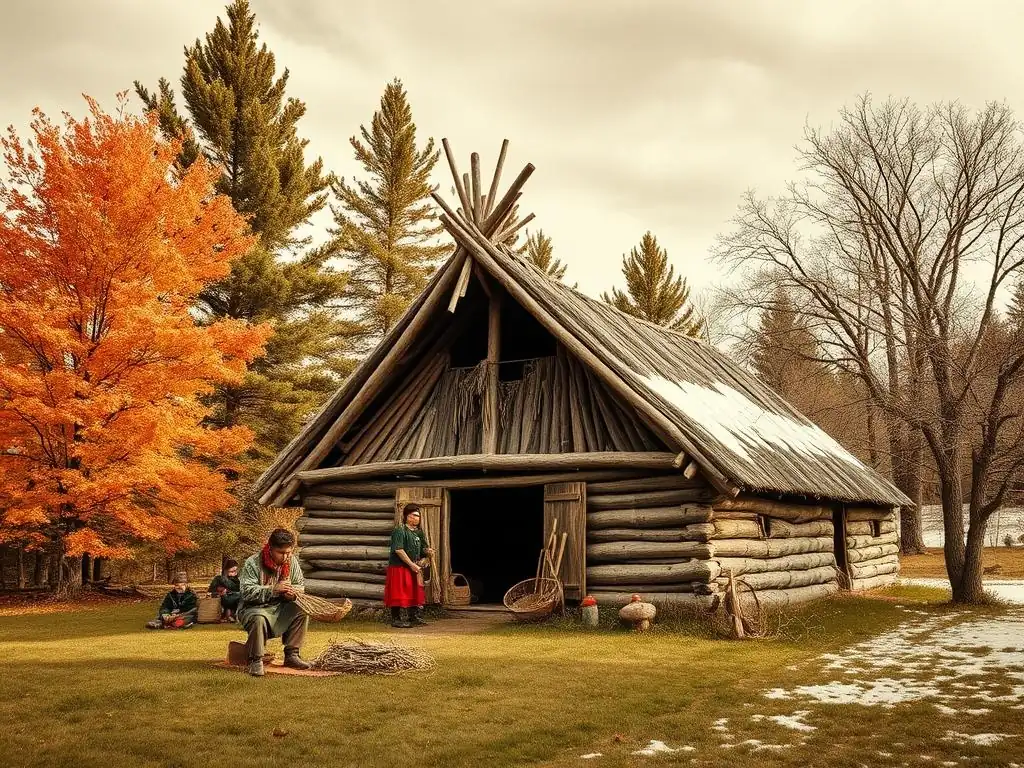
Indigenous housing in the Americas was profoundly influenced by seasonal changes, necessitating adaptations that met the varying climates and environmental conditions across diverse regions. Understanding these adaptations reveals not just the architectural ingenuity of indigenous peoples, but also their deep connection to the land and its cycles. The need for shelter that could withstand extreme temperatures, precipitation, and seasonal shifts was paramount in shaping their living environments.
Climate Variations Across Different Regions
Indigenous housing varied significantly across the Americas, reflecting the distinct climate variations of different regions. The primary climatic zones include:
- Arctic and Subarctic:
- Inuit Igloos: Built from snow blocks, igloos provided insulation against the extreme cold, emphasizing the importance of material availability in housing design.
- Semi-Nomadic Structures: In the summer, the Inuit used tents made from animal skins that were easily transportable.
- Temperate Forests:
- Wigwams and Longhouses: Crafted by tribes such as the Algonquin and Iroquois, these structures utilized bark and wood, offering warmth during harsh winters while being adaptable for summer.
- Desert Regions:
- Adobe Houses: In regions like the Southwest, Pueblo peoples constructed homes from adobe, a material that maintained cool temperatures during the day and warmth at night, essential for survival in extreme temperature shifts.
- Tropical Climates:
- Stilt Houses: In low-lying areas, such as those inhabited by the Taino and other Caribbean tribes, stilt houses elevated living spaces above flooding and pests, showcasing an adaptation to seasonal rain.
The diversity in indigenous housing reflects the profound relationship between culture, environment, and climate. Each architectural style was a response to the specific challenges posed by the regional climate, providing insights into the resourcefulness of these communities.
How Weather Influences Indigenous Living Conditions
Weather patterns impacted not only the structure of indigenous housing but also the daily lives of the inhabitants. Seasonal adaptations in housing were critical for ensuring comfort and safety. Some key factors include:
- Temperature Regulation:
- Insulation Techniques: Indigenous peoples employed various insulation techniques, such as using thick walls or layering materials, to maintain warmth during cold months. For example, the thick walls of a Pueblo home would keep heat in during winter nights.
- Rain and Moisture Management:
- Sloped Roofs: Many indigenous structures featured sloped roofs to allow rain to run off easily, preventing water accumulation and structural damage. This was common in the longhouses of the Iroquois.
- Mobility and Seasonal Migration:
- Temporary Structures: Tribes such as the Plains Indians utilized portable structures like tipis, which could be easily assembled and disassembled. This facilitated seasonal migrations to follow herds and access resources.
- Cultural Practices:
- Ceremonial Structures: Seasonal changes influenced not just the practical aspects of housing but also the cultural practices surrounding them. For instance, some tribes built ceremonial structures for specific seasons, reflecting their connection to the natural world.
Indigenous housing was a dynamic response to seasonal changes, showcasing a blend of architectural innovation and cultural adaptation. By examining these adaptations, we gain a deeper appreciation for the resilience and creativity of indigenous peoples in their approach to living harmoniously with their environments.
Key Indigenous Housing Types and Their Seasonal Adaptations
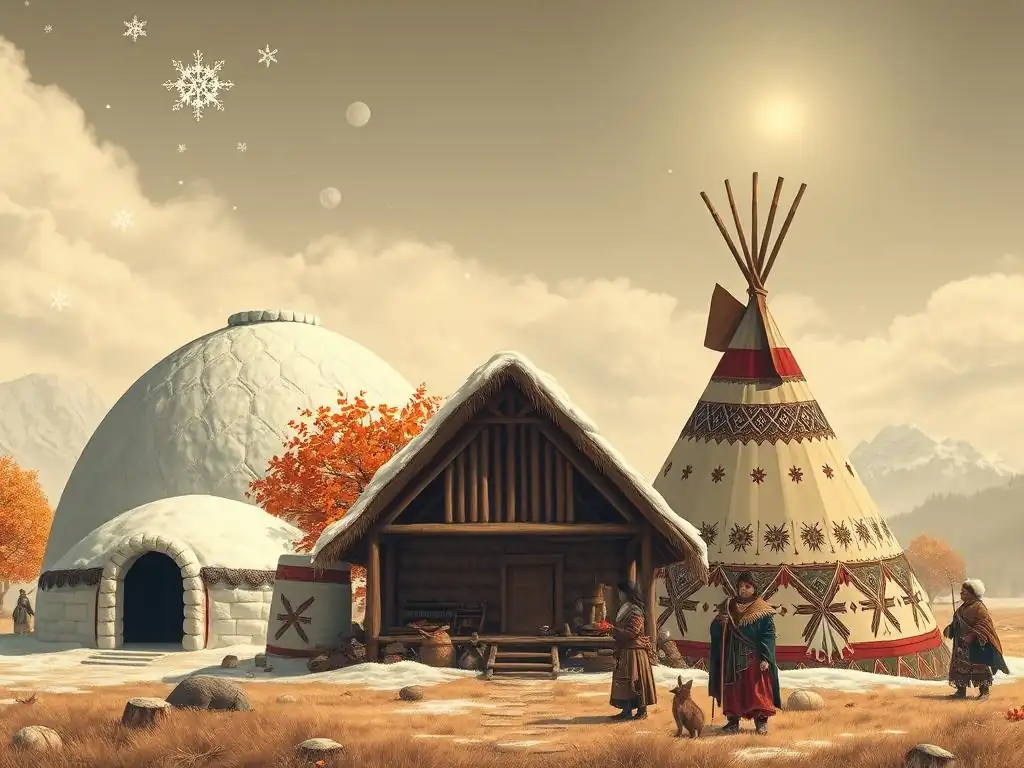
Wigwams: Adaptations for Cold Winters
Wigwams, traditionally used by various Indigenous tribes in the northeastern part of North America, exemplify remarkable adaptability to harsh winter conditions. Constructed primarily from a framework of wooden poles covered with materials such as birch bark or woven mats, these structures provided both insulation and durability.
- Insulation Techniques: The use of multiple layers of birch bark offered excellent thermal insulation, crucial for maintaining warmth during the freezing months. In addition, the natural oils in birch bark repel moisture, ensuring that the interior remained dry and comfortable.
- Design Features: Wigwams typically had a conical shape, which not only allowed snow to slide off easily but also facilitated heat retention. The central fire pit, essential for warmth and cooking, was strategically placed to maximize heat distribution throughout the dwelling.
- Seasonal Adaptability: During warmer months, wigwams could be deconstructed and relocated, allowing families to follow game and seasonal resources. This mobility ensured that the communities could thrive in harmony with their environment.
Tipis: Efficient Designs for Mobility and Ventilation
Tipis, primarily associated with the Plains Indigenous peoples, are iconic structures known for their unique conical shape and adaptability to both seasonal changes and nomadic lifestyles.
- Mobility and Structure: The lightweight materials used, such as animal hides and wooden poles, made tipis easy to assemble and disassemble. This efficiency was vital for groups who followed bison herds across vast plains.
- Ventilation and Climate Control: Tipis often featured a smoke hole at the top, allowing smoke from the fire to escape while also providing ventilation. The design facilitated airflow, keeping the interior cool during hot summer days and warm during the cold nights.
- Seasonal Adjustments: Depending on the season, the placement and size of the fire inside the tipi could be adjusted. In winter, a central fire would be utilized for heating, while in summer, smaller fires would suffice to maintain comfort without overheating the space.
Longhouses: Community Living and Seasonal Flexibility
Longhouses represent another significant housing type, particularly among the Iroquois and other northeastern tribes. These structures were not only dwellings but also symbols of community and social organization.
- Construction and Design: Longhouses were constructed using a framework of wooden poles covered with bark, capable of housing multiple families. Their elongated shape allowed for communal living, with designated spaces for each family unit, fostering a strong sense of community.
- Adaptations for Seasons: The design allowed for the modification of interior spaces depending on the season. In winter, families could gather in the central area near the fire for warmth, while in summer, the open ends could be ventilated to provide a cooler environment.
- Cultural Significance: The longhouse was not just a dwelling; it played a central role in the cultural and spiritual lives of Indigenous peoples. Seasonal gatherings and ceremonies often took place within, adapting to the rhythms of nature and the community's needs.
Indigenous housing types such as wigwams, tipis, and longhouses demonstrate the ingenuity and adaptability of Indigenous peoples in response to seasonal changes. Their designs reflect a deep understanding of the environment, emphasizing the harmony between architecture and nature.
Adobe Dwellings: Climate Control in Arid Regions
Adobe dwellings, constructed primarily from mud and straw, are a remarkable example of indigenous housing that has adapted to the challenges of arid climates. These structures are prevalent in regions such as the Southwestern United States and parts of Mexico, where the hot, dry environment demands innovative solutions for temperature regulation and water conservation.
One of the most notable features of adobe dwellings is their thick walls, which provide excellent insulation. During the day, the walls absorb heat from the sun, preventing the rapid rise in indoor temperatures. As night falls and temperatures drop, the adobe releases stored heat, creating a more comfortable living environment. This thermal mass effect is crucial in arid regions, where daily temperature fluctuations can be extreme.
Construction Techniques
The construction of adobe homes typically involves a few key techniques that enhance their durability and functionality:
- Natural Materials: Adobe is made from locally sourced materials, making it sustainable and environmentally friendly. This not only reduces transportation costs but also allows for the integration of the dwelling into the surrounding landscape.
- Elevated Foundations: Many adobe structures are built on raised platforms to avoid moisture from the ground, which can weaken the structure over time. This elevation also helps with airflow, further aiding temperature control.
- Ventilation: Strategic placement of windows and ventilation openings allows for cross-breezes to cool the interior during the hotter months. This natural airflow is an essential feature that reduces reliance on artificial cooling methods.
Seasonal Adaptations
Indigenous peoples living in adobe dwellings have developed specific practices to adapt their homes to seasonal changes:
- Seasonal Repairs and Maintenance: In preparation for the rainy season, adobe homes may undergo repairs to ensure that the walls are not compromised by moisture. This includes applying a fresh layer of plaster to protect against erosion.
- Interior Layout Adjustments: Families often rearrange their living spaces based on the season. During the hotter months, they may choose to spend more time in shaded areas or utilize outdoor spaces to take advantage of cooler evenings.
- Use of Natural Shade: Planting trees or constructing awnings can provide additional shade for adobe homes, reducing direct sunlight exposure and helping to maintain cooler indoor temperatures.
Cultural Significance
The design and construction of adobe dwellings are deeply intertwined with the cultural practices and social structures of the communities that inhabit them. These homes are not merely shelters; they are a reflection of the identity, traditions, and resilience of indigenous peoples in arid regions. The ability to adapt housing to seasonal changes demonstrates a profound understanding of the environment and a commitment to sustainable living practices that have been passed down through generations.
Adobe dwellings are a testament to the ingenuity of indigenous cultures in the Americas, showcasing how housing can be adapted to meet the demands of seasonal changes while supporting the traditions and lifestyles of their inhabitants.
Materials Used in Indigenous Housing and Their Seasonal Benefits
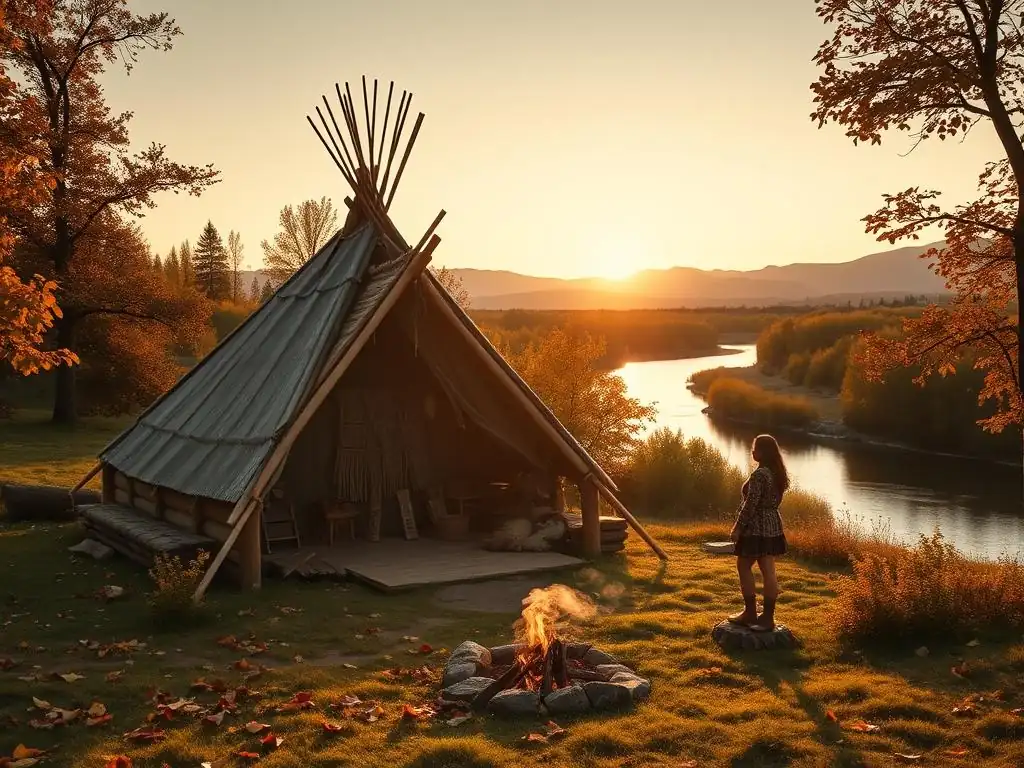
Indigenous housing across the Americas showcases remarkable adaptations to seasonal changes, largely influenced by the natural materials available in different environments. The choice of materials not only reflects the culture and traditions of the indigenous peoples but also their profound understanding of local ecosystems. This section delves into the various materials used in indigenous housing and how they provide benefits tailored to seasonal needs.
Natural Resources and Their Availability
Indigenous cultures utilized a wide variety of natural resources, carefully selecting materials based on their availability and suitability for the local climate. Here are some notable examples:
- Wood: Commonly used in forested regions, such as those inhabited by the Iroquois and the Pacific Northwest tribes, wood provided structural integrity and warmth. Seasonal changes necessitated the use of durable wood types that could withstand harsh winters.
- Adobe and Clay: In arid regions like the Southwest, adobe bricks made from clay and straw were prevalent. These materials offered excellent thermal mass, keeping homes cool in summer and warm in winter. The availability of clay directly influenced the construction of pueblos by cultures like the Hopi and Zuni.
- Thatch and Grass: Many indigenous groups, such as the Plains tribes, utilized grasses and reeds for thatching roofs. These materials were abundant and provided insulation, critical during colder months. The flexibility of grasses allowed for effective ventilation in warmer seasons.
- Stone: In mountainous areas, stone was a primary building material. Tribes like the Inuit adapted their housing using stone for structural support, which held up well against extreme weather conditions.
The strategic use of these materials not only catered to immediate needs but also reflected a deep understanding of the environment and its cycles.
Insulation Properties of Traditional Materials
The insulation properties of traditional materials played a crucial role in ensuring comfort throughout the year. Here are some key points regarding insulation:
- Thermal Mass: Materials like adobe and stone have high thermal mass, allowing them to absorb heat during the day and release it at night. This property is particularly beneficial in regions with significant temperature fluctuations between day and night.
- Air Layering: Techniques such as double-walled housing or the use of thatched roofs created air pockets that trapped heat, enhancing insulation. For example, the traditional igloo, made of compact snow blocks, utilized the insulating properties of snow to maintain warmth inside.
- Natural Fibers: Indigenous peoples often incorporated natural fibers such as animal hides or woven grasses into their housing. These materials not only provided insulation but also contributed to regulating humidity levels within the dwelling.
- Ventilation: The design of indigenous homes commonly included features for ventilation, preventing moisture buildup and ensuring fresh air circulation. This was particularly important in warmer climates where excess heat could be detrimental.
The insulation strategies employed by indigenous cultures are a testament to their innovation and adaptability to seasonal variations.
Sustainable Practices in Indigenous Building Techniques
Sustainability is a cornerstone of indigenous housing practices, with many techniques aimed at minimizing environmental impact. Key sustainable practices include:
- Locally Sourced Materials: Indigenous peoples prioritized using materials available in their immediate surroundings, reducing the need for transportation and associated carbon footprints. This practice fostered a symbiotic relationship with the land, emphasizing respect and stewardship.
- Building in Harmony with Nature: Many indigenous housing designs were influenced by the surrounding landscape, using natural features for protection against the elements. For instance, dwellings were often constructed in locations that maximized sunlight exposure during winter while providing shade during summer.
- Recycling and Reusing: Indigenous cultures often practiced recycling and reusing materials. For example, structures made from wood would be dismantled and the wood repurposed for new construction, ensuring minimal waste.
- Traditional Knowledge Sharing: The transmission of knowledge regarding sustainable building practices among generations ensured that techniques adapted to changing environmental conditions remained intact. This knowledge was crucial for maintaining resilience against seasonal changes.
These sustainable practices are not only a testament to the ingenuity of indigenous peoples but also provide valuable lessons for contemporary building practices in the face of climate change.
By understanding the materials used in indigenous housing and their seasonal adaptations, we can appreciate the intricate relationship between culture, environment, and sustainability that has shaped the living conditions of these diverse civilizations.
Regional Case Studies of Indigenous Housing Seasonal Adaptations
Northern Tribes: Adapting to Harsh Winters
Indigenous housing in the northern regions of North America reflects the profound adaptations made by tribes to withstand extreme winter conditions. The Inuit, for example, utilized igloos, which are compact, dome-shaped structures made of snow blocks. This architectural style not only conserved heat but also provided insulation against chilling winds.
The design and construction of igloos demonstrate remarkable ingenuity. The snow used in their construction traps air, creating a natural insulator. Inside, a small fire or light source can raise the temperature significantly, making it a warm refuge against the harsh outside environment.
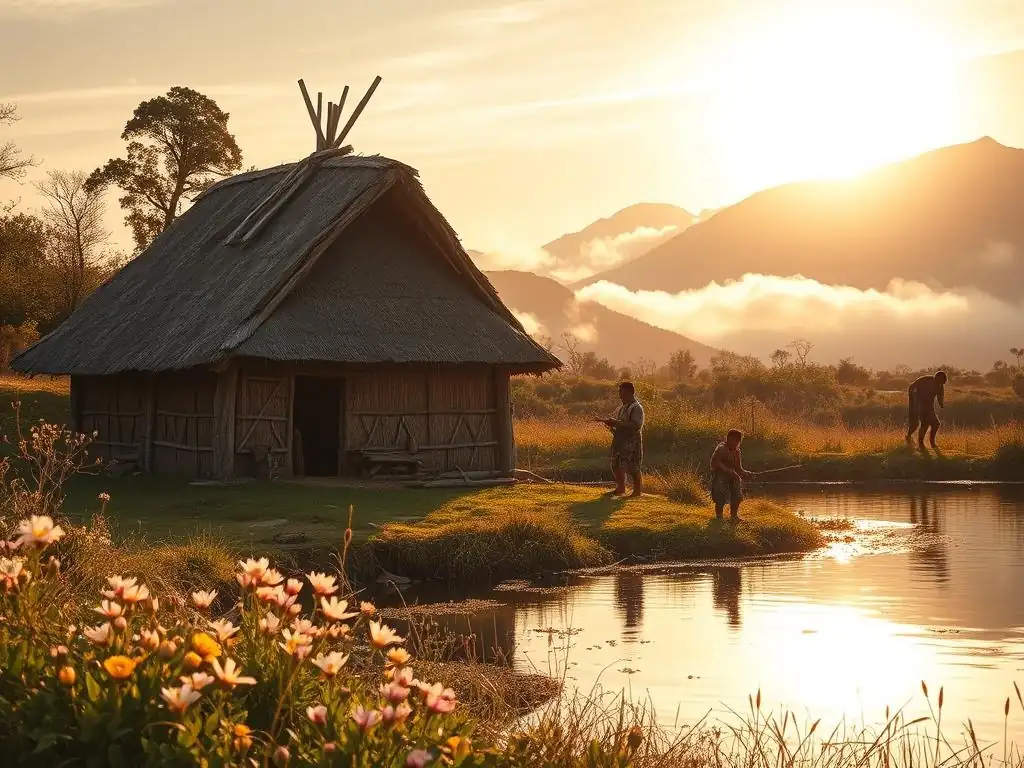
Other northern tribes, such as the Anishinaabe and Cree, built wigwams and longhouses using materials readily available in their surroundings, primarily wood and bark. These structures were often circular or oval and featured a conical roof to shed snow efficiently. In addition, the interior layout was designed to accommodate communal living, fostering a strong sense of community during the long winters.
Plains Tribes: Mobility and Seasonal Resource Management
The Plains tribes, including the Lakota and Cheyenne, exemplified an adaptive housing strategy that prioritized mobility. Their primary dwelling, the tipi, was a conical tent made of buffalo hides stretched over wooden poles. This design allowed for quick assembly and disassembly, facilitating seasonal migrations to follow buffalo herds, which were crucial for their sustenance.
Tipi construction was highly efficient, as the materials were lightweight and easily transportable. The open top of the tipi allowed smoke from fires to escape while maintaining warmth inside. This adaptability also extended to the interior, where families would often arrange their living space based on the season—positioning the entryway to minimize wind exposure in winter or maximizing airflow in summer.
Moreover, Plains tribes practiced seasonal resource management, moving between summer and winter camps based on the availability of food and shelter. This cyclical movement not only ensured a steady food supply but also fostered communal ties, as tribes would gather during specific seasons for trade, socializing, and cultural exchange.
Southwestern Tribes: Designs for Heat and Drought
In the arid regions of the Southwest, indigenous housing reflected adaptations to extreme heat and limited water resources. The Hopi and Zuni tribes constructed their homes from adobe, a mixture of clay, straw, and water, which provided excellent thermal mass. These thick walls kept interiors cool during the scorching summer days and retained warmth during the chilly nights.
Pueblo-style architecture is characterized by multi-storied buildings that often feature flat roofs, allowing for rainwater collection and storage systems. The orientation of these dwellings was also strategic, with windows and doors positioned to enhance airflow and minimize heat exposure from the sun.
The design of kivas, ceremonial structures used by many Southwestern tribes, illustrates another seasonal adaptation. These underground chambers maintain a stable temperature, providing a cool retreat in the summer and a warm space during winter ceremonies.
The housing designs of Southwestern tribes are a testament to their deep understanding of the environment, showcasing how indigenous housing seasonal adaptations effectively addressed the climatic challenges of their landscapes.
Conclusion: The Legacy of Indigenous Housing Seasonal Adaptations
Indigenous housing seasonal adaptations are a testament to the ingenuity and resilience of Indigenous cultures across the Americas. These adaptations were not merely reactions to environmental conditions; they were sophisticated responses that reflected a deep understanding of local ecosystems, weather patterns, and community needs. As various Indigenous groups developed unique architectural styles and construction techniques, they created homes that provided comfort, safety, and functionality throughout the changing seasons.
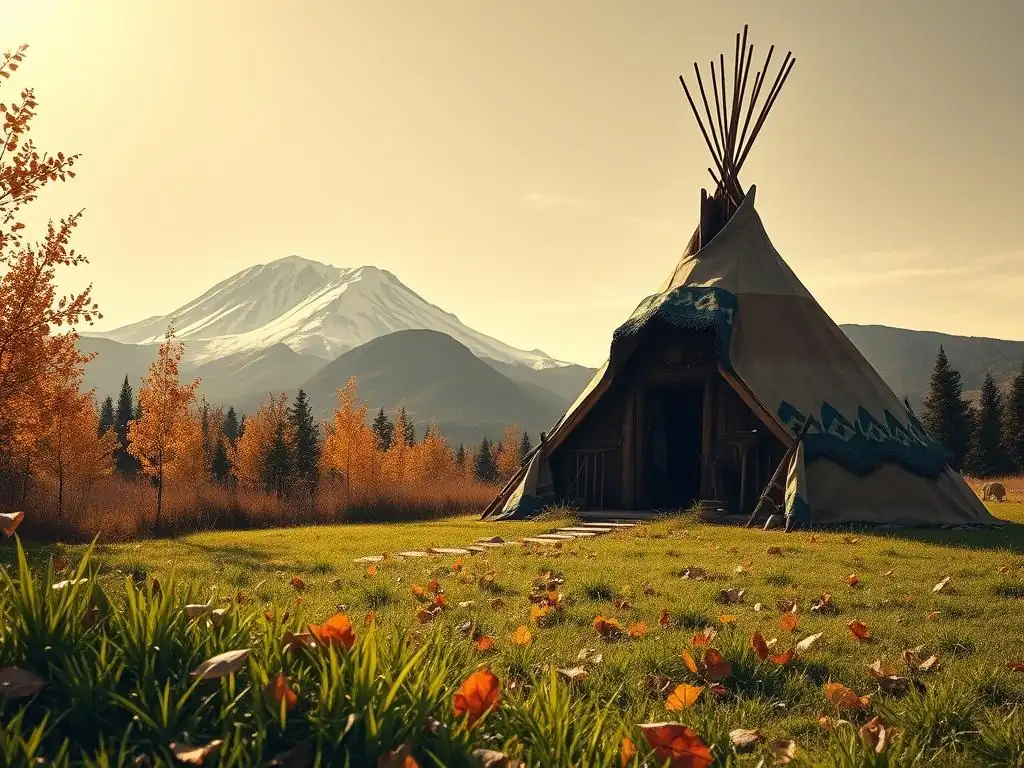
From the nomadic tipis of the Plains tribes to the permanent adobe dwellings of the Southwest, each type of Indigenous housing was intricately designed to offer protection and sustainability. These traditional structures often utilized readily available materials, such as earth, wood, and stone, showcasing a profound respect for nature and an emphasis on harmony with the environment. The legacy of these housing strategies continues to influence contemporary discussions about sustainable living and ecological design.
Lasting Impact on Modern Housing Practices
The principles underlying Indigenous housing seasonal adaptations have left a lasting mark on modern architectural practices. Many contemporary architects and builders draw inspiration from these traditional methods to incorporate sustainability and energy efficiency into their designs.
- Use of Local Materials: Today's green building movements emphasize the importance of using local and sustainable materials, mirroring the practices of Indigenous peoples who utilized what was available in their environment.
- Passive Temperature Control: Indigenous housing often featured designs that maximized natural ventilation and insulation, principles that are now being revived in modern eco-friendly homes. For example, the earth-sheltered homes of the Pueblo peoples inspired contemporary designs that reduce energy consumption by maintaining stable indoor temperatures.
- Community-Centric Designs: Many Indigenous housing structures were built to foster community interaction, an idea that is gaining traction in modern urban planning. By creating communal spaces within residential designs, modern architects aim to replicate the social cohesion found in Indigenous communities.
Lessons Learned from Indigenous Adaptation Strategies
Several key lessons can be gleaned from the seasonal adaptation strategies employed by Indigenous cultures:
- Resilience to Climate Change: The ability of Indigenous housing to adapt to seasonal changes serves as a model for resilience in the face of climate change. By studying these strategies, modern societies can develop more effective responses to shifting weather patterns and environmental challenges.
- Holistic Approach to Living: Indigenous housing reflects a holistic understanding of living conditions, where shelter, community, and environment are interconnected. This perspective encourages modern urban and rural planners to consider how housing affects overall community wellbeing and sustainability.
- Cultural Significance of Housing: The designs and structures of Indigenous homes are steeped in cultural significance, reminding us of the importance of preserving cultural heritage in modern architecture. Recognizing the stories and traditions behind housing designs can enrich contemporary practices and foster a sense of identity within communities.
The exploration of Indigenous housing seasonal adaptations not only highlights the innovative spirit of Indigenous peoples but also offers valuable insights into sustainable living practices for the future. By embracing these lessons, we can create housing solutions that honor the past while paving the way for a more resilient and sustainable future.
Additional Resources on Indigenous Housing and Culture
Articles on Indigenous Housing Practices
Indigenous housing practices reflect the intricate relationship between communities and their environments, showcasing remarkable seasonal adaptations that varied widely across different regions. Here are some insightful articles that delve into these practices:
-
"The Igloo: A Marvel of Arctic Architecture"
This article explores how the Inuit people crafted igloos to provide warmth and shelter during harsh winters, utilizing snow's insulating properties. The design of these structures is pivotal in understanding how indigenous housing adapted to extreme seasonal changes.
-
"Tipis: The Plains Indian Shelter"
The tipi is a quintessential example of indigenous housing that adapted to the nomadic lifestyle of Plains tribes. This piece discusses the materials used, the construction techniques, and how the tipi's shape facilitated living in a landscape marked by seasonal migrations.
-
"Adobe Homes: The Southwest's Response to Climate"
This article highlights how the Pueblo peoples of the Southwestern United States utilized adobe to create homes that stayed cool in the summer and retained heat in the winter. The discussion includes architectural details that underscore the importance of climate in housing design.
-
"Longhouses: The Iroquois Approach to Community Living"
Focusing on the longhouses of the Iroquois, this article examines how these structures accommodated larger family units and communal living, adapting to the seasonal availability of resources in the Northeastern woodlands.
Recommended Books and Documentaries on Indigenous Cultures
For those interested in a deeper dive into indigenous cultures and their innovative housing solutions, the following books and documentaries provide valuable insights:
Books
-
"Indigenous Architecture: A Global Perspective" by David A. Neuman
This book examines indigenous architectural practices around the world, including how seasonal changes influenced housing designs.
-
"The Built Environment of Indigenous North America" by Andrew J. Kinkead
A comprehensive exploration of various indigenous housing styles, detailing how environmental factors shaped living conditions.
-
"Earth Sheltered Houses: How to Build an Affordable Underground Home" by Rob Roy
While focusing on modern building techniques, this book draws parallels with indigenous practices of earth-sheltered housing adapted for seasonal climates.
Documentaries
-
"The Last of the Nomads"
This documentary showcases the lives of contemporary nomadic tribes, highlighting how traditional housing methods adapt to seasonal migrations and environmental changes.
-
"The Architecture of the Americas"
A visual journey through indigenous architectural styles, this documentary emphasizes how different cultures adapted their housing to local climates throughout history.
-
"Building with Nature: Indigenous Wisdom in Architecture"
This film explores various indigenous construction methods, focusing on sustainable practices and the adaptation of housing to seasonal changes.
These resources enrich the understanding of how Indigenous housing seasonal adaptations were not only innovative responses to environmental challenges but also reflections of the cultural beliefs and practices of diverse indigenous communities across the Americas.
Frequently Asked Questions
What are indigenous housing seasonal adaptations?
Indigenous housing seasonal adaptations refer to the various ways in which indigenous cultures modified their living structures to accommodate climatic changes throughout the year, ensuring comfort and functionality.
Why were seasonal adaptations important for indigenous peoples?
Seasonal adaptations were crucial for survival and well-being, allowing indigenous peoples to effectively respond to varying weather conditions and natural resources, which were vital for their sustenance and daily life.
What materials were commonly used in indigenous housing adaptations?
Indigenous peoples utilized locally available materials such as wood, earth, and animal hides to construct their homes, enabling them to create structures that were both durable and suited to their environment.
How did different regions influence housing adaptations?
The diversity of climates and geographical features across the Americas led to a wide range of housing styles, from the tipis of the plains to the longhouses of the Northeast, each reflecting the unique environment and lifestyle of the people.
What is the lasting impact of these housing adaptations today?
The innovative housing techniques of indigenous cultures have influenced modern architecture and sustainability practices, highlighting the importance of adaptability and the use of natural resources in building design.
Final Reflection: Embracing Resilience in Indigenous Housing Adaptations
Indigenous housing seasonal adaptations are not just a testament to the ingenuity of Indigenous cultures but also a vital reminder of how deeply intertwined our living spaces are with the natural environment. As we navigate the challenges of climate change and urbanization today, the lessons learned from these traditional practices resonate more than ever. The ability to adapt and thrive in harmony with nature is a skill we must reclaim.
Cultural resilience is evident in the way Indigenous communities have historically responded to seasonal changes. These adaptations are not merely architectural; they embody a profound understanding of the land and its rhythms. As we witness the ongoing impact of climate change, it becomes clear that these traditional methods offer valuable insights into sustainable living. The land is not just a resource; it is a relationship.
This perspective challenges us to rethink our connection to our surroundings and consider how we can integrate these teachings into modern practices.
As you reflect on the themes presented in this article, I invite you to consider how you can apply the principles of adaptability and sustainability in your own life. Whether it’s through embracing local materials, understanding seasonal cycles, or fostering a deeper connection with the environment, each small action contributes to a larger movement towards resilience. Let us honor the wisdom of Indigenous housing adaptations and strive to create spaces that not only shelter us but also respect and nurture the world around us.
Embrace the Wisdom of Indigenous Adaptation!
Thank you for taking the time to explore how Indigenous housing has skillfully adapted to the rhythms of seasonal changes. Your interest in these remarkable adaptations not only enriches your understanding but also honors the resilience and creativity of Indigenous cultures.
Now it’s time to act on this knowledge! Here are a few ways you can deepen your connection to these rich traditions:
- Explore your local environment and identify how Indigenous wisdom can inspire modern sustainable practices. **Consider taking a walk to see where you can make positive changes in your own living space! **
- Share the insights you’ve gained from this article with friends, family, or on social media to spread awareness about the importance of Indigenous housing solutions.
- Engage with local Indigenous communities: Attend events, workshops, or talks to learn more about their traditions and housing practices. **You may discover unique opportunities for collaboration and personal growth! **
What new understanding or inspiration will you take from Indigenous housing to influence your own living choices?