
The Art of Water Management: Indigenous Practices That Shaped Sustainable Agriculture

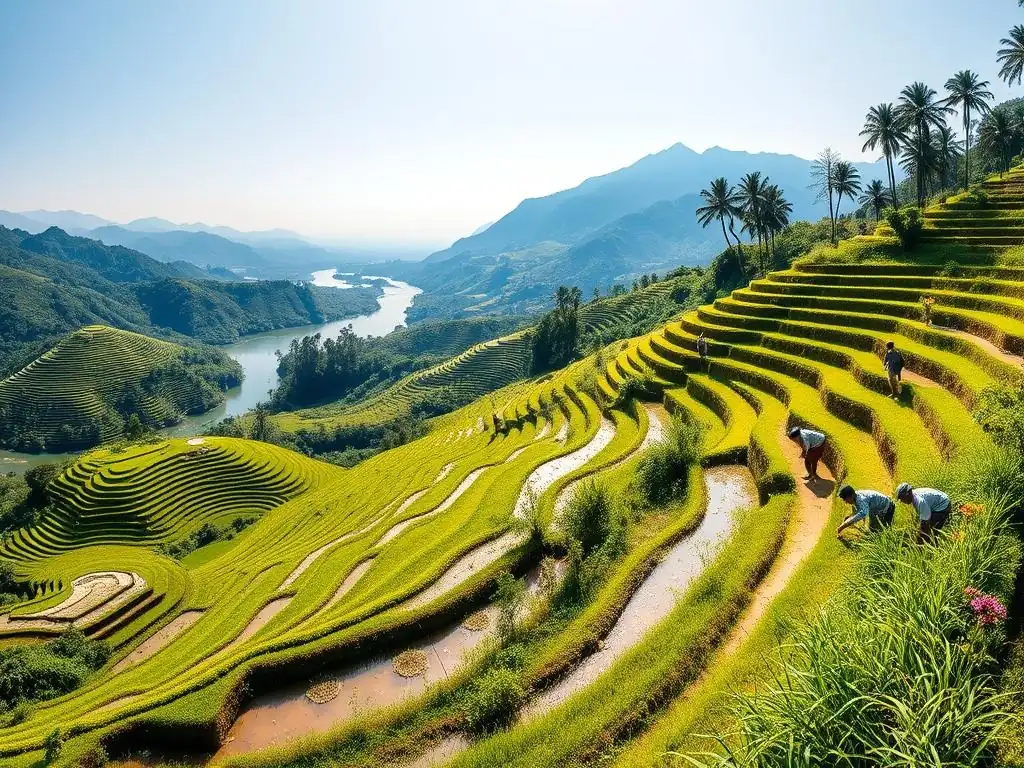
Welcome to Indigenous Civilizations of the Americas, where we invite you to embark on a captivating journey through the rich tapestry of indigenous cultures that flourished long before European contact. In our featured article, "The Art of Water Management: Indigenous Practices That Shaped Sustainable Agriculture," we delve into the ingenious indigenous water management practices that not only sustained thriving communities but also laid the groundwork for modern agricultural techniques.
Prepare to uncover the profound wisdom and innovative strategies of these remarkable societies, and discover how their legacy continues to influence our understanding of sustainability today. Join us as we explore the depths of these ancient practices and their enduring impact on our world!
Introduction to Indigenous Water Management Practices
Water is a vital resource that has shaped the development and sustainability of societies throughout history. Indigenous cultures across the Americas have long recognized the importance of effective water management, employing innovative techniques that not only supported their agricultural practices but also fostered a deep connection with the environment. This article delves into the rich tapestry of indigenous water management practices, exploring how these techniques have influenced sustainable agriculture and contributed to the resilience of communities before European colonization.
Indigenous peoples developed a variety of strategies to harness and conserve water, adapting to the diverse climates and landscapes of the Americas. From the intricate canal systems of the Hohokam in the Southwest to the sophisticated terracing of the Inca in the Andes, these practices highlight a profound understanding of hydrology and ecology. As we examine these methods, we will uncover their significance not only in historical contexts but also in contemporary discussions around sustainable agriculture and water conservation.
Through this exploration, we aim to celebrate the ingenuity of indigenous cultures and their lasting impact on sustainable practices. By understanding these time-honored techniques, we can gain valuable insights into modern water management challenges and foster a renewed appreciation for traditional ecological knowledge.
Importance of Water Management in Indigenous Cultures
Water management has always been at the heart of indigenous agricultural practices, serving as a cornerstone for community survival and development. Effective stewardship of water resources allowed indigenous societies to thrive, providing the means to cultivate crops, support livestock, and sustain their populations. Here are some key reasons highlighting the importance of water management in these cultures:
- Sustainability: Indigenous water management practices were designed with sustainability in mind, ensuring that natural resources were utilized without depleting them. Techniques such as rainwater harvesting and floodwater farming were common, allowing communities to make the most of seasonal weather patterns.
- Biodiversity: By managing water resources effectively, indigenous peoples were able to cultivate a variety of crops, promoting biodiversity in their agricultural systems. This diversity not only enhanced food security but also fostered resilience against pests and climate variability.
- Cultural Significance: Water holds deep cultural and spiritual significance in many indigenous communities. Practices surrounding water management often intertwine with traditional beliefs and rituals, reinforcing the connection between the people and their environment.
- Adaptive Strategies: Indigenous cultures demonstrated remarkable adaptability in their water management approaches, responding to changing environmental conditions and incorporating new knowledge into their practices. This adaptability is a testament to their deep understanding of local ecosystems.
The practices employed by indigenous cultures to manage water resources are not just historical relics; they are a rich source of knowledge that can inform contemporary approaches to sustainable agriculture. By recognizing and honoring these indigenous water management practices, we can pave the way for a more sustainable future that respects both the land and its original stewards.
- Introduction to Indigenous Water Management Practices
- Importance of Water Management in Indigenous Cultures
Historical Context of Indigenous Water Management
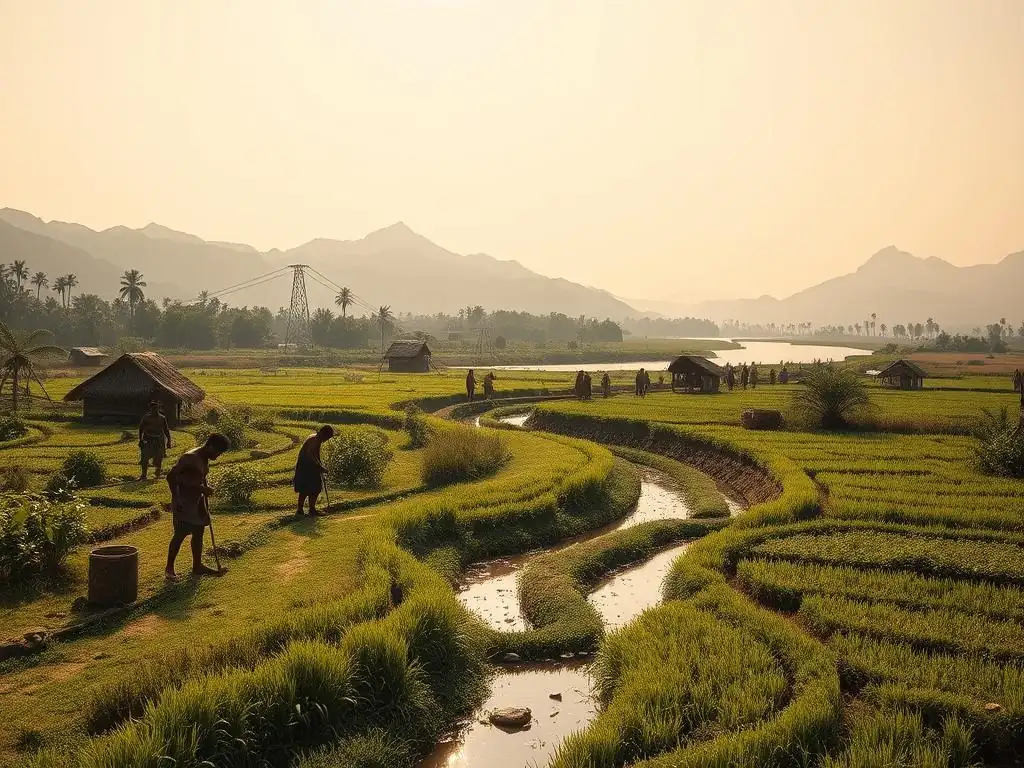
Overview of Indigenous Societies and Their Relationship with Water
Indigenous societies across the Americas developed intricate relationships with water, viewing it not merely as a resource but as a vital component of their cultural, spiritual, and ecological systems. Water was recognized as a life-giving element that shaped their settlements, agricultural practices, and social structures. For instance, the Hohokam civilization in what is now Arizona constructed extensive irrigation canals, showcasing a deep understanding of the arid landscape and the necessity of water management for farming.
- Cultural Significance: Water held spiritual significance in many cultures. The Navajo, for example, have stories that emphasize the importance of water in maintaining harmony with nature.
- Social Organization: Access to water influenced social hierarchies, land use, and community organization. Those skilled in water management often held significant status within their societies.
Moreover, the reliance on local water resources led to the development of diverse water management practices tailored to specific environments, from the wetlands of the Chinampas in Mesoamerica to the terraced fields of the Inca in the Andes.
Evolution of Water Management Techniques Among Indigenous Peoples
The evolution of indigenous water management techniques is a testament to the ingenuity and adaptability of these cultures. Over centuries, various groups developed methods that not only maximized water use but also ensured ecological balance.
- Irrigation Systems:
- The Hohokam built one of the earliest known irrigation systems in North America, with canals that extended over 150 miles. This enabled them to cultivate crops like maize and beans in a desert environment.
- In contrast, the Maya civilization developed sophisticated rainwater harvesting systems, utilizing reservoirs to collect and store water for agricultural and domestic use.
- Terracing and Contour Farming:
- The Inca utilized terracing on steep slopes, which reduced soil erosion and maximized arable land. This method allowed them to grow diverse crops while effectively managing water runoff.
- Similarly, many Indigenous groups in the Andes practiced contour farming, planting along the natural contours of the land to enhance water retention and reduce erosion.
- Wetland Management:
- The Aztec employed the chinampa system, where floating gardens were created in shallow lake areas. This method allowed for year-round agriculture, as the water moderated temperature and provided essential nutrients.
- Cultural Practices:
- Many Indigenous communities engaged in ritualistic practices to honor water. These practices reinforced the importance of sustainable management and respect for water as a living entity.
Through these techniques, Indigenous peoples not only ensured their survival but also contributed to the sustainability of their ecosystems. Today, the revival and acknowledgment of these indigenous water management practices serve as critical lessons in contemporary discussions on sustainable agriculture and water conservation.
The rich tapestry of indigenous water management practices illustrates a profound understanding of ecological systems and a commitment to sustainable living that continues to have relevance in today's environmental challenges.
Key Indigenous Water Management Practices
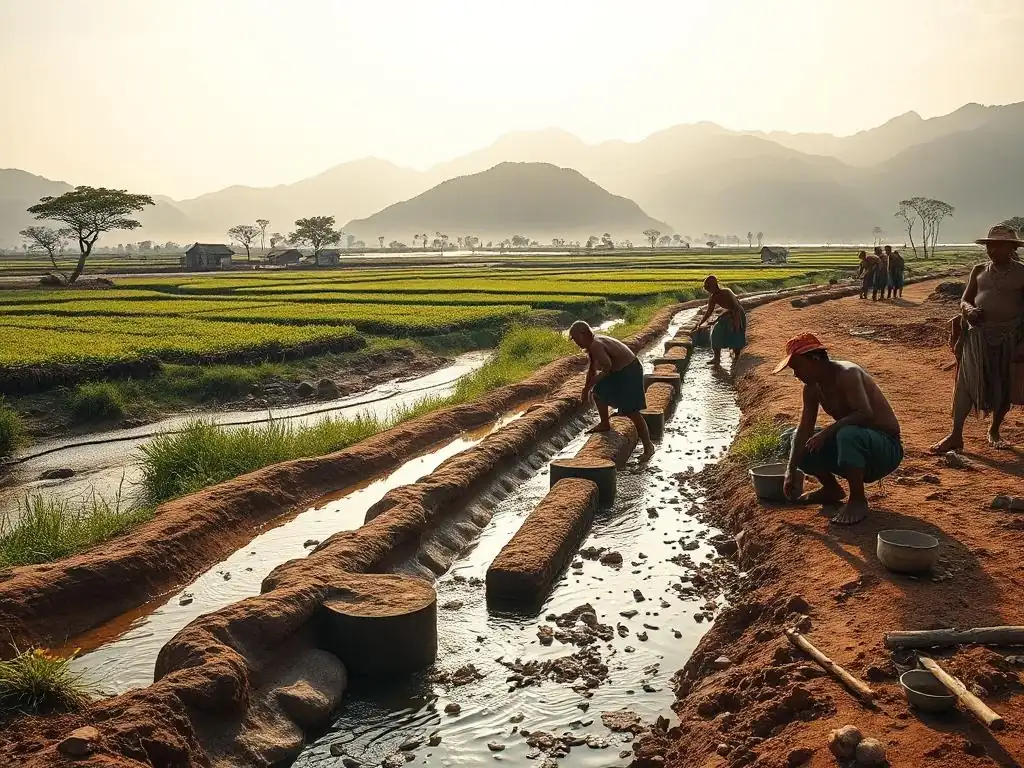
Indigenous water management practices have played a crucial role in the development of sustainable agriculture across the Americas. These practices are characterized by a deep understanding of local ecosystems and a holistic approach to resource management. They not only ensured efficient water usage but also fostered biodiversity and soil health, laying the groundwork for resilient agricultural systems.
Traditional Irrigation Systems
Techniques Used in Various Regions
Indigenous communities developed a variety of traditional irrigation systems tailored to their specific environments. Some notable techniques include:
- Terracing: Used by the Inca civilization in the Andes, terracing transformed steep slopes into flat surfaces that reduced soil erosion and maximized water retention. This method allowed for the cultivation of crops in high-altitude areas.
- Canal Systems: The Hohokam people in the Sonoran Desert constructed extensive canal systems to divert water from rivers to arid fields. These canals facilitated the irrigation of crops like corn, beans, and squash, enabling agriculture in a challenging environment.
- Floodplain Farming: Indigenous groups along the Mississippi River utilized the natural flooding cycles to their advantage, planting crops at specific times to take advantage of nutrient-rich silt deposited by floodwaters.
These techniques showcase the ingenuity of indigenous peoples in managing water resources, demonstrating their ability to adapt to diverse ecological conditions.
Impact on Crop Yield and Sustainability
The traditional irrigation systems established by indigenous cultures significantly impacted crop yield and environmental sustainability. For instance:
- Increased Productivity: The use of terracing and canal systems allowed for year-round cultivation, which increased food production and supported larger populations.
- Soil Preservation: These practices minimized soil erosion and maintained soil fertility, reducing the need for chemical fertilizers.
- Biodiversity Promotion: By integrating various crops and utilizing polyculture techniques, indigenous farmers enhanced biodiversity, which in turn contributed to more resilient ecosystems capable of withstanding climate variations.
Overall, these innovative irrigation practices not only secured food sources but also preserved the land for future generations.
Rainwater Harvesting Methods
Examples from Different Indigenous Cultures
Rainwater harvesting is another vital indigenous water management practice that underscores the adaptability and resourcefulness of these communities. Some examples include:
- Zuni Water Management: The Zuni people of the Southwest developed intricate rainwater harvesting systems that included catchment areas and cisterns. They constructed small dams to capture runoff from storms, which was then used to irrigate their crops.
- Tawantinsuyu (Inca Empire): The Incas built sophisticated aqueducts and channels that directed rainwater into agricultural terraces. This method was crucial for sustaining farming in the diverse climates of the Andes.
- Mayan Techniques: The ancient Maya utilized a system of reservoirs and ponds to collect rainwater. This water not only supported agriculture but also provided drinking water for their communities.
These methods illustrate how different indigenous cultures creatively harnessed rainwater to support their agricultural practices.
Benefits of Rainwater Harvesting for Agriculture
The benefits of rainwater harvesting extend beyond immediate agricultural productivity:
- Water Availability: By capturing and storing rainwater, indigenous communities ensured a consistent water supply during dry seasons, reducing reliance on river systems.
- Cost-Effectiveness: Utilizing natural rainfall reduces the need for expensive water infrastructure and minimizes environmental impacts associated with groundwater extraction.
- Climate Resilience: Rainwater harvesting enhances resilience against droughts and erratic weather patterns, enabling indigenous communities to maintain their agricultural practices even in challenging conditions.
Indigenous water management practices, including traditional irrigation systems and rainwater harvesting, reflect a sophisticated understanding of environmental stewardship. These methods not only contributed to the sustainability of agriculture but also established a legacy of ecological balance that resonates with contemporary sustainable practices.
Wetland Management and Its Significance
Wetlands have been crucial to the sustainability of indigenous agriculture across the Americas. These ecosystems, characterized by saturated soils and diverse plant and animal life, provide a range of ecological services that support both agriculture and community livelihoods. Indigenous peoples recognized the importance of wetlands not only as sources of water but also for their capacity to enhance soil fertility, support biodiversity, and regulate local climates.
The management of wetlands involves a deep understanding of the natural cycles and the interdependence of species within these ecosystems. This knowledge, passed down through generations, has led to the development of sophisticated practices aimed at sustaining these vital landscapes. By preserving wetland areas, indigenous communities have ensured a continual supply of water and nutrients essential for crop growth, thus promoting agricultural resilience in the face of environmental changes.
Role of Wetlands in Indigenous Agriculture
Wetlands serve multiple roles in indigenous agricultural systems. Primarily, they act as natural water reservoirs, capturing and storing rainfall, which is crucial during dry seasons. This ability to retain water not only benefits crops but also helps mitigate the impacts of drought, creating a more stable food supply. Furthermore, wetlands enhance soil quality through the deposition of organic matter and nutrients, fostering a productive growing environment.
In many indigenous cultures, wetlands are also integral to food security. For instance, the cultivation of rice by certain indigenous groups in North America and the Amazon Basin often relies on wetland systems that provide the necessary aquatic environment for this staple crop. The diverse plant species found in wetlands, including wild rice and various aquatic vegetables, contribute to a varied diet and offer additional economic opportunities for communities.
Strategies for Maintaining Wetland Ecosystems
Indigenous communities employ several strategies to maintain the health and productivity of wetland ecosystems. These strategies are characterized by a holistic approach that integrates cultural practices, ecological knowledge, and sustainable resource management. Some key strategies include:
- Seasonal Harvesting: Indigenous groups often practice seasonal harvesting of wetland plants, allowing for regeneration and ensuring that ecosystem functions remain intact.
- Controlled Burning: In some regions, controlled burns are used to manage wetland vegetation and promote the growth of desirable plant species, which in turn supports wildlife and enhances biodiversity.
- Water Management Techniques: Techniques such as constructing dikes and canals help regulate water levels within wetlands, ensuring that they remain productive throughout the year while preventing the encroachment of invasive species.
- Community Stewardship: Indigenous knowledge systems emphasize the importance of community involvement in wetland management. This stewardship ensures that practices are adapted to local conditions and that younger generations are educated about the significance of wetlands.
By implementing these strategies, indigenous peoples have demonstrated an enduring commitment to the stewardship of wetland ecosystems, thereby ensuring their sustainability for future generations.
Case Studies of Successful Indigenous Water Management
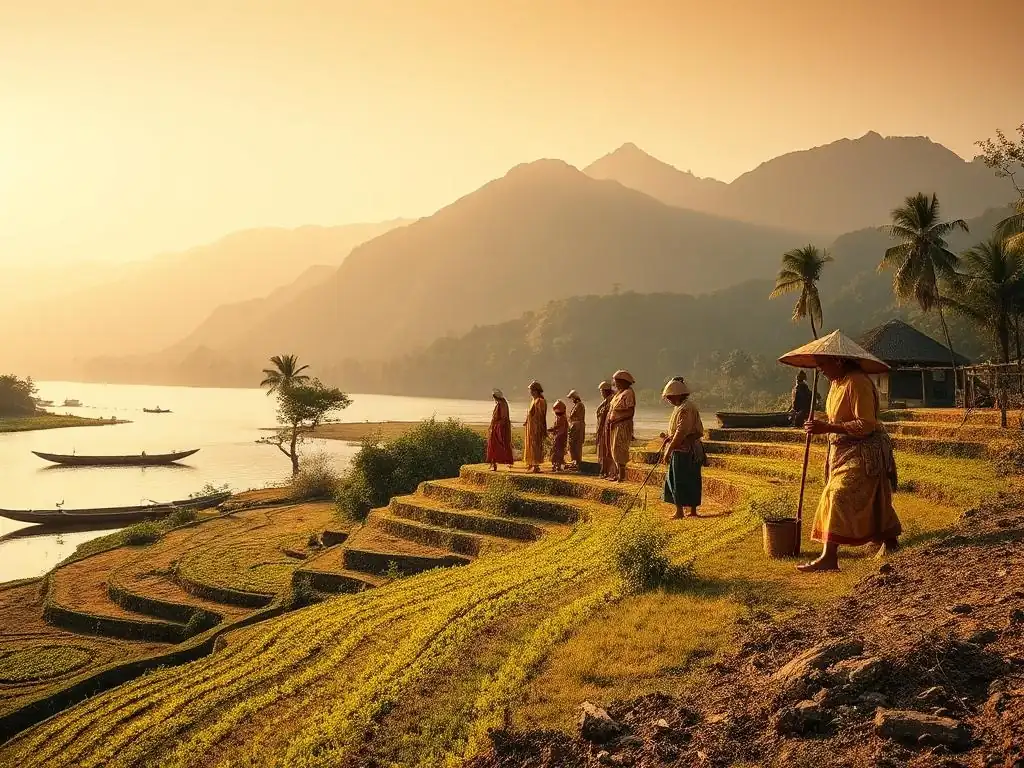
The Hohokam Civilization: A Model of Irrigation
The Hohokam civilization, which flourished in present-day Arizona between 300 and 1500 CE, is renowned for its sophisticated irrigation techniques that transformed arid desert landscapes into productive agricultural lands. The Hohokam developed an extensive network of canals that spanned over 1,000 miles, allowing them to divert water from the Salt and Gila Rivers for irrigation. This ingenious system of water management was crucial for the cultivation of crops such as maize, beans, and cotton.
Key Features of Hohokam Irrigation:
- Canal Construction: The Hohokam built canals with precise engineering, utilizing gravity to maintain water flow across various terrains.
- Seasonal Adjustments: Farmers adapted their irrigation practices seasonally, managing water levels according to the needs of their crops and the availability of river water.
- Community Collaboration: The maintenance and construction of canals required community effort, fostering social cohesion and collective responsibility among the Hohokam.
The success of the Hohokam irrigation system highlights the importance of indigenous water management practices in achieving food security and sustaining communities in challenging environments.
The Inca Empire: Terracing and Water Control
The Inca Empire, which thrived in the Andean region of South America from the 15th to the 16th centuries, is well-known for its innovative agricultural techniques, particularly its terracing and sophisticated water control systems. The Incas developed vast terraces on steep mountain slopes, which not only maximized arable land but also minimized soil erosion and optimized water usage.
Terracing Techniques:
- Soil Retention: The terraces helped retain moisture in the soil, making it possible to cultivate various crops, including potatoes, maize, and quinoa, in a high-altitude environment.
- Irrigation Channels: The Incas constructed intricate irrigation channels that directed water from nearby rivers and streams to their terraced fields, ensuring an adequate water supply throughout the growing season.
- Microclimates: By creating terraces, the Incas were able to create microclimates that supported diverse agricultural practices suited to different altitudes and climates.
Through these advanced indigenous water management practices, the Inca Empire was able to support a large population, demonstrating the sustainable balance between agriculture and environmental stewardship.
The Maya: Sacred Cenotes and Agricultural Practices
The Maya civilization, which flourished in Mesoamerica from around 2000 BCE until the Spanish conquest, developed unique water management strategies that were deeply intertwined with their cultural and religious beliefs. One of the most significant features of Maya water management was the use of cenotes—natural sinkholes that provided fresh water in an otherwise dry landscape.
Utilization of Cenotes:
- Cenote Agriculture: The Maya often constructed their agricultural fields near cenotes, utilizing the water for irrigation while also tapping into the rich mineral deposits surrounding these natural features.
- Rituals and Beliefs: Cenotes held sacred significance for the Maya, and they often conducted rituals related to water and agriculture, reflecting the integral role of water in their cosmology.
- Water Storage Systems: In addition to cenotes, the Maya built reservoirs and cisterns to collect and store rainwater, ensuring a reliable supply for their agricultural needs during dry seasons.
These indigenous water management practices showcase the Maya's ability to harmonize their agricultural practices with their environment, emphasizing sustainability and reverence for natural resources.
Modern Applications of Indigenous Water Management Practices
Integrating Traditional Techniques in Contemporary Agriculture
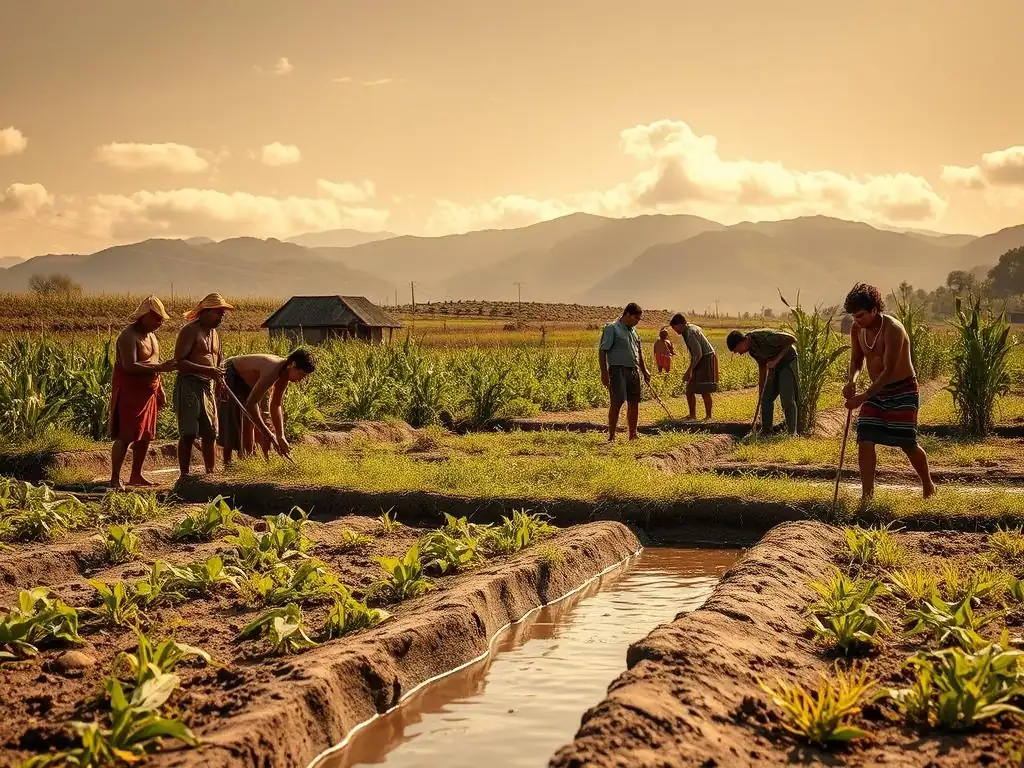
Indigenous water management practices have provided invaluable insights into sustainable agriculture, particularly in regions facing water scarcity and climate change. These traditional techniques offer innovative solutions that can be integrated into modern farming practices.
- Terracing and Contour Farming: Many Indigenous cultures, such as the Inca in the Andes, utilized terraced agriculture to maximize land use and minimize soil erosion. By constructing terraces along the contours of hillsides, they effectively controlled runoff and preserved moisture in the soil. Modern farmers can adopt this practice by incorporating contour farming techniques to enhance water retention and reduce the need for chemical fertilizers.
- Irrigation Systems: Indigenous peoples, including the Pueblo tribes of the American Southwest, developed sophisticated irrigation systems that harnessed natural water sources. Techniques like check damming and the use of acequias (community ditches) allowed for the efficient distribution of water for crops. Today's farmers can benefit from these systems by implementing similar water distribution methods that rely on gravity and natural topography, reducing the energy costs associated with modern irrigation.
- Soil Amendments: Indigenous practices often involved the use of organic materials to enrich soil health. For example, the use of fish remains and other organic waste as fertilizer not only improved soil fertility but also enhanced its water retention capabilities. Incorporating these natural fertilizers can help modern agriculturalists reduce their dependency on synthetic fertilizers while promoting healthier soil ecosystems.
- Polyculture and Crop Diversity: Many Indigenous agricultural systems thrived on polyculture, growing multiple crops in the same area to enhance biodiversity and resilience. This method not only optimizes water usage through varied root systems but also reduces pest outbreaks. Modern sustainable agriculture advocates for crop rotation and intercropping based on these principles, promoting a more resilient farming system.
The Role of Indigenous Knowledge in Sustainable Development
The integration of Indigenous water management practices into contemporary agricultural frameworks is vital for sustainable development. These practices are often rooted in a deep understanding of local ecosystems, which can inform more holistic approaches to agriculture.
- Cultural Significance: Indigenous knowledge systems encompass cultural beliefs and practices that prioritize environmental stewardship. For instance, many Indigenous groups believe in the interconnectedness of all living things, which fosters a sense of responsibility to protect natural resources. By incorporating this worldview, policymakers can create more culturally sensitive and effective environmental regulations.
- Adaptation to Climate Change: Indigenous water management practices are inherently adaptive, often developed in response to changing environmental conditions. For example, the use of traditional drought-resistant crops among various tribes serves as an effective strategy in the face of climate variability. By leveraging these adaptive strategies, modern agriculture can enhance its resilience to climate-related challenges.
- Community Involvement: Many Indigenous practices emphasize community collaboration and shared resource management. This collective approach has proven effective in managing water resources sustainably. Encouraging community involvement in water management can lead to better resource allocation and a more equitable distribution of water for agricultural use.
The application of Indigenous water management practices presents a pathway toward sustainable agriculture that is both environmentally sound and culturally respectful. By bridging traditional knowledge with modern agricultural practices, we can create a more resilient and sustainable food system for future generations.
Challenges Facing Indigenous Water Management Today
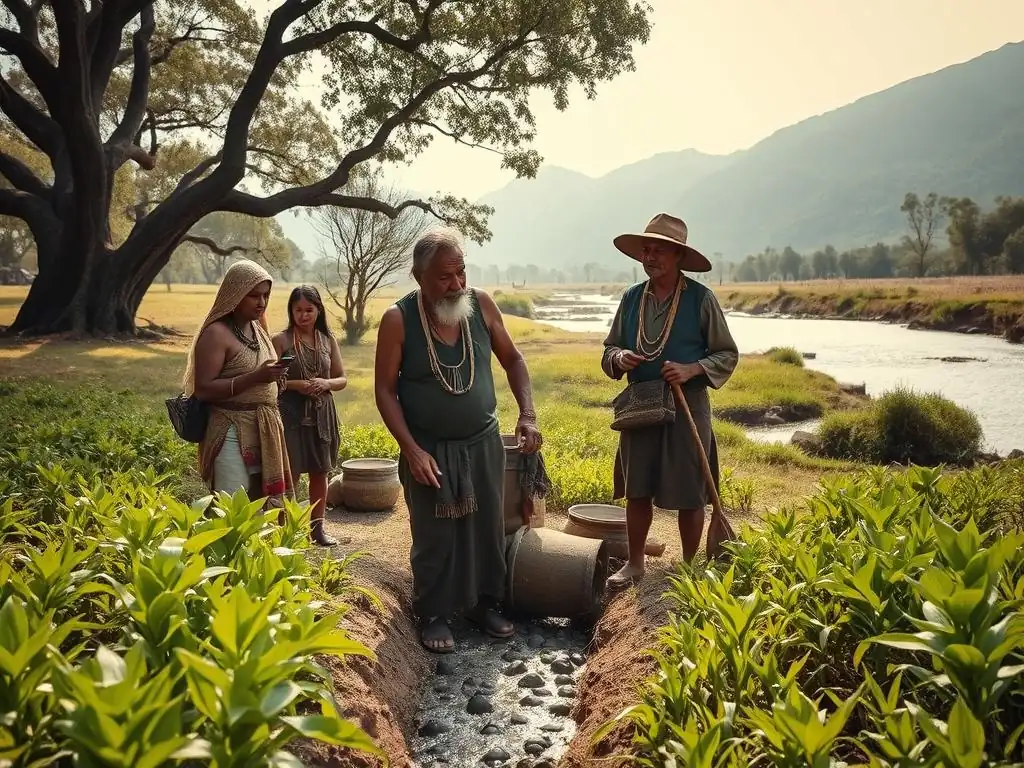
Indigenous water management practices have been integral to sustaining agriculture and communities for centuries. However, contemporary challenges threaten these time-honored systems. Understanding these hurdles is crucial for preserving these practices and ensuring a sustainable future.
Climate Change and Its Impact on Water Resources
Climate change poses a significant threat to indigenous water management practices. The shifting climate patterns result in altered precipitation rates, increased evaporation, and unpredictable weather events, which disrupt traditional agricultural cycles.
- Droughts and Floods: Indigenous communities often rely on predictable weather patterns to manage their water resources effectively. However, the rise in frequency and intensity of droughts and floods can devastate crops and deplete water sources. For example:
- Drought conditions can lead to water scarcity, forcing communities to adapt quickly or risk crop failure.
- Flooding can wash away established irrigation systems, leading to further instability.
- Ecosystem Disruption: Many indigenous water management practices are closely tied to local ecosystems. Climate change can lead to:
- Altered habitats that affect fish and wildlife populations, which are crucial for food security.
- Changes in water quality due to increased temperatures and pollution runoff, impacting both agriculture and health.
By recognizing these challenges, indigenous communities can advocate for better resource management and collaborate with wider environmental initiatives.
Loss of Traditional Knowledge and Practices
Another critical challenge facing indigenous water management today is the erosion of traditional knowledge and practices. This knowledge, honed over generations, is vital for effective water management and sustainable agriculture.
- Cultural Displacement: The historical marginalization of indigenous peoples has led to the loss of ancestral lands and traditional practices. Some contributing factors include:
- Urbanization and industrialization, which often push indigenous communities away from their traditional territories.
- Globalization, which can dilute cultural practices in favor of mainstream agricultural methods.
- Aging Population and Lack of Transmission: As elders, the custodians of traditional knowledge, age, there is a risk that this expertise will not be passed down effectively. This results in:
- A generational gap where younger community members may lack the knowledge needed to maintain traditional water management practices.
- The challenge of revitalizing these practices without adequate mentorship and community support.
To combat this loss, initiatives focused on education and cultural preservation are vital. This includes:
- Intergenerational programs that encourage the sharing of knowledge between elders and youth.
- Workshops and community gatherings that emphasize the importance of indigenous water management practices and their relevance in today's context.
By addressing these challenges, indigenous communities can work towards revitalizing their water management systems, ensuring they not only endure but thrive in the face of modern pressures.
Conclusion: The Lasting Impact of Indigenous Water Management Practices on Sustainable Agriculture
Indigenous water management practices have played a crucial role in shaping sustainable agriculture across the Americas. These methods, developed over centuries, are characterized by their deep understanding of local ecosystems and a strong emphasis on community and environmental stewardship. The innovative approaches employed by indigenous cultures not only ensured food security for their communities but also preserved the health of the land and its water resources.
The integration of techniques such as terracing, irrigation systems, and the use of natural filtration systems exemplifies how indigenous peoples adapted to the challenges posed by their environments. These practices have laid the groundwork for contemporary sustainable agriculture, showcasing the importance of traditional knowledge in addressing modern environmental challenges.
The enduring legacy of these practices serves as a reminder of the sophistication of indigenous agricultural systems and their potential to inform current and future sustainability efforts.
Summary of Key Takeaways
- Historical Significance: Indigenous water management practices were instrumental in creating resilient agricultural systems that thrived in diverse environmental conditions.
- Innovative Techniques: Methods such as swales, check dams, and agroforestry not only optimized water use but also enhanced soil fertility and biodiversity.
- Community-Centered Approaches: These practices were often community-driven, emphasizing collective responsibility and respect for natural resources, which fostered social cohesion.
- Sustainability Lessons: The principles underlying indigenous water management—such as adaptability, holistic thinking, and respect for nature—provide valuable lessons for modern sustainable agriculture.
- Cultural Heritage: Indigenous practices are not just techniques; they are embedded in cultural traditions and worldviews, highlighting the interconnectedness of people and the environment.
Future Directions for Indigenous Water Management and Sustainability
The future of indigenous water management practices appears promising, particularly as the global community increasingly recognizes the importance of sustainable approaches to agriculture and resource management. Here are several future directions that may enhance the integration of these practices into contemporary agriculture:
- Revitalization of Traditional Knowledge: Efforts to document and teach indigenous water management techniques can empower communities and ensure the survival of these practices in the face of modernization.
- Collaborative Research: Partnerships between indigenous communities and researchers can lead to innovative solutions that blend traditional practices with modern technology, improving agricultural efficiency and sustainability.
- Policy Advocacy: Supporting policies that recognize and protect indigenous water rights is essential to fostering sustainable agricultural practices and promoting environmental justice.
- Climate Resilience: Indigenous practices can play a crucial role in adapting to climate change by enhancing soil health, conserving water, and maintaining biodiversity, thus contributing to climate resilience.
- Community Engagement: Involving indigenous communities in decision-making processes regarding water management and agriculture can lead to more effective and culturally appropriate solutions.
By embracing and promoting indigenous water management practices, we can not only honor the rich heritage of these cultures but also pave the way for a more sustainable agricultural future that benefits both people and the planet.
Frequently Asked Questions
What are indigenous water management practices?
Indigenous water management practices refer to the traditional techniques developed by indigenous cultures to efficiently use and conserve water for agriculture and daily life, ensuring sustainability and ecological balance.
How did indigenous cultures influence sustainable agriculture?
Indigenous cultures implemented innovative water management systems that promoted sustainable agriculture by utilizing natural resources wisely, leading to higher crop yields and healthier ecosystems.
Why are these practices important today?
These practices are increasingly relevant as they offer valuable insights into sustainable living and resource management, especially in the context of climate change and the need for environmental preservation.
What are some examples of indigenous water management techniques?
Examples include terracing, swales, and irrigation systems that were designed to capture and distribute water efficiently, minimizing waste and maximizing agricultural productivity.
How can modern societies learn from indigenous practices?
Modern societies can adopt indigenous knowledge on water management to develop sustainable practices that respect natural systems and enhance food security, promoting a more resilient agricultural future.
Final Reflection: Embracing Indigenous Water Management Practices for a Sustainable Future
The significance of indigenous water management practices is more relevant today than ever as we face escalating climate challenges and water scarcity. These time-honored techniques not only offer sustainable solutions but also remind us of the profound connection between culture and environmental stewardship. As we navigate the complexities of modern agriculture, it becomes increasingly clear that the wisdom of indigenous peoples holds the key to a more sustainable future.
Indigenous water management practices have long influenced our cultural and social landscapes, fostering a deep respect for nature and community. These practices teach us that water is not merely a resource but a vital element of life that must be cherished and protected. We do not inherit the earth from our ancestors; we borrow it from our children.
This quote encapsulates the essence of indigenous wisdom, urging us to consider the long-term impacts of our actions on future generations. By integrating these practices into contemporary water management strategies, we can cultivate a more resilient and equitable agricultural system.
As we reflect on the lessons learned from indigenous water management, I invite you to consider your own relationship with water and the environment. How can you incorporate these timeless practices into your daily life or community initiatives? Whether it's advocating for sustainable practices, supporting local indigenous communities, or simply being more mindful of your water usage, every small action contributes to a larger movement toward sustainability. Together, let us honor the legacy of indigenous knowledge and work towards a future where water is managed wisely and equitably for generations to come.
Embrace Sustainable Practices Today!
Thank you for exploring the rich tapestry of Indigenous water management practices with us! You’ve gained a unique perspective on how these time-honored techniques contribute to sustainable agriculture, ensuring our environment thrives for generations to come. Now, let’s translate that knowledge into action!
Here are some simple yet impactful steps you can take:
- Integrate Indigenous water practices into your gardening or farming routines by researching native methods that suit your local climate.
- Engage with local Indigenous communities to learn directly from their experiences and understand their approaches to water conservation.
- Share this article with friends and family to spark conversations about sustainable agriculture and the importance of valuing traditional ecological knowledge.
What’s one Indigenous water management practice you would like to incorporate into your lifestyle? Let’s discuss how we can all contribute to a more sustainable future!