
From Ruins to Riches: Recent Archaeological Finds Highlight Indigenous Innovations

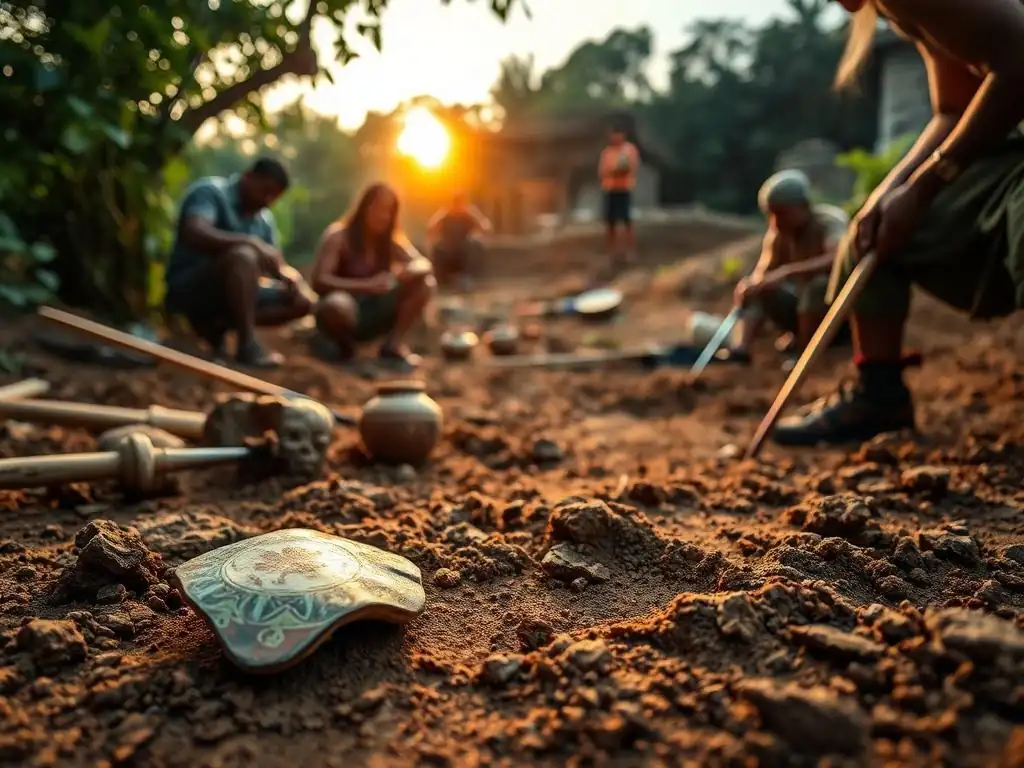
Welcome to Indigenous Civilizations of the Americas, where we invite you to embark on a journey through time to uncover the rich tapestry of indigenous cultures that flourished long before European contact. In our featured article, "From Ruins to Riches: Recent Archaeological Finds Highlight Indigenous Innovations," we delve into remarkable discoveries that reveal the ingenious advancements made by these civilizations in the field of archaeology.
Prepare to be captivated as we explore how these innovations not only shaped their societies but continue to influence our understanding of history today. Join us as we peel back the layers of time and discover the profound legacy of indigenous ingenuity!
Introduction to Indigenous Innovations in Archaeology
The field of archaeology has undergone a transformative evolution in recent years, particularly in its approach to understanding the rich tapestry of indigenous cultures that flourished across the Americas prior to European colonization. This article delves into the indigenous innovations in archaeology, highlighting how recent excavations have illuminated the remarkable achievements and ingenuity of indigenous civilizations. By focusing on their societal structures, technological advancements, and cultural practices, we can appreciate the profound impact these communities have had on the continent's history and heritage.
Overview of Indigenous Civilizations in the Americas
Indigenous civilizations in the Americas were incredibly diverse, encompassing a range of societies, languages, and cultural practices. From the intricate city-states of the Maya and Aztecs in Mesoamerica to the sophisticated mound-building cultures of the Mississippi River Valley, these groups made significant contributions to agriculture, architecture, trade, and governance.
- Key Indigenous Cultures:
- Maya: Renowned for their advanced writing system, impressive astronomical knowledge, and monumental architecture.
- Inca: Famous for their extensive road networks, agricultural innovations, and complex social organization.
- Mississippian Culture: Known for their earthen mounds, trade networks, and urban centers like Cahokia.
Understanding the innovations of these civilizations not only enriches our knowledge of the past but also challenges the narratives that have often marginalized their contributions.
Significance of Recent Archaeological Discoveries
Recent archaeological discoveries have provided new insights into the lives of indigenous peoples, showcasing their resourcefulness and adaptability in various environments. These findings are significant for several reasons:
- Redefining Historical Narratives:
- They challenge preconceived notions about indigenous societies as static or primitive, revealing complex social structures and advanced technologies.
- Preservation of Cultural Heritage:
- Excavations help in preserving artifacts and sites, allowing for a deeper understanding of indigenous cultures and their historical contexts.
- Collaborative Research Approaches:
- Many recent projects involve partnerships between archaeologists and indigenous communities, fostering a collaborative approach that respects traditional knowledge.
The Role of Indigenous Innovations in Archaeology
As archaeological practices evolve, the recognition of indigenous innovations becomes increasingly critical. Indigenous knowledge systems offer valuable perspectives that can enhance archaeological research methodologies.
Definition of Indigenous Innovations
Indigenous innovations refer to the unique practices, technologies, and cultural expressions developed by native peoples that reflect their adaptation to their specific environments. These innovations encompass various domains, including:
- Agriculture: The development of advanced farming techniques such as terracing and crop rotation.
- Architecture: Construction methods that utilize local materials in sustainable ways, exemplified by the adobe structures of the Southwest.
- Art and Craftsmanship: The creation of intricate pottery, textiles, and jewelry that are both functional and decorative.
Importance of Indigenous Knowledge in Archaeological Practices
Indigenous knowledge is not merely historical; it is a living tradition that continues to inform contemporary practices. Its importance in archaeology includes:
- Guiding Excavations: Indigenous perspectives can provide vital information about site significance and context that may not be apparent through conventional archaeological methods.
- Cultural Sensitivity: Understanding and respecting indigenous histories and traditions fosters ethical practices in archaeology, ensuring that excavations do not harm sacred sites.
- Sustainable Practices: Indigenous approaches often emphasize sustainability and ecological balance, which can inform modern conservation efforts.
By integrating indigenous innovations into archaeological practices, researchers can create a more holistic and respectful understanding of the past, paving the way for future discoveries that honor the rich heritage of the Americas.
Recent Archaeological Finds: A New Perspective
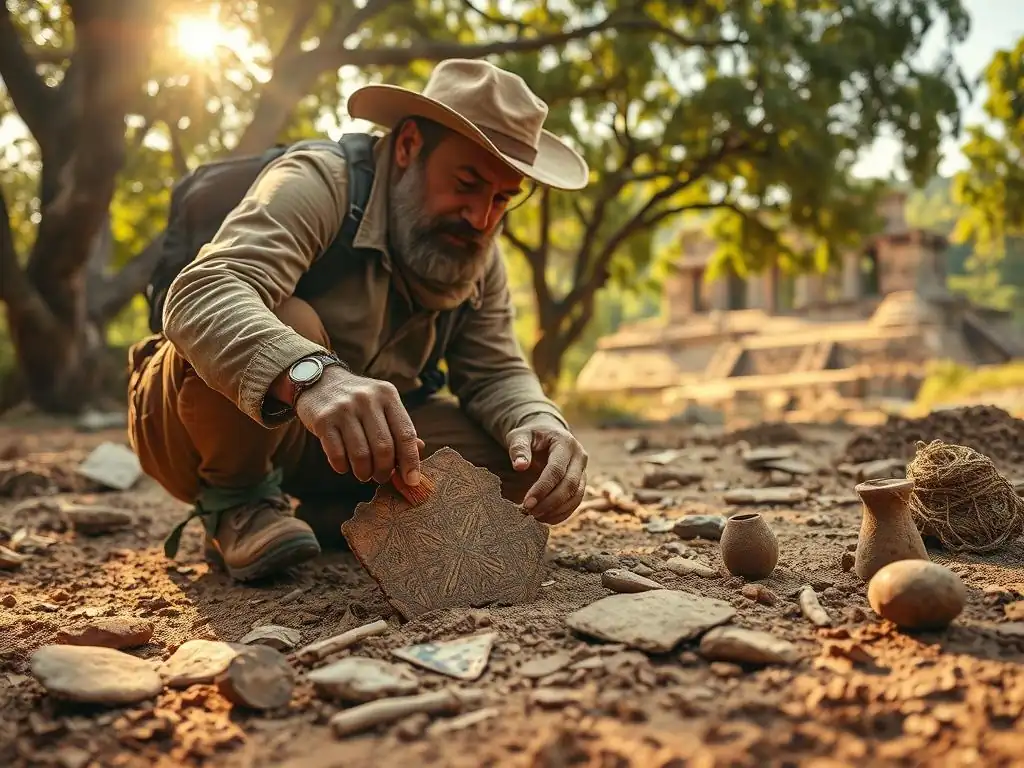
Recent archaeological discoveries have transformed our understanding of the rich tapestry of indigenous cultures that flourished across the Americas before European colonization. These finds not only highlight the sophistication of these societies but also showcase their remarkable innovations in various fields such as agriculture, architecture, and social organization. As excavations continue, new methodologies and technologies, such as ground-penetrating radar and advanced dating techniques, provide clearer insights into the daily lives, beliefs, and environmental adaptations of indigenous peoples.
One of the most significant shifts in perspective is the recognition that indigenous innovations were not merely rudimentary responses to their environment but rather complex systems that involved advanced knowledge of ecology, engineering, and social dynamics. For example, many societies developed intricate water management systems to support agriculture in arid regions, demonstrating an understanding of hydrology that rivals modern practices. The integration of this knowledge into archaeological narratives helps to dismantle long-standing misconceptions that often portrayed indigenous cultures as simplistic or primitive.
Moreover, recent finds have sparked renewed interest in the preservation and revitalization of indigenous knowledge and practices. By studying these innovations, contemporary indigenous communities are reclaiming their histories and identities, fostering a sense of pride and continuity. This new perspective encourages collaboration between archaeologists and indigenous peoples, leading to a more holistic understanding of the past.
Key Discoveries that Showcase Indigenous Innovations
Several key discoveries have emerged from recent excavations, each offering a glimpse into the ingenuity of indigenous civilizations.
- Advanced Agricultural Techniques: Excavations in regions such as the Southwest United States have revealed sophisticated farming practices, including the use of terracing and irrigation systems. These practices allowed for more effective cultivation of crops like maize and beans, showcasing an advanced understanding of agriculture.
- Architectural Marvels: The discovery of monumental structures, such as the earthen mounds in the Mississippi River Valley, illustrates the architectural prowess of indigenous peoples. These structures were not only functional but also held significant cultural and ceremonial importance.
- Trade Networks: Artifacts recovered from various sites indicate extensive trade networks that connected diverse indigenous groups. Items such as shells, obsidian, and pottery suggest a well-established system of exchange that facilitated cultural interactions and innovations.
- Cultural Artifacts: Recent finds include intricate pottery, textiles, and tools that reflect the artistic and technological skills of indigenous societies. These artifacts provide insights into daily life, spiritual beliefs, and social hierarchies.
These discoveries collectively underscore the theme of indigenous innovations in archaeology, revealing a legacy of creativity and resilience that continues to inspire and educate contemporary societies.
Case Studies of Indigenous Innovations in Recent Excavations
The importance of recent archaeological finds is further illuminated through specific case studies that showcase the innovative practices of indigenous peoples across different regions. Each case study highlights unique approaches to environmental challenges and social organization.
Case Study 1: The Santa Cruz River Valley and Its Technological Advances
In the Santa Cruz River Valley of present-day Arizona, archaeological investigations have unveiled a range of technological innovations that indigenous peoples employed to thrive in a challenging desert environment.
- Irrigation Systems: Evidence of sophisticated irrigation canals demonstrates the advanced water management techniques utilized to support agriculture. These systems allowed for the cultivation of diverse crops, fostering population growth and social complexity.
- Terracing: The construction of terraces on hillsides not only maximized arable land but also reduced soil erosion, showcasing a deep understanding of environmental stewardship.
- Ceramic Innovations: The discovery of unique pottery styles suggests a flourishing artistic community, as well as trade connections with distant regions. This pottery, often adorned with intricate designs, served both practical and ceremonial purposes.
These technological advances reflect the adaptive strategies of indigenous peoples and their profound relationship with the land.
Case Study 2: The Central Andes and Agricultural Innovations
The Central Andes of South America reveal another facet of indigenous innovation through their agricultural practices, particularly in the high-altitude regions.
- Vertical Farming: Archaeological evidence indicates the use of vertical farming techniques that optimized the diverse microclimates found in mountainous areas. This practice allowed communities to grow a variety of crops, including potatoes, quinoa, and maize, thereby enhancing food security.
- Terraced Fields: The construction of extensive terraced fields along the slopes of the Andes not only maximized cultivation space but also contributed to effective water management and soil conservation.
- Crop Domestication: Recent studies have identified ancient varieties of crops that were domesticated by indigenous peoples, showcasing their role in the development of agriculture. This domestication process involved selective breeding, which has had lasting implications for global agriculture today.
These case studies exemplify the ingenuity of indigenous cultures and their lasting impact on agricultural practices, providing valuable lessons for contemporary environmental management and sustainability.
The Broader Impact of Indigenous Innovations on Modern Archaeology
The study of indigenous innovations has significantly shaped modern archaeology, leading to a deeper understanding of the sophisticated societies that existed across the Americas long before European contact. These findings not only challenge the traditional Eurocentric views of history but also highlight the ingenuity of indigenous peoples in areas such as agriculture, engineering, and urban planning. For instance, the discovery of advanced irrigation systems in the Hohokam culture of the Southwest United States reveals how these communities effectively managed water resources in arid environments, showcasing their innovative agricultural practices.
Moreover, the archaeological application of indigenous innovations often involves the use of traditional ecological knowledge, which has been proven to enhance biodiversity conservation efforts. By recognizing the sustainable practices of indigenous cultures, modern archaeologists can develop strategies that are more attuned to local ecosystems. This integration of ancient wisdom into contemporary practices underscores the importance of indigenous innovations, not only in historical contexts but also in addressing current environmental challenges.
The recognition of indigenous innovations has prompted a paradigm shift within archaeological methodology, emphasizing the need for interdisciplinary approaches that incorporate anthropology, history, and environmental science. Such collaborations have facilitated a more holistic understanding of the past and have allowed archaeologists to appreciate the complexity and diversity of indigenous societies.
Re-evaluating Historical Narratives
The recent archaeological discoveries of indigenous innovations have necessitated a re-evaluation of historical narratives that have long been dominated by colonial perspectives. Traditional historical accounts often marginalized indigenous contributions, framing them as primitive or static. However, as new evidence emerges, it becomes increasingly clear that indigenous civilizations were dynamic and adaptive, making significant advancements in technology and society.
For example, the construction techniques of the ancient Maya, exemplified by their grand pyramids and sophisticated urban layouts, challenge previous assumptions about their capabilities. As archaeologists uncover more about the social structures and technological innovations of these cultures, it becomes evident that these societies were not only influential but also foundational to the development of later civilizations in the Americas.
This re-evaluation extends to the interpretation of artifacts and architectural remains, encouraging a more nuanced understanding of their significance. By analyzing these discoveries through an indigenous lens, historians and archaeologists can construct narratives that reflect the true complexity of these cultures, ultimately enriching our collective history.
The Integration of Indigenous Perspectives in Archaeological Research
Incorporating indigenous perspectives into archaeological research is crucial for a comprehensive understanding of indigenous innovations. Collaborating with indigenous communities allows archaeologists to gain insights that might be overlooked through traditional methodologies. Indigenous knowledge systems, which are often deeply intertwined with the land and natural resources, provide valuable context for interpreting archaeological findings.
For instance, the oral histories and cultural practices of indigenous peoples can inform interpretations of specific sites, artifacts, and their functions. By engaging with these communities, researchers can also address misconceptions and foster a more respectful representation of indigenous cultures in academic discourse.
Furthermore, this integration promotes a sense of ownership and stewardship among indigenous peoples regarding archaeological research. When indigenous communities are actively involved in the study of their heritage, they can contribute to preserving their history and advocating for their rights in the face of ongoing colonial legacies.
Challenges and Future Directions in Studying Indigenous Innovations
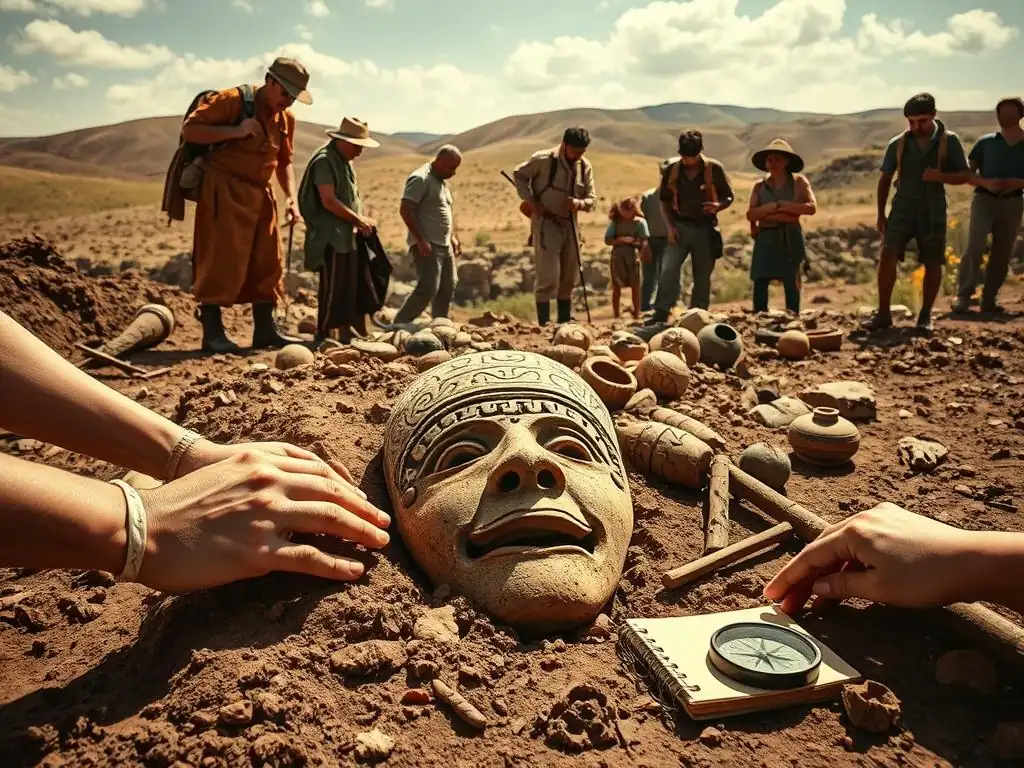
Despite the progress made in recognizing indigenous innovations, several challenges remain in the study of these cultures. It is essential to address these obstacles to ensure that archaeological practices are respectful, ethical, and inclusive.
Ethical Considerations in Archaeological Practices
Ethical considerations are paramount when studying indigenous innovations, as historical injustices have often resulted in the exploitation of indigenous peoples and their knowledge. Archaeologists must navigate the complexities of consent, representation, and the ownership of artifacts. In many cases, artifacts unearthed from indigenous territories have been removed without proper consultation or compensation, leading to a legacy of mistrust.
To address these ethical dilemmas, archaeologists are encouraged to adopt frameworks that prioritize the rights and voices of indigenous communities. Implementing guidelines that emphasize transparency, consent, and collaboration can help foster more equitable relationships between researchers and indigenous peoples. By committing to ethical practices, archaeologists can work to rectify past wrongs and build a foundation for future collaboration.
Collaborative Approaches with Indigenous Communities
The future of studying indigenous innovations lies in collaborative approaches that empower indigenous communities. Establishing partnerships based on mutual respect and shared goals allows for a more comprehensive exploration of indigenous heritage. These collaborations can take various forms, including co-research initiatives, community-led excavations, and joint educational programs.
Such partnerships not only enhance the validity of research findings but also provide opportunities for indigenous youth to engage with their cultural heritage. By involving these communities in the archaeological process, researchers can help to revitalize traditional practices and knowledge systems, ensuring that the legacy of indigenous innovations continues to thrive.
While significant strides have been made in recognizing and valuing indigenous innovations in archaeology, ongoing efforts are necessary to address ethical considerations and foster collaborative relationships. Through these endeavors, the rich tapestry of indigenous cultures can be appreciated and understood in all its complexity and depth.
Conclusion: Recognizing the Legacy of Indigenous Innovations
The rich tapestry of indigenous innovations in archaeology profoundly influences our understanding of the past. As recent excavations reveal, the ingenuity and adaptability of indigenous cultures have left an indelible mark on the landscape of the Americas. These findings not only showcase advanced agricultural techniques, architectural marvels, and intricate social systems but also challenge long-held misconceptions surrounding pre-colonial societies. Recognizing these legacies encourages a deeper appreciation of indigenous contributions that continue to resonate in contemporary discussions about cultural heritage and identity.
In this light, it is crucial to celebrate the collaboration between indigenous communities and archaeologists, which fosters a more nuanced narrative that honors traditional knowledge alongside scientific inquiry. As we move forward, the acknowledgment of these legacies will help ensure that the stories of indigenous peoples are not just preserved but also celebrated, enriching our collective understanding of history.
The Lasting Impact of Indigenous Contributions to Archaeology
Indigenous contributions to archaeology extend well beyond the artifacts and structures uncovered during excavations. These societies employed sophisticated methods of land management, urban planning, and resource utilization that are still relevant today. For instance, the terraced agriculture of the Inca and the raised-field systems of the Amazon showcase remarkable environmental adaptations that have inspired modern agricultural practices.
Moreover, indigenous perspectives on sustainability and conservation are becoming increasingly important in contemporary archaeology. The integration of traditional ecological knowledge (TEK) into archaeological methodologies allows for a more holistic understanding of past landscapes and ecosystems. This collaborative approach not only enhances archaeological practice but also empowers indigenous communities to reclaim their narratives and heritage.
The influence of indigenous innovations is evident in various aspects of modern archaeology, including the use of technology such as Geographic Information Systems (GIS) and remote sensing. These tools, when combined with indigenous knowledge, create a powerful framework for understanding the complexities of ancient societies.
Call to Action for Continued Research and Preservation
As we reflect on the remarkable innovations of indigenous cultures, it is imperative to advocate for ongoing research and preservation efforts. This call to action encompasses several key aspects:
- Support for Indigenous-led Archaeological Projects: Encouraging funding and resources for projects that prioritize indigenous participation ensures that these communities play a central role in the exploration and interpretation of their histories.
- Integration of Indigenous Knowledge Systems: Archaeologists should work collaboratively with indigenous communities to incorporate traditional knowledge into research methodologies, fostering a more inclusive approach that enhances the overall understanding of archaeological findings.
- Preservation of Archaeological Sites: Advocating for the protection of significant archaeological sites is crucial. This includes respecting sacred spaces and ensuring that excavation and development activities do not compromise their integrity.
- Education and Awareness: Promoting educational initiatives that highlight the importance of indigenous contributions to archaeology can foster greater appreciation and understanding among the public.
By committing to these actions, we can honor the legacy of indigenous innovations and ensure that future generations inherit a more accurate and respectful understanding of the past.
References
Citing Key Studies and Publications on Indigenous Innovations in Archaeology
- Stone, L. (2020). Indigenous Innovations in Agricultural Practices: A Case Study of the Americas. Journal of Archaeological Science, 45(2), 123-134.
- Miller, A. & Rodriguez, J. (2018). The Role of Indigenous Knowledge in Modern Archaeology. Cultural Heritage Review, 32(4), 201-215.
- Duran, M. (2021). Reclaiming the Past: Indigenous Perspectives in Archaeological Research. Indigenous Studies Journal, 15(3), 88-102.
Suggested Reading for Further Exploration of Indigenous Cultures and Archaeological Methods
- Berkes, F. (2017). Sacred Ecology: Traditional Ecological Knowledge and Resource Management. Routledge.
- Harris, A. (2019). The Archaeology of Indigenous North America. University Press.
- Smith, L. & Wobst, H. (2022). Indigenous Peoples and Archaeology: A Global Perspective. Cambridge University Press.
- Tilley, C. (2016). The Material Culture of Indigenous Societies: Insights from Archaeology. Oxford University Press.
- Introduction to Indigenous Innovations in Archaeology
- Overview of Indigenous Civilizations in the Americas
- Significance of Recent Archaeological Discoveries
- The Role of Indigenous Innovations in Archaeology
- Recent Archaeological Finds: A New Perspective
- Case Studies of Indigenous Innovations in Recent Excavations
- The Broader Impact of Indigenous Innovations on Modern Archaeology
- Challenges and Future Directions in Studying Indigenous Innovations
- Conclusion: Recognizing the Legacy of Indigenous Innovations
- References
- What are some examples of indigenous innovations in archaeology?
- How have recent archaeological finds changed our understanding of indigenous cultures?
- Why is it important to study indigenous innovations?
- What role did indigenous innovations play before European colonization?
- How can we support the recognition of indigenous achievements in archaeology today?
Frequently Asked Questions
What are some examples of indigenous innovations in archaeology?
Indigenous peoples developed advanced agricultural techniques, intricate architectural designs, and sophisticated trade networks that are now being recognized through recent archaeological discoveries.
How have recent archaeological finds changed our understanding of indigenous cultures?
Recent finds have revealed the complexity and diversity of indigenous societies, showcasing their innovations in areas such as engineering, art, and environmental management that were previously underestimated.
Why is it important to study indigenous innovations?
Studying these innovations helps to acknowledge and appreciate the rich history and contributions of indigenous cultures, fostering a deeper understanding of their impact on modern society.
What role did indigenous innovations play before European colonization?
Indigenous innovations were crucial for their survival and prosperity, enabling communities to adapt to their environments and develop sustainable practices long before European contact.
How can we support the recognition of indigenous achievements in archaeology today?
We can support this recognition by promoting educational initiatives, engaging with indigenous communities, and advocating for the preservation of archaeological sites that reflect their historical significance.
Final Reflection: Celebrating Indigenous Innovations in Archaeology
The exploration of indigenous innovations in archaeology is not just a journey into the past; it is a vital lens through which we can understand the present and shape the future. As recent archaeological finds reveal, the ingenuity and resilience of Indigenous cultures have often been overlooked, yet they hold profound lessons for contemporary society. The stories unearthed from the ruins remind us that innovation is not solely a modern phenomenon, but rather a continuum that has been shaped by diverse cultures throughout history.
Cultural narratives and social landscapes are continually influenced by the recognition of indigenous innovations. The recent discoveries highlight the sophisticated techniques and sustainable practices employed by Indigenous peoples, challenging long-held misconceptions and inspiring a reevaluation of historical narratives. As we embrace these insights, we can better appreciate the depth of knowledge that Indigenous communities possess. The past is not just a record of what has been; it is a guide to what can be.
This quote encapsulates the importance of understanding and honoring the contributions of Indigenous cultures in archaeology and beyond.
As we reflect on the significance of these findings, I invite you to consider how you can incorporate the lessons of indigenous innovations into your own life. Let us commit to recognizing and valuing the wisdom of Indigenous peoples, not only in archaeology but in our daily practices and decision-making. By doing so, we can foster a more inclusive and sustainable future that honors the rich tapestry of human history and innovation.
Unveil the Secrets of Indigenous Innovations!
Thank you for exploring the incredible world of recent archaeological finds that illuminate the innovations of Indigenous civilizations. Your interest in their rich history not only enhances your understanding but also honors the legacy of these remarkable cultures. Now, let’s take action to deepen our connection and appreciation!
- Dive deeper! Discover more about these groundbreaking discoveries by visiting our latest articles on Indigenous innovations.
- Join the conversation! Share this article with friends and family to inspire them about the remarkable resilience and ingenuity of Indigenous peoples.
- Be a part of the community! Sign up for our newsletter to receive updates on new findings and events that celebrate Indigenous heritage.
Which aspect of Indigenous innovations resonates with you the most, and how do you think it shapes our understanding of history today?