
The Influence of Geography on Indigenous Trade Routes Across the Americas

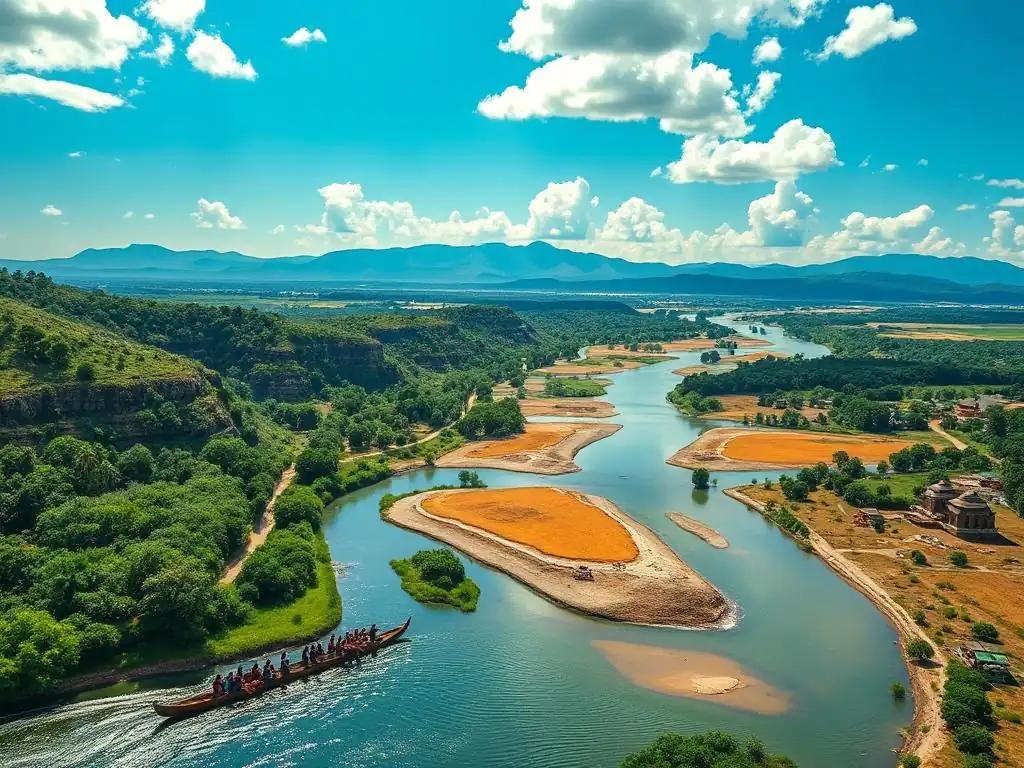
Welcome to Indigenous Civilizations of the Americas, where we invite you to journey into the rich tapestry of cultures that flourished long before European intervention. In this exploration, we shine a light on the intricate indigenous trade routes geography that not only connected communities but also fostered economic and cultural exchanges across vast landscapes. What secrets lie within the pathways that shaped their societies?
As you delve deeper into our featured article, "The Influence of Geography on Indigenous Trade Routes Across the Americas," you'll uncover the profound impact of geography on these vibrant civilizations. Prepare to be captivated by the stories of resilience, innovation, and the enduring legacy of indigenous peoples.
Geography played a pivotal role in shaping the indigenous trade routes across the Americas, influencing not only the movement of goods but also the interconnectivity of diverse cultures. This article delves into how the natural landscape, including mountains, rivers, and coastal regions, impacted trade networks among indigenous civilizations before European colonization. By understanding these geographical influences, we gain insight into the complexities of indigenous economies and the sophisticated systems they developed to facilitate commerce.
Understanding Indigenous Trade Routes Geography
Definition of Indigenous Trade Routes
Indigenous trade routes were intricate networks established by various native cultures across the Americas, facilitating the exchange of goods, ideas, and cultural practices. These routes were not merely paths but rather a reflection of the social, economic, and political relationships among different tribes and societies. Trade items varied widely and included:
- Crafts and Tools: Produced from local materials.
- Foodstuffs: Such as maize, beans, and fish, which were essential for sustenance.
- Textiles: Crafted from cotton or animal hides, showcasing artistic skill.
- Precious Materials: Such as obsidian, turquoise, and shells, often used for trade or ceremonial purposes.
Importance of Geography in Trade Networks
The geography of a region profoundly influenced the development of trade routes. Natural features dictated not only the direction and ease of travel but also the types of goods that could be exchanged. Key aspects include:
- Accessibility: Areas with easier terrain allowed for more extensive trade networks.
- Resource Availability: Regions rich in specific resources became trade hubs.
- Cultural Exchange: Geography facilitated interaction between diverse groups, leading to cultural enrichment and trade diversification.
Major Geographic Features Influencing Trade
Mountain Ranges and Their Impact on Trade
Mountain ranges, such as the Rockies and the Andes, presented both barriers and opportunities for trade. While they often hindered direct routes, they also created unique pathways and trade corridors:
- Passes and Valleys: Indigenous peoples developed specific passes to traverse these mountains, establishing trade routes that connected different cultural groups.
- Resource Distribution: Mountains were rich in minerals and other resources, leading to specialized trade in metals and stones.
Rivers and Waterways as Trade Highways
Rivers served as vital arteries for trade, allowing for the transport of goods over long distances. Major rivers like the Mississippi and the Amazon were crucial for:
- Transportation: Canoes and rafts utilized these waterways, facilitating movement and trade.
- Settlement Patterns: Many indigenous civilizations settled along rivers, creating bustling trade centers that leveraged access to waterborne commerce.
Coastal Regions and Maritime Trade Routes
Coastal regions significantly contributed to the development of maritime trade routes, enhancing the exchange of goods across vast distances. Key features include:
- Fishing and Marine Resources: Coastal communities traded fish and shellfish, creating a robust economy based on maritime resources.
- Navigation Skills: Indigenous peoples developed advanced navigation techniques, allowing them to travel and trade along coastlines effectively.
Through this exploration of the geography behind indigenous trade routes, we can appreciate the sophisticated networks that thrived across the Americas, reflecting both the ingenuity of the indigenous peoples and the significant role that geography played in their economic systems.
Regional Variations in Indigenous Trade Routes
Indigenous trade routes across the Americas were significantly influenced by geographic features, which shaped the movement of goods, ideas, and cultures. Each region developed unique trade networks that adapted to their specific environments, resources, and social structures. These variations highlight the ingenuity of indigenous peoples in navigating their landscapes and establishing connections that facilitated economic and cultural exchanges.
North America: Trade Routes in the Great Plains
The Great Plains of North America, characterized by vast grasslands and relatively few natural barriers, fostered extensive trade networks among various indigenous groups such as the Lakota, Cheyenne, and Pawnee. The primary trade goods included bison products, such as hides and meat, which were essential to the livelihoods of these societies.
- Trade Routes: The absence of physical obstacles allowed for long-distance travel. Major routes connected seasonal camps and trading posts, facilitating the exchange of goods between tribes and with neighboring regions.
- Cultural Exchange: These routes not only facilitated the movement of goods but also promoted cultural exchanges, including language, rituals, and technologies, which enriched the communities involved.
The geography of the Great Plains thus played a crucial role in shaping the social and economic dynamics of indigenous trade practices in the region.
Mesoamerica: Trade Dynamics in the Valley of Mexico
In Mesoamerica, particularly within the Valley of Mexico, trade routes were influenced by a complex mix of geographical features, including mountains, lakes, and rivers. This region was home to advanced civilizations like the Aztecs and the Maya, who established intricate trade networks that connected various urban centers.
- Trade Centers: Cities such as Tenochtitlan and Teotihuacan served as major hubs for trade, where merchants exchanged a wide variety of goods, including textiles, obsidian, and cacao.
- Transportation: The use of waterways, particularly canals and lakes, facilitated the movement of goods, while mountain passes were utilized for overland trade, allowing for a diverse range of trade routes to thrive.
The geographic layout of the Valley of Mexico not only dictated the types of goods traded but also influenced the political and social structures of the Mesoamerican societies, emphasizing the importance of geography in shaping indigenous trade dynamics.
South America: The Role of the Andes in Trade Networks
The Andes Mountains, running along the western edge of South America, created both challenges and opportunities for indigenous trade networks. Civilizations like the Inca developed sophisticated systems to navigate the mountainous terrain, which became integral to their trade practices.
- Inca Trade System: The Inca Empire established a vast network of roads and pathways that connected various regions, enabling efficient movement of goods such as textiles, ceramics, and agricultural products.
- Cultural Exchange: The trade routes across the Andes not only facilitated the exchange of goods but also allowed for the spread of cultural practices, technologies, and agricultural innovations among diverse populations.
The geography of the Andes thus served as both a barrier and a facilitator, shaping the economic landscape of indigenous trade networks in South America.
Indigenous Cultures and Their Trade Practices
Indigenous cultures across the Americas developed diverse trade practices that were deeply intertwined with their social, economic, and cultural frameworks. These practices were essential for community cohesion and the sustainability of their societies.
Trade Goods and Exchange Systems
Trade goods varied widely among indigenous cultures, reflecting the resources available in their respective environments. Common items exchanged included:
- Foodstuffs: Crops such as maize, beans, and squash were vital, especially in Mesoamerica.
- Crafts: Artifacts like pottery, textiles, and tools demonstrated the artisanship of different cultures.
- Raw Materials: Items like obsidian and salt were traded over long distances, highlighting the interconnectedness of various communities.
Exchange systems often involved bartering, where goods were traded directly without a formal currency, relying on mutual agreements and the perceived value of items.
Social and Economic Structures Behind Trade
The social and economic structures that underpinned indigenous trade routes were complex and varied across regions. Many societies had designated traders or merchant classes responsible for facilitating trade, which often played a pivotal role in their economies.
- Hierarchy and Roles: In some cultures, trade was a means of establishing social status; successful traders could gain prestige and influence within their communities.
- Reciprocity and Relationships: Trade relationships were often built on principles of reciprocity, where exchanges fostered alliances and strengthened social ties.
These social dynamics reflect the integral role of trade in maintaining community relationships and economic stability among indigenous cultures.
Cultural Significance of Trade Routes
Trade routes held significant cultural importance for indigenous societies, serving as channels for not only economic exchange but also cultural transmission.
- Cultural Identity: The movement of goods often accompanied the exchange of ideas, beliefs, and traditions, allowing different cultures to influence one another.
- Rituals and Ceremonies: Many trade activities were intertwined with religious and ceremonial practices, highlighting the spiritual dimensions of trade.
Thus, indigenous trade routes were not merely economic pathways but also vital conduits for cultural exchange, reinforcing the connections among diverse societies across the Americas.
The Interconnection of Geography and Trade
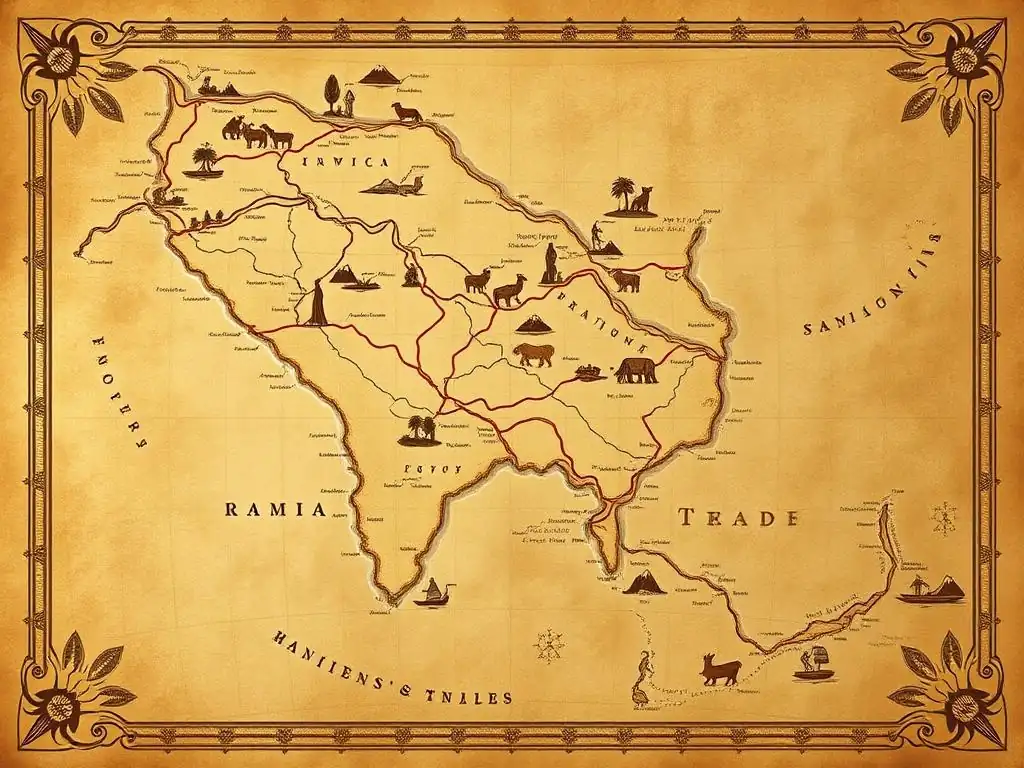
Geography played a pivotal role in shaping indigenous trade routes across the Americas, influencing not only the locations of trade hubs but also the types of goods exchanged. The diverse landscapes of mountains, rivers, plains, and forests acted as both facilitators and barriers to trade, creating a complex web of interactions among various indigenous cultures. For instance, the availability of natural resources such as minerals, timber, and fertile land determined the economic activities of different regions, leading to the establishment of trade networks that connected distant communities.
Indigenous groups often developed trade routes that maximized their access to resources while navigating the challenges posed by their environment. The intricate knowledge of local geography allowed these societies to exploit trade opportunities effectively, adapting their methods to suit the terrain. As a result, trade routes became vital arteries of cultural exchange, facilitating not only the movement of goods but also ideas, technologies, and social practices that enriched indigenous civilizations.
Geographic Barriers and Trade Limitations
While geography enabled trade, it also posed significant challenges. Geographic barriers such as mountains, deserts, and large bodies of water often restricted movement and limited access to certain areas. For example, the Andes mountain range created formidable obstacles for the Inca Empire, leading to the development of specialized trade routes that adapted to the rugged terrain. Similarly, the vast deserts of the American Southwest posed challenges for the Pueblo peoples, who had to establish trade networks carefully calibrated to the available water sources and travel capacities.
In regions with harsh climates or difficult terrain, trade routes were often less direct, requiring indigenous traders to develop innovative solutions such as seasonal trading patterns, caravans, and the use of natural landmarks for navigation. These limitations pushed indigenous groups to be resourceful, often leading to the establishment of trade agreements and alliances that facilitated commerce despite geographic challenges.
Adaptation of Indigenous Peoples to Geographic Challenges
Indigenous peoples showcased remarkable adaptability to the geographic challenges they faced. They developed various transportation methods suited to their environments, such as canoes for riverine trade, llamas for high-altitude transport in the Andes, and pack animals in the plains. This adaptability allowed them to maintain robust trade networks despite the inherent difficulties posed by their geography.
Furthermore, indigenous groups often engaged in environmental stewardship, managing local resources to ensure sustainable trade practices. This included careful monitoring of game populations, the cultivation of specific crops for trade, and the construction of irrigation systems to facilitate agriculture in arid climates. Their deep understanding of the land, coupled with traditional ecological knowledge, enabled them to thrive in diverse environments and establish enduring trade relationships.
Case Studies: Successful Trade Routes and Their Geography
Several indigenous trade routes exemplify the successful integration of geography into trade practices.
- The Inca Road System: The Inca Empire established an extensive network of roads and trails that traversed the Andes mountains. This system connected major cities, facilitated the movement of goods, and allowed for efficient communication across vast distances. The road system was notable for its adaptability to the elevation changes and rugged terrain of the Andes.
- The Great Lakes Trade Network: Indigenous peoples around the Great Lakes utilized waterways for transport and trade, creating routes that interconnected various tribes. The rich natural resources in this area led to a flourishing trade in goods such as furs, fish, and agricultural products, greatly influenced by the seasonal cycles of the lakes.
- The Mississippi River Trade Routes: The Mississippi River served as a major trade artery for numerous indigenous cultures, including the Mississippians. Villages and cities developed along its banks, allowing for the exchange of goods like pottery, textiles, and agricultural products. The river's seasonal flooding also enriched the surrounding land, enhancing agricultural productivity and trade.
The Lasting Impact of Indigenous Trade Routes
The trade routes established by indigenous peoples have left a lasting legacy that extends into contemporary societies. These routes not only facilitated the exchange of goods but also fostered cultural connections that endure today.
Legacy of Trade Routes in Modern Indigenous Economies
Many modern indigenous communities continue to engage in trade practices that reflect their historical trade routes, adapting them to contemporary markets. The revitalization of traditional crafts and practices has led to the establishment of economic opportunities that honor ancestral knowledge while providing income. This legacy of trade serves as a foundation for community resilience and cultural identity.
Influence on Contemporary Trade Practices
Indigenous trade routes have influenced contemporary trade practices by highlighting the importance of localized economies and sustainable practices. As modern societies increasingly recognize the value of indigenous knowledge in resource management, there has been a growing movement towards integrating these practices within broader economic frameworks. The emphasis on sustainable sourcing and ethical trading reflects principles that have long been part of indigenous trade practices.
Preservation of Trade Knowledge and Indigenous Heritage
Efforts to preserve indigenous trade knowledge are critical for maintaining cultural heritage. Many indigenous communities actively document and share traditional practices related to trade, including the production of traditional goods, the use of natural resources, and the oral histories associated with trade routes. Educational programs and cultural initiatives aim to keep this knowledge alive, ensuring that future generations understand and appreciate the significance of their ancestors' trade practices in shaping their identities and economies.
By valuing and preserving these trade legacies, indigenous communities are not only safeguarding their heritage but also contributing to the broader understanding of trade and cultural exchange in the Americas.
Conclusion
The exploration of indigenous trade routes across the Americas reveals a complex interplay between geography and economic systems that shaped the lives of pre-Columbian societies. Geography played a pivotal role in determining how these societies interacted, traded, and thrived before European contact. The diverse terrains, from mountainous regions to river valleys, dictated the types of goods exchanged, the routes taken, and the relationships built among different indigenous groups.
By understanding the influence of geography on indigenous trade routes, we gain valuable insights into the cultural and economic exchanges that existed long before colonization. This knowledge not only enriches our understanding of the past but also highlights the sophistication and adaptability of indigenous civilizations in navigating their environments for trade.
Summary of Geographic Influences on Trade
The geography of the Americas significantly influenced the development of indigenous trade routes in several ways:
- Natural Barriers and Corridors: The Andes Mountains in South America created natural barriers that influenced trade routes between coastal and inland civilizations. Similarly, the Mississippi River served as a critical corridor for trade among various tribes in North America.
- Resource Distribution: Different regions were rich in unique resources, such as obsidian in the highlands of Mesoamerica or shells along coastal areas. This led to trade networks that allowed for the exchange of goods not locally available, promoting interdependence among various cultures.
- Climate Variability: Changes in climate, such as droughts or floods, affected agricultural production and, consequently, trade. Societies adapted their trade routes according to these environmental factors, ensuring access to essential goods for survival.
- Cultural Exchange: Geographic proximity facilitated cultural exchanges, where trade routes became conduits for ideas, technologies, and social practices, enhancing the interconnectedness of indigenous societies.
The interplay of these geographic factors created a dynamic landscape of trade that was essential for the economic and cultural development of indigenous civilizations across the Americas.
The Importance of Understanding Indigenous Trade Routes Geography
Understanding the geography of indigenous trade routes is crucial for several reasons:
- Cultural Heritage: It illuminates the rich cultural heritage of indigenous peoples, showcasing how geography shaped their identities, economies, and social structures. Recognizing these factors fosters respect for their historical narratives and contributions.
- Economic Insights: Analyzing trade routes provides insights into the economic practices of indigenous societies, revealing how they adapted to their environments and managed resources sustainably. This knowledge can inform contemporary discussions on resource management and trade.
- Historical Context: A geographic perspective on trade routes allows for a deeper historical context regarding the impacts of European colonization. Understanding precolonial trade networks can help contextualize the disruptions caused by colonizers and the resilience of indigenous communities.
- Preservation of Knowledge: By studying these trade routes, we contribute to the preservation of indigenous knowledge systems and ensure that their historical significance is recognized and honored in both academic and public discourse.
An examination of indigenous trade routes through the lens of geography reveals the intricate connections between environment, culture, and economy, underscoring the sophistication and adaptability of indigenous civilizations prior to European contact.
- Understanding Indigenous Trade Routes Geography
- Major Geographic Features Influencing Trade
- Regional Variations in Indigenous Trade Routes
- Indigenous Cultures and Their Trade Practices
- The Interconnection of Geography and Trade
- The Lasting Impact of Indigenous Trade Routes
- Conclusion
Frequently Asked Questions
What are Indigenous trade routes?
Indigenous trade routes refer to the networks established by various Native American cultures for the exchange of goods, ideas, and resources, significantly influenced by the geographical features of the land.
How did geography shape these trade routes?
Geography played a critical role in determining the locations of trade routes, as natural barriers like mountains and rivers influenced the movement of people and goods, creating strategic pathways for trade.
What types of goods were commonly traded along these routes?
Indigenous groups traded a variety of goods, including food items, tools, and decorative arts. The availability of resources in different regions led to a diverse exchange of products.
Did all Indigenous cultures have the same trade routes?
No, each Indigenous culture developed its own unique trade routes based on local geography, resources, and social connections, resulting in a rich tapestry of trading practices across the Americas.
What lasting impacts did these trade routes have?
The trade routes facilitated not only the exchange of goods but also cultural interactions, leading to the spread of ideas and technologies that shaped the development of Indigenous societies long after European contact.
Final Reflection: The Enduring Legacy of Indigenous Trade Routes
The intricate relationship between geography and Indigenous trade routes across the Americas remains profoundly relevant today, illustrating how the natural landscape shapes economic and cultural exchanges. As we navigate a world increasingly defined by globalization, understanding the historical significance of these routes offers invaluable insights into the resilience and adaptability of Indigenous communities, reminding us that trade is not merely a transaction but a bridge connecting diverse cultures and ecosystems.
The impact of Indigenous trade routes is not confined to the past; it continues to resonate within contemporary society, influencing our cultural narratives and economic practices. These routes were not just pathways for goods but conduits for knowledge, fostering relationships that transcended geographical barriers. As noted by historian Charles Mann, “The Americas were not a blank slate; they were a tapestry of cultures, each interwoven with trade and connection.” This observation underscores the importance of recognizing the historical depth and complexity of Indigenous trade systems, which have laid the groundwork for modern commerce and cultural exchange.
As we reflect on the lessons of Indigenous trade routes, let us consider how we can apply this understanding in our own lives. I invite you to explore the connections between your community and the broader world, recognizing the value of collaboration and mutual respect in fostering sustainable relationships. By honoring the legacy of Indigenous trade routes and their geography, we can cultivate a more inclusive and interconnected future, one that celebrates diversity and promotes understanding across cultures.
Uncover Your Path to Indigenous Trade Knowledge!
Thank you for diving into our exploration of how geography shaped the trade routes of Indigenous civilizations across the Americas! You've uncovered valuable insights into the intricate connections between land and commerce. Now, let's take the next step to deepen your understanding and appreciation of this rich history.
Here are a few actionable ways you can engage with this topic further:
- Dive Deeper: Explore maps of Indigenous trade routes to visualize the intricate networks they created. **Visit local museums or online resources** that specialize in Indigenous history.
- Join the Conversation: Share your thoughts about the enduring impacts of these trade routes on contemporary Indigenous communities. **Engage on social media or join forums** that focus on Indigenous culture and history.
- Educate Others: Host a small gathering or discussion group to talk about what you’ve learned. **Consider compiling interesting facts or stories** to share with friends or in your community.
What aspect of Indigenous trade routes do you find most fascinating, and how do you think geography continues to influence trade today?