
The Role of Astronomy in the Rise and Fall of Mesoamerican Civilizations

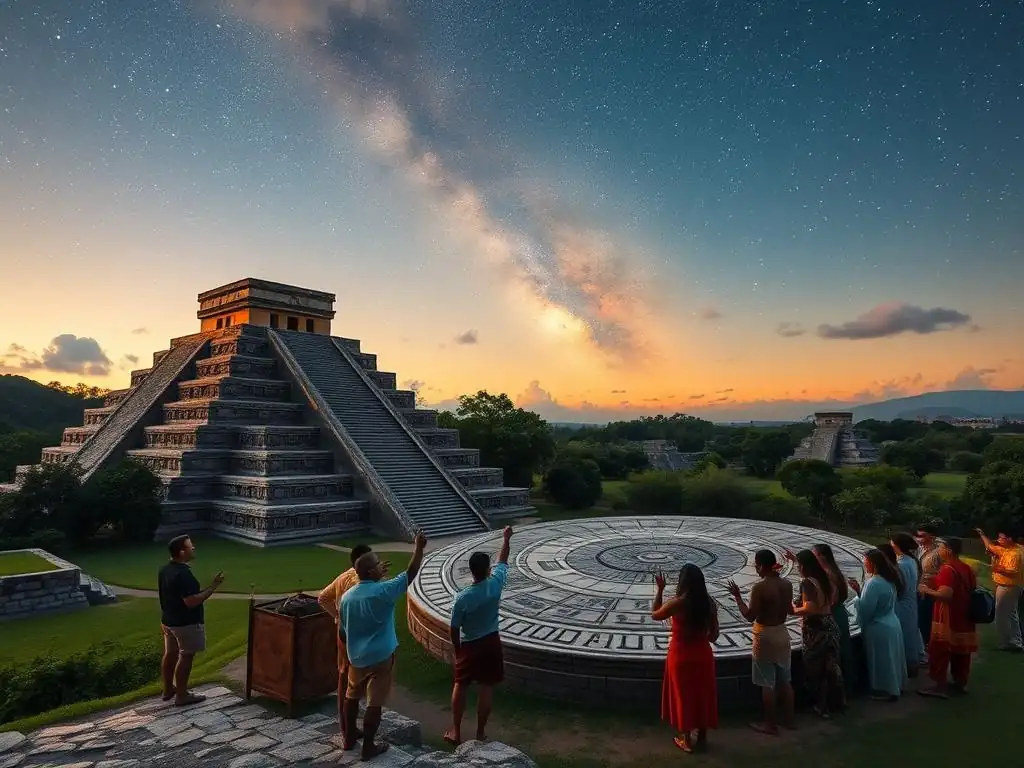
Welcome to Indigenous Civilizations of the Americas, where we invite you to journey through the rich tapestry of indigenous cultures that flourished long before European arrival. In our featured article, “The Role of Astronomy in the Rise and Fall of Mesoamerican Civilizations,” we delve into the profound connection between celestial observations and the evolution of these remarkable societies. Discover how the stars not only guided ancient navigators but also shaped the very fabric of their civilizations.
Join us as we uncover the remarkable achievements that arose from this cosmic relationship and its lasting impact on the world today. Your exploration begins now!
The civilizations of Mesoamerica, including the Maya, Aztecs, and Olmecs, were not only remarkable for their architectural achievements and rich cultural traditions but also for their sophisticated understanding of astronomy. This article explores the integral role that astronomy played in shaping these advanced societies, influencing everything from agricultural practices to religious rituals.
By examining the ways in which celestial observations informed the daily lives and governance of these civilizations, we can gain insight into how their astronomical knowledge both contributed to their rise and, ultimately, their decline. In this exploration, we will uncover the profound connections between Mesoamerican astronomy and the broader tapestry of cultural and societal development.
Introduction to Mesoamerican Astronomy and Civilizations
Mesoamerican astronomy encompasses the complex systems of knowledge and practices related to celestial bodies developed by the indigenous peoples of the region. These civilizations, thriving long before European contact, utilized their astronomical expertise to create calendars, predict seasonal changes, and develop ceremonial cycles. The significance of such knowledge cannot be overstated; it was deeply embedded in their cultural identity and daily life.
Mesoamerican civilizations were characterized by their elaborate social structures, artistic achievements, and monumental architecture, all of which were often aligned with astronomical events. For instance, the construction of pyramids and observatories was frequently influenced by celestial alignments, reflecting a deep-seated reverence for the cosmos. The Maya calendar, one of the most sophisticated systems in the ancient world, exemplifies how astronomy was woven into the fabric of their society, influencing agriculture, trade, and religious observances.
The Significance of Astronomy in Mesoamerican Cultures
The significance of astronomy in Mesoamerican cultures goes beyond mere observation; it served as a foundational element in their understanding of the world. The following aspects highlight its importance:
- Calendrical Systems: Mesoamerican civilizations developed intricate calendars based on astronomical cycles, such as the solar year and the lunar month. These calendars were vital for agricultural planning, allowing societies to optimize planting and harvesting times.
- Religious Practices: Celestial events, such as solstices and eclipses, were imbued with spiritual meaning, often interpreted as omens or messages from the gods. Rituals and ceremonies were meticulously scheduled to coincide with these astronomical phenomena.
- Political Authority: Leaders often claimed divine legitimacy through their knowledge of celestial cycles, using astronomical predictions to enhance their power and control over the populace.
Understanding the Cosmos: Mesoamerican Worldview
The Mesoamerican worldview was deeply intertwined with their observations of the cosmos. They perceived the universe as a dynamic system where celestial bodies influenced earthly events. This belief instilled a sense of order and predictability within their societies, as they sought to align their activities with the rhythms of the universe.
Key elements of their cosmic understanding include:
- Duality of Existence: Many Mesoamerican cultures viewed the cosmos as a balance of opposing forces, such as light and darkness, life and death. This duality was reflected in their myths and rituals, which often sought harmony between these forces.
- Symbolism of Celestial Bodies: Each planet and star held specific meanings and associations. For example, the planet Venus was often linked with warfare and was a significant marker in their calendars.
- Cyclical Time: Mesoamericans believed in a cyclical concept of time, where events would recur in patterns influenced by celestial movements. This perspective shaped their historical narratives and cultural practices.
The Influence of Celestial Events on Daily Life
Celestial events had profound implications for the daily lives of Mesoamerican peoples. The following points illustrate how astronomy shaped their existence:
- Agricultural Practices: Farmers relied on astronomical observations to determine the best times for planting and harvesting crops. The alignment of stars and the position of the sun dictated agricultural cycles, ensuring food security.
- Social Organization: Communities organized their calendars around celestial events, fostering a sense of unity and shared purpose. Festivals and communal activities were often timed to coincide with astronomical phenomena.
- Navigation and Trade: Astronomical knowledge aided in navigation, particularly for seafaring cultures like the Maya. Traders utilized celestial cues to guide their journeys, enhancing commerce and cultural exchange.
Mesoamerican astronomy was not merely a scientific pursuit; it was a vital aspect of their civilization that influenced every facet of life. Understanding this connection provides a deeper appreciation of the achievements and complexities of these remarkable cultures.
Major Mesoamerican Civilizations and Their Astronomical Practices
Mesoamerican civilizations, renowned for their remarkable achievements and societal complexities, placed a profound emphasis on astronomy. Their understanding of celestial bodies was not merely for navigation or timekeeping; it intertwined deeply with their religious beliefs, agricultural practices, and social structures. The major civilizations, including the Maya, Aztec, and Olmec, each developed unique astronomical practices that reflected their cultural priorities and environmental contexts.
The Maya civilization, with its intricate calendar systems and astronomical observatories, is often heralded for its detailed astronomical computations. The Aztecs, on the other hand, integrated astronomy into their religious rituals and societal governance. Meanwhile, the Olmecs, considered the "mother civilization" of Mesoamerica, laid foundational astronomical principles that influenced subsequent cultures. Together, these societies created a rich tapestry of astronomical knowledge that played a crucial role in their rise and fall.
The Maya Civilization and Its Advanced Astronomical Knowledge
The Maya civilization, flourishing from approximately 2000 BCE to 1500 CE, is perhaps the most recognized Mesoamerican culture for its astronomical prowess. Their understanding of the cosmos was sophisticated and highly integrated into their daily lives. The Maya developed a complex calendar system that included the Tzolk'in (a 260-day sacred calendar) and the Haab' (a 365-day solar calendar), allowing them to mark time with remarkable accuracy.
Maya astronomers meticulously observed celestial events, such as solstices, eclipses, and planetary movements, recording their findings in codices like the Dresden Codex, which contains detailed astronomical tables. They constructed observatories, such as the one at Uxmal, where they aligned structures with solar and lunar phenomena. This scientific approach to astronomy was not just theoretical; it had practical applications in agriculture and ceremonial life, guiding planting and harvesting cycles, as well as religious observances.
The Aztec Civilization: Astronomy and Rituals
The Aztec civilization, which thrived from the 14th to the 16th century, also demonstrated a deep understanding of astronomy, albeit with a distinct focus on its ritualistic and practical applications. The Aztecs viewed celestial bodies as divine entities, and their movements were intricately linked to their mythology and religious practices.
Central to Aztec astronomy was the Tonalpohualli, a 260-day calendar used for divination and rituals. The Aztecs built temples, such as the Great Temple of Tenochtitlan, which were strategically aligned with the positions of the sun during solstices and equinoxes. These alignments played a crucial role in their agricultural cycles and were essential for festivals that honored their gods, such as the ceremonies during the arrival of the new year. The Aztecs also kept detailed records of celestial events, which were essential for their priests to perform rituals aimed at ensuring cosmic balance and agricultural success.
The Olmec Contributions to Astronomical Understanding
The Olmec civilization, considered the earliest major civilization in Mesoamerica (c. 1200 to 400 BCE), laid the groundwork for astronomical understanding that would later be expanded by the Maya and Aztecs. While less is known about their specific astronomical practices due to limited surviving records, evidence suggests that the Olmecs had a keen interest in celestial phenomena.
Archaeological findings, including the La Venta and San Lorenzo sites, indicate that the Olmecs constructed monumental structures that may have been oriented towards significant astronomical events. Their art, particularly the colossal heads and jade figurines, often featured motifs that suggest an awareness of celestial cycles. The Olmec's emphasis on the connection between the heavens and the earth influenced later Mesoamerican civilizations, setting the stage for advancements in astronomical observation and calendrical systems.
Key Astronomical Achievements of Mesoamerican Societies
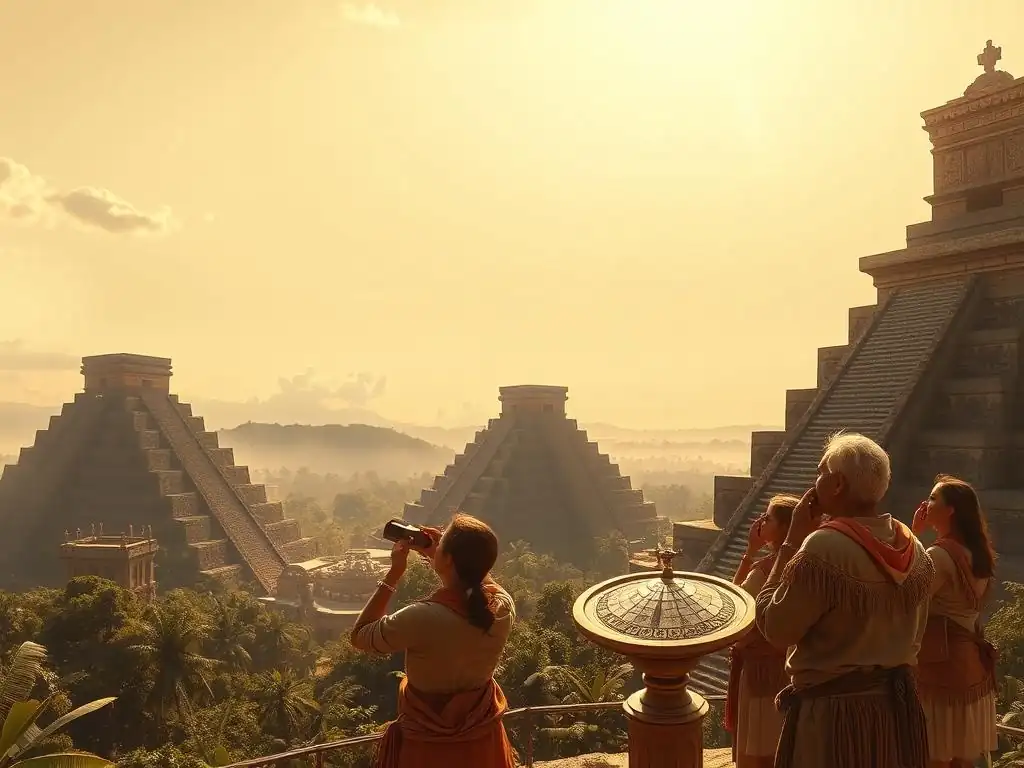
Mesoamerican societies achieved remarkable astronomical advancements that reflected their sophisticated understanding of the cosmos. These achievements were not isolated; they were interlinked with their agricultural practices, religious beliefs, and societal governance, showcasing a holistic approach to knowledge that remains influential to this day.
Calendar Systems: The Tzolk'in and Haab'
One of the most significant astronomical achievements of Mesoamerican civilizations is the development of intricate calendar systems, notably the Tzolk'in and Haab'.
- Tzolk'in: This 260-day calendar was composed of 13 cycles of 20 named days. It was primarily utilized for ceremonial purposes and divination, linking spiritual events to specific days.
- Haab': In contrast, the Haab' was a solar calendar comprising 18 months of 20 days each, plus an additional short month of 5 days, totaling 365 days. This calendar was crucial for agricultural planning and civil administration.
The synchronization and interaction of these two calendars showcased the Mesoamericans' advanced understanding of celestial cycles and their impact on earthly life.
Observatories and Structures Aligned with Celestial Events
Mesoamerican astronomers constructed various observatories and monumental structures designed to align with celestial events. These sites served as crucial points for observation and ritual.
- Observatories: Notable observatories like those in Uxmal and Chichen Itza allowed astronomers to track celestial bodies with precision. The Caracol at Chichen Itza is particularly famous for its circular design, which facilitated the observation of celestial movements.
- Aligned Structures: Temples and pyramids were often oriented to capture sunlight during solstices and equinoxes, marking significant agricultural and ceremonial periods. The Great Pyramid of Tenochtitlan exemplifies this alignment, reflecting the Aztecs' cosmological beliefs.
These structures demonstrated the integration of astronomy into architecture, emphasizing the importance of celestial events in the social and spiritual life of Mesoamerican peoples.
Astronomical Records: Codices and Stone Inscriptions
Mesoamerican civilizations maintained detailed records of astronomical observations through codices and stone inscriptions.
- Codices: The Dresden Codex is one of the most well-known examples, containing intricate astronomical tables that detail lunar cycles, planetary movements, and eclipse predictions. Such records were essential for agricultural planning and religious ceremonies.
- Stone Inscriptions: Monumental inscriptions, such as those found at Copán and Palenque, often included astronomical references, showcasing the importance of celestial events in their political narratives and religious texts.
These records highlight the sophisticated knowledge systems of Mesoamerican societies, revealing how they understood and recorded the cosmos' complexities.
The Role of Astronomy in Agricultural Practices
Mesoamerican civilizations, such as the Maya and the Aztecs, placed great importance on astronomy in their agricultural practices. They meticulously observed celestial bodies to establish a calendar system that helped them track seasonal changes and optimize their farming activities. This integration of astronomy into agriculture allowed these societies to enhance their crop yields and ensure food security, which was essential for their survival and growth.
The sophisticated understanding of the movements of the sun, moon, and stars enabled these civilizations to predict weather patterns and seasonal shifts, informing when to plant and harvest various crops. For example, the Maya utilized a complex calendar known as the Tzolk'in, which consisted of 260 days and was closely aligned with agricultural cycles. This interdependence between astronomy and agriculture not only bolstered their economy but also strengthened their cultural identity.
Seasonal Cycles and Agricultural Planning
Mesoamerican cultures recognized that the cycles of the sun and moon directly influenced agricultural productivity. They developed calendars that marked the solstices and equinoxes, which were vital for determining planting and harvesting times. The solar cycle, in particular, dictated the agricultural calendar, with the summer solstice indicating the beginning of the rainy season, crucial for crop irrigation.
By aligning their agricultural activities with these celestial events, Mesoamerican societies could maximize their harvests. For instance, maize, a staple crop, was planted in synchronization with these seasonal indicators, allowing for optimal growth conditions. The success of their agricultural practices was tied directly to their astronomical knowledge, illustrating a profound relationship between the cosmos and daily life.
Rituals Tied to Celestial Events and Crop Success
In Mesoamerican cultures, celestial events were often intertwined with agricultural rituals. Communities held ceremonies to honor deities associated with agricultural success, such as Tlaloc, the rain god. These rituals were timed to coincide with significant astronomical events, like solstices and eclipses, reinforcing the belief that the gods controlled the weather and, by extension, crop yields.
These practices not only reflected their understanding of astronomy but also established a social cohesion as communities gathered to partake in these events. The rituals often included offerings and sacrifices, aimed at ensuring favorable conditions for crops. The intertwining of astronomy and ritualistic practices underlines the significance of celestial phenomena in maintaining agricultural productivity and societal stability.
The Decline of Mesoamerican Civilizations and Astronomical Factors
The decline of Mesoamerican civilizations was influenced by various factors, including environmental changes and socio-political dynamics. As these civilizations faced challenges, their astronomical knowledge and practices also experienced shifts, affecting their agricultural productivity and cultural cohesion.
Environmental Changes and Their Impact on Astronomy
Environmental factors, such as prolonged droughts or shifts in climate, had a significant impact on Mesoamerican societies. These changes disrupted the agricultural cycles that were heavily reliant on astronomical observations. For instance, a significant drought would lead to crop failures, diminishing the population’s reliance on their sophisticated agricultural calendars.
As resources became scarce, the focus on astronomical practices may have diminished, leading to a breakdown in the cultural significance of celestial observations. The inability to predict or adapt to environmental changes compromised the stability and sustainability of these civilizations, contributing to their eventual decline.
The Role of Warfare and Political Turmoil on Astronomical Knowledge
Political instability and warfare also played a crucial role in the decline of Mesoamerican civilizations, impacting their astronomical knowledge and practices. As rival factions engaged in conflict, the focus shifted from scholarly pursuits and agricultural planning to survival and defense. This turmoil led to the destruction of key sites and the loss of astronomical texts and knowledge.
Moreover, the disruption of trade networks, which facilitated the exchange of ideas and knowledge, further isolated these societies. The decline in collective astronomical understanding resulted in a diminished capacity to effectively manage agricultural practices, exacerbating the challenges posed by environmental changes.
Cultural Shifts and the Loss of Astronomical Traditions
As Mesoamerican civilizations faced decline, cultural shifts began to erode the significance of their astronomical traditions. The introduction of new ideologies and religions, especially during the period of European colonization, led to a re-evaluation of existing beliefs and practices. Traditional astronomical knowledge, once central to agricultural and societal frameworks, became less relevant.
This cultural transformation resulted in a loss of continuity in astronomical practices, as younger generations turned away from the teachings of their ancestors. The decline in ritualistic observances tied to celestial events further exemplified this loss, marking a significant shift in the relationship between Mesoamerican societies and the cosmos. The fading of these traditions ultimately contributed to the broader decline of Mesoamerican civilizations, severing a vital connection that had once sustained their agricultural and cultural success.
Conclusion: The Legacy of Mesoamerican Astronomy in Contemporary Society
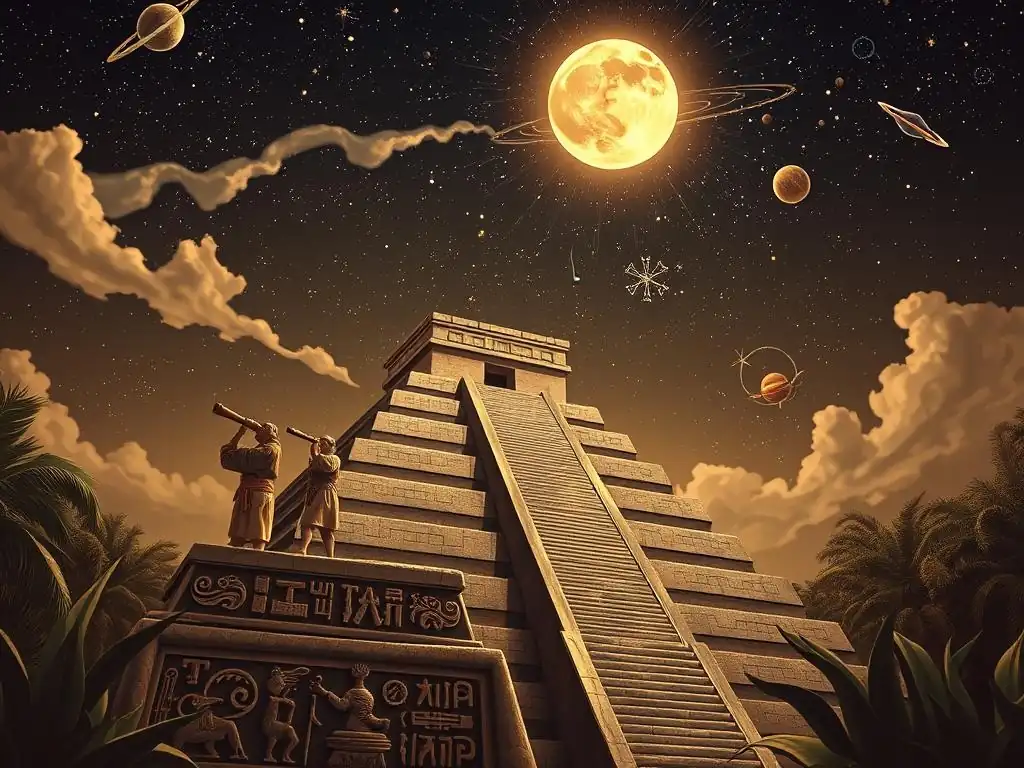
The legacy of Mesoamerican astronomy resonates profoundly within contemporary society, reflecting the ingenuity and sophistication of ancient civilizations. The astronomical practices and celestial observations of the Maya, Aztec, and other cultures not only contributed to their calendars and agricultural practices but also shaped their religious beliefs and societal structures. Today, the fascination with Mesoamerican astronomy continues to inspire scholars, enthusiasts, and indigenous communities alike, reminding us of the intricate relationship between humanity and the cosmos.
One notable aspect of this legacy is the ongoing interest in the alignment of ancient structures with celestial events. Archaeological findings have revealed that many Mesoamerican sites—such as the pyramids of Teotihuacan and Chichen Itza—were meticulously constructed to align with solar and lunar cycles. This precise architectural design underscores the importance of astronomy in daily life and governance, illustrating how celestial events dictated agricultural cycles, religious ceremonies, and social organization. As modern astronomers and archaeologists study these alignments, they contribute to a deeper understanding of how ancient peoples interacted with their environment.
Continuing Influence of Mesoamerican Astronomical Practices
Mesoamerican astronomical practices continue to influence contemporary culture in various ways. For instance, indigenous communities in Mexico and Central America still observe traditional calendar systems that reflect ancient astronomical knowledge. These calendars, based on solar and lunar cycles, guide agricultural practices, ceremonial events, and community gatherings, ensuring that ancient wisdom is preserved and utilized in modern contexts.
Moreover, the resurgence of interest in indigenous knowledge has fostered a greater appreciation for Mesoamerican astronomy in educational settings. Programs that integrate traditional astronomical knowledge into curriculums help bridge the gap between ancient and modern understandings of the cosmos. This not only enriches scientific education but also promotes respect for indigenous cultures and their contributions to the field of astronomy.
In popular culture, the influence of Mesoamerican astronomy can be seen in literature, art, and film, where themes related to the cosmos and indigenous cosmologies are increasingly recognized. This ongoing dialogue highlights the relevance of Mesoamerican astronomical practices in addressing contemporary issues related to identity, sustainability, and environmental stewardship.
The Importance of Preserving Indigenous Knowledge and Traditions
Preserving indigenous knowledge and traditions is crucial for maintaining the cultural heritage of Mesoamerican civilizations. As modern society becomes increasingly disconnected from the natural world, the teachings of ancient astronomers offer valuable insights into sustainable practices and holistic understandings of the universe. Efforts to document and revitalize these traditions are essential not only for the communities themselves but also for the global society that can learn from their wisdom.
Engaging with indigenous communities to record oral histories, astronomical practices, and cosmological beliefs fosters a sense of identity and pride among younger generations. These initiatives often involve collaboration between indigenous elders and academic researchers, ensuring that knowledge is passed down authentically and respectfully. The integration of indigenous perspectives into contemporary discussions about science and the environment enriches dialogue and promotes diverse viewpoints.
Furthermore, the recognition of the importance of indigenous knowledge is increasingly acknowledged in global discussions about climate change and biodiversity. The astronomical insights of Mesoamerican civilizations, which emphasize the interconnectedness of all life and the cycles of nature, can inform modern approaches to sustainability. By valuing and preserving this knowledge, we honor the past while paving the way for a more inclusive and holistic understanding of our place in the cosmos.
- Introduction to Mesoamerican Astronomy and Civilizations
- The Significance of Astronomy in Mesoamerican Cultures
- Major Mesoamerican Civilizations and Their Astronomical Practices
- Key Astronomical Achievements of Mesoamerican Societies
- The Role of Astronomy in Agricultural Practices
- The Decline of Mesoamerican Civilizations and Astronomical Factors
- Conclusion: The Legacy of Mesoamerican Astronomy in Contemporary Society
- Continuing Influence of Mesoamerican Astronomical Practices
- The Importance of Preserving Indigenous Knowledge and Traditions
- What role did astronomy play in Mesoamerican civilizations?
- How did Mesoamerican cultures utilize astronomical observations?
- What were some significant astronomical achievements of Mesoamerican civilizations?
- How did the decline of these civilizations relate to their astronomical practices?
- Are there modern implications of studying Mesoamerican astronomy?
Frequently Asked Questions
What role did astronomy play in Mesoamerican civilizations?
Astronomy was integral to Mesoamerican civilizations, guiding agricultural practices, religious rituals, and societal organization, allowing them to develop a sophisticated calendar system.
How did Mesoamerican cultures utilize astronomical observations?
Cultures like the Maya and Aztecs used astronomical observations to predict celestial events, which helped in agriculture, navigation, and scheduling important ceremonies.
What were some significant astronomical achievements of Mesoamerican civilizations?
Mesoamerican civilizations developed remarkable astronomical achievements, including precise calendars, the discovery of the heliocentric model, and the construction of observatories like El Caracol at Chichen Itza.
How did the decline of these civilizations relate to their astronomical practices?
The decline often coincided with disruptions in astronomical practices, leading to poor agricultural outcomes and social unrest, as the timing of planting and festivals was crucial for their survival.
Are there modern implications of studying Mesoamerican astronomy?
Yes, understanding Mesoamerican astronomy provides insight into the cultural heritage of indigenous peoples and helps us appreciate their contributions to science and human understanding of the cosmos.
Final Reflection: The Cosmic Dance of Mesoamerican Civilizations
The intricate relationship between Mesoamerican astronomy and civilizations is not just a relic of the past; it is a profound reminder of how the cosmos has shaped human existence. Today, as we navigate the complexities of our modern world, the astronomical insights of ancient cultures continue to resonate, urging us to look beyond our immediate surroundings and recognize the interconnectedness of all things. The celestial observations that once guided the agricultural cycles and religious practices of the Mesoamericans serve as a testament to the enduring influence of the stars on human life.
Mesoamerican astronomy was not merely a scientific endeavor; it was a cultural cornerstone that influenced art, architecture, and societal organization. The legacy of these civilizations teaches us about the importance of understanding our environment and the cosmos. As the renowned astronomer Carl Sagan once said, "> We are made of star-stuff. We are a way for the universe to know itself." This profound connection between humanity and the universe underscores the relevance of ancient astronomical practices in our quest for knowledge and identity today.
As we reflect on the lessons from Mesoamerican civilizations, let us embrace the call to explore our own place within the cosmos. Consider how the wisdom of the past can inspire our future actions—whether it be in fostering a deeper appreciation for science, promoting cultural heritage, or advocating for sustainable practices that honor our planet. Take a moment to gaze at the stars and ponder your connection to the universe; in doing so, you may find a renewed sense of purpose and a commitment to carrying forward the legacy of those who once looked to the heavens for guidance.
Unveil the Stars and Shape Your Legacy
Thank you for taking the time to explore the fascinating interplay between astronomy and Mesoamerican civilizations! You've uncovered the profound influence of the cosmos on culture, navigation, and historical progress. Now, it's your opportunity to delve deeper and contribute to the ongoing dialogue about our celestial heritage.
Here are some empowering ways to take action:
- Join a local astronomy club or online community to connect with like-minded individuals and expand your knowledge of the universe.
- Visit a planetarium or observatory to experience the wonders of the night sky and engage in discussions about how ancient civilizations interpreted celestial patterns.
- Share your discoveries with friends on social media, using your newfound perspective to spark curiosity and encourage collective exploration of our shared historical connections to the stars.
As you reflect on this journey, consider: How can understanding celestial phenomena influence your view of modern life and humanity's path forward?