
Rituals and Ceremonies: Unveiling the Spiritual Life of Cahokia

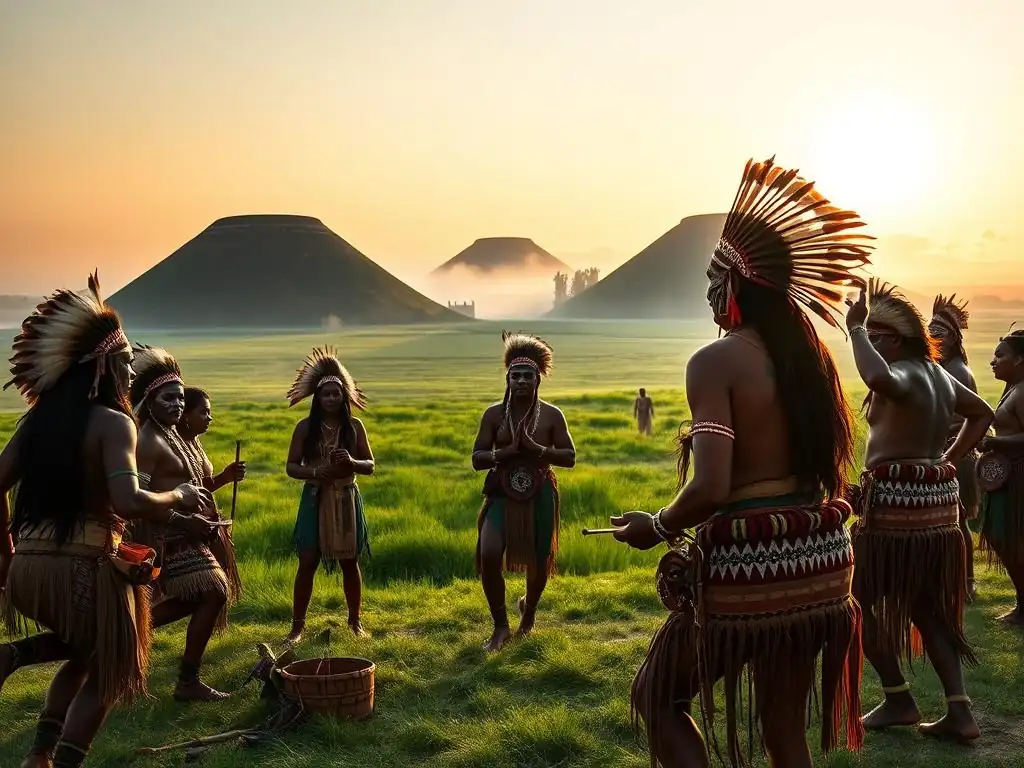
Welcome to Indigenous Civilizations of the Americas, where we invite you to embark on a fascinating journey through the rich tapestry of indigenous cultures that flourished long before European contact. In this exploration, we delve into the vibrant Cahokia indigenous rituals and ceremonies, uncovering the profound spiritual practices that shaped their society and continue to resonate through history. What secrets do these rituals hold about the beliefs and values of the Cahokian people?
As you navigate through our site, prepare to be inspired by their remarkable achievements and the enduring legacy they left behind. Dive deeper into the heart of Cahokia culture and discover the spiritual life that once thrived in this remarkable civilization!
- Introduction to Cahokia Indigenous Rituals and Ceremonies
- The Significance of Rituals in Cahokia Society
- Types of Cahokia Indigenous Rituals and Ceremonies
- Key Elements of Cahokia Rituals
- Influences on Cahokia Indigenous Rituals and Ceremonies
- The Legacy of Cahokia Rituals and Ceremonies
- Conclusion: The Enduring Spirit of Cahokia Indigenous Rituals
-
Frequently Asked Questions
- What were the main rituals and ceremonies of the Cahokia civilization?
- How did spiritual beliefs influence Cahokia's society?
- What role did the Mound Builders play in Cahokia's rituals?
- How did European colonization affect Cahokia's indigenous rituals?
- Are there any modern practices that trace back to Cahokia's spiritual traditions?
- Final Reflection: Embracing the Spiritual Legacy of Cahokia
- Unveil Your Connection to the Sacred Traditions of Cahokia!
Introduction to Cahokia Indigenous Rituals and Ceremonies
Cahokia, one of the most significant pre-Columbian urban centers in North America, serves as a focal point for understanding the spiritual and ceremonial life of indigenous peoples in the Americas. Located near present-day St. Louis, Missouri, Cahokia thrived from approximately 600 to 1400 CE and was characterized by its large earthen mounds, complex social structures, and vibrant cultural practices.
The rituals and ceremonies performed by the Cahokian people were not mere traditions; they were integral to their worldview, serving as vital expressions of their spirituality, community cohesion, and connection to the natural world. This article delves into the rich tapestry of Cahokia indigenous rituals and ceremonies, examining their significance, the diverse practices involved, and their lasting impact on the spiritual life of the Cahokian culture.
Overview of Cahokia Culture and Spiritual Practices
The culture of Cahokia was marked by a sophisticated social organization and a deep spiritual life that intertwined with daily activities. Central to this culture were several key elements:
- Mound-building: The construction of massive earthen mounds, such as Monk's Mound, was a hallmark of Cahokian society. These mounds served various purposes, including ceremonial, political, and residential functions, reflecting the community's spiritual and social hierarchies.
- Agricultural practices: The Cahokians were adept agriculturalists, cultivating crops like maize, beans, and squash. The agricultural cycles were often infused with spiritual significance, with rituals tied to planting and harvest times, honoring the deities believed to govern fertility and growth.
- Social organization: Cahokia was not merely an urban center but a complex society with a hierarchy that included leaders, priests, and commoners. The roles of these individuals were often intertwined with spiritual responsibilities, further emphasizing the importance of rituals and ceremonies in maintaining social order.
- Trade networks: Cahokia was a hub for trade, facilitating the exchange of goods, ideas, and cultural practices with other indigenous groups. This interaction enriched Cahokian spirituality, as rituals were often shared and adapted across different cultures, contributing to a more diverse spiritual landscape.
Importance of Rituals and Ceremonies in Indigenous Life
Rituals and ceremonies played a crucial role in the spiritual life of the Cahokian people, serving multiple purposes that went beyond mere tradition. Here are some key aspects of their importance:
- Community bonding: Rituals brought people together, fostering a sense of unity and shared identity. These communal events allowed individuals to connect with one another, reinforcing social ties and collective memory.
- Spiritual connection: Many ceremonies were designed to honor deities, ancestors, and the natural world. These practices helped the Cahokians to articulate their beliefs, express gratitude, and seek favor from the spiritual realm.
- Cultural transmission: Through rituals, knowledge, values, and traditions were passed down through generations. They served as a means of education, ensuring the continuity of cultural heritage.
- Cyclical renewal: The cyclical nature of many rituals reflected the rhythms of life, agriculture, and the seasons. By participating in these ceremonies, the Cahokians sought to align themselves with the natural order, ensuring balance and harmony within their community.
The indigenous rituals and ceremonies of Cahokia represent a profound aspect of their spiritual life, embodying their values, beliefs, and social structures. By understanding these practices, we gain insights into the rich cultural tapestry of Cahokia and the enduring legacy of its people.
The Significance of Rituals in Cahokia Society
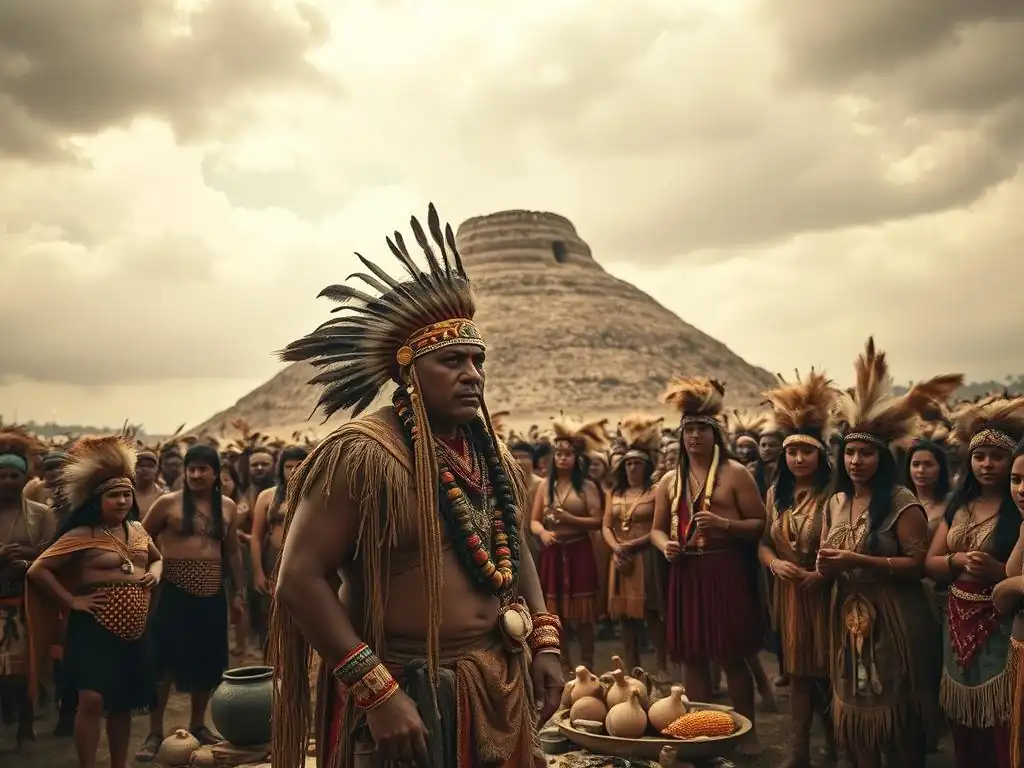
Rituals held immense significance in the Cahokia civilization, functioning as essential threads that wove together the social fabric and spiritual life of this prominent indigenous culture. The intricate ceremonies performed by the Cahokians reflected their deep connection to the earth, the cosmos, and their ancestors, all while serving as pivotal moments that reinforced their societal structures and communal identities.
At the core of Cahokia's rituals was an understanding of spirituality that transcended the mundane. These ceremonies were not merely acts of worship but were integral to daily life, influencing agricultural practices, governance, and social cohesion. The Cahokians believed that their well-being was intricately linked to their spiritual health, thus making rituals a necessary component of their existence.
Understanding the Role of Spirituality in Daily Life
The Cahokia civilization, which thrived around 600-1400 CE, was characterized by a complex worldview where spirituality permeated every aspect of life. The indigenous rituals and ceremonies were deeply rooted in their cosmology, which viewed the world as a living entity teeming with spiritual forces. This perspective was crucial in shaping how the Cahokians interacted with their environment and each other.
- Agricultural Practices: Rituals were often aligned with agricultural cycles, such as planting and harvesting. Ceremonies to honor the earth and express gratitude to the deities were common, ensuring that crops would flourish. For instance, the Green Corn Ceremony was a significant event, marking the first harvest and celebrating the sustenance provided by the earth.
- Seasonal Festivals: Seasonal changes were marked by specific rituals that celebrated the rhythms of nature. Ceremonies held during solstices and equinoxes were vital for maintaining harmony with the natural world. Through these celebrations, the Cahokians expressed their reverence for the cycles of life, death, and rebirth.
- Ancestral Worship: The veneration of ancestors played a critical role in Cahokia's spirituality. Rituals honoring deceased leaders and family members reinforced collective memory and identity. These ceremonies often included offerings, songs, and dances that connected the living with their ancestors, ensuring that their wisdom and guidance continued to influence the community.
How Rituals Fostered Community and Identity
Cahokia's rituals served as communal events that fostered identity and solidarity among its people. These gatherings were more than mere expressions of faith; they were crucial for social cohesion and collective identity.
- Social Hierarchy and Leadership: Ceremonial practices often highlighted the roles of leaders and spiritual practitioners, reinforcing the social hierarchy. Leaders emerged as intermediaries between the people and the spiritual realm, guiding rituals that were believed to ensure the community's prosperity. This connection legitimized their authority and reinforced communal bonds.
- Cultural Transmission: Rituals were vital for the transmission of cultural knowledge and values from one generation to the next. Through storytelling, music, and dance, the Cahokians passed down their myths and traditions, ensuring that the community's identity remained intact. This cultural continuity was essential for maintaining a sense of belonging.
- Conflict Resolution: Rituals also played a role in conflict resolution and the restoration of harmony within the community. Ceremonies designed to promote forgiveness and reconciliation helped to mend relationships and restore social balance. This aspect of Cahokian rituals underscored the importance of unity and collective well-being.
The indigenous rituals and ceremonies of Cahokia were integral to the civilization's societal structure and spiritual life. By understanding the significance of these rituals, we gain insight into how the Cahokians navigated their world, fostering community and identity while honoring their deep spiritual beliefs.
Types of Cahokia Indigenous Rituals and Ceremonies
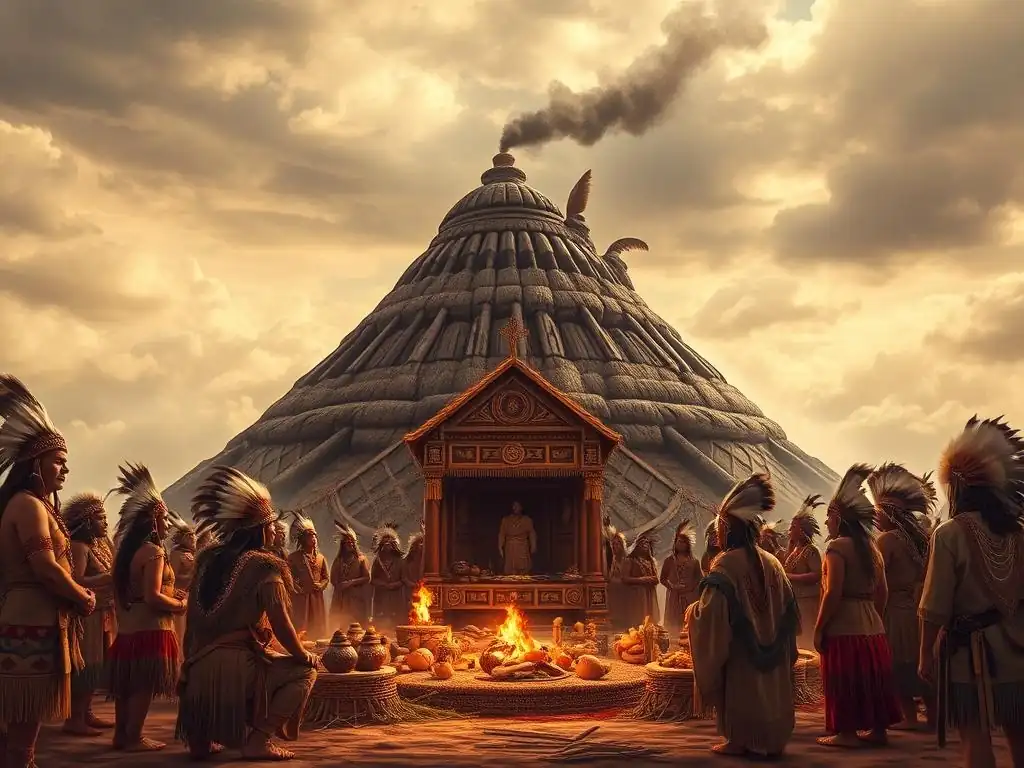
Cahokia, one of the most prominent urban centers of the pre-Columbian Americas, was a hub of intricate social, political, and spiritual life. The indigenous rituals and ceremonies of Cahokia reflect a profound connection to the natural world and the community's beliefs. These rituals were not merely social events; they were deeply embedded in the spiritual fabric of Cahokian society, serving as expressions of gratitude, reverence, and continuity. Here, we will explore the various types of Cahokia indigenous rituals and ceremonies, focusing on their meanings and significance.
Seasonal Ceremonies and Their Meaning
Seasonal ceremonies in Cahokia were pivotal for marking the changes in nature and the agricultural calendar. Each of the four seasons brought with it specific rituals that were believed to influence the fertility of the land and the well-being of the community.
- Spring Rituals: As winter transitioned to spring, Cahokians celebrated the renewal of life. This period often included ceremonies to honor the Earth and the spirits associated with fertility. The planting of crops was accompanied by offerings made to deities, seeking blessings for a bountiful harvest.
- Summer Solstice Celebrations: The summer solstice was marked by elaborate ceremonies that included feasting, dancing, and music. These events were not only communal gatherings but also spiritual observances, emphasizing the importance of the sun in agriculture and daily life.
- Autumn Harvest Festivals: The autumn harvest was a time of thanksgiving. Rituals included communal feasting where the first fruits of the harvest were shared. This celebration reinforced community bonds and expressed gratitude to the spirits for the abundance provided.
- Winter Solstice Observances: During the winter months, Cahokians held ceremonies to honor ancestors and reflect on the past year. This time was often characterized by introspection and preparation for the year ahead, highlighting the cyclical nature of life and death.
These seasonal ceremonies were integral to maintaining harmony within the community and the environment, emphasizing the Cahokian worldview of interconnectedness.
Rites of Passage: Birth, Coming of Age, and Death
Rites of passage in Cahokia marked significant transitions in individual lives and were essential for reinforcing social ties and cultural identity. Each rite was infused with spiritual significance and communal participation.
- Birth Ceremonies: The arrival of a new child was celebrated with rituals that acknowledged the connection between the newborn and ancestral spirits. These ceremonies often involved offerings and prayers to ensure a healthy life and a strong connection to the community.
- Coming of Age Rituals: Transitioning from childhood to adulthood was marked by specific rites that varied between genders. For boys, this might involve endurance tests or hunting challenges, showcasing skills necessary for survival. Girls often participated in ceremonies that highlighted their roles in family and community life, including weaving and gathering.
- Death Rituals: The passing of an individual was a deeply significant event, marked by mourning rituals that honored the deceased's life. Cahokians believed in a continued existence after death, and burial practices included grave goods and offerings to aid the spirit in the afterlife. The community gathered to support the bereaved family, reinforcing social bonds and collective memory.
These rites of passage were not only personal milestones but also collective affirmations of identity, culture, and continuity in Cahokian society.
Agricultural Rituals: Planting and Harvesting Ceremonies
Agriculture was the backbone of Cahokia’s economy and culture, making agricultural rituals crucial in ensuring the success of crops and the community's sustenance.
- Planting Ceremonies: Before planting, rituals were conducted to honor the spirits of the land. This often included the use of sacred seeds, which were treated with reverence. Elders or shamans would lead these ceremonies, invoking blessings for growth and protection from pests and diseases.
- Harvesting Rituals: When the time came to harvest, the community would gather for celebrations that acknowledged the fruits of their labor. These rituals included singing, dancing, and communal meals, with the first harvested crops offered to the spirits. This act of giving back to nature reinforced the idea of gratitude and reciprocity.
- Ceremonial Tools and Symbolism: Specific tools and symbols were integral to these agricultural rituals. For instance, the use of ceremonial hoes, often decorated with motifs representing fertility, played a significant role in the planting process. The ritualistic aspects ensured that agriculture was seen not just as a means of sustenance but as a sacred duty.
Agricultural rituals thus encapsulated the Cahokian understanding of their relationship with the earth, emphasizing respect, community involvement, and spiritual engagement in the cycle of planting and harvesting.
Through these various indigenous rituals and ceremonies, the Cahokians developed a rich spiritual life that celebrated their connection with nature, community, and ancestral heritage. These practices not only shaped their daily existence but also left a lasting impact on the cultural legacy of the Americas.
Ceremonial Gatherings: Festivals and Celebrations
The Cahokia civilization, one of the most advanced indigenous cultures in North America, placed great importance on ceremonial gatherings, which served as both spiritual and social occasions. These events were integral to the community's identity and cohesion, reflecting their beliefs, values, and traditions.
Types of Festivals
Cahokia hosted various festivals throughout the year, often aligned with seasonal changes and agricultural cycles. Major festivals included:
- Spring Planting Festival: This event celebrated the beginning of the planting season. It involved rituals to ensure a bountiful harvest and often included prayers, offerings, and communal feasting.
- Summer Solstice Celebration: Marking the longest day of the year, this festival was a time for reflection and gratitude. It featured rituals dedicated to the sun, emphasizing its importance in agriculture and daily life.
- Autumn Harvest Festival: A celebration of the successful harvest, this gathering involved communal activities such as dance, music, and storytelling. It was a time for sharing food and reinforcing social bonds among the community.
- Winter Ceremonies: These gatherings focused on renewal and reflection. The community would engage in storytelling, recounting their history and legends, which reinforced cultural identity during the colder months.
Rituals and Practices
During these festivals, Cahokians engaged in various rituals and practices that were central to their spiritual life. Some significant aspects included:
- Offerings: Participants would present offerings to the gods, which could include food, handmade items, or symbolic objects. These offerings were believed to ensure divine favor and protection.
- Dancing and Music: Dance was a vital component of Cahokian ceremonies. It served as a form of expression and communication with the spiritual world. Music, often created with drums and flutes, accompanied these dances, enhancing the festive atmosphere.
- Storytelling: Each festival provided an opportunity for cultural transmission. Elders would narrate myths and legends, imparting wisdom and reinforcing the community's values and beliefs.
- Ritual Feasting: Food played a crucial role in these gatherings. Communal feasts not only celebrated the harvest but also symbolized unity and shared identity. The preparation and sharing of food were acts of gratitude and reverence.
Social Cohesion
The importance of these ceremonial gatherings extended beyond religious practices; they fostered social cohesion within the Cahokia community. By participating in festivals, individuals reinforced their connections to each other and to their shared heritage. These events allowed for the expression of collective identity, a crucial element in maintaining the strength and resilience of their society in the face of external challenges.
The festivals and celebrations of Cahokia were rich in meaning and significance. They served as a vital link between the people, their spirituality, and their environment, illustrating the deep interconnections that characterized Cahokia's indigenous rituals and ceremonies.
Key Elements of Cahokia Rituals
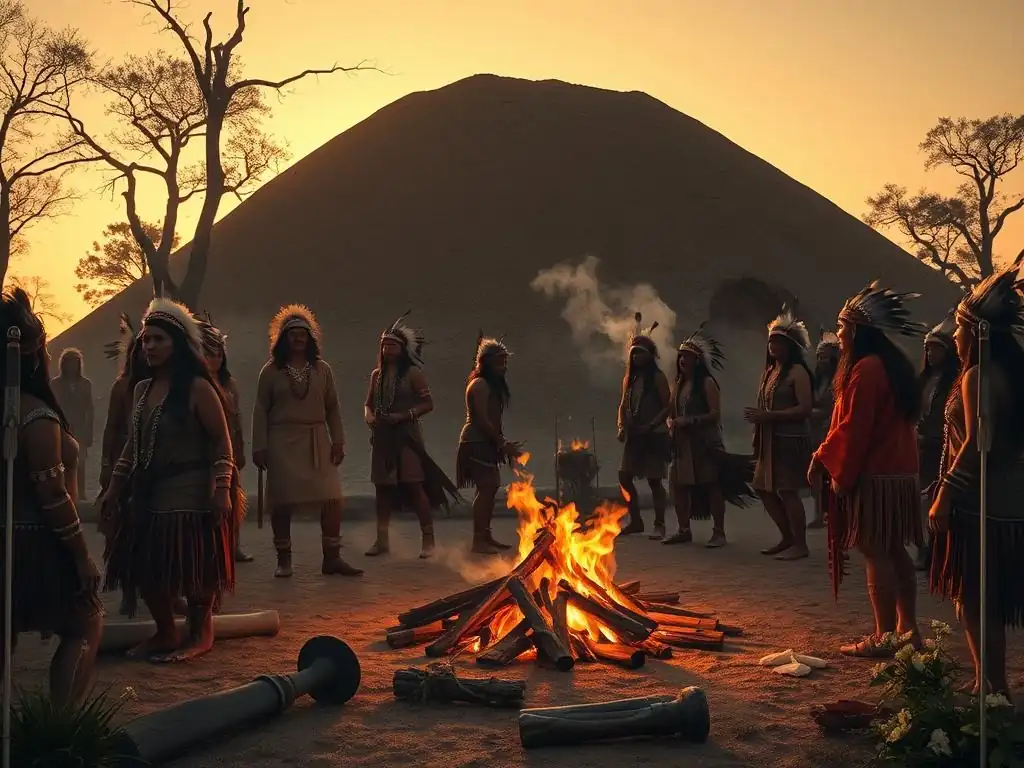
Cahokia, one of the most sophisticated pre-Columbian civilizations in North America, had a rich tapestry of rituals and ceremonies that were integral to their spiritual life. These rituals served not only as expressions of faith but also as essential elements that reinforced social cohesion, cultural identity, and a deep connection to the environment. Understanding the key elements of Cahokia indigenous rituals and ceremonies provides insight into their complex worldview and societal structure.
Symbolism in Cahokia Ceremonies
Symbolism played a pivotal role in Cahokia rituals, often intertwining with the natural environment and cosmological beliefs. The rituals were imbued with rich metaphors that conveyed the community's values, beliefs, and aspirations.
- Natural Elements: The Cahokians revered natural elements, often associating them with deities or spiritual forces. For example, celestial bodies like the sun and moon were central to their cosmology. The alignment of the mounds with solar and lunar events reflects this connection, signifying the importance of astronomy in their ritual practices.
- Animal Symbolism: Animals served as powerful symbols in Cahokia rituals. The presence of effigy mounds shaped like animals, such as the famous Serpent Mound, indicates their spiritual significance. These animals were believed to embody various traits that the Cahokians aspired to, such as strength, agility, or wisdom.
- Colors and Materials: The use of specific colors and materials also held symbolic meaning. For instance, the color red often represented life and vitality, while black could symbolize the underworld or death. Ritual objects crafted from clay, stone, or wood were not merely functional but were also laden with spiritual significance, often representing ancestors or spirits.
Use of Music, Dance, and Art in Spiritual Practices
Music, dance, and art were vital components of Cahokia's spiritual practices, acting as mediums through which the community expressed their beliefs and connected with the divine.
- Music: The sounds of drums, flutes, and rattles were integral to rituals, believed to invoke the presence of spirits or deities. Music accompanied various ceremonies, marking transitions, celebrations, or mourning periods. The rhythmic patterns created a communal experience, binding participants through shared emotion and energy.
- Dance: Dance was a physical manifestation of spiritual beliefs, often performed in elaborate ceremonies to celebrate agricultural cycles, honor the dead, or seek favor from the gods. Each dance had specific movements and meanings, often mimicking the actions of animals or reflecting natural phenomena, thus reinforcing the connection between the people and the world around them.
- Art: Artistic expression was not only a reflection of aesthetics but also a means of storytelling and preserving cultural heritage. Pottery, carvings, and murals often depicted ritual scenes, mythological narratives, or ancestral figures, serving to educate and transmit values across generations.
The Role of Sacred Spaces: Mounds and Temples
Sacred spaces in Cahokia were central to their rituals, with mounds and temples serving as focal points for spiritual activities.
- Mounds: The construction of mounds was a monumental task, and they were often seen as earthly representations of the cosmos. Each mound had specific purposes, such as burial sites, ceremonial platforms, or astronomical observatories. The largest mound, Cahokia Mound (Monks Mound), was likely a site for significant rituals, symbolizing the connection between the earth and the heavens.
- Temples: Temples in Cahokia were places of worship and community gathering. They were often constructed at the top of mounds, allowing priests and leaders to oversee ceremonies and rituals. The architectural design of these structures incorporated symbolic elements, reflecting the spiritual beliefs of the Cahokians and providing a sense of sacredness to the rituals performed within.
- Ritual Pathways: The layout of Cahokia itself, with its interconnected pathways and alignments, illustrates the importance of movement in spiritual practice. Pilgrimages to sacred sites, often marked by specific routes, were integral to the rituals, allowing participants to engage in a physical journey that mirrored their spiritual quests.
The Cahokia indigenous rituals and ceremonies were multifaceted, deeply rooted in symbolism, and intertwined with art, music, and sacred spaces. These elements collectively contributed to a vibrant spiritual life that defined the community's identity and worldview, leaving a lasting legacy that continues to be studied and appreciated today.
Influences on Cahokia Indigenous Rituals and Ceremonies
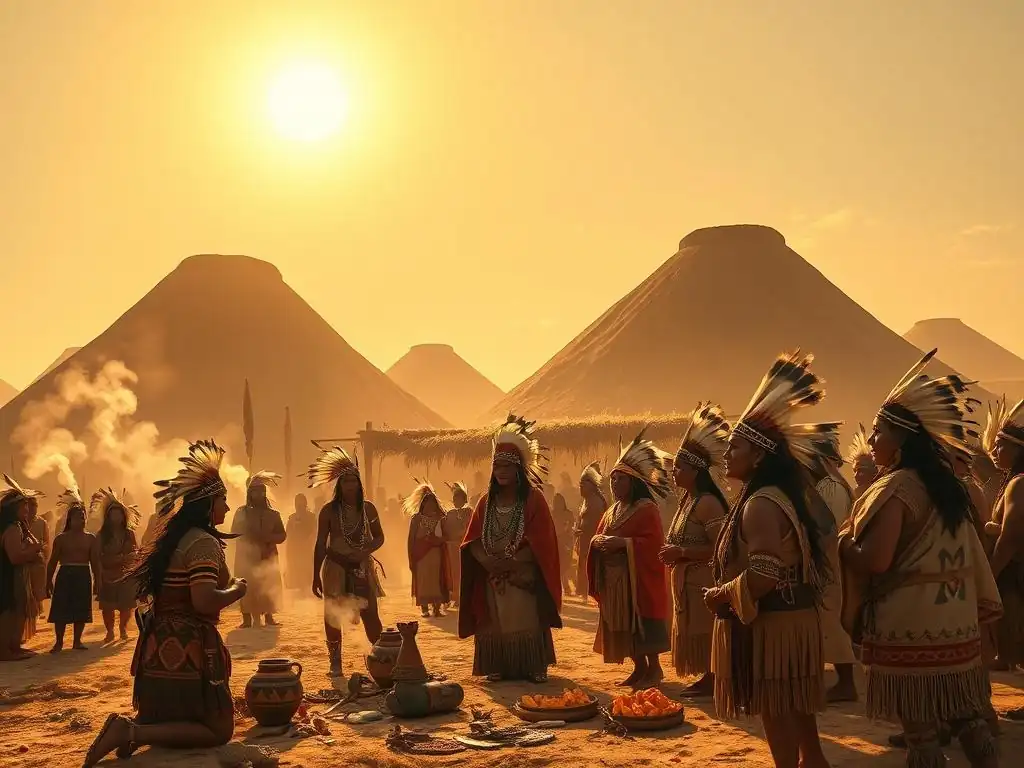
Interaction with Neighboring Cultures and Their Practices
Cahokia, as a significant urban center in pre-Columbian North America, was not isolated in its cultural development. The interactions with neighboring tribes and cultures played a crucial role in shaping the indigenous rituals and ceremonies practiced in Cahokia.
- Trade Networks: The extensive trade networks that connected Cahokia to various regions facilitated the exchange of goods, ideas, and spiritual practices. For instance, artifacts such as shells from the Gulf of Mexico and copper from the Great Lakes indicate that Cahokia was part of a larger trading system. This exchange often included ritualistic items, which influenced local ceremonies.
- Cultural Syncretism: The blending of different cultural practices is evident in Cahokia's rituals. For example, certain burial practices may have been influenced by the Mississippian cultures to the south, which emphasized elaborate mound constructions and grave goods. This syncretism resulted in unique ceremonial practices that incorporated elements from various neighboring tribes, enriching the spiritual life of the Cahokia people.
- Shared Mythologies: The sharing of myths and legends among tribes also contributed to the spiritual landscape of Cahokia. Oral traditions often traveled through trade routes, allowing for the exchange of beliefs about creation, the afterlife, and deities. These shared stories not only fostered a sense of community but also influenced local rituals, such as seasonal ceremonies that celebrated agricultural cycles.
The Impact of Nature and Environment on Rituals
The natural environment surrounding Cahokia significantly impacted the indigenous rituals and ceremonies practiced by its inhabitants. The rich landscape, including the Mississippi River and fertile plains, provided both physical and spiritual sustenance.
- Agricultural Cycles: The reliance on agriculture, particularly the cultivation of maize, was central to both the daily life and spiritual practices of the Cahokia people. Rituals were often aligned with planting and harvesting seasons, with ceremonies conducted to honor the Earth and ensure a bountiful harvest. For instance, the Green Corn Ceremony was a significant event that celebrated the first harvest of maize, incorporating offerings and communal feasting.
- Natural Elements in Rituals: Cahokian rituals frequently featured elements from the natural world, including the use of sacred plants like tobacco and various herbs. These materials were integral to rituals, often used in offerings or as part of purification processes. The reverence for nature is also reflected in the alignment of ceremonial sites with natural features, such as the positioning of mounds in relation to the sun and moon.
- Seasonal Changes: The changing seasons influenced the timing and nature of rituals. For example, winter solstice ceremonies likely included practices aimed at ensuring renewal and fertility in the coming year. The Cahokia people observed these seasonal changes closely, allowing their spiritual practices to adapt and respond to the rhythms of the environment.
The indigenous rituals and ceremonies of Cahokia were profoundly influenced by interactions with neighboring cultures and the surrounding natural environment. These influences created a rich tapestry of spiritual practices that reflected both the community's identity and its relationship with the world around them.
The Legacy of Cahokia Rituals and Ceremonies
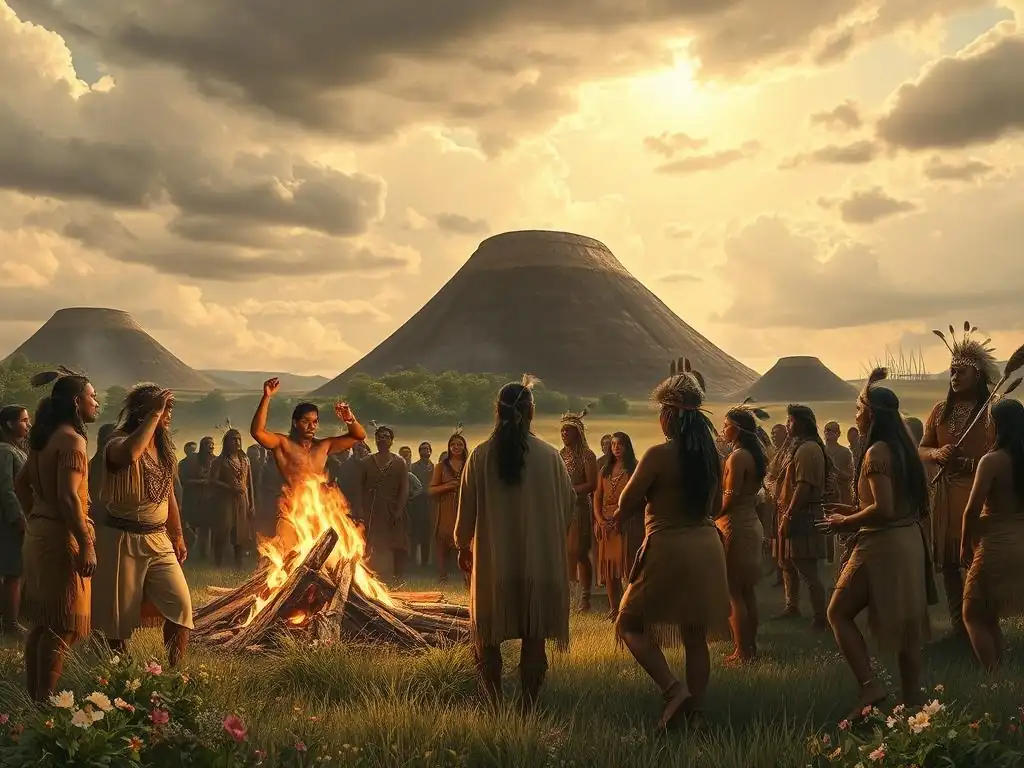
Rituals and ceremonies played a crucial role in the spiritual life of the Cahokia civilization, reflecting their beliefs, values, and social structures. The legacy of these practices is not only evident in archaeological findings but also persists in various forms within contemporary indigenous cultures. Understanding this legacy provides valuable insight into the spiritual landscape of the Cahokia people and their enduring influence on modern practices.
Preservation of Spiritual Traditions Over Time
The preservation of Cahokia indigenous rituals and ceremonies has been a focus for both scholars and indigenous communities. Despite significant upheavals due to European colonization and the subsequent decline of the Cahokia civilization, many spiritual traditions have been safeguarded through oral histories, art, and community practices.
- Archaeological Evidence: Excavations at Cahokia have uncovered numerous artifacts related to rituals, such as ceremonial mounds, pottery, and burial sites. These findings highlight the complexity of their spiritual life, including the use of specific objects in ceremonies that were believed to connect the community with the spiritual world. Notably, the construction of the Monk’s Mound serves as a testament to the ceremonial significance of place in Cahokia culture.
- Oral Traditions: Indigenous communities in the region have maintained oral traditions that recount the spiritual practices of their ancestors. These stories often include teachings about the natural world, creation myths, and the importance of rituals in maintaining harmony within the community and with the environment.
- Cultural Resilience: The resilience of Cahokia's spiritual traditions is evident in the ways contemporary indigenous groups have adapted these practices. Many ceremonies, such as seasonal festivals and harvest celebrations, continue to reflect the cyclical nature of life and the deep connection to the land that characterized Cahokia spirituality.
Modern Interpretations and Revivals of Cahokia Practices
In recent years, there has been a resurgence of interest in the indigenous rituals and ceremonies of Cahokia, driven by both academic research and grassroots efforts among indigenous communities. This revival is characterized by several key aspects:
- Cultural Education: Educational programs aimed at teaching the history and significance of Cahokia rituals have been developed. These programs often involve workshops, community gatherings, and collaborations with local museums to share knowledge about Cahokia's spiritual practices and their relevance today.
- Ceremonial Revivals: Many indigenous groups are actively reviving traditional ceremonies that reflect Cahokia's spiritual heritage. These events often emphasize community involvement, healing, and the restoration of cultural identity. For example, traditional dances and songs are performed during seasonal ceremonies, serving both as a means of cultural expression and a way to honor ancestors.
- Interfaith Dialogues: Modern interpretations of Cahokia rituals also involve engagements with broader spiritual practices. Interfaith dialogues encourage the sharing of spiritual philosophies and the blending of traditional Cahokia beliefs with contemporary spiritual movements, fostering a deeper understanding of spirituality in the modern world.
The legacy of Cahokia indigenous rituals and ceremonies is a rich tapestry woven from the past and present. The preservation of these practices over time, coupled with ongoing modern interpretations and revivals, highlights the significance of spirituality in maintaining cultural identity and community cohesion among indigenous peoples. As awareness of Cahokia's spiritual life continues to grow, it serves as a reminder of the profound connections that exist between past and present, and the enduring power of ritual in human experience.
Conclusion: The Enduring Spirit of Cahokia Indigenous Rituals
Reflection on the Importance of Understanding Indigenous Ceremonies
The indigenous rituals and ceremonies of Cahokia represent not just historical practices, but a profound connection to spiritual beliefs and community identity. These ceremonies were integral to the social fabric of Cahokian life, serving multiple purposes such as fostering community cohesion, preserving and transmitting cultural knowledge, and connecting the people with the natural and supernatural worlds.
Understanding these rituals allows us to appreciate the complex worldview of the Cahokia civilization. Each ceremony was imbued with meaning, often linked to agricultural cycles, seasonal changes, and celestial events. For instance, the Green Corn Ceremony celebrated the harvest and symbolized renewal and gratitude, reflecting the community's deep relationship with the land. By examining such practices, we gain insights into the values and priorities of the Cahokia people, highlighting their respect for nature and the interconnectedness of life.
Moreover, recognizing the significance of these rituals aids in countering the historical narratives that have marginalized indigenous voices. Acknowledging the richness of Cahokia's spiritual life fosters a greater appreciation for the diversity and complexity of indigenous cultures across the Americas.
Encouragement for Continued Exploration of Cahokia Culture
As we reflect on the enduring spirit of Cahokia indigenous rituals and ceremonies, it becomes clear that there is much more to discover. The legacy of Cahokia is not merely a relic of the past but a living testament to the resilience and adaptability of indigenous cultures. Engaging with Cahokian history encourages us to explore various aspects of their society, including their art, architecture, and governance.
For those interested in delving deeper, consider the following avenues:
- Participate in Educational Programs: Many museums and cultural institutions offer programs that focus on Cahokia and other indigenous cultures. These can provide hands-on experiences and expert insights.
- Visit Archaeological Sites: Exploring archaeological sites, such as Cahokia Mounds in Illinois, can offer a tangible connection to the past. Guided tours often highlight the significance of rituals and ceremonies in the Cahokian way of life.
- Engage with Indigenous Communities: Listening to and learning from contemporary indigenous voices can enrich our understanding of how traditions and beliefs persist and evolve in modern times.
By actively seeking to learn more about Cahokia culture, we honor their legacy and contribute to a broader understanding of the rich tapestry of indigenous civilizations across the Americas. Let us continue to explore, celebrate, and respect the spiritual life that once flourished in Cahokia.
Frequently Asked Questions
What were the main rituals and ceremonies of the Cahokia civilization?
The Cahokia civilization engaged in various ceremonies that included funerary rites, seasonal festivals, and community gatherings to honor their spiritual beliefs and maintain social cohesion.
How did spiritual beliefs influence Cahokia's society?
Spiritual beliefs were central to Cahokia's culture, guiding their social structure, agricultural practices, and interactions with the environment, reflecting their connection to nature and the cosmos.
What role did the Mound Builders play in Cahokia's rituals?
The Mound Builders created large ceremonial mounds that served as sites for rituals and ceremonies, symbolizing spiritual significance and community identity within Cahokia.
How did European colonization affect Cahokia's indigenous rituals?
European colonization led to the disruption of traditional practices, as many indigenous rituals were suppressed or altered due to cultural assimilation and loss of land.
Are there any modern practices that trace back to Cahokia's spiritual traditions?
Yes, some contemporary indigenous groups in the region continue to honor and revive certain spiritual traditions and practices that can be traced back to the Cahokia civilization.
Final Reflection: Embracing the Spiritual Legacy of Cahokia
The exploration of Cahokia's indigenous rituals and ceremonies reveals a profound connection between spirituality and community that remains relevant today. In a world increasingly dominated by technology and individualism, the rich tapestry of Cahokia's spiritual life serves as a powerful reminder of the importance of collective identity and shared beliefs. The rituals and ceremonies practiced by the Cahokian people not only fostered a sense of belonging but also created a framework for understanding their place in the universe—an aspect that is crucial for our own spiritual journeys in the modern age.
Cahokia's spiritual practices continue to influence contemporary culture, reminding us of the deep-rooted traditions that shape our identities. The legacy of these rituals can be seen in various aspects of modern life, from community gatherings to the resurgence of interest in indigenous practices. As we reflect on this historical significance, we are reminded of the words of author Vine Deloria Jr.: We are not human beings having a spiritual experience; we are spiritual beings having a human experience.
This perspective invites us to honor the wisdom of the past while integrating it into our present lives.
As we conclude our exploration of Cahokia's spiritual life, I invite you to reflect on how rituals and ceremonies can enrich your own existence. Consider the ways in which you can incorporate meaningful practices into your daily routine, fostering a deeper connection with yourself and your community. By embracing the lessons of Cahokia, we can cultivate a more profound sense of belonging and purpose, ensuring that the spiritual legacy of our ancestors continues to thrive in the modern world.
Unveil Your Connection to the Sacred Traditions of Cahokia!
Thank you for exploring the intricate world of Cahokia's spiritual life with us! Your curiosity opens doors to understanding the rich rituals and ceremonies that shaped Indigenous cultures. Now, it’s time to take the next step and deepen your connection with these ancient practices.
Here’s how you can engage further:
- Dive Deeper: Research a specific ritual that intrigues you and learn how it is practiced today. Explore its significance and discover modern interpretations that keep these traditions alive.
- Share Your Insights: Initiate a discussion with friends or in online communities about your findings. Share your thoughts on how these rituals resonate in contemporary society.
- Connect with Nature: Participate in local Indigenous ceremonies or events to experience these traditions firsthand. Check community calendars or cultural centers for opportunities to learn and engage.
What aspect of Cahokia's spiritual life inspires you the most to explore or connect with today?