
Women in Power: The Role of Female Leaders in Indigenous Governance

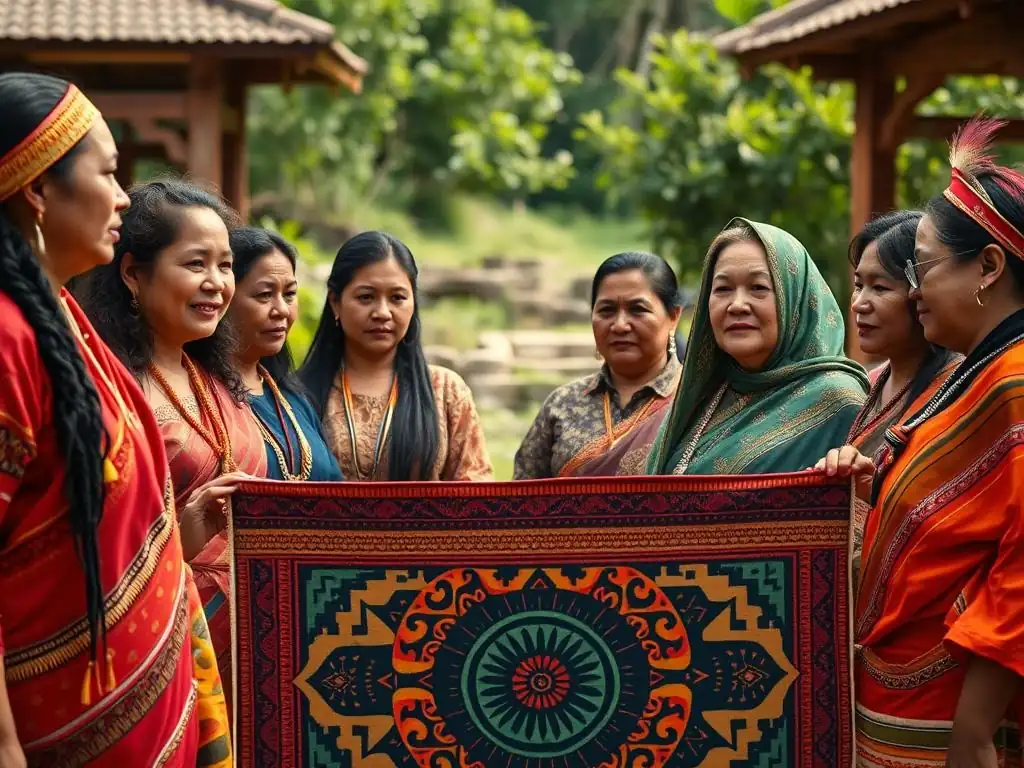
Welcome to Indigenous Civilizations of the Americas, where we embark on a captivating journey through the rich tapestry of indigenous cultures that flourished long before European contact. Here, we delve into the remarkable achievements and societal structures of these vibrant communities, with a special focus on the pivotal role of female indigenous leaders in governance. Discover how these powerful women shaped their societies, left an indelible mark on history, and continue to inspire future generations. Ready to uncover their stories? Let’s dive deeper into the legacy of women in power!
Introduction to Female Indigenous Leaders in Governance
The history of female indigenous leaders is a rich and often overlooked aspect of the governance structures that existed among various indigenous cultures in the Americas. Long before European colonization reshaped the continent, many indigenous societies recognized the vital role women played in leadership and decision-making processes. These female indigenous leaders not only contributed to their communities' governance but also shaped the cultural, spiritual, and economic landscapes of their societies. Understanding their influence provides a deeper insight into the complexities of indigenous governance and the enduring legacy of women in power.
In this article, we will explore the multifaceted role of female leaders within indigenous communities, examining how their contributions have been documented throughout history. We will delve into early examples of female leadership and trace the evolution of these roles over time, highlighting the resilience and adaptability of indigenous governance structures. By focusing on the keyword "female indigenous leaders governance," we aim to illuminate the significant impact these women have had on their societies and the lessons that can be drawn from their experiences.
Historical Context of Female Leadership in Indigenous Societies
Before European contact, many indigenous cultures across the Americas operated under governance systems that included female leaders in significant roles. These societies often acknowledged the importance of women as decision-makers, healers, and custodians of tradition. The governance structures varied widely, but many shared a commonality in their recognition of women's authority and influence.
- Matriarchal Societies: Some indigenous groups, such as the Iroquois Confederacy, displayed matriarchal characteristics, where lineage and inheritance were traced through the female line. Women held the power to appoint and depose leaders, showcasing their integral role in governance.
- Cultural Significance: Female leaders often embodied spiritual and cultural values, serving as custodians of knowledge and traditions. Their leadership was not just political but deeply intertwined with the spiritual and social fabric of their communities.
Early Examples of Female Indigenous Leaders
Throughout history, numerous female leaders emerged as key figures in indigenous governance. Here are a few notable examples:
- Lozen: A skilled warrior and prophetess of the Apache, Lozen fought alongside her brother Victorio during the Apache Wars. Her contributions were pivotal in the resistance against colonization.
- Nanyehi: Also known as Nancy Ward, she was a beloved leader of the Cherokee Nation in the 18th century. Nanyehi played a crucial role in diplomatic negotiations and the preservation of Cherokee sovereignty during turbulent times.
- Pocahontas: The daughter of Powhatan, Pocahontas is often celebrated for her role in mediating between her people and English settlers, demonstrating the political acumen of female leaders in fostering peace.
These women, among many others, illustrate the diverse ways female leadership manifested in indigenous governance, often challenging the traditional narratives surrounding power dynamics in historical contexts.
The Evolution of Female Leadership Roles
As indigenous societies faced external pressures from colonization and cultural assimilation, the roles of female leaders also evolved. Despite significant challenges, many women adapted their leadership styles and strategies to maintain their influence:
- Integration into New Governance Structures: Some female leaders engaged with colonial authorities, using diplomacy to navigate the complexities of changing political landscapes.
- Cultural Resilience: Women continued to play essential roles in preserving cultural practices and traditions, often becoming leaders in revitalization movements aimed at reclaiming indigenous identities.
- Modern-Day Leaders: Today, many indigenous women are at the forefront of political activism, environmental movements, and cultural preservation efforts, embodying the enduring spirit of their ancestors.
As we examine the historical context and evolution of female leadership in indigenous governance, it becomes clear that these women have played a crucial role in shaping the past, present, and future of their communities. Their stories not only highlight the importance of diversity in leadership but also emphasize the need for a deeper understanding of indigenous governance systems.
The Importance of Female Indigenous Leaders in Governance
Female indigenous leaders have historically played a crucial role in governance within their communities, often providing unique perspectives and approaches that differ from their male counterparts. The significance of these leaders extends beyond their immediate communities; they have contributed to the resilience and sustainability of indigenous cultures in the face of external pressures, such as colonization and globalization. Women in leadership positions have been instrumental in preserving traditional knowledge, cultural practices, and languages, ensuring that these vital aspects of identity are maintained and passed down to future generations.
Moreover, the inclusion of women in governance has fostered more holistic decision-making processes. Female leaders often emphasize collaboration, consensus-building, and community welfare, contrasting with more hierarchical or competitive styles of governance. This approach not only enhances community cohesion but also leads to more effective problem-solving, particularly in areas such as resource management and social justice. As such, the contributions of female indigenous leaders are essential for the continued vitality and autonomy of indigenous societies.
Contributions of Female Leaders to Indigenous Governance
Female indigenous leaders have made significant contributions to governance across various dimensions, including political, social, and economic spheres. Their involvement in decision-making processes has led to the establishment of systems that prioritize collective well-being and cultural preservation. For instance, many indigenous women have played pivotal roles in treaty negotiations, advocating for their communities’ rights and ensuring that women's voices are represented in dialogues that affect their futures.
Additionally, female leaders often serve as custodians of cultural heritage, promoting traditional practices and values within governance frameworks. This stewardship can be seen in the ways women lead initiatives focused on environmental sustainability, using traditional ecological knowledge to address contemporary challenges like climate change. Their leadership not only reinforces cultural identity but also empowers younger generations, inspiring future female leaders.
Furthermore, women have been influential in creating and maintaining social safety nets within their communities. They often lead efforts in education, health, and social services, ensuring that vital resources are accessible to all community members. This multifaceted engagement illustrates the integral role female leaders play in fostering resilient and adaptive governance structures.
The Role of Female Leaders in Conflict Resolution
Female indigenous leaders are often at the forefront of conflict resolution within their communities. Their unique approaches tend to emphasize dialogue, empathy, and reconciliation, which are critical in addressing disputes and fostering harmony. Unlike traditional conflict resolution methods that may rely on punishment or exclusion, female leaders often advocate for restorative practices that seek to heal relationships and restore community balance.
In many indigenous cultures, women are seen as the bearers of life and community cohesion, which positions them uniquely to mediate conflicts. They utilize their understanding of relational dynamics to navigate tensions and bring opposing parties together. This role is particularly important in the context of historical injustices, where addressing grievances requires sensitivity and an understanding of the broader social fabric.
Moreover, female leaders often mobilize community resources to address the root causes of conflicts, focusing on promoting education and economic opportunities. By tackling systemic issues, they contribute to long-term peace and stability within their communities.
Comparative Analysis of Female Indigenous Leaders Across Cultures
The experiences and contributions of female indigenous leaders can vary significantly across different cultures and regions. This comparative analysis highlights the diverse forms of leadership and governance that exist among indigenous groups, showcasing the adaptability and resilience of women in these roles.
While some cultures may have long-standing traditions that recognize female leadership, others may be emerging from patriarchal structures, leading to a renaissance of female governance. Understanding these differences is essential to appreciate the complex interplay of culture, tradition, and modernity that shapes female leadership in indigenous governance.
Female Leadership in North American Indigenous Governance
In North America, female leadership has deep roots in many indigenous cultures, where women have traditionally held significant authority in matters of governance. For instance, among the Haudenosaunee (Iroquois) Confederacy, women play a vital role in selecting chiefs and are integral to the decision-making process. The clan mothers, as they are known, hold substantial power and responsibility for maintaining the welfare of their communities and ensuring that leaders are accountable to the people.
Moreover, contemporary female leaders in North American indigenous communities continue to advocate for sovereignty and rights, often leading movements to protect land and resources. These leaders harness both traditional knowledge and modern political strategies to address pressing issues such as environmental degradation and social justice. Their ability to bridge traditional values with contemporary governance challenges illustrates the dynamic nature of female leadership in these societies.
Female Leadership in South American Indigenous Communities
In South America, female indigenous leaders also play critical roles in governance, particularly in the context of community organization and resistance against external threats. Many indigenous women are at the forefront of movements to protect their land rights and cultural heritage, often leading grassroots campaigns that garner international attention. For example, indigenous leaders from the Amazonian regions have been instrumental in advocating for environmental protection and the recognition of indigenous land rights, highlighting the intersection of gender, environmentalism, and indigenous governance.
Additionally, female leadership in South American indigenous communities often emphasizes collective decision-making and community involvement, reflecting traditional practices that prioritize the welfare of the group. Women’s councils and networks have emerged as influential platforms for voicing concerns and mobilizing action. These structures not only empower women but also reinforce the importance of collaboration in governance, ensuring that all community members have a stake in the decision-making process.
Overall, the study of female indigenous leaders in South America reveals a rich tapestry of governance practices that honor both tradition and contemporary challenges, showcasing the vital role women play in shaping resilient communities.
Challenges Faced by Female Indigenous Leaders
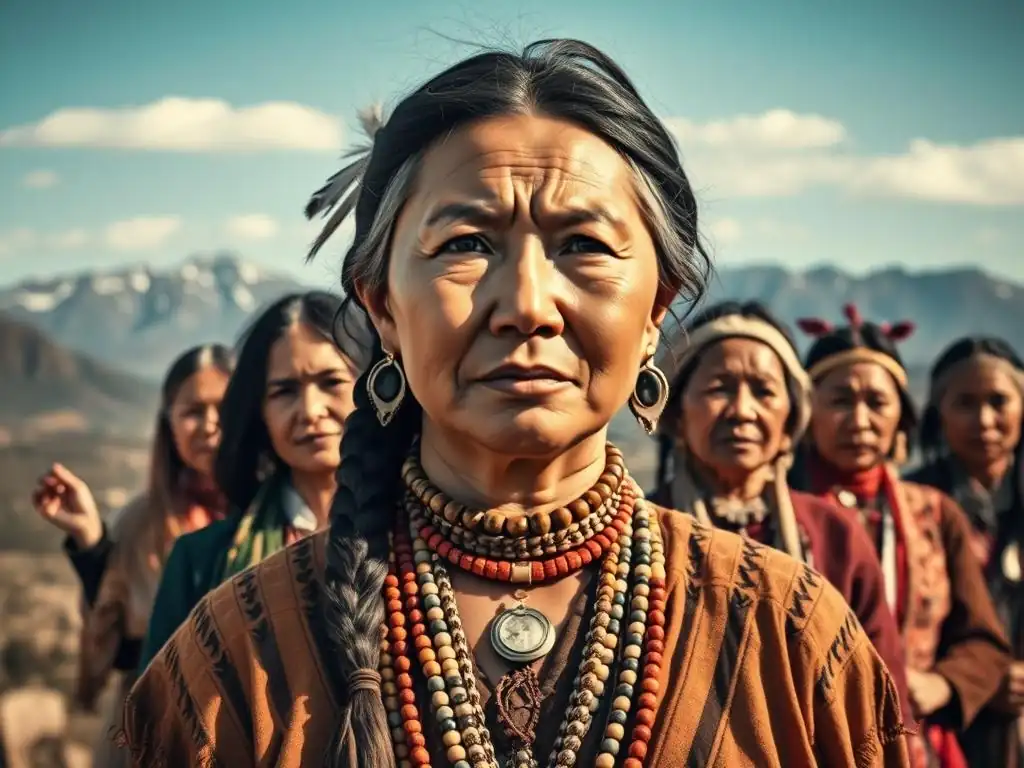
Female indigenous leaders have historically navigated a complex landscape characterized by numerous challenges stemming from both socio-cultural contexts and modern governance structures. The dual burden of gender discrimination and the marginalization of indigenous identities creates unique hurdles for women aiming to assume leadership roles within their communities. Understanding these challenges is crucial for fostering an environment where female leaders can thrive and contribute to governance effectively.
Socio-Cultural Barriers to Leadership
Socio-cultural barriers significantly impede the rise of female indigenous leaders. Traditional gender roles often dictate that leadership is primarily a male domain, which can discourage women from pursuing leadership positions. In many indigenous societies, cultural norms prioritize male authority and decision-making, creating an environment where women's contributions are undervalued.
Moreover, the lack of representation in leadership roles perpetuates a cycle of exclusion. Women often lack access to the networks and resources needed to ascend to leadership positions, and cultural practices may discourage women from asserting their authority or speaking publicly in mixed-gender settings. Additionally, the intersection of gender and ethnicity amplifies these barriers, as indigenous women face both sexism and racism, further complicating their journey toward leadership.
Modern Obstacles in Indigenous Governance
In contemporary contexts, female indigenous leaders confront modern obstacles that intertwine with traditional challenges. The influence of colonial histories has disrupted indigenous governance systems, often sidelining the traditional roles that women held in their societies. As indigenous communities seek to reclaim their governance structures, women are frequently overlooked or excluded from decision-making processes, despite their vital roles in cultural preservation and community well-being.
Furthermore, the lack of formal education and training opportunities can hinder women's preparedness for leadership roles. Many indigenous communities experience limited access to educational resources, which affects women's ability to acquire the skills needed for effective governance. This gap in education can lead to a perception that women are less capable leaders, reinforcing the existing biases that challenge their authority.
The Future of Female Indigenous Leaders in Governance
The future of female indigenous leaders in governance holds promise, as more communities recognize the importance of inclusive leadership. Increasingly, female indigenous leaders are emerging as pivotal figures in advocating for their communities' rights, cultural heritage, and self-determination. This shift is not only vital for the empowerment of women but also enhances the overall governance structures within indigenous communities.
Trends in Female Leadership in Indigenous Communities
Recent trends show a growing acceptance and encouragement of female leadership within indigenous communities. Initiatives aimed at promoting gender equality have gained traction, leading to the establishment of networks and organizations focused on supporting women in leadership roles. Programs that emphasize mentorship and skill-building are equipping women with the tools necessary to navigate governance challenges effectively.
Moreover, the visibility of successful female leaders in various domains, including politics, environmental activism, and community organizing, is inspiring a new generation of women. These role models demonstrate that leadership is not confined to traditional roles but can encompass a diverse array of approaches and perspectives.
Vision for Inclusive Governance
The vision for inclusive governance in indigenous communities emphasizes the need for collaborative decision-making that values diverse voices, particularly those of women. Recognizing the integral role of female leaders is essential for creating governance structures that reflect the needs and aspirations of all community members.
To achieve this vision, it is crucial to implement policies and practices that actively promote the inclusion of women in leadership roles. This includes creating supportive environments that challenge discriminatory norms, providing access to education and resources, and fostering an atmosphere where women's voices are respected and amplified. By prioritizing inclusive governance, indigenous communities can harness the full potential of their leaders, paving the way for a more equitable and representative future.
Conclusion
The examination of female indigenous leaders in governance reveals a rich tapestry of power dynamics that contrasts sharply with the often male-dominated narratives prevalent in many historical discussions. Indigenous cultures across the Americas held women in significant roles, allowing them to influence political decisions, maintain social order, and uphold cultural traditions. This unique structure showcased not only the value placed on women but also the understanding that effective governance requires diverse perspectives and voices.
Throughout history, figures such as the Iroquois Confederacy's clan mothers, who had the power to select and remove chiefs, and the powerful leaders of the Quechua and Aymara societies, exemplified the integration of women's leadership in governance. These women were not merely figureheads but were deeply involved in the political and social fabric of their societies, often acting as mediators, strategists, and caretakers of their communities' welfare.
Understanding the role of female indigenous leaders in governance does not just illuminate the past; it also serves as a critical lens for contemporary discussions about leadership and gender equity. The achievements and influences of these women can inspire current and future generations, encouraging a more inclusive approach to governance that recognizes the importance of diverse leadership styles. As we continue to explore the complex histories of indigenous civilizations, it is vital to honor and uplift the narratives of these female leaders, ensuring their contributions are acknowledged and celebrated in the broader discourse on governance and power.
In closing, the legacy of female indigenous leaders is a testament to the strength and resilience of their communities. By recognizing and valuing their roles, we not only enrich our understanding of indigenous governance but also pave the way for a more equitable future in leadership across all cultures.
- Introduction to Female Indigenous Leaders in Governance
- Historical Context of Female Leadership in Indigenous Societies
- The Importance of Female Indigenous Leaders in Governance
- Comparative Analysis of Female Indigenous Leaders Across Cultures
- Challenges Faced by Female Indigenous Leaders
- The Future of Female Indigenous Leaders in Governance
- Conclusion
- What is the focus of the article "Women in Power: The Role of Female Leaders in Indigenous Governance"?
- How did female indigenous leaders influence governance systems?
- Why is the study of female indigenous leaders important?
- What are some examples of notable female indigenous leaders mentioned in the article?
- How can the legacy of female indigenous leaders be recognized today?
Frequently Asked Questions
What is the focus of the article "Women in Power: The Role of Female Leaders in Indigenous Governance"?
The article examines the significant contributions of female indigenous leaders in governance and their impact on social structures and cultural preservation within various indigenous communities.
How did female indigenous leaders influence governance systems?
Female indigenous leaders played a crucial role in shaping governance systems by advocating for equitable representation, community decision-making, and the upholding of traditional values that reflect their societies' needs.
Why is the study of female indigenous leaders important?
Understanding the role of female indigenous leaders sheds light on their historical significance and the ways they have contributed to sustaining cultural heritage and promoting social justice within their communities.
What are some examples of notable female indigenous leaders mentioned in the article?
The article highlights several prominent figures, such as Lozen and Pocahontas, whose leadership exemplifies the strength and resilience of women in indigenous governance and their ability to navigate complex challenges.
How can the legacy of female indigenous leaders be recognized today?
Recognizing the legacy of female indigenous leaders involves educating communities about their contributions, promoting gender equity, and ensuring that their voices are included in contemporary governance discussions and policies.
Final Reflection: Empowering Voices of Female Indigenous Leaders in Governance
The role of female indigenous leaders in governance is more relevant today than ever, as we witness a global shift towards inclusivity and representation. The struggles and triumphs of these women not only highlight the importance of diverse leadership but also challenge the traditional narratives that have long dominated governance structures. As we navigate through contemporary issues such as climate change, social justice, and cultural preservation, the insights and contributions of female indigenous leaders become invaluable in shaping a more equitable future.
The influence of female indigenous leaders extends far beyond their communities; they are pivotal in redefining the cultural and social landscape. Their leadership styles often emphasize collaboration, sustainability, and respect for traditional knowledge, which resonate deeply in today’s interconnected world.
As we reflect on their impact, we are reminded of the words of Wilma Mankiller, the first female chief of the Cherokee Nation: > “The secret of our success is that we never, never give up.” This resilience is a testament to the enduring strength of female indigenous leaders who continue to inspire future generations to take up the mantle of leadership.
As we conclude this exploration of female indigenous leaders in governance, I invite you to reflect on the lessons learned and consider how you can support and amplify these voices in your own community. Embrace the opportunity to engage with diverse perspectives, advocate for inclusive policies, and uplift the stories of those who have been historically marginalized. By doing so, you not only honor their contributions but also pave the way for a more just and representative future for all.
Empower Change: Celebrate and Support Indigenous Female Leaders!
Thank you for taking the time to explore the invaluable contributions of female leaders in Indigenous governance. Your interest is a vital step towards recognizing the strength and influence of women in shaping our communities and cultures. Now, let’s empower these leaders and ensure their voices continue to resonate.
Here are some impactful ways you can make a difference:
- Support Indigenous Women’s Initiatives: Seek out and contribute to organizations that uplift Indigenous female leaders and their projects.
- Share this article with friends and family to raise awareness about the significant impact of women's leadership in Indigenous communities.
- Engage in discussions about Indigenous governance by attending local events or forums, and amplify the voices of female leaders.
What inspired you most about the role of women in Indigenous governance, and how will you take action to support their initiatives?