
The Significance of Petroglyphs: Decoding Ancient Indigenous Rock Art Sites

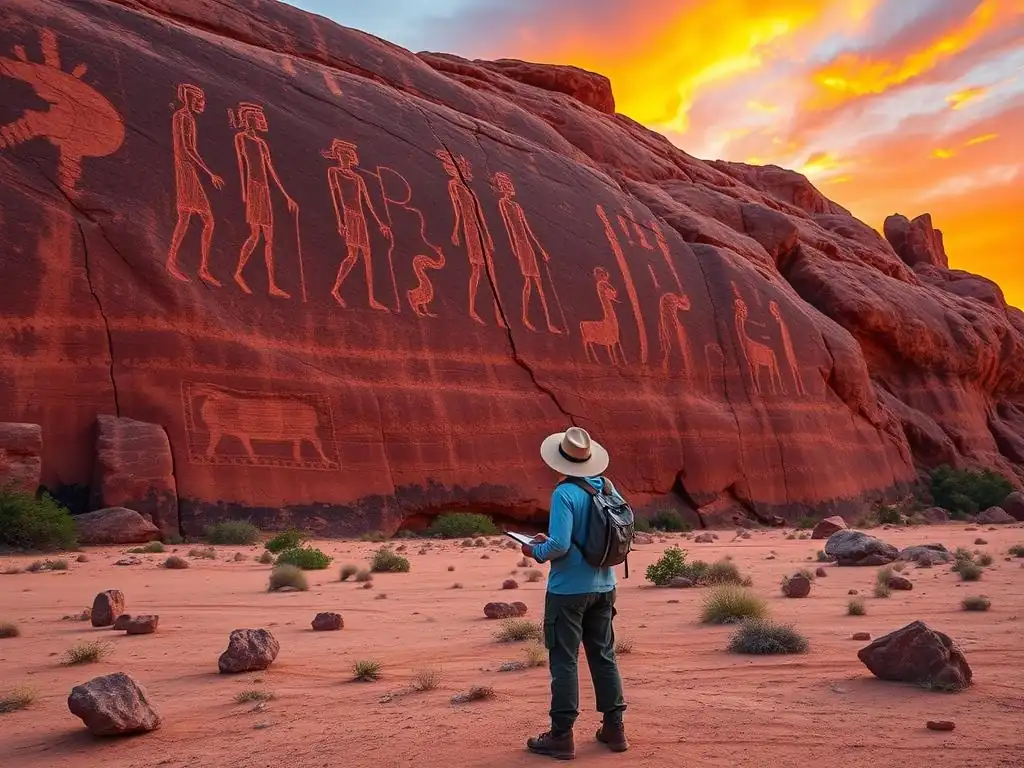
Welcome to Indigenous Civilizations of the Americas, where we invite you to embark on a captivating journey through the rich tapestry of the diverse indigenous cultures that flourished long before European colonization. Here, we delve into the achievements, societies, and lasting impacts of these remarkable civilizations. In our featured article, “The Significance of Petroglyphs: Decoding Ancient Indigenous Rock Art Sites,” we unravel the profound meanings behind ancient indigenous rock art significance.
What stories do these timeless symbols tell? Join us as we explore the depths of this cultural heritage and discover how these ancient artworks continue to resonate today. Your adventure begins here—dare to delve deeper!
- Introduction to Ancient Indigenous Rock Art Significance
- Historical Context of Ancient Indigenous Rock Art
- The Significance of Petroglyphs in Indigenous Cultures
- Key Locations of Ancient Indigenous Rock Art Sites
- Analyzing the Techniques Behind Ancient Indigenous Rock Art
- The Impact of Climate Change and Modern Threats on Rock Art Sites
- Preservation Efforts for Ancient Indigenous Rock Art
- Role of Technology in Protecting Indigenous Heritage Sites
- Conclusion: The Lasting Legacy of Ancient Indigenous Rock Art
- Further Reading and Resources on Ancient Indigenous Rock Art
-
Frequently Asked Questions
- What are petroglyphs and why are they important?
- How do ancient indigenous rock art sites contribute to our understanding of history?
- What themes are commonly depicted in ancient indigenous rock art?
- How has the significance of ancient indigenous rock art changed over time?
- What efforts are being made to preserve ancient indigenous rock art sites?
- Final Reflection: The Enduring Significance of Ancient Indigenous Rock Art
- Unveil the Stories of Ancient Cultures!
Introduction to Ancient Indigenous Rock Art Significance
The exploration of ancient indigenous rock art is a profound journey into the heart of the diverse cultures that flourished across the Americas long before the arrival of European colonizers. Petroglyphs, as these rock engravings are commonly known, serve not only as artistic expressions but also as vital historical records that encapsulate the beliefs, traditions, and experiences of indigenous peoples.
These ancient artifacts offer a window into the spiritual, social, and environmental narratives of the past, making their significance immeasurable. Understanding the role of petroglyphs helps us appreciate the rich tapestry of indigenous heritage and encourages a deeper respect for the cultural legacies that continue to influence contemporary societies.
Understanding Petroglyphs and Their Cultural Importance
Petroglyphs are intricate carvings and engravings etched into rock surfaces, created by indigenous peoples across various regions of the Americas. These artworks often depict animals, human figures, celestial bodies, and symbolic motifs, each carrying profound meaning and significance.
- Cultural Expression: Petroglyphs provide insight into the worldviews and spiritual beliefs of indigenous cultures. They often reflect religious practices, mythological stories, and the relationship between humans and nature.
- Historical Documentation: Serving as a form of communication, petroglyphs document significant events, such as hunting scenes or celestial occurrences. They act as a historical narrative that preserves the knowledge and experiences of past generations.
- Social Cohesion: The creation of rock art often involved communal efforts, fostering a sense of identity and belonging among community members. These sites served as gathering places where stories were shared, strengthening social bonds.
As researchers and enthusiasts delve into the study of petroglyphs, they uncover the layers of meaning embedded in these ancient artworks, revealing the complexities of indigenous life and thought.
The Role of Rock Art in Indigenous Heritage and Identity
Rock art sites are invaluable to understanding indigenous heritage and identity, acting as cultural landmarks that connect contemporary indigenous peoples with their ancestors.
- Cultural Continuity: Many indigenous communities view petroglyphs as living expressions of their heritage, linking them to ancestral practices and beliefs. This continuity fosters a strong sense of identity and pride among indigenous peoples.
- Educational Tools: Rock art serves as an educational resource, enabling younger generations to learn about their history and cultural narratives. Programs that incorporate these sites into educational curricula help in preserving knowledge and traditions.
- Tourism and Preservation: As significant cultural sites, rock art locations attract interest from tourists and researchers alike. This interest can lead to increased efforts toward preservation and respect for indigenous rights to their cultural heritage.
The significance of ancient indigenous rock art transcends mere aesthetics; it is a fundamental aspect of understanding the rich and diverse histories of indigenous cultures in the Americas. By recognizing the importance of these sites, we honor the legacies of those who created them and contribute to the ongoing dialogue about indigenous identity and heritage.
Historical Context of Ancient Indigenous Rock Art
Overview of Indigenous Cultures and Their Artistic Expressions
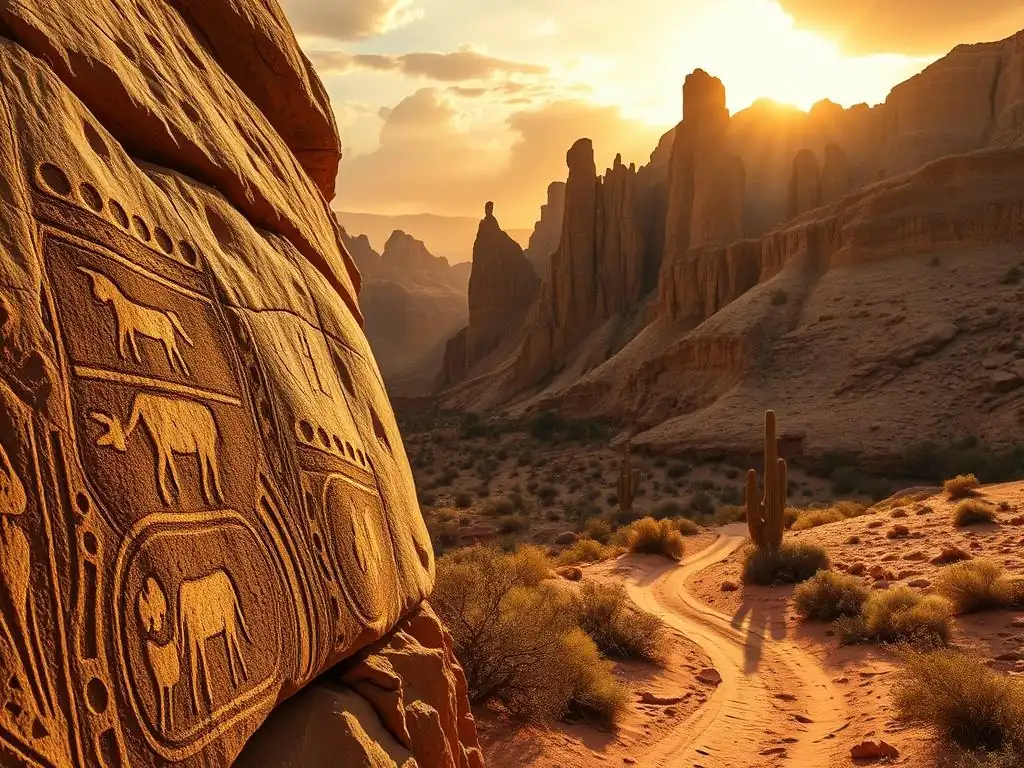
Ancient indigenous rock art serves as a vital window into the rich cultural tapestry of pre-Columbian societies across the Americas. These artistic expressions were not mere decorations; they were imbued with profound meanings, often serving as spiritual symbols, historical records, or social commentaries. From the intricate petroglyphs of the Southwest to the vibrant pictographs of the Great Lakes, each piece of rock art tells a unique story reflective of the indigenous peoples' relationship with their environment, beliefs, and community.
Indigenous cultures such as the Ancestral Puebloans, the Mississippians, and the Plains Tribes harnessed the natural landscape as their canvas. The choice of location for these artworks was often significant, with sites selected for their spiritual resonance or visibility. For example, the Chaco Canyon in New Mexico features petroglyphs that align with celestial events, indicating a deep understanding of astronomy and its importance to agricultural practices and ceremonial calendars.
The artistic techniques varied widely among cultures, utilizing tools made from stone, bone, or organic materials to etch or paint their stories onto rock surfaces. The colors used in the paintings were derived from natural pigments, such as ochre and charcoal, often mixed with binders like animal fat or plant resins. This link between the materials and the environment underscores the significance of nature in indigenous cosmologies.
Evolution of Rock Art: Techniques and Styles Through the Ages
The evolution of rock art among ancient indigenous peoples reflects a dynamic interplay of cultural developments and artistic innovation. The earliest examples date back thousands of years, with styles and techniques that evolved as societies adapted to changing environments and social structures.
- Early Formative Period (circa 8000 - 2000 BCE):
- Rock art from this era primarily consists of simple geometric shapes and abstract forms. These early depictions often served ritualistic purposes, possibly linked to hunting or fertility rites.
- Example: The Cueva de las Manos in Argentina features hand stencils and animal motifs, suggesting early humans’ connection to their surroundings and the significant role of communal identity.
- Classic Period (circa 200 CE - 1500 CE):
- As societies became more complex, so too did their artistic expressions. The introduction of narrative scenes depicting daily life, mythology, and rituals became prominent.
- Example: In the Northwest Coast, petroglyphs and totemic imagery illustrate social status and clan affiliations, showcasing a sophisticated social structure.
- Post-Colonial Period (post-1500 CE):
- Following European contact, rock art began to reflect the blending of indigenous and European influences. New techniques and materials emerged, with some artists incorporating European motifs and symbols into traditional designs.
- Example: The rock art of the Ancestral Puebloans reflects the resilience of indigenous cultures as they adapted to external pressures while maintaining their artistic heritage.
The significance of ancient indigenous rock art lies not only in its aesthetic value but also in its role as a cultural repository. Each motif carries a story, encapsulating the beliefs, practices, and histories of the peoples who created them. These sites continue to be crucial for understanding indigenous identities and their enduring impact on contemporary culture.
The study of ancient indigenous rock art is essential for appreciating the depth and diversity of indigenous cultures in the Americas. By examining the historical context and evolution of these artistic expressions, we gain insights into the significance they hold within the broader narrative of indigenous heritage.
The Significance of Petroglyphs in Indigenous Cultures
Petroglyphs, often carved into rock surfaces, serve as profound cultural artifacts that encapsulate the beliefs, values, and histories of ancient indigenous peoples across the Americas. These ancient indigenous rock art sites are not merely decorative; they are pivotal in understanding the spiritual, social, and environmental contexts of the civilizations that created them. The significance of these rock art forms extends beyond their aesthetic appeal, revealing insights into the intricate relationships between indigenous peoples and their landscapes, as well as their spiritual practices and communal identities.
The creation of petroglyphs often involved extensive labor and profound intention. For many indigenous cultures, these carvings were imbued with spiritual significance, acting as conduits between the material and spiritual worlds. The sites where these artworks were created are often revered as sacred spaces, reinforcing the cultural connection to the land. As such, petroglyphs serve as a testament to the enduring legacy of indigenous civilizations, illustrating their profound understanding of their environment and their place within it.
Spiritual and Ceremonial Roles of Rock Art
Petroglyphs played crucial roles in the spiritual and ceremonial practices of ancient indigenous cultures. These images often depicted deities, spirits, and mythological narratives that were integral to the belief systems of the people. The act of carving these images was frequently a form of ritual, believed to invoke divine presence or to establish a connection with ancestral spirits.
- Ritualistic Significance: Many petroglyph sites were utilized during ceremonies, where community members would gather to engage in rituals aimed at healing, seeking guidance, or honoring the spirits. The images carved into the rock were thought to enhance the spiritual energy of these gatherings, creating a sacred atmosphere.
- Symbolic Representations: Symbols used in petroglyphs often conveyed complex ideas and narratives. For instance, spiral motifs might represent the cyclical nature of life, while animal figures could symbolize traits like strength or wisdom. These symbols served as visual language, allowing for communication of spiritual concepts and communal values.
- Cultural Continuity: The preservation of petroglyphs throughout generations signifies the continuity of cultural practices. Many indigenous communities today still regard these sites as vital to their identity, using them as focal points for cultural education and spiritual renewal.
Storytelling Through Images: Communicating History and Beliefs
Petroglyphs serve as a powerful medium for storytelling, encapsulating the histories and beliefs of ancient indigenous peoples. Through intricate designs and symbols, these rock carvings provide a visual narrative that conveys collective memory and cultural identity.
- Historical Records: Petroglyphs often depict significant events, such as battles, migrations, or the arrival of new technologies. These images act as historical records, preserving the experiences and achievements of a people over generations. For example, the depiction of hunting scenes can reveal the subsistence strategies and ecological knowledge of indigenous groups.
- Cultural Narratives: Beyond historical accounts, petroglyphs are rich with mythological and cosmological themes. Many images tell stories of creation, heroism, and the moral lessons that guide community behavior. These narratives foster a sense of belonging and continuity, connecting individuals to their ancestors and the broader cultural narrative.
- Educational Tools: In many indigenous cultures, rock art serves an educational purpose, teaching younger generations about their heritage, values, and the environment. The visual nature of petroglyphs makes them an accessible medium for imparting knowledge and fostering a sense of identity.
The ancient indigenous rock art significance is profound, intertwining spiritual, historical, and educational dimensions. Through the lens of petroglyphs, we gain invaluable insights into the rich tapestry of indigenous cultures and their enduring legacies. As we continue to explore these ancient expressions of creativity and belief, it is essential to recognize and respect the cultural narratives they represent.
Key Locations of Ancient Indigenous Rock Art Sites
Famous Rock Art Sites in North America
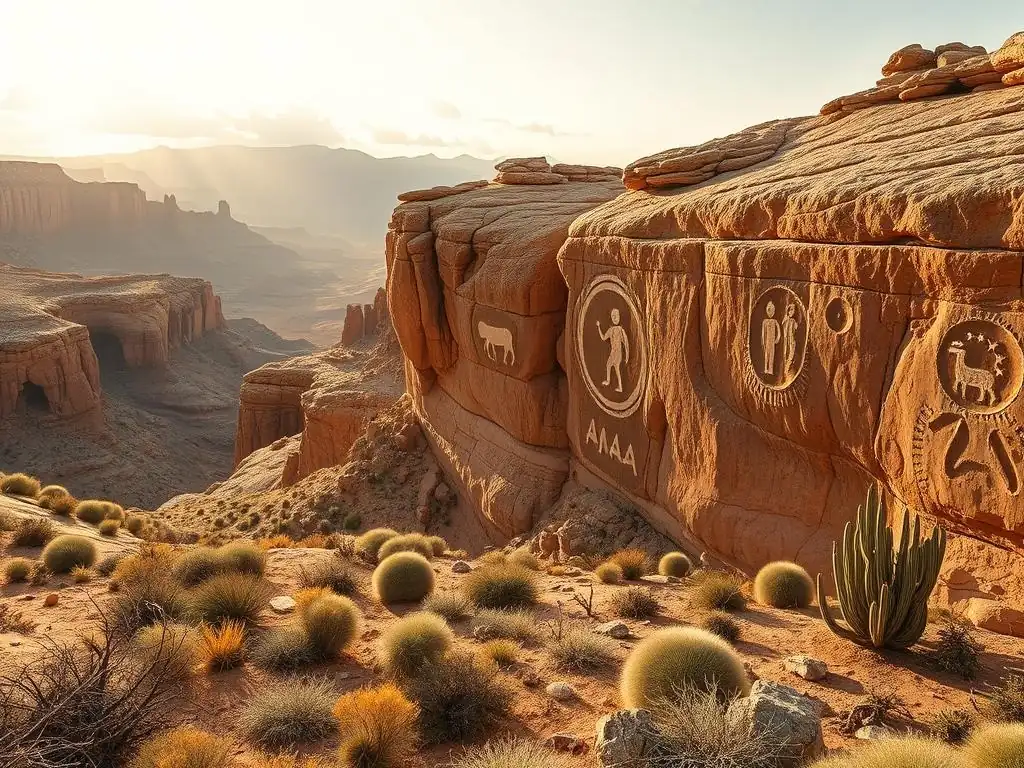
North America is rich in ancient indigenous rock art, with various sites reflecting the diverse cultures and histories of its indigenous peoples. Here are some of the most notable locations:
- Petroglyph National Monument, New Mexico
- Home to over 20,000 petroglyphs created by the Pueblo peoples, this site offers a glimpse into their spirituality and daily life. The images depict animals, human figures, and abstract designs, dating back as far as 400 years ago.
- Significance: The petroglyphs are considered a sacred cultural heritage, representing the connection between the Pueblo people and their ancestors.
- Rock Art of the Great Basin, Utah and Nevada
- This region features rock art that spans thousands of years, with images of shamanistic figures, animals, and geometric patterns. Sites like the Nine Mile Canyon showcase intricate petroglyphs and pictographs.
- Significance: The art provides insights into the spiritual beliefs and environmental interactions of the indigenous groups, such as the Fremont and Paiute peoples.
- Canyon de Chelly, Arizona
- This site is famous for its cliff dwellings and rock art, including pictographs and petroglyphs created by the Navajo and Ancestral Puebloans. The artworks often depict hunting scenes and ceremonial practices.
- Significance: It reflects the deep cultural and spiritual connections the Navajo have with the land.
- The Mississippi River Valley
- Numerous sites along the Mississippi River contain effigy mounds and petroglyphs from the Mississippian culture. The Cahokia Mounds are a prominent example of this ancient civilization's monumental architecture and artistry.
- Significance: This art reveals the complex social structures and cosmology of the Mississippians, emphasizing their connection to the river and surrounding landscapes.
Notable Rock Art Sites in South America
South America boasts an array of ancient indigenous rock art sites, each reflecting the unique cultural narratives of its indigenous peoples. Here are some key locations:
- Cueva de las Manos, Argentina
- Known for its stenciled handprints and vivid depictions of hunting scenes, this cave dates back to around 13,000 years ago. The artwork showcases the practices of the indigenous Tehuelche people.
- Significance: The handprints symbolize identity and presence, while the hunting scenes provide insights into the subsistence strategies of early human societies.
- Sierra de la Ventana, Argentina
- This region features numerous rock art sites attributed to the indigenous groups of the region, including images of animals, human figures, and abstract symbols.
- Significance: The art here reflects the indigenous people's relationship with their environment and highlights their storytelling traditions.
- Punic Rock Art, Chile
- Located in the Cerro Colorado area, these petroglyphs depict a variety of figures, including animals, humans, and geometric shapes, which are believed to date back over 10,000 years.
- Significance: This artwork emphasizes the cultural significance of animals in indigenous mythology and the interconnectedness of life forms.
- Tayrona National Natural Park, Colombia
- This site contains rock art created by the Tayrona civilization, showcasing intricate patterns and symbols that convey their cultural and spiritual beliefs.
- Significance: The art serves as a testament to the Tayrona's advanced understanding of their environment and their role within it.
The ancient indigenous rock art significance in both North and South America lies in its ability to connect contemporary audiences with the profound histories and narratives of the indigenous peoples. These sites are not just artistic expressions; they are vital cultural records that underscore the rich heritage and enduring legacies of the civilizations that created them.
Analyzing the Techniques Behind Ancient Indigenous Rock Art
Materials and Methods Used in Creating Petroglyphs
Ancient indigenous rock art, particularly petroglyphs, showcases a remarkable range of techniques and materials that were utilized by various cultures across the Americas. These artistic expressions provide insight into the lives, beliefs, and environments of the indigenous peoples who created them.
- Tools and Techniques:
- Pecking: This common technique involved using a hard object to strike the rock surface, creating depressions that formed images. Indigenous artists often used tools made from stone or bone.
- Incising: This technique involved carving or scratching designs directly into the rock surface. Sharp tools, such as flint or metal instruments introduced later, were utilized to create intricate patterns.
- Pounding: Similar to pecking, this technique involved rhythmically striking the rock with a heavy object to create shallow indentations.
- Painting: While not exclusively petroglyphs, some sites feature painted rock art. Natural pigments derived from minerals, plants, and animal materials were mixed with a binding agent (like fat or water) and applied to the rock.
- Materials:
- Natural Pigments: Colors were derived from ochres, charcoal, and other minerals. For instance, red ochre was commonly used for its vibrant hue and durability.
- Rock Types: Artists often selected softer rock types, such as sandstone or limestone, which were easier to manipulate and carve. The choice of rock also influenced the longevity and visibility of the artwork.
- Environmental Context: The availability of materials dictated the techniques employed. Regions rich in particular minerals or stones shaped the artistic practices of the indigenous cultures.
Understanding the materials and methods used in creating petroglyphs is crucial for appreciating their cultural significance and the skills of the artists who crafted these enduring legacies.
The Science of Dating Rock Art: Techniques and Challenges
Dating ancient indigenous rock art is a complex process that combines scientific techniques with archaeological context. Accurate dating is essential for understanding the chronology and cultural significance of these artworks.
- Radiocarbon Dating:
- While direct dating of the rock art itself is not feasible, nearby organic materials, such as charcoal or plant remains, can be radiocarbon dated to provide approximate dates for when the art was created.
- This method can yield valuable insights, but it is reliant on the preservation of organic materials in proximity to the rock art.
- Optically Stimulated Luminescence (OSL):
- OSL dating measures the last time mineral grains were exposed to light. This technique is particularly useful for dating the layers of sediment or soil that may cover or be found near rock art sites.
- It provides a timeframe for when the rock surface was last exposed, which can help to date the petroglyphs indirectly.
- Challenges in Dating:
- Environmental Factors: Weathering, erosion, and natural disasters can alter or destroy both the rock art itself and the surrounding context, complicating efforts to date the art accurately.
- Cultural Variability: Different indigenous cultures had varied practices, and the same symbols could have been used across different time periods, making it difficult to assign a specific date to certain styles or motifs.
- Ethical Considerations: Engaging with indigenous communities is essential in the dating process. Many tribes have their own histories and narratives regarding their rock art, which should be respected and integrated into scientific discussions.
While techniques like radiocarbon dating and OSL play vital roles in understanding the timeline of ancient indigenous rock art, challenges remain. These challenges underscore the importance of interdisciplinary approaches that combine scientific inquiry with indigenous knowledge and cultural perspectives.
The Impact of Climate Change and Modern Threats on Rock Art Sites
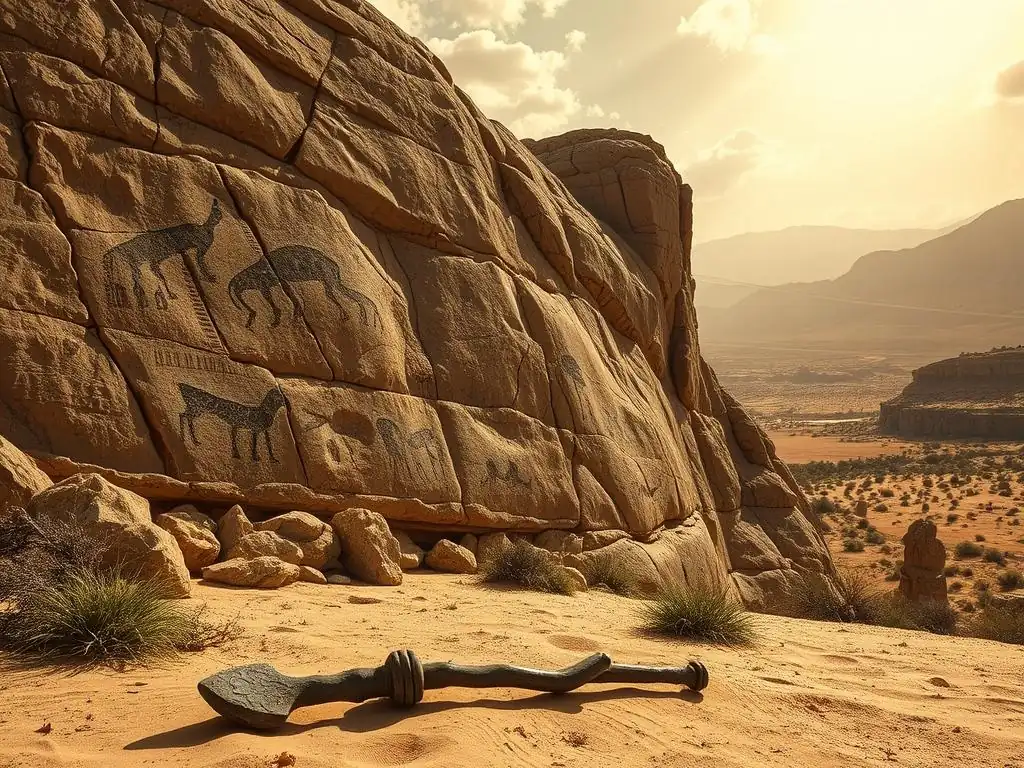
Climate change and modern threats pose significant challenges to the preservation of ancient indigenous rock art sites across the Americas. As temperatures rise and weather patterns shift, these sites face increased exposure to elements such as erosion, flooding, and temperature fluctuations. The delicate nature of the rock surfaces, often etched with intricate designs, is particularly susceptible to damage from both natural and human-induced factors.
Erosion and Weathering
One of the most pressing issues affecting rock art is erosion, which can be exacerbated by climate change. Increased rainfall and extreme weather events lead to accelerated erosion, washing away soil and rock layers that have protected these artworks for centuries. For instance, in areas experiencing more intense storms, water runoff can carve deeper channels, directly impacting the integrity of nearby rock art.
Examples of Erosion Impact:
- Flooding: In places like the American Southwest, heavy rains can lead to flash floods that wash away sediment and expose rock art to further damage.
- Wind Erosion: Harsh winds can carry abrasive particles that wear down the rock surfaces, erasing delicate carvings.
Human Activities
Modern threats also arise from human activities, including urban development, tourism, and vandalism. Increased visitation to rock art sites can lead to physical damage, as well as the introduction of pollutants that may compromise the materials of the rock art itself.
Notable Threats from Human Activity:
- Vandalism: Incidents of graffiti and intentional damage have been reported, particularly in easily accessible sites.
- Urban Expansion: Development projects can encroach upon or entirely obliterate rock art sites, as seen in some areas of the Pacific Northwest.
Preservation Efforts for Ancient Indigenous Rock Art
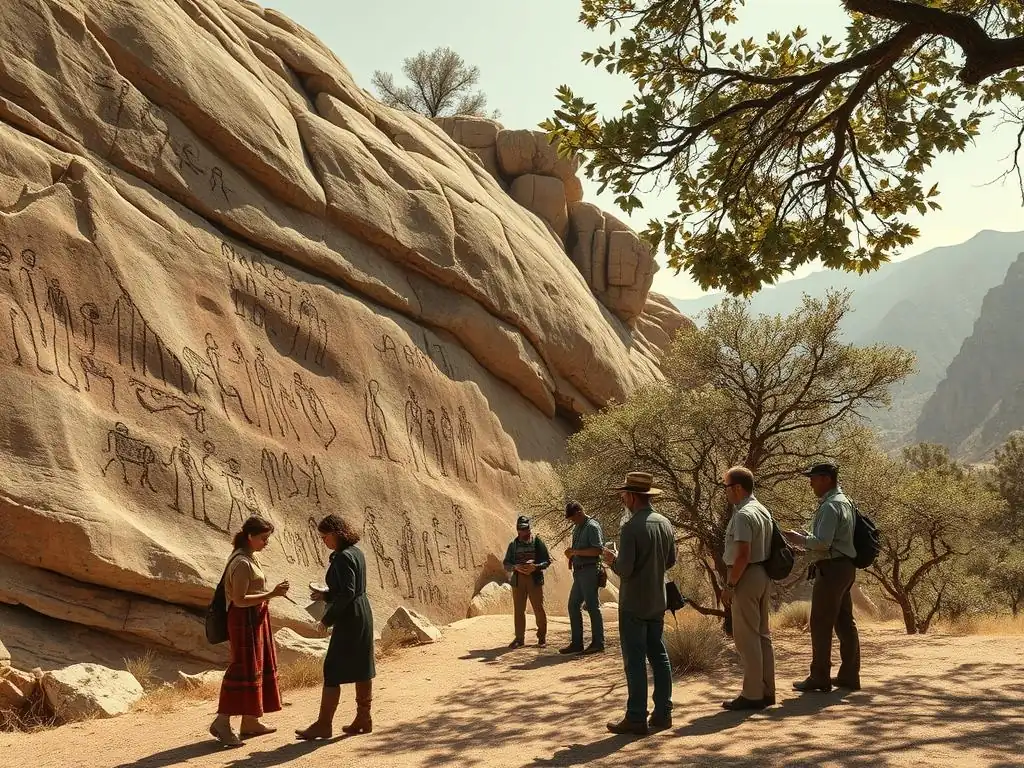
Preserving ancient indigenous rock art is crucial not only for cultural heritage but also for understanding historical narratives. Numerous initiatives are underway to safeguard these invaluable sites through various preservation techniques and community involvement.
Collaborative Approaches
Collaboration between indigenous communities, archaeologists, and conservationists is essential for effective preservation. Indigenous peoples often hold traditional knowledge that is vital for understanding the significance of rock art and its context within their cultures.
Key Collaborative Strategies:
- Community Engagement: Involving local indigenous groups in the preservation process ensures that their voices and knowledge are respected and utilized.
- Education Programs: Workshops and educational campaigns can raise awareness about the importance of protecting rock art sites.
Legal Protections
Various legal measures have been implemented to protect ancient indigenous rock art. Laws such as the National Historic Preservation Act in the United States provide frameworks for designating and safeguarding these important cultural sites.
Important Legal Frameworks:
- National Register of Historic Places: Includes rock art sites that meet specific criteria for historical significance.
- Cultural Resource Management Plans: Developed to assess the impacts of development on rock art sites and implement protective measures.
Role of Technology in Protecting Indigenous Heritage Sites
Technology plays a pivotal role in the protection and preservation of ancient indigenous rock art. Innovations in digital documentation and monitoring can help mitigate the risks posed by climate change and human activities.
Digital Documentation
One of the most significant advancements is the use of digital mapping and 3D imaging technologies. These tools allow researchers to create detailed records of rock art, making it possible to monitor changes over time.
Benefits of Digital Technologies:
- Preservation of Data: Digital records can help preserve the details of rock art, even if the physical site suffers damage.
- Remote Monitoring: Technologies like drones and satellite imagery enable the monitoring of sites from afar, providing data on erosion and environmental changes.
Virtual Reality and Augmented Reality
Emerging technologies such as virtual reality (VR) and augmented reality (AR) offer new ways to experience and engage with rock art. These tools can provide immersive experiences that educate users about the cultural significance of the art without causing physical harm to the sites.
Applications of VR and AR:
- Interactive Exhibits: Museums can use VR to recreate rock art sites, allowing visitors to explore without impacting the original locations.
- Cultural Education: AR applications can overlay historical information on the rock art itself when viewed through a mobile device, enhancing understanding and appreciation.
Understanding the significance of ancient indigenous rock art is paramount in ensuring these cultural treasures are not only preserved but also appreciated by future generations. The ongoing challenges posed by climate change and modern threats highlight the importance of innovative preservation strategies and collaborative efforts among indigenous communities and conservationists alike.
Conclusion: The Lasting Legacy of Ancient Indigenous Rock Art
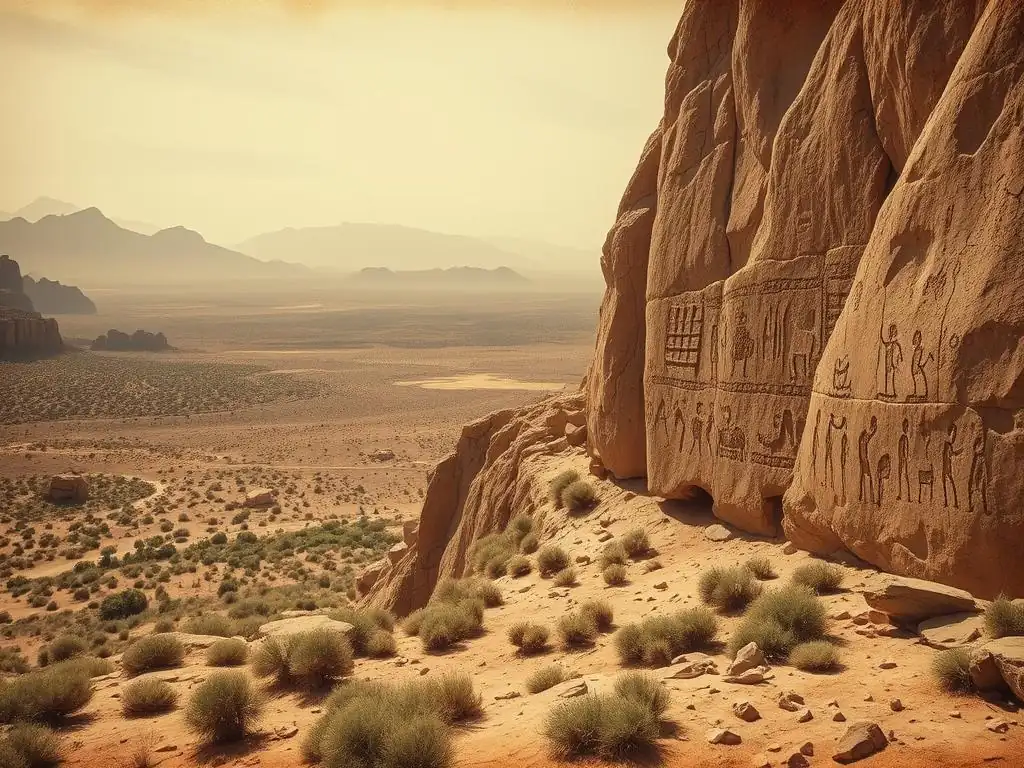
The significance of ancient indigenous rock art extends far beyond the mere aesthetic appeal of the carvings and symbols etched into stone. These artworks serve as invaluable historical records, chronicling the beliefs, practices, and daily lives of indigenous cultures across the Americas. They provide insights into the spiritual and social contexts of the communities that created them, encapsulating their connection to the land and its resources.
Ancient indigenous rock art is not just a reflection of the past; it is a living testament to the resilience and continuity of indigenous identities. The meanings behind these artworks are often layered and complex, requiring careful interpretation and understanding of the cultural frameworks that produced them. As such, they have become critical sites for cultural heritage, inviting both indigenous and non-indigenous people to engage with the histories they represent.
The preservation of these sites is essential, not only to honor the traditions and stories of indigenous peoples but also to acknowledge their enduring influence on contemporary culture. By recognizing the significance of these artworks, we foster a greater appreciation for the diverse narratives that shape our shared human experience.
The Importance of Protecting and Celebrating Indigenous Heritage
Protecting ancient indigenous rock art sites is crucial for several reasons:
- Cultural Identity: These artworks are integral to the cultural identity of indigenous communities. They embody the values, beliefs, and histories that have been passed down through generations.
- Historical Record: Rock art serves as an essential historical record, providing insights into the migration patterns, social structures, and environmental interactions of ancient civilizations.
- Educational Resource: They offer a unique opportunity for education, allowing both indigenous and non-indigenous individuals to learn about the rich histories and cultural practices of indigenous peoples.
- Ecological Significance: Many rock art sites are located within ecologically sensitive areas. Protecting these sites also contributes to the preservation of biodiversity and the ecosystems that indigenous peoples have historically stewarded.
To celebrate this heritage, various initiatives can be undertaken, such as:
- Cultural Festivals: Organizing festivals that highlight the traditions and stories associated with specific rock art sites can help foster community engagement and awareness.
- Collaborative Research: Engaging local indigenous communities in research efforts ensures that their knowledge and perspectives are respected and integrated into the interpretation of rock art.
- Conservation Efforts: Implementing measures to protect these sites from vandalism, environmental degradation, and urban encroachment is essential for their survival.
Cultural education and responsible tourism play vital roles in promoting the significance of ancient indigenous rock art. By encouraging these practices, we can foster a deeper understanding and respect for indigenous cultures.
- Educational Programs: Developing educational programs that focus on the interpretation of rock art can enhance visitors' experiences. Workshops, guided tours, and lectures can provide valuable context and insights into the meanings behind the artworks.
- Sustainable Tourism Practices: Promoting sustainable tourism practices ensures that the economic benefits of tourism do not come at the expense of cultural integrity or environmental health. This includes setting visitor limits, creating designated viewing areas, and providing clear guidelines for respectful engagement with the sites.
- Community Involvement: Involving indigenous communities in tourism initiatives not only empowers them but also enriches the visitor experience. Indigenous guides can share personal stories and cultural knowledge, creating a more authentic connection to the rock art.
By prioritizing cultural education and supporting indigenous-led tourism initiatives, we can help ensure that the significance of ancient indigenous rock art is recognized, appreciated, and preserved for future generations. In doing so, we honor the legacy of the peoples who created these remarkable artworks and celebrate the rich tapestry of indigenous heritage that continues to shape our world today.
Further Reading and Resources on Ancient Indigenous Rock Art
Exploring ancient indigenous rock art offers a profound insight into the cultures that flourished in the Americas long before European contact. To further appreciate the significance of ancient indigenous rock art, a variety of resources—including books, documentaries, and online platforms—are available to deepen your understanding and appreciation of these artistic expressions.
Recommended Books and Documentaries
Books
Here are some essential readings that delve into the significance, history, and interpretation of ancient indigenous rock art:
-
"The Rock Art of the American West" by David S. Whitley
This comprehensive guide covers various rock art sites across the American West, examining the cultural and historical contexts of the artworks.
-
"Indian Rock Art of the Southwest" by Polly Schaafsma
This book provides an in-depth exploration of the petroglyphs and pictographs found in the Southwest, along with analyses of their meanings and significance.
-
"Ancient Visions: Petroglyphs and Pictographs of the American West" by David E. Wilcox and David S. Whitley
This volume combines stunning visuals with scholarly insights, discussing the cultural implications of rock art in indigenous societies.
Documentaries
Visual storytelling can often illuminate aspects of ancient indigenous rock art in a way that text cannot. Here are a few recommended documentaries:
-
"The Cave of Forgotten Dreams" (2010)
Directed by Werner Herzog, this documentary focuses on the Chauvet Cave in France, showcasing some of the oldest known cave paintings and exploring their significance in human history.
-
"Petroglyphs: The Art of the Ancients"
This film provides a detailed look at various petroglyph sites, including interviews with indigenous peoples and rock art experts who discuss the cultural importance of these artworks.
-
"In Search of Ancient Astronauts"
While controversial, this documentary explores the idea that ancient civilizations, including indigenous cultures, had contact with extraterrestrial beings, featuring rock art as a point of discussion.
Online Platforms and Virtual Tours of Rock Art Sites
In the digital age, numerous online resources allow enthusiasts and scholars alike to explore ancient indigenous rock art from the comfort of their homes. Here are some valuable platforms:
-
The Rock Art Archive
This online database provides access to a wealth of information regarding rock art sites across the world. Users can explore imagery, context, and scholarly articles related to ancient indigenous rock art.
-
Google Arts & Culture
Through collaborations with museums and cultural institutions, Google Arts & Culture offers virtual tours of rock art sites, including interactive displays and educational resources about their significance.
-
Virtual Rock Art Tours
Various organizations offer virtual tours of significant rock art locations. For example, the Canyonlands Natural History Association hosts online experiences that allow users to explore petroglyphs and learn about the cultures behind them.
-
Social Media Platforms
Following hashtags like #RockArt and #Petroglyphs on platforms such as Instagram can lead to discovering contemporary indigenous artists who draw inspiration from ancient rock art, offering a modern context to these age-old traditions.
By engaging with these resources, individuals can gain a deeper appreciation for the significance of ancient indigenous rock art and its enduring legacy within the cultural fabric of the Americas.
Frequently Asked Questions
What are petroglyphs and why are they important?
Petroglyphs are carvings or engravings made on rock surfaces by ancient indigenous peoples. They are important as they provide insight into the cultures, beliefs, and histories of these societies.
How do ancient indigenous rock art sites contribute to our understanding of history?
These rock art sites serve as primary sources of cultural expression, revealing information about the social, spiritual, and environmental contexts of the indigenous peoples who created them.
What themes are commonly depicted in ancient indigenous rock art?
Common themes include spiritual symbols, daily life, wildlife, and mythological narratives. These images often reflect the values and beliefs of the communities that produced them.
How has the significance of ancient indigenous rock art changed over time?
Initially viewed as mere decorations, the significance of ancient rock art has evolved to be recognized as critical historical documents that help us appreciate cultural diversity and heritage.
What efforts are being made to preserve ancient indigenous rock art sites?
Various organizations and indigenous groups are working to protect and preserve these sites through legal measures, education, and community engagement, ensuring their cultural significance is acknowledged and maintained.
Final Reflection: The Enduring Significance of Ancient Indigenous Rock Art
The significance of ancient indigenous rock art transcends mere aesthetics; it serves as a vital link to our collective human history and cultural identity. In a world increasingly disconnected from its roots, these petroglyphs remind us of the stories, beliefs, and traditions of the indigenous peoples who created them. They are not just relics of the past but living narratives that continue to resonate with contemporary society, urging us to honor and preserve the wisdom embedded in these ancient expressions.
The impact of ancient indigenous rock art is profound, influencing not only our understanding of history but also our appreciation for cultural diversity and heritage. These artworks invite us to reflect on the interconnectedness of humanity and the environment, fostering a sense of respect for the traditions that have shaped our world. As noted by art historian David Whitley, Rock art is a window into the soul of a culture, revealing the values and beliefs that define it.
This perspective encourages us to engage with these sites not just as observers but as participants in a broader dialogue about identity, heritage, and the importance of preserving our cultural landscapes.
As we contemplate the lessons imparted by ancient indigenous rock art, I invite you to reflect on your own connection to history and culture. Consider how you can contribute to the preservation and appreciation of these significant sites in your community. Whether through advocacy, education, or simply sharing the stories of these remarkable artworks, each of us has a role to play in ensuring that the voices of the past continue to echo into the future. Embrace the opportunity to learn from these ancient narratives and let them inspire a deeper understanding of our shared humanity.
Unveil the Stories of Ancient Cultures!
Thank you for exploring the fascinating world of petroglyphs with us! You've just unlocked a glimpse into the rich heritage of ancient Indigenous cultures, and now it’s your turn to dive deeper. Here are some inspiring actions you can take to further connect with this profound history:
- Join a local workshop or virtual tour to learn how to interpret petroglyphs and the stories they tell.
- Share this article with friends and family to spark a conversation about the importance of preserving Indigenous art and history.
- Explore your local area for petroglyph sites or similar historical landmarks, and visit them to experience their significance firsthand.
What story or experience with petroglyphs resonates most with you, and how might it change the way you view our shared past?