
Untranslatable: The Unique Concepts Lost with Indigenous Language Extinction


Welcome to Indigenous Civilizations of the Americas, where we invite you to embark on a journey through the rich tapestry of pre-colonial cultures that once flourished across the continent. In our featured article, “Untranslatable: The Unique Concepts Lost with Indigenous Language Extinction,” we delve into the profound impact of language loss on indigenous communities and the irreplaceable concepts that vanish with it.
Prepare to uncover the intricate connections between language and identity, and discover why understanding these indigenous language loss concepts is crucial to appreciating the legacies of these vibrant societies. Join us as we explore the stories that await!
- Introduction to Indigenous Language Loss Concepts
- Understanding Untranslatable Concepts
- The Impact of Indigenous Language Loss
- Case Studies of Indigenous Language Extinction
- Efforts to Preserve Indigenous Languages
- Conclusion: The Urgency of Addressing Indigenous Language Loss
-
Frequently Asked Questions
- What is the main focus of the article "Untranslatable: The Unique Concepts Lost with Indigenous Language Extinction"?
- Why is indigenous language loss a critical issue?
- How do untranslatable concepts reflect indigenous worldviews?
- What are some examples of untranslatable concepts from indigenous languages?
- How can preserving indigenous languages help combat their extinction?
- Final Reflection: The Unspoken Loss of Indigenous Language Concepts
- Revitalize Indigenous Language: Join the Movement!
Introduction to Indigenous Language Loss Concepts
The extinction of indigenous languages represents not only a loss of words but also a profound erosion of cultural identity, knowledge systems, and unique worldviews. As languages vanish, they take with them concepts and meanings that are often untranslatable into dominant languages, encapsulating the essence of the cultures they represent.
This article delves into the intricate relationship between indigenous language loss and the unique concepts that are lost alongside these languages, highlighting their significance in understanding the richness of pre-colonial societies in the Americas. By exploring these untranslatable ideas, we aim to illuminate the impact of linguistic extinction on cultural heritage and identity, while advocating for the preservation and revitalization of indigenous languages.
Importance of Indigenous Languages in Cultural Identity
Indigenous languages are far more than mere tools for communication; they are vital carriers of cultural heritage and identity. Each language embodies the worldview of its speakers, reflecting their history, traditions, and values. Here are some key aspects of this connection:
- Cultural Transmission: Indigenous languages play a crucial role in passing down knowledge from generation to generation. They encompass traditional ecological knowledge, spiritual beliefs, and historical narratives.
- Social Cohesion: Language fosters a sense of belonging and community among speakers. It creates bonds that unite individuals through shared experiences and collective identity.
- Worldview Representation: Every language encodes a unique perspective on the world. For instance, many indigenous languages contain specific terms for natural phenomena and social relations that do not have direct equivalents in dominant languages, emphasizing the deep connection of indigenous peoples to their environments.
The loss of these languages thus threatens not only the transmission of knowledge but also the very fabric of cultural identity among indigenous peoples.
Overview of Indigenous Language Extinction
Indigenous language extinction is a pressing issue exacerbated by historical and ongoing colonial practices that have marginalized and oppressed indigenous communities. Here are some key points regarding this phenomenon:
- Statistics: According to linguistic experts, it is estimated that more than 2,500 indigenous languages were spoken in the Americas before European contact, with many now considered endangered or extinct. The UNESCO Atlas of the World's Languages in Danger reports that approximately 40% of the world's languages are at risk of disappearing.
- Causes of Extinction:
- Colonization: European colonization disrupted indigenous societies, imposing foreign languages and cultures while erasing native languages and practices.
- Assimilation Policies: Various governmental policies aimed at assimilating indigenous peoples often included banning or discouraging the use of native languages in favor of dominant languages.
- Urbanization and Globalization: The migration of indigenous peoples to urban areas and the influence of global culture further diminish the use of indigenous languages.
The consequences of language extinction extend beyond the loss of communication; they include the fading of unique cultural concepts that cannot be easily translated or understood in other languages. As we explore this topic, it becomes clear that addressing indigenous language loss is essential for preserving the rich tapestry of human culture and knowledge that these languages represent.
Understanding Untranslatable Concepts

Definition of Untranslatable Terms in Indigenous Languages
Untranslatable terms are specific words or phrases in a language that lack direct equivalents in other languages, often encapsulating complex cultural ideas, emotions, or practices unique to a particular community. In the context of indigenous languages, these terms frequently embody worldviews, traditions, and relationships with nature that are integral to the identity of the speaker.
For example, many indigenous languages have words that describe specific ecological knowledge or practices that reflect the deep connection between the people and their environment. Such terms can encompass intricate understandings of flora, fauna, and seasonal changes that are critical for survival and cultural practices, yet may not have a corresponding term in dominant languages like English or Spanish.
Additionally, the loss of these languages often signifies a broader loss of cultural identity and heritage, as these terms are tied to customs, rituals, and communal experiences. When indigenous languages become extinct, the concepts they encapsulate are also at risk of disappearing, leading to a significant gap in the collective understanding of human experience.
Examples of Unique Concepts in Indigenous Cultures
Indigenous cultures across the Americas are rich with unique concepts that exemplify their profound worldviews and cultural practices. Here are a few notable examples:
- Māori: Whānau
- Meaning: While often translated as "family," whānau encompasses much more than just blood relations. It includes extended family and community, emphasizing collective responsibility and support.
- Inuit: Ikigai
- Meaning: This term reflects the concept of finding joy in life through purpose. It intertwines personal fulfillment with community well-being, showcasing how personal and communal values are intertwined in indigenous cultures.
- Nahuatl: Tonantzin
- Meaning: Translated loosely as "our revered mother," this term is deeply spiritual, referring to earth deities and the concept of nurturing and life-giving forces in both nature and human relationships.
- Quechua: Sumaq Kawsay
- Meaning: Often interpreted as "good living," this concept signifies a holistic approach to life that balances individual well-being with the health of the community and the environment, emphasizing sustainability and harmony.
- Guarani: Teko Porã
- Meaning: This term can be understood as "living well" and embodies principles of harmony, ethical living, and respect for all forms of life, reflecting the interconnectedness of existence.
These examples illustrate how indigenous languages contain intricate concepts that are not easily translatable. The extinction of these languages leads to a significant loss of cultural depth and understanding, highlighting the importance of preserving indigenous languages to maintain their unique worldviews and philosophies.
Through this exploration, it becomes evident that indigenous language loss concepts are crucial for understanding the intersection of language, culture, and identity. The preservation of these languages is not just about words; it is about safeguarding the unique perspectives and histories they carry.
The Impact of Indigenous Language Loss
Cultural Heritage and Identity Erosion
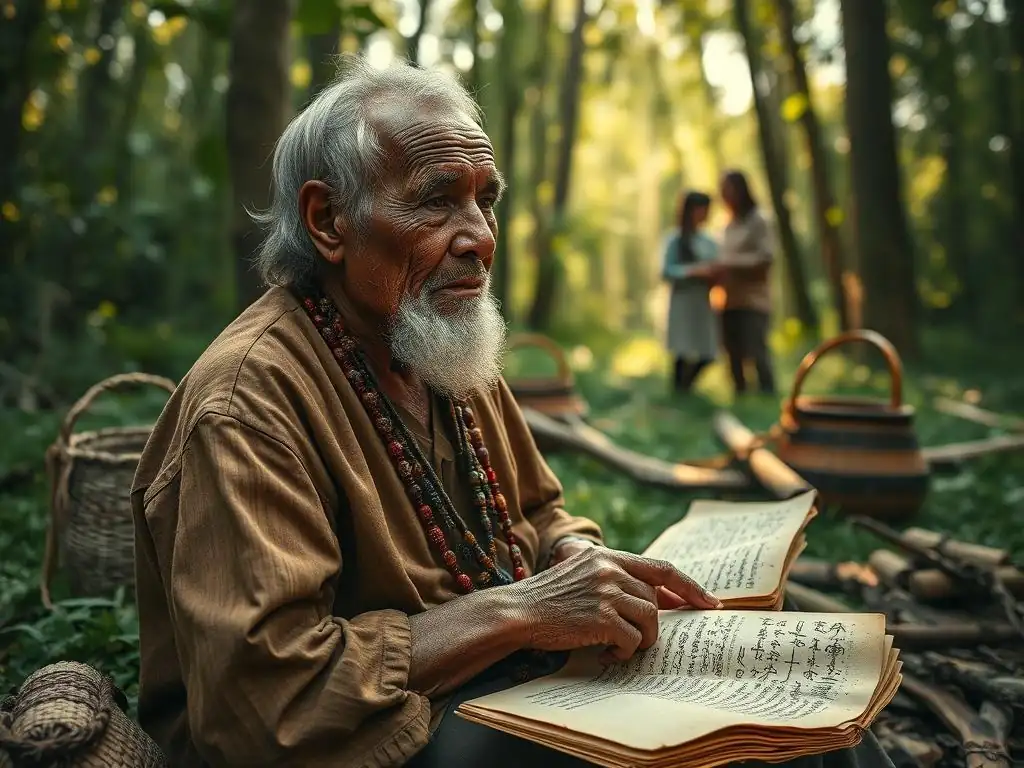
The loss of indigenous languages has profound consequences for cultural heritage and identity among indigenous communities. Language serves as a vessel for cultural narratives and traditions, encapsulating unique worldviews, histories, and values. When a language becomes extinct, the accompanying cultural identity often diminishes, leading to a disconnection from ancestral roots.
- Cultural Narratives: Each indigenous language is entwined with stories that reflect the community's relationship with nature, spirituality, and social structures. For example, the Navajo language carries intricate tales of creation that are pivotal to their identity. When such languages are lost, these narratives fade, leaving future generations without an essential part of their heritage.
- Community Bonds: Language fosters a sense of belonging and communal solidarity. For many indigenous groups, speaking their native tongue reinforces social ties and shared understanding. The decline of a language can lead to fragmentation within communities, where younger members may feel alienated or disconnected from their elders.
- Cultural Practices: Many cultural practices, such as traditional ceremonies or rituals, are often conducted in the indigenous language. The inability to understand or participate in these practices diminishes their significance, impacting cultural continuity. For instance, the Maya peoples have various rituals tied to their language that are crucial for maintaining spiritual health and community cohesion.
Loss of Knowledge: Traditional Practices and Wisdom
Indigenous languages encapsulate extensive knowledge systems that have been developed over millennia. This knowledge encompasses a range of subjects such as agriculture, medicine, ecology, and astronomy, all of which are often expressed through unique linguistic frameworks.
- Traditional Ecological Knowledge (TEK): Indigenous languages are rich in terms specific to local flora and fauna, allowing communities to manage natural resources sustainably. For instance, the Quechua language contains numerous terms for different types of potatoes, each reflecting their distinct features and uses. The loss of such specificity can lead to a decline in biodiversity and traditional agricultural practices.
- Medicinal Knowledge: Many indigenous cultures utilize their languages to convey traditional medicinal practices, including the use of local plants for healing. The extinction of these languages threatens to erase valuable health knowledge. For instance, Ayurveda practices among the indigenous tribes of the Amazon are deeply rooted in their languages, which describe the properties and uses of various plants.
- Astronomical Understanding: Indigenous peoples often have unique celestial knowledge embedded in their languages, which informs their agricultural calendars and navigation methods. The Hopi language, for example, includes intricate descriptions of celestial events, essential for seasonal planting. The loss of this language can lead to a disconnection from these practices, undermining food security and cultural practices.
The extinction of indigenous languages results in a cascading effect, erasing not only the language itself but also the vast ocean of knowledge, cultural practices, and identity that it carries. As communities grapple with these losses, the urgency of preserving indigenous languages becomes clear, emphasizing the need for revitalization efforts to safeguard these invaluable resources for future generations.
Case Studies of Indigenous Language Extinction
Cherokee Language
Unique Concepts and Their Significance
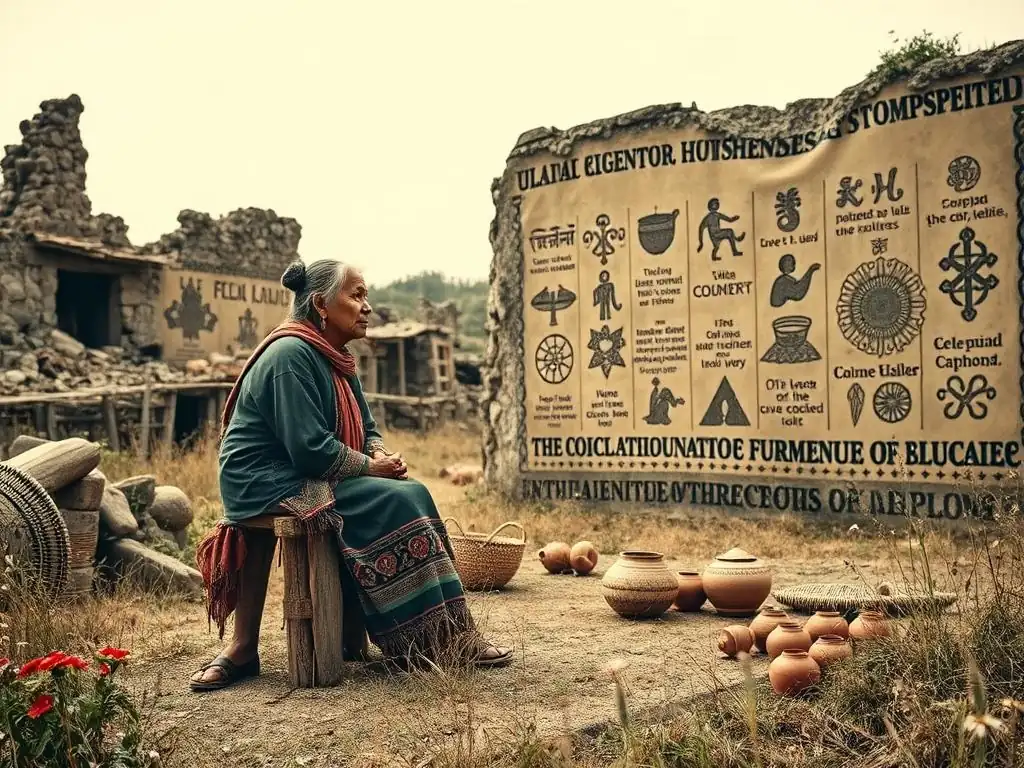
The Cherokee language, part of the Iroquoian family, is rich in unique concepts that encapsulate the Cherokee worldview. One such concept is "ᏩᏙᏯ" (Wadōya), which signifies a profound sense of gratitude towards nature and the interconnectedness of all living things. This idea reflects the deep relationship the Cherokee people have with their environment, emphasizing respect and reciprocity.
Another notable concept is "ᏧᏍᏆᏂᏍᏗ" (Tsusganisdi), which conveys the notion of community responsibility and stewardship. This principle underscores the importance of collective well-being over individualism, an ethos that has shaped Cherokee social structures and practices.
The loss of the Cherokee language threatens not just words but the very essence of these cultural concepts. The inability to convey such meanings diminishes the transmission of knowledge, values, and the identity of the Cherokee people.
Consequences of Language Loss on Cultural Practices
Language loss profoundly impacts cultural practices among the Cherokee. As the language fades, traditional ceremonies, storytelling, and oral histories are at risk of being forgotten. Storytelling, a vital method of preserving history and moral lessons, relies heavily on the nuances of language. Without Cherokee, the subtleties embedded in stories may be lost, leading to a disconnection from ancestral teachings.
Moreover, many ceremonial practices are tied to the language used in rituals. For instance, prayers and songs that are performed in Cherokee carry specific meanings that do not translate into English. The erosion of these linguistic elements can result in a loss of authenticity and cultural significance in practices that have been passed down for generations.
Finally, the decline of the Cherokee language can lead to a diminished sense of identity among younger generations. As language serves as a medium for cultural expression, its loss can create a gap between the youth and their heritage, hindering their connection to community and history.
Eyak Language
Unique Concepts and Their Significance
Eyak, once spoken in southeastern Alaska, is now considered extinct, with the last fluent speaker passing away in 2008. This language encompassed unique concepts that are crucial for understanding Eyak culture. One such concept is "ʔałt̕ik", which refers to the intricate relationship between nature and the community, highlighting a worldview where humans and the environment exist in a delicate balance.
Another significant term is "q̕uḷuq", which denotes a profound respect for the natural world, emphasizing sustainable practices in hunting and fishing. These concepts are embedded in Eyak narratives and teachings, which elaborate on the importance of living in harmony with one's surroundings.
As Eyak becomes lost, these unique concepts risk vanishing, leaving future generations without a framework to understand their cultural identity and ecological practices.
Consequences of Language Loss on Cultural Practices
The extinction of the Eyak language has had severe repercussions on cultural practices. For example, traditional storytelling used to transmit ecological knowledge is now compromised. These narratives provided essential information about local flora and fauna, as well as methods for sustainable living. Without the language, this knowledge may be lost, leading to a disconnect from environmental stewardship.
Moreover, the loss of Eyak has impacted ceremonial practices that are deeply rooted in the language. Many rituals and songs are untranslatable, losing their meaning and significance without the original linguistic context. This diminishes the cultural richness of Eyak ceremonies and reduces their ability to convey spiritual and communal values.
Additionally, the absence of the Eyak language has implications for community cohesion. Language fosters connections and shared experiences among members. With the decline of Eyak, younger generations may struggle to form bonds with their cultural heritage, leading to a fragmented sense of identity and belonging.
The concepts embedded within the Eyak language represent more than mere words; they are essential to the cultural fabric and practices of the Eyak people. The consequences of losing these linguistic elements extend far beyond vocabulary, affecting identity, community, and the continuity of traditions.
Efforts to Preserve Indigenous Languages

Efforts to preserve indigenous languages are critical in combating the ongoing crisis of language loss, which not only affects communication but also leads to the disappearance of unique concepts and cultural identity. Various initiatives aim to revitalize these languages and ensure the survival of the concepts embedded within them.
Language Revitalization Programs
Language revitalization programs are structured efforts designed to teach and promote indigenous languages among younger generations. These programs often involve collaboration between indigenous communities, linguists, and educational institutions.
- Curriculum Development: Educational institutions create curricula that incorporate indigenous languages into school systems, allowing students to learn these languages as part of their regular education. For example, the K-12 Language Revitalization Program in the United States has successfully integrated Native American languages into public schools.
- Adult Language Classes: Many communities offer adult education classes aimed at teaching indigenous languages to adults, who can then pass this knowledge on to their children. Such programs often include immersive experiences where participants engage in cultural practices while learning the language.
- Technological Solutions: The use of technology has emerged as a powerful tool in language revitalization. Apps and online resources, such as Duolingo for indigenous languages, provide accessible language learning opportunities. These platforms often include unique concepts that are specific to indigenous cultures, helping to keep those ideas alive.
- Documentation and Resources: Linguists and community members work together to document languages that are in danger of extinction. This includes creating dictionaries, audio recordings, and teaching materials that preserve the unique concepts tied to the language.
Community Initiatives for Cultural Preservation
Community initiatives play a vital role in preserving indigenous languages and the concepts they convey. These grassroots efforts often reflect the needs and values of the community while fostering a sense of identity and belonging.
- Cultural Festivals: Many indigenous communities host cultural festivals that celebrate their heritage, including language and traditional practices. These festivals often feature storytelling, music, and dance, which are essential for transmitting language and concepts to younger generations.
- Language Nest Programs: Inspired by successful models in New Zealand, language nests involve immersing young children in their indigenous language from an early age. This initiative encourages the use of language in everyday contexts, creating a natural environment for learning and cultural infusion.
- Elders as Language Keepers: Elders are often regarded as the custodians of language and culture. Community programs that involve elders teaching the language and sharing stories help ensure that unique concepts are transmitted authentically to younger generations.
- Collaborative Projects: Indigenous communities often engage in collaborative projects with universities and NGOs to develop resources that promote their languages. For instance, the FirstVoices project allows communities to create online archives of their languages, preserving not only the language but the cultural concepts associated with it.
The efforts to preserve indigenous languages through revitalization programs and community initiatives are essential in maintaining the rich tapestry of concepts that define these cultures. While the loss of indigenous languages leads to the disappearance of unique ideas, these proactive measures help to safeguard and celebrate the linguistic heritage of indigenous peoples across the Americas.
Conclusion: The Urgency of Addressing Indigenous Language Loss
The extinction of indigenous languages represents more than just a loss of words; it signifies the erasure of unique concepts that encapsulate the rich cultural heritage of diverse communities across the Americas. Each language carries with it a world view, a distinct way of understanding and interacting with the environment, society, and spirituality. As these languages fade, the intricate ideas and philosophies embedded within them are at risk of being lost forever. The urgency to address indigenous language loss is not only about preserving communication but also about safeguarding the essence of cultural identities and their historical narratives.
The decline of indigenous languages has been exacerbated by centuries of colonization, assimilation policies, and globalization. The languages that are still spoken today are often under threat, leading to a critical need for revitalization efforts. Governments, educational institutions, and communities must collaborate to ensure that these languages are taught and celebrated. Without immediate action, we risk losing not just words, but entire ways of life and systems of knowledge that offer invaluable insights into human existence.
Call to Action for Supporting Indigenous Languages
To combat the ongoing crisis of indigenous language loss, it is essential to take proactive steps. Here are several actionable strategies:
- Educational Programs: Support and promote the establishment of bilingual education programs that incorporate indigenous languages, allowing younger generations to learn and use their ancestral tongues.
- Community Engagement: Encourage community-led initiatives that foster pride in indigenous languages. Activities such as storytelling sessions, language workshops, and cultural festivals can help revive interest and participation.
- Documentation and Resources: Advocate for the documentation of endangered languages through audio recordings, written materials, and digital resources. This can create valuable tools for language learners and scholars alike.
- Policy Advocacy: Work with policymakers to create and enforce laws that protect the rights of indigenous peoples to use their languages. This includes funding for language preservation projects and recognition of indigenous languages in official settings.
- Cultural Partnerships: Collaborate with indigenous communities to promote cultural exchange programs that highlight the importance of language in culture, identity, and heritage.
By actively engaging in these initiatives, individuals and organizations can contribute to the preservation and revitalization of indigenous languages, ensuring that unique concepts and cultural wisdom endure for future generations.
Reflection on the Importance of Preserving Unique Concepts
The loss of indigenous languages is a profound tragedy that extends beyond linguistic boundaries. Unique concepts inherent in these languages often reflect the intricate relationships that indigenous peoples have with their environment, social structures, and spiritual beliefs. For instance, the Inuktitut word "ikigai" embodies a philosophy of life that intertwines purpose, community, and connection to nature, a concept that may not have a direct equivalent in English.
When a language disappears, so too does the rich tapestry of meanings and values that it conveys. This erosion of cultural knowledge can lead to a homogenization of thought, where the diverse ways of understanding the world are replaced with a singular perspective. The preservation of these unique concepts is crucial not only for the identity of indigenous peoples but also for humanity as a whole.
Furthermore, these concepts can offer valuable lessons on sustainability, community living, and holistic approaches to health and well-being. By preserving indigenous languages, we keep alive the opportunity for all cultures to learn from one another, fostering a richer, more diverse global community.
Addressing indigenous language loss is a critical endeavor that requires collective action and a deep respect for the invaluable knowledge and unique concepts that these languages represent. The time to act is now, before these irreplaceable elements of human heritage vanish forever.
Frequently Asked Questions
What is the main focus of the article "Untranslatable: The Unique Concepts Lost with Indigenous Language Extinction"?
The article explores the unique concepts embedded in indigenous languages that are often lost when these languages become extinct. It highlights the cultural significance and the knowledge systems that are tied to these languages.
Why is indigenous language loss a critical issue?
Indigenous language loss is critical because it leads to the disappearance of unique cultural identities and knowledge systems. This loss affects community cohesion and the transmission of traditions to future generations.
How do untranslatable concepts reflect indigenous worldviews?
Untranslatable concepts often embody the values, beliefs, and experiences of a culture. They reveal how indigenous peoples understand their environment and relationships, showcasing the diversity of thought that exists across different cultures.
What are some examples of untranslatable concepts from indigenous languages?
Examples include terms that describe specific natural phenomena, social structures, or spiritual beliefs that have no direct equivalents in English. These terms often encapsulate complex ideas and cultural practices that are unique to the community.
How can preserving indigenous languages help combat their extinction?
Preserving indigenous languages can help maintain cultural heritage and identity, allowing communities to pass on their knowledge and traditions. It fosters a sense of pride and belonging, which is essential for the sustainability of these cultures.
Final Reflection: The Unspoken Loss of Indigenous Language Concepts
The extinction of indigenous languages is not just a linguistic tragedy; it represents a profound loss of unique cultural concepts that shape our understanding of the world. As we witness the decline of these languages, we must recognize that each word carries with it a wealth of knowledge, traditions, and perspectives that are irreplaceable. The urgency to preserve these languages is not merely about saving words; it’s about safeguarding the very essence of diverse cultures that enrich our global tapestry.
The influence of indigenous languages extends far beyond their speakers, impacting our collective cultural landscape and challenging us to reconsider our relationship with language and meaning. The concepts embedded in these languages often encapsulate ways of knowing and being that are fundamentally different from dominant narratives. As linguist David Harrison aptly stated, When a language dies, a way of thinking dies with it.
This ongoing loss invites us to reflect on how we engage with the world around us and the diverse perspectives that are at risk of fading into silence.
As we move forward, I encourage you to take a moment to reflect on the languages and concepts that shape your own life. Consider how you can contribute to the preservation of indigenous languages and the unique ideas they embody. Whether through supporting language revitalization efforts, educating others about the importance of linguistic diversity, or simply taking the time to learn about different cultures, every action counts. Let us honor the richness of human expression and commit to ensuring that these invaluable concepts are not lost to history.
Revitalize Indigenous Language: Join the Movement!
Thank you for diving into the rich world of indigenous languages and their irreplaceable uniqueness. Your interest today highlights a vital need to recognize and celebrate these cultures. Now it’s time to put that passion into action and help preserve these remarkable languages that could otherwise be lost forever.
Here’s how you can make a difference:
- Join local language revitalization programs: Engage with or volunteer for organizations dedicated to teaching and preserving indigenous languages in your community.
- Share your knowledge: Discuss the importance of these languages with friends and family, helping to spread awareness of their cultural significance.
- Explore language resources online: Discover websites, documentaries, and books dedicated to indigenous languages to deepen your understanding and appreciation.
What unique aspect of an indigenous language resonates with you the most, and how can you share its beauty with others?