
Ancient Textiles: Weaving Stories of Indigenous Cultures Through Fabric

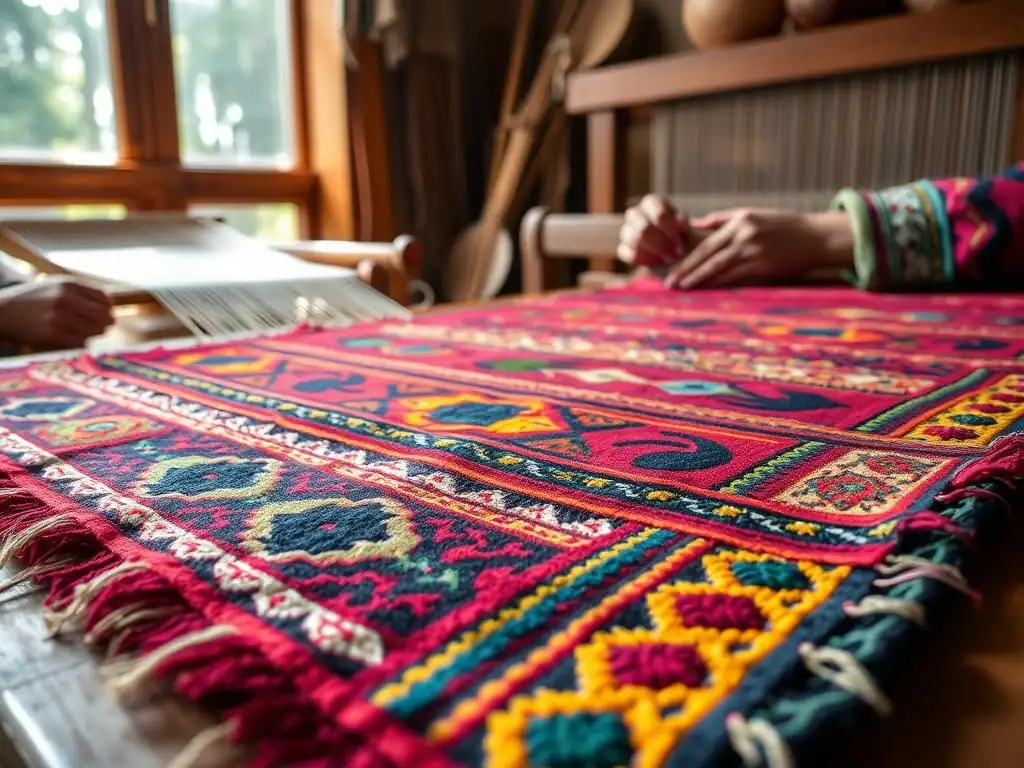
Welcome to Indigenous Civilizations of the Americas, where we invite you to embark on a fascinating journey through the rich tapestry of pre-colonial cultures. In our featured article, "Ancient Textiles: Weaving Stories of Indigenous Cultures Through Fabric," we delve into the cultural significance of indigenous textiles, revealing how fabric not only serves as a medium of art but also tells the profound stories of identity, tradition, and resilience.
Prepare to discover the intricate connections between craftsmanship and cultural heritage that have shaped the lives of indigenous peoples throughout history. Join us as we unravel the threads of the past and explore the enduring legacy of these extraordinary civilizations.
- Introduction to Indigenous Textiles and Their Cultural Significance
- The Historical Context of Indigenous Textiles
- Cultural Significance of Indigenous Textiles
- Regional Variations in Indigenous Textiles
- The Role of Textiles in Indigenous Ceremonies and Rituals
- Preservation and Revitalization of Indigenous Textile Traditions
- Conclusion: The Lasting Impact of Indigenous Textiles on Cultural Identity
- Frequently Asked Questions
- Final Reflection: Weaving the Threads of Cultural Significance
- Unveil the Rich Tapestry of Indigenous Culture!
Introduction to Indigenous Textiles and Their Cultural Significance
The ancient civilizations of the Americas were rich in diversity, creativity, and cultural expression, particularly evident in their textile traditions. Indigenous textiles are not merely functional items; they are profound narratives woven into fabric that reflect the philosophies, histories, and identities of various indigenous groups. This article delves into the intricate world of Indigenous textiles, exploring their cultural significance, the artistry involved in their creation, and their enduring impact on both historical and contemporary societies. By examining these textiles, we can gain insights into the values, beliefs, and stories that have shaped indigenous cultures long before European colonization.
Overview of Indigenous Textiles in the Americas
Indigenous textiles in the Americas encompass a wide range of techniques, materials, and styles, shaped by the unique environments and resources available to different cultures. From the intricate weavings of the Navajo and the vibrant patterns of the Maya to the elaborate quipus of the Inca, each piece tells a story that transcends time and geography.
- Materials Used: Indigenous peoples utilized local resources, such as:
- Cotton: Cultivated by various cultures, particularly in Mesoamerica.
- Wool: Sourced from llamas and alpacas in the Andes.
- Bark and Fibers: Used by many groups, including the coastal tribes of the Pacific Northwest.
- Techniques: Various weaving techniques were employed, including:
- Backstrap Weaving: A traditional method still practiced today.
- Tapestry Weaving: Used to create intricate designs and stories within the fabric.
These textiles served multiple purposes, from clothing and ceremonial garments to functional items like bags and blankets. Each creation was a reflection of the community's social structure, environmental conditions, and spiritual beliefs.
Importance of Fabric in Indigenous Cultures
The significance of fabric in indigenous cultures extends beyond mere utility. Textiles play a central role in cultural identity, social status, and community cohesion.
- Cultural Identity: Fabrics often embody the symbols and colors associated with specific communities, helping to preserve unique cultural identities. For example, the patterns in Navajo rugs often depict the landscape and spiritual motifs reflecting their connection to the earth.
- Ceremonial and Spiritual Significance: Many textiles are associated with rituals and ceremonies. For instance, the Maya used textiles in religious ceremonies, often weaving messages of gratitude and connection to the divine into their fabrics.
- Economic Impact: Textile production has historically contributed to local economies. Artisans often engage in trade, sharing their creations and fostering economic relationships with neighboring communities.
Indigenous textiles are vital artifacts that encapsulate the rich tapestry of cultural significance, storytelling, and artistry of indigenous peoples across the Americas. Through this exploration of their historical context, we can appreciate their enduring legacy and relevance in today’s world.
The Historical Context of Indigenous Textiles
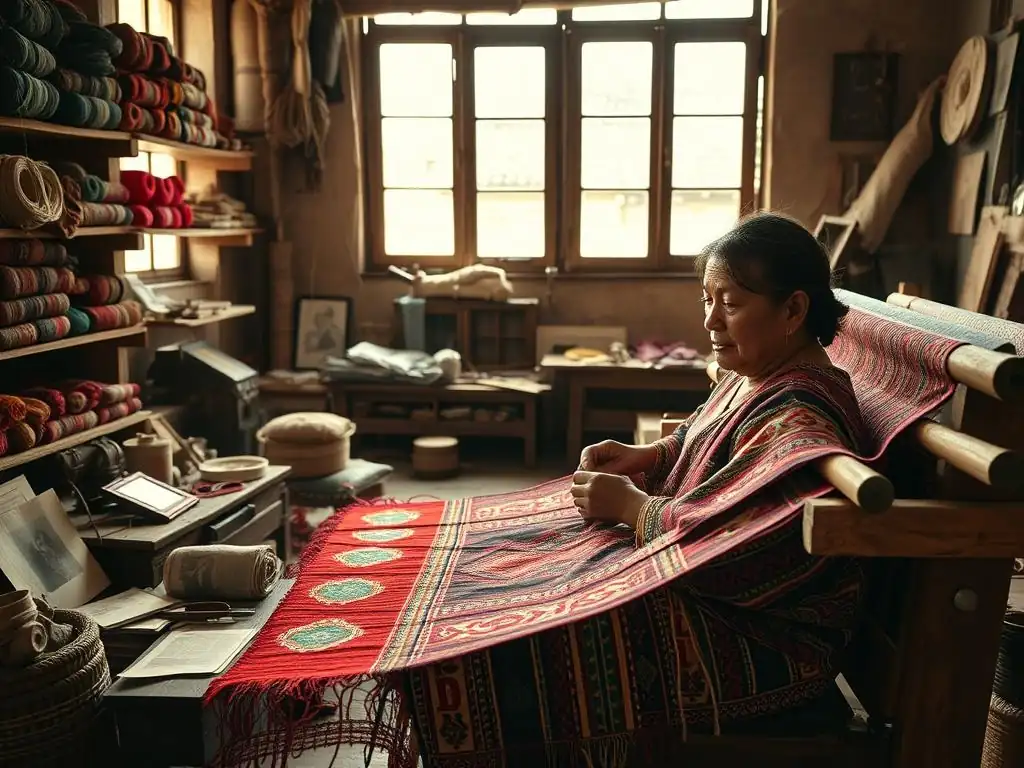
The history of indigenous textiles in the Americas is a rich tapestry interwoven with cultural significance, identity, and innovation. Before European colonization, various indigenous groups developed unique textile traditions that reflected their environments, beliefs, and social structures. These textiles were not merely functional items; they served as vital expressions of cultural narratives and communal values.
Textiles were woven from a variety of natural materials, including cotton, wool, and plant fibers, each selected based on the availability of local resources and the climatic conditions of specific regions. The artistry of these textiles often involved intricate patterns and dyes derived from local plants and minerals, which held specific meanings within the community. The craftsmanship involved in creating these textiles was a highly respected skill, passed down through generations, ensuring the continuation of cultural practices and identity.
The advent of European colonization brought significant changes to these indigenous textile traditions. The introduction of new materials and techniques influenced traditional practices, leading to a blending of styles. However, despite these changes, many indigenous groups have maintained their textile heritage, adapting it to modern contexts while still honoring their historical roots.
Ancient Weaving Techniques and Materials
Indigenous textiles were created using a variety of ancient weaving techniques that varied across regions and cultures. Some of the most notable techniques include:
- Backstrap Weaving: Common among many indigenous groups, this technique involves anchoring one end of the loom to a stationary object, such as a tree or a post, while the weaver uses their body to tension the warp threads. This method allows for intricate designs and is particularly prevalent in Mesoamerican cultures.
- Twill Weaving: This technique produces a diagonal weave pattern, creating a durable and textured fabric. It was used by various indigenous peoples, especially in areas where wool was abundant, such as the Andes.
- Brocade and Tapestry Weaving: These advanced techniques involve incorporating supplementary weft threads to create intricate and colorful designs. They were often used to convey specific cultural stories or symbols, making the textiles not just functional but also narrative art.
The materials used in indigenous textiles were sourced from the natural environment. For instance:
- Cotton: Cultivated primarily in the warmer regions of the Americas, cotton fibers were spun and dyed to create colorful fabrics. Indigenous peoples employed various dyeing techniques using plants and insects to achieve vibrant colors.
- Wool: In the Andean region, particularly among the Quechua and Aymara peoples, llama and alpaca wool were the primary materials. The softness and warmth of these fibers made them ideal for clothing and textiles designed for colder climates.
- Plant Fibers: Communities utilized fibers from plants such as agave, yucca, and even tree bark to create textiles, baskets, and other woven items. These materials were often chosen for their strength and flexibility.
Role of Textiles in Indigenous Societies
Textiles played a multifaceted role in indigenous societies, serving not only practical purposes but also deep cultural functions:
- Cultural Identity: Textiles often reflected the identity of a community, incorporating specific patterns, colors, and symbols that conveyed tribal affiliation or social status. For instance, certain patterns might signify a group’s history or beliefs, while colors could represent clan affiliations.
- Ceremonial Significance: Many indigenous textiles were integral to rituals and ceremonies. Special garments might be worn during significant life events such as births, marriages, and funerals, reinforcing community bonds and shared beliefs.
- Trade and Economy: Textiles were valuable trade items, facilitating economic exchanges between different groups. The quality and intricacy of a textile could enhance its value, making skilled weavers highly regarded within their communities.
- Storytelling Medium: Beyond their functional use, textiles served as a medium for storytelling. Many designs and motifs were imbued with narratives that conveyed historical events, myths, and moral lessons, preserving the oral traditions of the culture.
- Practical Uses: Textiles also played crucial roles in daily life, from clothing to household items such as blankets, bags, and mats. Their utility was matched by an aesthetic value, as many items were adorned with intricate designs that reflected the weaver's skill and cultural heritage.
Indigenous textiles carry profound cultural significance, echoing the histories, identities, and values of the communities that created them. They are not just artifacts but living expressions of the rich tapestry of indigenous life in the Americas, showcasing the enduring legacy of these cultures through the art of weaving.
Cultural Significance of Indigenous Textiles
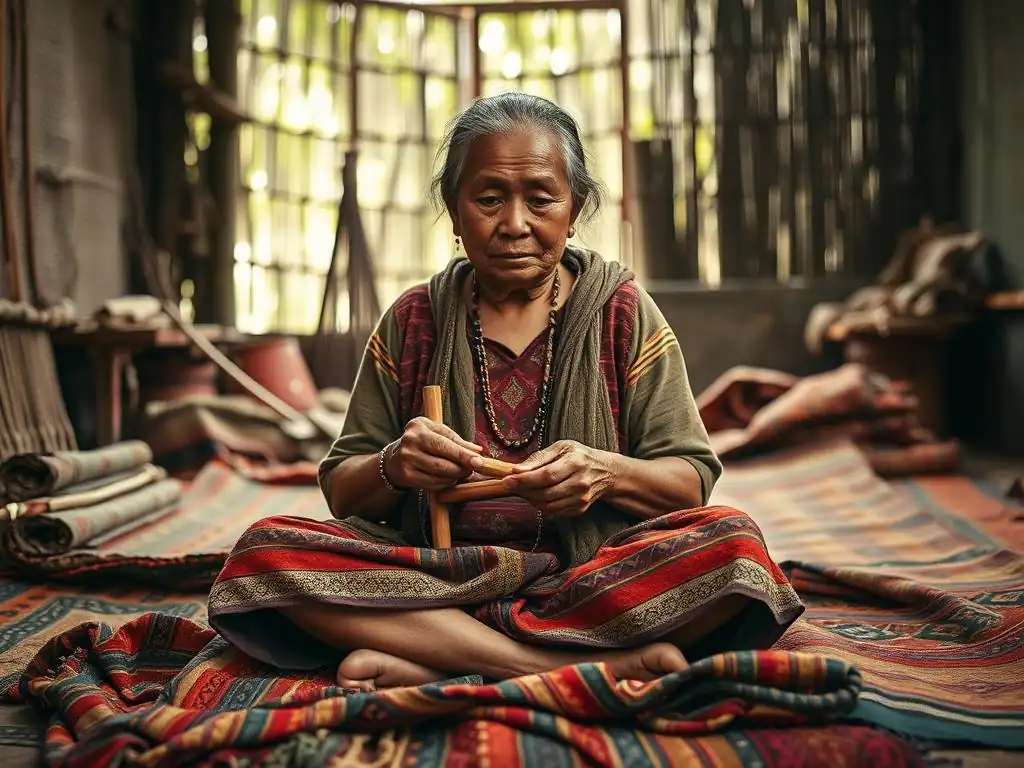
Indigenous textiles hold profound cultural significance, serving not merely as functional items but as intricate narratives woven into each fiber. These textiles reflect the values, beliefs, and histories of various indigenous communities across the Americas, showcasing their connection to the natural world and their ancestral heritage. The artistry involved in creating textiles is deeply rooted in cultural practices, with each pattern and technique telling a unique story.
Symbolism Embedded in Weaving Patterns
The patterns and motifs found in indigenous textiles are rich with symbolism, often representing spiritual beliefs, tribal affiliations, and environmental elements. For instance:
- Geometric Shapes: Commonly used in various indigenous cultures, these shapes can symbolize the cycles of nature, community unity, and the cosmos.
- Natural Elements: Patterns depicting animals, plants, and celestial bodies reflect the indigenous peoples' deep connection to their environment, serving as reminders of their relationship with nature.
- Colors: Specific colors may carry distinct meanings; for example, red can symbolize life and vitality, while black might represent the earth or the afterlife.
Indigenous weavers often incorporate stories and teachings into their textiles. Each piece can be viewed as a canvas where cultural narratives are depicted, allowing future generations to learn about their ancestors' beliefs and traditions. This weaving tradition is not just an art form; it is a vital method of preserving and transmitting cultural knowledge.
Textiles as Storytellers of Indigenous History
Textiles have also served as powerful storytellers, chronicling the historical journey of indigenous communities throughout the Americas. For example:
- Historical Events: Weavings can reflect significant historical moments, such as migrations, conflicts, and the arrival of Europeans.
- Ceremonial Uses: Many textiles are created for specific ceremonies, marking important life events such as births, weddings, and funerals, thus encapsulating the narratives of individual and collective identities.
- Cultural Exchange: With the introduction of new materials and techniques through trade and colonization, textiles evolved, showcasing the adaptability and resilience of indigenous cultures.
These fabrics are often passed down through generations, becoming cherished heirlooms that carry with them the weight of history. They serve as tangible connections to the past, reminding contemporary indigenous peoples of their rich heritage and identity.
By understanding the cultural significance of indigenous textiles, we can appreciate how these artifacts transcend their aesthetic value, becoming essential components of the living history of indigenous communities. Their stories, woven into each piece, continue to resonate today, underscoring the importance of preserving these traditions for future generations.
Regional Variations in Indigenous Textiles
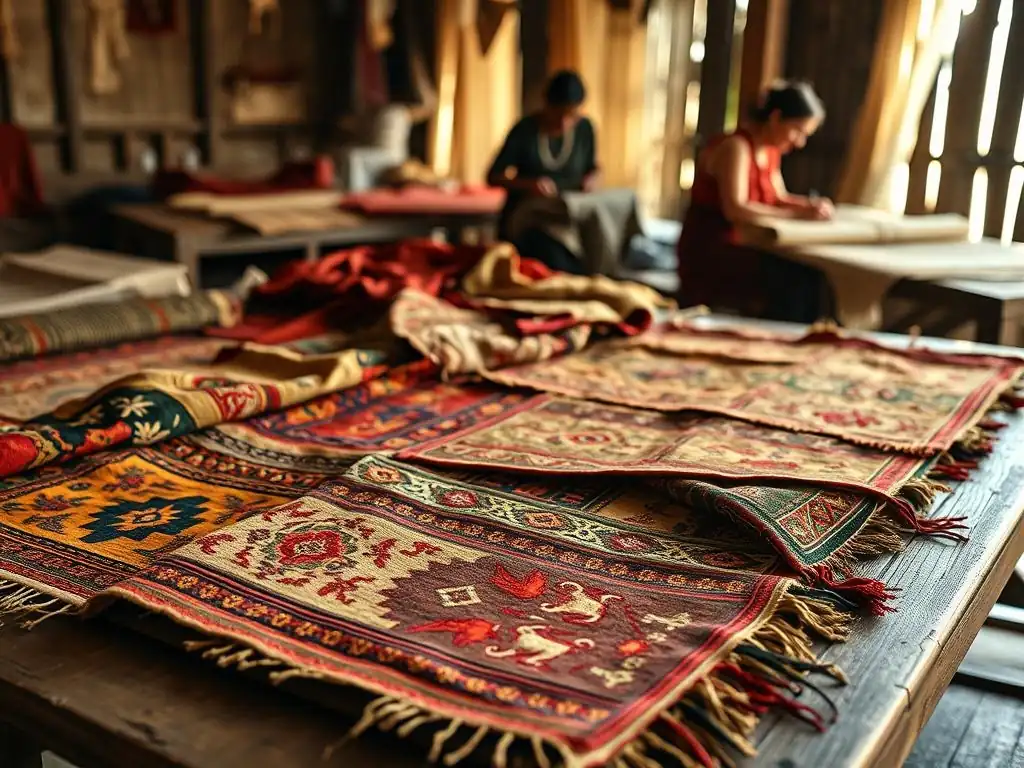
Indigenous textiles offer a fascinating glimpse into the cultural significance and artistic expressions of various civilizations across the Americas. Each region boasts unique techniques, materials, and designs, reflecting the environmental resources, social structures, and spiritual beliefs of the indigenous peoples. Here, we delve into the distinct textile traditions of Mesoamerica, the Andes, and North America, illustrating how these fabrics are not only functional but also imbued with meaning.
Mesoamerican Textiles: Techniques and Traditions
Mesoamerican textiles are renowned for their vibrant colors and intricate patterns, a testament to the advanced weaving techniques developed by cultures such as the Maya and Zapotec.
- Materials Used: Indigenous Mesoamerican weavers traditionally utilized cotton and agave fibers, which were abundant in their environments. The use of natural dyes derived from plants, insects, and minerals further enhanced the visual appeal of their textiles.
- Weaving Techniques:
- The back-strap loom is a prevalent technique, allowing for flexibility and portability. This method involves anchoring the loom to a stationary object, often a tree or a post, while the weaver sits on the ground, manipulating the threads to create complex designs.
- Patterns and Symbolism: Many designs are rich in cultural narratives, often depicting motifs that represent nature, mythology, or ancestral stories. For instance, the Maya used geometric patterns and animal imagery to convey messages and honor deities.
- Cultural Significance: Textiles served not only as clothing but also as ceremonial items, used in rituals and social events. The intricacy of the design and the skill of the weaver often indicated social status, making textiles a vital aspect of identity and community.
Andean Weaving: Cultural Heritage and Practices
The Andean region, home to civilizations such as the Inca and their predecessors, has a rich textile tradition that is deeply intertwined with their cultural heritage.
- Fiber Sources: The Andes are famous for their use of alpaca and llama wool, which are prized for their warmth and durability. The wool is often sheared, cleaned, and spun into yarn before being dyed with natural pigments from plants and minerals.
- Weaving Techniques:
- Tapestry Weaving: This technique allows for the creation of detailed pictorial representations, often depicting scenes of daily life, agricultural practices, and spiritual beliefs. The use of vertical looms enables artisans to weave intricate designs, showcasing their storytelling abilities.
- Knotting Techniques: Some Andean cultures also employed knotting techniques, particularly in the creation of textiles like the Inca quipu, a record-keeping system that used colored strings and knots for communication.
- Cultural Significance: Andean textiles are not merely decorative; they are imbued with cultural narratives and serve as a historical record. Each piece often reflects the social structure, beliefs, and environmental adaptations of the community. Textiles are integral to rituals, celebrations, and even trade, highlighting their multifunctional role within society.
North American Indigenous Fabrics: Diversity and Meaning
The diversity of North American indigenous fabrics illustrates a wide array of cultural expressions and regional adaptations, influenced by geography and available resources.
- Material Diversity: Indigenous groups utilized a variety of materials, including animal hides, plant fibers, and later, cotton with the introduction of European trade. For example, the Plains tribes famously crafted garments and shelters from bison hides, while coastal tribes wove intricate baskets and mats from reeds and grasses.
- Techniques and Styles:
- Beading and Embroidery: Many tribes, such as the Lakota and Ojibwe, incorporated beadwork and embroidery into their textiles, creating vivid patterns that often held personal or tribal significance.
- Basketry: While not a fabric in the traditional sense, basketry is a significant textile art form that showcases intricate weaving techniques and is used for both functional and ceremonial purposes.
- Cultural Significance: Each textile carries deep cultural meanings, often linked to identity, spirituality, and community. For example, the patterns may symbolize family lineage, social status, or the connection to the land. Textiles are often exchanged during important ceremonies, reinforcing social bonds and cultural continuity.
The regional variations in indigenous textiles across the Americas highlight the complex interplay of art, culture, and history. These textiles not only serve functional purposes but also communicate stories, beliefs, and identities that have persisted through generations. By understanding the cultural significance of these fabrics, we gain insight into the rich tapestry of indigenous life before European contact.
The Role of Textiles in Indigenous Ceremonies and Rituals

Indigenous textiles are not merely functional items; they are deeply embedded in the spiritual and communal practices of various cultures. The intricate patterns, colors, and materials used in these textiles often carry profound meanings, serving as a bridge between the physical and spiritual realms.
Textiles as Sacred Objects in Indigenous Spirituality
In many indigenous cultures, textiles hold sacred significance and are integral to spiritual practices. For example, in the Andean cultures, textiles are often considered a form of communication with the gods. The vibrant colors and motifs can represent various deities and natural elements, with each thread woven meticulously to convey specific prayers or intentions.
- Ceremonial Garments: Textiles are frequently used in ceremonies, such as initiation rites, weddings, and funerals. These garments are often adorned with symbols that represent the individual's identity, lineage, and connection to their ancestors.
- Offerings and Altars: Textiles are also used in the creation of altars and offerings. Fabrics can be placed on altars to honor spirits, while woven items, such as prayer shawls, serve as a medium through which practitioners can express their reverence and communicate their desires.
In various cultures, such as the Navajo, textiles are seen as living entities. The act of weaving is a ceremonial process, where the weaver invokes blessings and protection within the fabric. The Navajo rug, for instance, is not just a decorative item but a powerful symbol of harmony and balance, often depicting the relationship between humanity and nature.
Weaving as a Community Activity and Cultural Transmission
Weaving is a communal activity that fosters social cohesion and cultural transmission among indigenous peoples. Through the practice of weaving, knowledge and traditions are passed down through generations, ensuring the survival of cultural identities.
- Intergenerational Learning: In many indigenous communities, weaving is taught from a young age, with elders sharing techniques and stories that encapsulate the history and values of the culture. This mentorship creates strong bonds and reinforces the importance of community.
- Cultural Festivals and Gatherings: Weaving festivals serve as platforms for cultural expression, where artisans showcase their skills and share their stories. These events often include demonstrations, workshops, and storytelling sessions, allowing participants to engage with their heritage actively.
Additionally, the designs and techniques used in textiles often carry historical significance, reflecting the experiences of the community. For example, the intricate patterns found in Mayan textiles narrate tales of the community's daily life, mythology, and environmental connection, serving as a living history of the culture.
Indigenous textiles are not just artistic expressions but are vital components of cultural identity and spiritual practice. Their cultural significance transcends mere aesthetics, embodying the history, beliefs, and communal bonds of the indigenous peoples of the Americas.
Preservation and Revitalization of Indigenous Textile Traditions
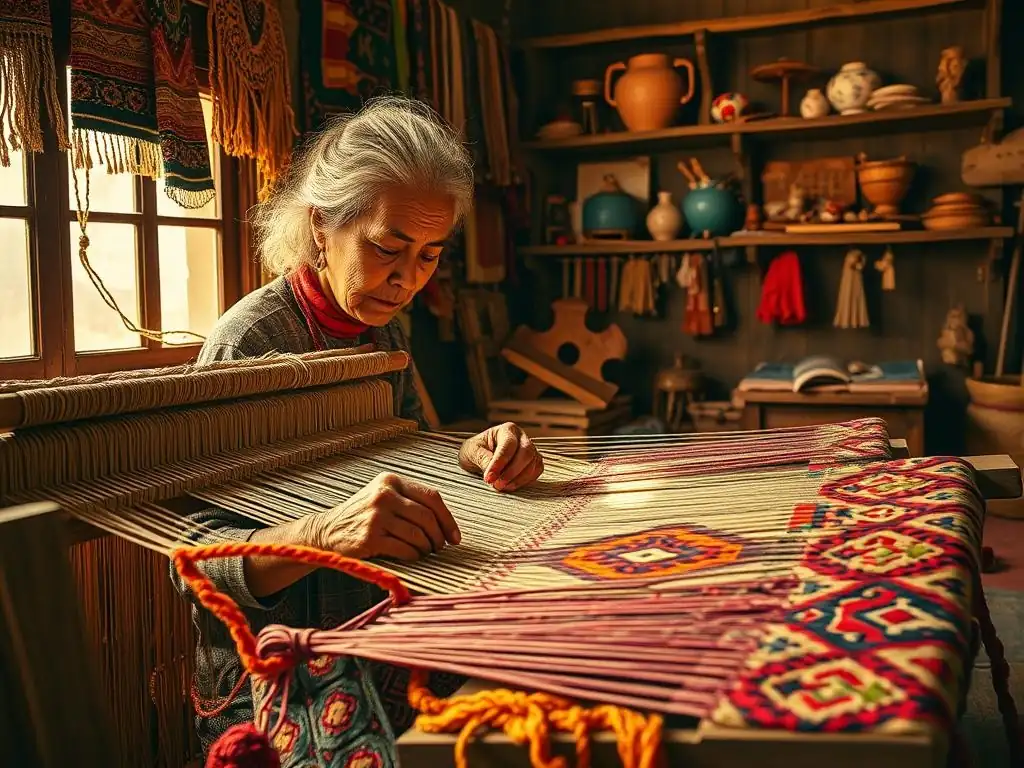
Contemporary Indigenous Artists and Textile Innovations
Indigenous textiles are not merely artifacts; they are living expressions of culture and identity. Contemporary Indigenous artists are at the forefront of revitalizing these traditions, blending ancient techniques with modern aesthetics.
- Innovative Techniques: Many artists are experimenting with traditional weaving methods, incorporating contemporary materials and designs. For instance, the use of synthetic fibers alongside natural ones allows for greater durability while still honoring traditional patterns.
- Cultural Narratives: Artists like Rachael Z. G. and Maya Lin utilize textiles to tell stories of their communities, addressing themes such as colonization, identity, and resilience. Their works often serve as a commentary on the ongoing impact of historical events on contemporary Indigenous life.
- Collaboration and Community: Many contemporary Indigenous textile projects involve community collaboration, where knowledge is shared among generations. This not only preserves techniques but also strengthens community bonds. For example, the Blackfoot Nation has initiated programs where elders teach younger generations the art of beadwork and weaving.
The integration of modern technology, such as digital design tools, has also influenced how textiles are created and appreciated. By engaging with these innovations, artists are ensuring that Indigenous textiles remain relevant and vibrant in today's artistic landscape.
Challenges Facing Indigenous Textiles Today
Despite the revitalization efforts, Indigenous textiles face numerous challenges that threaten their cultural significance and production.
- Cultural Appropriation: One of the foremost issues is the appropriation of Indigenous designs by non-Indigenous artists and companies. This not only dilutes the cultural significance of the textiles but also undermines the economic viability of Indigenous artisans. The unauthorized use of traditional motifs can lead to legal disputes and loss of cultural heritage.
- Access to Resources: Many Indigenous artists struggle to access traditional materials necessary for their craft, such as specific types of wool, dyes, or weaving tools. Environmental changes and commercial exploitation have further restricted access to these vital resources.
- Economic Viability: The market for Indigenous textiles can be unstable, with many artisans relying on small-scale sales or craft fairs. Additionally, the lack of representation in mainstream art markets makes it challenging for Indigenous artists to gain recognition and support for their work.
- Preservation of Knowledge: As generations pass, traditional knowledge can be lost if not actively preserved. The decline in mentorship opportunities and the aging of skilled artisans pose significant risks to the transmission of textile techniques and cultural stories.
While contemporary Indigenous artists are breathing new life into ancient textile traditions, they face formidable challenges that require collective action and awareness to ensure the cultural significance of Indigenous textiles is preserved for future generations.
Conclusion: The Lasting Impact of Indigenous Textiles on Cultural Identity
The intricate world of indigenous textiles serves as a profound testament to the cultural significance and resilience of indigenous communities throughout the Americas. These textiles are not merely functional items; they embody the stories, traditions, and identities of the people who created them. From vibrant patterns to unique weaving techniques, each piece carries a narrative that reflects the values, beliefs, and histories of the respective cultures.
Reflection on Indigenous Textiles and Cultural Resilience
The creation and use of textiles have played a pivotal role in the cultural expression and continuity of indigenous peoples. For many communities, textiles are a medium through which ancestral knowledge is transmitted, as demonstrated by the following aspects:
- Symbolism: Patterns and colors often symbolize specific cultural narratives or spiritual beliefs. For example, the intricate designs of the Navajo rugs are embedded with meanings that relate to nature and mythology.
- Rituals and Ceremonies: Textiles are integral to various rituals, serving as ceremonial garments, altar cloths, or offerings. In many cultures, the act of weaving itself is a spiritual practice, symbolizing the interconnectedness of life.
- Social Identity: Different textile styles can represent regional identities and social status within indigenous societies. For instance, the distinctive patterns of the Huichol people reflect their unique cosmology and cultural heritage.
- Resilience and Revival: In recent years, there has been a resurgence of interest in traditional weaving techniques among younger generations. This revival not only strengthens cultural identity but also empowers communities economically through the sale of handcrafted textiles.
The cultural resilience demonstrated through indigenous textiles highlights their importance as a living heritage, connecting past, present, and future generations.
Future Perspectives on Indigenous Textiles in Society
Looking ahead, the role of indigenous textiles in society is likely to evolve while retaining its deep cultural significance. Several trends indicate how indigenous textiles will continue to impact both indigenous communities and broader society:
- Sustainable Practices: As global awareness of sustainability grows, many indigenous textile artisans are embracing eco-friendly practices. This includes using natural dyes and traditional materials, thereby preserving their heritage while promoting environmental stewardship.
- Cultural Exchange: Increased interest in indigenous textiles among non-indigenous communities fosters cultural exchange. Collaborations between indigenous artisans and contemporary designers can lead to innovative practices that respect traditional methods while appealing to modern aesthetics.
- Educational Initiatives: Programs aimed at educating people about the significance of indigenous textiles are crucial. Workshops, exhibitions, and community events can serve as platforms for sharing knowledge and fostering appreciation of these rich cultural artifacts.
- Digital Platforms: The rise of e-commerce and social media presents opportunities for indigenous textile artisans to reach global markets. By showcasing their work online, artisans can share their stories and elevate awareness of the cultural significance of their textiles.
In conclusion, indigenous textiles are more than just functional artifacts; they are essential expressions of cultural identity that continue to influence and enrich societies. By recognizing and supporting the significance of these textiles, we can ensure that the stories woven into fabric are preserved for generations to come.
Frequently Asked Questions
What is the cultural significance of indigenous textiles?
Indigenous textiles serve as a reflection of cultural identity, showcasing traditions, beliefs, and historical narratives woven into their designs and patterns.
How did ancient indigenous cultures use textiles?
Ancient indigenous cultures utilized textiles for practical purposes such as clothing and shelter, as well as for ceremonial and ritualistic functions, highlighting their social values.
What materials were commonly used in indigenous textiles?
Indigenous textiles were typically made from natural fibers like cotton, wool, and plant materials, emphasizing the sustainability and resourcefulness of these cultures.
How do indigenous textiles convey stories and history?
Textiles often incorporate symbols and motifs that tell stories about ancestry, mythology, and community values, serving as a visual language for indigenous peoples.
Why is it important to preserve indigenous textile traditions?
Preserving indigenous textile traditions is crucial for maintaining cultural heritage, promoting diversity, and ensuring that future generations can learn from and appreciate their rich histories.
Final Reflection: Weaving the Threads of Cultural Significance
The exploration of Indigenous textiles reveals a profound connection between fabric and identity, illustrating how these creations are not merely decorative but serve as vital narratives of cultural heritage. In today's world, where globalization often threatens the uniqueness of local traditions, the significance of Indigenous textiles stands as a testament to resilience and the enduring power of storytelling through art. These textiles are more than just materials; they are woven histories that encapsulate the values, beliefs, and experiences of Indigenous peoples.
The impact of Indigenous textiles extends far beyond their aesthetic appeal; they are a living testament to the cultural landscapes from which they emerge. As we engage with these fabrics, we are invited to reflect on the stories they tell and the communities they represent. The words of renowned textile artist Elspeth McLean resonate here: Textiles are a way of communicating culture, history, and identity, all stitched together in vibrant colors and intricate patterns.
This ongoing dialogue between the past and present highlights the importance of preserving these traditions, as they foster a deeper understanding of the diverse narratives that shape our world.
As we conclude this exploration, I invite you to reflect on the significance of Indigenous textiles in your own life. Consider how you can honor and support these rich traditions, whether through education, advocacy, or simply by appreciating the stories woven into each piece. Let us recognize the power of fabric as a medium for cultural expression and commit to weaving these stories into the broader tapestry of our shared humanity.
Unveil the Rich Tapestry of Indigenous Culture!
Thank you for exploring the fascinating world of ancient textiles with us! By diving into the stories woven within these fabrics, you've gained insight into the vibrant heritage and traditions of Indigenous cultures. Now, it's time to take action and further your connection to this incredible history.
Here’s how you can deepen your understanding and appreciation:
- Join a local textile workshop to learn traditional weaving techniques and connect with artisans in your community.
- Share your newfound knowledge with friends and family by organizing a discussion about the significance of textiles in Indigenous cultures.
- Explore artisan markets or online platforms to find and support Indigenous textile creators, helping preserve these rich traditions.
What aspects of Indigenous textile techniques resonate with you the most, and how do you plan to integrate these stories into your own life?