
Uncovering the Influence of Climate on Inca Society and Agriculture

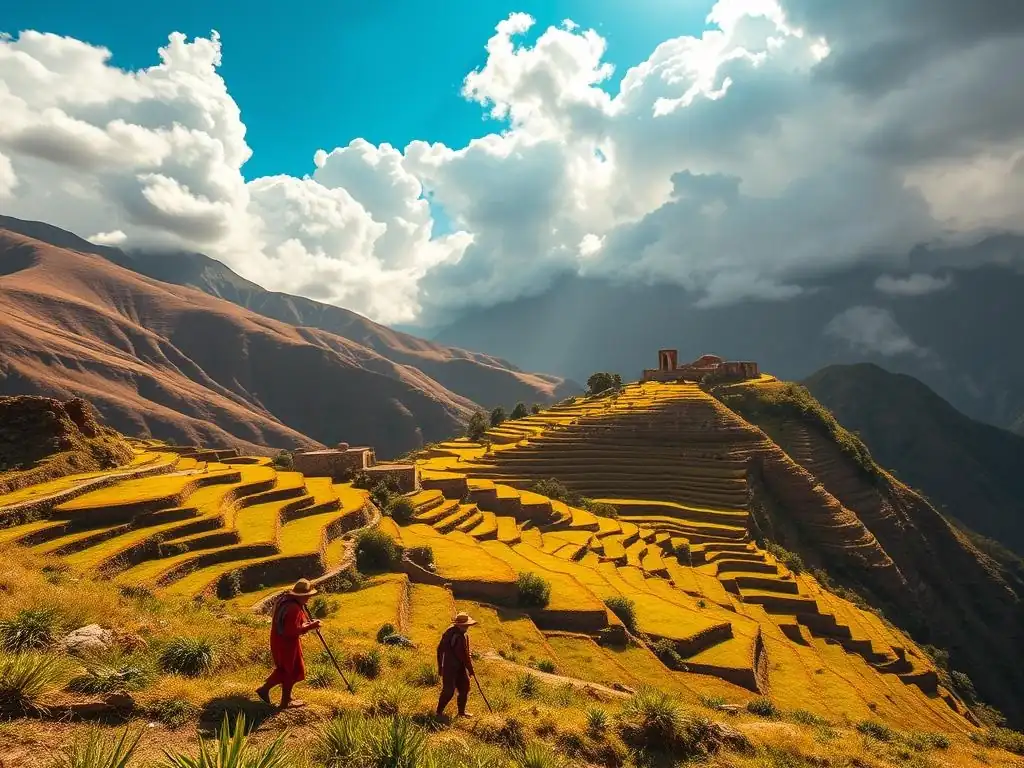
Welcome to Indigenous Civilizations of the Americas, where we invite you to embark on an enlightening journey through the rich tapestry of indigenous cultures that flourished across the continent long before European contact. In our featured article, “Uncovering the Influence of Climate on Inca Society and Agriculture,” we delve deep into how the environmental conditions shaped the remarkable achievements of the Inca civilization.
What role did climate play in their agricultural innovations and societal structures? Join us as we unravel the intricate connections between nature and culture, sparking your curiosity to explore more about the enduring legacy of these vibrant societies.
- Introduction to Inca Society and Climate Impact
- The Role of Geography in Inca Society
- Climate Variability and Its Effects on Inca Agriculture
- Social Structure and Climate Adaptation
- Technological Innovations in Response to Climate
- Case Studies: Inca Communities and Climate
- Cultural Perspectives on Climate
- Conclusion: The Lasting Impact of Climate on Inca Society
- Frequently Asked Questions
- Final Reflection: The Enduring Legacy of Climate on Inca Society
- Embrace the Connection: Act for a Sustainable Future!
Introduction to Inca Society and Climate Impact
The Inca civilization, one of the most remarkable indigenous cultures in the Americas, flourished in the Andean region from the early 15th century until the Spanish conquest in the 16th century. This article delves into the intricate relationship between Inca society and the climate of their environment, exploring how weather patterns, geographical features, and seasonal variations shaped their agricultural practices, social structures, and overall way of life.
Understanding the impact of climate on Inca society not only highlights the ingenuity and adaptability of these ancient peoples but also underscores the significance of environmental factors in the development of complex civilizations. Through this exploration, we aim to uncover how climate influenced the achievements and sustainability of Inca society, setting the stage for a greater appreciation of their legacy in history.
Overview of Inca Civilization
The Inca Empire, known as Tawantinsuyu, was the largest empire in pre-Columbian America, encompassing a vast territory across modern-day Peru, Ecuador, Bolivia, and parts of Chile and Argentina. Renowned for their advanced engineering, agriculture, and sophisticated societal organization, the Incas built impressive cities such as Cusco and Machu Picchu, which remain significant archaeological sites today.
Key Features of Inca Civilization:
- Social Structure:
- The Incas had a hierarchical society, with the Sapa Inca at the top, followed by nobles, artisans, and farmers.
- The community was organized into ayllus, or clans, which worked together for mutual benefit.
- Agricultural Innovations:
- The Incas excelled in terrace farming, which allowed them to cultivate crops on steep mountainsides.
- They developed a variety of crops, including potatoes, maize, and quinoa, adapting to diverse climatic conditions.
- Engineering Marvels:
- The construction of extensive road networks facilitated communication and trade across the empire.
- Advanced irrigation systems supported agriculture in arid regions, showcasing their ingenuity in resource management.
Importance of Climate in Ancient Societies
Climate played a crucial role in the development and sustainability of ancient societies, particularly for the Incas. The varied geography of the Andean region, characterized by mountains, valleys, and deserts, created distinct microclimates that influenced agricultural practices and settlement patterns.
Factors to Consider:
- Geographical Diversity:
- The Andes mountains created a range of climates from tropical to temperate, allowing for diverse agricultural production.
- Different altitudes provided unique conditions for various crops, which the Incas skillfully utilized.
- Seasonal Variations:
- The Incas relied on seasonal rainfall patterns for irrigation and planting schedules, demonstrating their deep understanding of climate cycles.
- Droughts and floods could significantly impact harvests, necessitating careful planning and resource management.
- Cultural Adaptation:
- The Incas developed rituals and agricultural techniques that aligned with their climatic conditions, ensuring the resilience of their society.
- Their ability to adapt to changing climates was integral to their longevity and success as a civilization.
The intersection of Inca society and climate is a testament to the adaptive strategies employed by this remarkable civilization. By examining the climate's influence on their agricultural practices and societal structure, we gain valuable insights into the complexities of their culture and the foundations of their enduring legacy.
The Role of Geography in Inca Society
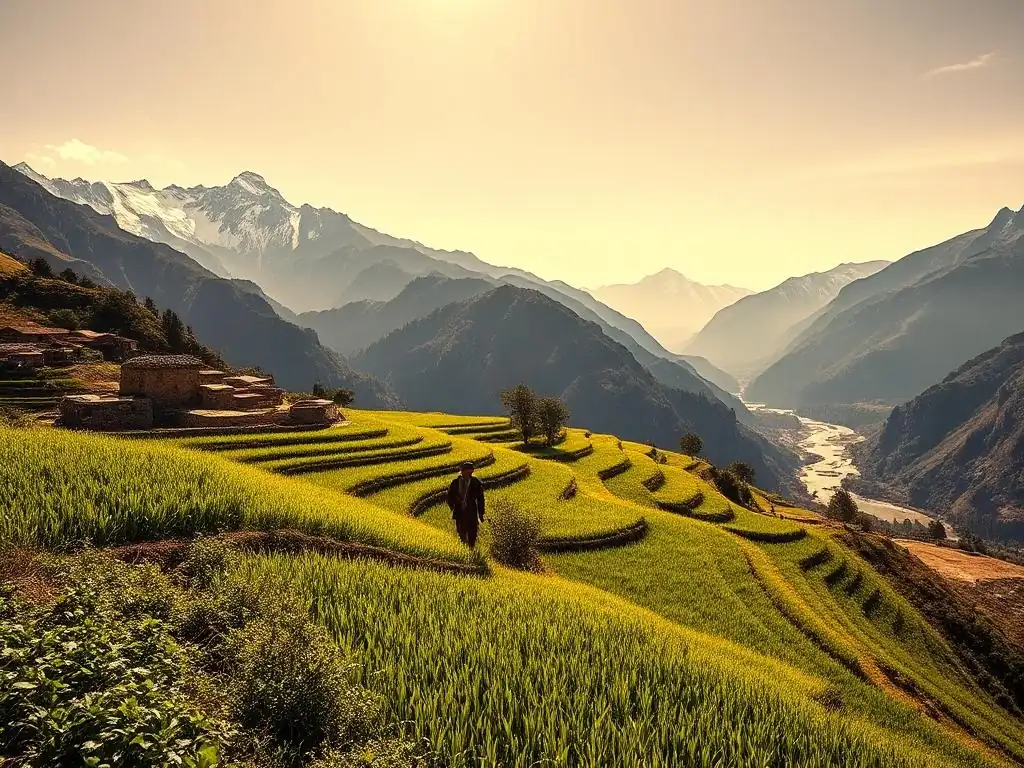
The Inca civilization, which flourished in the Andean region of South America, was profoundly shaped by its geographical context. The diverse landscapes, from towering mountains to fertile valleys, played a pivotal role in shaping the social structure, agricultural practices, and economic systems of the Inca society. Understanding how geography influenced Inca society reveals much about their adaptability and innovation in the face of climatic and environmental challenges.
The Andean Environment and Its Challenges
The Andean environment is characterized by its dramatic elevation changes, ranging from coastal plains to high mountain ranges. This topographical diversity created a series of microclimates, which posed both challenges and opportunities for the Incas.
- Altitude Variations: The Andes features extreme altitude variations, with some areas rising above 6,000 meters (19,685 feet). The high altitude significantly affected agricultural practices, as crops had to be cultivated in thin air and cooler temperatures. The Incas adapted by developing specialized farming techniques, such as terracing, to create arable land on steep slopes.
- Climate Zones: Different climate zones across the Andes allowed for the cultivation of a variety of crops. The Incas learned to exploit this diversity, growing potatoes, maize, and quinoa in various regions. However, the unpredictable weather patterns, including droughts and heavy rains, could devastate crops, making food security a constant concern.
Despite these challenges, the Incas demonstrated remarkable resilience. They implemented advanced agricultural practices, such as irrigation systems, to direct water from mountain streams to their fields. The construction of extensive terrace farming not only maximized arable land but also mitigated soil erosion, allowing them to sustain large populations.
Natural Resources and Their Influence on Inca Agriculture
The natural resources available to the Incas were crucial in shaping their agricultural systems and, consequently, their society. The interplay between resource availability and climatic conditions greatly influenced the Inca way of life.
- Soil Fertility: The volcanic soils found in certain areas of the Andes were rich in nutrients, providing a fertile foundation for agricultural production. The Incas utilized traditional farming methods alongside innovative techniques such as crop rotation and the use of fertilizers to maintain soil health.
- Water Resources: Access to water was vital for agriculture in the arid regions of the Andes. The Incas constructed a sophisticated network of canals and aqueducts to channel water to their crops. This enabled them to farm successfully in areas where rainfall was insufficient, illustrating their ingenuity in overcoming climatic limitations.
- Diverse Crop Cultivation: The Incas cultivated a wide range of crops suited to different altitudes and climates. For instance, they grew maize in the lower altitudes where temperatures were warmer, while potatoes and quinoa thrived in the cooler mountain regions. This diversity not only ensured a stable food supply but also allowed them to trade surplus crops, contributing to their economic strength.
The geography of the Andes significantly influenced Inca society and agricultural practices. By understanding and adapting to their environment, the Incas developed a sustainable system that allowed their civilization to thrive in the face of climatic challenges. The interplay between geography, climate, and resource management not only shaped their agricultural success but also left a lasting impact on their social structures and cultural practices.
Climate Variability and Its Effects on Inca Agriculture
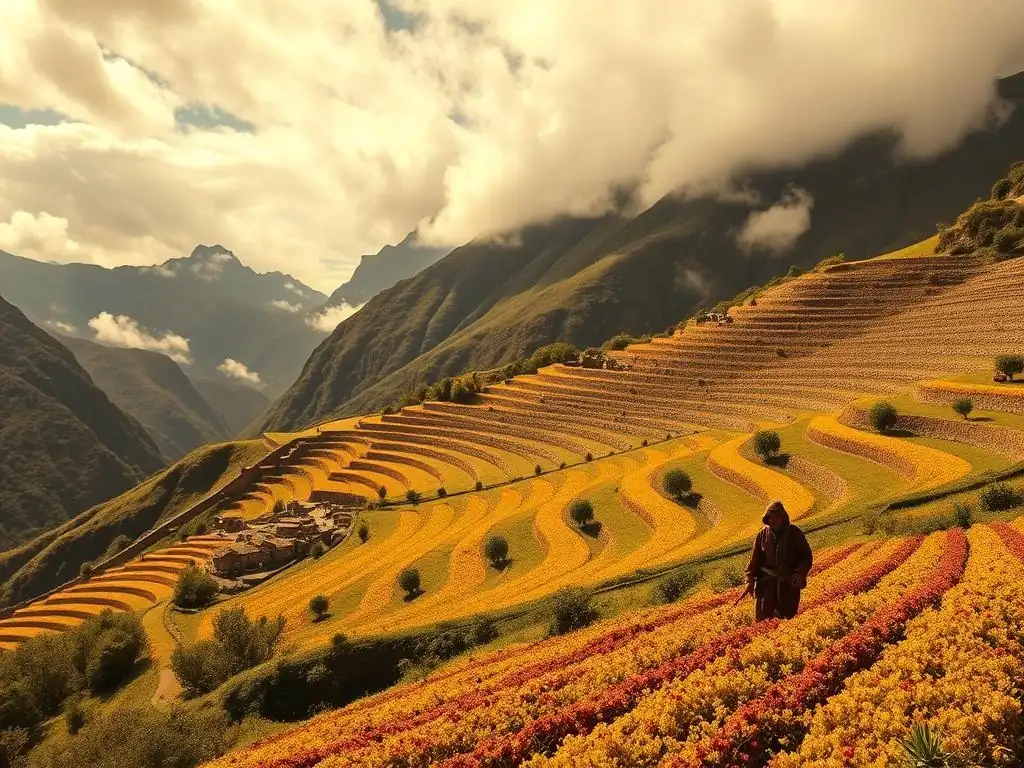
The Inca civilization, known for its sophisticated agricultural techniques, was profoundly influenced by climate variability. This variability dictated not only the types of crops cultivated but also the timing of planting and harvesting. The diverse geography of the Andean region, with its varied altitudes and microclimates, allowed the Incas to develop an intricate system of agriculture that maximized the use of available resources.
Understanding the relationship between climate and agriculture was crucial for the Incas, who adapted their practices to cope with both seasonal changes and long-term climate patterns. This adaptability was essential for sustaining their society, which relied heavily on agriculture for food security and economic prosperity.
Seasonal Changes and Agricultural Practices
The Inca agricultural calendar was closely aligned with the seasonal changes dictated by their environment. The Andes experienced distinct wet and dry seasons, which influenced the agricultural cycle:
- Wet Season (November to March): This period coincided with the rainy season, providing vital water resources for crops. The Incas took advantage of this season to plant a variety of crops, including potatoes, maize, and quinoa. They employed advanced irrigation techniques, such as terracing and canal systems, to manage water effectively.
- Dry Season (April to October): During this time, the Incas focused on harvesting and preparing for the upcoming planting season. They also utilized this period for crop rotation and soil replenishment to maintain fertility. The dry season was crucial for the maturation of crops like maize, which thrived under the sun.
The Incas practiced a form of agroecology, integrating various crops to enhance soil health and yield. Their knowledge of seasonal changes allowed them to select the right crops for the right times, thus maximizing productivity and minimizing the risks associated with climate variability.
The Impact of El Niño Phenomenon on Inca Farming
One of the most significant climate events that affected Inca agriculture was the El Niño phenomenon. This climate pattern, characterized by the warming of ocean surface temperatures in the central and eastern Pacific, can lead to drastic weather changes, impacting rainfall and temperature across the Andes. The effects of El Niño on Inca farming were profound:
- Increased Rainfall: During El Niño years, heavy rainfall could flood fields, damaging crops and disrupting the agricultural cycle. The Incas had to implement strategies to manage excess water, such as enhancing drainage systems and constructing flood barriers.
- Drought Conditions: Conversely, some El Niño events resulted in prolonged dry spells, severely impacting crop production. The Incas responded by diversifying their crop varieties and employing drought-resistant species to mitigate the loss of staple crops.
- Social and Economic Consequences: The variability brought on by El Niño not only affected agricultural output but also had broader implications for Inca society. Food shortages could lead to social unrest, challenges in trade, and shifts in the power dynamics within the empire. The ability to adapt to these climatic challenges was a testament to the resilience of the Inca civilization.
Overall, the interplay between climate variability and Inca agriculture highlights the sophistication of their agricultural practices and their deep understanding of environmental conditions. This knowledge allowed the Incas to thrive in a challenging landscape, making significant contributions to the agricultural heritage of the Americas.
The social structure of the Inca civilization was intricately linked to the diverse climatic conditions of their vast empire, which stretched across various ecological zones from the arid plains of the coast to the high-altitude Andes. The Inca developed a hierarchical society that was not only a reflection of their social organization but also a response to the environmental challenges they faced.
- Noble Class (Inca Rulers and High Priests): At the top of the social hierarchy were the Sapa Inca and the nobility, who claimed divine ancestry and were responsible for making crucial decisions about resource distribution during climate fluctuations. Their status allowed them to mobilize resources effectively during droughts or floods, ensuring the survival of the population.
- Administrative Class: Below the nobility were the administrators and local leaders, known as "kurakas." They played a key role in managing agricultural production and communal labor, adapting farming techniques to suit varying climates. For instance, they organized irrigation projects in drier regions and crop rotation practices in areas with more rainfall to maximize food production.
- Commoners: The majority of the population consisted of farmers and laborers, whose social mobility was often limited. However, their roles were critical during periods of climatic stress. Commoners were organized into ayllus (kinship groups), which facilitated communal resource sharing and mutual support during adverse weather conditions.
- Labor Mit'a System: The Inca implemented a labor tax known as the mit'a, which required each household to contribute labor to state projects. This system was particularly effective in dealing with climate-related challenges, as it allowed for rapid mobilization of labor for irrigation works or rebuilding efforts after natural disasters.
Community Responses to Climate Challenges
The Inca civilization faced significant climate challenges, including droughts, floods, and the extreme temperature variations of the Andean region. Their responses to these challenges were both innovative and deeply rooted in their social structure.
- Agricultural Techniques: The Incas developed advanced agricultural practices that were directly influenced by climate. They constructed terraced fields on steep mountain slopes to minimize soil erosion and maximize arable land. These terraces allowed for more efficient water management, capturing and directing rainfall effectively.
- Irrigation Systems: Ingenious irrigation systems were built to divert water from rivers and streams to parched fields, especially in regions where rainfall was insufficient. This adaptation was vital for maintaining crop yields during dry periods.
- Crop Diversification: The Incas cultivated a wide variety of crops suited to different climatic zones, such as potatoes, maize, and quinoa. This diversification provided a buffer against crop failure due to adverse weather conditions, ensuring food security for the population.
- Storage and Redistribution: The Inca state maintained extensive storage facilities known as "qollqas" for surplus crops. During times of famine or poor harvests, these reserves could be redistributed to support affected communities, illustrating a collective response to climate-induced hardships.
The Inca society's adaptability to climate impacts was a testament to their resilience and ingenuity. Their social structure not only shaped the way they responded to environmental challenges but also reinforced the importance of community cooperation and resource management in sustaining their civilization.
Technological Innovations in Response to Climate
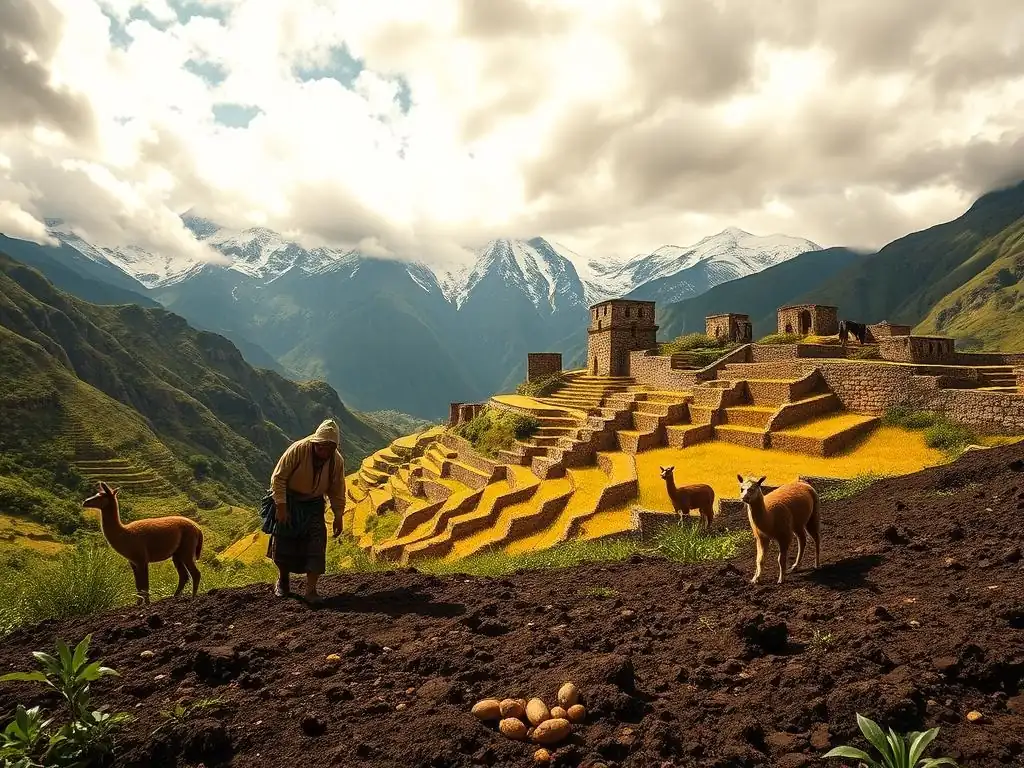
The Incas were remarkable innovators, particularly when it came to adapting their society and agricultural practices to the diverse and often challenging climates of the Andes. The interplay between climate and technology resulted in a sophisticated system that allowed for sustainable agriculture, effective resource management, and the flourishing of Inca society. This section will explore the specific agricultural techniques developed by the Incas and their impressive infrastructure that supported climate resilience.
Agricultural Techniques Developed by the Incas
The Inca civilization implemented several innovative agricultural techniques to cope with the varying altitudes and climates across their vast empire. Here are some key methods:
- Terracing: The steep slopes of the Andes posed significant challenges for farming. The Incas engineered terraced fields, which allowed them to create flat areas for cultivation. This not only maximized arable land but also minimized soil erosion and improved water retention.
- Crop Rotation: To maintain soil fertility and reduce pest populations, the Incas practiced crop rotation. They alternated crops in a systematic way, ensuring that different nutrients were used and replenished in the soil.
- Diverse Crop Cultivation: The Incas cultivated a wide variety of crops adapted to different climatic zones, including potatoes, maize, quinoa, and beans. This biodiversity helped buffer against the risk of crop failure due to climate fluctuations.
- Irrigation Systems: The Incas developed an extensive network of irrigation channels, allowing them to divert water from rivers and streams to their fields. These systems were crucial for agricultural productivity, particularly in arid regions.
- Frost-Resistant Varieties: Through selective breeding, the Incas developed frost-resistant varieties of crops. This adaptation was particularly important in high-altitude areas where frost could damage crops.
These agricultural techniques not only enhanced food production but also contributed to the stability of Inca society, allowing for population growth and the development of complex social structures.
Infrastructure and Resource Management for Climate Resilience
The Inca civilization built an impressive infrastructure that supported their agricultural innovations and ensured resource management in response to climatic challenges. Key components of this infrastructure included:
- Road Networks: The extensive road systems, such as the Inca Trail, facilitated trade and communication across vast distances. This connectivity allowed for efficient distribution of resources, particularly during times of scarcity due to climate-related challenges.
- Storage Facilities: The Incas constructed storage facilities known as qollqas, which were used to store surplus crops. These structures were strategically located to minimize spoilage and maximize accessibility, ensuring that communities had access to food during lean periods.
- Water Management Systems: The Incas developed sophisticated water management techniques, including reservoirs and aqueducts, which were essential for irrigation and maintaining agricultural productivity. This infrastructure allowed them to harness seasonal rainfall effectively.
- Community-Based Resource Management: The Inca society emphasized communal cooperation in resource management. This collective approach helped to share the burden of climate impacts and ensured that resources were distributed equitably among community members.
- Cultural Practices and Beliefs: The Incas held a deep spiritual connection to their environment, which influenced their agricultural practices and resource management. Rituals and offerings to Pachamama (Mother Earth) were integral to their farming practices, reflecting their understanding of the interdependence between climate and agriculture.
Through these technological innovations and infrastructures, the Incas not only adapted to their climatic environment but thrived, leaving a lasting impact on subsequent generations and the landscape of the Andean region. Their resilience in the face of climate challenges serves as a testament to their ingenuity and resourcefulness, shaping the legacy of Inca society in history.
Case Studies: Inca Communities and Climate
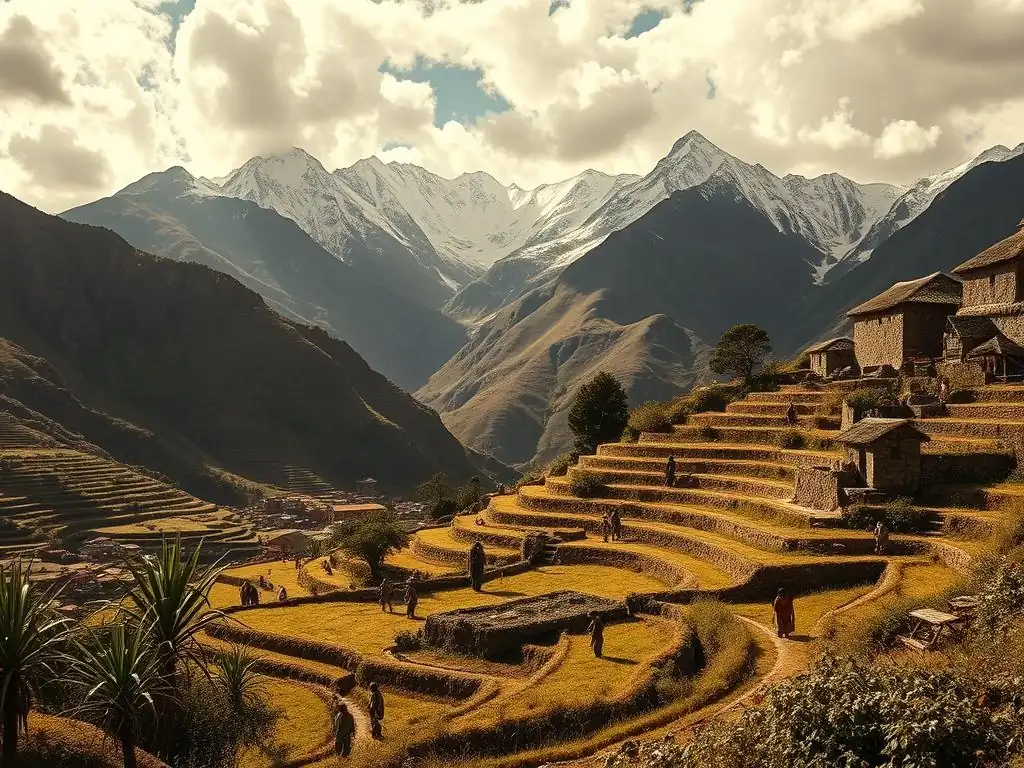
Successful Adaptation in the Sacred Valley
The Sacred Valley of the Incas, located in present-day Peru, serves as an exemplary case of how Inca society effectively adapted to its climate. This valley, characterized by its diverse microclimates and rich agricultural potential, played a crucial role in the sustenance and development of Inca civilization.
Agricultural Innovations
The Incas employed several innovative agricultural techniques to optimize crop production in the Sacred Valley. Terracing was one of the most significant methods. By constructing terraces on the steep mountainsides, they created level plots that reduced soil erosion and made irrigation more manageable. This technique not only maximized arable land but also facilitated the cultivation of diverse crops such as maize, potatoes, and quinoa.
- Irrigation Systems: The Incas developed advanced irrigation systems that harnessed the region's rivers. They constructed channels and aqueducts to direct water efficiently to their fields, allowing for multiple harvests throughout the year.
- Crop Rotation: To maintain soil fertility, the Incas practiced crop rotation. By alternating the types of crops grown in specific areas, they prevented nutrient depletion and supported biodiversity.
Climate Resilience
The climate of the Sacred Valley is primarily temperate, with distinct wet and dry seasons. The Incas understood the importance of this climate variability and adapted their agricultural practices accordingly:
- Seasonal Planting: The timing of planting and harvesting was meticulously aligned with the seasonal changes. Farmers planted crops at the beginning of the rainy season to ensure optimal growth and yield.
- Diverse Crop Selection: By cultivating a variety of crops, the Incas mitigated the risks posed by climate fluctuations. If one crop failed due to adverse weather conditions, others could still thrive, ensuring food security for the community.
The successful adaptation of Inca society in the Sacred Valley reflects not only their ingenuity but also their deep understanding of the local climate, which was instrumental in their agricultural success and societal stability.
Lessons Learned from the Altiplano Region
The Altiplano region, a high plateau in the Andes, presents a contrasting case study to the Sacred Valley in terms of Inca adaptation to climate. This area is characterized by its cold temperatures, high altitude, and limited arable land, which posed significant challenges to agricultural practices.
Resource Management
In the Altiplano, the Incas implemented effective resource management strategies to cope with the harsh climate:
- Llama Husbandry: The Incas relied heavily on llamas for transportation and as a source of wool and meat. These animals were well-suited to the cold, high-altitude environment, providing essential resources for survival.
- Use of Natural Resources: The Incas utilized the region's lakes and wetlands for fishing and gathering wild plants, supplementing their diet and reducing dependence on agriculture alone.
Agricultural Techniques
Despite the challenging climate, the Incas developed specialized agricultural techniques tailored to the Altiplano's conditions:
- Raised Bed Agriculture: This technique involved creating elevated beds for planting crops. The raised beds warmed up faster during the short growing season, promoting earlier germination and growth.
- Frost Resistance: The selection of frost-resistant crops, such as certain varieties of potatoes and grains, allowed the Incas to maximize their yields despite the cold temperatures.
The lessons learned from the Altiplano highlight the Inca civilization's resilience and adaptability in the face of climatic challenges. Their ability to innovate and optimize resource use underpins the enduring legacy of Inca society and its sophisticated understanding of environmental dynamics.
Both the Sacred Valley and the Altiplano region exemplify how climate significantly impacted Inca society and agriculture. The Incas demonstrated remarkable adaptability, using innovative techniques and resource management strategies to thrive in diverse environments, ultimately shaping their civilization's success and sustainability.
Cultural Perspectives on Climate
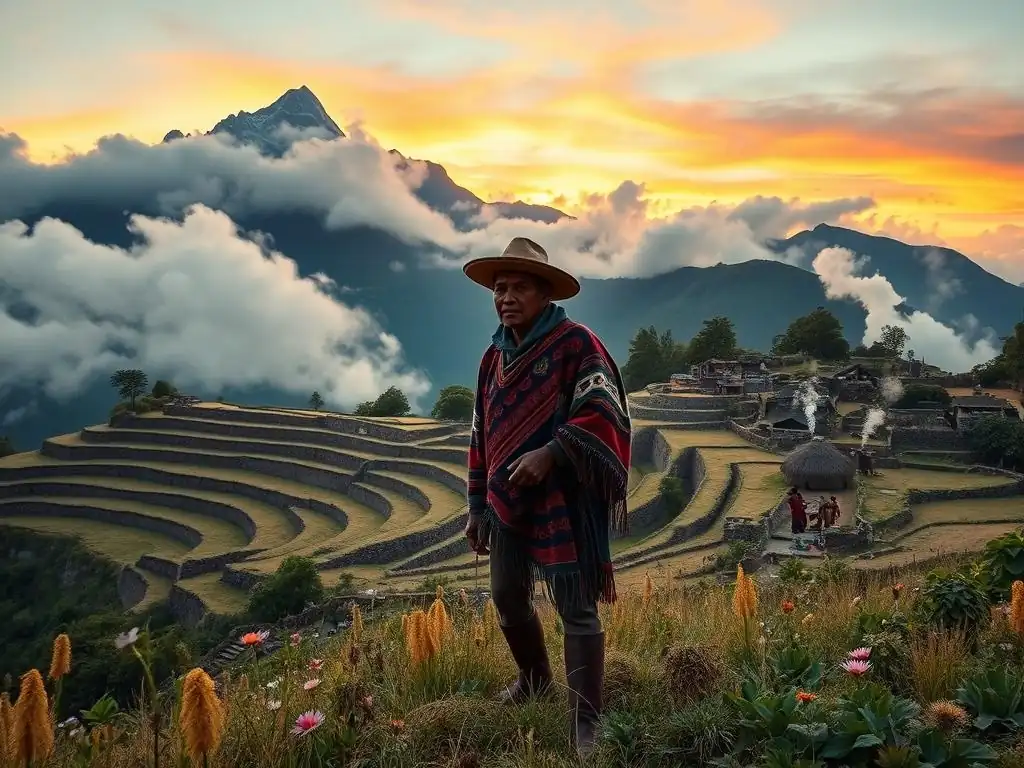
Inca society was deeply intertwined with the natural world, and their understanding of climate was not merely scientific but also spiritual and cultural. The Incas viewed climate as a living force that influenced their daily lives, agricultural practices, and societal structures. This relationship with nature was reflected in their beliefs, rituals, and adaptations to the diverse environments they inhabited—from the high Andes to the coastal regions of Peru.
Inca Beliefs and Their Relationship with Nature
The Inca civilization revered Pachamama, or Mother Earth, as a central figure in their cosmology. Pachamama represented fertility, agriculture, and the sustenance of life. The Incas believed that maintaining a harmonious relationship with this deity was crucial for their survival and prosperity. They regarded the seasons and climate patterns as manifestations of Pachamama's will, influencing agricultural yields and communal well-being.
- Agricultural Deities: The Incas worshipped various gods related to agriculture and climate, such as Inti, the Sun God, and Illapa, the God of Rain. These deities were believed to control vital elements like sunlight and precipitation, which were essential for farming. The balance between these forces was crucial for successful harvests.
- Climate Cycles: The Incas had an intricate understanding of local climate patterns, such as El Niño and La Niña phenomena. They observed the effects of these climate cycles on their land and adjusted their agricultural strategies accordingly. For instance, during periods of drought, they would implement irrigation techniques to maximize water usage.
This symbiotic relationship with nature was not only about survival but also encompassed a broader philosophical perspective that emphasized respect for the environment.
Rituals and Practices Reflecting Climate Awareness
The Incas engaged in various rituals and practices that demonstrated their awareness of climate's impact on their society and agriculture. These rituals were integral to their agricultural calendar and served as expressions of gratitude and supplication to their deities.
- Inti Raymi Festival: Celebrated during the winter solstice, this festival honored Inti, the Sun God, and marked the start of the agricultural year. The Incas believed that by performing rituals during this time, they could ensure a fruitful harvest. The festival included offerings, feasting, and ceremonial dances.
- Chacra Rituals: Before planting, the Incas performed rituals at their fields, known as chacras, to invoke blessings from the gods. This might include the burial of offerings such as llamas, corn, and other crops to appease the deities associated with fertility and rain.
- Seasonal Adjustments: The Inca calendar closely aligned agricultural practices with climatic changes. They developed a sophisticated system of crop rotation and diversification, planting different varieties of crops that thrived under various climatic conditions. This adaptability was crucial for mitigating the risks posed by unpredictable weather patterns.
The Inca society's perspective on climate was multifaceted, encompassing spiritual beliefs, agricultural practices, and rituals that reflected their profound respect for the environment. Their understanding of climate's impact played a vital role in shaping their agricultural success and societal structures, ensuring their civilization thrived for centuries in the challenging landscapes of the Andes.
Conclusion: The Lasting Impact of Climate on Inca Society
Summary of Key Findings on Inca Society Climate Impact
Inca society was profoundly influenced by the climate of the Andean region, which shaped their agricultural practices, settlement patterns, and social organization. Key findings indicate that:
- Agricultural Adaptation: The Incas developed advanced agricultural techniques to adapt to diverse climatic conditions. They utilized terrace farming to maximize arable land in the mountainous terrain, which allowed them to cultivate crops like potatoes, maize, and quinoa efficiently.
- Irrigation Systems: The construction of intricate irrigation systems was essential for managing water resources, especially in arid areas. These systems enabled the Incas to harness seasonal rains effectively, ensuring consistent crop yields.
- Crops Diversity and Resilience: The Inca civilization cultivated a variety of crops suited to different climatic zones, from the highlands to the valleys. This diversity not only provided nutritional security but also mitigated the risks associated with climate variability and crop failures.
- Social Organization: The climatic challenges faced by the Incas necessitated a strong central governance structure to coordinate agricultural production and resource distribution. This led to the establishment of a well-organized society that could respond to both seasonal changes and natural disasters.
- Cultural Practices: Climate also influenced Inca religious and cultural practices. The worship of deities associated with agriculture and weather, like Inti (the sun god), reflected their dependence on climate for survival and success.
Reflection on the Importance of Climate in Historical Context
Understanding the impact of climate on Inca society is crucial for several reasons. Firstly, it highlights the adaptability and resilience of indigenous peoples in the face of environmental challenges. The Inca's sophisticated agricultural systems and social structures exemplify how cultures can thrive despite adverse conditions.
Moreover, studying the relationship between climate and Inca society sheds light on broader historical patterns. It emphasizes the role of environmental factors in shaping human behavior, economic systems, and social organization throughout history. The Inca experience offers valuable lessons about sustainability and resource management that remain relevant today, particularly in the context of climate change.
The influence of climate on Inca society was a fundamental aspect of their civilization, affecting everything from agriculture to social cohesion. Recognizing this relationship enriches our understanding of the Inca legacy and underscores the importance of climate in the historical narrative of indigenous civilizations in the Americas.
Frequently Asked Questions
What were the main factors influencing Inca society?
The Inca society was influenced by various factors, including geography, climate, and their agricultural practices. These elements shaped their social structure, economy, and cultural achievements.
How did climate impact Inca agriculture?
The climate played a crucial role in Inca agriculture by determining the types of crops that could be cultivated. The Incas adapted their farming techniques to suit the diverse microclimates of the Andes, enhancing their agricultural productivity.
What were the primary crops cultivated by the Incas?
The Incas primarily cultivated potatoes, maize, and quinoa, among others. These crops were essential for sustaining their population and were adapted to thrive in the varied climatic conditions of their empire.
How did the Incas adapt to climate challenges?
The Incas developed advanced agricultural techniques, such as terracing and irrigation, to mitigate the effects of climate fluctuations. These innovations allowed them to maximize crop yields in challenging environments.
What is the lasting impact of Inca society on modern agriculture?
The Inca society left a significant legacy in modern agriculture through their innovative farming practices and crop varieties. Many of their techniques and crops continue to influence agricultural methods and diets in the Andes today.
Final Reflection: The Enduring Legacy of Climate on Inca Society
The intricate relationship between climate and Inca society remains profoundly relevant today, as we grapple with the impacts of climate change on our own agricultural systems and social structures. The Inca civilization thrived in the harsh Andean environment, showcasing remarkable adaptability and innovation in their agricultural practices. Their legacy serves as a powerful reminder of how climate shapes societies and the urgent need to understand these dynamics in our contemporary world.
The influence of climate on Inca society is not merely a historical footnote; it continues to resonate in our cultural and social landscapes. The lessons learned from the Inca's sophisticated agricultural techniques and their reverence for the environment can inspire modern practices that prioritize sustainability and resilience. As we face increasingly erratic weather patterns, we can reflect on the words of environmentalist Wangari Maathai: It’s the little things citizens do. That’s what will make the difference. My little thing is planting trees.
This sentiment echoes the Inca's deep connection to their land and their understanding of the delicate balance between nature and human activity.
As we conclude this exploration of the Inca's climate impact, I invite you to reflect on your own relationship with the environment. Consider how the lessons from the past can inform your actions today. Whether it's adopting sustainable practices in your daily life or advocating for policies that protect our planet, each small action contributes to a larger movement toward harmony with nature. Let us honor the legacy of the Inca by fostering a deeper understanding of our climate's influence and committing to a future where we coexist with the environment in a respectful and sustainable manner.
Embrace the Connection: Act for a Sustainable Future!
Thank you for exploring how climate influenced Inca society and agriculture. By understanding these connections, we empower ourselves to make informed choices about our environment and heritage. Now, let's turn that knowledge into action!
Here are some impactful ways you can make a difference:
- Start a local community garden to cultivate sustainable agricultural practices and honor traditional farming methods.
- Share this article with friends and family to spark discussions about climate awareness and the significance of cultural heritage.
- Engage with local indigenous groups to learn more about their agricultural knowledge and stewardship of the land.
How can you apply what you've learned about the Inca's relationship with their environment to inspire positive change in your community?