
Inca Innovations: How Early Practices Influenced Their Society

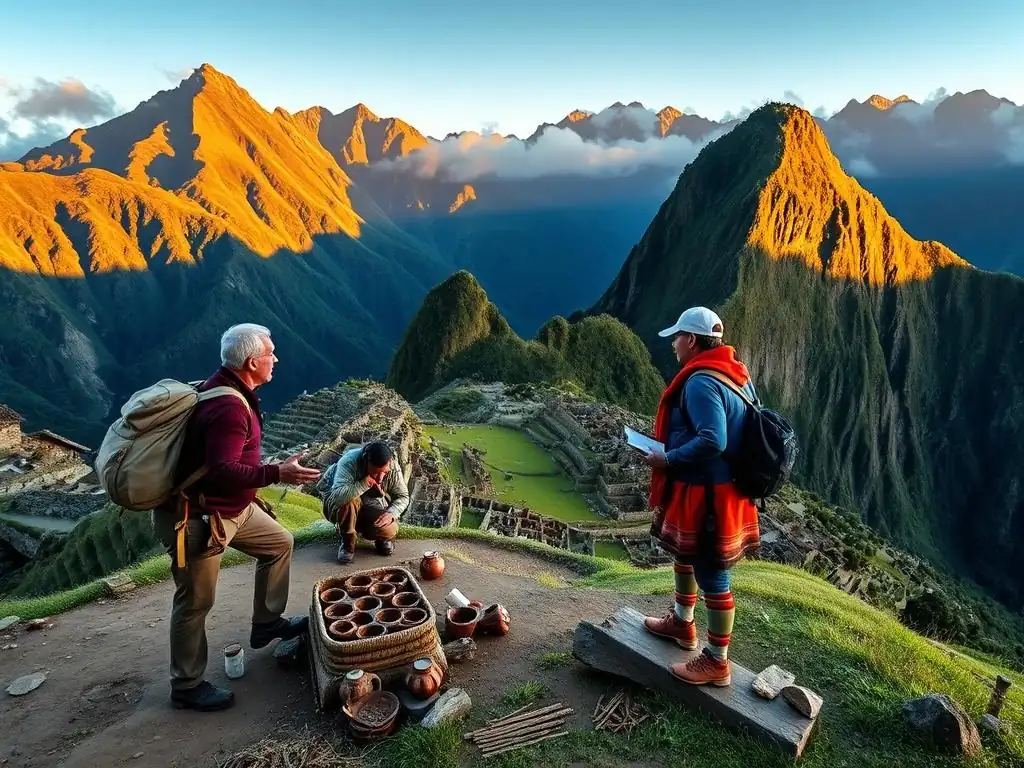
Welcome to Indigenous Civilizations of the Americas, where we invite you to embark on a fascinating journey through the vibrant cultures that flourished long before European contact. In this exploration, we delve into the Inca innovations and society impacts, uncovering how their groundbreaking practices not only shaped their civilization but also left an indelible mark on the world. Discover the ingenuity behind the Inca's architectural marvels and agricultural techniques that continue to inspire today.
Are you ready to uncover the secrets of the past and see how they resonate in our present? Dive in and let the stories of the Inca civilization unfold!
Introduction to Inca Innovations and Society Impacts
The Inca civilization, which flourished in the Andean region of South America from the early 15th century until the Spanish conquest in the 16th century, is renowned for its remarkable achievements and innovations that significantly influenced their society. This article delves into the myriad ways in which Inca innovations shaped their culture, economy, and social structure, highlighting how these early practices laid the foundation for a sophisticated society.
The intricate relationship between innovation and societal impact is a testament to the ingenuity of the Inca people, whose advancements in agriculture, engineering, and administration not only enabled their empire to thrive but also left an enduring legacy that resonates in modern times. By exploring the various facets of Inca innovations, we can gain a deeper understanding of their profound contributions to civilization and the lasting effects on the societies that followed.
Overview of Inca Civilization
The Inca Empire, known as Tawantinsuyu, spanned a vast territory across present-day Peru, Ecuador, Bolivia, Chile, and Argentina. It was characterized by a centralized government, a complex social hierarchy, and a rich cultural tapestry. At its height, the empire boasted a population of around 12 million people and was known for its monumental architecture, extensive road networks, and innovative agricultural practices.
- Social Structure: The Inca society was structured hierarchically, with the Sapa Inca at the top, followed by nobles, artisans, farmers, and laborers. This stratification facilitated the efficient organization of labor and resources.
- Religion: Central to Inca life was their polytheistic belief system, which revered deities related to nature, such as Inti (the sun god) and Pachamama (the earth goddess). Religious practices influenced many aspects of daily life and governance.
Importance of Innovations in Inca Society
Inca innovations were pivotal in sustaining their empire and advancing their civilization. These innovations can be categorized into several key areas:
- Agriculture: Techniques such as terracing and irrigation allowed the Inca to cultivate crops in challenging mountainous terrain, ensuring food security for their growing population.
- Architecture and Engineering: The construction of impressive structures, like Machu Picchu and Sacsayhuamán, showcased their advanced engineering skills and understanding of materials.
- Roads and Communication: An extensive network of roads facilitated trade, military movement, and cultural exchange, effectively uniting diverse regions of the empire.
Understanding the importance of these innovations not only highlights the ingenuity of the Inca but also underscores their significant impact on society, economics, and governance.
Agricultural Innovations of the Inca Empire
Agriculture was the backbone of the Inca economy and was integral to their survival and prosperity. The Inca developed innovative agricultural practices that maximized productivity and supported their large population.
Terracing and Its Role in Agriculture
One of the most notable agricultural innovations of the Inca was the use of terracing. By creating stepped fields on the slopes of mountains, they were able to:
- Prevent Soil Erosion: Terraces reduced the impact of rainfall on soil, maintaining its fertility and preventing loss.
- Increase Arable Land: This method expanded the land available for farming, allowing for the cultivation of various crops in a harsh environment.
- Enhance Microclimates: The terraces created different microclimates, enabling the growth of diverse crops that thrived at different elevations.
The implementation of terracing was a remarkable engineering feat that displayed the Inca's deep understanding of their environment and agricultural needs.
Irrigation Systems: A Technological Marvel
The Inca engineered sophisticated irrigation systems that were crucial for enhancing agricultural productivity. Their irrigation techniques included:
- Canals and Aqueducts: The construction of extensive canal systems redirected water from rivers to fields, ensuring a reliable water supply for crops.
- Water Management: They utilized techniques to manage water flow, including the use of reservoirs and control gates, which enabled them to distribute water efficiently across their agricultural lands.
These innovations not only increased crop yields but also played a vital role in sustaining the Inca population, demonstrating the connection between technological advancement and societal well-being.
Crop Diversification and Its Societal Benefits
The Inca were pioneers in crop diversification, cultivating a wide variety of crops, including potatoes, maize, and quinoa. The benefits of this practice included:
- Nutritional Security: A diverse diet helped ensure the health and well-being of the population.
- Economic Stability: By relying on multiple crops, the Inca mitigated the risk of famine caused by crop failure, as different crops had varying susceptibilities to environmental conditions.
- Cultural Significance: Many crops held cultural and religious importance, reflecting the Inca's deep connection to their agricultural practices.
Through these innovations, the Inca not only secured their food supply but also reinforced cultural identity and community cohesion, illustrating the profound impact of agricultural practices on their society.
Engineering and Architectural Innovations
The Inca civilization is renowned for its remarkable engineering and architectural innovations, which not only showcased their advanced skills but also significantly influenced their society. Their ability to construct vast networks of roads, resilient structures, and impressive agricultural terraces allowed the Incas to thrive in the challenging Andean environment. These innovations enhanced trade, communication, and agricultural productivity, ultimately shaping the social and political landscape of the Inca Empire.
The Construction of Roads: Connectivity and Trade
One of the most significant engineering feats of the Inca was the construction of an extensive road system, known as the Inca Road or Qhapaq Ñan. Spanning over 25,000 miles, this network connected various regions of the empire, facilitating trade, military movement, and cultural exchange. The roads were strategically designed, incorporating bridges, tunnels, and switchbacks to navigate the rugged terrain of the Andes.
- Trade Enhancement: The road system allowed for efficient transportation of goods, such as textiles, pottery, and agricultural products, which were vital for sustaining the economy.
- Cultural Exchange: With improved connectivity, diverse cultures within the empire could interact more easily, leading to the sharing of ideas, traditions, and technologies.
- Military Mobility: The roads also played a crucial role in the Inca's military strategy, enabling rapid troop movements to defend or expand their territory.
Architectural Techniques in Inca Structures
The architectural prowess of the Incas is evident in their monumental structures, which utilized advanced techniques that have withstood the test of time. The Incas employed a unique method called ashlar masonry, where stones were cut to fit perfectly together without the use of mortar. This technique provided structural integrity and allowed buildings to endure earthquakes, a common occurrence in the region.
- Materials: The Incas primarily used local materials such as granite and limestone, showcasing their understanding of the environment.
- Design and Functionality: Inca structures, such as temples and palaces, were not only aesthetically pleasing but also functional, often incorporating features like terraces and irrigation systems.
- Cultural Significance: The design of their architecture reflected their cosmology and societal values, with structures often aligned to celestial events, emphasizing their connection to the divine.
The Role of Machu Picchu in Inca Society
Machu Picchu stands as a testament to Inca innovation and society, serving multiple roles throughout its existence. Believed to be a royal estate or religious retreat, this iconic site exemplifies the Incas' architectural genius and spiritual beliefs.
- Cultural Center: Machu Picchu was likely a ceremonial site, housing temples and shrines that played a vital role in Inca religious practices.
- Agricultural Innovation: The terraces surrounding the site illustrate the Inca's agricultural advancements, allowing for efficient farming in a mountainous region.
- Historical Legacy: Rediscovered in the early 20th century, Machu Picchu has become a symbol of Inca civilization, attracting tourists and researchers alike, further highlighting the Incas' lasting impact on architecture and culture.
The social structure of the Inca civilization was as innovative as its engineering feats. The Incas developed a highly organized society that was efficient in governance and resource management. Their social innovations were crucial for maintaining control over a vast empire and ensuring the well-being of their subjects.
The Structure of Inca Society and Its Efficiency
Inca society was hierarchically structured, with the Sapa Inca at the top, followed by nobles, commoners, and ayllu (community groups). This clear hierarchy facilitated effective governance and social organization.
- Nobility and Administration: Nobles were responsible for overseeing local governance, ensuring laws and policies were enforced, and collecting tribute from the commoners.
- Community Organization: The ayllu system promoted cooperation among community members, allowing for efficient resource sharing and labor distribution.
- Social Cohesion: This structured society fostered a sense of belonging and loyalty, which was essential for maintaining order and stability within the empire.
The Role of Quipu in Record Keeping
Quipu, a system of knotted strings, was a remarkable innovation that served as a record-keeping tool for the Incas. This complex system allowed for the storage and transmission of information, which was vital for managing their vast empire.
- Data Organization: Quipu could represent numerical data, such as census information and tribute records, enabling efficient resource management.
- Communication: The use of quipu facilitated communication across different regions of the empire, ensuring that the Sapa Inca and his administrators could make informed decisions.
- Cultural Importance: Although primarily a practical tool, quipu also held cultural significance, embodying the Inca's unique approach to record-keeping and information management.
Innovations in Labor Organization: Mita System
The Mita system was another significant social innovation that allowed the Incas to mobilize labor efficiently for state projects, including construction, agriculture, and military service. This system was based on a rotational labor requirement, where community members were obligated to contribute labor for a specified period.
- Workforce Management: The Mita system ensured that large-scale projects could be completed without the need for a permanent labor force, optimizing resource use.
- Social Welfare: In return for their labor, participants received support from the state during times of hardship, fostering a sense of community and mutual aid.
- Economic Impact: This organized labor system was crucial for expanding infrastructure and agricultural production, contributing significantly to the economic stability of the Inca Empire.
Spiritual and Cultural Innovations
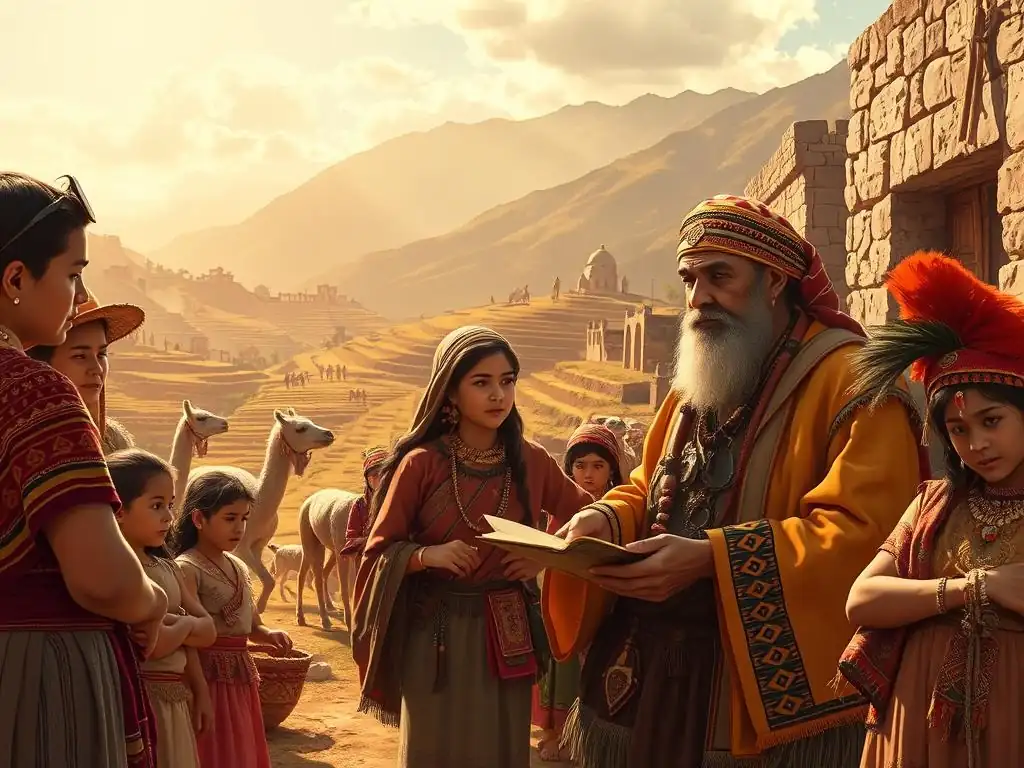
The spirituality of the Inca civilization played a fundamental role in shaping their culture and society. The Incas viewed the world through a spiritual lens, where every element of nature was imbued with sacred significance. This belief system not only guided their daily practices but also influenced their societal structures and relationships.
The Integration of Religion and Daily Life
Religion was intricately woven into the fabric of Inca daily life. The Incas worshipped a pantheon of gods, with Inti, the sun god, holding a particularly prominent position. Rituals and offerings were common, aimed at appeasing these deities to ensure agricultural fertility and social harmony. Temples, such as the famous Coricancha in Cusco, served as both religious and administrative centers, showcasing the profound integration of faith and governance.
The observance of religious festivals marked the seasons and agricultural cycles, emphasizing the connection between spirituality and sustenance. For example, the Inti Raymi festival celebrated the winter solstice, marking the return of longer days and symbolizing renewal and hope. This deep intertwining of religion and daily life fostered a strong sense of community and identity among the Inca people.
Artistic Expressions: Pottery, Textiles, and Music
Artistic expression in the Inca civilization was not merely for aesthetic pleasure; it served as a vital medium for cultural storytelling and spiritual expression. Inca pottery, characterized by intricate designs and functional form, often depicted mythological themes, daily activities, and agricultural practices. These items were not only practical but also carried cultural significance, acting as vessels for both everyday use and ritualistic offerings.
Textiles were another area where the Incas excelled, producing vibrant fabrics that conveyed social status and cultural heritage. The use of colors and patterns was deeply symbolic, with certain designs reserved for the elite. The skillful craftsmanship of textiles was integral to Inca identity, as they were used in ceremonies, trade, and as gifts among the nobility.
Music also played a crucial role in Inca culture, with instruments like pan flutes and drums accompanying rituals and festivals. Songs often reflected societal values and communal narratives, reinforcing cultural cohesion and collective memory.
Festivals and Their Impact on Social Cohesion
Festivals in Inca society acted as a catalyst for social unity and cultural expression. They provided a platform for the community to come together, celebrate their harvests, and honor their gods. The large-scale participation in festivals fostered a sense of belonging and collective identity among the Incas, transcending individual differences.
These events were not only spiritual but also social, as they allowed for the reinforcement of social hierarchies and community roles. The organization of festivals required collaboration and coordination, strengthening social bonds and interdependence among various groups. Furthermore, festivals often included competitions, games, and communal feasting, enhancing the spirit of community and cooperation.
Economic Innovations: Trade and Resources
The Inca economy was marked by significant innovations that facilitated trade, resource management, and societal development. The Incas established an extensive network of roads, known as the Inca Road System, which connected various regions and promoted efficient transportation of goods and services.
The Inca Economy: Barter System and Resources
The Inca economy primarily operated on a barter system, where goods and services were exchanged without the use of currency. This system was rooted in mutual obligation and reciprocity, ensuring that every community contributed to and benefited from the broader economic framework.
Key resources included agricultural products such as maize, potatoes, and quinoa, which were cultivated using advanced agricultural techniques like terracing and irrigation. The Incas also engaged in metallurgy, producing tools and ornaments from gold, silver, and other metals, which played a crucial role in both trade and cultural identity.
Trade Networks and Their Influence on Society
Inca trade networks extended across vast distances, enabling the exchange of goods not just within the empire but also with neighboring cultures. The Incas traded surplus agricultural goods for resources that were scarce in their own regions, such as tropical fruits and textiles from the coastal areas.
These trade interactions fostered relationships between different ethnic groups and facilitated cultural exchange, enhancing the social fabric of the Inca civilization. The centralization of trade under the Inca administration helped regulate commerce, ensuring that resources were allocated efficiently and equitably among the population.
Resource Management: Sustainability Practices
The Incas exhibited a profound understanding of resource management, prioritizing sustainability in their agricultural and economic practices. They implemented advanced farming techniques, such as crop rotation and the use of diverse crops, which helped maintain soil fertility and reduce the risk of crop failure.
Additionally, the Incas practiced a form of communal land ownership that promoted collective stewardship of resources. This approach not only ensured that the needs of the community were met but also emphasized the importance of caring for the land, reflecting a deep respect for nature that continues to resonate in indigenous practices today.
Through these innovations in both spiritual and economic realms, the Inca civilization laid the groundwork for a society that thrived on interdependence, communal identity, and sustainable practices, leaving a lasting impact on the cultures that followed.
The Lasting Impact of Inca Innovations on Modern Society
The innovations developed by the Inca civilization have left an indelible mark on modern society, influencing various fields such as agriculture, engineering, and cultural identity. From their advanced agricultural techniques to their impressive architectural feats, the Incas demonstrated a profound understanding of their environment and resources. Their practices have not only shaped the historical landscape of the Americas but continue to inspire contemporary approaches in various domains. Understanding these innovations helps us appreciate the complexities of their society and the relevance of their contributions to present-day challenges.
Lessons from Inca Innovations for Contemporary Agriculture
The Inca civilization was known for its sophisticated agricultural practices, which were essential for sustaining their large population in the challenging Andean environment. One of their most notable innovations was the development of terraced farming, which allowed them to maximize arable land on steep slopes. This technique included:
- Soil Conservation: Terracing reduced soil erosion, a critical issue in mountainous areas.
- Microclimates: The Incas created diverse microclimates by varying altitude and exposure, allowing for the cultivation of a wide variety of crops, including potatoes, maize, and quinoa.
Modern agricultural practices can learn from these ancient methods, particularly in areas prone to erosion or where land is limited. Integrating agroecological principles inspired by Inca methods can enhance food security and sustainability, demonstrating the relevance of their innovations today.
Influence on Modern Engineering and Architecture
Inca engineering prowess is evident in their remarkable constructions, such as Machu Picchu and the extensive network of roads that connected their vast empire. Their techniques included:
- Stone Masonry: The Incas utilized precise stone-cutting methods, allowing them to fit stones together without mortar, creating durable structures that have withstood earthquakes.
- Infrastructure Development: The Inca road system facilitated trade and communication across rugged terrains, serving as a model for modern infrastructure projects.
These engineering principles continue to influence contemporary architecture and civil engineering. The focus on sustainable materials and resilient designs that can endure natural disasters reflects a legacy rooted in Inca practices. Modern engineers look to these ancient techniques to inspire innovative solutions to current infrastructural challenges.
Cultural Heritage: How Inca Innovations Shape Identity Today
The innovations of the Inca civilization have contributed significantly to the cultural heritage of the Andean region and beyond. Their legacy is preserved through:
- Traditional Practices: Many Andean communities continue to utilize Inca agricultural methods, celebrating their ancestry and maintaining a connection to their history.
- Cultural Festivals: Events such as Inti Raymi (Festival of the Sun) celebrate Inca traditions, reinforcing cultural identity and community bonds.
In contemporary society, the recognition of Inca innovations fosters a sense of pride among Indigenous peoples, serving as a foundation for cultural revival and sustainability. This connection to the past not only enriches cultural identity but also provides valuable lessons for future generations.
Conclusion: The Legacy of Inca Innovations in Society
The legacy of Inca innovations is profound, demonstrating how a civilization's ingenuity can influence various aspects of modern society. From agriculture to architecture and cultural identity, the impacts of Inca practices resonate strongly today.
Summary of Key Innovations and Their Societal Impact
Key Inca innovations include:
- Terraced Farming: Enhanced food production and soil conservation.
- Advanced Engineering: Durable structures and an intricate road network facilitating trade and communication.
- Cultural Practices: Preservation of identity and traditional knowledge.
These innovations have not only shaped the Inca society but also continue to inform contemporary practices in sustainability, infrastructure, and cultural identity.
Reflection on the Inca Civilization's Enduring Influence
The Inca civilization exemplifies how historical innovations can provide valuable insights for contemporary society. As we face challenges related to climate change, urbanization, and cultural identity, the lessons drawn from Inca innovations remind us of the importance of sustainable practices and the enduring power of cultural heritage. By studying and integrating these ancient practices, modern society can work towards a more resilient and enriched future, honoring the legacy of the Inca and their profound contributions to civilization.
- Introduction to Inca Innovations and Society Impacts
- Agricultural Innovations of the Inca Empire
- Engineering and Architectural Innovations
- Social Innovations: Organization and Governance
- Spiritual and Cultural Innovations
- Economic Innovations: Trade and Resources
- The Lasting Impact of Inca Innovations on Modern Society
- Conclusion: The Legacy of Inca Innovations in Society
Frequently Asked Questions
What were some key Inca innovations?
The Inca civilization is known for their advanced engineering, including the construction of road systems and terracing for agriculture, which significantly improved their productivity and connectivity.
How did Inca society impact agriculture?
Inca innovations in agriculture, such as the use of irrigation and crop rotation, allowed them to maximize land use, leading to a surplus that supported a complex social structure and population growth.
What role did Inca innovations play in their economy?
The Inca economy was heavily reliant on innovations like quinoa cultivation and llama herding, which facilitated trade and contributed to the sustainability of their society.
How did Inca achievements influence modern cultures?
Many Inca innovations, particularly in agriculture and engineering, laid the groundwork for contemporary farming techniques and infrastructure, demonstrating their lasting cultural impact.
What was the significance of Inca society in the Americas?
The Inca civilization represented one of the most sophisticated societies in pre-Columbian Americas, known for their social organization, monumental architecture, and influential cultural practices that shaped the region's history.
Final Reflection: The Enduring Legacy of Inca Innovations on Society
Inca innovations were not merely advancements in technology or agriculture; they were foundational elements that shaped the very fabric of their society. Today, as we navigate our own challenges and seek sustainable solutions, the lessons from the Inca civilization resonate more than ever. Their ability to harmonize innovation with environmental stewardship offers a striking reminder of the potential for human ingenuity to foster resilience and community.
Cultural and social landscapes are often shaped by the innovations of the past, and the Inca civilization is a prime example of this dynamic. Their sophisticated agricultural techniques, architectural marvels, and intricate road systems not only facilitated trade and communication but also fostered a sense of unity among diverse groups. As we reflect on their contributions, we are reminded of the words of historian John Hemming: The Incas were not just builders of an empire; they were architects of a society that thrived on cooperation and innovation.
This observation highlights how the Inca innovations continue to influence contemporary discussions on community building and sustainable practices.
As you consider the impact of Inca innovations on their society, I invite you to reflect on how these lessons can be applied in your own life. What innovations can you embrace to strengthen your community and promote sustainability? Let the ingenuity of the Inca civilization inspire you to think creatively about the challenges we face today, and encourage you to take action that honors their legacy while paving the way for a brighter future.
Unveil the Wonders of Inca Innovations!
Thank you for diving into the fascinating world of Inca innovations! You’ve explored how early practices shaped their society and enriched our understanding of indigenous civilizations. Now, it's time to take inspired action and delve deeper into this captivating topic.
Here are some ways you can further your journey:
- Explore the rich tapestry of Inca culture by visiting local museums or virtual exhibits dedicated to indigenous history.
- Share this article with friends and family to spark conversations about the incredible achievements of the Inca civilization.
- Join online forums or community groups focused on indigenous studies to connect with fellow enthusiasts and exchange insights.
What aspect of Inca innovations fascinates you the most, and how do you believe these ancient practices can inspire solutions to contemporary challenges?