
The Lasting Impact of Inca Civilization on Modern Indigenous Cultures

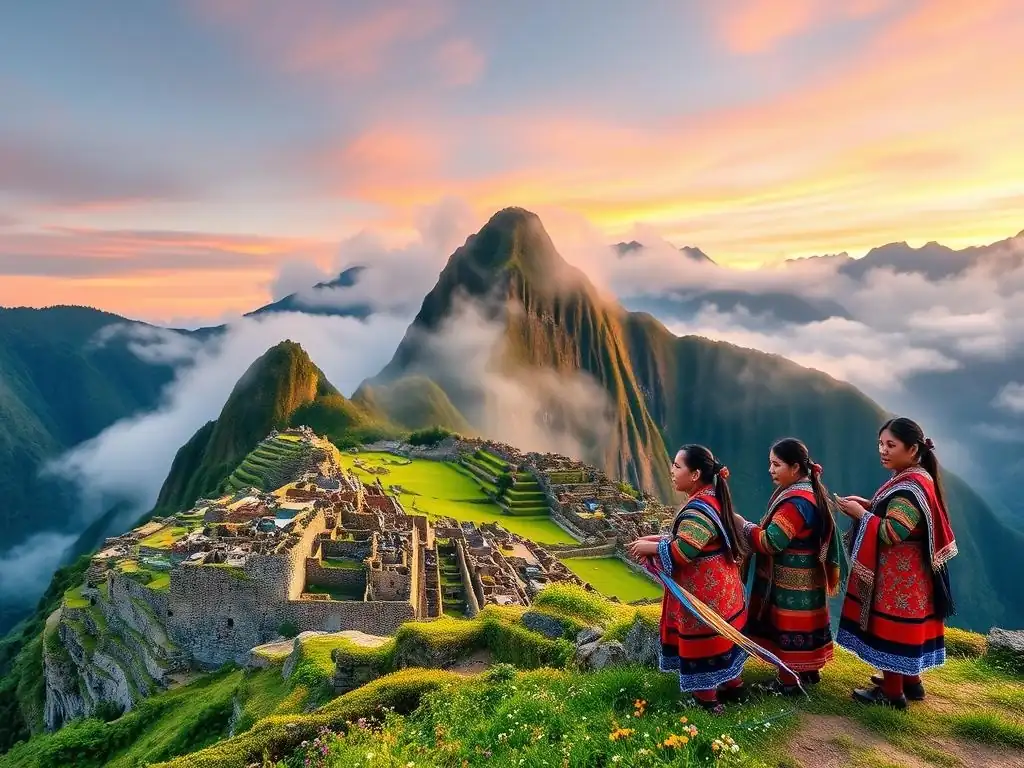
Welcome to Indigenous Civilizations of the Americas, where we invite you to embark on a fascinating journey through the rich tapestry of indigenous cultures that flourished long before European contact. In our featured article, “The Lasting Impact of Inca Civilization on Modern Indigenous Cultures,” we delve into how the remarkable achievements and societal structures of the Inca civilization continue to resonate today.
Curious about the echoes of this ancient society in contemporary life? Explore with us to uncover the profound connections that bind the past to the present and discover the vibrant legacy that lives on in modern indigenous cultures.
Introduction to Inca Civilization Influence Today
The Inca civilization, one of the most remarkable indigenous cultures in the Americas, has left an indelible mark on the diverse tapestry of modern indigenous societies. Stretching across vast territories in present-day Peru, Bolivia, Ecuador, and Chile, the Inca Empire was characterized by its advanced agricultural techniques, sophisticated architectural achievements, and intricate social structures.
Today, as we explore the Inca civilization's influence, we uncover how its legacy continues to resonate within contemporary indigenous cultures, shaping their identities, traditions, and social frameworks. Understanding this influence is crucial not only for appreciating the resilience of indigenous peoples but also for recognizing the vibrant cultural heritage that persists despite centuries of external pressures.
Overview of Inca Civilization
The Inca civilization, known for its vast empire that flourished from the early 15th century until the Spanish conquest in the 16th century, was a tapestry woven from various cultural threads. It included remarkable achievements in engineering, agriculture, and governance, which allowed it to sustain a large population across diverse terrains.
- Geography: The empire spanned the Andes mountains and coastal deserts, showcasing the Incas' ability to adapt to various environments.
- Language: Quechua, the official language of the Incas, is still spoken by millions today, illustrating the continuity of cultural practices.
- Economy: The Incas developed a system of communal labor known as mit'a, which not only organized agricultural production but also fostered social cohesion.
Importance of Studying Indigenous Cultures
Studying indigenous cultures, particularly the Inca civilization, is essential for several reasons:
- Cultural Preservation: It helps preserve languages, traditions, and knowledge systems that are at risk of disappearing.
- Social Identity: Understanding the historical context of these cultures strengthens the identity of modern indigenous groups.
- Historical Awareness: It provides insights into the dynamics of colonization and resistance, enriching our comprehension of current social issues.
Historical Context of the Inca Civilization
To appreciate the lasting impact of the Inca civilization, it is essential to situate it within its historical context. The Inca Empire was not an isolated phenomenon but rather a powerful entity that emerged amid various pre-Columbian cultures.
Key Achievements of the Inca Empire
The Incas are renowned for their impressive achievements that continue to influence modern societies:
- Architectural Marvels: Structures like Machu Picchu exemplify their advanced engineering skills and understanding of the environment.
- Agricultural Innovations: The Incas developed terracing techniques and irrigation systems that maximized arable land in mountainous regions.
- Road Networks: The Inca road system facilitated communication and trade across vast distances, laying the groundwork for future connectivity.
Social Structure and Governance of the Inca Civilization
The social structure of the Inca civilization was complex and hierarchical, influencing many contemporary indigenous governance systems:
- Sapa Inca: The emperor held absolute power, viewed as a divine ruler.
- Ayllu: The basic social unit, consisting of extended families that shared resources and responsibilities, fostering a sense of community.
- Administrative Organization: The Incas employed a bureaucratic system that managed various provinces, integrating diverse cultures under a unified administration.
The social and political frameworks established by the Incas continue to echo in modern indigenous communities, underscoring their enduring legacy and influence today.
The Cultural Legacy of the Inca Civilization
The Inca civilization, which flourished in the Andean region from the early 15th century until the Spanish conquest in the 16th century, has left a profound cultural legacy that continues to resonate in modern indigenous cultures across South America. This legacy encompasses a rich tapestry of language, religion, agricultural practices, and social organization that shapes the identities and traditions of contemporary indigenous peoples.
The influence of the Inca civilization is particularly evident in the preservation of traditional practices, artistic expressions, and the ongoing reverence for the natural world, which were central to Inca life and continue to inspire modern communities.
Language and Communication: Quechua and Aymara
One of the most significant contributions of the Inca civilization to contemporary indigenous cultures is the preservation and promotion of the Quechua and Aymara languages. Quechua, once the lingua franca of the vast Inca Empire, is still spoken by millions across Peru, Bolivia, Ecuador, and Colombia. Aymara, another prominent language in the region, is also actively spoken and celebrated.
These languages not only serve as vital tools for communication but also carry the cultural narratives, histories, and wisdom of the indigenous peoples. Efforts to revitalize and promote these languages in education and media have been instrumental in affirming indigenous identities and fostering pride among younger generations.
Inca Religion and Spiritual Practices
The spiritual beliefs and practices of the Inca civilization have also left a lasting impact on modern indigenous cultures. The reverence for nature, particularly the mountains (Apus), rivers, and earth (Pachamama), remains central to many indigenous spiritual practices today. Rituals and ceremonies that honor these elements reflect a deep-seated connection to the land, reminiscent of Inca worship. Additionally, the syncretism observed in many contemporary religious practices—where traditional beliefs intertwine with Catholicism—can be traced back to the Inca approach to spirituality, which embraced various deities and incorporated local customs into their religious framework.
Agricultural Innovations and Their Modern Applications
The Inca civilization was renowned for its advanced agricultural techniques, including terrace farming, irrigation systems, and the cultivation of diverse crops such as potatoes, maize, and quinoa. These innovations not only supported a complex society but also laid the groundwork for sustainable agricultural practices that are still in use today. Modern indigenous farmers often draw on traditional Inca methods to adapt to environmental changes and enhance food security. The resurgence of interest in native crops, particularly those that are resilient to climate change, reflects the enduring influence of Inca agricultural practices on contemporary food systems and dietary habits.
Inca Civilization Influence on Modern Indigenous Cultures
The influence of the Inca civilization extends beyond language and agriculture; it is deeply embedded in the cultural identities and practices of modern indigenous peoples. This influence manifests in various ways, from the preservation of traditional customs to the revival of artistic expressions that celebrate Inca heritage.
Preservation of Traditional Practices
Many indigenous communities actively preserve and practice traditions that can be traced back to the Inca civilization, such as weaving, music, and dance. These practices not only serve as a means of cultural expression but also as a way to foster community cohesion and pass down knowledge from one generation to the next. Festivals and rituals often feature elements reminiscent of Inca traditions, highlighting the continuity of cultural heritage amidst changing social landscapes.
Influence on Contemporary Indigenous Art and Craftsmanship
The artistic legacy of the Inca civilization is evident in modern indigenous art and craftsmanship. Traditional techniques, such as textile weaving and pottery, have been passed down through generations, often incorporating contemporary themes and materials. Artists draw inspiration from Inca motifs and symbols, blending ancient practices with modern interpretations. This fusion not only honors Inca heritage but also serves as a powerful medium for social commentary and cultural identity in today's world.
The Role of Inca Heritage in Modern Indigenous Identity
Inca heritage plays a crucial role in shaping the identities of contemporary indigenous peoples. The reclamation of Inca history and achievements fosters a sense of pride and belonging among indigenous communities, especially in the face of historical marginalization. Many indigenous activists and leaders invoke Inca legacy to advocate for rights, land sovereignty, and cultural recognition. This connection to the past empowers modern indigenous peoples to assert their identity and navigate the complexities of contemporary society while remaining rooted in their ancestral heritage.
Case Studies of Inca Influence in Specific Indigenous Communities
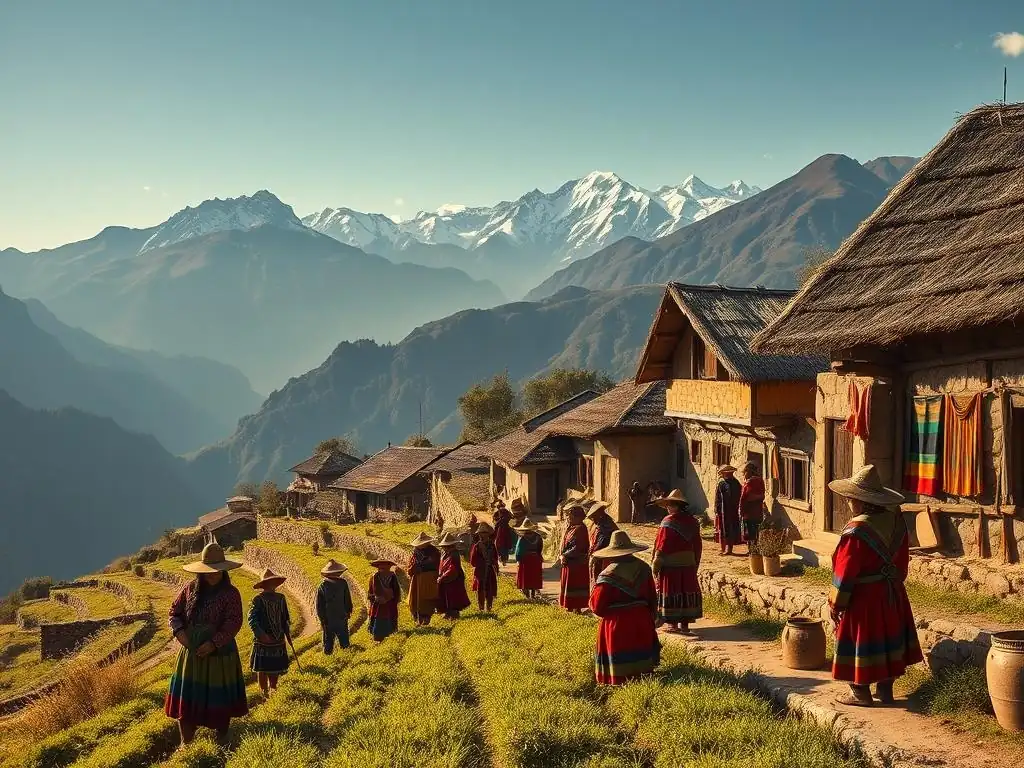
The influence of the Inca civilization on modern indigenous cultures can be observed through various case studies, particularly among the Quechua and Aymara communities, as well as in the realm of indigenous art. These examples highlight a rich tapestry of cultural retention and revival that continues to shape identities and practices today.
Quechua Communities: Retaining Inca Agricultural Techniques
Quechua communities, descendants of the Inca, have maintained many agricultural techniques that were perfected during the Inca Empire. This includes the use of terracing and irrigation systems, which are crucial in the steep, mountainous regions of the Andes. These traditional practices not only enhance crop yield but also contribute to sustainable farming methods that respect the environment.
For instance, crop diversification is a technique rooted in Inca practices where various crops, such as potatoes, maize, and quinoa, are cultivated together. This method not only improves soil health but also helps in ensuring food security for these communities. Furthermore, the revival of native seed banks has emerged as a significant movement among Quechua farmers, allowing them to preserve traditional varieties that have been cultivated for centuries.
In recent years, initiatives to promote agroecology within these communities have further bridged ancient Inca wisdom with modern ecological practices, showing a remarkable resilience and adaptability in preserving their heritage.
Aymara Communities: Revival of Traditional Inca Festivals
Aymara communities, particularly in regions of Bolivia and Peru, have seen a resurgence of traditional festivals that trace their roots back to the Inca civilization. Events such as Inti Raymi, the Festival of the Sun, celebrate the Inca sun god, Inti, and mark the winter solstice. This festival serves as a vital expression of cultural identity and spiritual connection to the past.
Moreover, these celebrations often include traditional dances, music, and rituals that embody Inca cosmology and community values. The revival of such festivals not only strengthens community bonds but also serves to educate younger generations about their rich heritage.
This cultural renaissance is also supported by local governments and NGOs, which recognize the importance of these traditions in promoting tourism and sustaining indigenous cultures in a rapidly changing world.
Indigenous Artists: Integration of Inca Spirituality in Modern Practices
Indigenous artists today are increasingly drawing inspiration from Inca spirituality and motifs, weaving ancient traditions into contemporary art forms. This integration can be seen in various mediums, including textiles, pottery, and visual arts.
For example, textile artists incorporate traditional Inca patterns and symbols into modern designs, connecting their work to ancestral practices while appealing to a broader audience. Additionally, many artists explore themes of identity and resistance, using their art as a platform to address contemporary issues faced by indigenous communities, such as land rights and cultural preservation.
Collaborative projects between artists and cultural organizations have further facilitated the rediscovery and recontextualization of Inca influences, allowing these ancient practices to evolve while remaining relevant in today's society.
Challenges to Preserving Inca Influence Today
While the influence of the Inca civilization continues to resonate within indigenous communities, several challenges hinder the preservation of this rich heritage.
External Pressures: Globalization and Cultural Appropriation
Globalization poses significant challenges to the preservation of Inca influence, as modernity often clashes with traditional practices. The influx of global culture can lead to the dilution of indigenous identities, where traditional customs and languages are overshadowed by dominant cultures.
Cultural appropriation further complicates this issue, as elements of Inca culture may be commodified or misrepresented by outsiders, stripping them of their original meaning. This can lead to frustration within the communities that strive to maintain authentic expressions of their heritage while navigating a world that often overlooks their significance.
Internal Struggles: Maintaining Language and Traditions
Internally, the struggle to maintain language and traditions within indigenous communities remains a pressing concern. Many young people are increasingly adopting dominant languages, such as Spanish, which can result in the erosion of indigenous languages like Quechua and Aymara.
Efforts to revitalize these languages through education and community programs are vital. Initiatives that incorporate traditional teachings and storytelling in schools aim to foster pride in indigenous heritage and ensure that younger generations understand their cultural roots.
While the Inca civilization has left a profound impact on modern indigenous cultures, ongoing efforts to combat external pressures and internal struggles are essential for sustaining this legacy.
The Future of Inca Civilization Influence on Indigenous Cultures
The influence of the Inca civilization continues to resonate deeply within modern indigenous cultures throughout South America. As these communities strive to maintain their unique identities, the legacy of the Incas provides a rich cultural foundation from which they draw inspiration. This influence manifests in various forms, including language, traditional practices, and social structures. Looking ahead, the integration of Inca heritage into contemporary life appears poised to strengthen cultural pride and community resilience among indigenous peoples.
The future of Inca civilization's influence hinges on the ability of modern indigenous cultures to adapt and innovate while honoring their ancestral roots. This could involve reviving traditional crafts, agricultural practices, and rituals that reflect Inca values, thereby ensuring that the wisdom of the past informs future generations. Furthermore, as globalization continues to impact indigenous communities, there is a growing recognition of the need to protect and promote Inca heritage as a counterbalance to external cultural pressures.
Efforts in Education and Cultural Revitalization
Educational initiatives are pivotal in revitalizing the cultural heritage of the Inca civilization among indigenous populations. Schools and community programs that focus on teaching the Quechua language, traditional farming techniques, and Inca history are essential for fostering a sense of identity and continuity. These educational efforts not only empower younger generations but also encourage pride in their heritage.
Cultural revitalization projects play a significant role in this process. For instance, festivals that celebrate Inca traditions, music, and dances are increasingly popular, serving as platforms for community engagement and cultural expression. Furthermore, collaborations with academic institutions and cultural organizations help to document and disseminate knowledge about Inca civilization, ensuring that its contributions are recognized and celebrated.
Role of Technology in Preserving Inca Heritage
Technology has emerged as a powerful ally in the preservation and promotion of Inca heritage. Digital platforms enable indigenous communities to share their stories, traditions, and knowledge with a global audience, fostering greater awareness and appreciation for their culture. Social media, for example, allows for the dissemination of cultural content, connecting individuals who share a common heritage and facilitating dialogue among diverse groups.
Moreover, advancements in technology are aiding in the preservation of historical sites and artifacts. Through the use of 3D scanning and virtual reality, researchers and indigenous communities can document and recreate significant Inca structures, making them accessible for educational purposes and cultural tourism. These efforts not only help conserve the material aspects of Inca heritage but also inspire future generations to engage with their history in innovative ways.
Conclusion: The Enduring Legacy of Inca Civilization
The legacy of the Inca civilization is profound and multifaceted, leaving an indelible mark on modern indigenous cultures throughout the Americas. From agricultural practices to social organization and spiritual beliefs, the Inca influence is evident in various aspects of contemporary life. This enduring legacy serves as a source of strength and inspiration for indigenous communities as they navigate the complexities of the modern world.
Summary of Key Influences on Modern Indigenous Cultures
The key influences of Inca civilization on modern indigenous cultures can be categorized as follows:
- Language and Communication: The continued use of Quechua and Aymara languages reflects Inca linguistic heritage.
- Agricultural Techniques: Traditional farming methods, including terracing and crop diversification, showcase Inca agricultural innovations.
- Cultural Practices: Rituals, festivals, and music rooted in Inca traditions highlight the cultural continuity within indigenous communities.
- Social Structures: Elements of Inca governance and community organization persist in modern indigenous societies, demonstrating the adaptability of these structures.
Call to Action: Supporting Indigenous Cultural Preservation
To ensure the ongoing legacy of the Inca civilization, it is imperative that individuals and organizations actively support indigenous cultural preservation efforts. This can be achieved through:
- Promoting Indigenous Education: Encourage educational programs that teach about Inca history and languages.
- Supporting Cultural Events: Attend and participate in indigenous festivals and cultural celebrations to foster community engagement.
- Advocating for Policy Changes: Push for policies that protect indigenous lands and cultural sites from exploitation.
- Encouraging Research and Documentation: Support initiatives that document and celebrate indigenous knowledge and practices.
By taking these actions, we can help safeguard the rich heritage of the Inca civilization and ensure that its influence continues to thrive within modern indigenous cultures.
- Introduction to Inca Civilization Influence Today
- Historical Context of the Inca Civilization
- The Cultural Legacy of the Inca Civilization
- Inca Civilization Influence on Modern Indigenous Cultures
- Case Studies of Inca Influence in Specific Indigenous Communities
- Challenges to Preserving Inca Influence Today
- The Future of Inca Civilization Influence on Indigenous Cultures
- Conclusion: The Enduring Legacy of Inca Civilization
- What is the main focus of the article about the Inca civilization?
- How did the Inca civilization influence contemporary indigenous cultures?
- Are there specific examples of Inca influence in today's society?
- What role does the Inca civilization play in understanding indigenous history?
- Why is it important to study the Inca civilization's impact today?
Frequently Asked Questions
What is the main focus of the article about the Inca civilization?
The article explores the diverse achievements and societal structures of the Inca civilization, highlighting their lasting influence on modern indigenous cultures.
How did the Inca civilization influence contemporary indigenous cultures?
The Inca civilization's agricultural practices, architecture, and social organization have had a profound effect on many contemporary indigenous cultures, shaping their identities and lifestyles.
Are there specific examples of Inca influence in today's society?
Yes, the use of terracing for agriculture, traditional weaving techniques, and the Quechua language are examples of how Inca influence persists in today's indigenous communities.
What role does the Inca civilization play in understanding indigenous history?
Understanding the Inca civilization is crucial for recognizing the rich histories and cultural contributions of indigenous peoples, as it provides insight into their resilience and adaptations over time.
Why is it important to study the Inca civilization's impact today?
Studying the Inca civilization's impact helps highlight the continuity of indigenous cultures and their contributions to modern society, emphasizing the need for cultural preservation and appreciation.
Final Reflection: The Enduring Legacy of Inca Civilization
The influence of Inca civilization on modern indigenous cultures is not just a historical footnote; it is a vibrant thread woven into the fabric of contemporary society. As we explore the remnants of Inca achievements, from advanced agricultural techniques to intricate social structures, we realize that their legacy continues to shape the identity and resilience of indigenous communities today. The echoes of their ingenuity resonate in the ways these cultures adapt and thrive in a rapidly changing world.
The impact of the Inca civilization is profound, as it serves as a source of inspiration and strength for modern indigenous peoples. Their ability to harmonize with nature, maintain community cohesion, and uphold traditional practices in the face of adversity reflects a deep-rooted cultural heritage that persists through generations. As noted by historian John H. Rowe, The Inca civilization was not merely a past era; it laid the groundwork for the cultural identities that define indigenous peoples today.
This acknowledgment of the Inca's lasting influence encourages us to appreciate the ongoing narratives that connect the past with the present.
As we reflect on the lessons of the Inca civilization, let us embrace the call to honor and uplift indigenous cultures in our own lives. Consider how you can contribute to the preservation and celebration of these rich heritages. Engage with local indigenous communities, support their initiatives, and educate yourself about their histories and struggles. By doing so, you not only pay homage to the Inca legacy but also become a part of a larger movement that champions cultural diversity and resilience. The journey of understanding and appreciation starts with each of us—let's take that step forward together.
Unveil the Rich Legacy of the Inca Today!
Thank you for taking the time to explore the profound impact of Inca civilization on contemporary indigenous cultures. By diving into this rich history, you’ve uncovered valuable insights that resonate with our present and shape our future. Now, it’s time to take that knowledge further and make a meaningful connection!
Here’s how you can continue your journey:
- Engage with your community: Attend a local cultural event or workshop that celebrates indigenous heritage and learn directly from local voices within the community.
- Share your newfound knowledge: Start a conversation with friends or family about your discoveries; spreading awareness is a vital way to honor these legacies.
- Explore indigenous authors: Dive into literature or documentaries created by indigenous storytellers to deepen your understanding of their cultures and perspectives.
What aspects of Inca civilization do you find most inspiring, and how can they inform your view of modern indigenous cultures? Let’s discuss in the comments!