
The Significance of the Sun God in Inca Origins and Identity

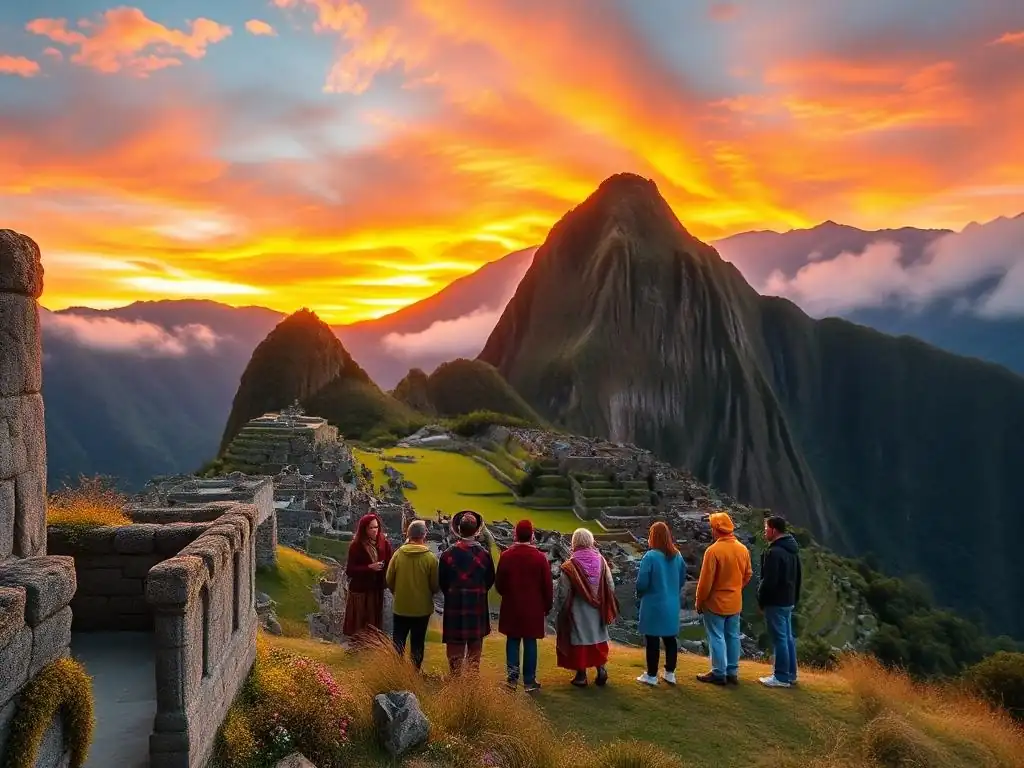
Welcome to Indigenous Civilizations of the Americas, where we embark on a captivating journey through the rich tapestry of pre-colonial cultures that flourished across the continent. Discover the profound significance of the Inca Sun God, a pivotal figure that not only shaped the identity of the Inca civilization but also influenced their achievements and societal structures. As you delve into this exploration, prepare to uncover the intricate connections between mythology, culture, and history that define these remarkable societies.
What secrets do the Inca hold about their reverence for the sun? Join us as we illuminate the past and inspire your curiosity to learn more!
The Inca civilization, one of the most remarkable societies in pre-Columbian America, was deeply intertwined with its rich spiritual beliefs and practices. At the heart of Inca spirituality was the Sun God, known as Inti, whose significance transcended mere reverence; he was a central figure in the identity and origins of the Inca people.
This article will explore the multifaceted role of the Inca Sun God, delving into his origins, the mythology surrounding him, and the profound impact he had on Inca society and culture. By understanding Inti's significance, we gain insight into the values, achievements, and enduring legacy of the Inca civilization prior to European colonization.
Introduction to the Inca Sun God
Overview of the Inca Civilization
The Inca Empire, which flourished from the early 15th century until the Spanish conquest in the 16th century, was the largest empire in pre-Columbian America. It stretched along the western coast of South America, covering parts of modern-day Peru, Ecuador, Bolivia, Argentina, and Chile. The Incas are known for their advanced agricultural techniques, impressive architectural feats, and a complex society that included a centralized government and extensive trade networks.
- Key Features of the Inca Civilization:
- Architecture: Known for their sophisticated stonework and monumental structures, such as Machu Picchu and Sacsayhuamán.
- Agriculture: Development of terrace farming and irrigation systems that maximized arable land in the Andes.
- Society: A hierarchical society with the Sapa Inca at the top, followed by nobles, artisans, and farmers.
Introduction to the Concept of Deities in Inca Culture
Inca religion was polytheistic, with a pantheon of gods who represented various aspects of life and nature. Deities were integral to the Inca worldview, influencing agriculture, weather, and social order. The worship of these gods was not only a spiritual practice but also a way to reinforce the social structure and cultural identity of the Incas.
- Major Deities in Inca Culture:
- Inti: The Sun God, considered the most important deity and the ancestor of the Inca rulers.
- Pachamama: The Earth Mother, associated with fertility and agriculture.
- Viracocha: The creator god, who was responsible for the creation of the universe and all living things.
The Role of the Sun God in Inca Mythology
The Significance of Inti: The Inca Sun God
Inti, often depicted as a golden disk, was revered as the giver of life and sustenance. As the Sun God, he was believed to provide warmth and light, essential for crops to grow. The Incas regarded themselves as his chosen people, and their rulers, the Sapa Incas, were thought to be direct descendants of Inti, which legitimized their authority and reinforced their divine right to rule.
- Key Aspects of Inti's Worship:
- Inti Raymi: The Festival of the Sun, celebrated during the winter solstice to honor Inti and ensure a bountiful harvest.
- Temples and Shrines: The Coricancha in Cusco, the most important temple dedicated to Inti, symbolized the Inca's dedication to their Sun God.
Myths Surrounding the Sun God and Inca Origins
Inca mythology is rich with stories that explain the origins of their civilization and the prominence of Inti. One of the most notable myths describes the emergence of the first Inca, Manco Cápac, who was sent to Earth by Inti to establish a great civilization. This myth not only highlights Inti's role as a creator and protector but also serves as a foundation for the Inca identity, emphasizing their divine connection to the Sun.
- Key Myths:
- The Creation of the Inca People: Manco Cápac and his sister Mama Ocllo were believed to have emerged from Lake Titicaca, guided by Inti to spread civilization.
- The Sun's Journey: Stories of Inti's daily journey across the sky symbolize the cyclical nature of life and the importance of agriculture in Inca society.
Through the lens of these myths and beliefs, we can appreciate the profound significance of the Sun God in shaping the identity, culture, and daily life of the Inca civilization.
The Inca Sun God in Religious Practices
The Inca civilization revered the Sun God, known as Inti, as one of their most significant deities. Inti was not only a symbol of light and warmth but also a crucial figure in their spiritual and everyday life. The Inca believed that Inti was the ancestor of their rulers, directly linking the divine with their political authority. This connection underscored the centrality of Inti in religious ceremonies and societal functions. His worship was characterized by elaborate rituals and offerings that aimed to gain the favor of the Sun God, ensuring harmony and prosperity in the Inca Empire.
Worship and Rituals Dedicated to Inti
The worship of Inti involved numerous rituals and offerings, with priests playing a pivotal role in mediating between the divine and the people. Daily offerings included the presentation of chicha (a fermented beverage) and the burning of food, llamas, and even textiles. These acts were believed to nourish Inti and maintain the balance between the celestial and terrestrial realms. The most significant rituals occurred during solstices and equinoxes, when the Inca would gather for grand ceremonies to honor their Sun God.
The priests, known as "Panchas" or "Willaq Umu," were responsible for conducting these ceremonies, which often included music, dance, and the recitation of sacred prayers. The most sacred sites, such as the Coricancha temple in Cusco, were dedicated to Inti, adorned with gold and precious offerings, symbolizing the Sun's radiance and importance to the Inca people.
Festivals Celebrating the Sun God: Inti Raymi
One of the most important festivals in honor of Inti was the Inti Raymi, or the Festival of the Sun. Celebrated during the winter solstice in June, Inti Raymi marked the beginning of the new agricultural cycle and was a demonstration of gratitude toward Inti for his life-giving energy. The festival included elaborate processions, theatrical performances, and ritual sacrifices, including the ceremonial killing of llamas, which were offered to Inti to ensure a bountiful harvest.
The ceremony involved the Sapa Inca, the emperor, who would perform rituals that reinforced his divine connection to Inti. Colorful costumes, the sound of panpipes, and the intricate choreography of dancers highlighted the cultural richness and significance of this event. Today, Inti Raymi continues to be celebrated in Cusco, reflecting the enduring legacy of the Sun God in Inca culture.
The Influence of the Sun God on Inca Society
The influence of Inti extended beyond religious practices; it permeated various aspects of Inca society, from governance to agriculture. The reverence for the Sun God shaped social structures, cultural norms, and economic activities within the Inca Empire.
The Sun God’s Role in Inca Governance
Inti was intrinsically linked to Inca governance, as the rulers claimed descent from the Sun God. This divine lineage legitimized their authority and reinforced the belief that their reign was ordained by the heavens. The Sapa Inca, as the representative of Inti on Earth, was tasked with maintaining the welfare of the empire, ensuring that the populace honored the Sun God through piety and adherence to Inca laws.
The centralization of power around the worship of Inti facilitated the unification of the diverse cultures within the empire. The Inca utilized the Sun God’s image and symbolism in state propaganda, which helped to forge a collective identity among the various ethnic groups. This connection between divinity and governance reinforced social cohesion and loyalty among the Inca people.
Inti and Agricultural Practices: The Lifeblood of the Inca Empire
Inti's significance to the Inca civilization was particularly evident in their agricultural practices. The Inca believed that the Sun's warmth was essential for crop growth, leading them to develop advanced agricultural techniques that maximized their yields. They implemented terracing and irrigation systems to harness the sun’s energy effectively, allowing them to cultivate diverse crops such as maize, potatoes, and quinoa.
Rituals dedicated to Inti were closely tied to agricultural cycles, including planting and harvesting. The Inca calendar was aligned with the solar year, ensuring that farming activities coincided with significant solar events. By honoring Inti through rituals and festivals, the Inca sought to ensure favorable weather conditions, thereby securing food resources critical for the empire's survival and expansion. The reverence for Inti not only sustained their agricultural economy but also reinforced the cultural identity of the Inca civilization as a whole.
Symbolism and Representation of the Inca Sun God
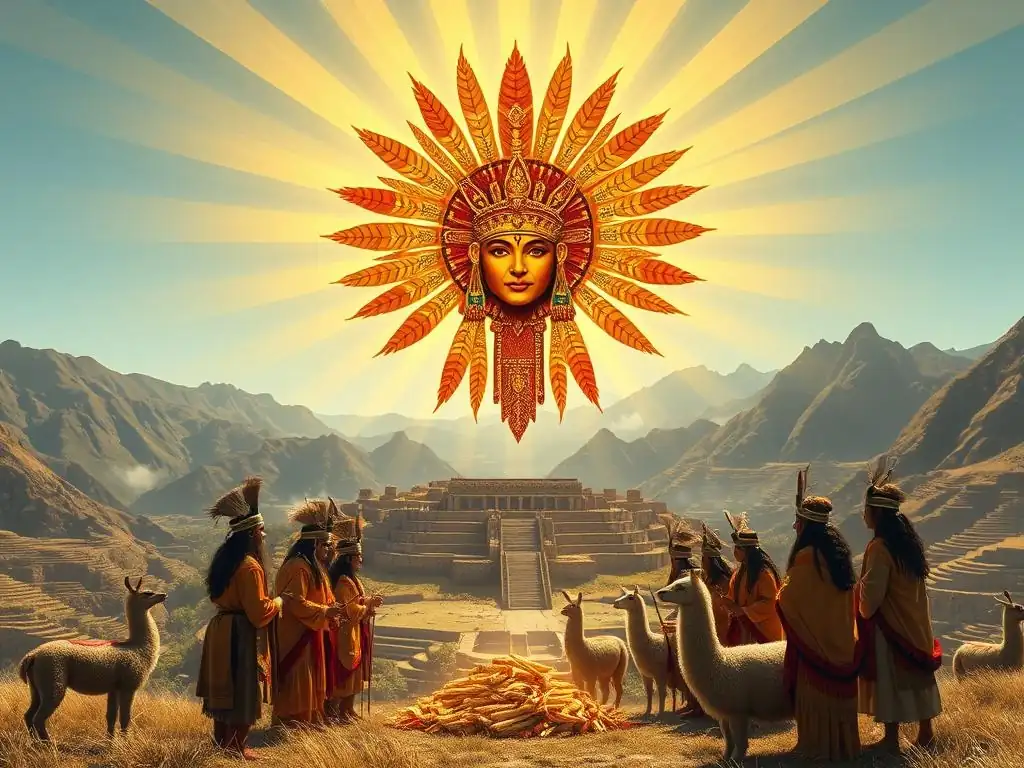
The Inca Sun God, known as Inti, holds a central place in the mythology and cosmology of the Inca civilization, symbolizing power, life, and fertility. Inti was not only regarded as the sun itself but also as the progenitor of the Inca people, believed to have sent the first Inca ruler, Manco Cápac, to Earth to establish the civilization. This divine association elevated Inti to a status of utmost importance, and he was often viewed as the protector of agriculture, given that the sun's rays were essential for crop growth.
Inti was often represented with a radiant face, surrounded by rays of light, which emphasized his role as a source of warmth and life. His representation extended beyond mere imagery; he was an embodiment of the natural order and a symbol of the Inca’s connection to their environment. The sun's regular cycle of rising and setting mirrored the Inca belief in balance and harmony within their society. Festivals, such as Inti Raymi, celebrated the sun’s return and reinforced the community's bond with this vital deity, showcasing Inti's significance in agricultural practices and seasonal cycles.
Artistic Depictions of Inti in Inca Culture
Artistic representations of Inti were prevalent in various forms, including pottery, textiles, and monumental architecture. Inca artisans depicted Inti with a golden hue, often using gold leaf or paint to capture the sun’s brilliance, which also denoted his divine status. These artistic expressions served multiple purposes: they not only honored the deity but also reinforced cultural identity and community values.
Textiles were particularly significant, with intricate patterns symbolizing the sun and its rays. They often adorned clothing worn by the elite during religious ceremonies. Pottery, too, showcased images of Inti, with vessels often used in rituals that involved offerings to the sun god. Moreover, the iconography of Inti frequently appeared in the carvings and murals found in temples and public spaces, reminding the populace of his omnipresence and importance in everyday life.
The Sun God in Architecture: Temples and Structures
The architectural legacy of the Inca civilization prominently features structures dedicated to the worship of Inti. The most famous of these is the Coricancha, or the Temple of the Sun, located in Cusco. This temple was the heart of Inca religious life and was adorned with gold sheets that reflected sunlight, creating an awe-inspiring spectacle. The Inca believed that the temple was a direct representation of the sun, where Inti resided among the elite.
Additionally, many Inca cities were designed with a cardinal orientation, aligning important structures toward the sun. This alignment was not only practical but also symbolic, reinforcing the spiritual connection between the Inca civilization and Inti. The architecture of these temples included large stone blocks, expertly cut and fitted together without mortar, which showcased the Inca's impressive engineering skills and their reverence for the sun god.
The Legacy of the Inca Sun God in Modern Times
The legacy of Inti persists in modern Andean culture, where the sun god continues to play a vital role in spiritual and cultural identity. Many contemporary indigenous communities honor Inti through various rituals and festivals, ensuring that the traditions of their ancestors remain vibrant and relevant. This continuity of worship reflects a deep-seated respect for the natural world and the cycles of life that Inti embodies.
Continuing Influence of Inti in Andean Culture
In many Andean communities, Inti is still celebrated during solstice events and local festivals. The observance of Inti Raymi, for instance, draws thousands of participants and tourists each year, showcasing traditional dances, music, and offerings that honor the sun god. This celebration not only serves to commemorate the past but also strengthens cultural ties within communities, promoting a shared identity that bridges historical and contemporary practices.
Moreover, the symbolism of Inti influences Andean art and crafts, with motifs of the sun appearing in textiles and pottery, reflecting a cultural heritage that values the sun as a vital life force. Through these practices, Inti remains a central figure in the spiritual landscape of the Andes, demonstrating the enduring significance of the Inca Sun God.
Preservation of Inca Identity through the Worship of the Sun God
The worship of Inti has also played a crucial role in preserving Inca identity amidst the challenges posed by colonization and modernization. By maintaining traditional practices associated with Inti, indigenous peoples assert their cultural heritage and resist cultural assimilation. This preservation is not only about honoring the past but also about fostering a sense of community and belonging among descendants of the Inca.
Furthermore, the reverence for Inti encourages a sustainable relationship with nature, emphasizing the importance of environmental stewardship—a value that resonates deeply in contemporary discussions about ecological balance. Thus, the legacy of the Inca Sun God is not merely historical; it remains a living part of Andean identity and culture, interweaving the past with the present in a vibrant tapestry of tradition and spirituality.
Conclusion
The Inca Sun God, known as Inti, plays a pivotal role in the historical and cultural narrative of the Inca civilization. His significance extends beyond mere religious worship; Inti embodies the essence of Inca identity, societal structure, and their profound connection to the natural world. The reverence for Inti influenced various aspects of life, from agricultural practices to governance, shaping the very foundations of Inca society.
Recap of the Inca Sun God’s Significance in History
Inti served as the principal deity of the Inca pantheon, representing not only the sun but also the warmth and light essential for life. His worship was integral to agricultural cycles, as the Incas believed that his rays provided fertile conditions for crops to thrive. The Inti Raymi festival, celebrated during the winter solstice, exemplified the importance of Inti, marking the beginning of the new agricultural year and showcasing the Incas' elaborate rituals to honor their Sun God.
Furthermore, Inti was intricately linked to the Inca rulers, who claimed descent from him. This divine lineage not only legitimized their authority but also reinforced the social hierarchy within Inca society. The Sapa Inca, as the emperor was known, was considered the "Son of the Sun," a title that underscored the political and spiritual significance of Inti in unifying the empire and maintaining social order.
Final Thoughts on the Enduring Legacy of Inti in Inca Origins and Identity
The legacy of Inti continues to resonate within modern Andean cultures, reflecting the enduring spiritual and cultural ties to the Inca civilization. Festivals and rituals dedicated to the Sun God persist, showcasing how the reverence for Inti has been woven into the cultural fabric of contemporary societies in the region.
Moreover, the symbolism of Inti transcends religion; it embodies themes of unity, resilience, and harmony with nature. The enduring legacy of the Inca Sun God serves as a reminder of the rich history of indigenous civilizations in the Americas, emphasizing the importance of preserving and understanding their cultural heritage. As we explore the significance of Inti, we recognize the profound impact that the Inca civilization has had on the broader narrative of human history and identity.
- Introduction to the Inca Sun God
- The Role of the Sun God in Inca Mythology
- The Inca Sun God in Religious Practices
- The Influence of the Sun God on Inca Society
- Symbolism and Representation of the Inca Sun God
- The Legacy of the Inca Sun God in Modern Times
- Conclusion
Frequently Asked Questions
What is the significance of the Sun God in Inca culture?
The Sun God, known as Inti, was considered the most important deity in Inca religion, symbolizing life, warmth, and fertility. His worship was central to Inca identity and societal organization.
How did the Inca worship the Sun God?
The Incas conducted various rituals and ceremonies, including the Inti Raymi Festival, to honor Inti. They believed these practices ensured the Sun's favor, which was crucial for agricultural success.
What role did the Sun God play in Inca governance?
The Inca rulers were often considered descendants of Inti, which legitimized their authority. This divine connection helped maintain social order and reinforced the Inca political structure.
How did the Sun God influence Inca art and architecture?
Inca art and architecture often featured solar motifs and symbols representing Inti. Temples and sacred sites, such as Coricancha, were built to honor him, reflecting his central role in their culture.
What is the lasting impact of the Sun God in modern society?
The legacy of Inti continues in modern Andean cultures, where many festivals and traditions celebrate the Sun God. This reflects the enduring significance of Inca beliefs in contemporary identity and spirituality.
Final Reflection: The Enduring Significance of the Inca Sun God
The legacy of the Inca Sun God transcends time, illuminating the profound connection between culture and identity. Today, as we navigate a world increasingly disconnected from its roots, the significance of the Inca Sun God serves as a powerful reminder of the importance of heritage and belief systems in shaping societal values. The reverence for Inti, the Sun God, not only highlights the Inca civilization's deep understanding of nature but also underscores the vital role that spirituality plays in fostering community and resilience.
Cultural narratives surrounding the Inca Sun God continue to resonate in contemporary society, reminding us of the enduring power of mythology in shaping identities. The reverence for Inti is not merely a relic of the past; it is a living testament to the ways in which ancient beliefs inform modern perspectives.
As we reflect on the words of historian John Hemming, who stated, "> The Incas were not just builders of a great empire; they were also creators of a rich tapestry of beliefs that continue to inspire." This ongoing influence invites us to explore how ancient wisdom can guide our understanding of identity and community in today's world.
As we conclude our exploration of the Inca Sun God’s significance, I invite you to reflect on your own beliefs and cultural narratives. Consider how these stories shape your identity and the values you hold dear. Embrace the lessons of the past, allowing them to inspire you to cultivate a deeper connection with your heritage and the world around you. In doing so, we honor not only the legacy of the Inca civilization but also the universal quest for meaning and belonging that unites us all.
Embrace the Wisdom of Inti: Connect and Explore!
Thank you for diving into the fascinating world of the Sun God, Inti, and his profound importance in Inca origins and identity. Your interest in this rich cultural heritage is invaluable! Now, let’s translate your curiosity into action.
Here’s how you can deepen your engagement with the legacy of Inti:
- Join a local or online Indigenous cultural group to experience traditional practices and celebrations associated with the Sun God.
- Share your new knowledge with friends or family through engaging discussions or social media posts—help spread awareness about the remarkable Inca civilization!
- Explore further by reading books or watching documentaries about the Inca Empire and its beliefs, which will help you gain a deeper understanding of its cultural dynamics.
What aspect of Inca identity do you find most inspiring, and how do you envision sharing this passion with your community?